Irène Jacob makes Kieślowski’s tale of two connected women tender and absorbing. We recommend it for the performances, golden photography and music, though the French section sometimes tests our patience.
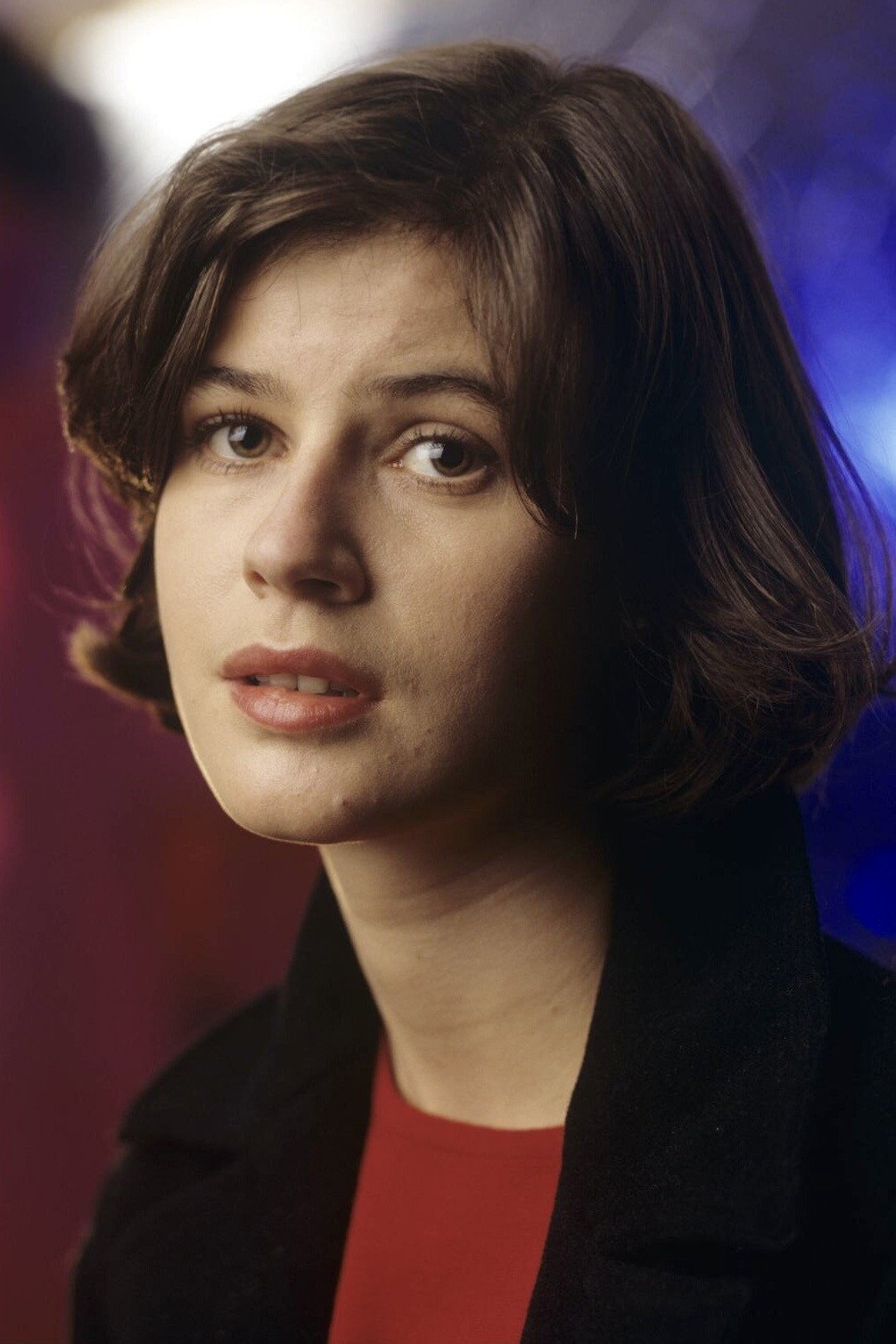
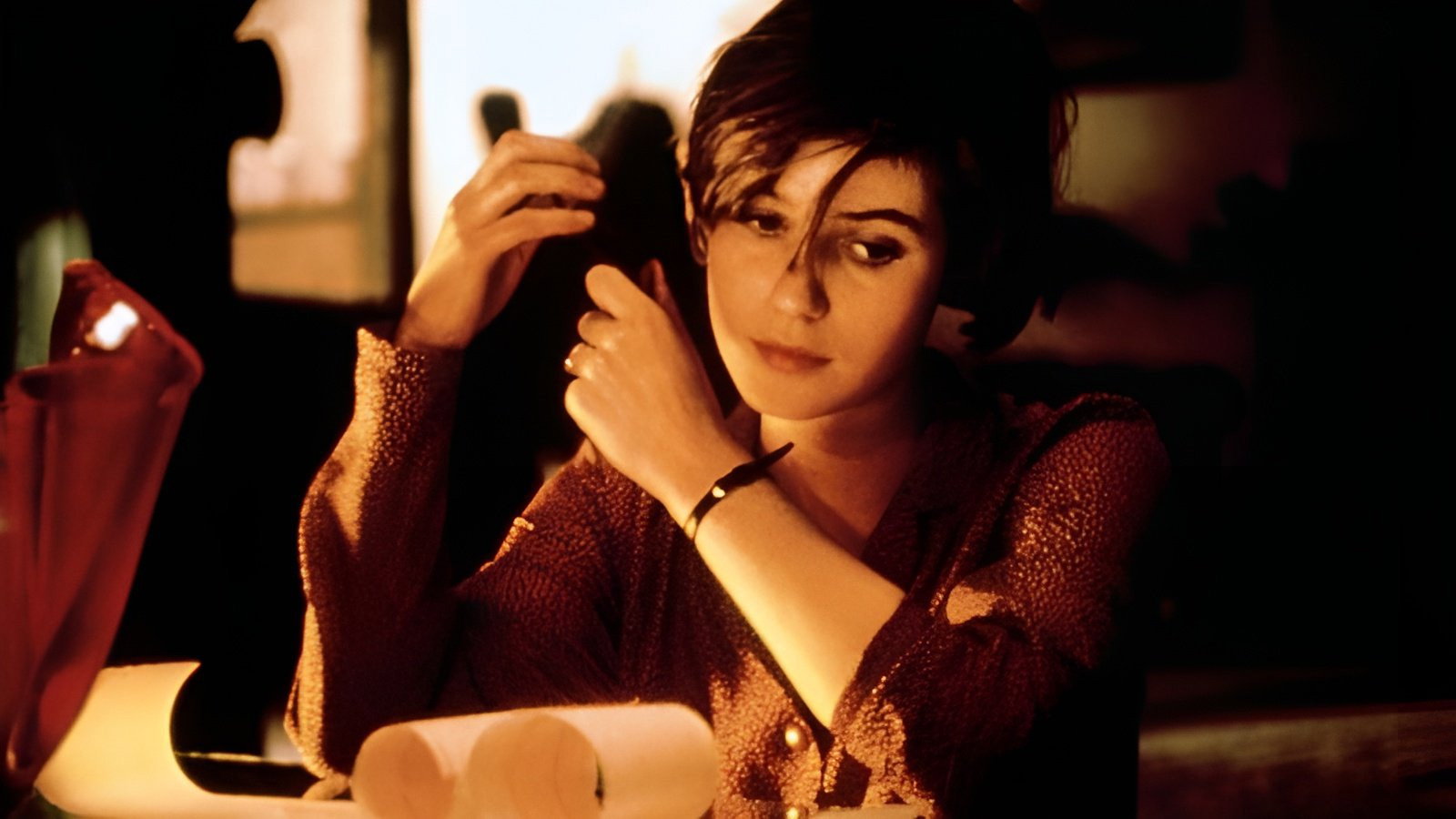
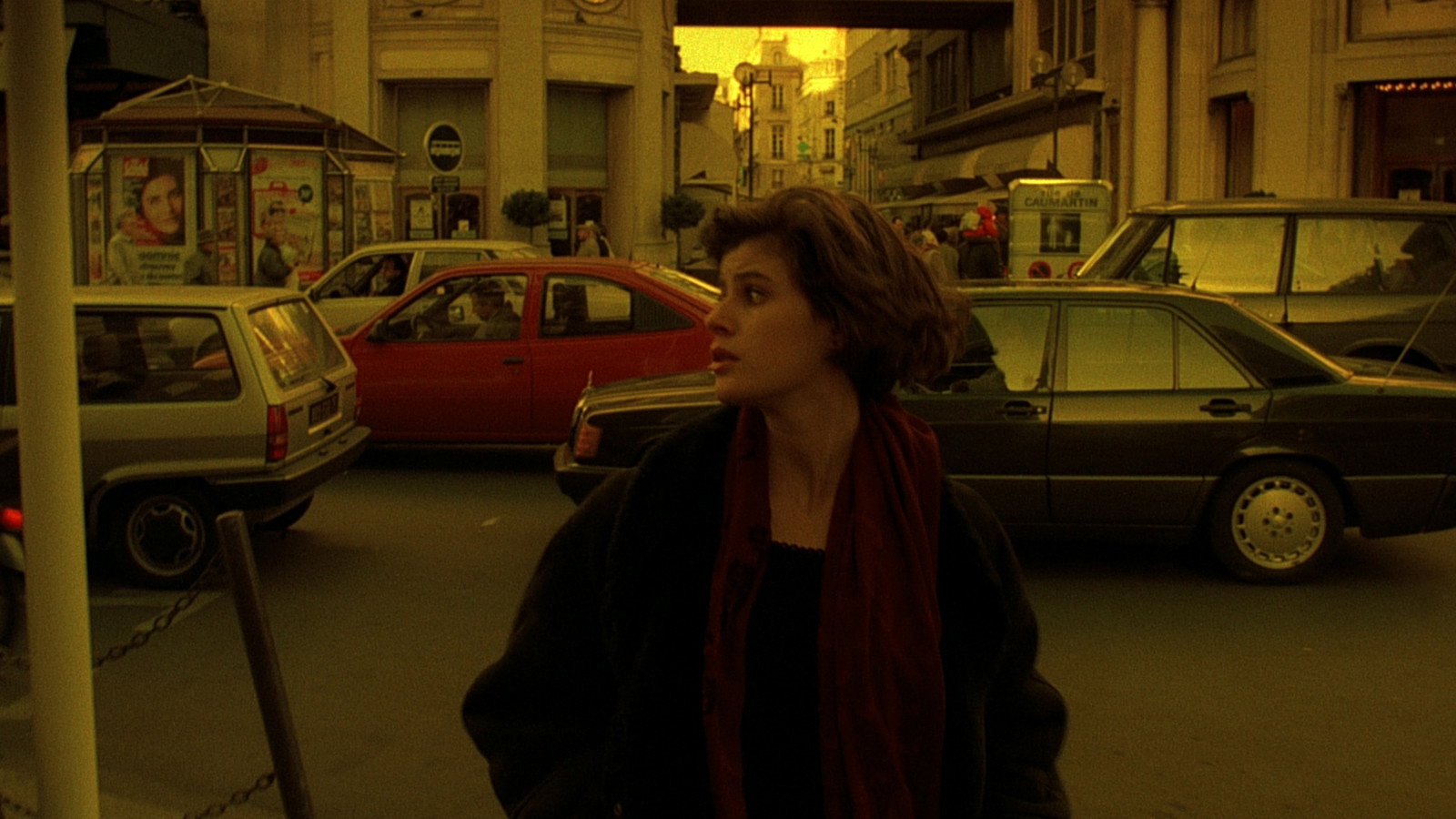
The Double Life of Véronique is a moving film about a strange connection, and we recommend it with a reservation about its wandering pace. Krzysztof Kieślowski asks us to accept that two people might share something neither can identify, without offering a mechanism for it. Weronika and Véronique are both played by Irène Jacob, whose presence makes the question worth staying with. The film is patient with feelings that would sound faintly ridiculous if anyone tried to explain them.
The screenplay, by Kieślowski and Krzysztof Piesiewicz, follows parallel lives shaped by chance and choices. We are encouraged to notice connections, but looking for a solution to every coincidence soon becomes a distraction. We do not have to believe in shared souls to recognise the unease of a thought that seems to arrive from nowhere. Kieślowski takes that feeling seriously enough to build a film around it, leaving us to decide how much explanation we need.
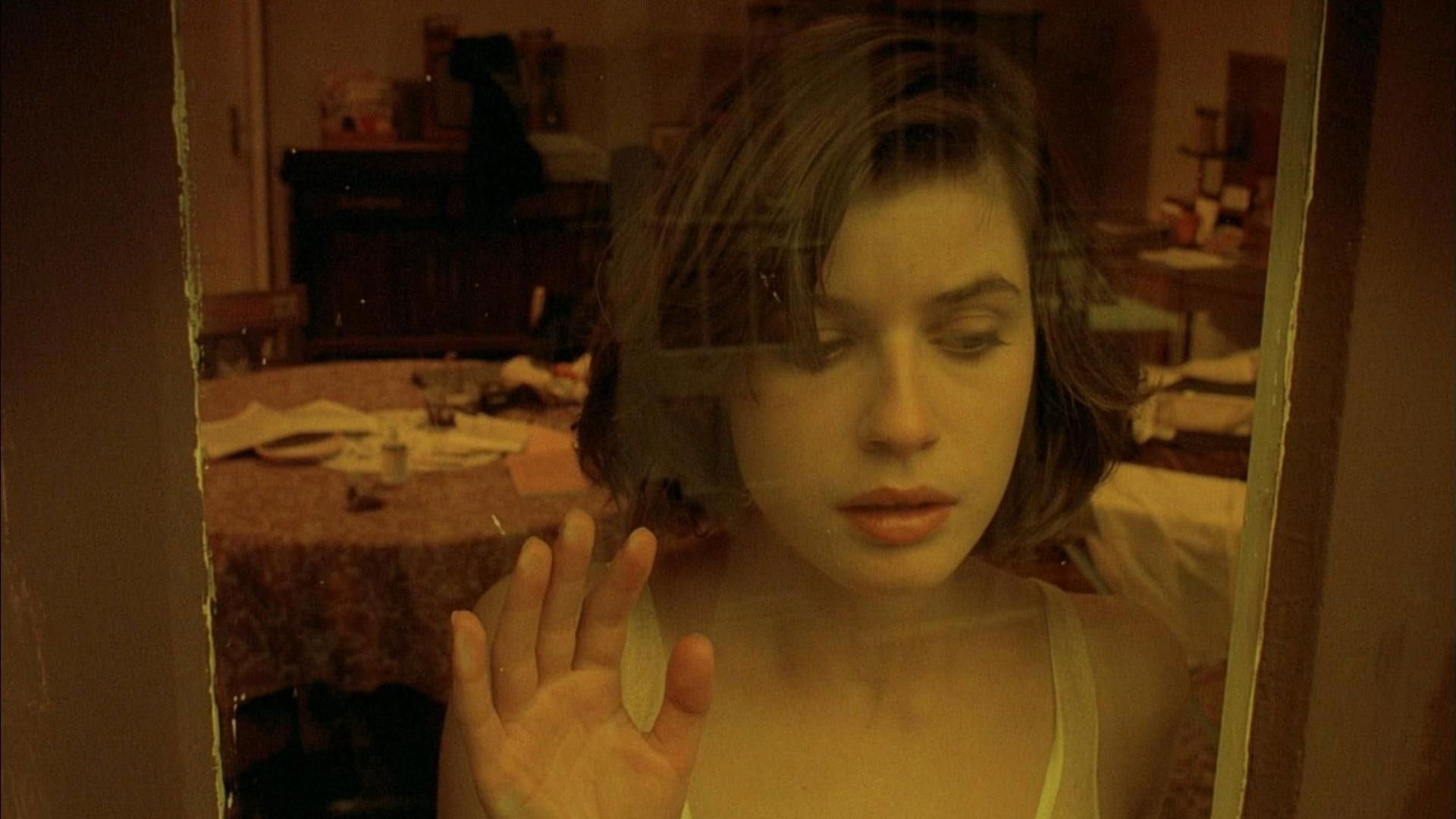
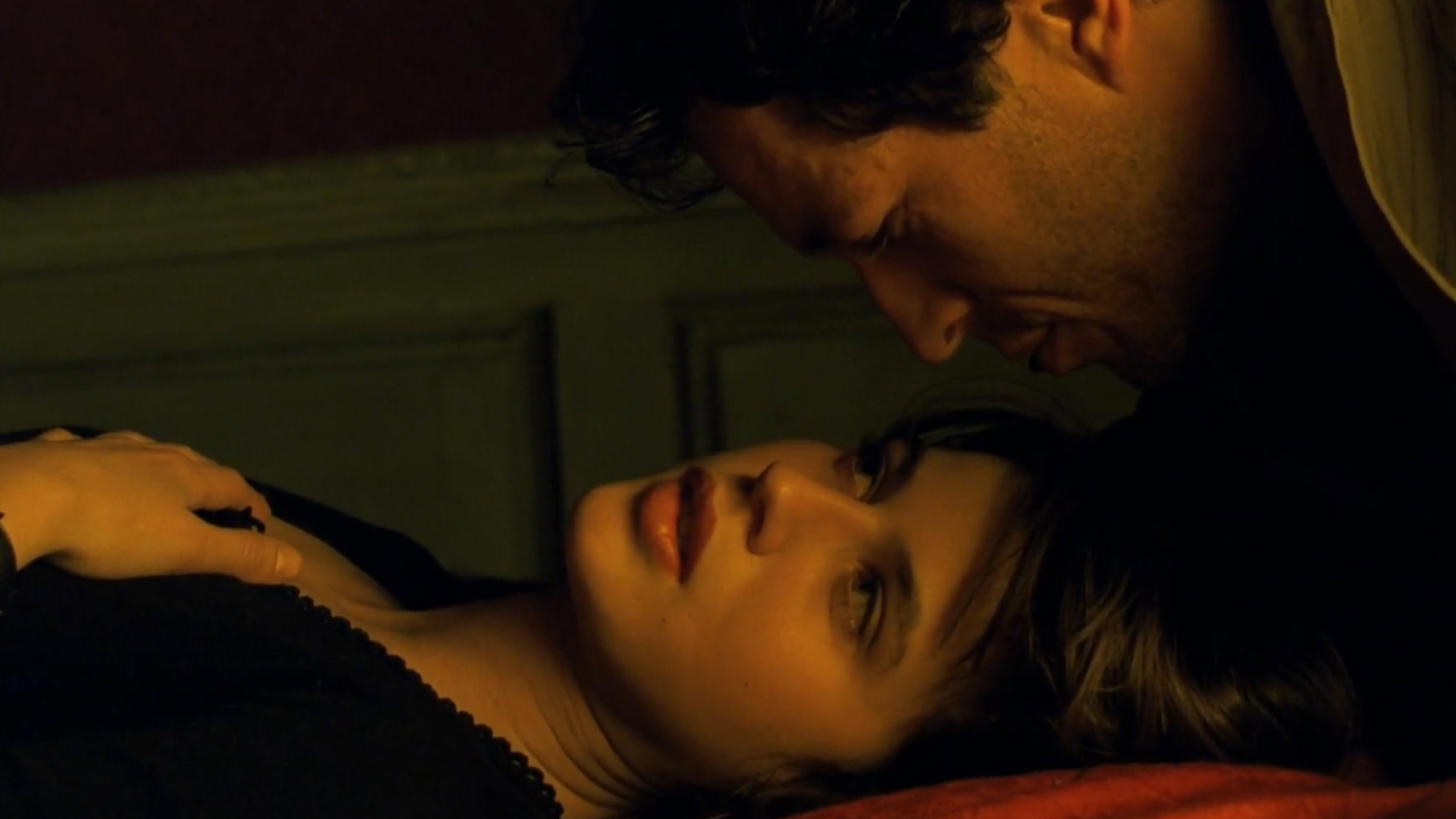
Jacob gives all this an openness that keeps it from becoming ponderous. The camera spends long stretches studying her face, and she never seems to be posing as a woman with a profound secret. We were moved by her unguardedness in those close-ups: she lets uncertainty show without turning it into an appeal for sympathy. There is passion in the performance, too, which matters in a film so liable to become absorbed in its own mysteries. We kept watching her rather than hunting for clues.
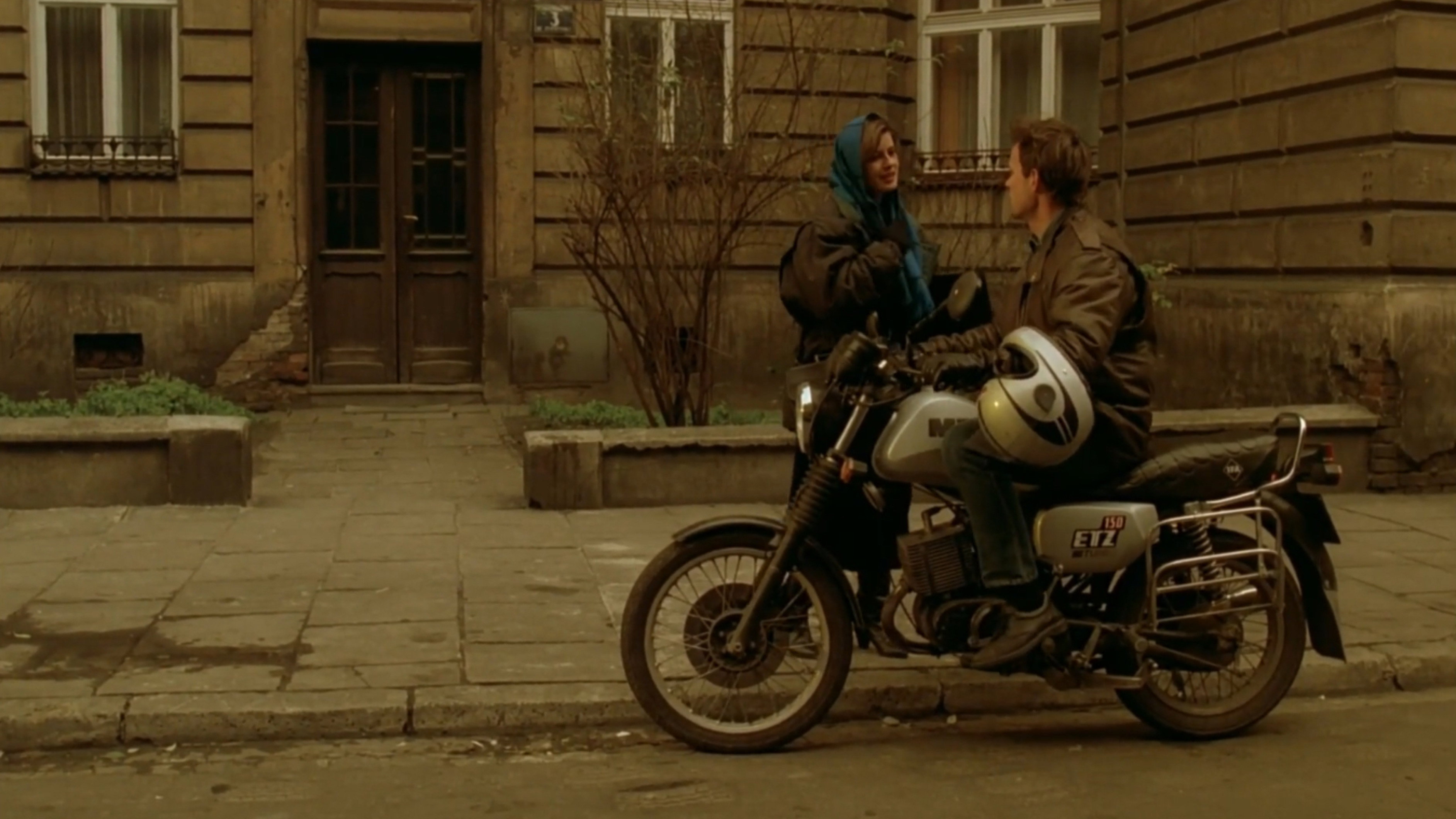
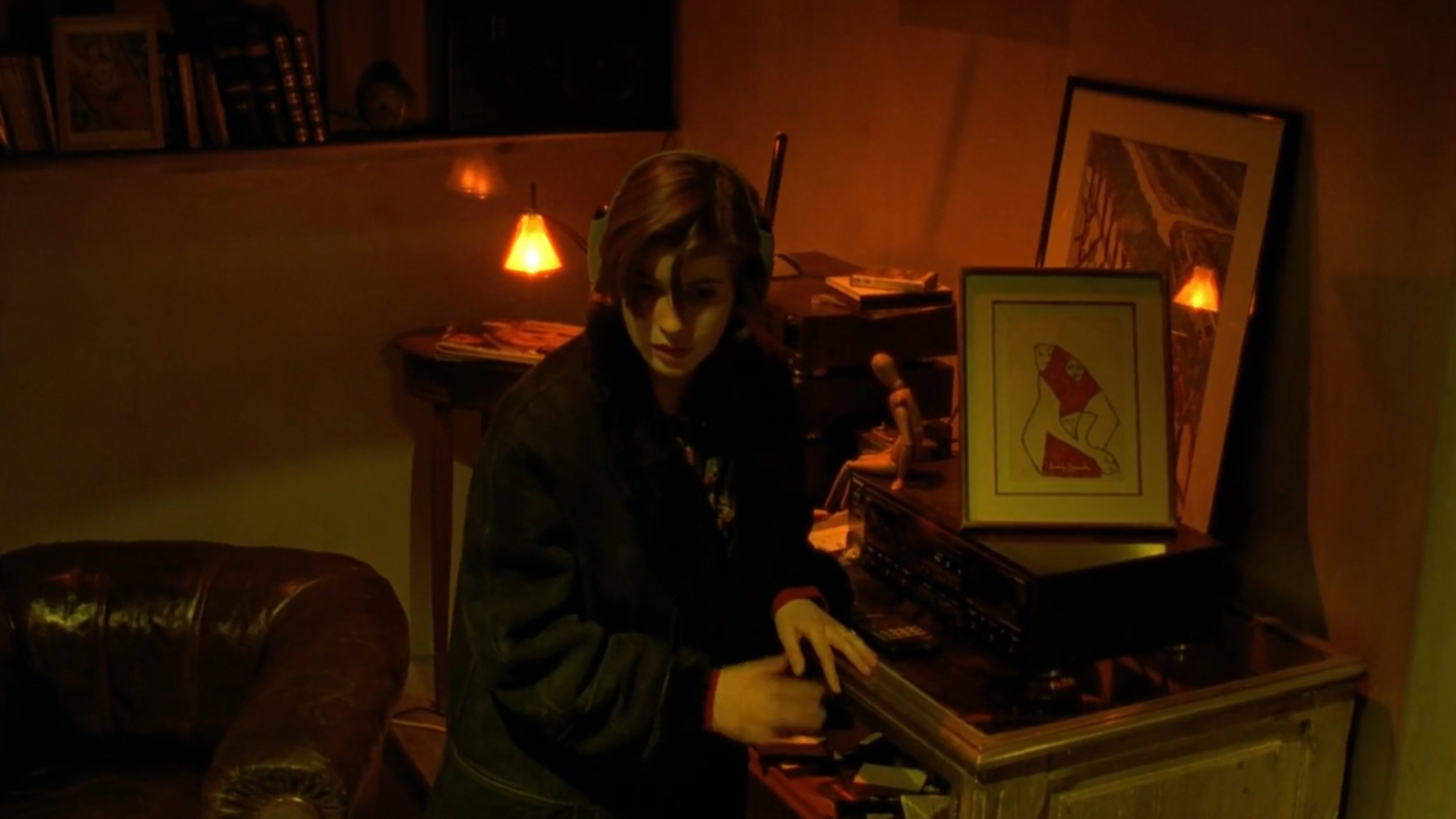
Sławomir Idziak’s cinematography gives the images a golden colour, with reflective surfaces repeatedly bringing us back to the women’s likeness. The light makes us linger over a shot; the reflections give us another reason to inspect it. Patrice Mercier’s production design contributes to the polished appearance, though at times the surroundings seem arranged principally to be admired. We occasionally wanted something less exquisite to look at, simply to stop noticing how much care had gone into the picture.
Zbigniew Preisner’s score has the breadth and emotional force to match those images. Its sweep is welcome because so much else remains tentative: the music allows a feeling to be large without anyone having to define it. There is a danger of being pushed towards wonder by the photography and the music at once, and we can understand resistance to that. Jacob gives us enough to care about for Preisner’s expansiveness to feel earned.
Jacques Witta’s editing accommodates the gaps in the storytelling, trusting us to follow without having every connection spelt out. It is less persuasive in the French section, where the pace slackens and some of the extended close-ups begin to feel indulgent. At 98 minutes, the film has room for contemplation, but those stretches could be tighter without losing what makes it unusual. We would have welcomed a few earlier cuts in these passages.
Anyone who needs fantasy to come with firm rules is likely to find Kieślowski trying. The lack of certainty is welcome for much of the film, because Jacob makes the women’s feelings credible before we can account for them. The patience required is considerable, and so is the pleasure of watching an actor sustain this much curiosity. Choose it for an evening when nobody is going to ask what it all means every ten minutes.