Critics’ reviews

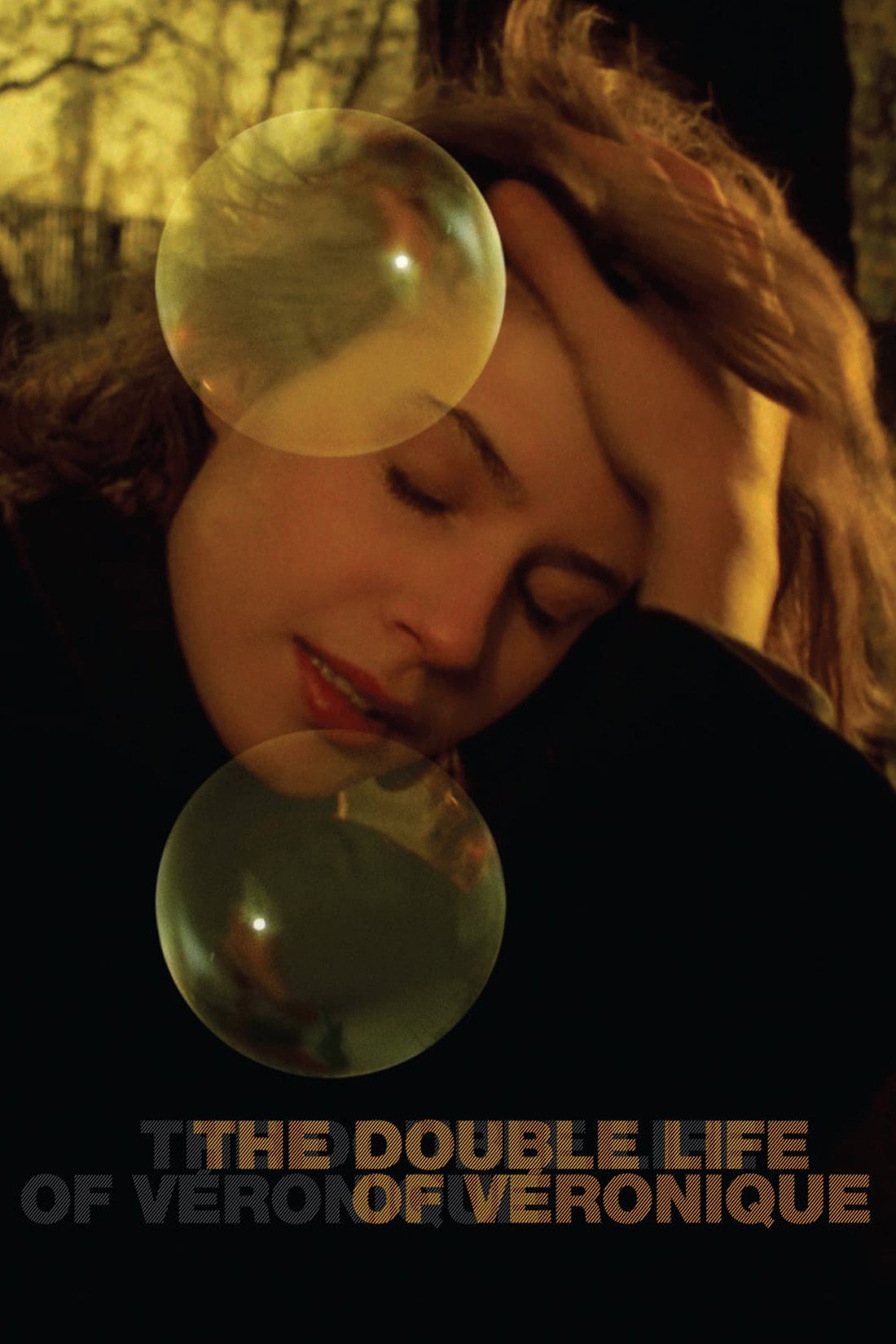
The Double Life of Véronique (1991)

10 reviews from 10 publications. We need six from publications we count before we show a critics’ score; there are 5 so far.

Back to our review of The Double Life of Véronique

5 of 6
Positive
5
Mixed
0
Negative
0

With only 5 reviews in so far, the consensus is strongly positive, with praise clustering around Irène Jacob’s dual performance, Sławomir Idziak’s reflective photography and Zbigniew Preisner’s score. Most critics find the film’s unexplained connections between parallel lives moving and welcome its reluctance to supply answers. Reservations concern whether that mystery sustains its emotional force: Variety finds that the French section loses momentum, while the Los Angeles Times offers a sharper dissent, seeing glossy surfaces and portentousness where admirers find depth. The divide rests chiefly on how much feeling critics find beneath the beauty.

The AV Club
6 December 2006 · A · Scott Tobias
95

The critic praises the film's poetic abstraction of coincidence and chance through the parallel lives of two women played by Irène Jacob, highlighting its reflective cinematography, sweeping score, and focus on beauty and inexplicable connections.

Read the full review →
Empire
1 January 2000 · David Parkinson
90*

The critic describes the film as a compelling, challenging and irresistibly beautiful delicate metaphysical masterpiece. They single out its great fragility and beauty, divine golden photography by Slawomir Idziak, Zbigniew Preisner's score, reflective surfaces reinforcing duality, and Irène Jacob's sublime performance.

Read the full review →
Slant Magazine
9 February 2011 · Glenn Heath Jr.
85*

The review celebrates the film's exploration of duality, fate, and sensory experience through the interconnected stories of Weronika and Veronique, noting its hypnotic visuals, music, and themes of self-discovery and metaphysical resonance.

Read the full review →
The Guardian
17 March 2006 · Peter Bradshaw
85*

The critic praises Kieslowski’s brilliant meditation on choices and alternative lives in this enigmatic doppelgänger story. They single out the heart-stopping beauty and generous, unselfconscious passion of Irène Jacob’s performance as the two women.

Read the full review →
Los Angeles Times
13 December 1991 · Peter Rainer

The film is a metaphysical conundrum with high-gloss visuals reminiscent of perfume commercials, all about the allure of surfaces rather than deeper resonance. Kieslowski falls into bad habits with portentous anomie and extended close-ups, making it stylish but ultimately hollow and bound to be overrated.

Read the full review →
RogerEbert.com
13 December 1991 · Roger Ebert

The film is a mysterious and poetic romance about two identical young women who share uncanny connections but never quite meet. Kieslowski explores the possibility of parallel lives and the mystery of consciousness without providing easy answers or clues.

Read the full review →
The New York Times
24 November 1991 · Vincent Canby

Kieslowski's film exemplifies a distinctive kind of contemporary European cinema that bewitches the eye with haunting and opaque sequences. It examines a metaphysical equation through the mystical bond between two identical young women who have intimations of each other's existence.

Read the full review →
Time Out
13 March 2006 · GA

The critic finds the film remains striking for its baroque beauty, elliptical narrative and supernatural premise, viewing it as a bridge between Kieślowski’s earlier and later works with rich thematic connections to surveillance and filmmaking.

Read the full review →
Variety
31 December 1990 · ** · Variety Staff

The film features many-splendored outbursts of filmic creativity and intense emotion but remains a head-scratching cipher with blurred edges about the opposite destinies of two lookalike women. The Polish section is rapt and intense, while the French part loses momentum after a strong opening.

Read the full review →
Collider
23 March 2025 · Zach Laws
85*

The critic praises Kieślowski's film for its profound exploration of parallel lives, chance, and fate through the stories of two women played by Irène Jacob. They highlight the dreamlike visuals by Sławomir Idziak and expressionistic score by Zbigniew Preisner as creating a mood of interconnectedness rather than relying on plot.

Read the full review →

Ordered by the weight we give each publication, then by score. Scores are normalised to 100; * means inferred from an unrated review. Summaries are ours, not quotations; follow the links for the reviews themselves. How we rate