Film review

A Matter of Life and Death

1946 · Directed by Emeric Pressburger, Michael Powell · 1h 44m · U

In a sentenceHeaven has no colour and too many officials; we would prefer another evening on Earth

RomanceFantasyDramaComedy

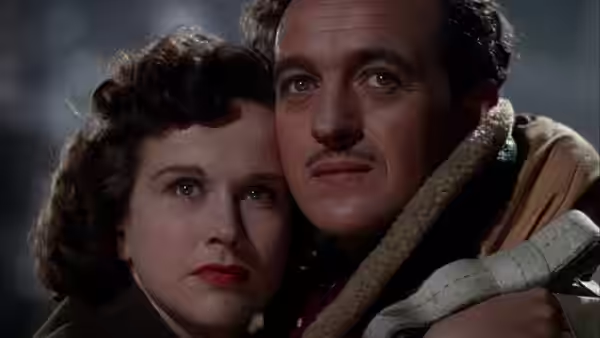
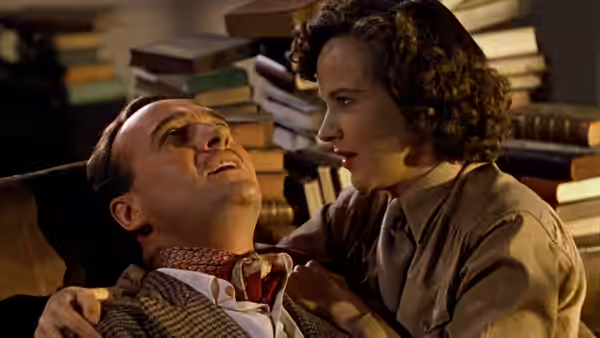
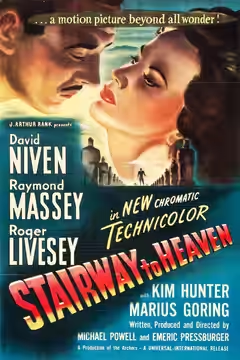
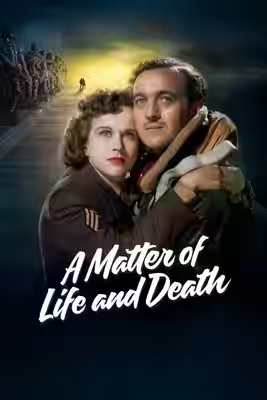
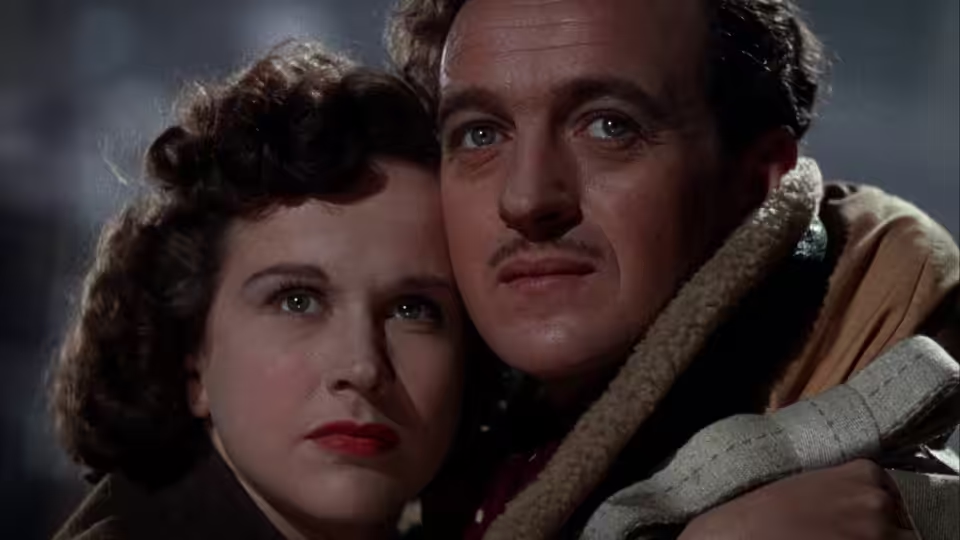
Peter Carter (David Niven) and June (Kim Hunter) fall in love, but a celestial bureaucracy has an interest in their future. Earthly romance comes up against the rules of another world, where human feelings have to compete with official procedure. Doctor Reeves (Roger Livesey) and Conductor 71 (Marius Goring) are among the figures in a story that crosses the boundary between life and death. Written and directed by Michael Powell and Emeric Pressburger, the film combines fantasy and comedy with questions about love, nationality and the human cost of war.

Plays from YouTube when you press play; nothing loads from them until then.

Fi1m review

Powell and Pressburger’s romantic fantasy is funny, moving and easy to recommend to almost anyone. The speeches occasionally labour the point, but the colour and the performances make being alive seem worth all this celestial fuss.

Michael Powell and Emeric Pressburger make an earthly romance important enough to trouble the administration of heaven, and they make us believe it deserves the attention. A Matter of Life and Death is a funny, moving fantasy that we would recommend well beyond the usual audience for tales of the afterlife. There is plenty of room here for the romance to be buried beneath the explanations. Powell and Pressburger usually know when to let their actors take over.

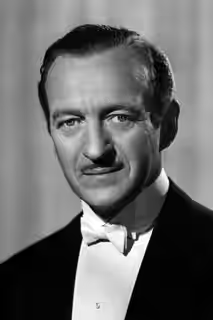
David Niven’s Peter Carter makes courtesy seem like a way of managing fear. Niven’s charm matters because it gives us someone to care about before we have sorted out the rules of the fantasy. Kim Hunter’s June is direct enough to stop their attachment feeling like an excuse for the scenery. Roger Livesey brings a reassuring warmth to Doctor Reeves. The performances have a deliberate theatrical quality, but their feelings are sufficiently clear that we never find ourselves waiting impatiently for the next special effect.

Jack Cardiff’s photography supplies the film’s clearest reason for wanting to stay alive: Earth gets Technicolor, while heaven is black and white. We found that monochrome heaven unexpectedly sad. Coming from the warmth of the earthly scenes, the loss of colour makes all its grandeur seem poor compensation. The device is simple enough to register at once, and Cardiff makes it carry feeling without requiring another speech.

Alfred Junge’s production design is just as important, especially the enormous heavenly amphitheatre, which gives the other world an intimidating public scale. The sheer size of the place helps us understand how easily an individual’s concerns could be dismissed here. Marius Goring, as Conductor 71, brings welcome mischief to the official business. His mannered performance belongs in these surroundings; playing it casually would make the whole place harder to accept.

Reginald Mills’s editing keeps the movements between worlds easy to follow, an important courtesy when the story asks us to accept so much. The colour changes do some of that work, but the film also needs a rhythm that can accommodate romance, jokes and extended discussion. Mills mostly finds it, though the talk does occasionally settle in for longer than it should. Allan Gray’s music helps sustain the warmth of the romance through these changes of setting and pace.

Powell and Pressburger’s screenplay is less sure when it makes the lovers carry the weight of relations between Britain and America. The generosity is welcome, especially in a story conscious of what war has cost people, but the national parallels can become laborious. We do not need quite so much encouragement to favour affection over mutual suspicion. The speeches sometimes explain the film’s humane feelings after the actors and the colour have already made them clear.

Romantic fantasy often depends on how readily we will forgive an absurd rule or an overcomplicated explanation. This one earns that forgiveness through the conviction of its actors and the pleasure of looking at the worlds Cardiff and Junge have made. At 104 minutes, it has room for some verbal excess without exhausting our goodwill. Watch it with someone who thinks old screen romances are timid, and allow time afterwards for them to reconsider.
Critical consensus AI synthesised

88
Positive
6
Mixed
0
Negative
1

Most critics warmly praise Powell and Pressburger’s romantic fantasy, with agreement strongest on its visual invention and its treatment of love and war’s human cost. The contrast between Technicolor Earth and black-and-white heaven draws repeated admiration, alongside the otherworldly sets, special effects and theatrical staging. The reviews also value the humour and charm of the performances, finding that the romance gives warmth to the film’s political questions about Britain, America and their relationship.

Reservations concern how insistently the film explains its ideas, rather than any lack of ambition. The Playlist finds some parallels heavy-handed but remains enthusiastic; Variety offers the sharp dissent, judging the promising opening to give way to excessive talk, pretension and insufficient humanity. The spread is therefore wide, though the disagreement is concentrated: most critics find feeling and wit in the same elaborate fantasy that the negative review regards as too intellectual.

Radio Times
★★★★★ · David Parkinson
100

The critic states that Powell and Pressburger marry theatrical stylisation with thematic purpose to perfection in this dazzling fantasy. It highlights the barbed political allegory questioning Allied ties and Britain’s world status, along with the film’s visual audacity and mannered playing.

Read the full review →
The Times
5 October 2018 · ★★★★★ · Ed Potton
100

The review hails the restored classic as outlandishly humane, celebrating its spirit of love, pacifism and international fraternity through luminous Technicolor photography and strong performances.

Read the full review →
Time Out
23 September 2008 · ★★★★★ · Dave Calhoun
100

The critic notes that the film’s origins as a Ministry of Information propaganda piece celebrating Anglo-American relations are not obvious until the final trial scene. It praises the central conceit of the black-and-white heaven versus Technicolor earth and the way the celestial court sequence conveys the emotional weight of six years of war.

Read the full review →
RogerEbert.com
21 April 1995 · Roger Ebert
90*

Ebert calls the film one of the most audacious ever made for its grandiose yet cozy vision and technical invention. He singles out the spectacular heavenly amphitheater and effects like the rose-petal tear as standout elements.

Read the full review →
Variety
31 December 1945 · Variety Staff
40*

The review finds the picture overly intellectual and pretentious, with too much talk after a promising start and insufficient humanity. It notes the experimental designs for the other world but deems them a matter of taste.

Read the full review →
Empire
1 January 2000 · Emma Cochrane

Powell and Pressburger's 1946 fable has aged well into a genuine classic with humour and heart that rewards repeat viewings. The critic highlights its universal themes of war's human cost and the inventive black-and-white heaven versus Technicolor earth contrast.

Read the full review →

Cast

Stills

If you liked this, try…

Here Comes Mr. Jordan poster

Here Comes Mr. Jordan

1941 · Another celestial administration discovers that the living can be awkward customers.

Wings of Desire poster

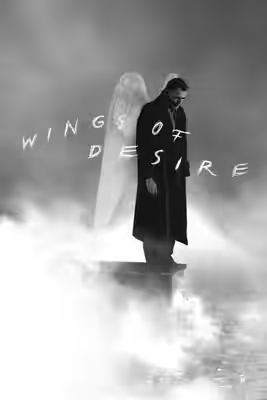
Wings of Desire

1987 · For more angels looking at ordinary life and wishing to join in.

After Life poster

After Life

1998 · A quieter afterlife, where choosing one memory becomes a tender, difficult task.

The Red Shoes poster92

The Red Shoes

1948 · For another romance whose colour and theatrical scale make its feelings larger.

Petite Maman poster

Petite Maman

2021 · A smaller, gentler fantasy that takes impossible meetings seriously and explains little.