Wim Wenders’ Berlin fantasy makes a moving case for paying attention to ordinary lives. Bruno Ganz and Henri Alekan’s roaming camera keep it welcoming, even when the dialogue grows solemn and the romance slows.
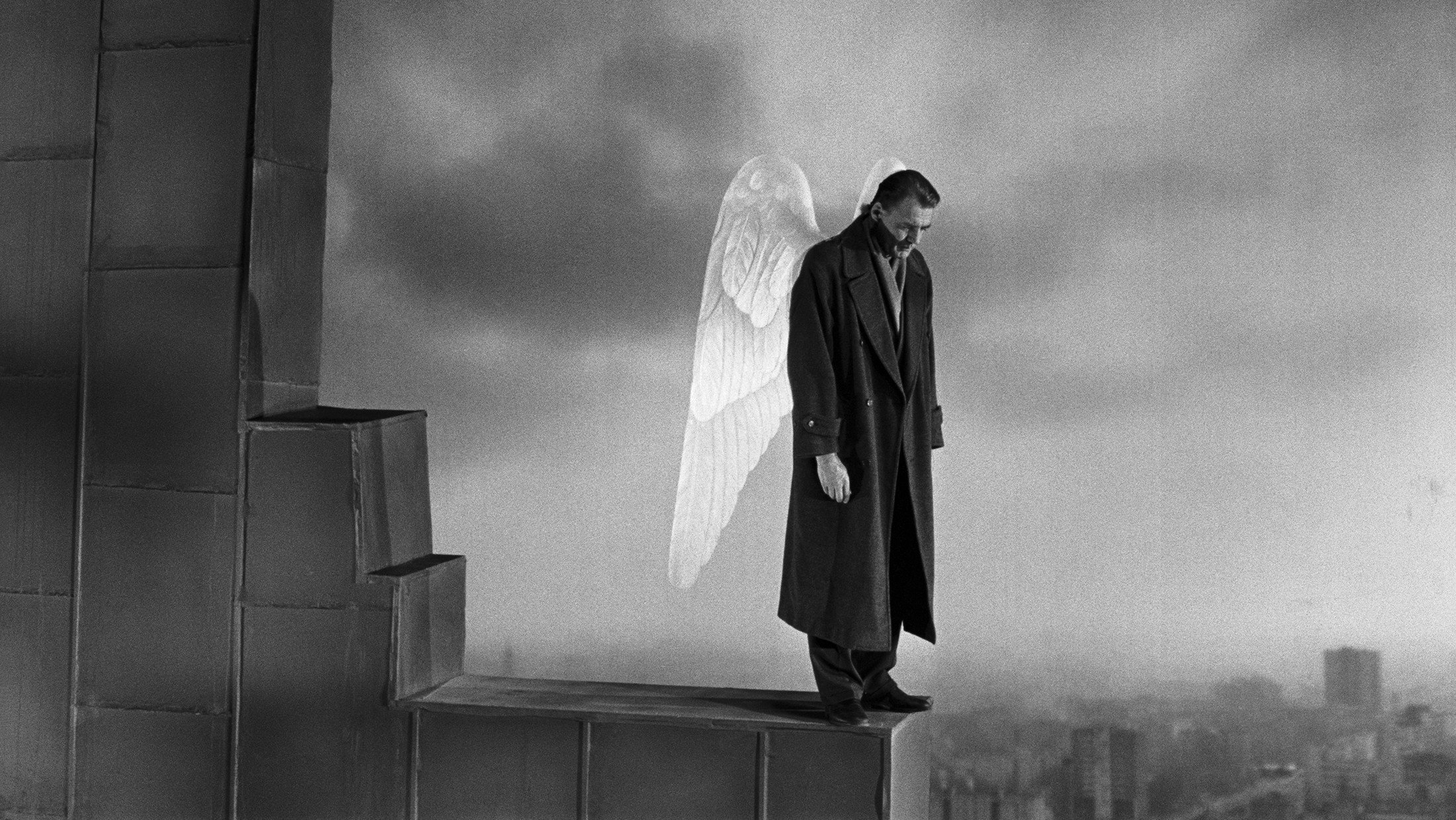
Wings of Desire is a tender, absorbing fantasy that earns its seriousness, though the romance can become too solemn for its own good. Wim Wenders gives his angels time to listen to Berlin’s inhabitants, and asks us to do much the same. The premise offers plenty of scope for grand explanations of existence, but the film is most persuasive when attending to ordinary human wants. Much of the pleasure is in being allowed to look around without immediately having to ask what happens next.
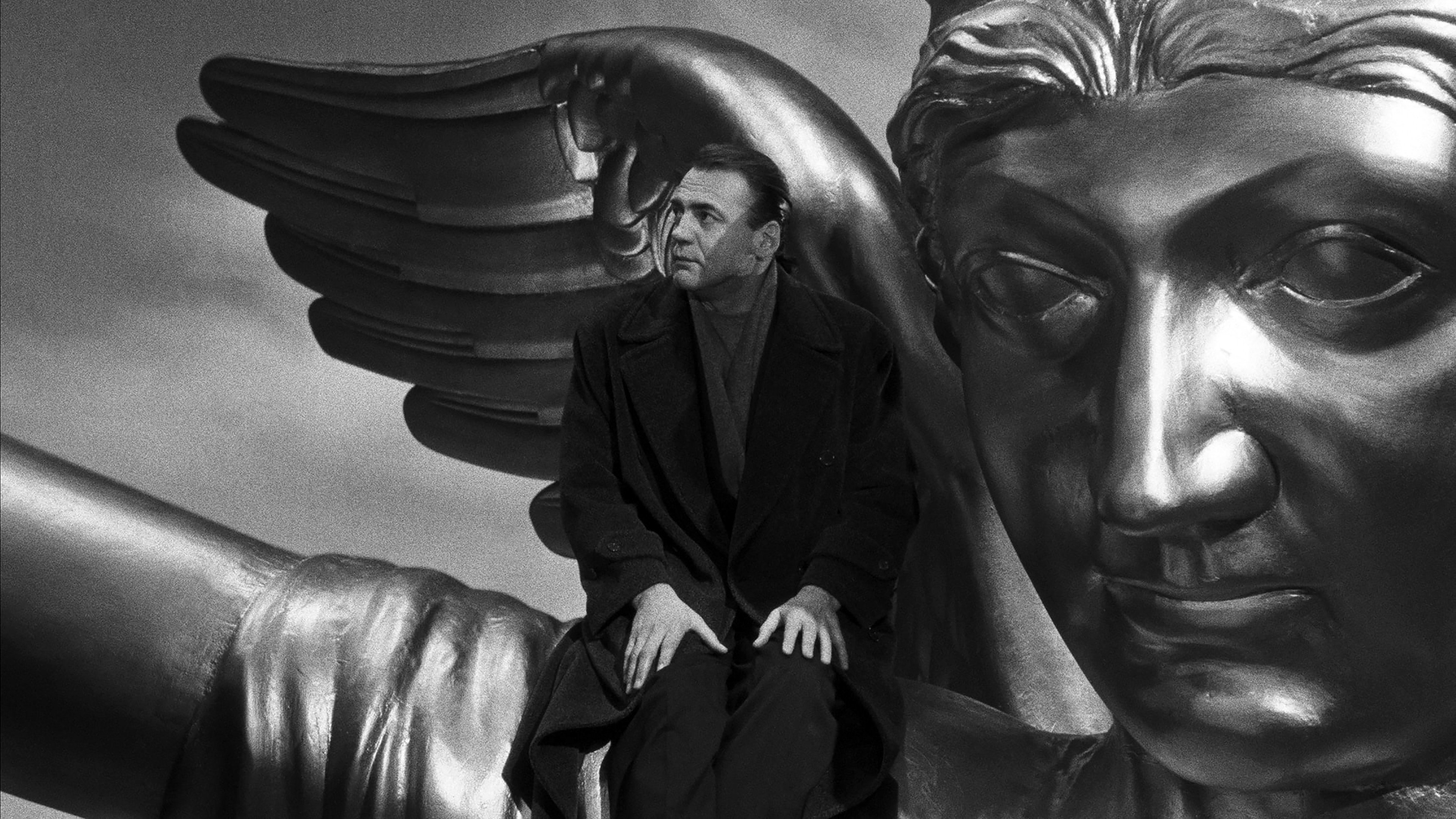
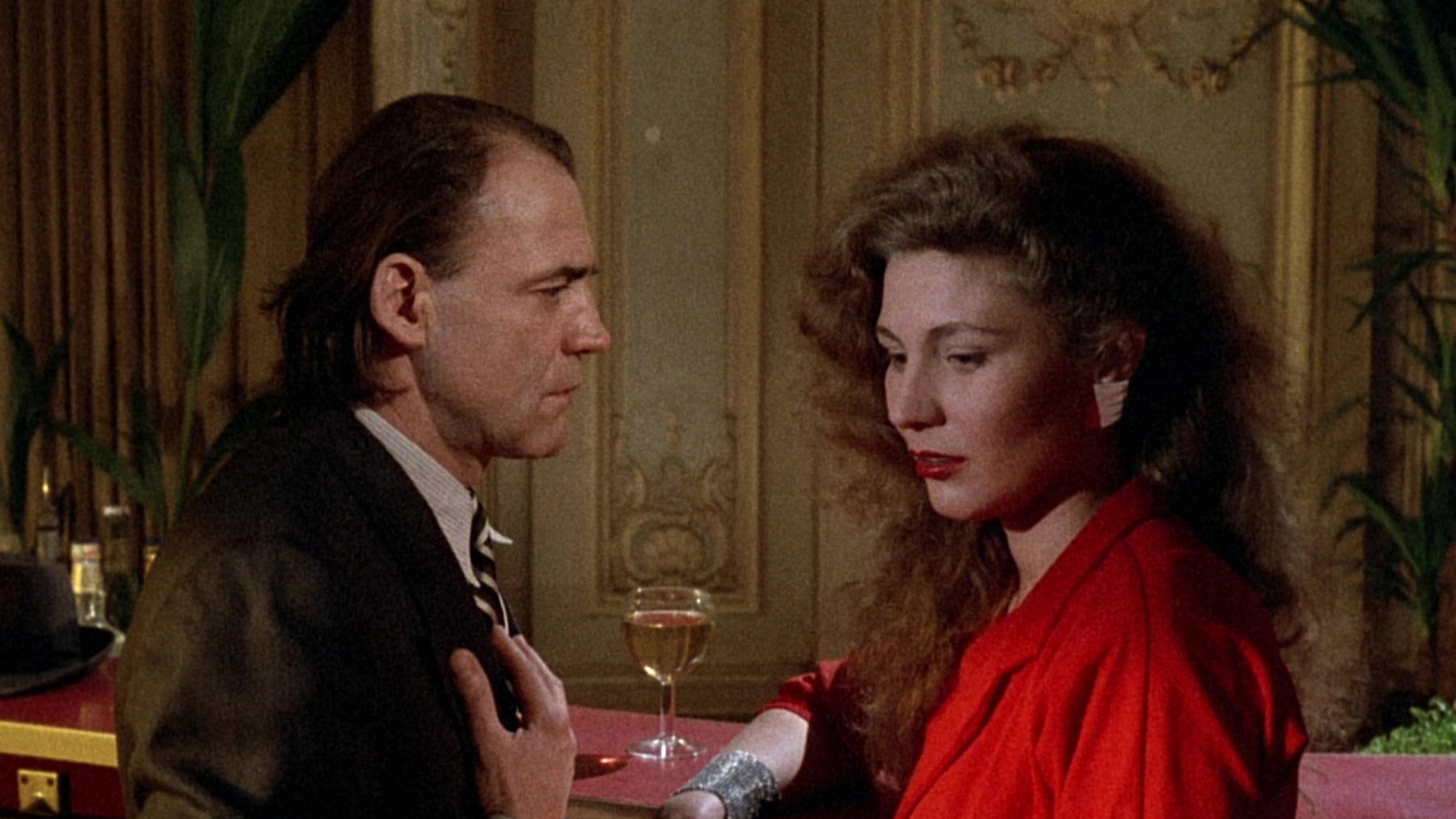
Bruno Ganz’s Damiel longs for the physical sensations and companionship available to the people he observes. Ganz gives the longing a gentleness that keeps the character from becoming a spokesman for the screenplay. We were moved by him simply listening to the human thoughts around him. There is no impatience in that attention, and his willingness to stay with someone else’s troubles makes the film’s concern for lonely people feel convincing.
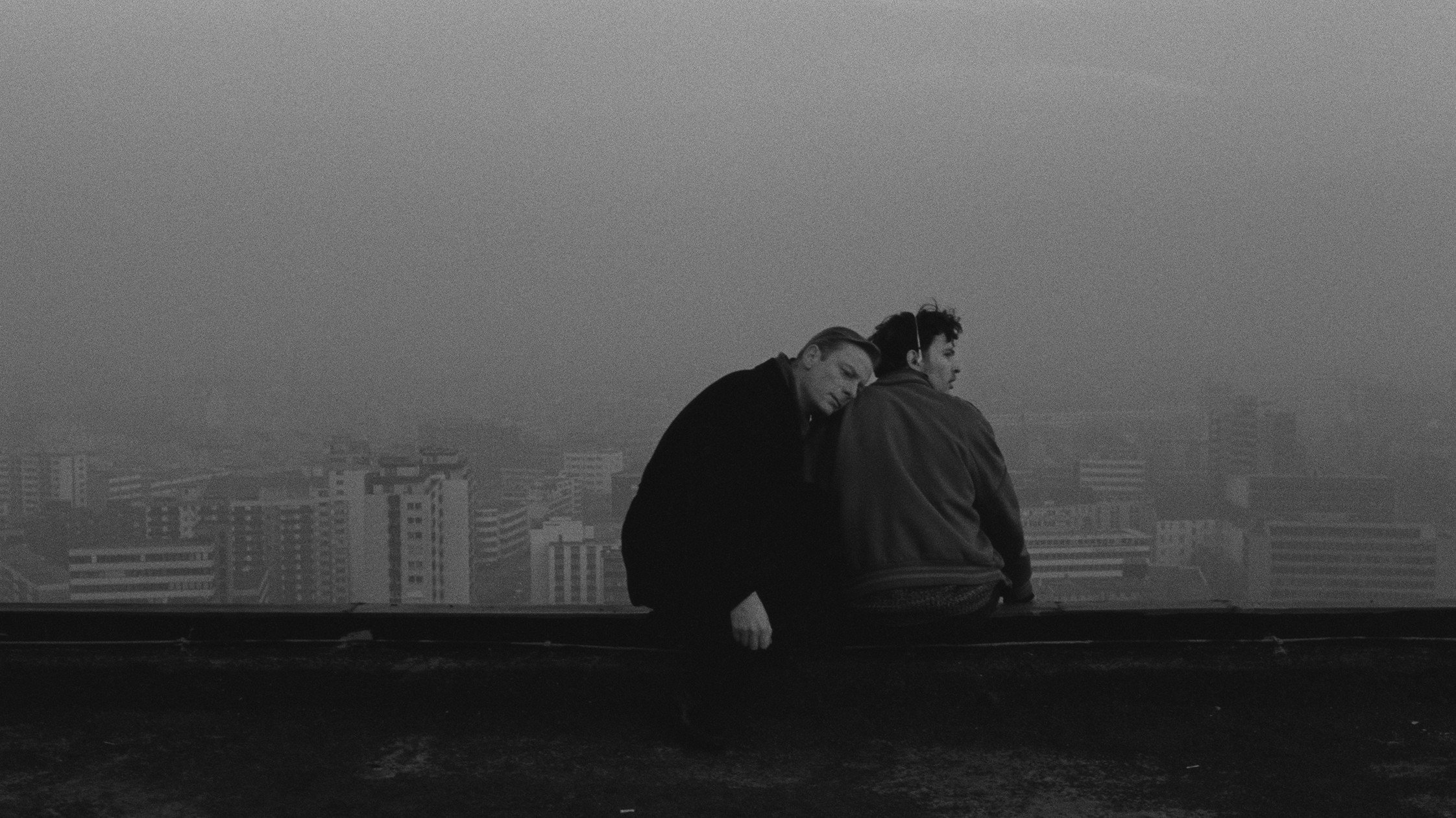
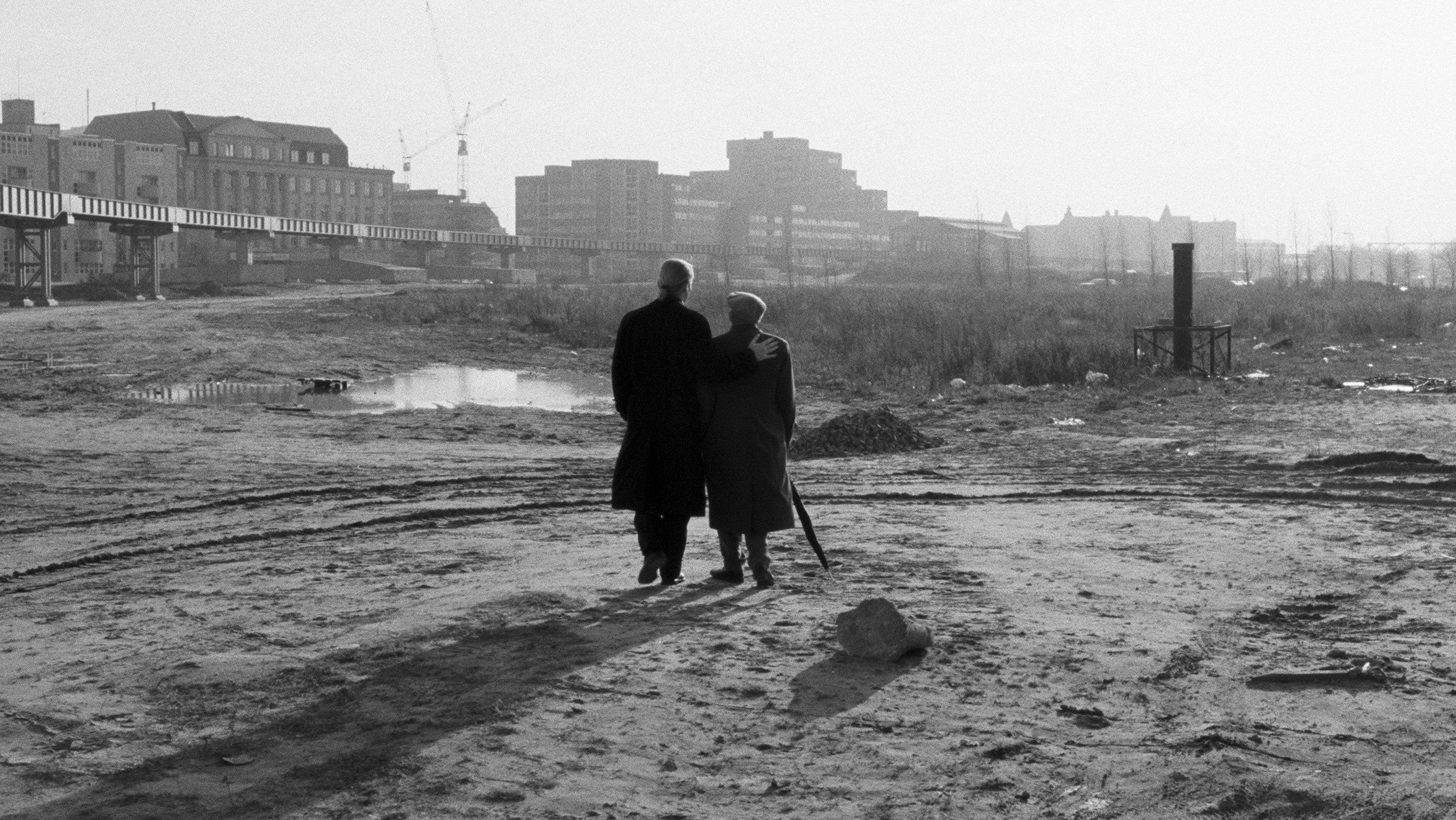
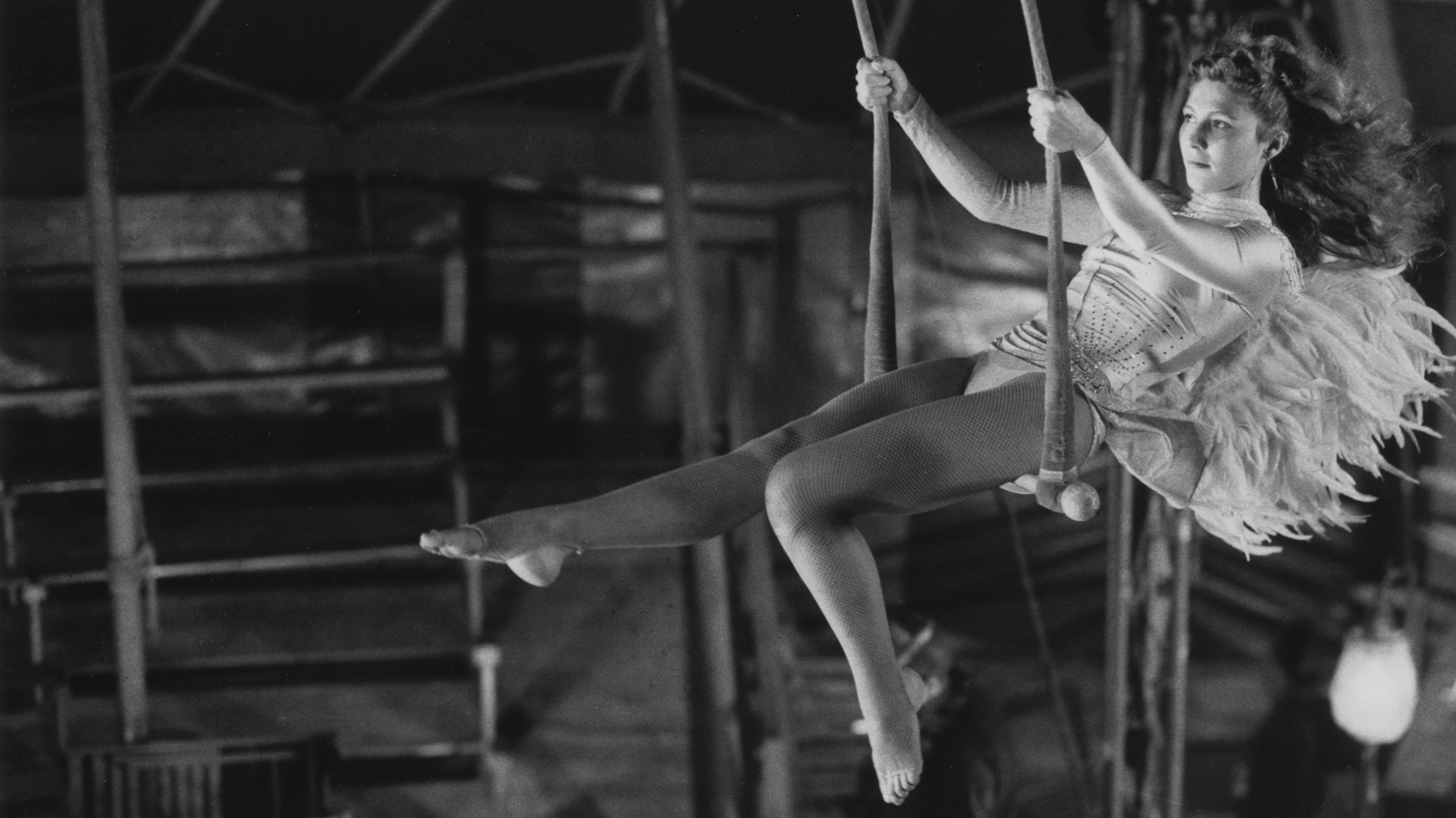
Henri Alekan’s cinematography does much of the explaining that the dialogue occasionally labours over. The gliding camera makes Berlin feel accessible to these observers, while the black-and-white images give familiar human activity a slight distance. We can see why Damiel would want to get closer. Colour belongs to the film’s range too, but it is the patient movement through the city that makes the angels’ presence seem plausible, giving us time to accept them among the people they observe.
Peter Przygodda’s editing gives the observations space, rather than pressing every encounter into service for the romance. That looseness allows the city’s separate lives to hold our interest, although some passages continue after we have understood what they offer. At 128 minutes, the film could lose a little of its deliberation without losing what makes it distinctive. Jürgen Knieper’s music helps hold these passages together, but also contributes to a solemnity that can make small thoughts sound weightier than they need to.
The screenplay is credited to Peter Handke, Wenders, Richard Reitinger and Bernard Eisenschitz, and sometimes gives the spoken thought too much work to do. There are passages whose careful phrasing makes us aware of the writing when we want to be closer to the speaker. Solveig Dommartin’s Marion is allowed too little of the ordinary give-and-take that might make the romance convincing throughout. Here the slow pace becomes an obstacle, because the dialogue keeps asking for attention without always rewarding it.
As fantasy, the film benefits from declining to turn its angels into a set of rules for us to learn. Damiel’s curiosity supplies enough reason to follow him, and the city supplies enough to look at. The mixture of comedy, romance and philosophical talk is less forbidding in practice than it sounds on paper, because Wenders remains interested in the people doing the thinking. We would happily accept the slower stretches for that generosity. Give it an evening when nobody needs the story to hurry.