Film review

A Ghost Story

2017 · Directed by David Lowery · 1h 33m · MPA R

In a sentenceA bedsheet should not be able to look this lonely

DramaFantasyRomance

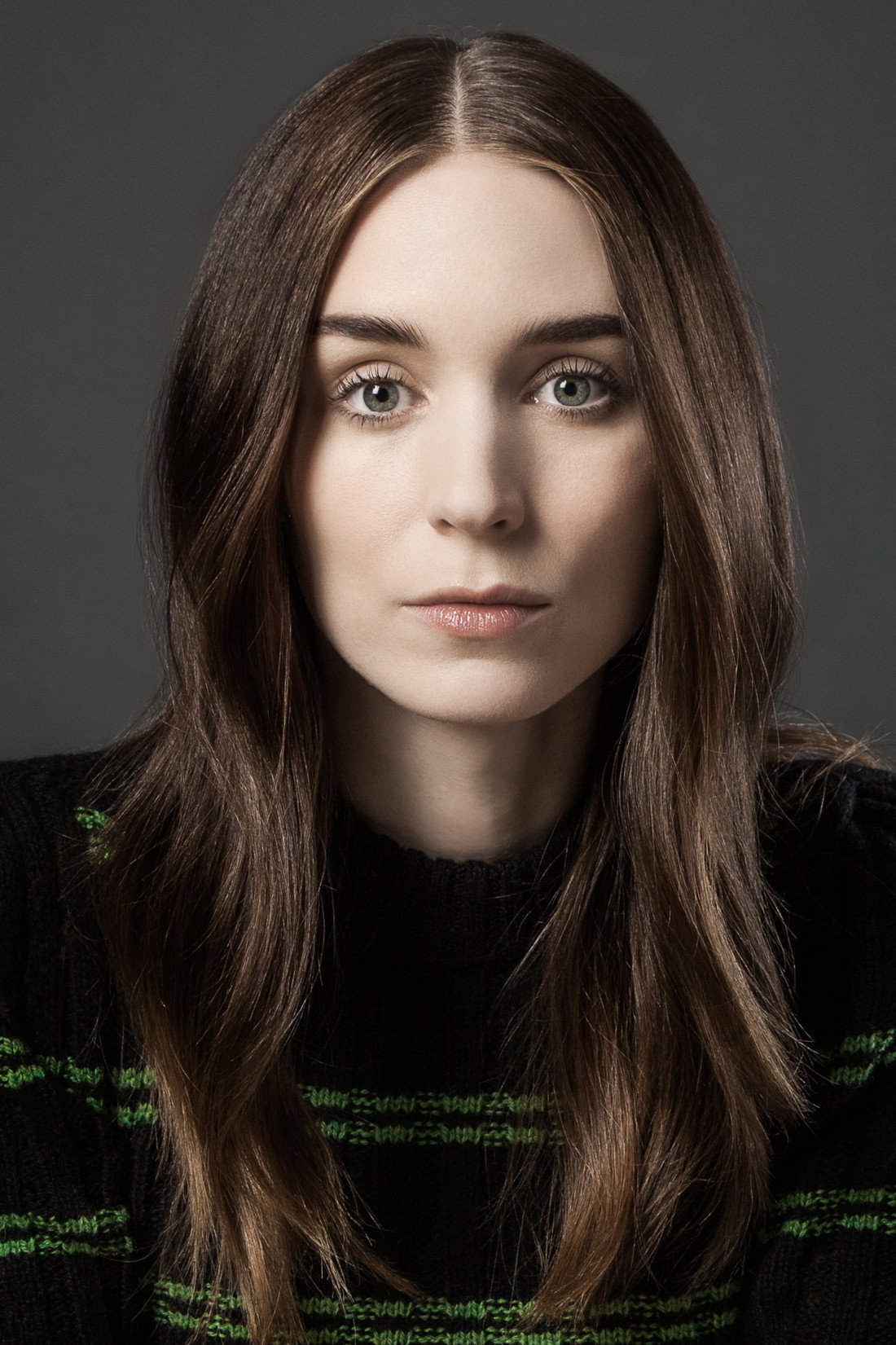
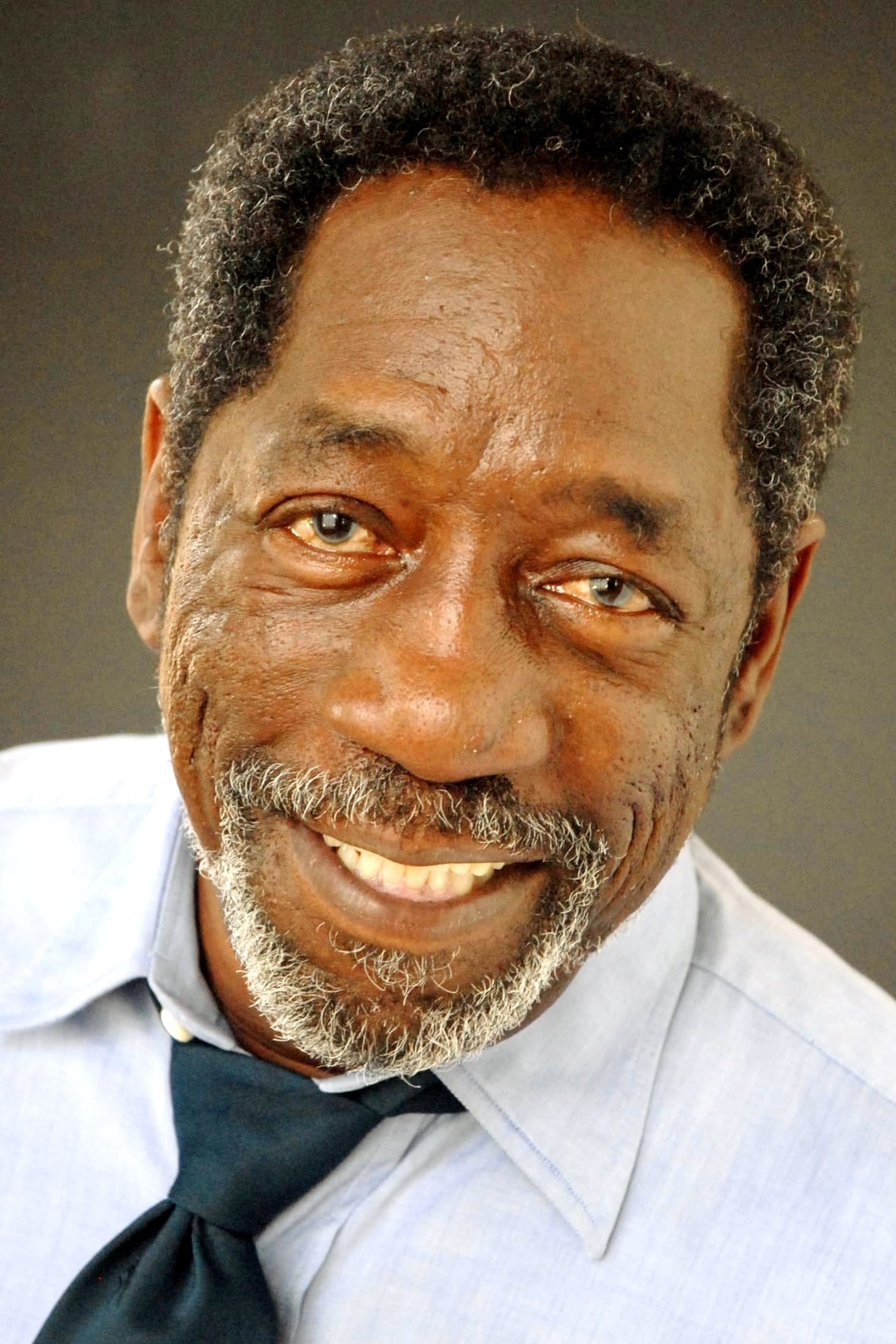
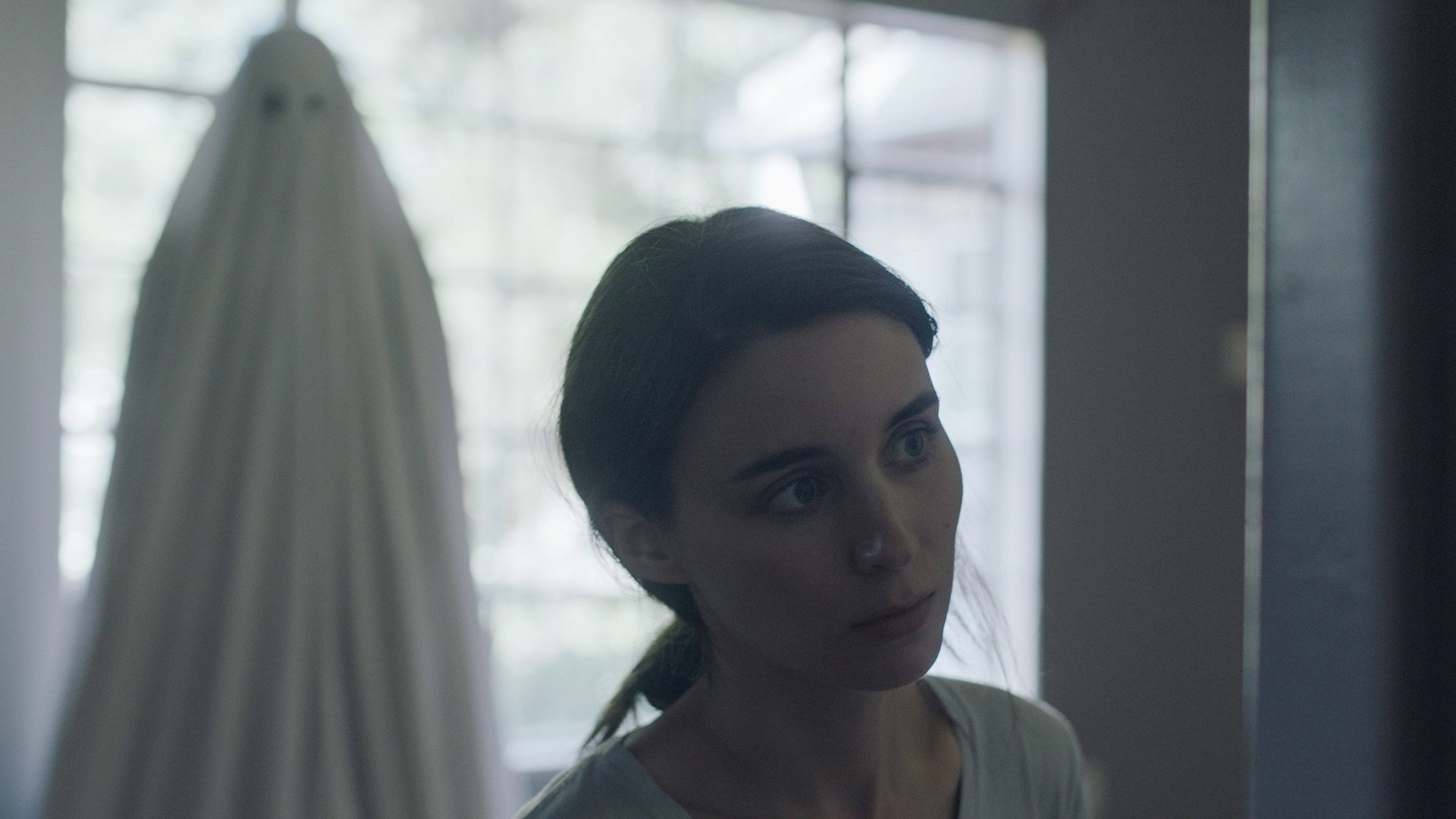
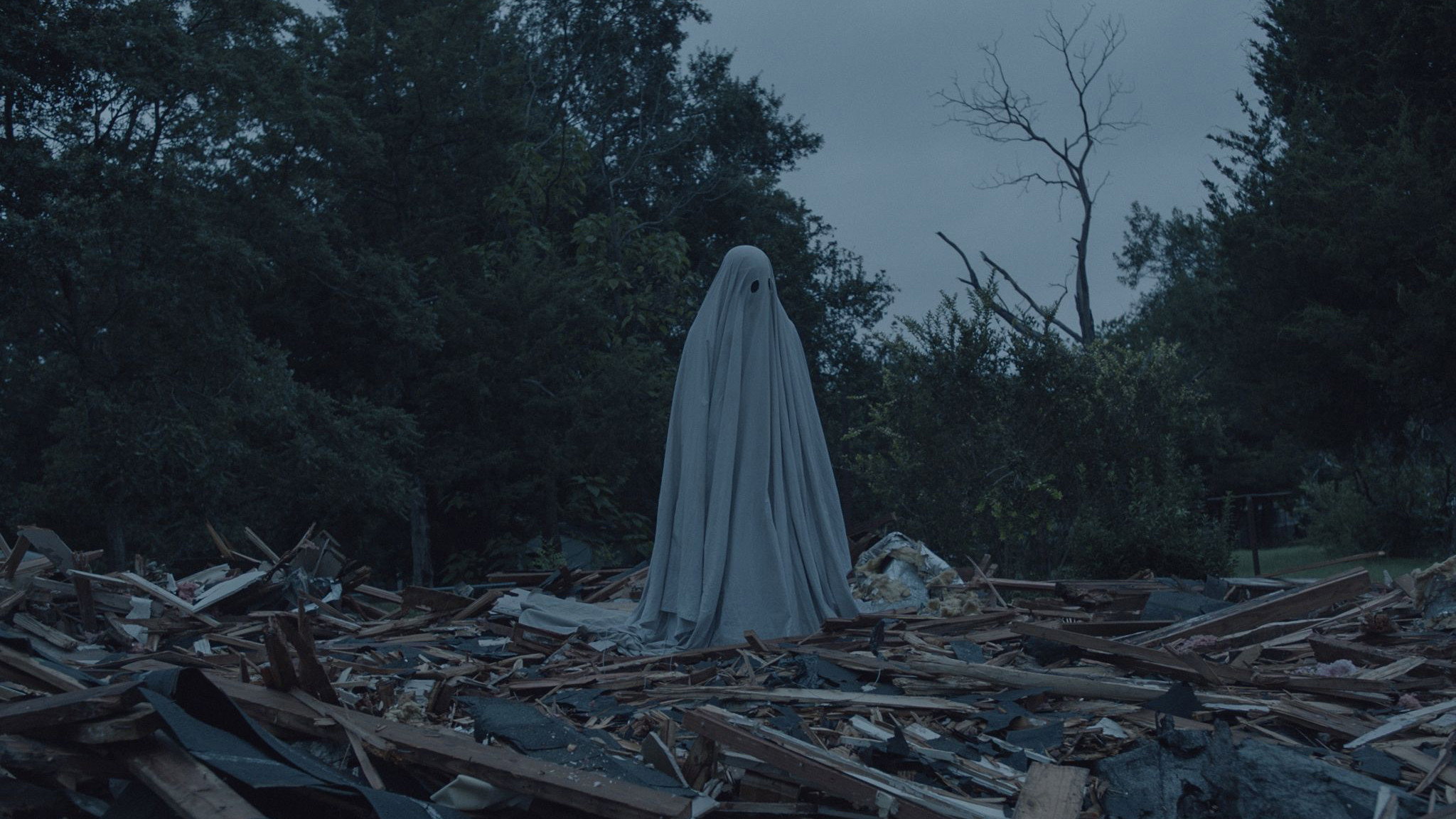
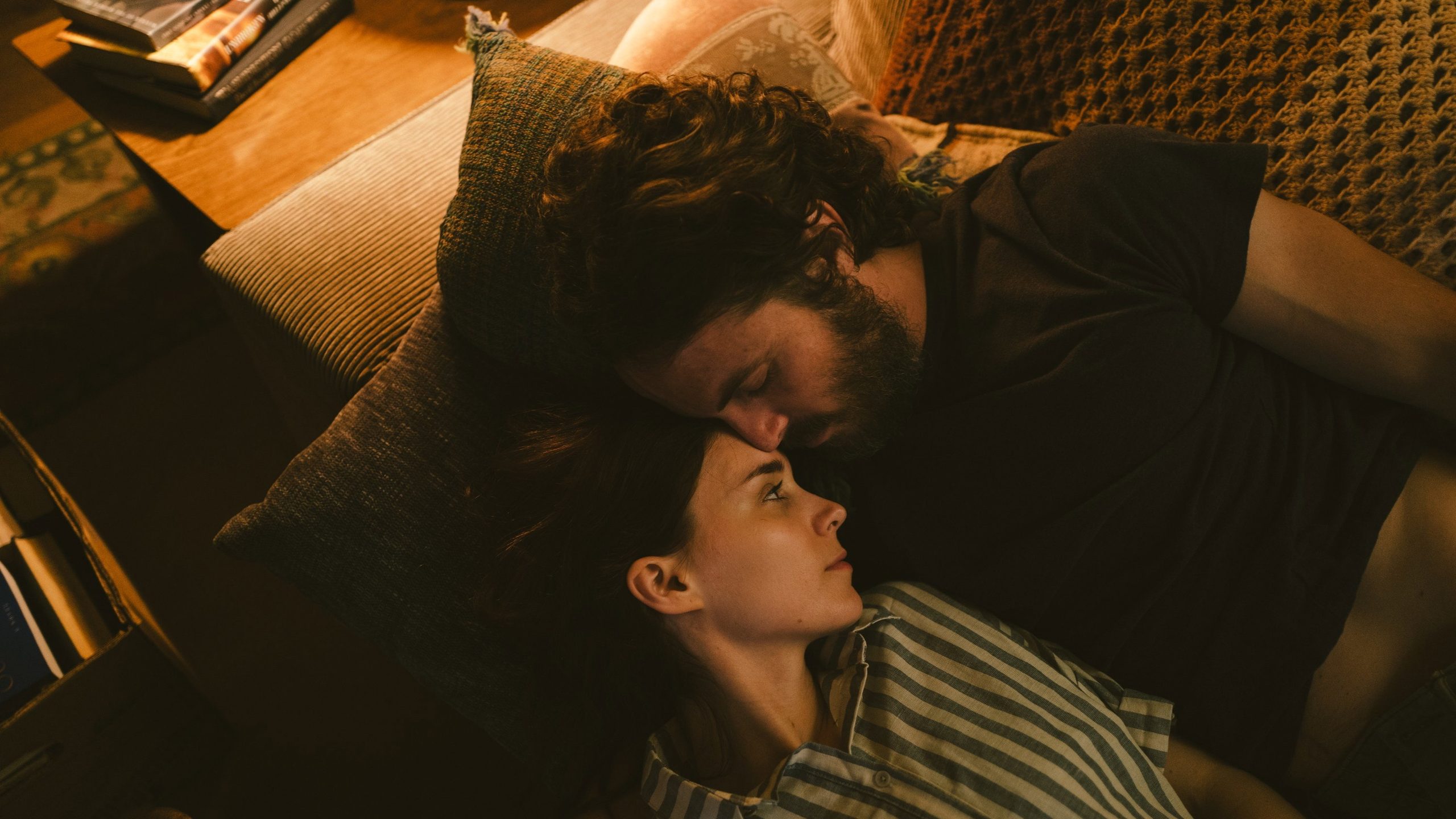
C (Casey Affleck) dies suddenly, leaving M (Rooney Mara) to grieve. While M and a Doctor (Kenneisha Thompson) belong to the living world, C continues as a ghost beneath a sheet, drawn back to the house and the woman he has left behind. M tries to continue with daily life, at one point eating a pie in a prolonged stretch of solitude. C watches without being able to resume his place beside her. He stays attached to what he knew, while time keeps passing for the people still alive.

Plays from YouTube when you press play; nothing loads from them until then.

Fi1m review

David Lowery makes a sheet-clad ghost painfully lonely in this patient, affecting film about bereavement. Rooney Mara gives the grief weight, though the long pauses and a solemn speech occasionally test our goodwill.

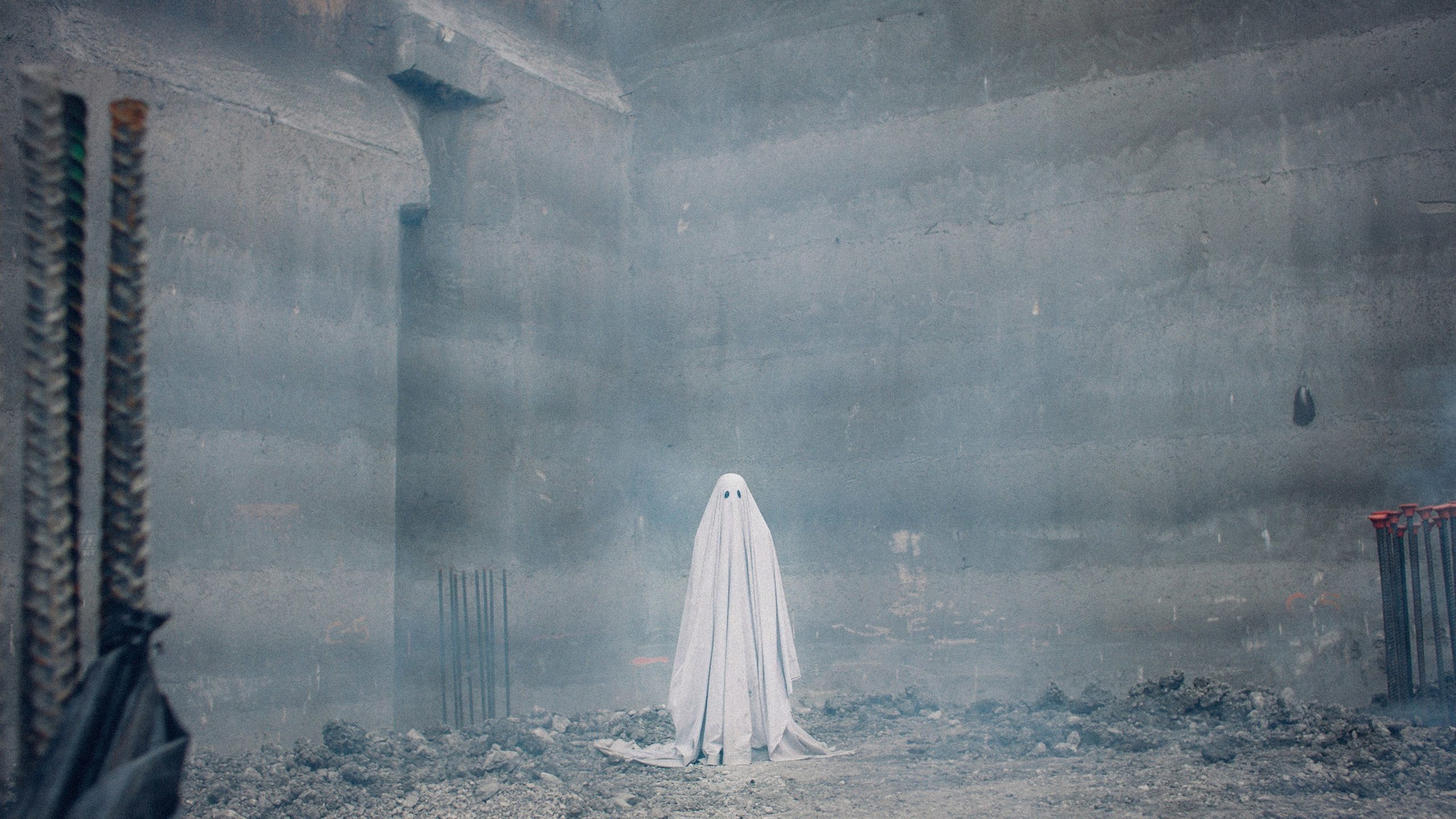
A Ghost Story asks us to spend 93 minutes with a figure under a sheet and take his loneliness seriously. David Lowery’s film is moving, peculiar and worth the patience it asks for, although its solemnity occasionally becomes hard work. The ghost’s presence makes us think about being left behind and watching without being able to join in. That is a sound reason to make a ghost film, and the director is willing to let that waiting become uncomfortable.

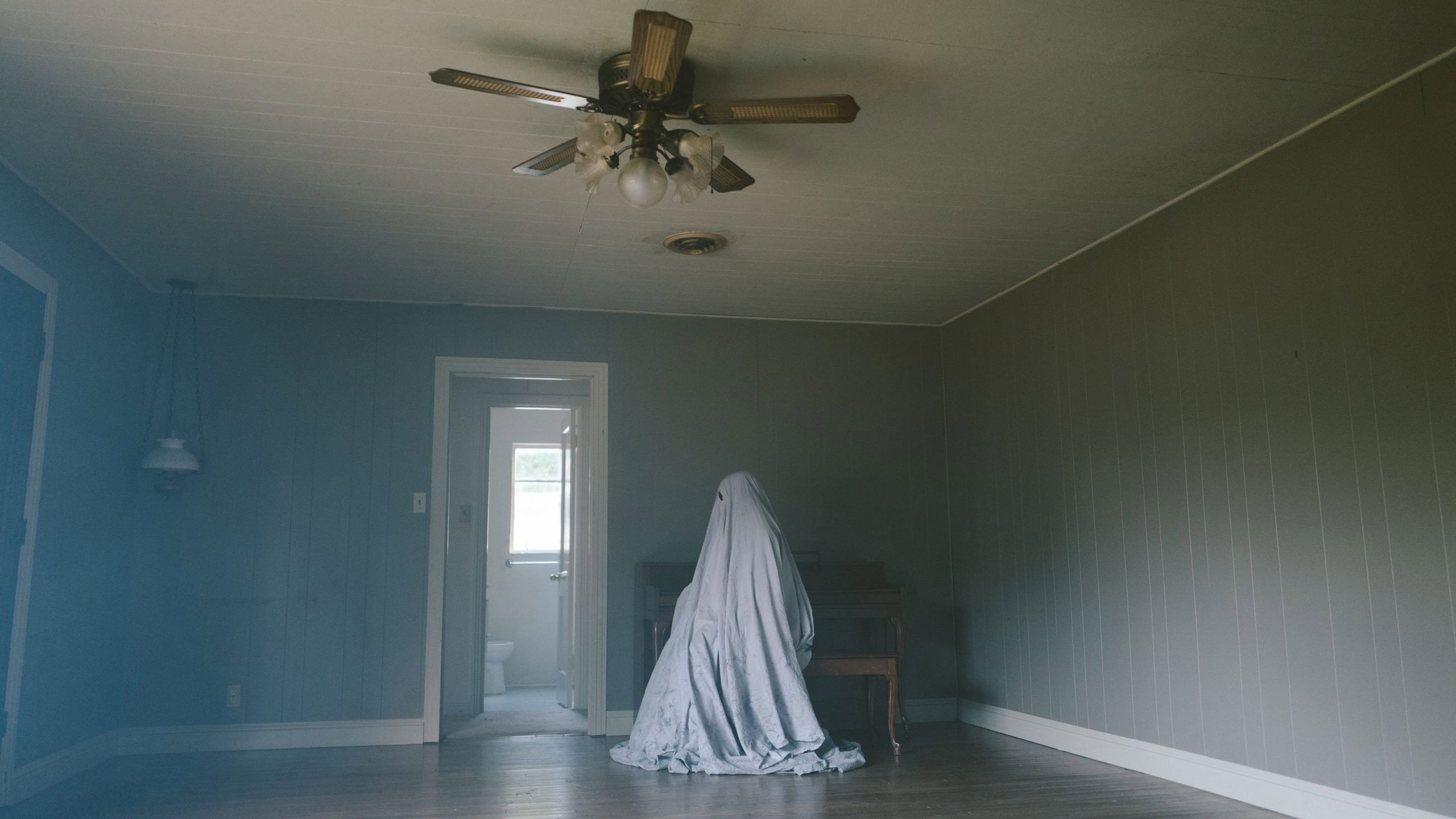
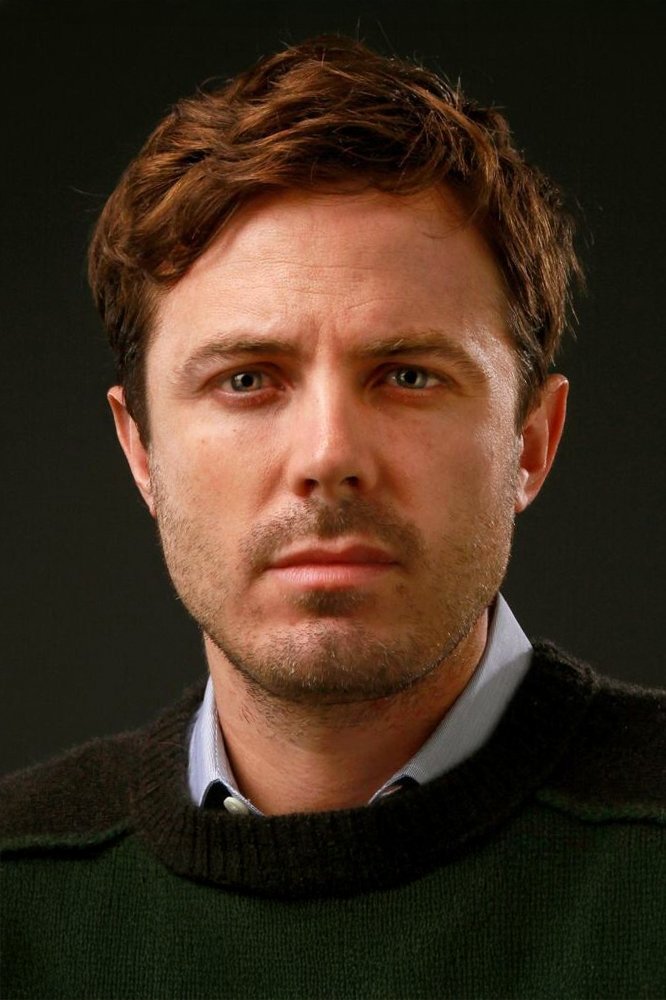
Casey Affleck and Rooney Mara play C and M, with little in those names to help us get to know them. Once C becomes the sheet-clad ghost, the performance has to manage without facial expressions. Annell Brodeur’s costume looks ridiculous if we stand back and consider it, yet the stillness under it gradually becomes expressive. We start looking for the smallest suggestion of a response, and the sheet gives us little help.

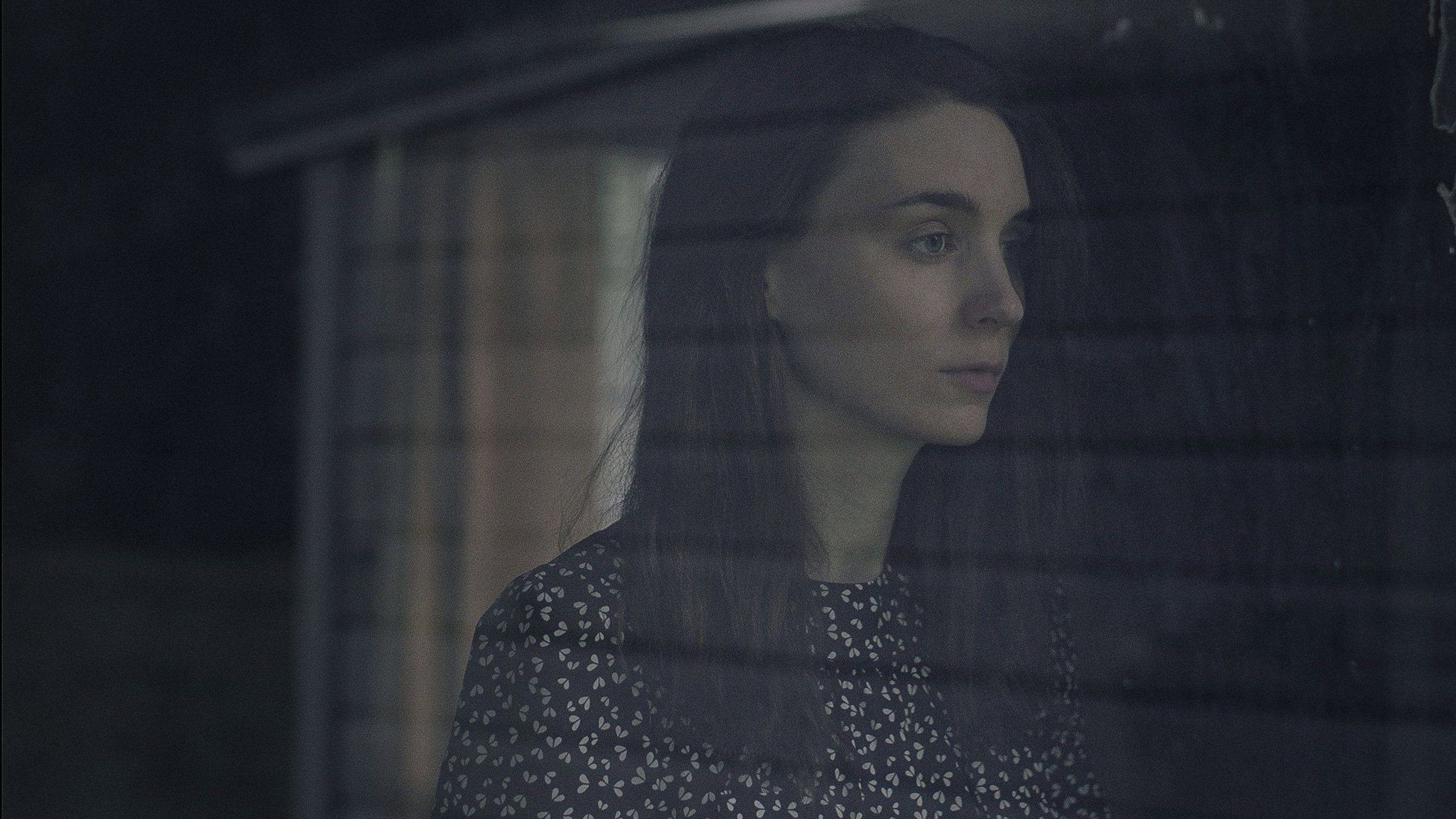
The pie scene is where the method becomes hardest to dismiss. Rooney Mara eats for long enough that we lose the usual reassurance that a cut will arrive as soon as the point has been made. We were more upset than we expected. Her persistence at this small task makes the grief feel physically exhausting, and she does not offer a tidy expression for us to read and move on from. There is something uncomfortable about being made to watch her for so long, which seems the right discomfort.

Andrew Droz Palermo’s cinematography depends on holding still, so that a body remaining in a room can become an event. The house is important here, and production designers Tom Walker and Jade Healy give it enough ordinariness to make the ghost look out of place. We recognise a space for everyday living, even with that unlikely figure occupying it. The framing leaves us time to inspect the ghost and decide that no further detail would make him more convincing.

David Lowery also edits, and the changes of pace matter as much as the long takes. He lets an ordinary action consume our attention, then makes time feel suddenly difficult to measure. The effect unsettles us because we have begun to expect each moment to last, and the cuts take away that small certainty. Daniel Hart’s score is openly mournful, and works because the performances are so restrained. The music can carry feelings that the ghost has no way to show.

The trouble comes when David Lowery’s writing tries to explain the questions that the images have already raised. A monologue about permanence makes the film sound more pleased with its seriousness than it has elsewhere, and we wanted it to stop spelling things out. Some of the held shots also remain held after our attention has begun to wander. We would not ask for briskness, but a few shorter holds would have kept us closer to the ghost’s loneliness. The speech is the greater interruption, because the quiet scenes have already given us plenty to think about.

For a supernatural film, this is unusually willing to risk looking foolish and making little happen. Its faith in the sheet pays off because we eventually stop wondering how it is being worn and start wondering what waiting like this would feel like. That is enough to forgive the occasional lecture. Watch it when there is no need to hurry, and when a film about bereavement is something you can bear.
Critical consensus AI synthesised

81
Positive
26
Mixed
0
Negative
1

The consensus on A Ghost Story is strongly positive: most critics find Lowery’s slow, spare treatment of grief affecting, with sadness taking precedence over scares. Praise clusters around the sustained shots, the editing’s handling of time and the expressive possibilities of a ghost beneath a sheet. Mara’s stillness and the lengthy pie-eating scene draw particular attention for making bereavement painfully tangible. Several reviews also credit the music with deepening the sense of loneliness without overwhelming the quiet filmmaking.

Reservations centre on the patience required by the long takes, the minimal drama and the solemnity. Most critics accept these demands, though enthusiasm varies considerably. Vulture finds the film pretentious but lovable, while Slant Magazine supplies the lone negative verdict, rejecting the long-take style as empty imitation and objecting to its treatment of minority characters. The divide is chiefly over whether the sparse storytelling earns its emotional weight.

Little White Lies
8 August 2017 · 3/5/4 · Adam Woodward
100

An elegant slow-burner and one of the year’s most original films, it rewards patience with its meditation on time and loss. The unbroken five-minute pie-eating scene is singled out as mesmerising and devastating.

Read the full review →
Los Angeles Times
6 July 2017 · Justin Chang
90*

The spare, precise film is a simple, wrenching story of love and loss that opens a window onto eternity through patient observation of grief and solitude. It maintains sincerity and poignancy even in its idiosyncratic, slow-moving approach to the haunted-house premise.

Read the full review →
Screen Daily
22 January 2017 · festival review
90*

A small, simple story told with exquisite precision and control that overflows with feeling and grace. It strips away spectacle to focus on the pain of loss through its naturalistic treatment and resonant performances.

Read the full review →
Sight and Sound
8 August 2017 · Roger Clarke
90*

Lowery's risk-taking film is a beautifully crafted lyrical exploration of grief and loss. The central absurdist image of the sheet-draped ghost works gracefully on every level.

Read the full review →
The New Yorker
11 July 2017 · Richard Brody
90*

Lowery's film is a quietly grand romantic mystery and metaphysical vision of love, distinguished by its wildly inventive yet controlled handling of cinematic elements like time, space, and silence. Its audacious originality and sensuous splendor make it a supreme justification of the soul's existence.

Read the full review →
The New York Times
5 July 2017 · A.O. Scott
90*

The film is an ingenious and affecting story that considers whether the dead have feelings too, focusing on a ghost's experience after his sudden death. It succeeds through fresh, inventive craft despite its literary ambitions, delivering a tour de force of sensation.

Read the full review →

Cast

Stills

If you liked this, try…

After Life poster

After Life

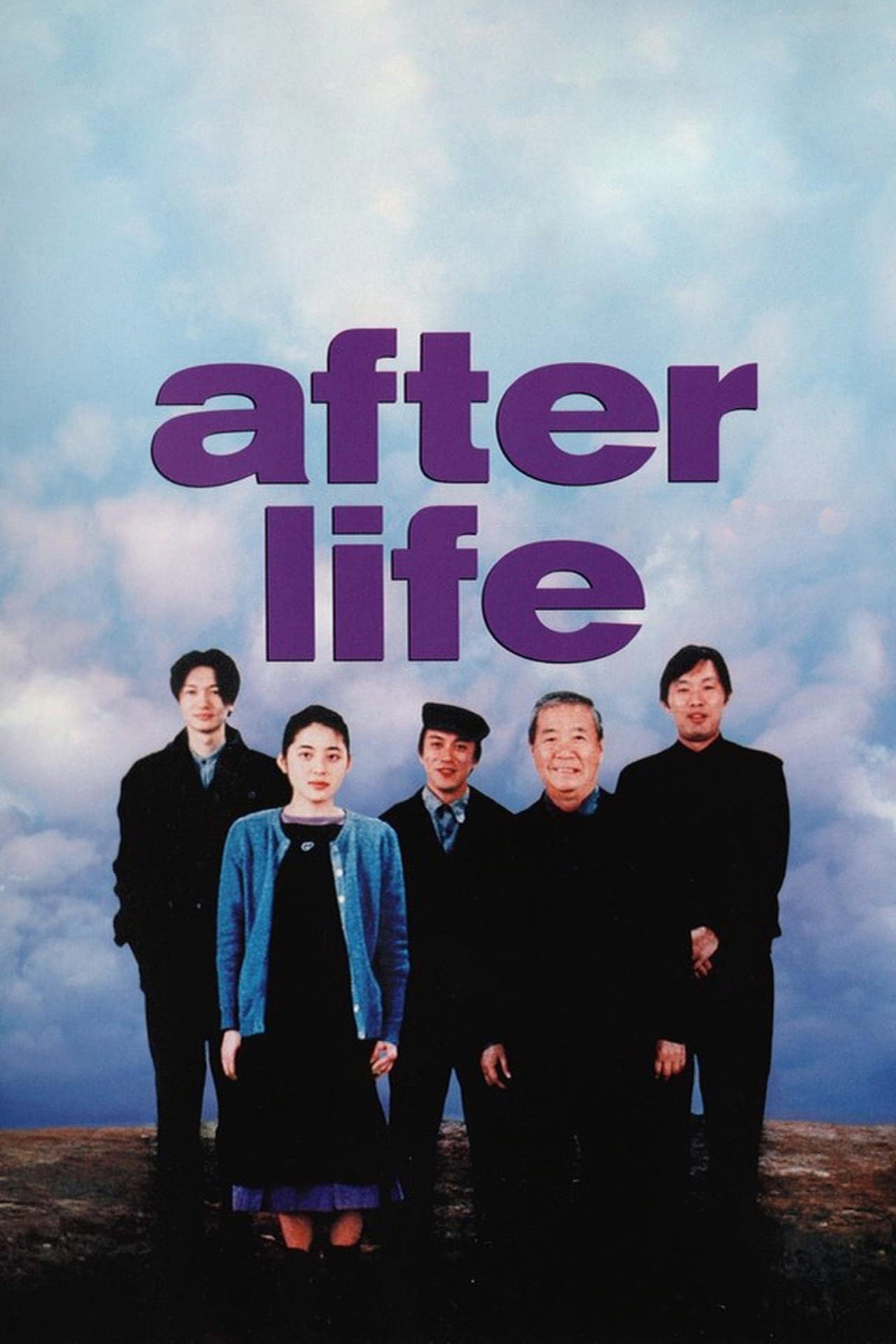
1998 · Another quiet reckoning with death, built around the memories people cannot surrender.

The Spirit of the Beehive poster87

The Spirit of the Beehive

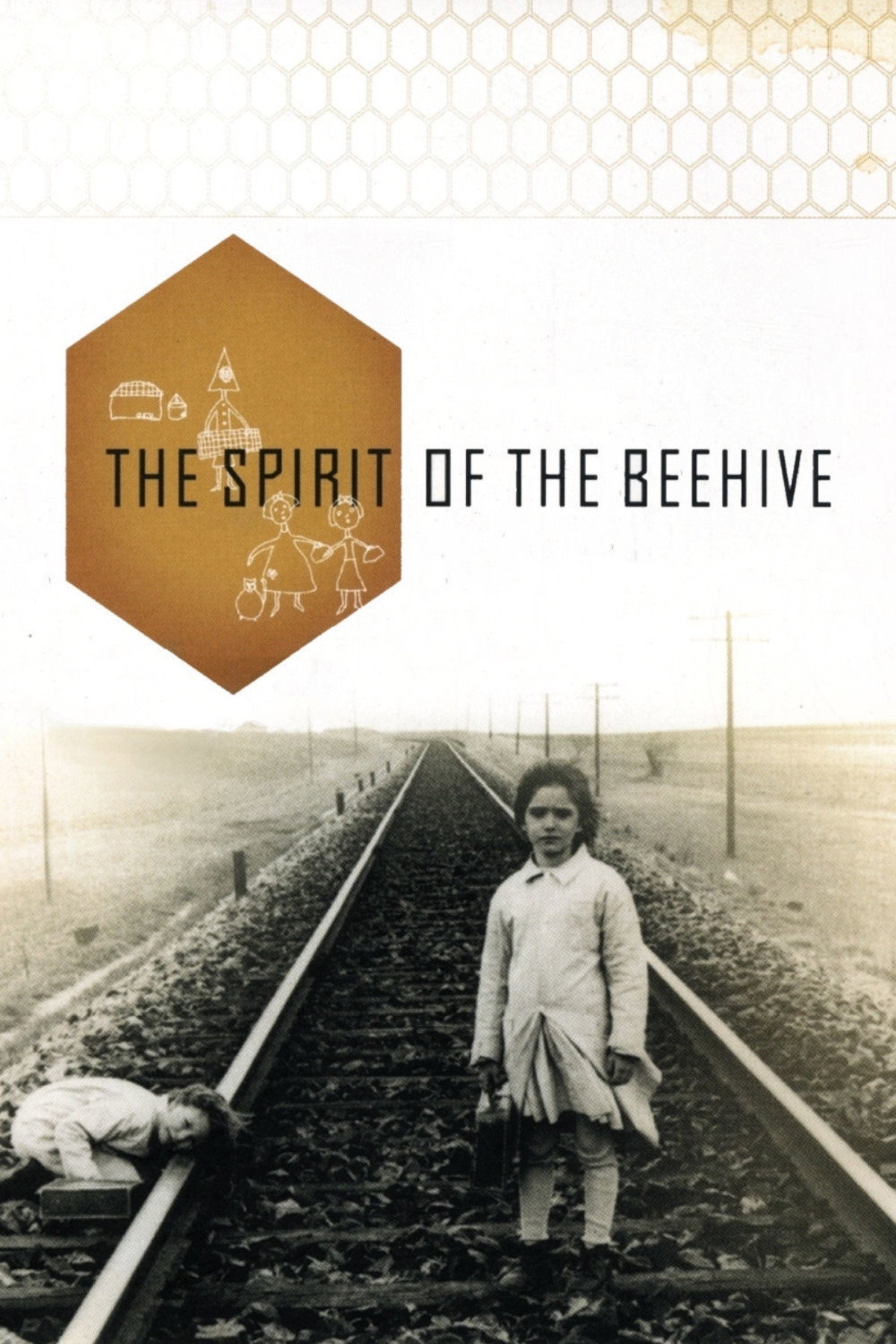
1973 · For patient watching, an expressive house and loneliness conveyed through small movements.

Wings of Desire poster88

Wings of Desire

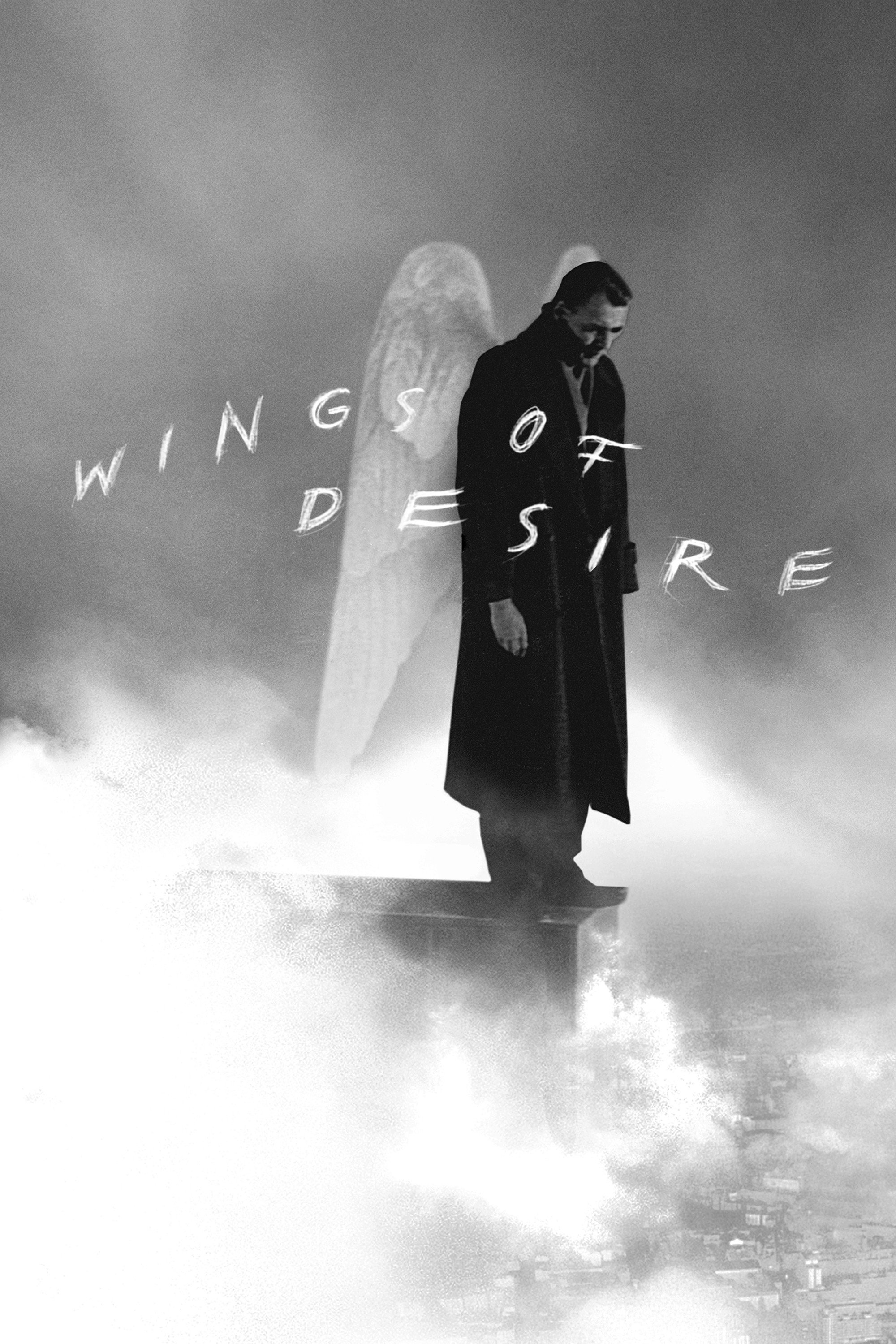
1987 · Another watchful outsider longs to join the ordinary business of being alive.

Lake Mungo poster

Lake Mungo

2008 · Grief and ghostly images again, with a much firmer intention to frighten.

Personal Shopper poster

Personal Shopper

2016 · Bereavement makes everyday spaces uncertain, while waiting becomes an unnerving occupation.