Film review

Personal Shopper

2016 · Directed by Olivier Assayas · 1h 46m · MPA R

In a sentenceKristen Stewart is haunted by a dead twin, an unknown number and a Chanel dress she is not allowed to wear

DramaMysteryThriller

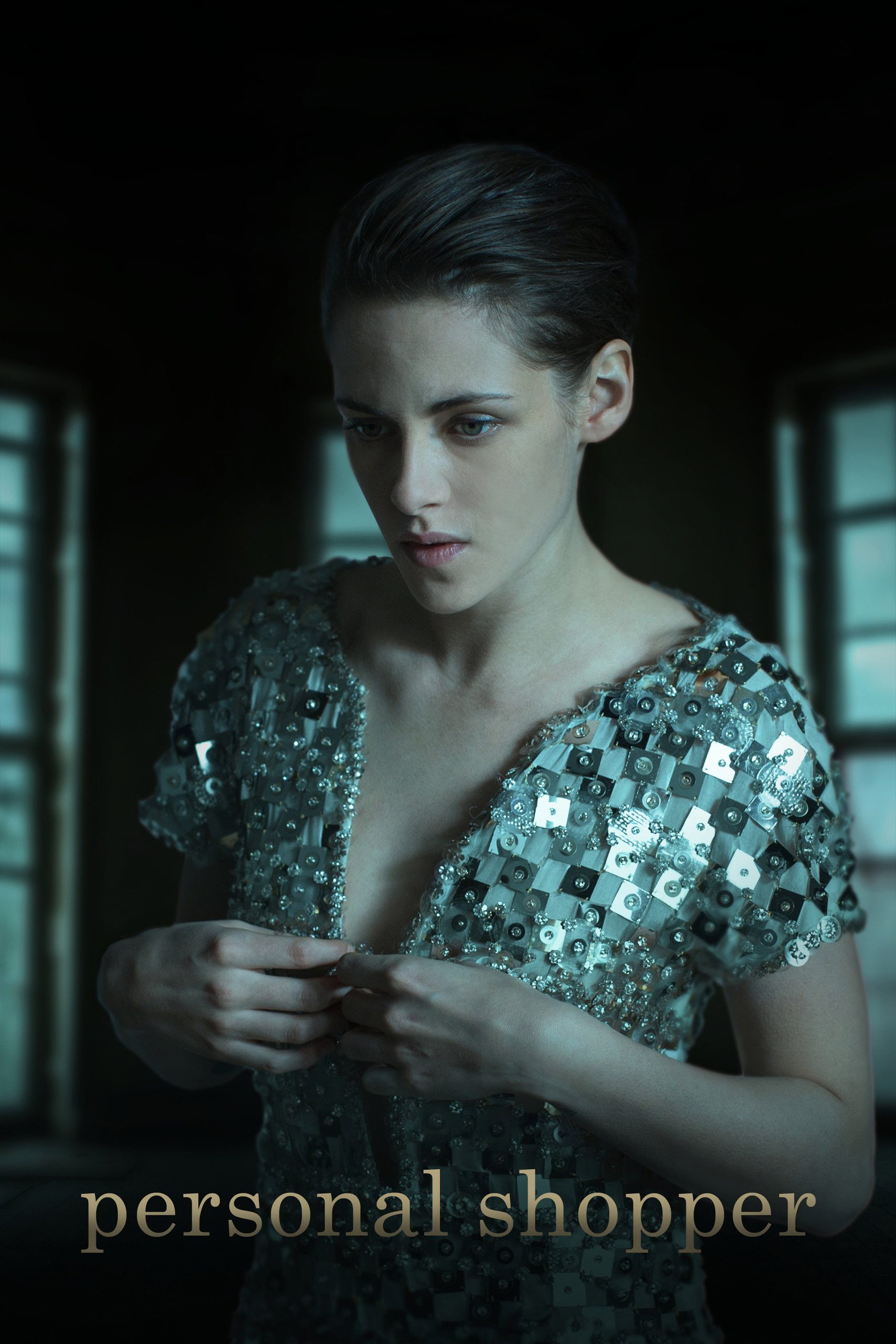
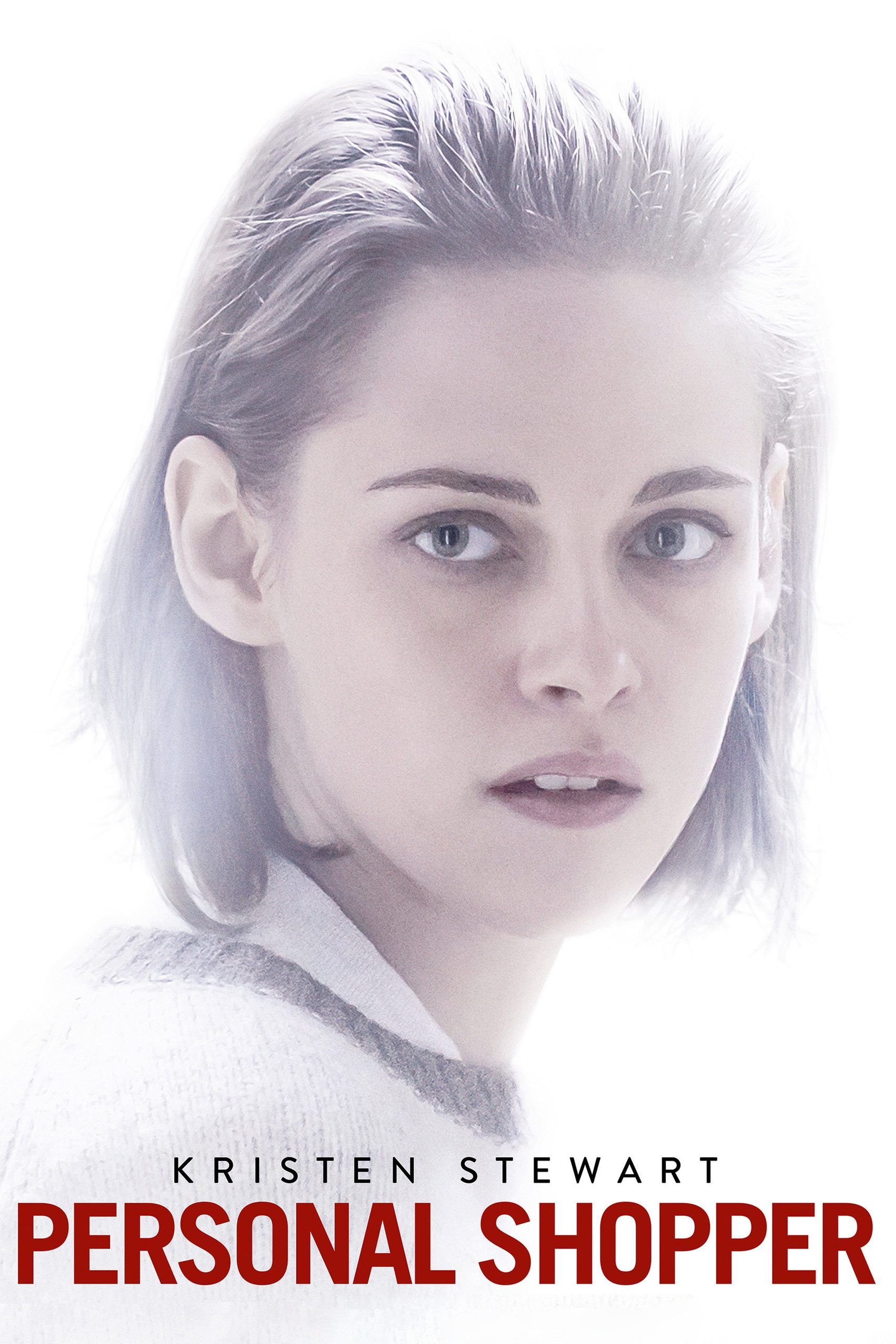
Paris. Maureen Cartwright (Kristen Stewart), an American, works as personal shopper to Kyra Gellman (Nora Waldstätten), a celebrity with no time to visit the fashion houses herself, so Maureen rides a scooter between Chanel and the jewellers collecting outfits she is forbidden to try on. She is also a medium. Her twin brother has died, and before he did they agreed that whoever went first would send the other a sign. She spends nights alone in the empty house he shared with his girlfriend Lara (Sigrid Bouaziz), which is about to be sold, listening for him. Her boyfriend Gary (Ty Olwin) calls from a job abroad. Kyra’s lover Ingo (Lars Eidinger) starts taking an interest in her. Then a text arrives from a number she does not recognise.

Plays from YouTube when you press play; nothing loads from them until then.

Fi1m review

Olivier Assayas sets a ghost story among garment bags and courier runs, and its most frightening scenes are text messages on a train. Kristen Stewart carries it almost alone. The second half loses its grip in places, and the ending will send some out muttering.

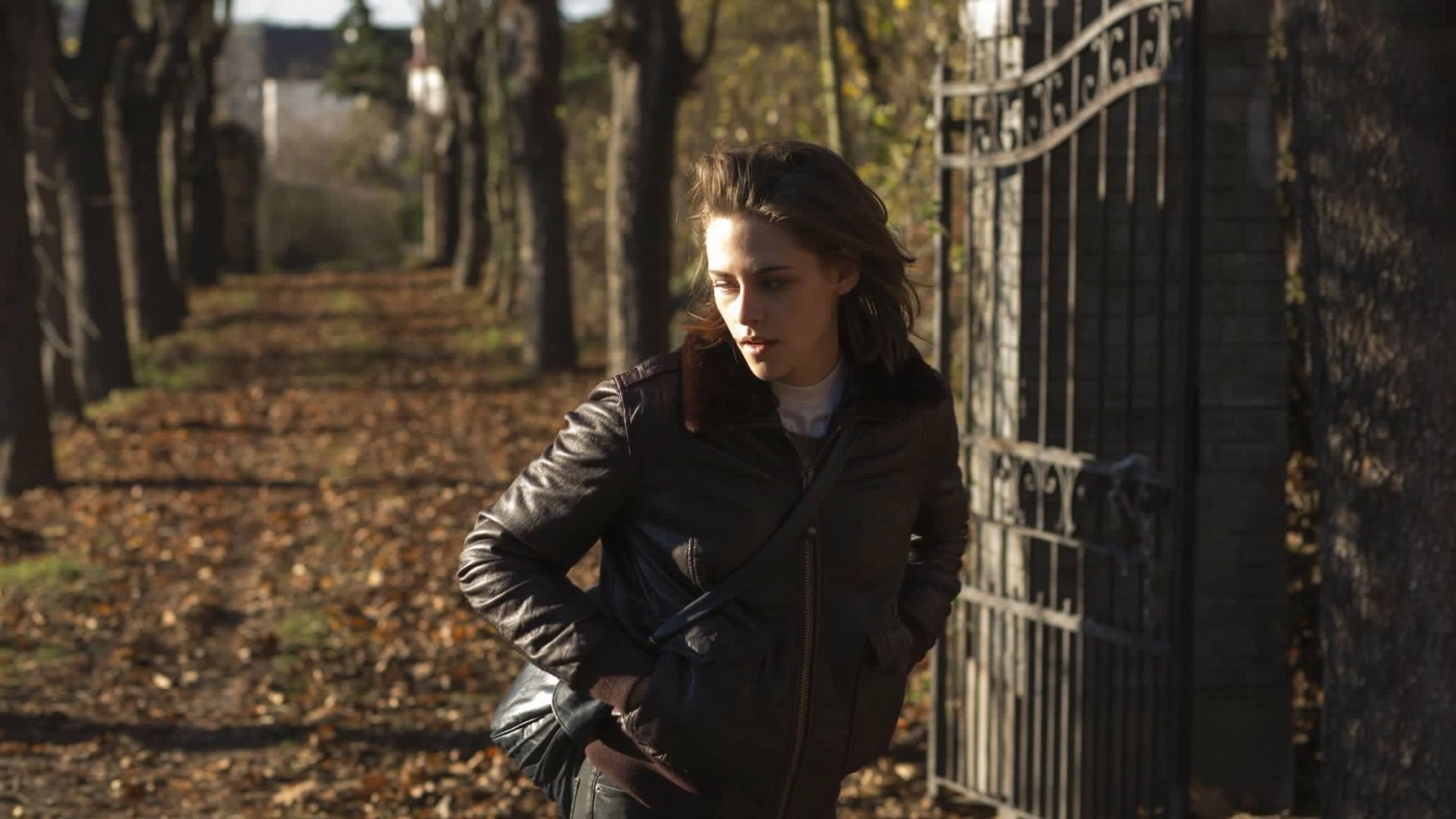
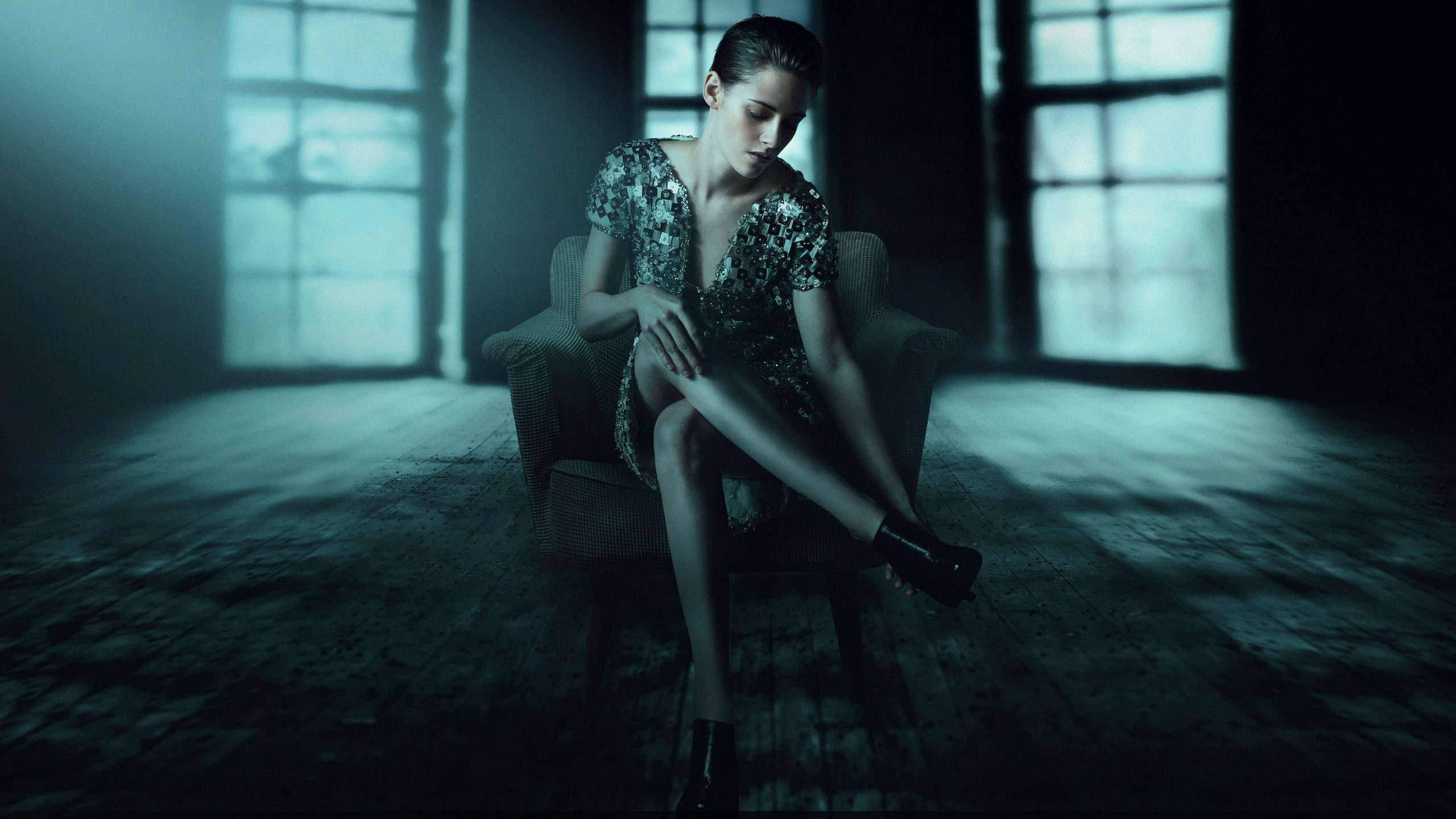
Olivier Assayas has made a ghost story and set it in the back rooms of Paris fashion houses. Maureen Cartwright (Kristen Stewart) spends her days on a scooter collecting dresses and jewellery for Kyra Gellman (Nora Waldstätten), a woman too famous to shop for herself, and her nights in an empty house waiting for her dead twin brother to knock. She is a medium, and the two of them agreed that whoever died first would send the other a sign. Personal Shopper is Assayas’s second film with Stewart after Clouds of Sils Maria (2014). It is the stranger of the two, it is good, and in two long stretches it frightened us more than most horror films manage.

The house comes first. François-Renaud Labarthe gives it bare walls, a staircase and too many doors, and Yorick Le Saux lights the night scenes with what appears to be the glow from the street and nothing else. Maureen walks the rooms with a hand on the banister and says nothing. A tap runs. Something upstairs shifts. Assayas is not coy: when he decides to show a ghost he shows one, an old-fashioned one, and has it off the screen before we can object. We were frightened, plainly, and by almost nothing.

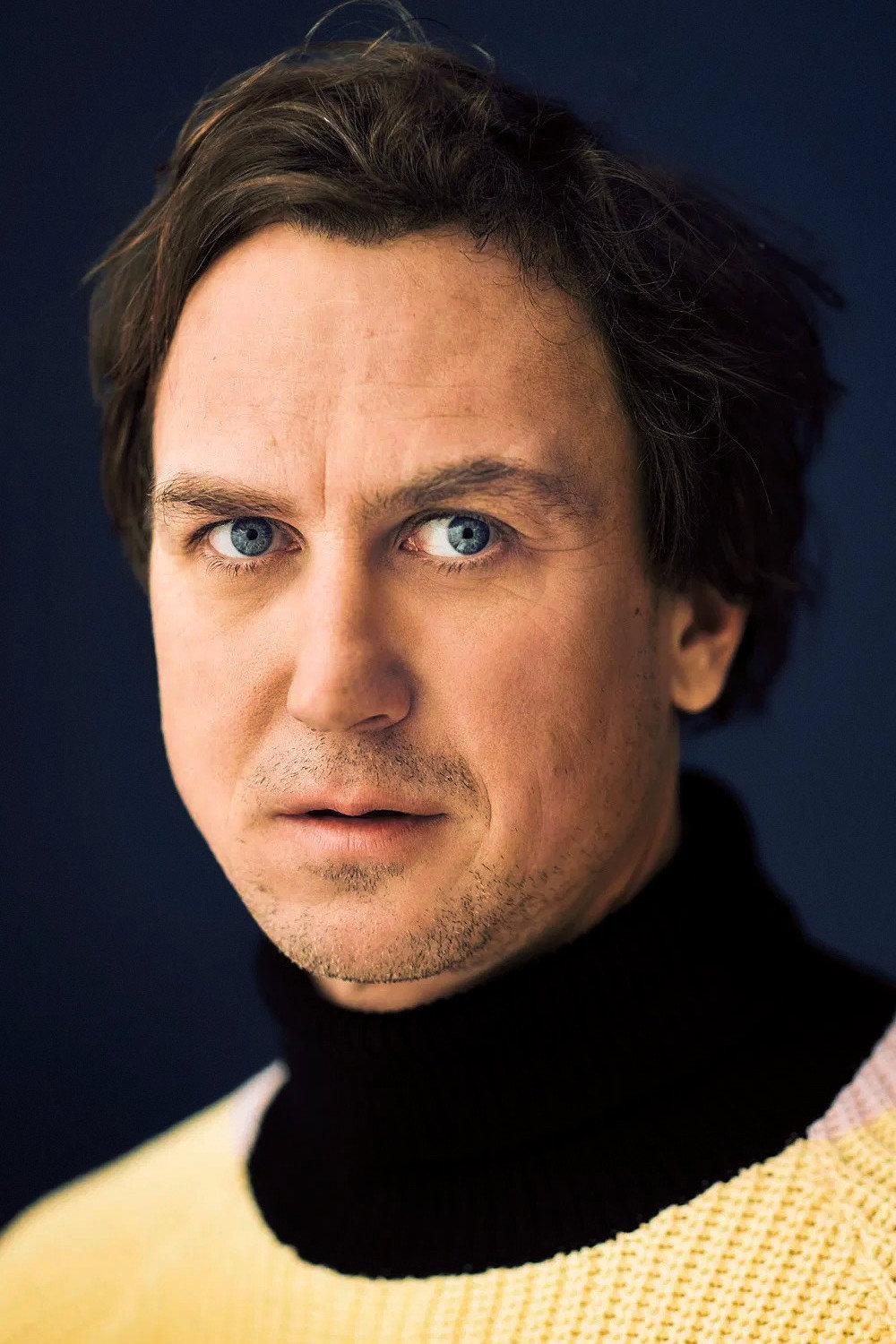
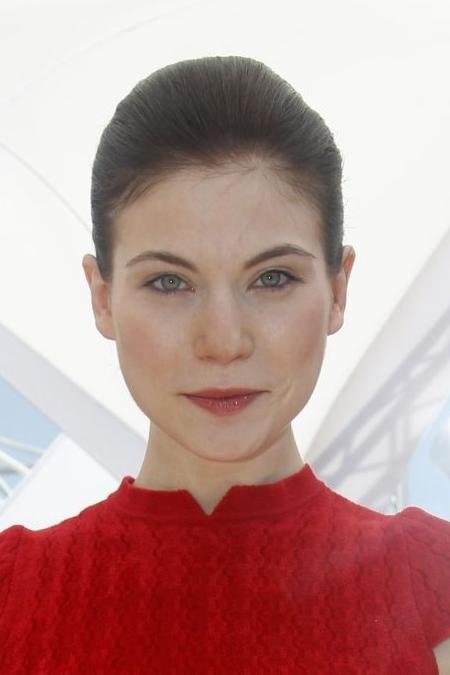
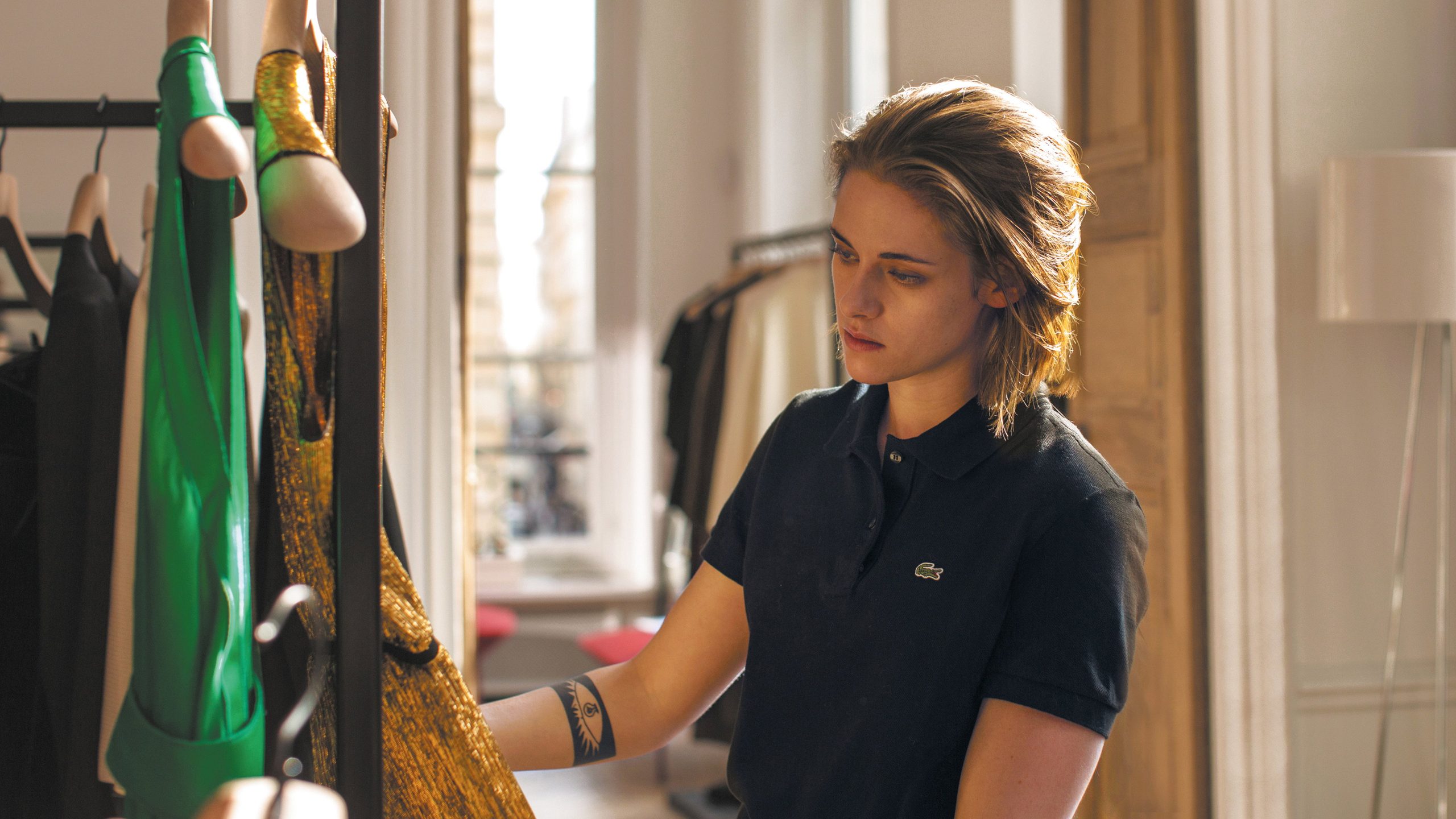
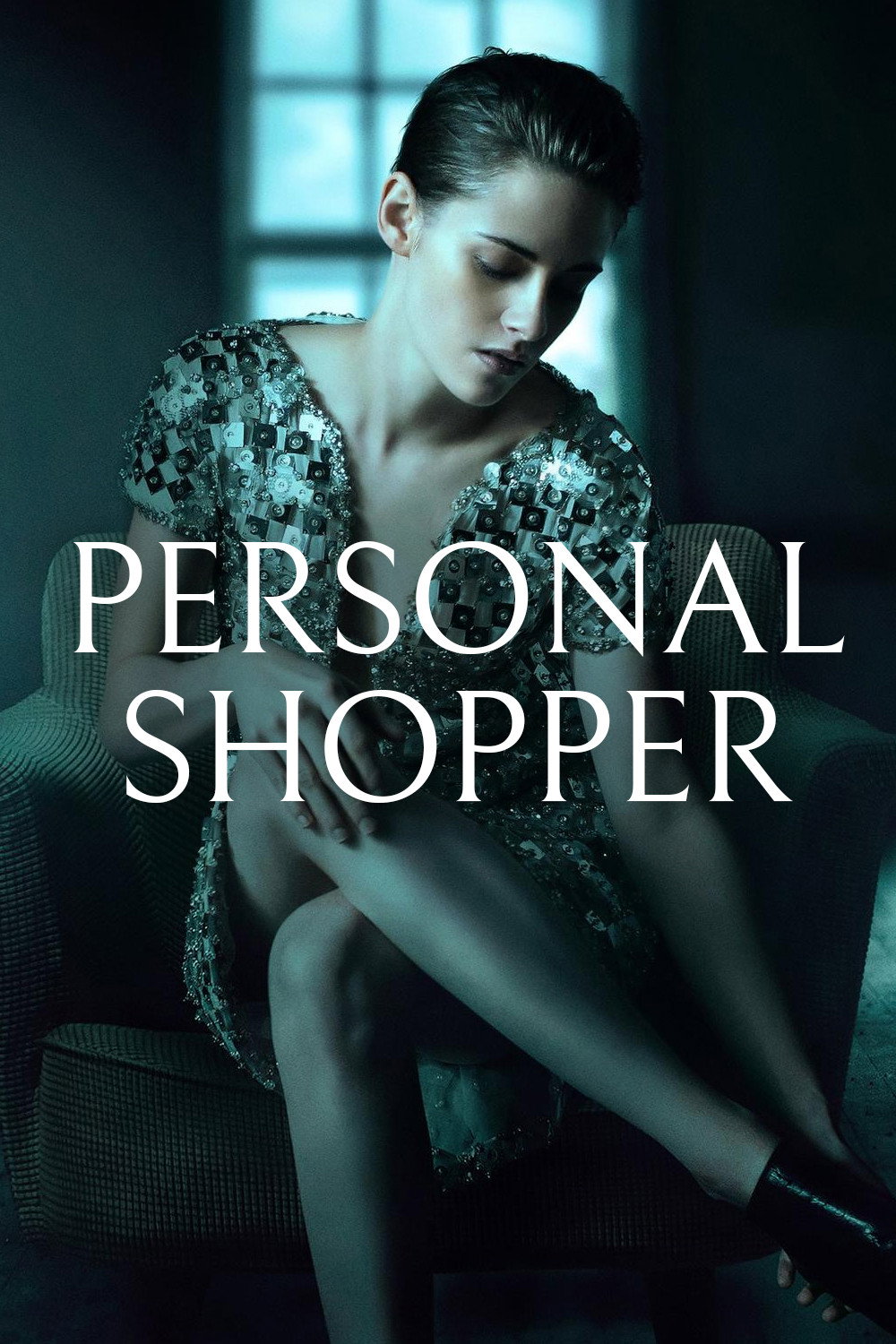
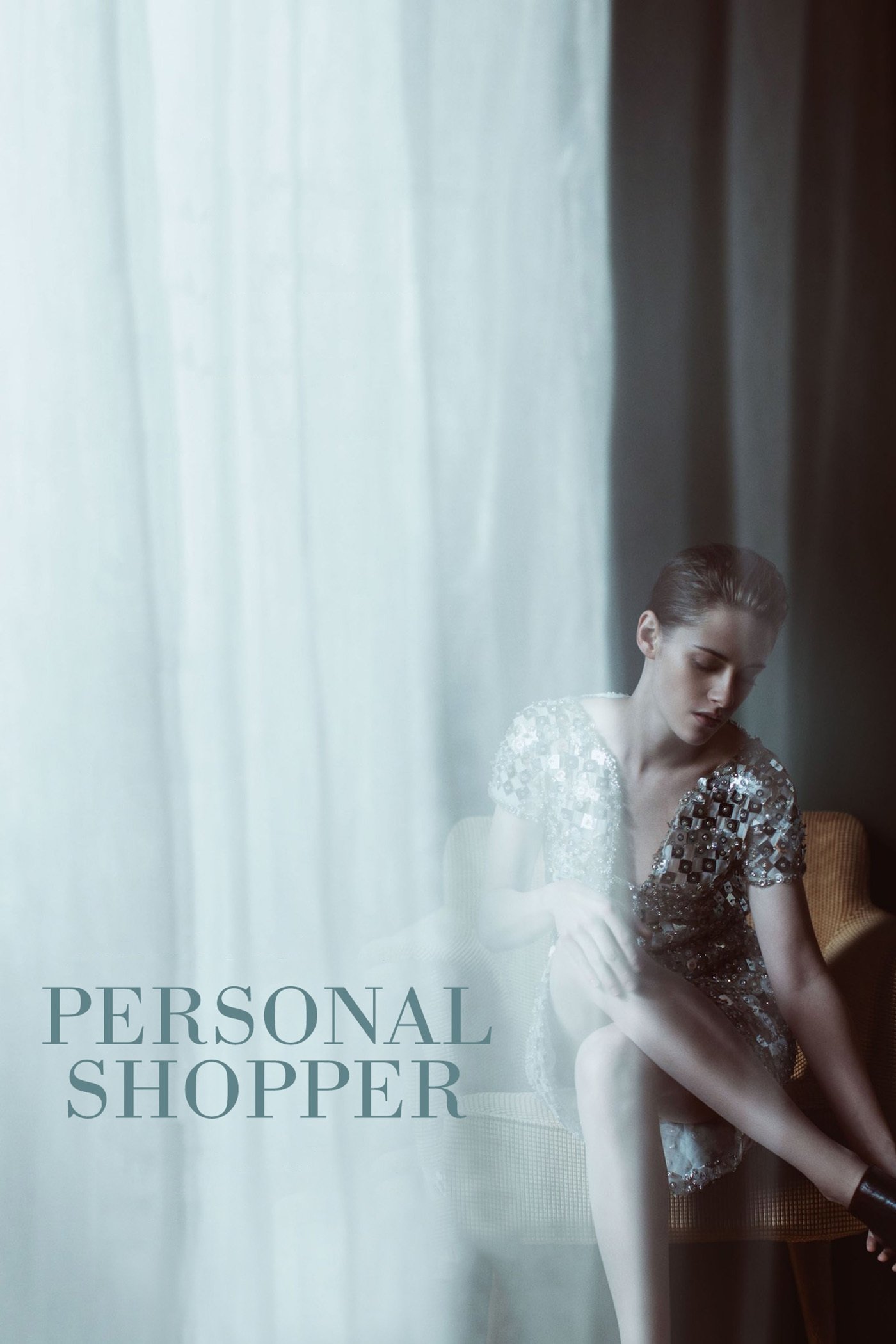
The day job is treated as seriously as the haunting. Maureen queues at a Chanel press office, signs for garment bags, and is not permitted to try any of it on. Jürgen Doering keeps her in the same jumper and jeans, so the dresses she carries look made for a different sort of person. Waldstätten has two scenes and makes Kyra loathsome without raising her voice. Lars Eidinger’s Ingo, Kyra’s lover, talks to Maureen the way people talk to staff when they want something, and Eidinger lets us see him enjoying it.

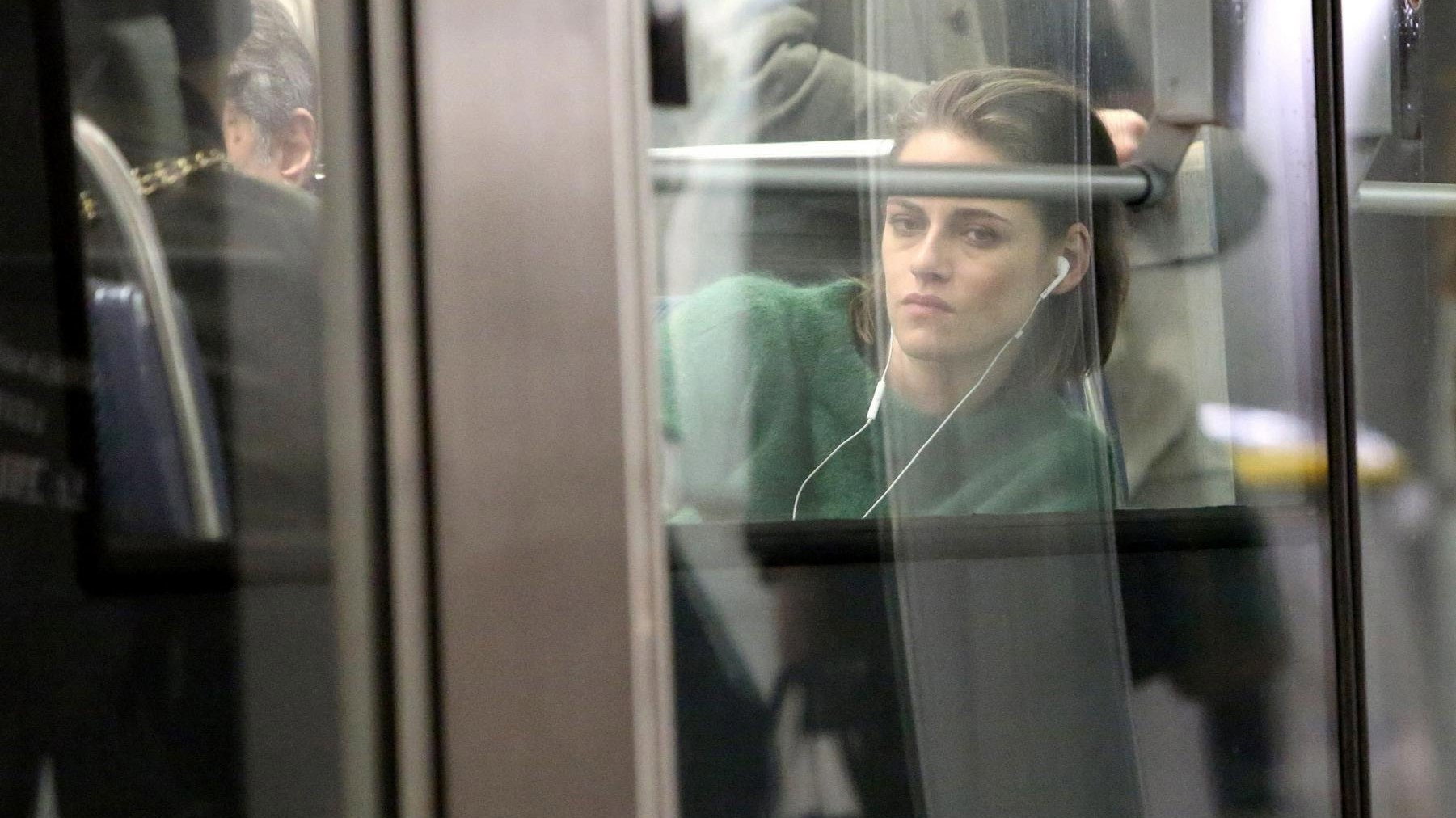
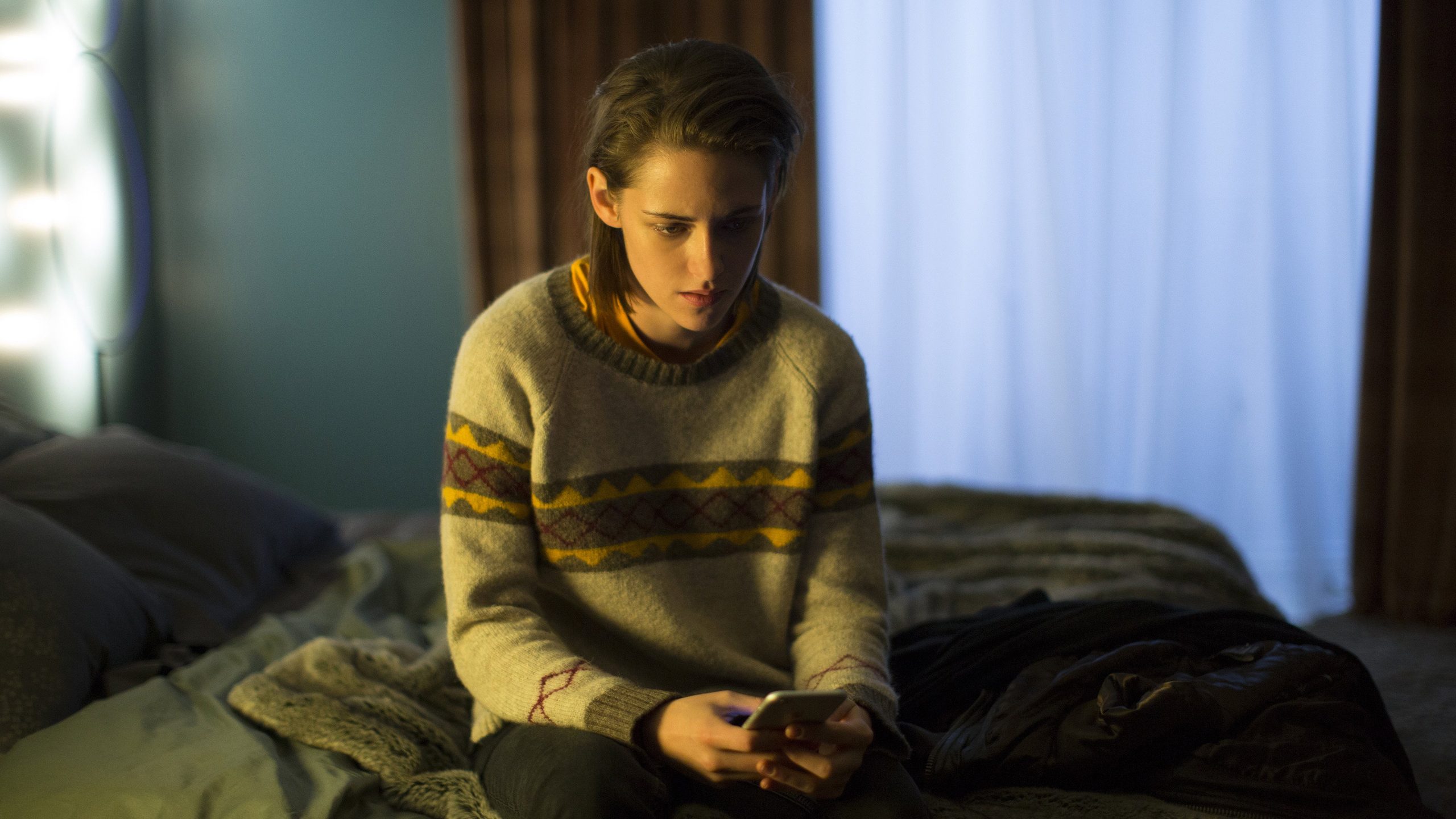
The centrepiece is a train to London. Maureen’s phone lights up with a message from a number she does not know, and the stranger knows things about her. Assayas holds on the screen, on the three dots that mean someone is typing, and Marion Monnier cuts between the phone and Stewart’s face and almost nothing else for what felt like a quarter of an hour. Few horror films with ten times as much in them have gripped us as hard. It is that Maureen answers, and we could see her deciding to, and we wanted to lean across the aisle and take the phone away.

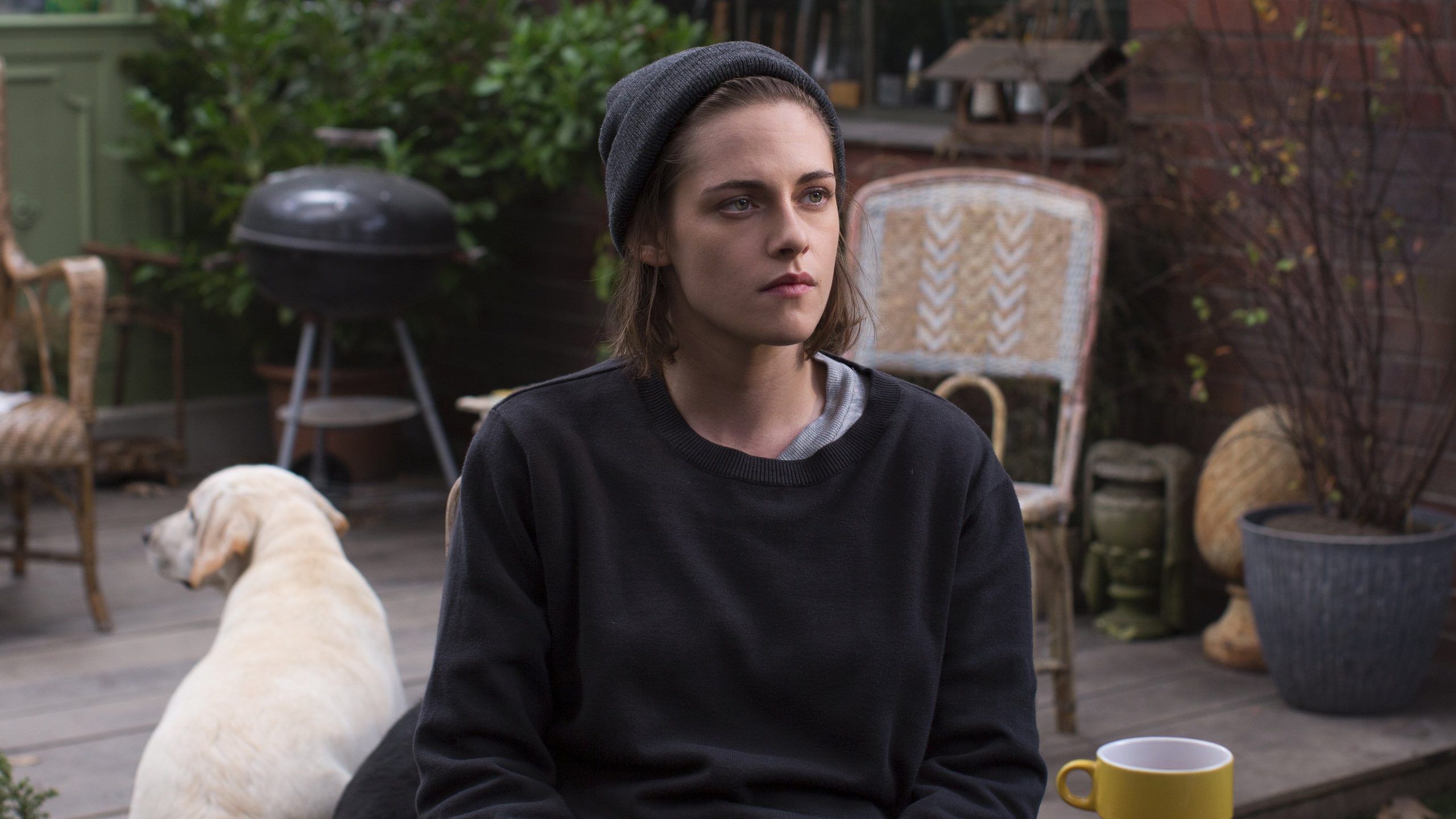
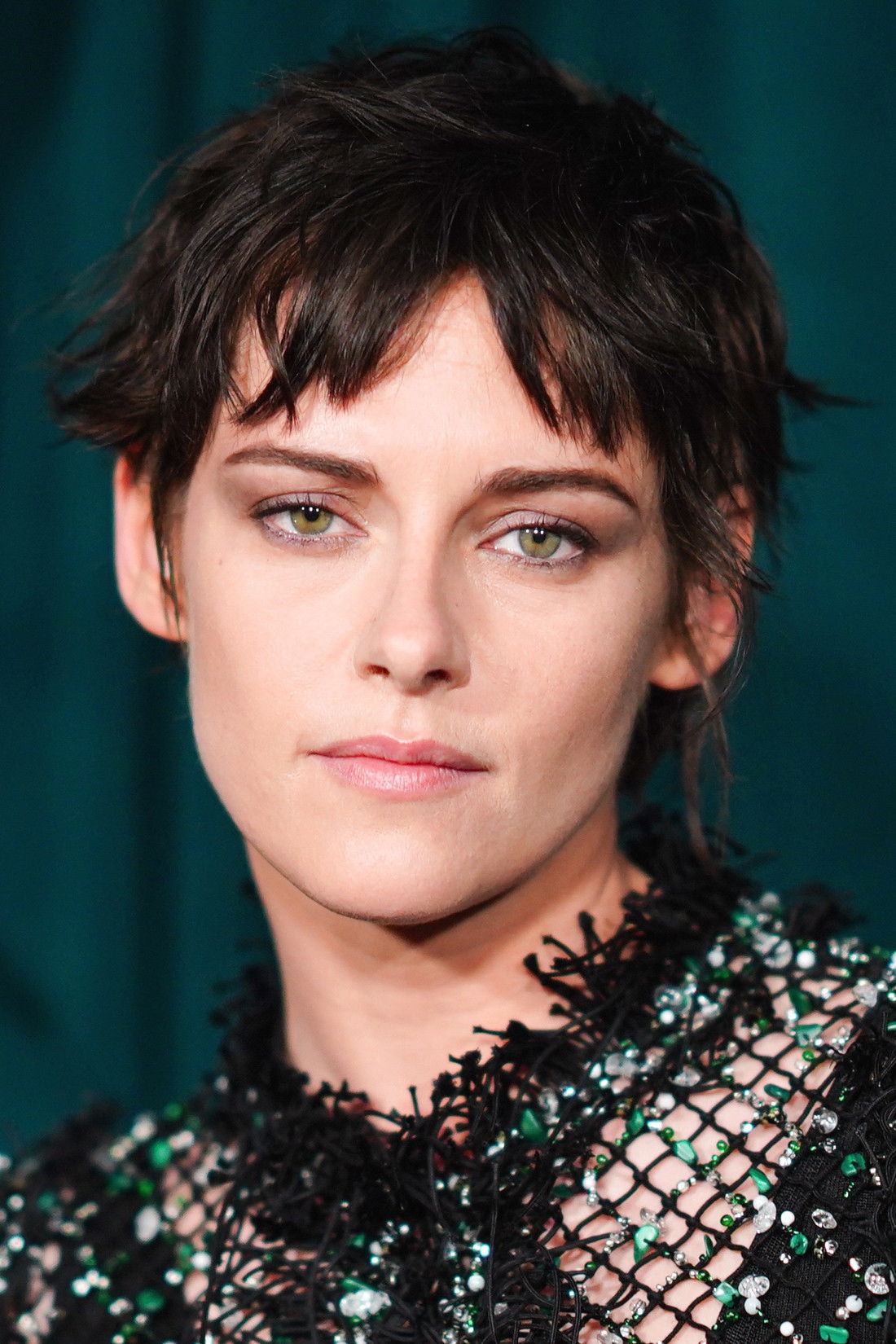
Stewart is on screen alone for most of the 106 minutes and carries it. She fidgets, chews a sleeve, says “I don’t know” a great deal, and gives Maureen a grief that has settled into bad posture rather than tears. There is a scene in which she puts on something she was told not to, with nobody watching, and it is the saddest thing in the film. Ty Olwin’s Gary, her boyfriend, is a face on a laptop who exists so she has someone to say things aloud to; Sigrid Bouaziz’s Lara and Anders Danielsen Lie’s Erwin get one good scene at a kitchen table and are then forgotten.

Around the hour mark the second half turns towards a crime story, which we will not describe, and Assayas handles that material with markedly less confidence than the haunting. A police interview (Hammou Graïa is the officer) is played flat when it needs pressure, and a long walk down a hotel corridor waits for a payoff we suspect only Assayas can see. A television programme about Victor Hugo’s séances, with Benjamin Biolay as Hugo, plays like the film handing over its reading list. No single composer is credited; the music is a few songs and long silences, and that suits it.

The people around us divided on the way out. We came down on the film’s side because the two things it does best, the house and the train, are done better than almost anyone else is doing them. It carries a 15 certificate and opened in UK cinemas on 17 March 2017. Watch it at home, alone, with your own phone face down on the table.
Critical consensus AI synthesised

69
Positive
17
Mixed
5
Negative
3

Most critics like Olivier Assayas’s second film with Kristen Stewart, and admirers and doubters alike put Stewart at the centre of the case. Her performance as Maureen, a grieving personal shopper and medium, is called magnetic, fidgety and naturalistic, and several reviews describe the film as close to a one-woman show. Praise clusters on the text-message sequences, which many single out as the film’s most frightening stretch, turning a phone screen into a source of dread.

The reservations concern shape. A sizeable minority find the ghost story, thriller, grief drama and fashion satire never fuse, with loose ends and an ending that leaves people perplexed, and some feel Assayas withholds too much. The spread is wide, from full marks at The Telegraph to The Hollywood Reporter dismissing it as empty hokum and Eye for Film arguing the text exchanges kill the tension rather than build it. The harshest notices come from Cannes; the reviews on release are warmer.

The Telegraph
16 March 2017 · ★★★★★
100

The review calls it a nerve-jangling ghost mystery in which Kristen Stewart transfixes as the psychic personal shopper, commending the film's fluency, poise, and spellbinding central performance in its second collaboration with Assayas.

Read the full review →
Los Angeles Times
9 March 2017 · Justin Chang
90*

The critic calls it a gripping portrait of solitude and a hell of a one-woman show for Stewart, praising its portrayal of grief and modern anxieties. The iPhone sequences are singled out as a brilliantly sustained Hitchcockian centerpiece turning technology into dread.

Read the full review →
The Guardian
16 March 2017 · Peter Bradshaw
85*

The critic praises the film as a stylish, mysterious ghost story and character study held together by Kristen Stewart's outstanding, naturalistic performance as a haunted personal shopper and medium. They highlight its uncanny ambiguity, poignant exploration of grief and loneliness, and standout sequences involving texts and couture.

Read the full review →
Time Out
17 May 2016 · festival review · Guy Lodge
85*

Kristen Stewart delivers a galvanising performance in Assayas's bewitching, unconventional ghost story set in Paris. The film thrives on shifting ambiguities and Stewart's quizzical presence as a haunted personal shopper.

Read the full review →
Little White Lies
14 March 2017 · 4/4/4 · Manuela Lazic
80

Kristen Stewart excels in this strange, surprising and occasionally sublime film, projecting anguish and ambiguity with unmatched skill. Assayas builds a multi-faceted character around grief and spirituality but occasionally veers into the ridiculous with its tech-mysticism interplay.

Read the full review →
The New Yorker
10 March 2017 · Anthony Lane
80*

The critic finds the film a weird but effective amalgam of ghost story, thriller and identity search that works despite its oddities. Kristen Stewart's fidgety, bereft performance provides proof of life amid the supernatural elements.

Read the full review →

Cast

If you liked this, try…

Don't Look Now poster90

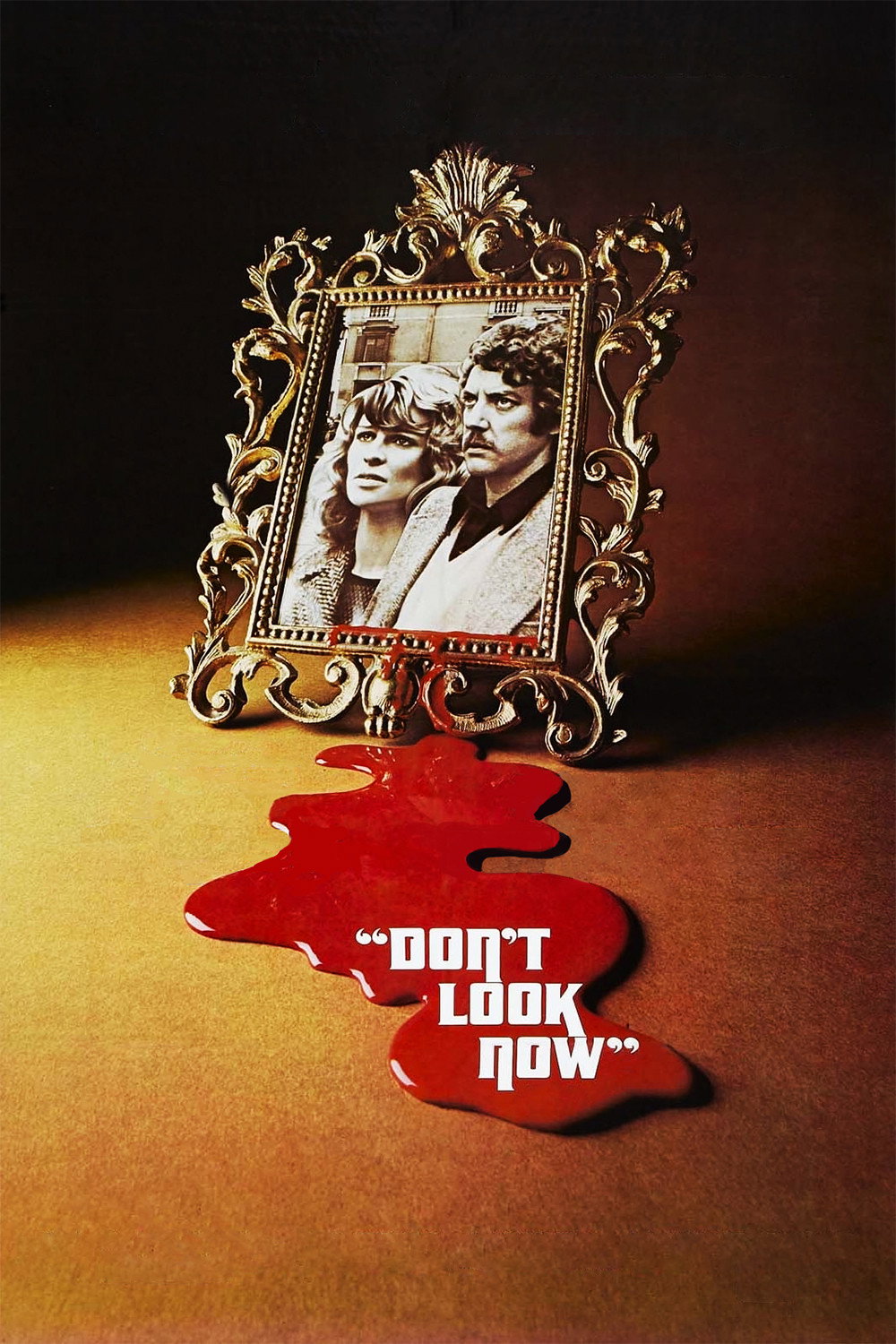
Don't Look Now

1973 · Grief, a promised sign from the dead, and a city that will not help.

Lake Mungo poster

Lake Mungo

2008 · An Australian family films its own haunting; the quietest ghost story we know.

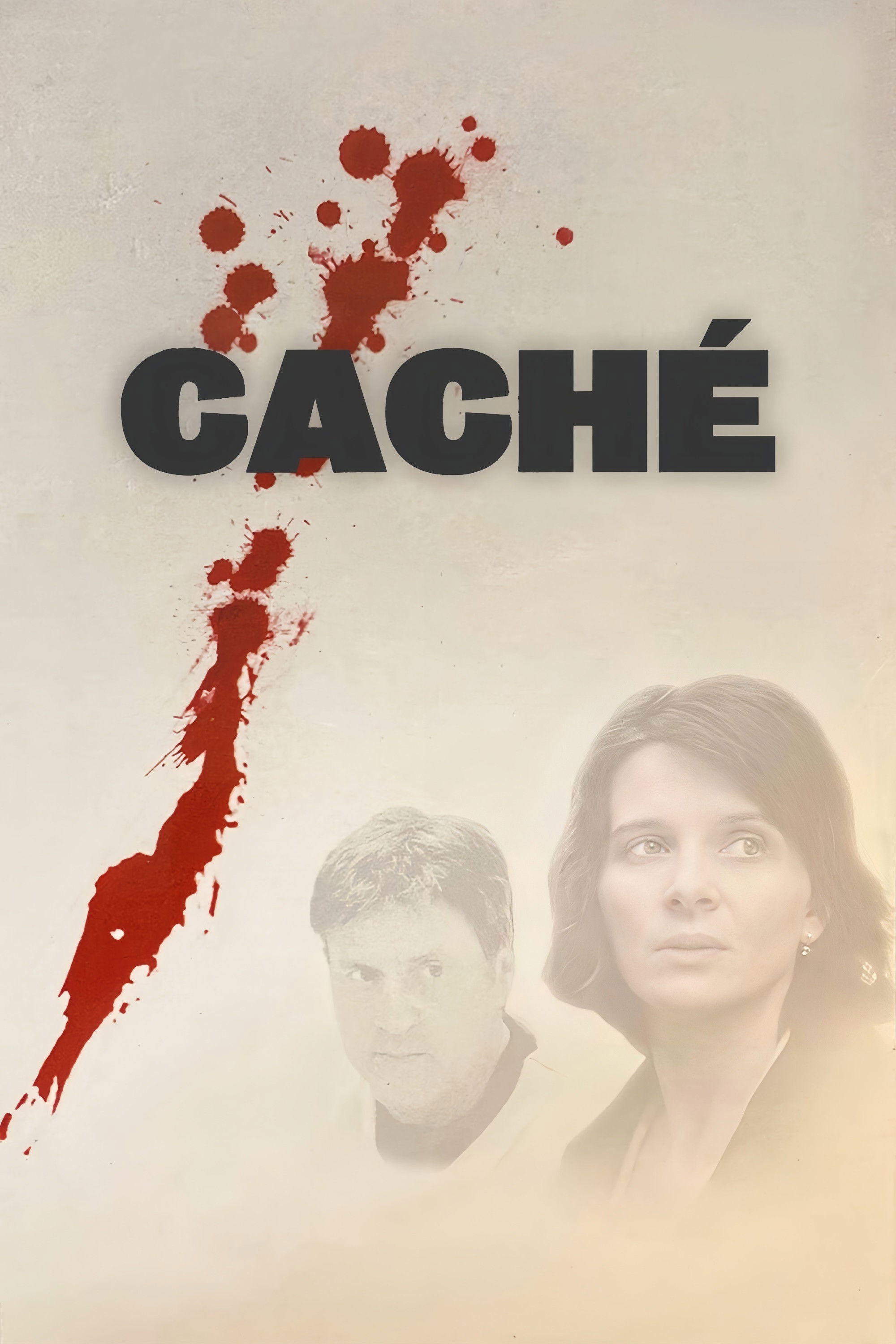
Caché poster88

Caché

2005 · Anonymous messages arrive and Haneke refuses, to the end, to say who sent them.

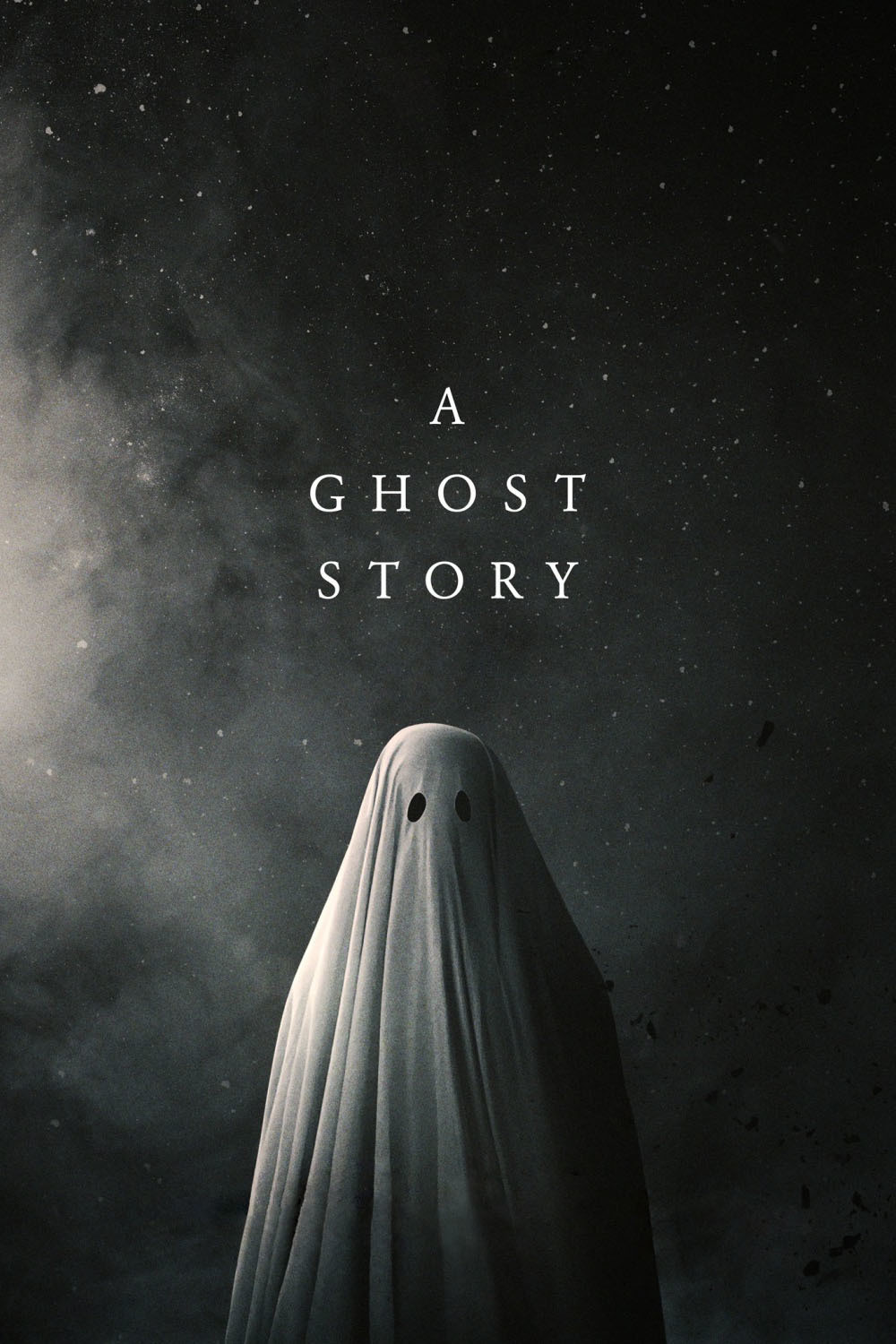
A Ghost Story poster84

A Ghost Story

2017 · A sheet with eyeholes, a widow, a pie, and more feeling than it should manage.

Clouds of Sils Maria poster

Clouds of Sils Maria

2014 · Stewart and Assayas the first time round, talkier, sunnier, with Binoche to spar with.