Olivier Assayas makes films about how people live now, on phones and trains and in other people's houses, and he is at his best when he lets an ordinary object carry the fear. We rate him, with the caveat that his films do not always hold to the end.
Fi1m perspective
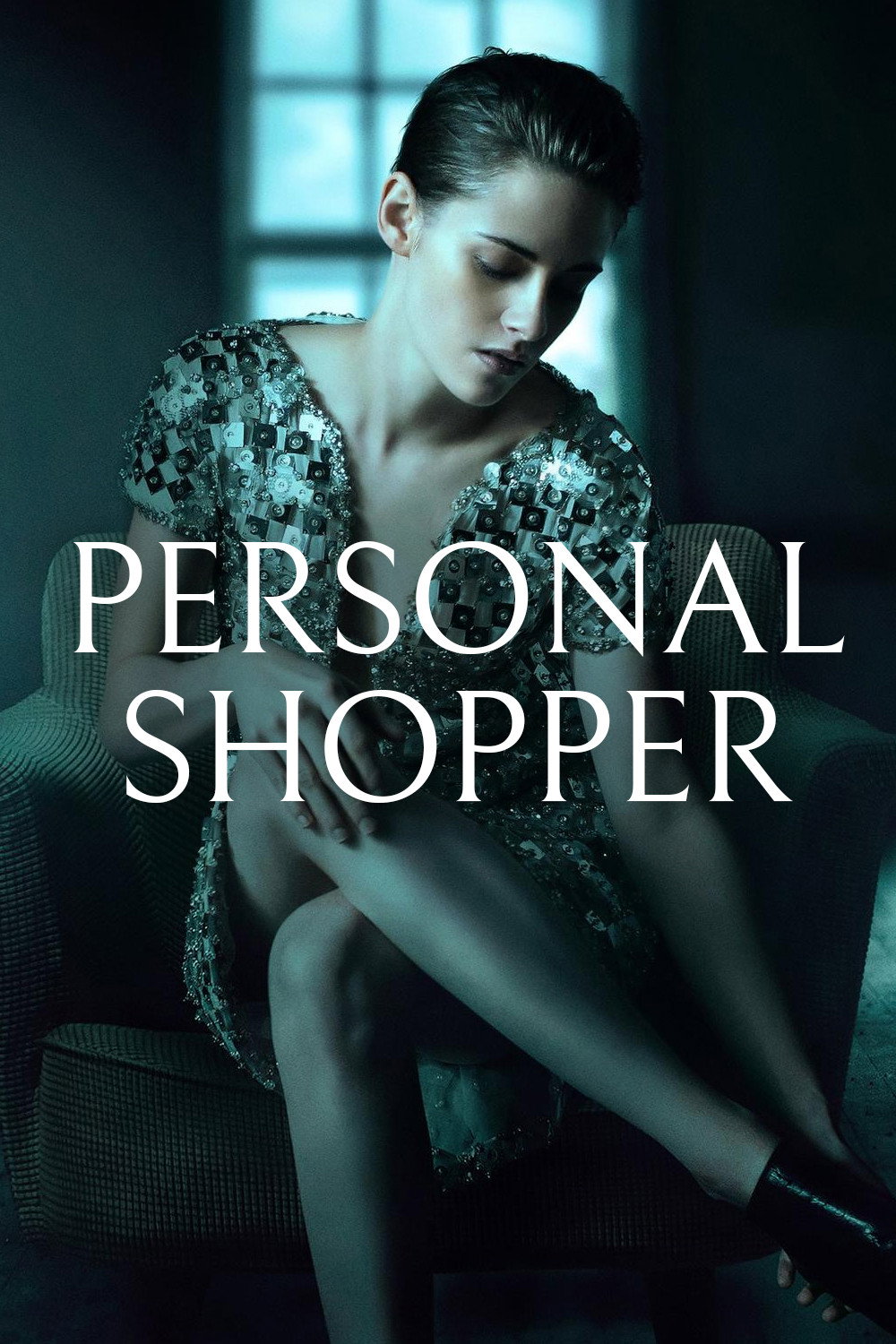
Three dots on a phone screen. A woman on a train to London, a stranger typing, and Assayas holds on it while Marion Monnier cuts between the phone and Kristen Stewart's face and almost nothing else. Nothing that a horror film would recognise as frightening is happening, and we wanted to lean across the aisle and take the phone away. That scene in Personal Shopper (2016) is Assayas in one piece: he notices how we actually spend our days, on scooters and couriers' runs and in other people's empty houses, and he finds the strangeness already sitting there.
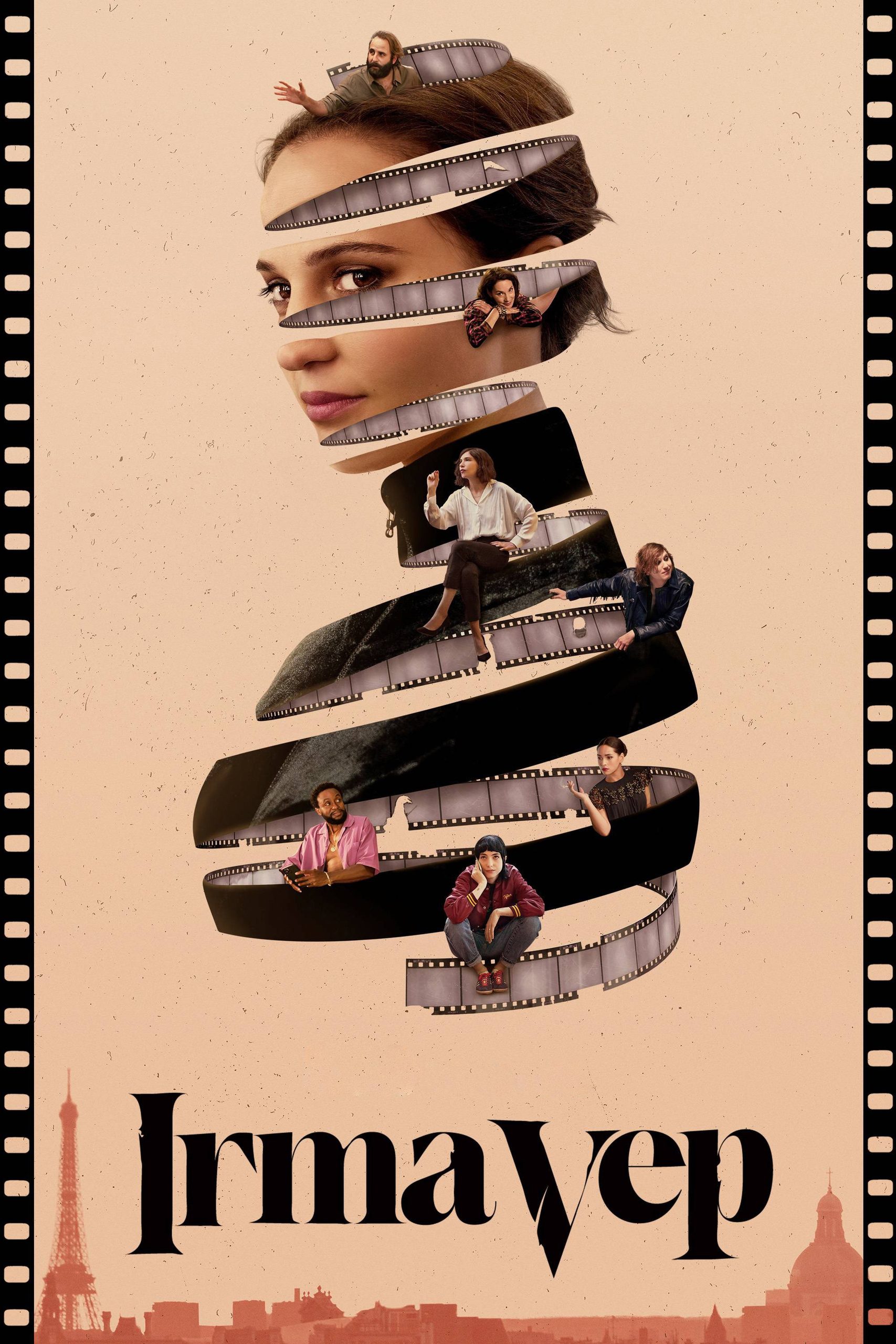
He began as a critic at Cahiers du Cinéma in the early 1980s, made his first feature, Disorder, in 1986, and broke through with Cold Water (1994). Irma Vep (1996), a satire about remakes and Hong Kong cinema with Maggie Cheung, brought him attention outside France, and he went back to it as a television series in 2022. Between those two visits the work went international: Summer Hours (2008), the miniseries Carlos (2010) with Édgar Ramírez, Clouds of Sils Maria (2014), Personal Shopper, Non-Fiction (2018) and Wasp Network (2020). He has made thrillers, period pieces and comedies. What stays the same is the subject: people whose work and private lives have become the same thing, and who are not sure they mind.
He is good with actresses, and better with the same ones twice. Juliette Binoche has made three films with him, Stewart two, and both Clouds of Sils Maria and Personal Shopper are about women performing a self and watching themselves do it. Yorick Le Saux, his cinematographer on three films, lights the night scenes of Personal Shopper with what appears to be the glow from the street and nothing else, and François-Renaud Labarthe gives the haunted house bare walls, a staircase and too many doors. Assayas is not coy. When he decides to show a ghost he shows an old-fashioned one and has it gone before we can object, and it frightened us more than most horror films manage.
The trouble comes later, and it is a habit. Around the hour mark Personal Shopper turns towards a crime story, and Assayas handles it with markedly less confidence than the haunting: a police interview played flat when it needs pressure, a hotel corridor waiting for a payoff only he can see, a television programme about Victor Hugo's séances that plays like the film handing over its reading list. The charge against his later work is that it talks too much and softens its politics into nostalgia, and Non-Fiction and Something in the Air (2012) have both drawn it. We have not reviewed those, but we recognise the shape.
He has said that making films is about listening to your guts. His guts are good for an hour. See the first hour of Personal Shopper, and stay for the rest knowing that the man who made the train scene will shortly want to explain it.
Biography
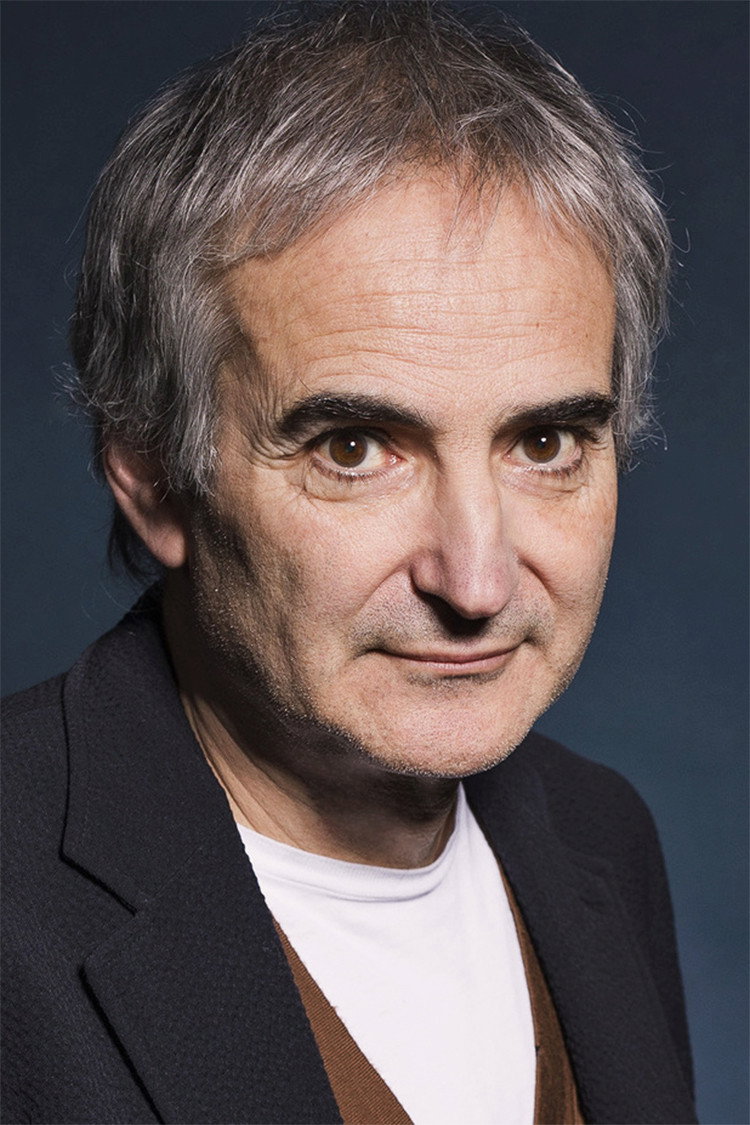
Olivier Assayas is a French film director, screenwriter and film critic. Born on 25 January 1955 in Paris, he began his career as a critic for Cahiers du Cinéma before making short films and his feature debut with Désordre in 1986.
He is known for films including Irma Vep (1996), Summer Hours (2008), Clouds of Sils Maria (2014), Personal Shopper (2016), for which he shared the Cannes Film Festival Award for Best Director, and Non-Fiction (2018). Assayas created, directed and wrote the 2022 television series Irma Vep, a remake of his earlier film.