Olivier Assayas remakes his own 1996 film as eight episodes about making eight episodes, and it is looser, funnier and more forgiving than that sounds. Alicia Vikander holds it steady, Lars Eidinger runs off with it, and the middle drifts.
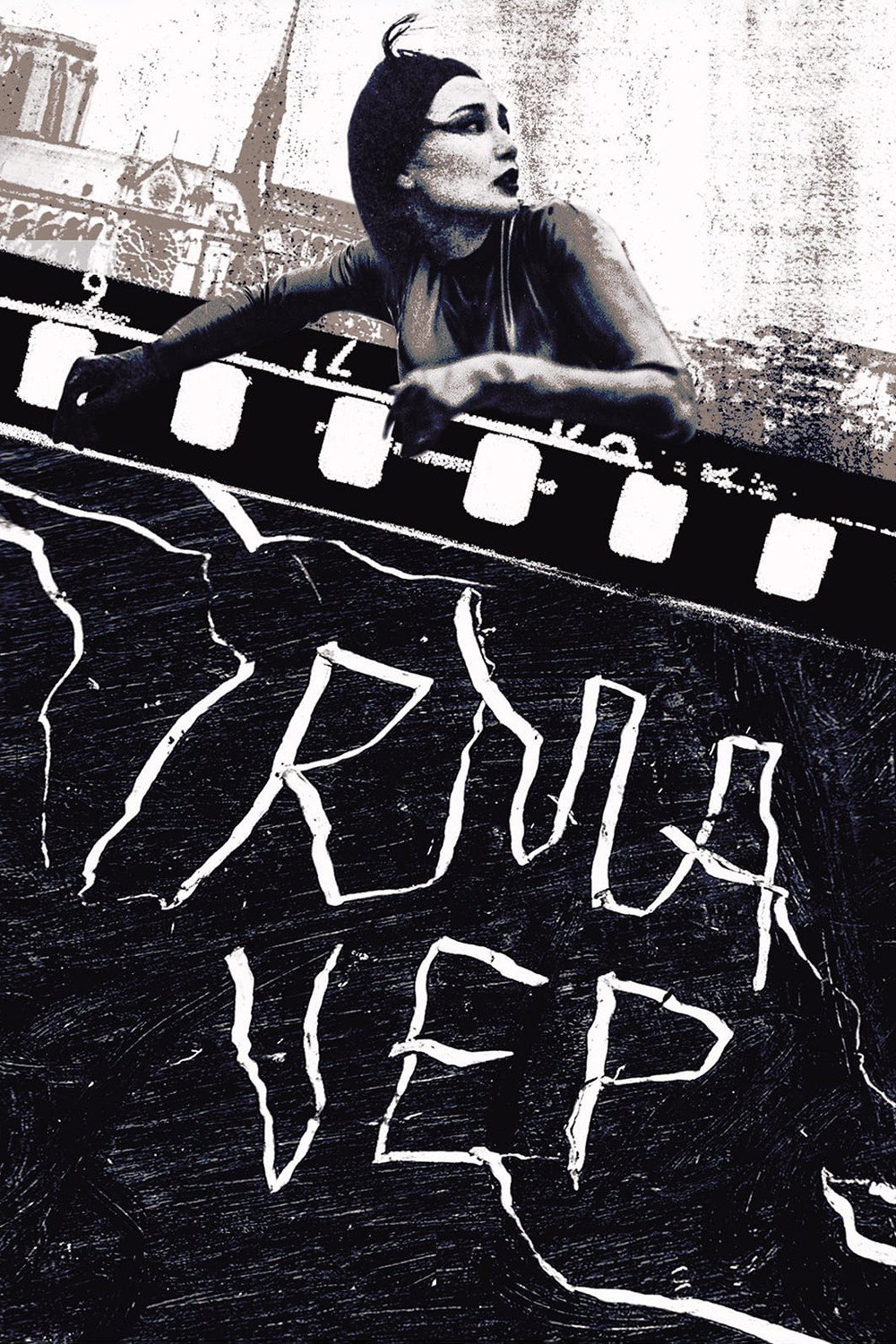
Olivier Assayas made Irma Vep in 1996: a small, quick film about a Hong Kong star, Maggie Cheung, arriving in Paris to play the catsuited thief of Louis Feuillade’s silent serial Les Vampires for a director who is coming apart. Twenty-six years later he has made it again as eight episodes of television, about a Hollywood star arriving in Paris to play the same part in an eight-episode remake for a director who is coming apart. He knows exactly how that sounds. The series is looser, kinder and funnier than the film, slack in places, and unusually honest about the business of making itself.
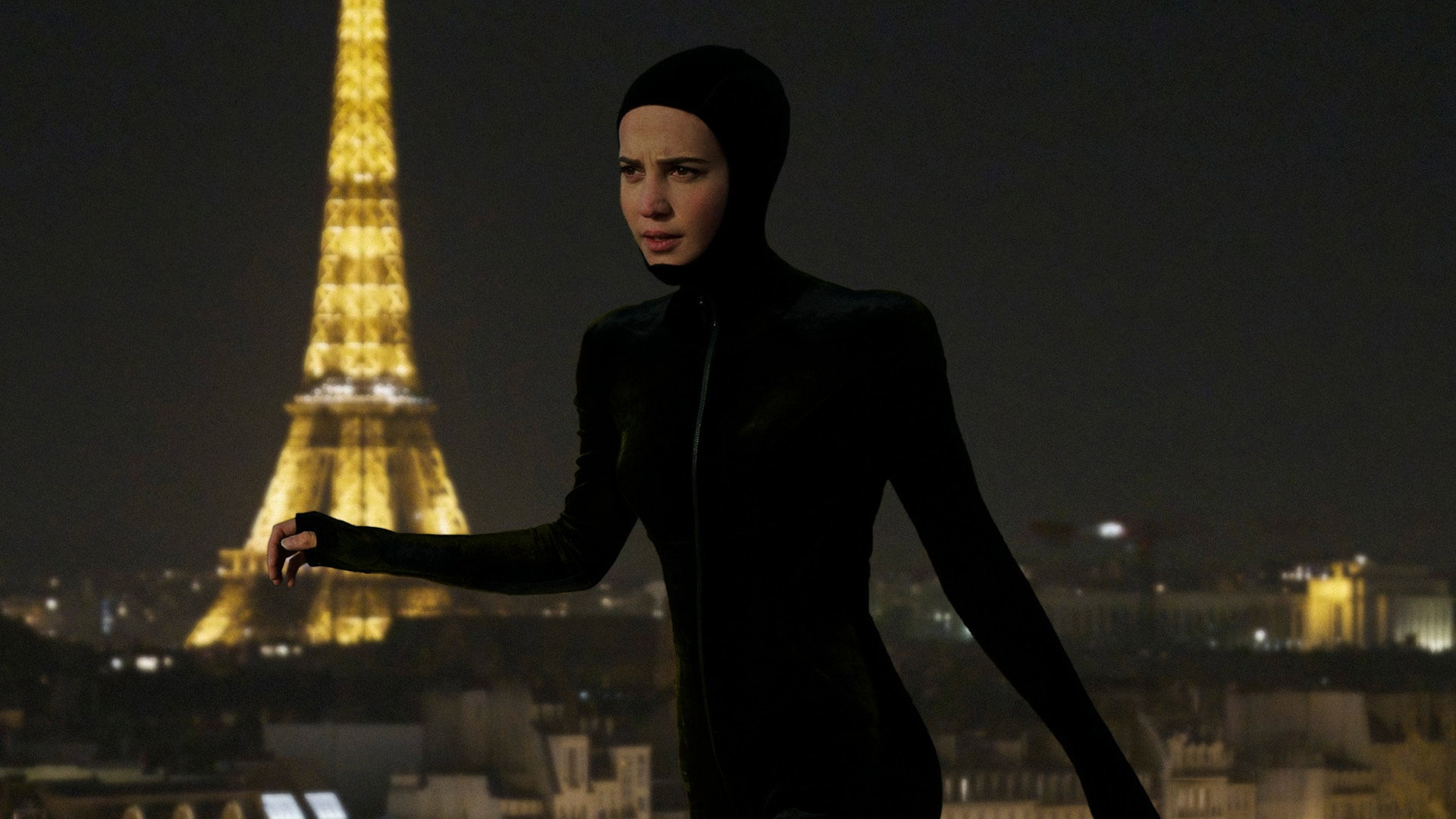
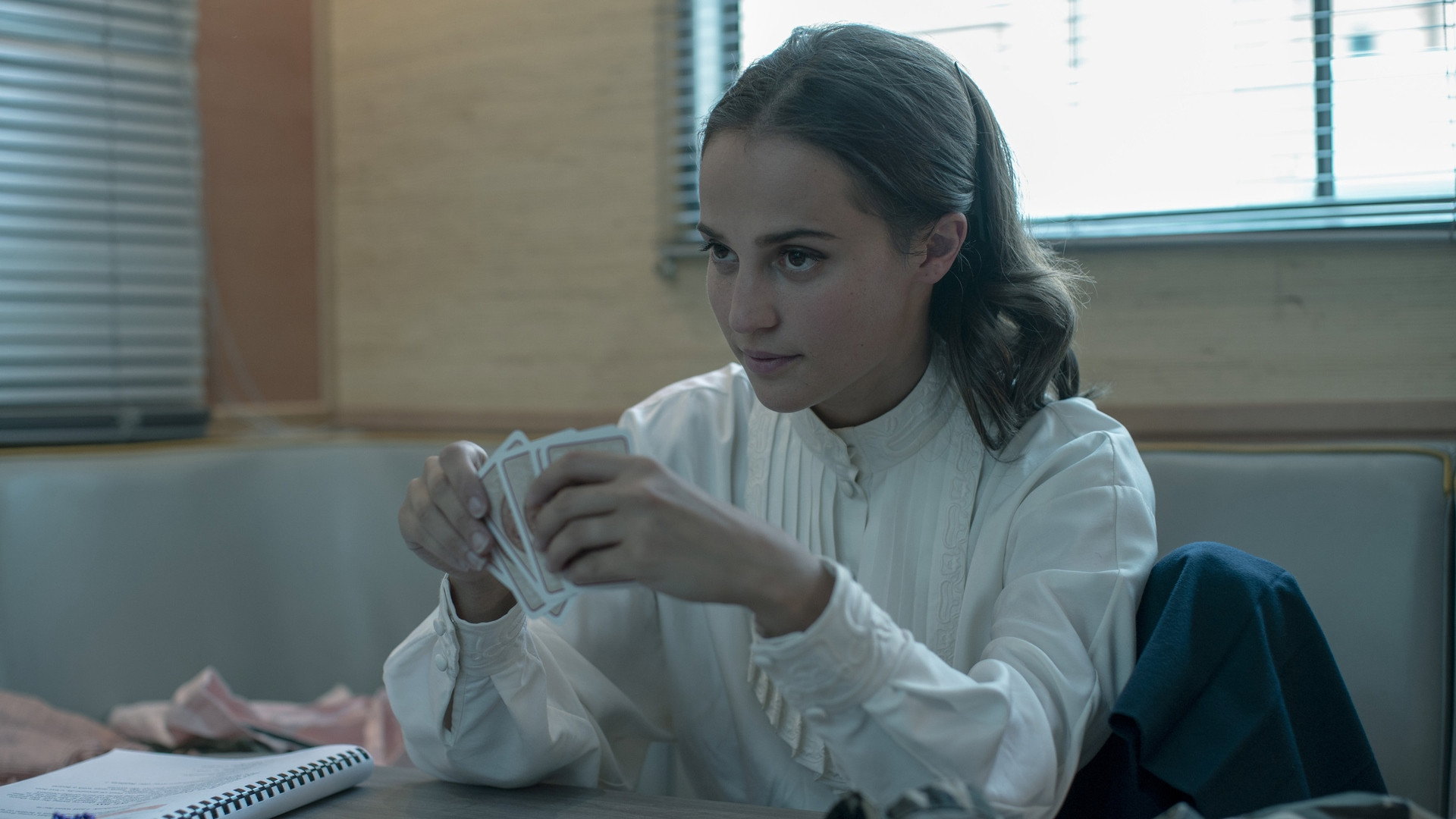
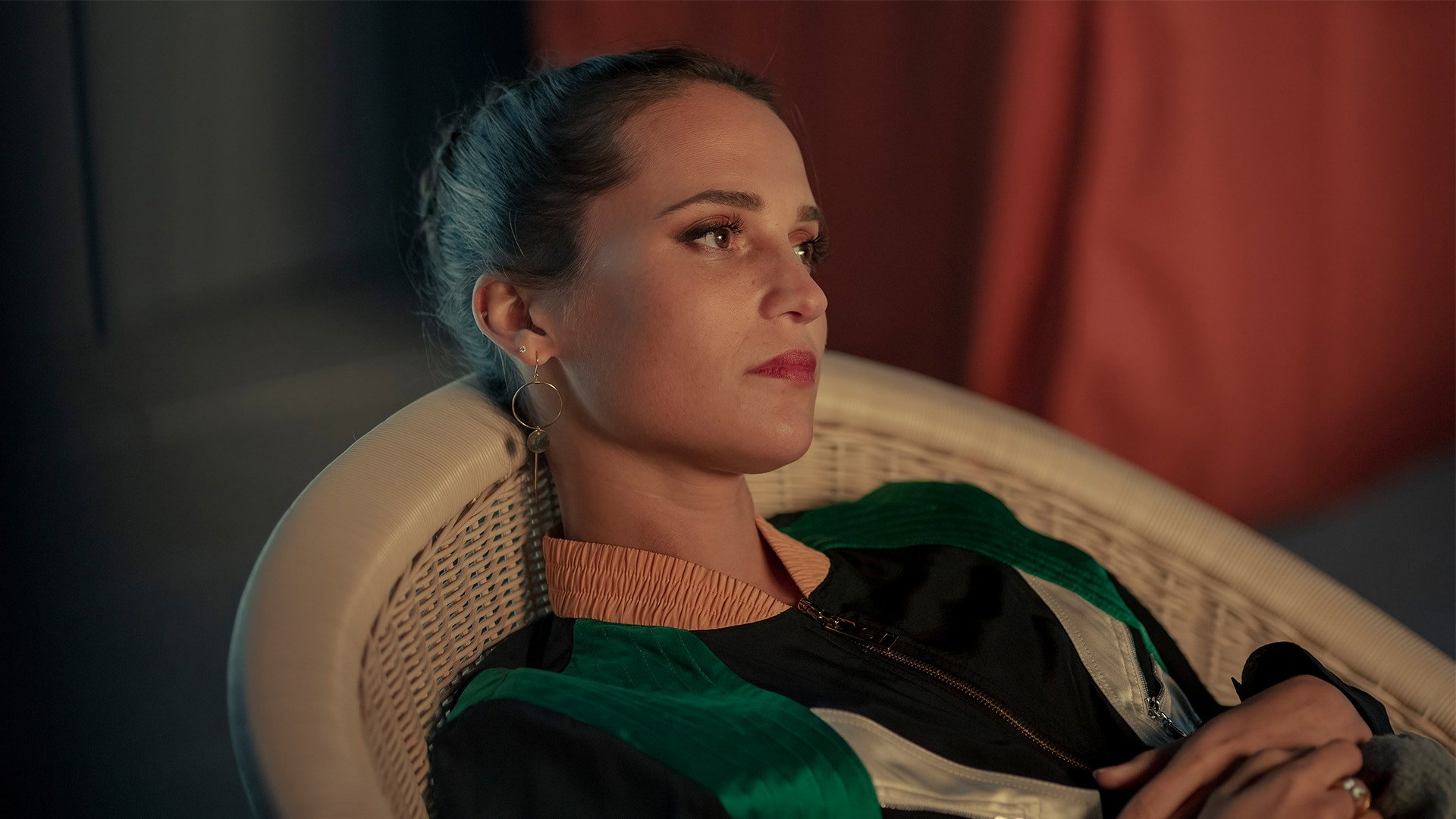
Alicia Vikander plays Mira Harberg, who has just finished a superhero picture called Doomsday, is being offered another, and has come to France to do something she can respect. Vikander plays her as tired, courteous and watchful, a woman who says yes to things and works out afterwards whether she meant it. The loudest complaint about the series is that she lacks Cheung’s stillness and presence. We think that misreads the part. Mira is not yet sure she is a star, or wants to be, and Vikander plays the not knowing; by the time she is walking hotel corridors at night in the suit, something has settled in her face.
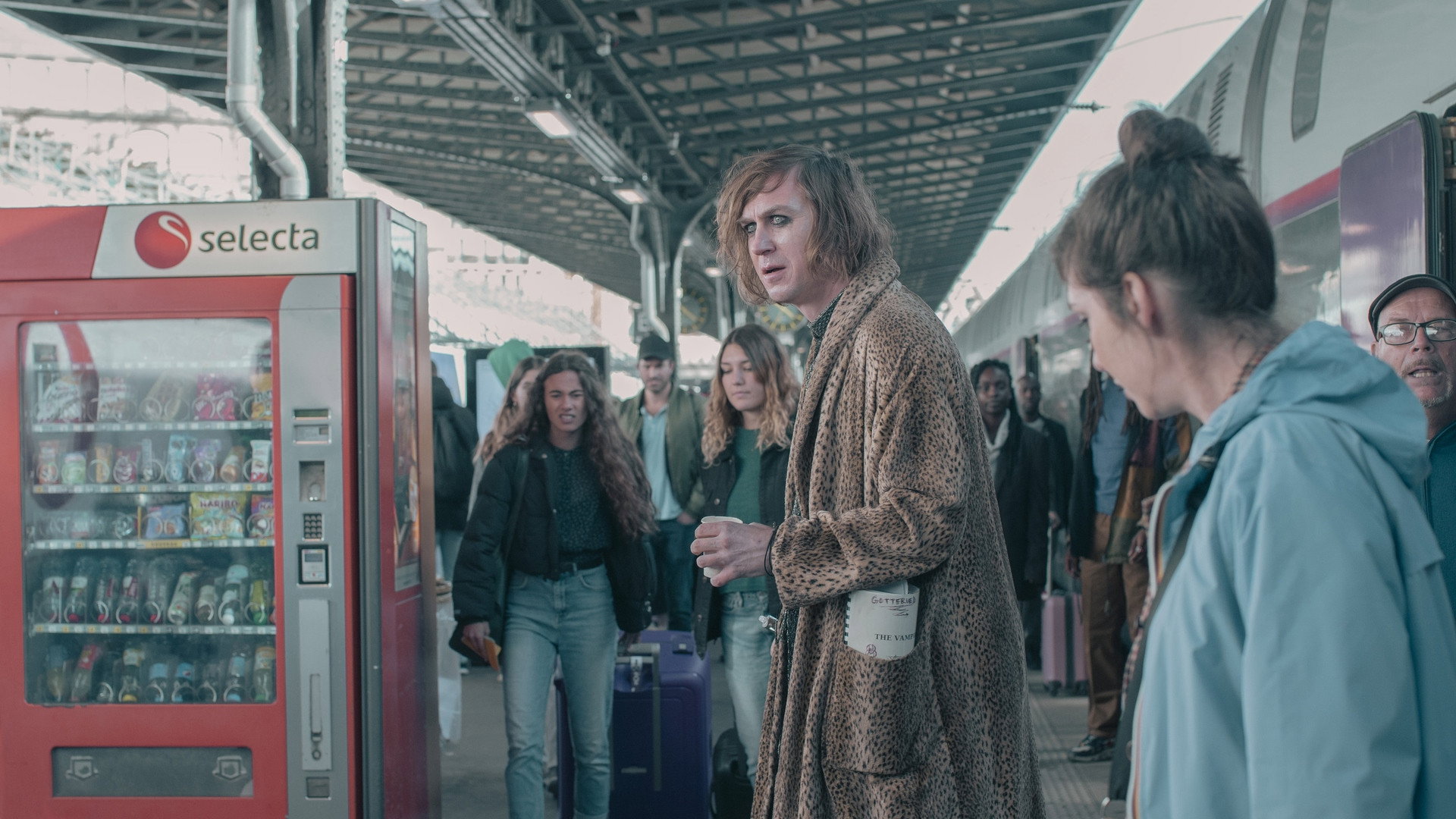
Vincent Macaigne’s René Vidal is the bruised heart of it, a director on medication who tells his therapist he does not know why he is remaking a film he already made, then goes to set and makes it anyway. Lars Eidinger’s Gottfried, the German co-star, smokes crack in his trailer and delivers long, calm, indefensible opinions on acting, women and death to anyone within range. We laughed harder at him than at anything else in a long while, and then felt slightly ashamed, because Eidinger never once plays him for the laugh. Nora Hamzawi’s Carla keeps the production alive on the phone. Jeanne Balibar’s Zoe fits Mira for the suit and falls quietly in love while doing it.
Denis Lenoir and Yorick Le Saux shoot it handheld, in Paris daylight and the flat white light of a working set, and the camera walks into rooms behind people who are already arguing. François Gédigier cuts conversations at the length they would take in life, so scenes end when somebody leaves rather than when the point has been made. François-Renaud Labarthe dresses René’s sets in painted flats and rented apartments got up for 1915, and Jürgen Doering’s black suit is the one object everyone on screen wants to talk about; it is velvet this time, not latex, and Zoe has her reasons. Thurston Moore’s music is mostly guitar, a low hum under the walking scenes, and it stays out of the dialogue’s way.
Not all of it holds. Eight episodes give Assayas room for everyone’s subplot, and some of them go nowhere. Byron Bowers’s Herman and Adria Arjona’s Laurie, the director and the ex who left Mira for him, exist so that Los Angeles can ring Paris and be laughed at, and the Hollywood satire is the broadest thing here, pleased with itself in a way the French scenes never are. The argument about franchises and art is had at least three times, and the third time we noticed we had heard it. Episodes five and six drift.
The final stretch earns the length, in ways we will not describe. What we can say is that Macaigne is handed the best scene of the eight and plays it without self-pity, and that a ninety-minute film would not have had room for it.
The 1996 film was frantic and over in an evening. This is calm, digressive and content to let a set-up sit. Watch it at home, an episode or two a night, which is how it was built and how the jokes about television land best. It is for people who like films about people making films; if that is you, it is one of the better ones.