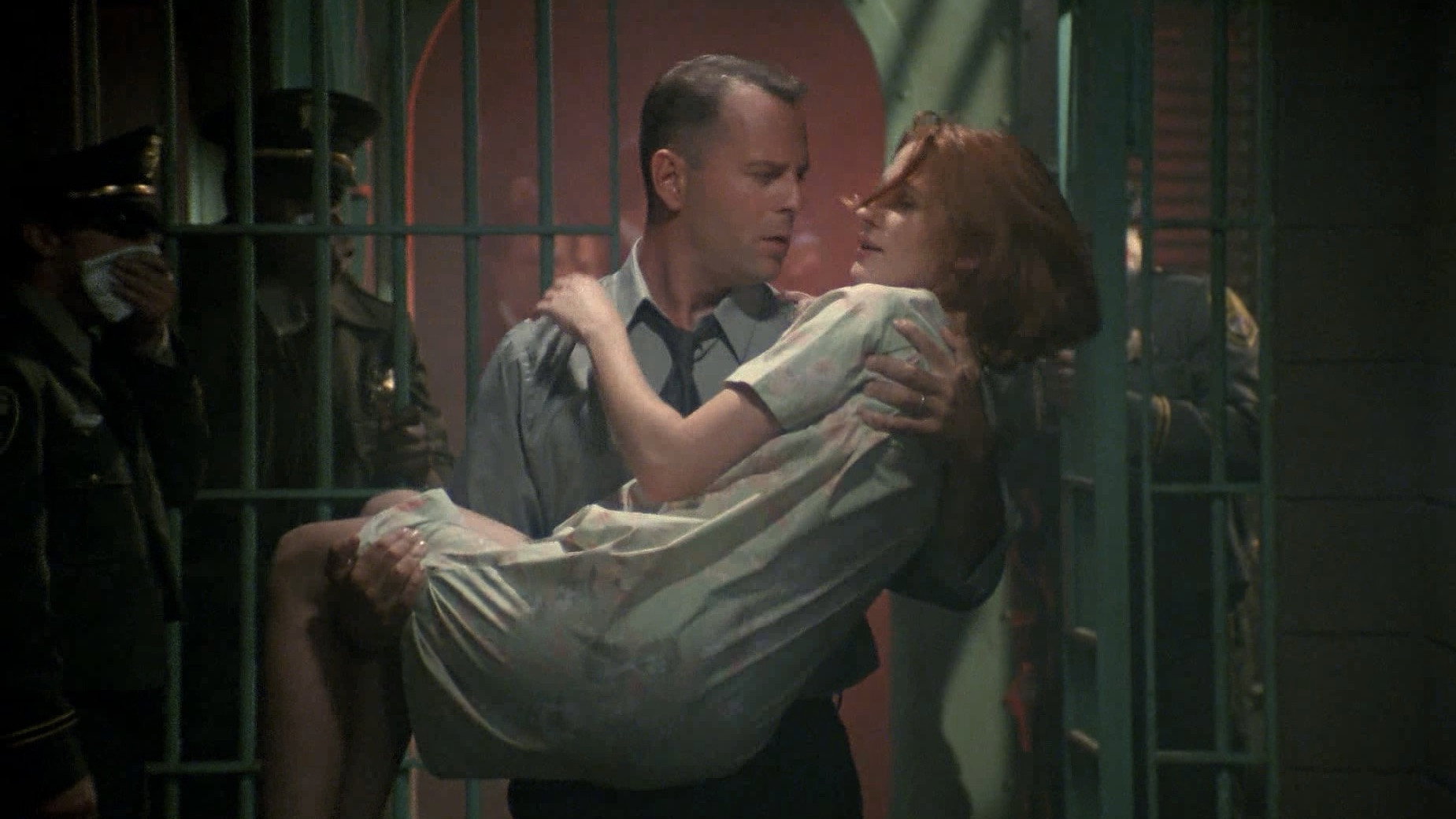
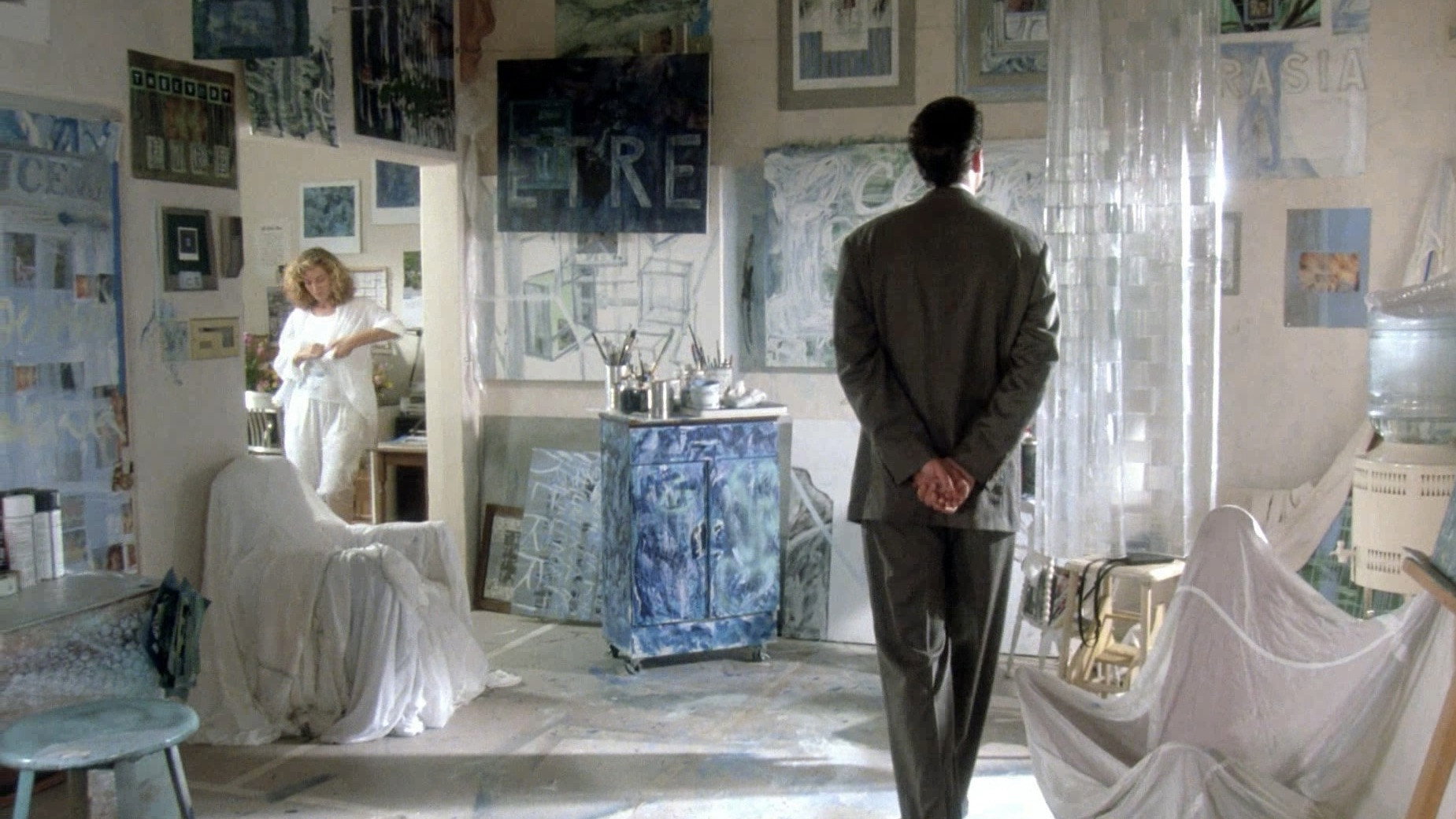
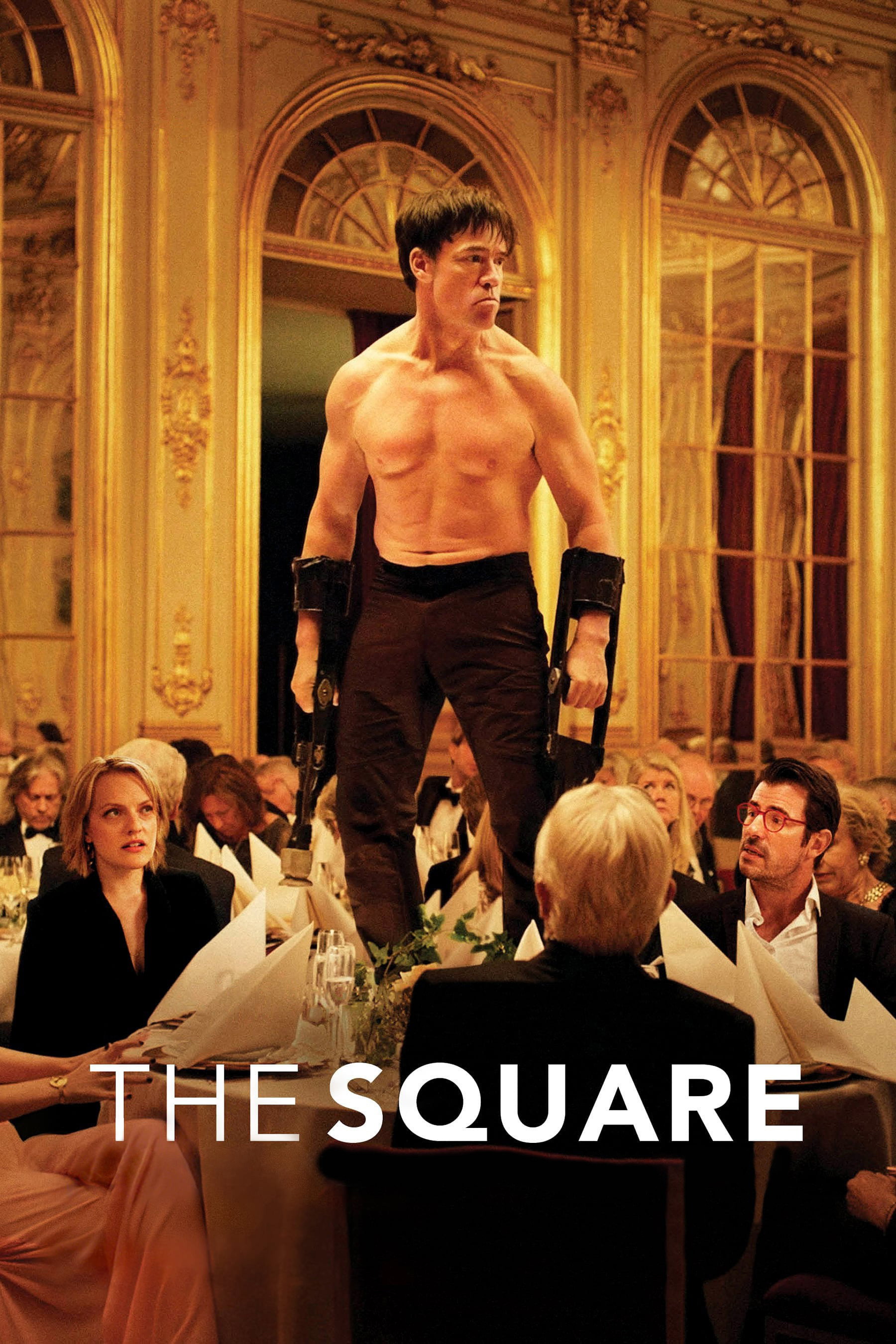
Robert Altman’s Hollywood satire is funny, sour and gripping, with Tim Robbins making a studio executive’s self-interest horribly plausible. A little more interest in the people this business damages would have made it bite harder.
We recommend The Player for its sharp, patient attention to a man whose job allows him to judge everybody else’s stories. Robert Altman’s Hollywood satire is also an absorbing thriller, and its jokes stay funny when the pressure rises. Griffin Mill, played by Tim Robbins, is a studio executive in a business that has learnt to make self-interest sound like professional judgement. Michael Tolkin’s screenplay, adapted from his own novel, gives that professional confidence a criminal test. Altman is interested in how readily we accept Griffin as our guide.
Jean Lépine’s cinematography announces the film’s confidence in an opening shot without a cut. Its length gives us time to attend to the business around Griffin, rather than simply waiting for his story to begin. Altman’s overlapping dialogue makes the competing speakers worth listening to, even when their ideas hardly deserve the attention. We laughed at the screenplay pitches, then felt slightly ashamed of how readily we enjoyed the executive’s side of the exchange. The ease with which talk about making films becomes talk about selling them is the uncomfortable joke.
Robbins makes Griffin’s authority convincing enough for us to understand why people bring him their hopes. There is charm in the performance, and just enough of it to make his arrogance bearable company. That puts us in an awkward position as the thriller gathers force: we want to know what happens to a man we would not want deciding our future. Altman does not constantly interrupt that involvement to tell us Griffin is objectionable. Robbins has already made the point.
Editors Maysie Hoy and Geraldine Peroni preserve the space for conversation that makes the suspense work. The film can take its time without losing our interest in Griffin, although occasionally a joke has rather too long to settle. Thomas Newman’s score is effective accompaniment, but it is the talk we remember: competing voices make professional exchanges feel difficult to escape. The cutting is particularly good at sustaining our attention without forcing the comedy to hurry.
Ken Kaufman and Stephen Altman’s production design helps us believe in the workplace around Griffin. It looks capable of carrying on without him, which matters in a story about an executive who assumes his judgement counts for so much. The setting never needs to make every colleague a monster for the business to seem unkind. Much of the cruelty is already there in the screenplay’s treatment of originality as a commercial inconvenience.
A satire about film executives has an obvious difficulty: mocking their taste can become an easy way of flattering ours. Altman mostly avoids that by keeping Griffin attractive company and letting the suspense involve us in his concerns. Yet the moral discomfort remains lighter than it might have been. The people this culture brushes aside are harder to feel for than the man at its centre, because he gets so much of the film’s attention. We seldom feel much grief for the ambitions this business discourages.
Allow its 124 minutes some concentration: the competing talk is part of the pleasure, and half-listening diminishes it. The humour should still work without a working knowledge of the film business. Spend an evening with Griffin, but keep him away from anything you have written.