Robert Altman makes crowds worth listening to, letting conversations overlap and leaving important people time to expose themselves. We admire his patience and sour humour, though some of his films need firmer storytelling.
Fi1m perspective
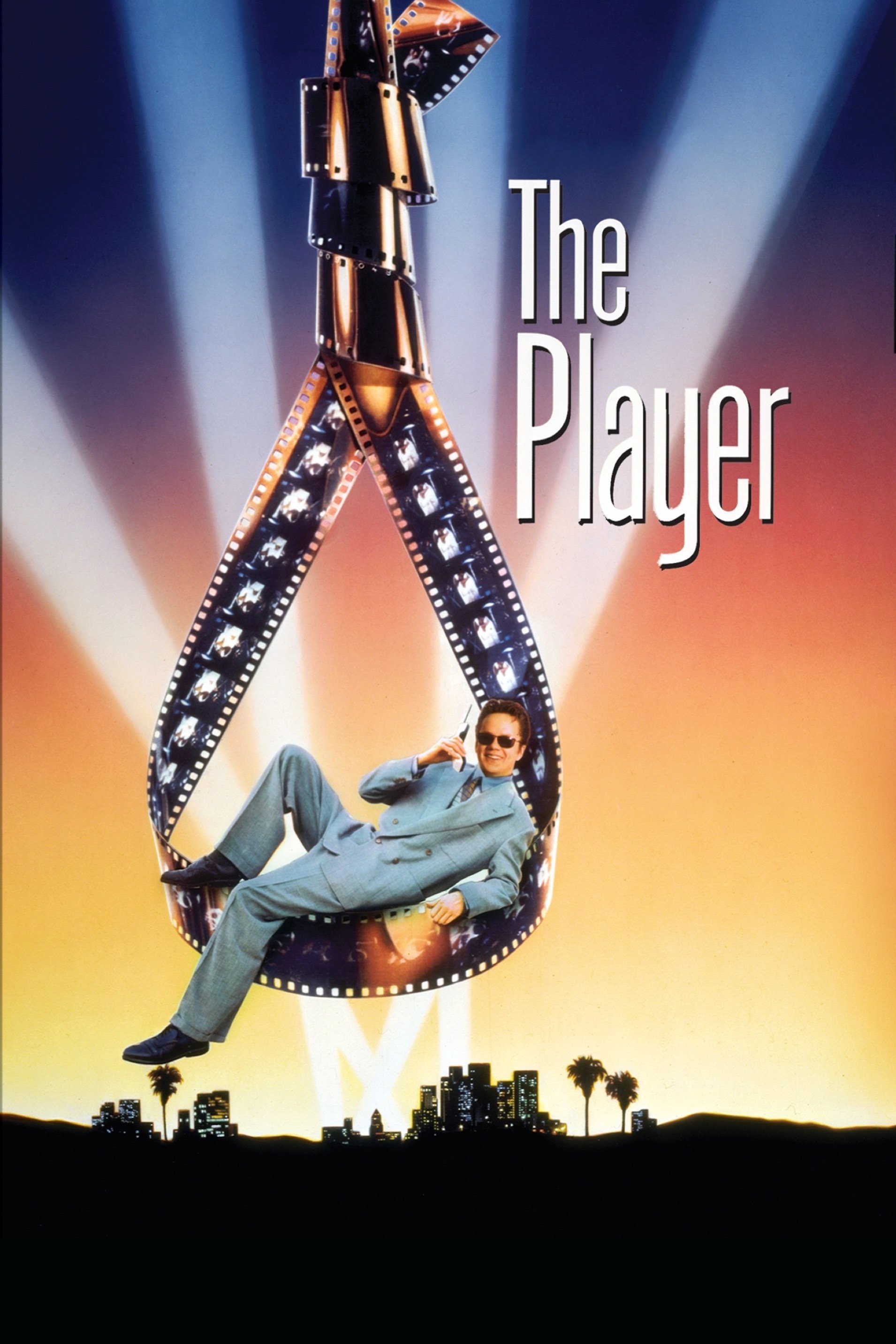
The opening shot of The Player (1992) keeps going while the studio gets on with its business. Jean Lépine’s camera gives us time to notice people around Griffin Mill, the executive played by Tim Robbins, before settling into his story. This is what we value in Altman: people at the edge of a scene are worth attending to, even when someone nearer the centre thinks otherwise. He makes us listen without insisting that every speaker has something sensible to say.
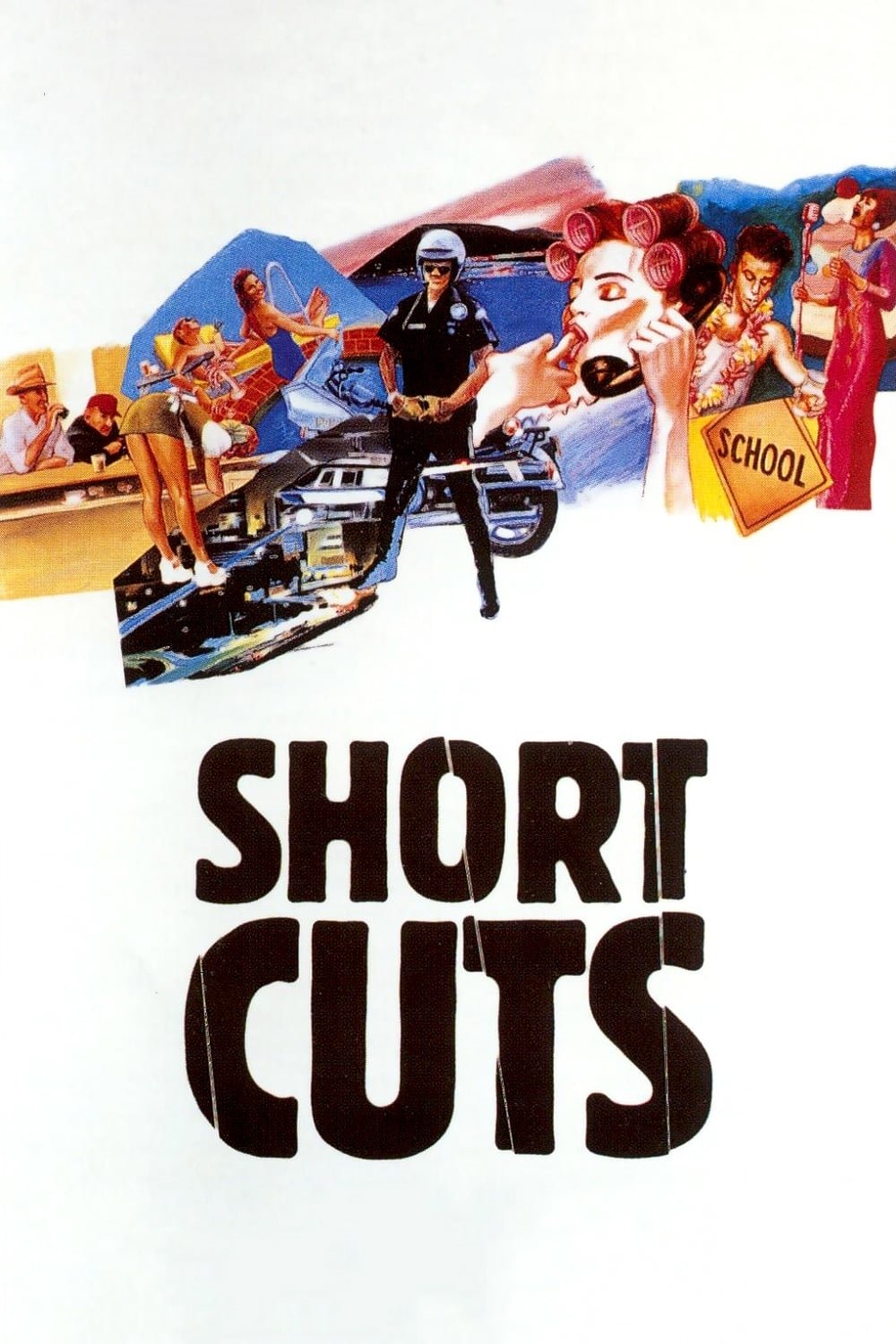
His breakthrough came with M\A\S\H (1970), which made overlapping dialogue part of his reputation. McCabe & Mrs. Miller (1971) reworked the western; Nashville (1975) gave a large ensemble room to be heard. After the career difficulties of the 1980s, The Player brought him back to prominence. Short Cuts (1993), adapted from Raymond Carver’s stories, and the ensemble mystery Gosford Park* (2001) show how firmly he held to following several lives at once.
In The Player, Michael Tolkin’s screenplay supplies enough thriller pressure to keep that curiosity from becoming aimless. Robbins gives Griffin sufficient charm to make his arrogance bearable, and Altman lets us stay with him rather than stopping to deliver a rebuke. We laughed at the screenplay pitches, then felt embarrassed by how readily we had sided with Griffin. Altman has made the person who dismisses other people’s hopes comfortable company, and he trusts us to notice what is wrong with that.
Ken Kaufman and Stephen Altman’s production design gives Griffin a workplace that looks capable of continuing without him. That matters: the business does not need one unusually selfish executive to become unkind. Across Altman’s work, mobile cameras and zoom lenses observe scenes from a little distance, while multiple microphones capture the competing voices. The apparent informality takes technical care, and his ensemble casts benefit from not having every exchange reduced to a single speaker.
That freedom does not always help the film. A Wedding (1978) is a warning about how easily a crowded story can lose its shape. Even The Player gives too little attention to those damaged by the business it finds so entertaining. Start there for the thriller and the sour laughter, but do not expect the people Hollywood hurts to get equal time.
Biography
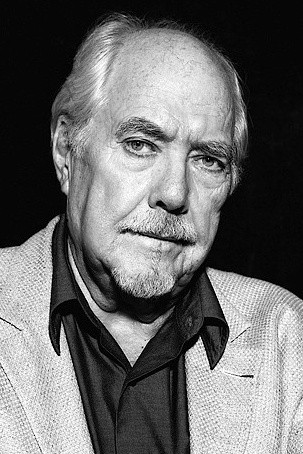
Robert Altman was an American film director and screenwriter. Born in Kansas City, Missouri, he began his career directing industrial films and television episodes before making his feature debut with The Delinquents (1957).
He directed MASH (1970), McCabe & Mrs. Miller (1971), Nashville (1975), The Player (1992) and Short Cuts (1993), on which he also received a screenplay credit. His later films include Gosford Park (2001). Altman received an Academy Honorary Award in 2006. Several of his films, including MASH, McCabe & Mrs. Miller and Nashville, have been selected for preservation in the National Film Registry.