Film review

M*A*S*H

1970 · Directed by Robert Altman · 1h 56m · MPA R

In a sentenceThe surgeons are good at their jobs and much too pleased with their jokes

ComedyDramaWar

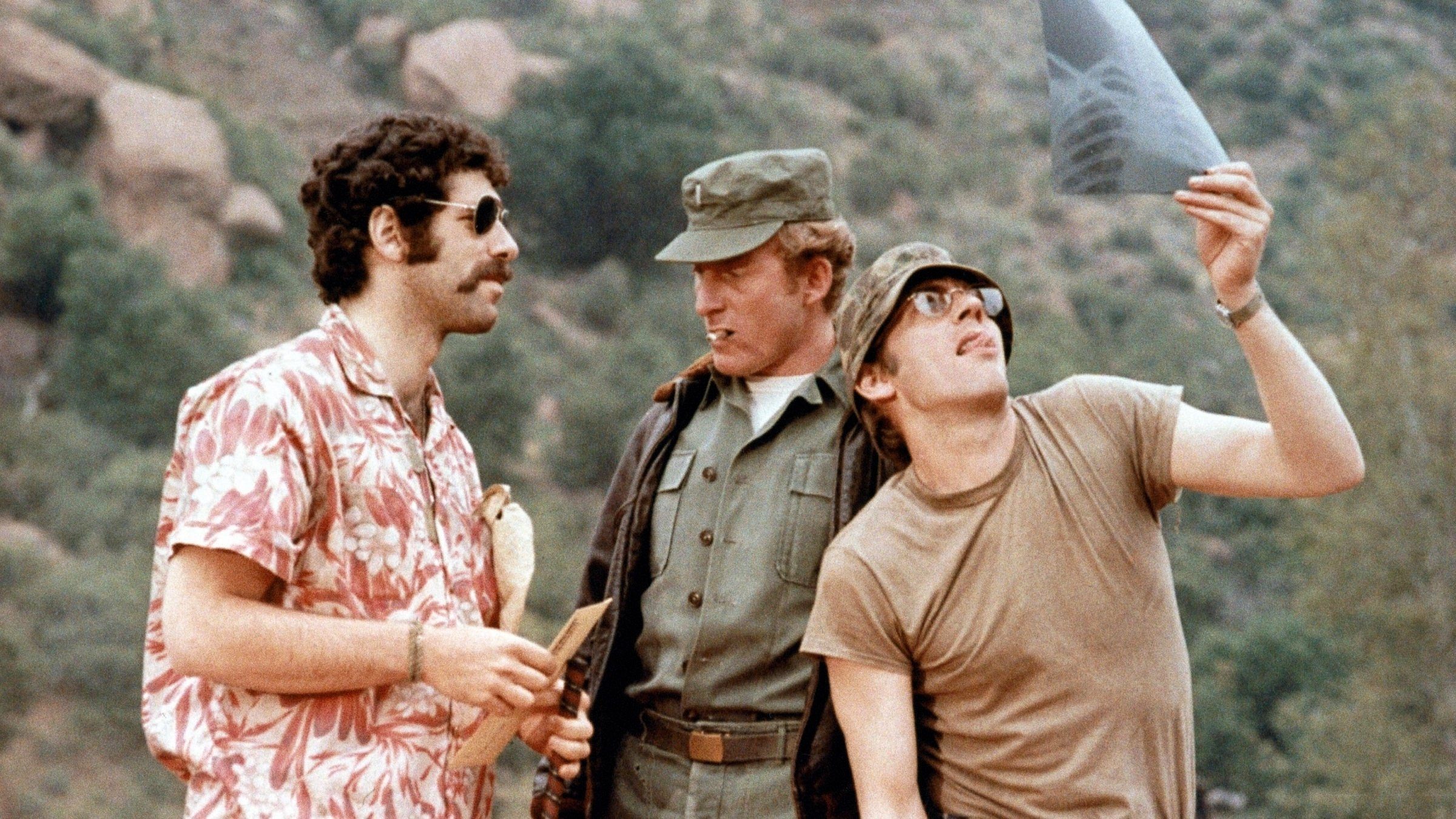
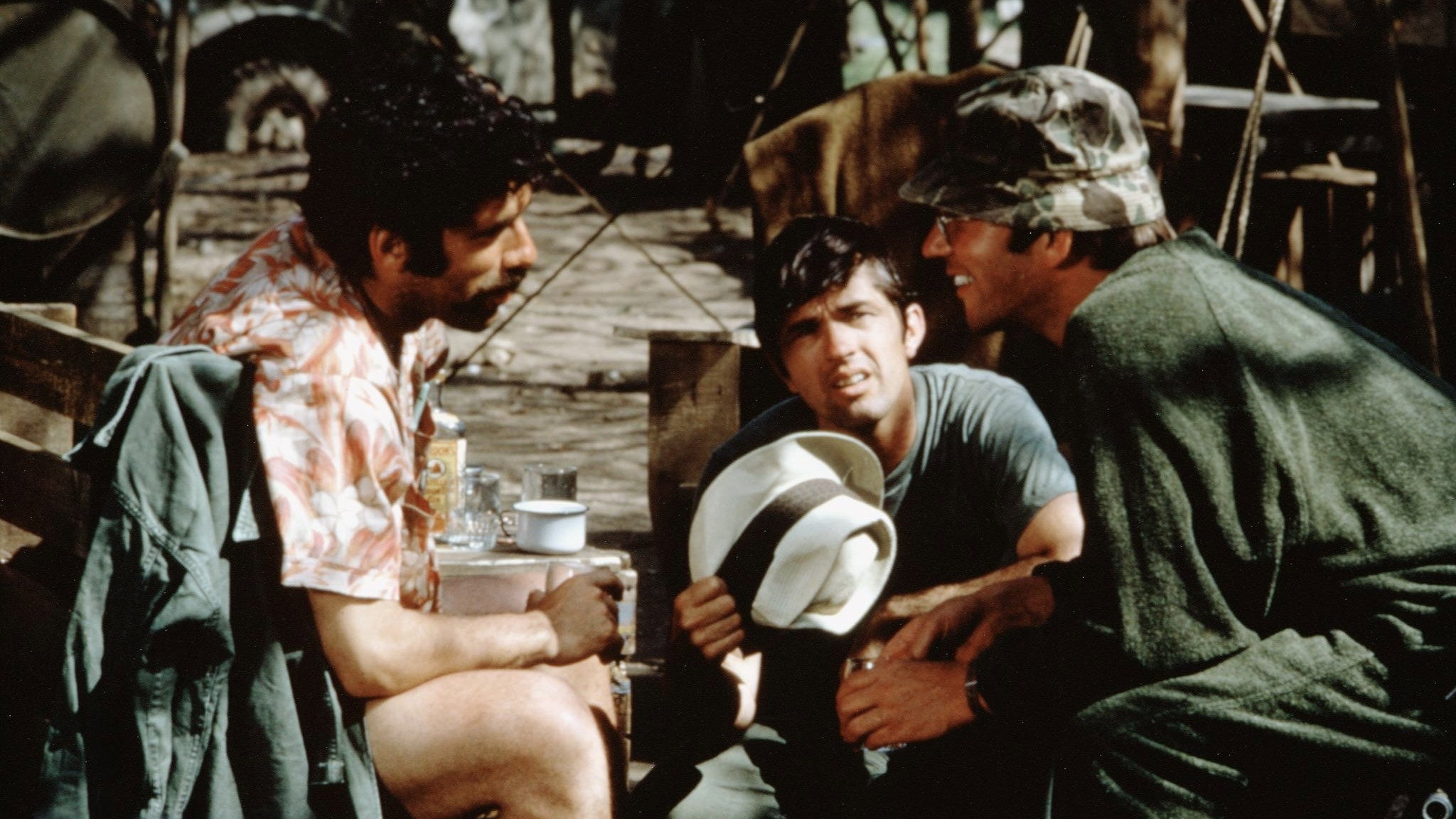
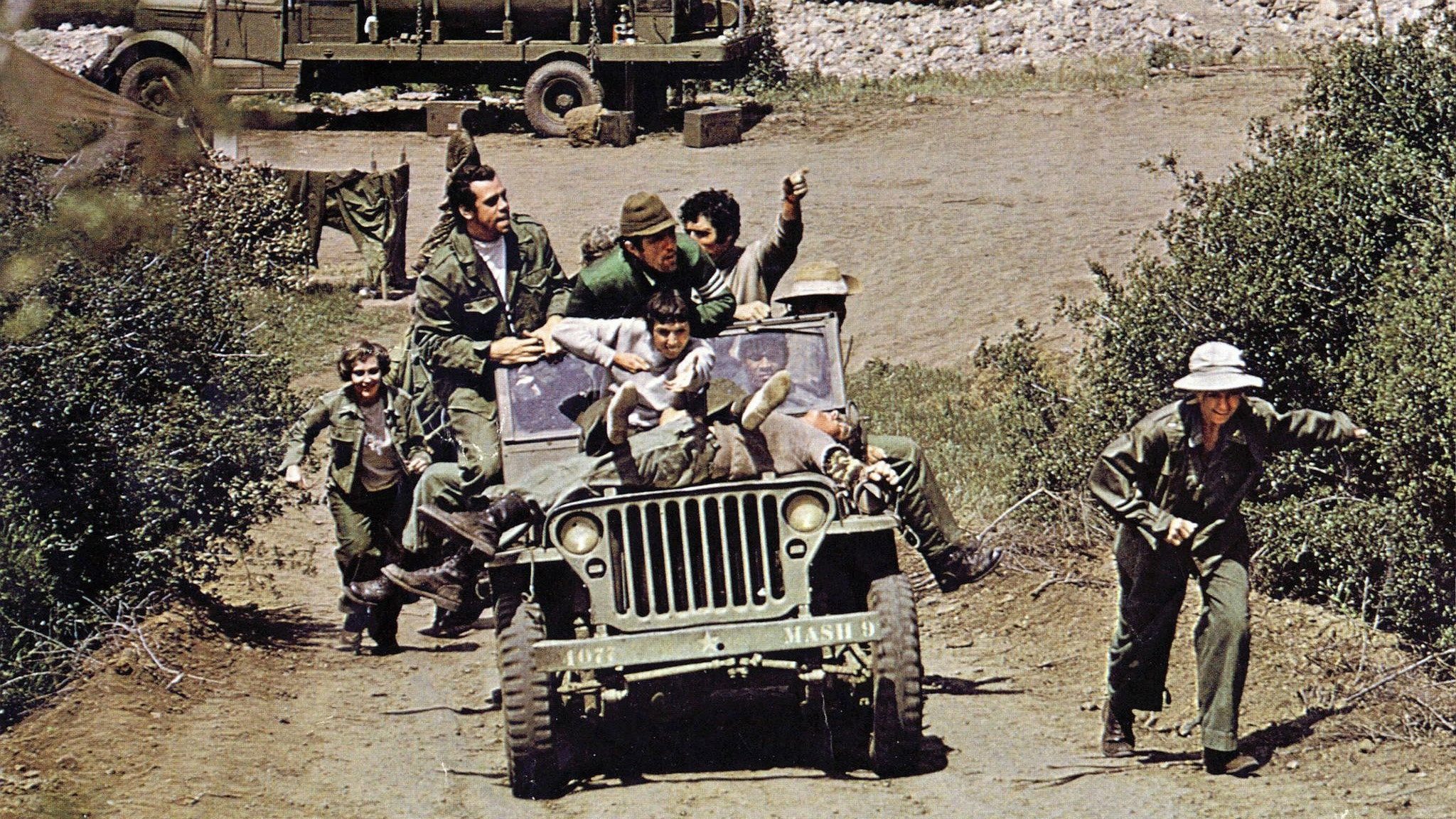
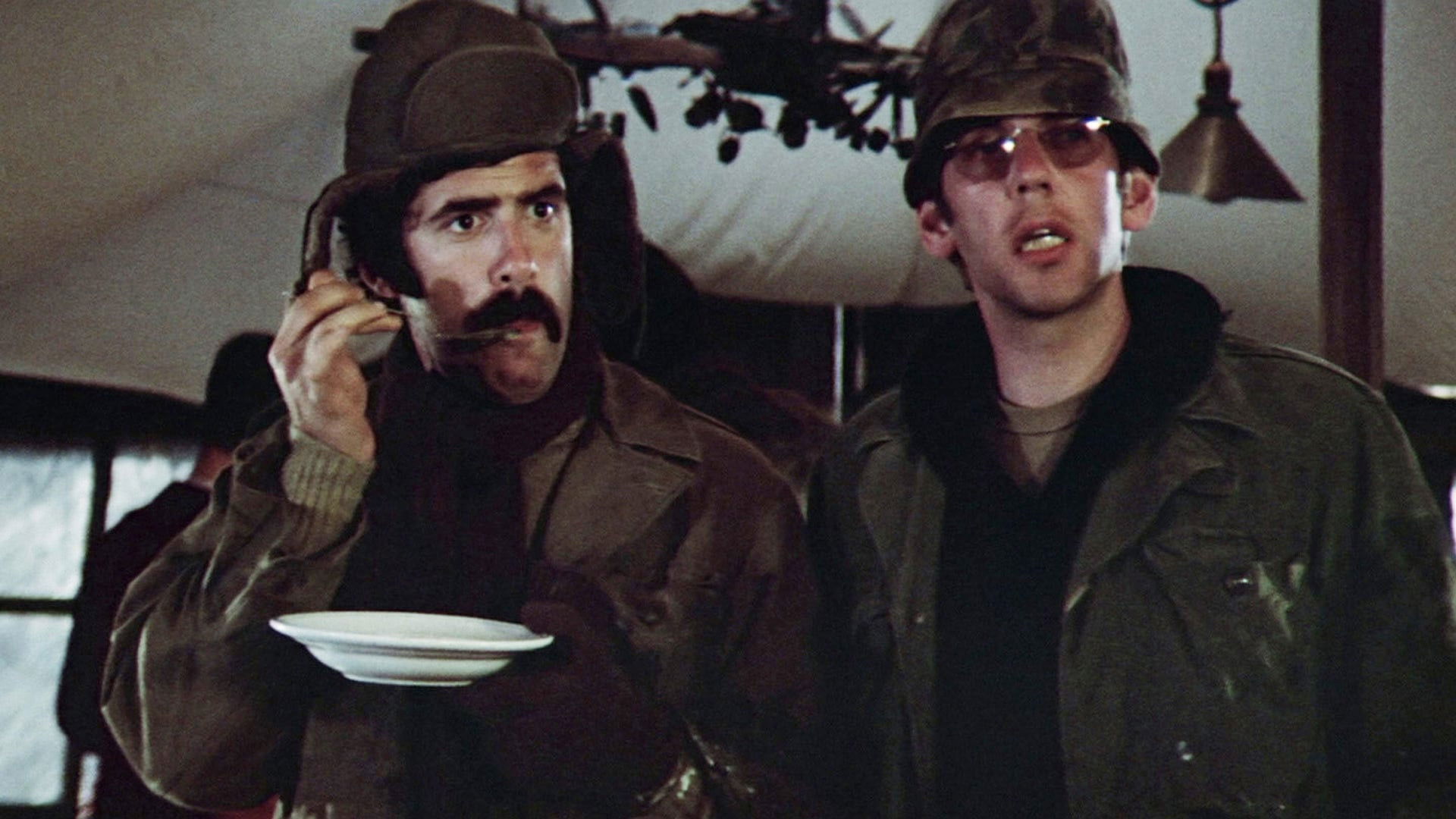
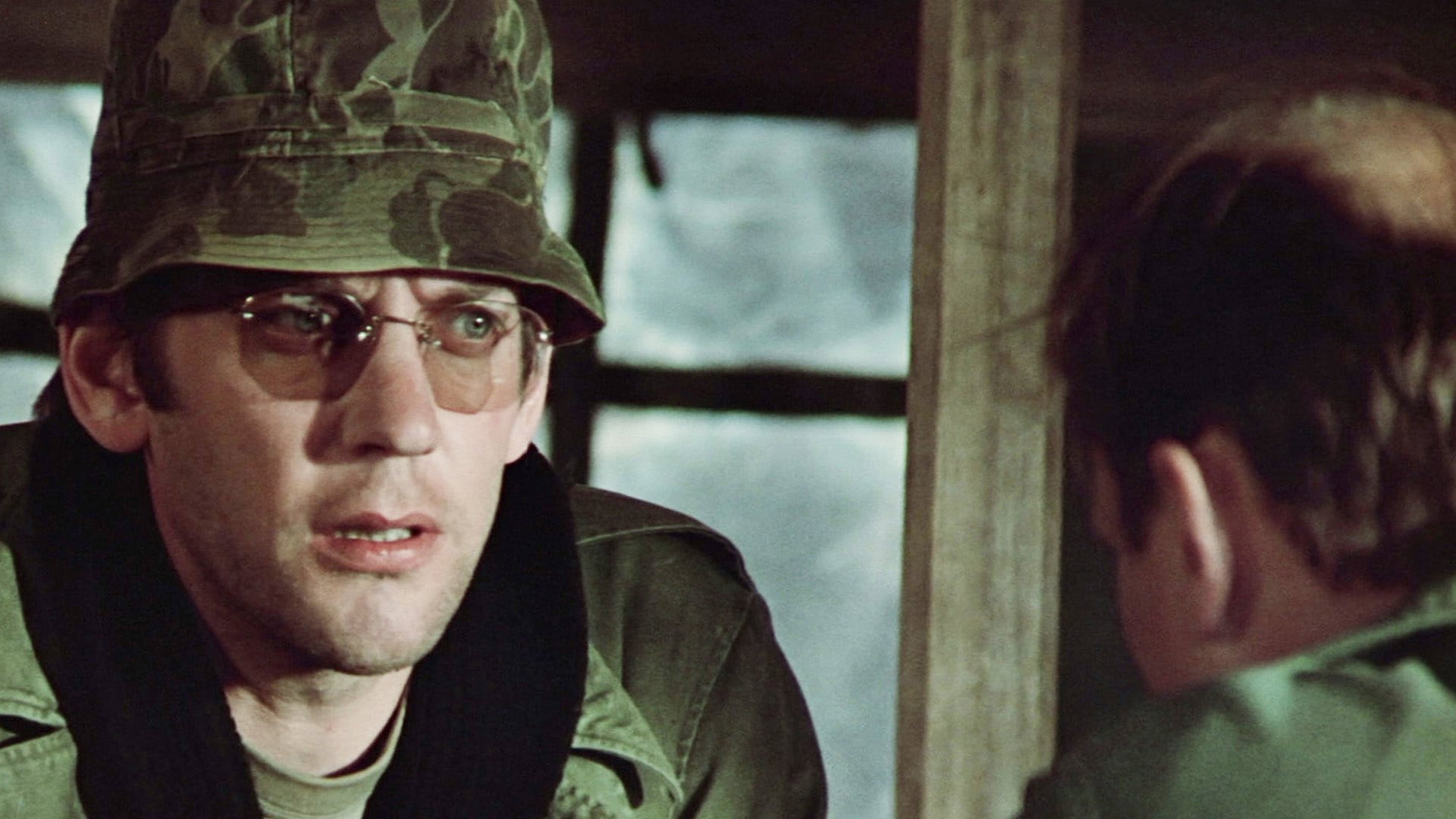
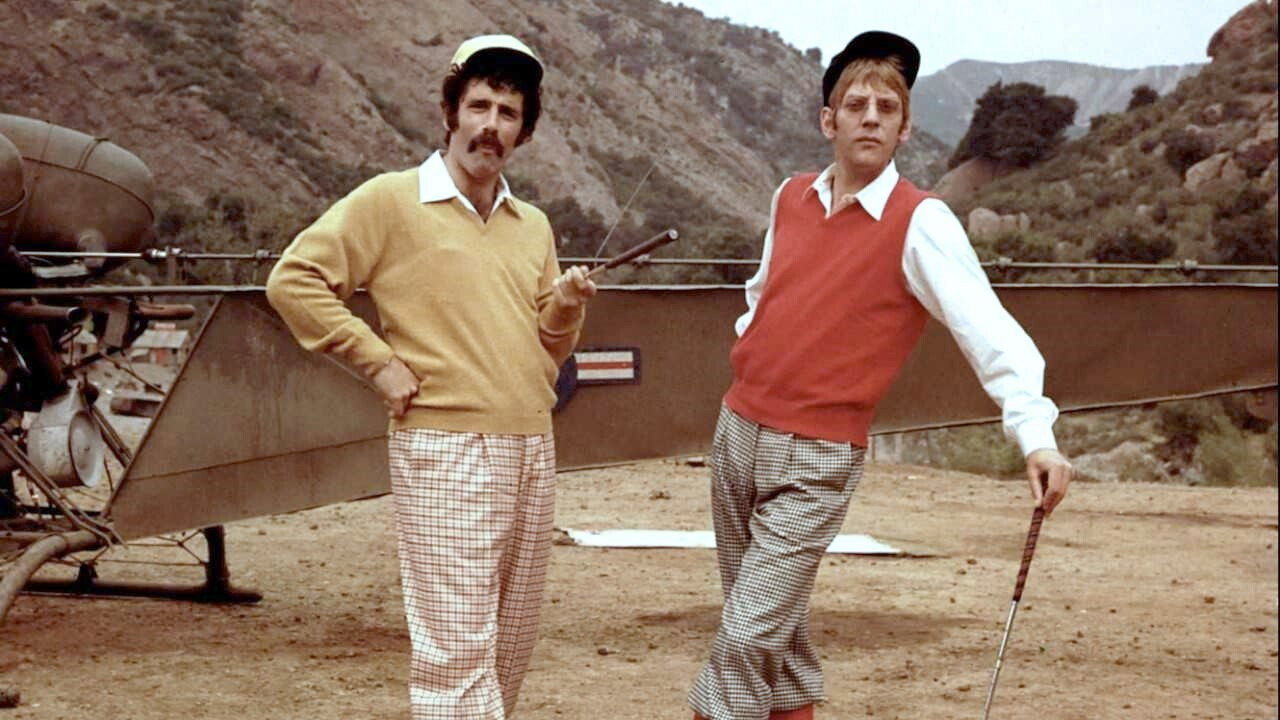
At a surgical hospital during the Korean War, Hawkeye Pierce (Donald Sutherland), Trapper John McIntyre (Elliott Gould) and Duke Forrest (Tom Skerritt) treat wounded men while resisting the military discipline around them. Their work takes them into operating rooms full of blood; off duty, they occupy themselves with practical jokes and sexual banter. The surgeons want to do their jobs without submitting to army pieties, and they reserve little respect for military authority or religious belief. Other members of the hospital staff become targets as well as company, as the doctors look for ways to cope with the work.

Plays from YouTube when you press play; nothing loads from them until then.

Fi1m review

Robert Altman’s MASH* is a funny, bloody war comedy worth seeing for its actors and its unruly sound. Its indulgence of the surgeons’ bullying makes some of the laughter difficult to share.

MASH* asks how people who spend their working hours cutting into wounded men can remain fit for ordinary company. Robert Altman’s answer is that they may not, and his surgeons’ jokes are often as nasty as they are funny. This is a good war comedy with a substantial blind spot: it grants its clever men more freedom to humiliate people than their circumstances can excuse. We recommend it for the performances and the hospital scenes, with reservations about whom it expects us to laugh at.

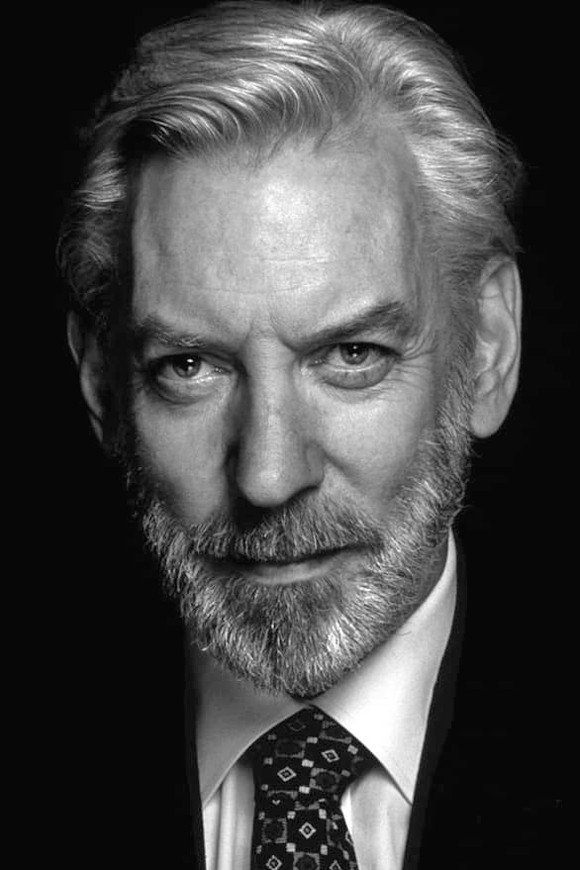
Donald Sutherland and Elliott Gould do much of the persuading, playing Hawkeye Pierce and Trapper John McIntyre without pushing their lines towards a laugh. Their underplaying allows the vulgarity to sound like everyday conversation, which makes the doctors plausible company even when their behaviour is indefensible. Tom Skerritt helps keep the ensemble from becoming a contest to see who can seem most detached. The pleasure lies in hearing capable actors sound so thoroughly at home in this workplace.

Harold E. Stine’s zooms let us pick people out within the group, giving the ensemble room to work. Robert Altman’s overlapping dialogue is equally useful: nobody politely clears the soundtrack for the person with the important line. We have to listen across competing voices, and that makes the hospital feel busy even when its occupants are avoiding seriousness. This is where the film improves on the more orderly rhythms of a service comedy. The jokes benefit from arriving without an announcement.

The operating scenes are the reason the comedy has any weight. We were horrified by the surgical gore, particularly because the film gives it space beside the casual joking. Those scenes make the surgeons’ urge to behave badly comprehensible, and they stop the hospital becoming merely a convenient setting for pranks. Johnny Mandel’s music is welcome in a film so crowded with voices, although the talk supplies most of its comic rhythm. The men’s competence at work matters to how much of their behaviour we are prepared to tolerate.

That tolerance has limits, and Ring Lardner Jr.’s screenplay too often treats the surgeons’ amusement as sufficient reason for ours. The treatment of women is the clearest failure: their humiliation becomes an entertainment which the film does too little to question. Religious belief and military propriety also supply targets who rarely get a fair hearing. Nothing requires these men to be decent, but the film’s persistent admiration for them narrows its humour. We wanted it to look harder at the people obliged to put up with them.

Danford B. Greene’s editing keeps the separate episodes moving without forcing them into a tidy chain of causes and consequences. That suits a workplace in which the same tasks and evasions recur, although the film sometimes seems content simply to find another opportunity for misbehaviour. The raw surgery gives the comedy an urgency that some of the diversions cannot maintain. At 116 minutes, it has stretches where the freedom to wander begins to feel like an unwillingness to choose. Give it an evening if gallows humour is your preference, but expect to lose patience with the surgeons before their patients do.
Critical consensus AI synthesised

71
Positive
7
Mixed
2
Negative
1

Most critics respond warmly to MAS*H, praising the way its hospital comedy makes laughter a desperate response to war. Praise centres on Altman’s direction, particularly the overlapping dialogue, loose ensemble storytelling and shifts between bawdy jokes and graphic surgery. The underplayed performances by Gould and Sutherland also draw approval. For its strongest supporters, the cruelty belongs to the setting: the surgeons’ practical jokes and cynicism become ways of coping with the operating room.

The disagreement is substantial, however, and concerns whom the comedy humiliates. The AV Club and Slant Magazine question the film’s treatment of women and its insufficient distance from the male characters’ bullying, though both find things to admire in its filmmaking. Variety finds the mixture uneven but credits the cast with rescuing it. Time Out is the clearest dissenter, finding easy targets and a cynical tone that feels hollow beside Altman’s later, more humane work.

RogerEbert.com
1 January 1970 · Roger Ebert
90*

Ebert finds the film funny because it is desperate, set in a gory surgical hospital where surgeons cope with war through heartless practical jokes and cynicism. He praises the direction's timing and tone, the underplayed performances by Gould and Sutherland, and how the gore and cruelty serve the story's logic.

Read the full review →
The Hollywood Reporter
25 January 2018 · John Mahoney
90*

The critic calls it the finest American comedy since Some Like It Hot, crediting Altman's superior direction, Lardner's script, and the improvisational delivery of a talented ensemble cast for its fresh, spontaneous quality amid gory surgery scenes and bawdy humor.

Read the full review →
The New Yorker
17 January 1970 · Pauline Kael
90*

Kael calls it a marvellously unstable comedy that is tough, funny, and sophisticated in its burlesque of military attitudes while also being a tale of chivalry. She singles out its generous and romantic qualities, low-keyed American humor, and status as the best American war comedy since sound films.

Read the full review →
Empire
1 January 2000 · Alan Morrison
85*

The critic highlights the film's unexpected box-office success and its role in empowering directors in 1970s Hollywood, crediting Altman's innovative overlapping dialogue, zoom shots, and ensemble storytelling. It praises how the lewd comedy and graphic surgery scenes capture war's insanity while delivering a political anti-authority message.

Read the full review →
The AV Club
15 April 2016 · Mike D'Angelo
70*

The critic acknowledges the film's misogyny and bullying but defends its value through the raw, shocking surgery sequences and gallows humor that capture the war's absurdity, while noting the protagonists receive too much admiration without enough critical distance.

Read the full review →
The New York Times
26 January 1970 · Roger Greenspun
70*

Greenspun notes that the film is the first major American movie to openly ridicule real belief in God while blending humor with unprecedented operating-room gore. He highlights its admission of the cruelty in its comedy and its overall provocative mix of elements.

Read the full review →

Cast

Stills

Awards

Academy Awards, 1971

Nominated
Best Director
Nominated
Best Film Editing
Nominated
Best Picture
Nominated
Best Supporting Actress
Won
Best Writing, Adapted Screenplay

Cannes Film Festival, 1970

Won
Palme d'Or

If you liked this, try…

Catch-22 poster

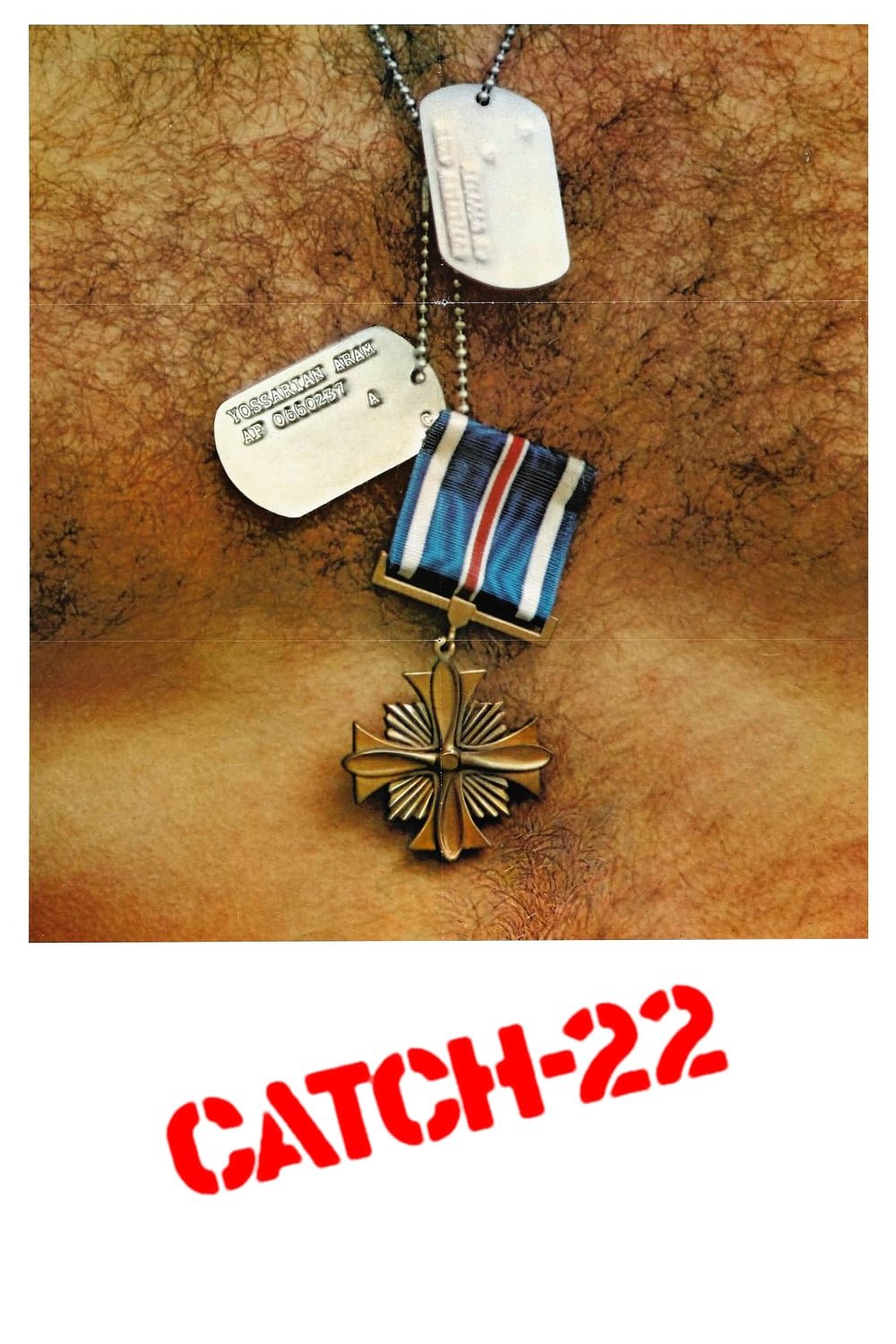
Catch-22

1970 · Military logic becomes its own illness in another unruly, bitterly comic ensemble.

Closely Observed Trains poster

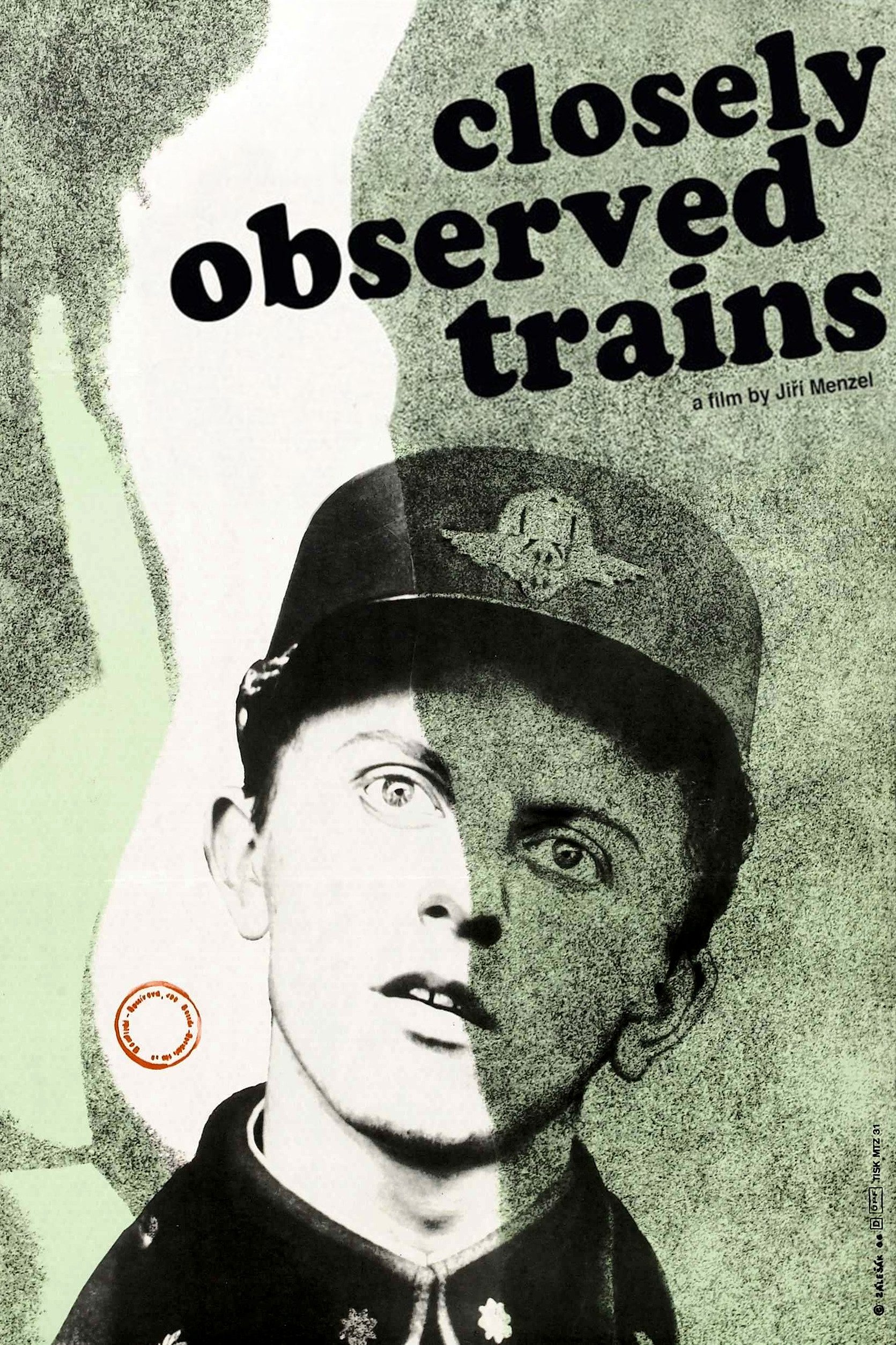
Closely Observed Trains

1966 · Sexual embarrassment and wartime duty meet in a gentler, more attentive comedy.

No Man's Land poster

No Man's Land

2001 · Trapped soldiers expose the absurdity of institutions that claim to protect them.

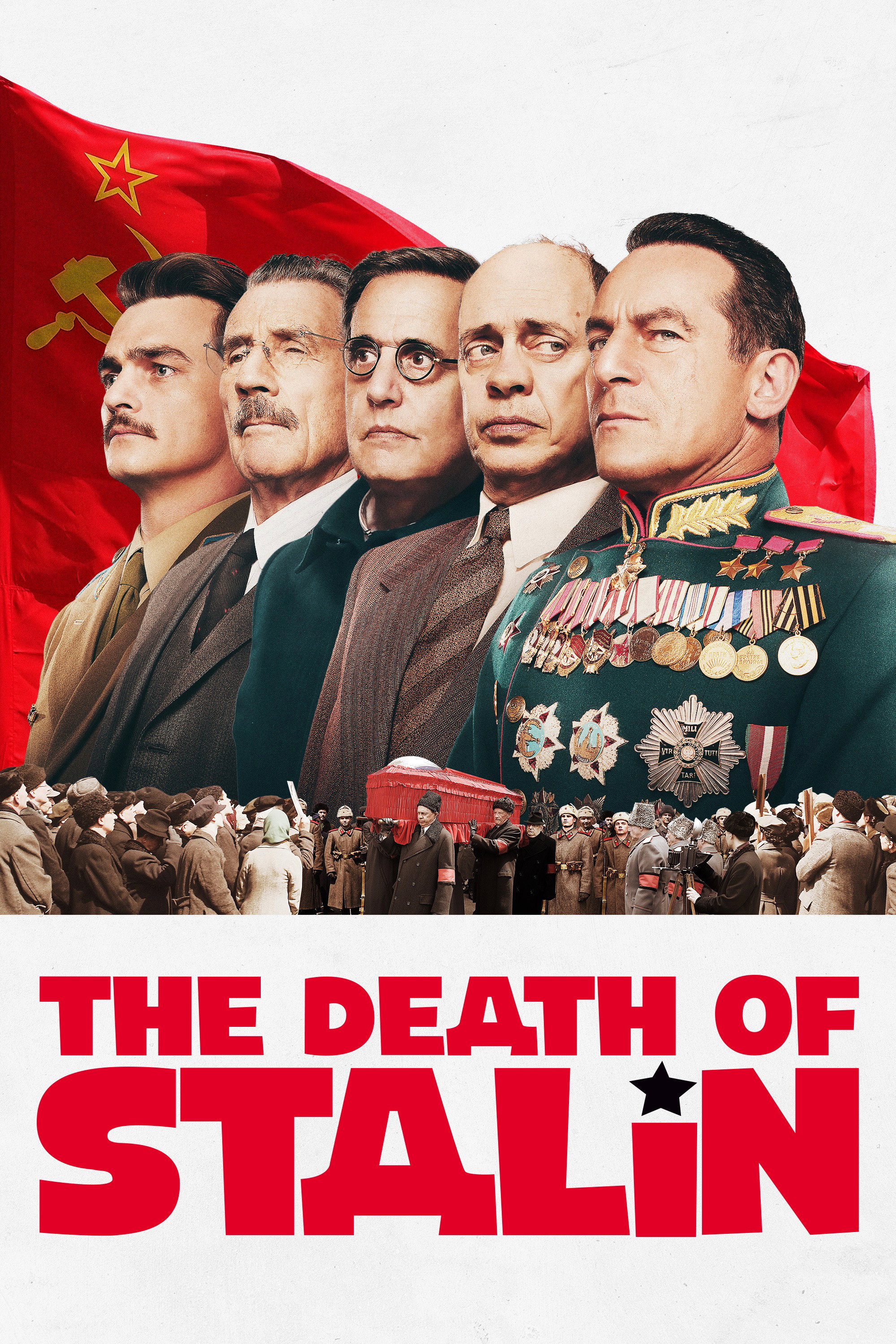
The Death of Stalin poster

The Death of Stalin

2017 · A fine ensemble makes political terror funny without making its casualties negligible.

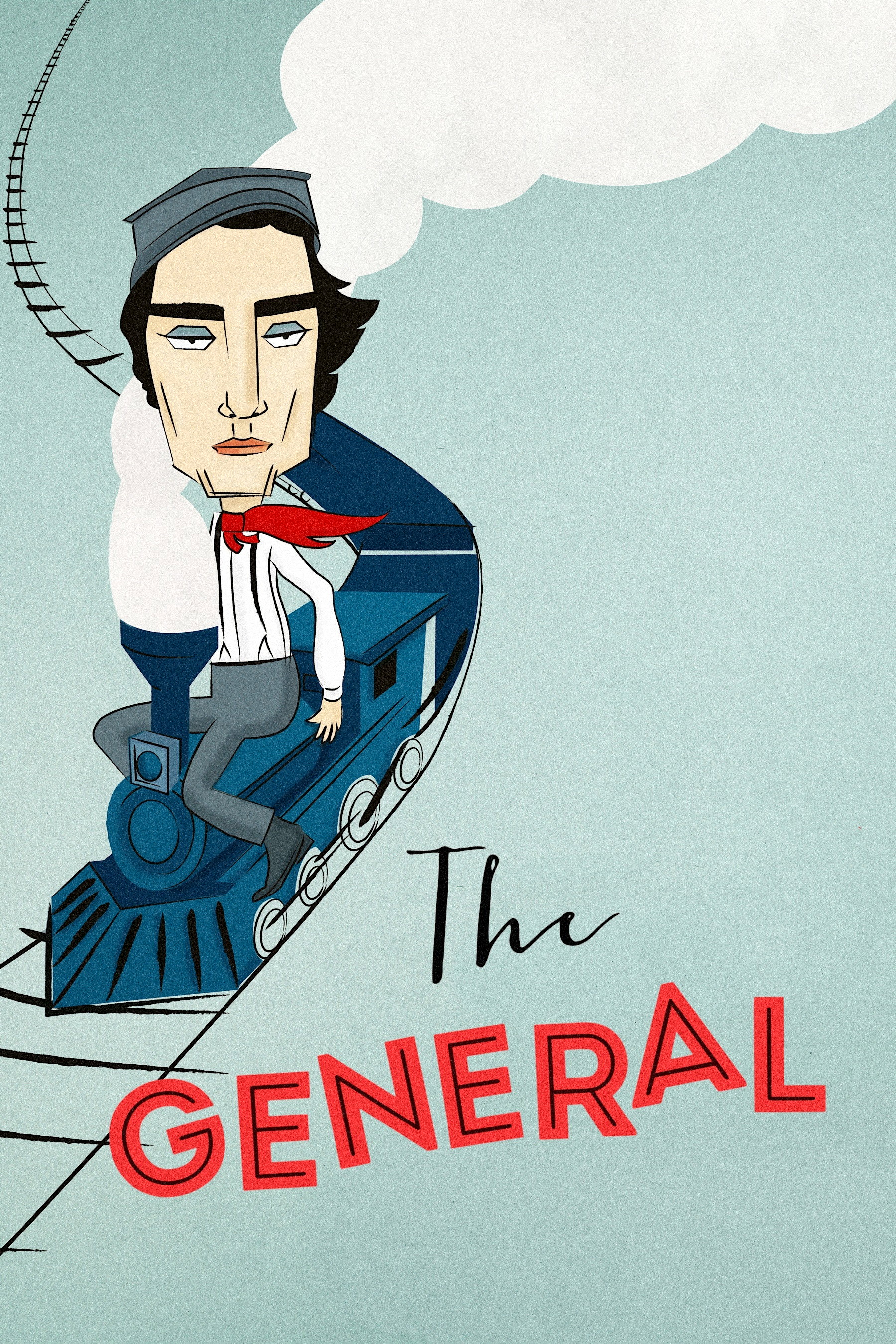
The General poster

The General

1926 · For military chaos organised with far greater precision than anyone in uniform manages.