Film review

M

1931 · Directed by Fritz Lang · 1h 50m · MPA PG-13

In a sentenceThe police and the criminals are after the same man, which is not as reassuring as it sounds

DramaThrillerCrime

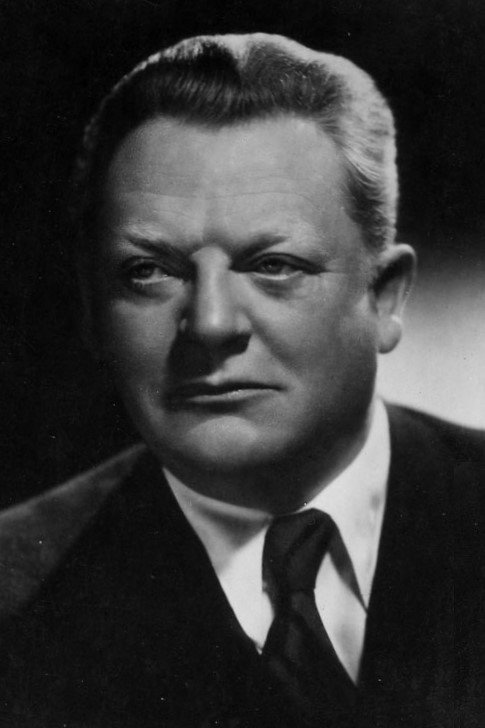
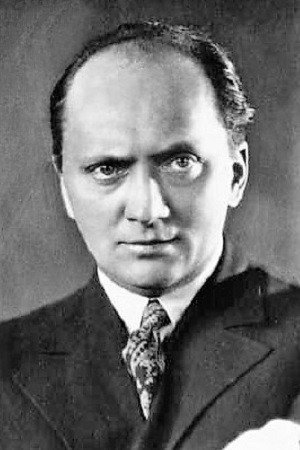
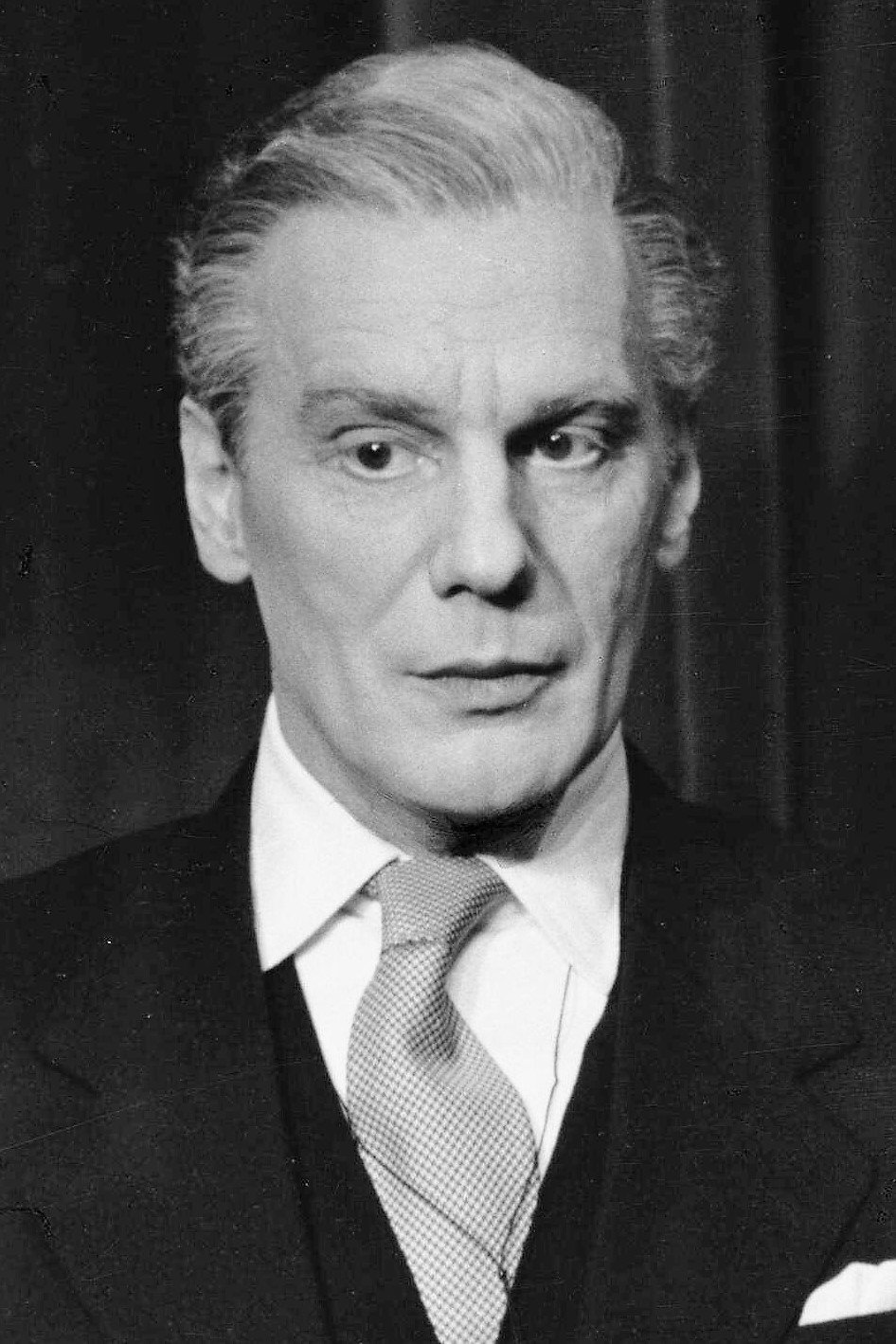
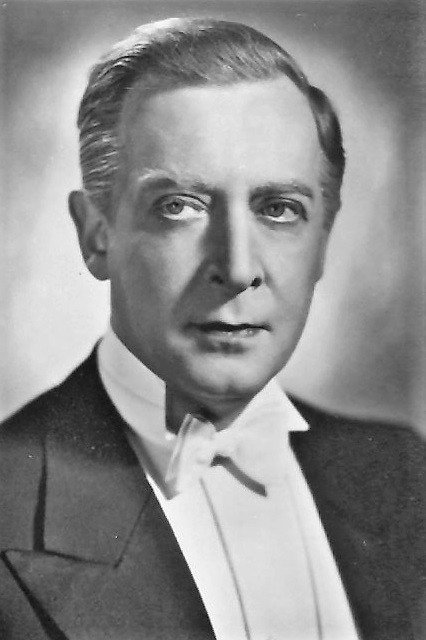
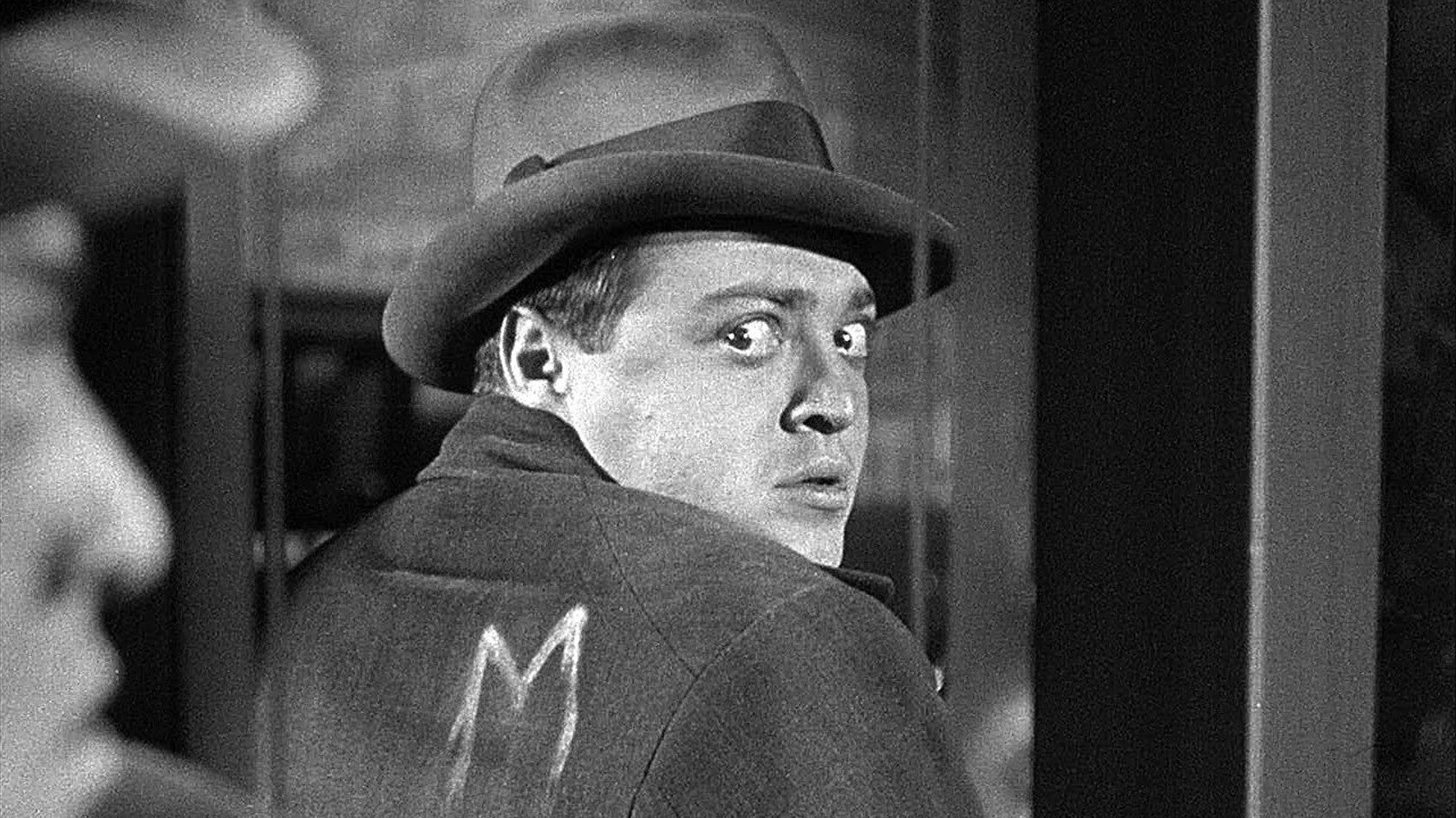
A child murderer is at large, and fear spreads through a city as the search for him intensifies. The police pursue the killer while criminals begin a hunt of their own. Suspicion turns towards the people in the streets, and the pursuit exposes competing ideas about authority and justice. Peter Lorre plays Hans Beckert, the man at the centre of the search, with Otto Wernicke as Inspector Karl Lohmann and Ellen Widmann as Frau Beckmann. Fritz Lang directs this crime thriller, co-written with Thea von Harbou.

Plays from YouTube when you press play; nothing loads from them until then.

Fi1m review

Fritz Lang’s crime thriller is frightening and humane, with Peter Lorre making its child murderer disturbingly pitiable. Some of the surrounding grotesques are overdrawn, but we would send anyone prepared for the subject to see it.

Fritz Lang’s M is a frightening crime thriller that deserves to be watched without any allowance for its age. The hunt for a child murderer supplies an urgent reason to keep watching, but catching him is not Lang’s only interest. The people conducting the search need watching too. The city’s fear is understandable, and the suspicion spreading through it is frightening in its own right. Lang gives that suspicion enough attention for the people surrounding the killer to become a substantial part of our unease.

The screenplay, by Lang and Thea von Harbou, makes room for the police and the criminals pursuing the same killer. Their shared purpose does little to reassure us about their motives. Lang takes the practical business of the hunt seriously, and the scenes of police work have an absorbing, methodical quality. He also makes us consider who benefits from presenting themselves as a defender of public safety. The pursuit remains gripping while giving us reasons to distrust the people involved in it.

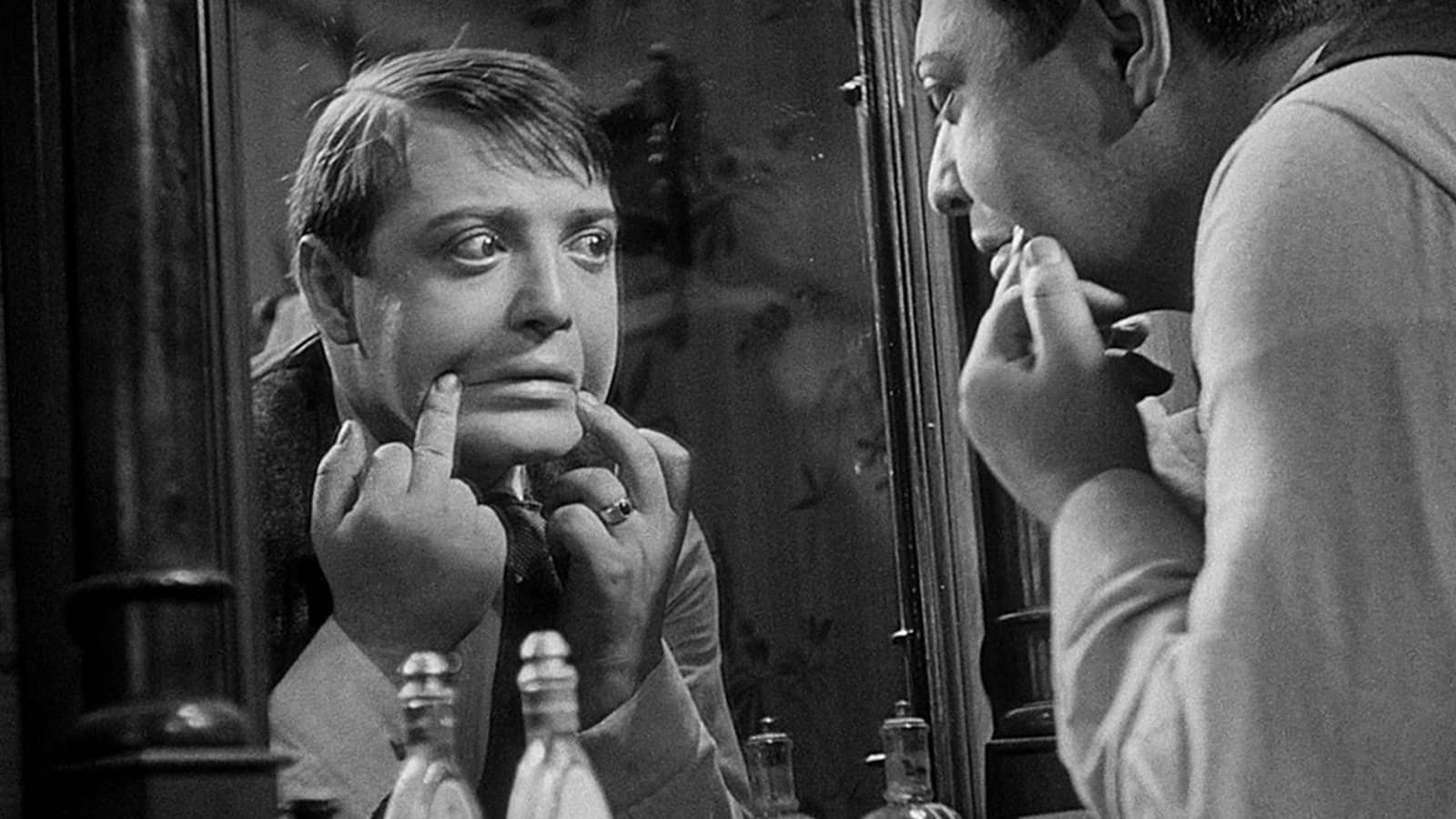
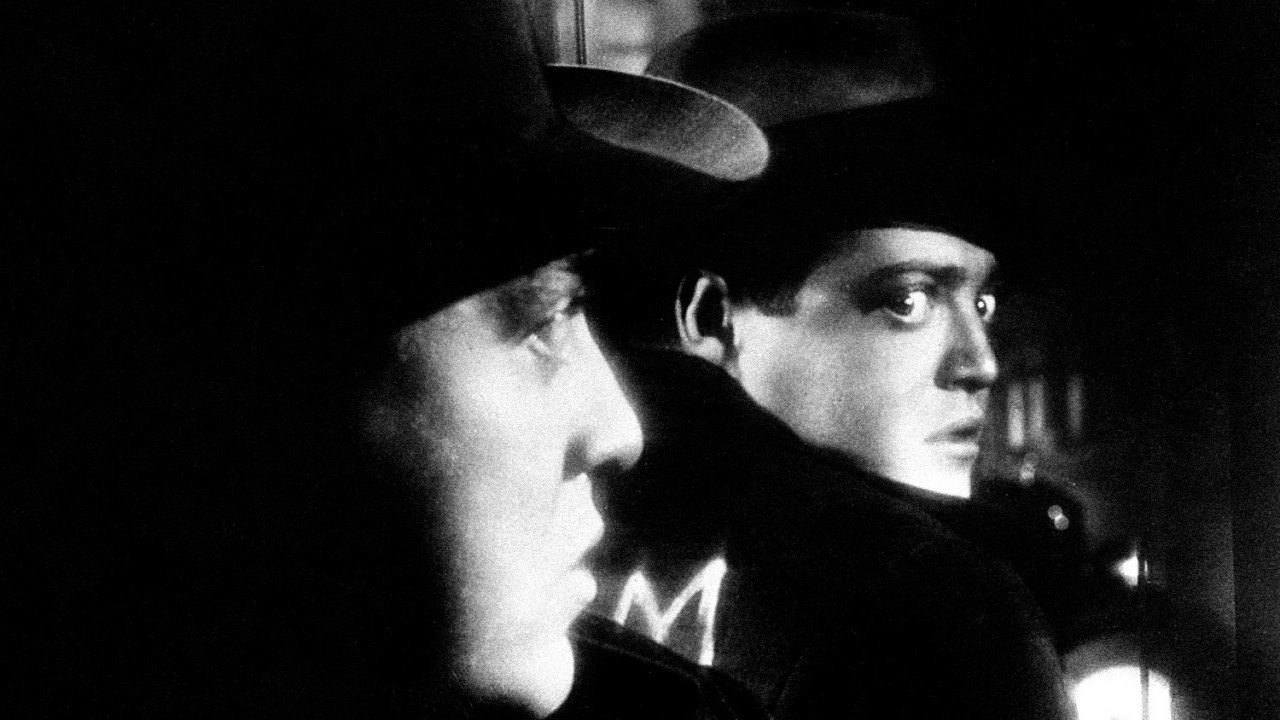
Peter Lorre plays Hans Beckert with a vulnerability that is difficult to bear. We felt sorry for him, and were disturbed to find ourselves doing so. His frightened face makes the suffering of a child murderer something we have to consider, however much we would prefer to keep our attention elsewhere. Lorre does not make that response comfortable or offer it as a reason to dismiss the crimes. The performance requires us to keep looking at someone whose distress complicates feelings we might have expected to be straightforward.

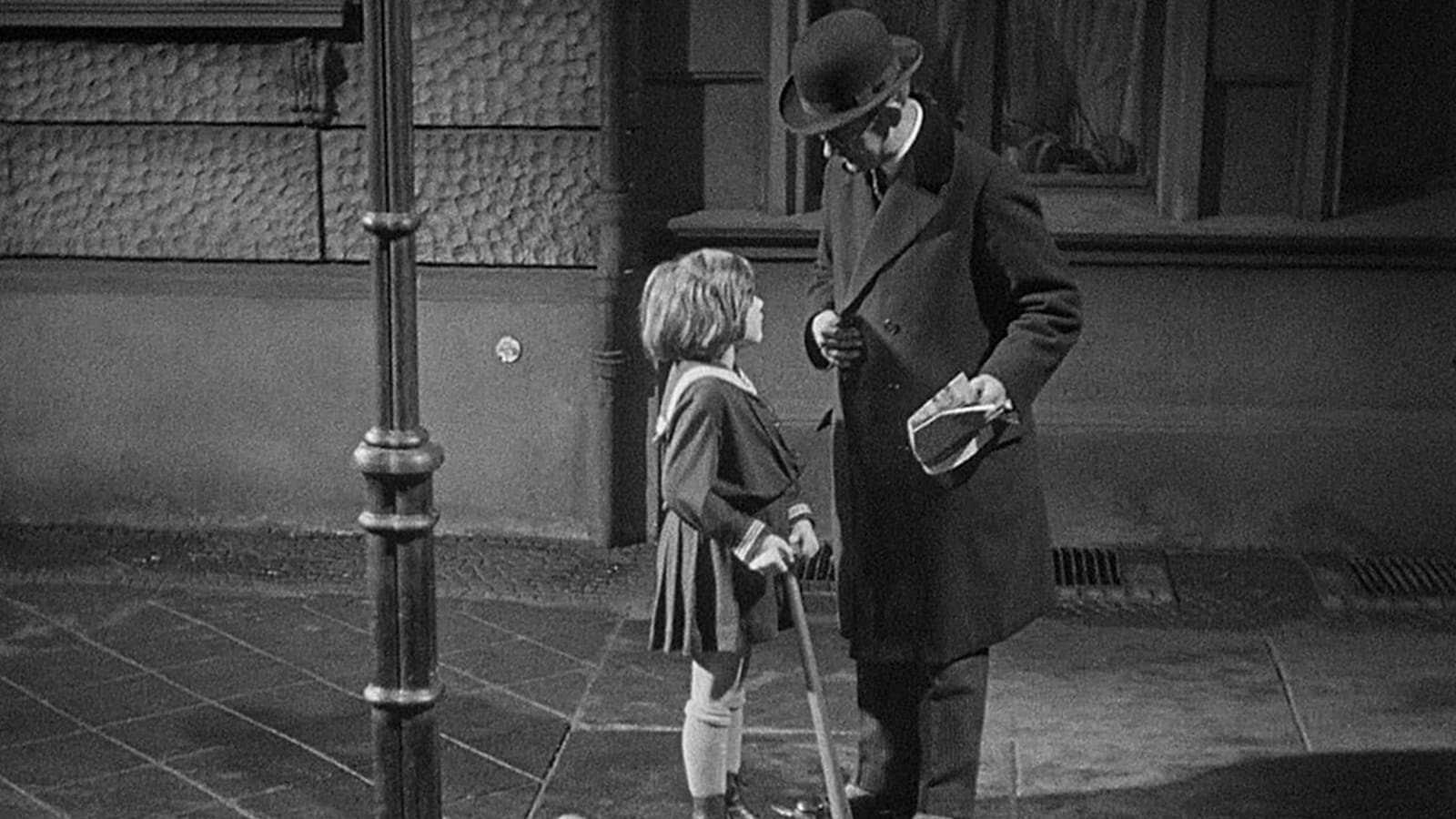
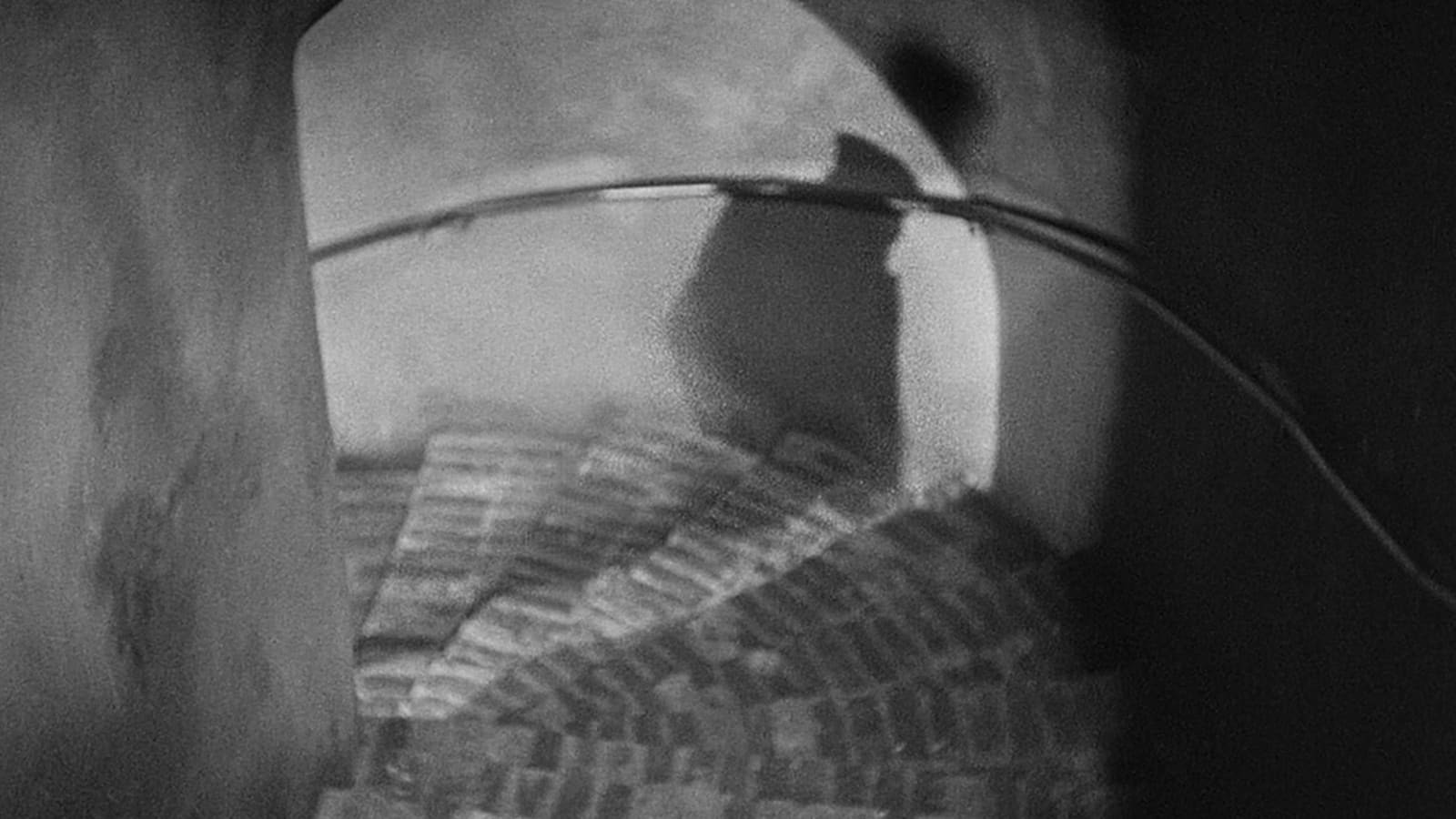
Fritz Arno Wagner’s cinematography gives the faces and the objects around them an unnerving weight. The repeated attention to smoking makes a familiar social habit look unpleasantly compulsive. Paul Falkenberg’s editing lets cutaways and shots of objects do work that a more impatient thriller might give to another chase. These details keep the film tense without requiring a constant supply of physical action. We have time to examine what is in the picture, and that examination rarely makes anything feel safer.

Lang is equally deliberate about sound, using it to build dread around violence he largely leaves to our imagination. That restraint is particularly important in a film about murdered children, where showing more could so easily become an ugly way of holding our attention. We are given enough to understand the horror without being invited to inspect the damage. The sound and the attention to objects keep the threat present while allowing the film to concentrate on the search.

The film can push its disgust too hard. Some of the surrounding figures are so grotesquely drawn that we can feel Lang insisting on our revulsion before we have had time to look for ourselves. That occasionally makes the city less convincing as a place where ordinary people live. Lorre’s distress is more persuasive because it leaves us struggling with our response. The broader characterisation around him can seem blunt beside it.

For a serial-killer thriller, M spends an unusual amount of its energy making us wary of the people conducting the search. We tend to expect competence from the police and danger from criminals, and the shared pursuit makes those expectations less comfortable. Its 110 minutes reward close attention to the people as well as the pursuit. Give it an uninterrupted evening, and do not take the PG certificate as reassurance about the subject.
Critical consensus AI synthesised

90
Positive
8
Mixed
1
Negative
0

Most critics regard M as a gripping thriller whose force rests on Peter Lorre’s performance and Fritz Lang’s handling of sound and images. Lorre draws particular praise for making the killer pitiable without making him less frightening. The reviews repeatedly credit sound, cutaways and attention to objects with building tension without relying on action. Praise also clusters around the film’s depiction of paranoia, mob justice and a society whose sickness extends beyond the man being hunted.

The spread is largely enthusiastic, with differences more often about emphasis than objections. Empire reads the film as a powerful case against capital punishment; other reviews concentrate on hypocrisy and shifting sympathies. Den of Geek supplies the more guarded rating, though its account still praises the pacing and examination of authority and justice. Few substantial reservations emerge from the reviews, even where the marks differ.

Little White Lies
4 September 2014 · 4/5/5 · David Jenkins
100

The critic calls it one of the all-time greats for its groundbreaking imagery and moral ambiguities in depicting the killer and society. They highlight Peter Lorre's performance and the film's exploration of mob justice and ironies.

Read the full review →
Time Out
2 September 2014 · ★★★★★ · Tom Huddleston
100

The review describes it as a devastating serial killer template that retains its gripping power, focusing on mob justice and human weakness. It singles out the convincing portrait of a sick society and Peter Lorre's pitiable performance as the killer.

Read the full review →
Empire
1 January 2000 · David Parkinson
95*

The film is an unqualified masterpiece and an undeniable classic that makes a powerful case against capital punishment while pioneering forensic policing on screen. It is dominated by Peter Lorre's peerless performance as the child killer.

Read the full review →
The AV Club
20 December 2004 · Scott Tobias
90*

The critic praises the film for giving depth and sympathy to its central figure while examining societal sickness and hypocrisy. They highlight Peter Lorre's performance and Lang's innovative use of sound and visuals in his first talkie.

Read the full review →
The Guardian
4 September 2014 · Peter Bradshaw
90*

The critic praises Fritz Lang's 1931 masterpiece as a superb thriller that still fascinates on re-release, with its depiction of paranoia and a feverish atmosphere around the hunt for a child killer uniting police and criminals. Peter Lorre's performance as the tormented murderer and the film's innovative use of sound and visual details like fetishised smoking are singled out.

Read the full review →
Los Angeles Times
9 April 2013 · Kenneth Turan

The restored film remains gripping and effective more than 80 years later as a taut masterpiece about a city hunting a child murderer. Turan singles out Peter Lorre's pitiable yet terrifying performance and the film's inventive sound design and camera work for praise.

Read the full review →

Cast

Stills

If you liked this, try…