Fritz Lang makes the pursuit of criminals frightening partly by making us watch the pursuers. We rate him highest when his precision leaves room for pity; in M, Peter Lorre makes that pity difficult to bear.
Fi1m perspective
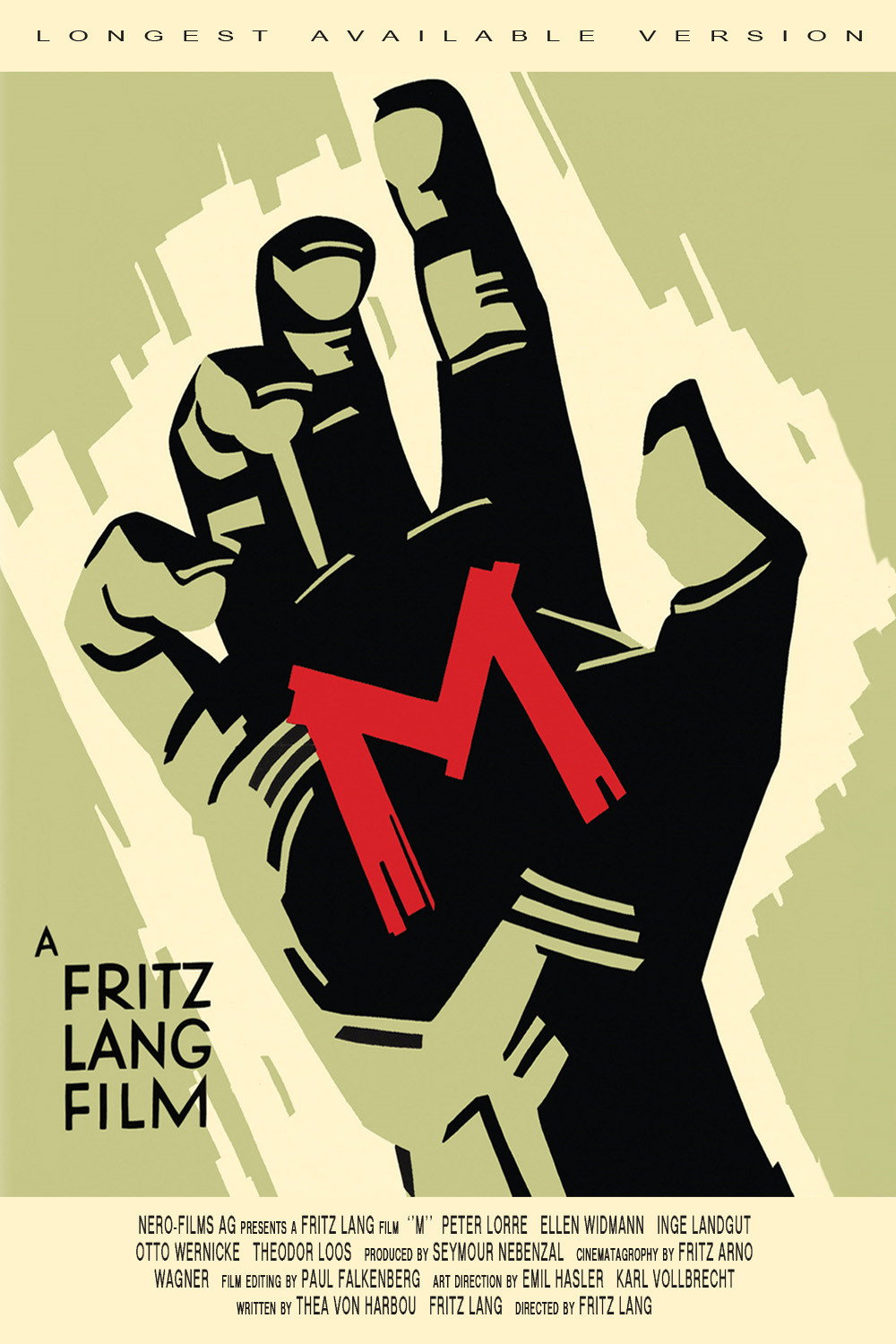
In M (1931), the police and the criminals are hunting the same child murderer, and neither group earns our trust simply by joining the search. Lang makes the practical work of tracking him absorbing. He also watches the suspicion spreading through the city, until the people surrounding the killer become frightening in their own right. This is the Lang we value most: patient about what people do, unwilling to accept their account of why.
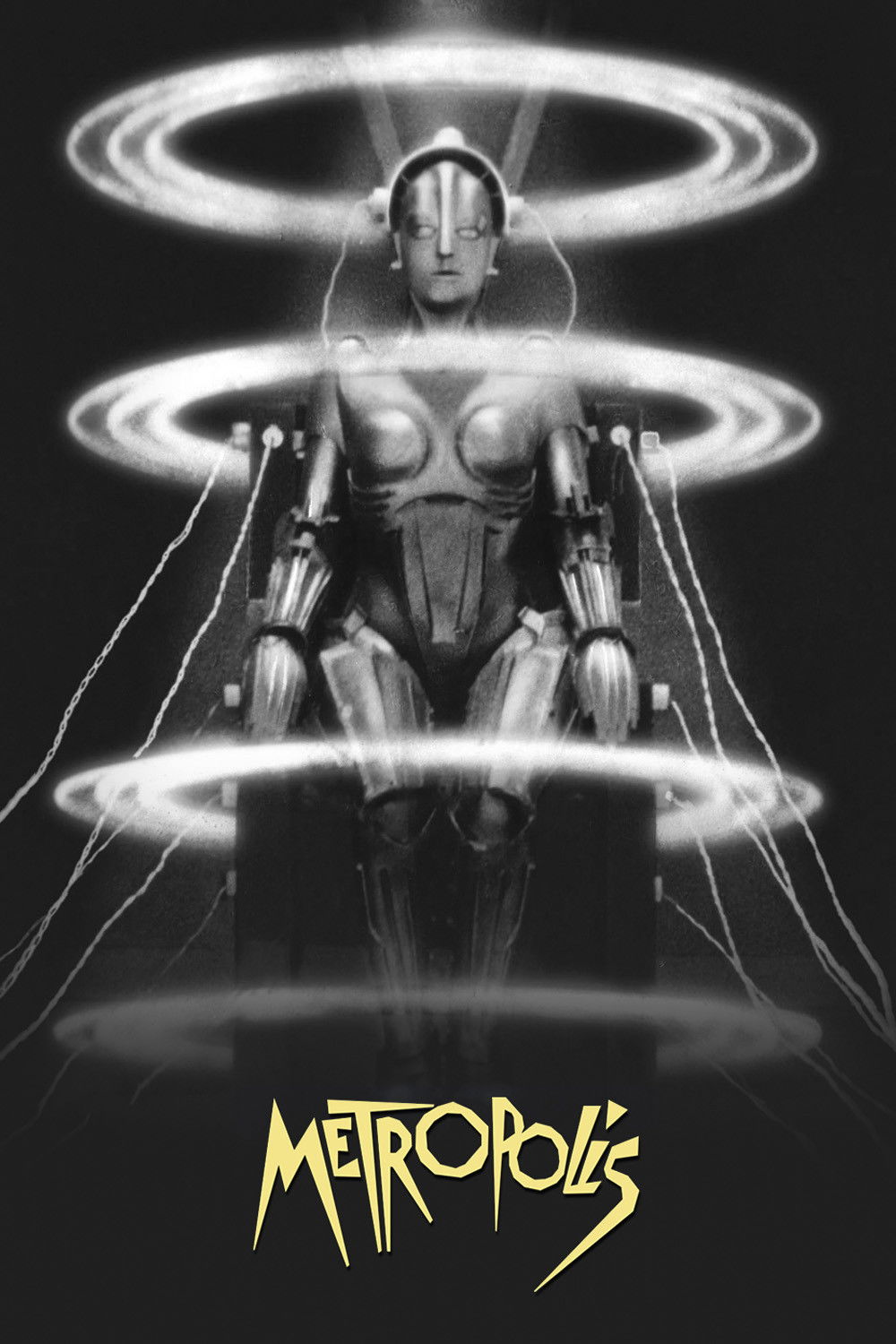
An interest in master criminals was already evident in Dr. Mabuse, the Gambler (1922), before the silent science fiction of Metropolis (1927). The German films use geometric compositions, sharp contrasts of light and dark, and stylised sets to make people look trapped. His Hollywood films of 1936–1956 return to crime and punishment, notably mob violence in Fury (1936) and vengeance in The Big Heat (1953). That work is uneven, sometimes too dependent on melodrama and pulp plotting. His final return to Germany brought further melodrama in The Indian Tomb (1959).
For M, his first sound film, Lang uses what we hear to build dread around violence he largely keeps out of sight. Objects hold our attention without making us inspect the damage done to children. The restraint matters: he gives us enough to understand the horror, then lets the pursuit occupy us instead. The screenplay, by Lang and Thea von Harbou, gives the police work a methodical interest and keeps us questioning the motives of police and criminals alike.
We found Peter Lorre's murderer disturbingly pitiable; his distress makes it hard to feel only revulsion. Some of Lang's surrounding figures are less persuasive, drawn so grotesquely that we can feel him insisting on our disgust. They make the city less convincing as a place where ordinary people live. The film is humane enough to allow pity without asking us to forget what the hunt is for. Start with M, provided its subject is one you can face.
Biography
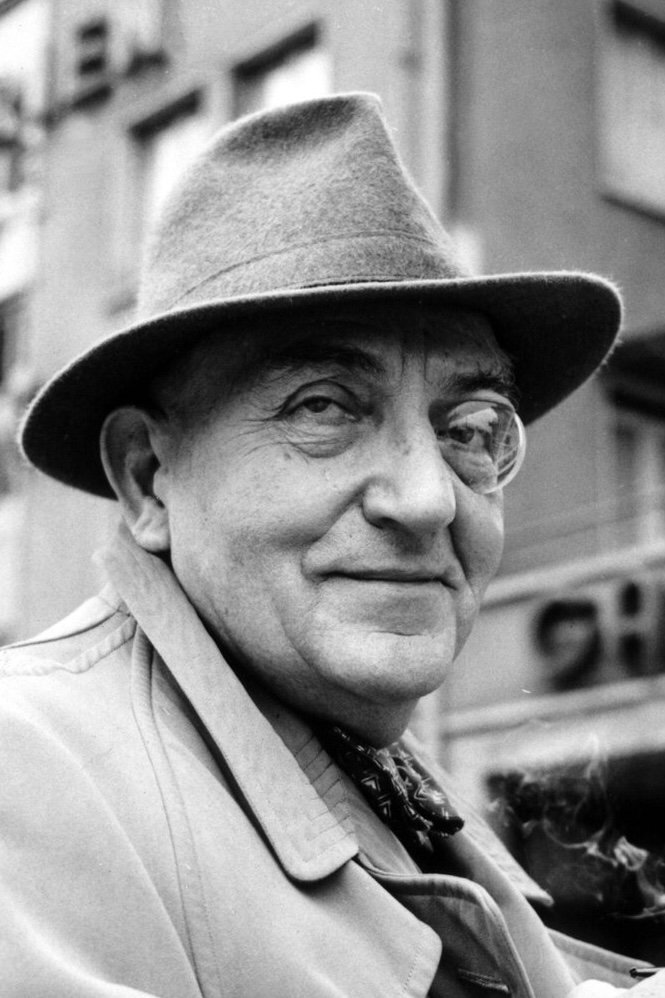
Fritz Lang was an Austrian film director and screenwriter. He was born in Vienna on 5 December 1890 and died in Los Angeles on 2 August 1976.
Lang directed and co-wrote the screenplays for Metropolis (1927) and M (1931). He also edited Metropolis. Other films he directed include The Big Heat (1953), Scarlet Street (1945), The Woman in the Window (1944) and Fury (1936).