Film review

Metropolis

1927 · Directed by Fritz Lang · 2h 28m · MPA NR

In a sentenceA magnificent city to look at, provided nobody asks us to work there

DramaScience Fiction

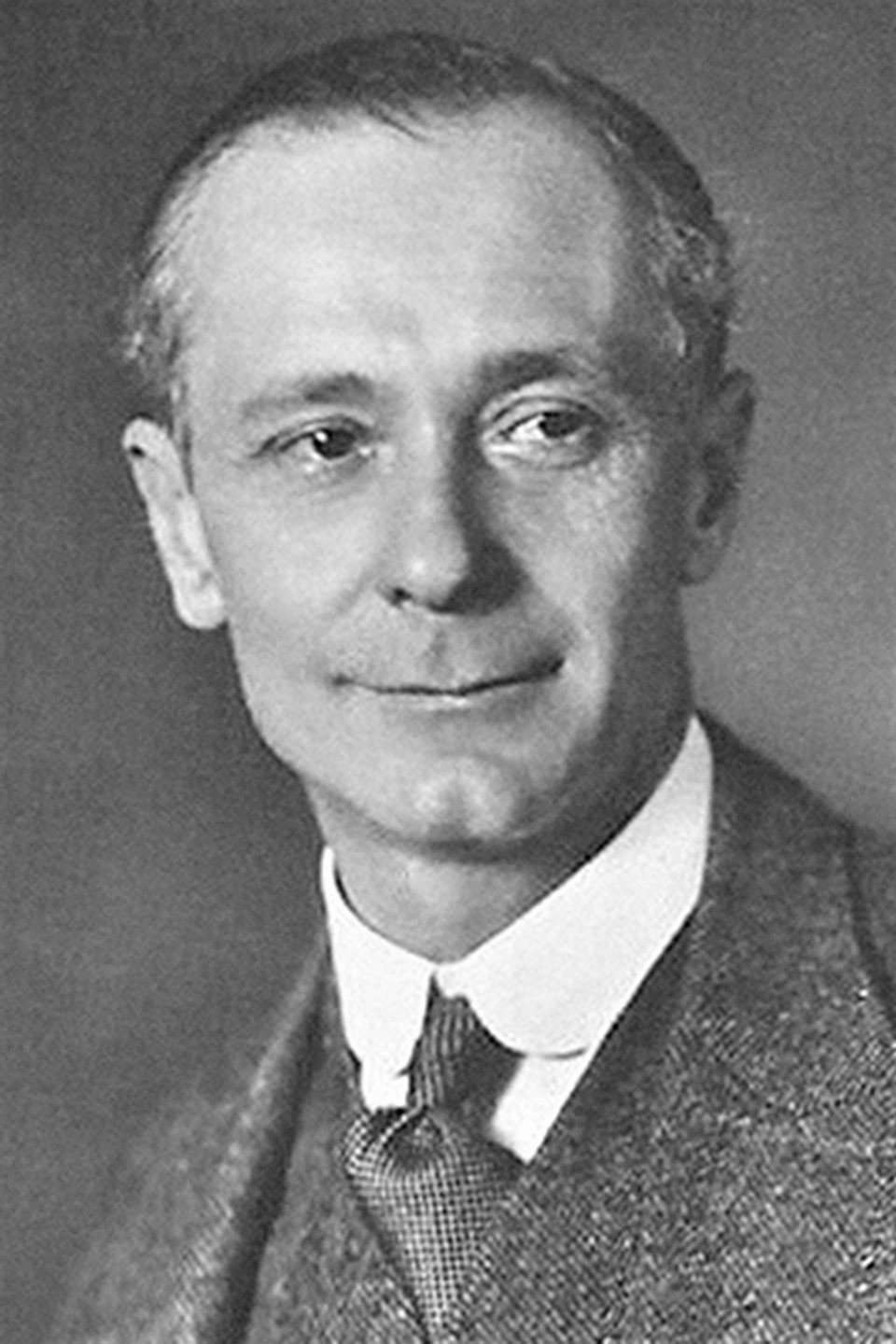
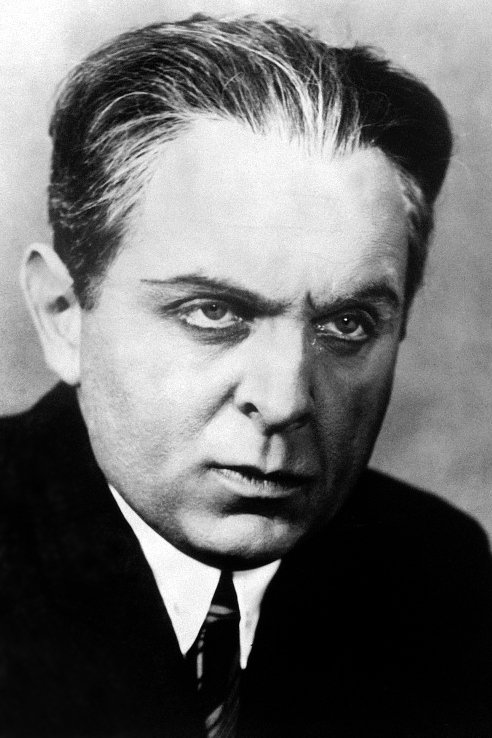
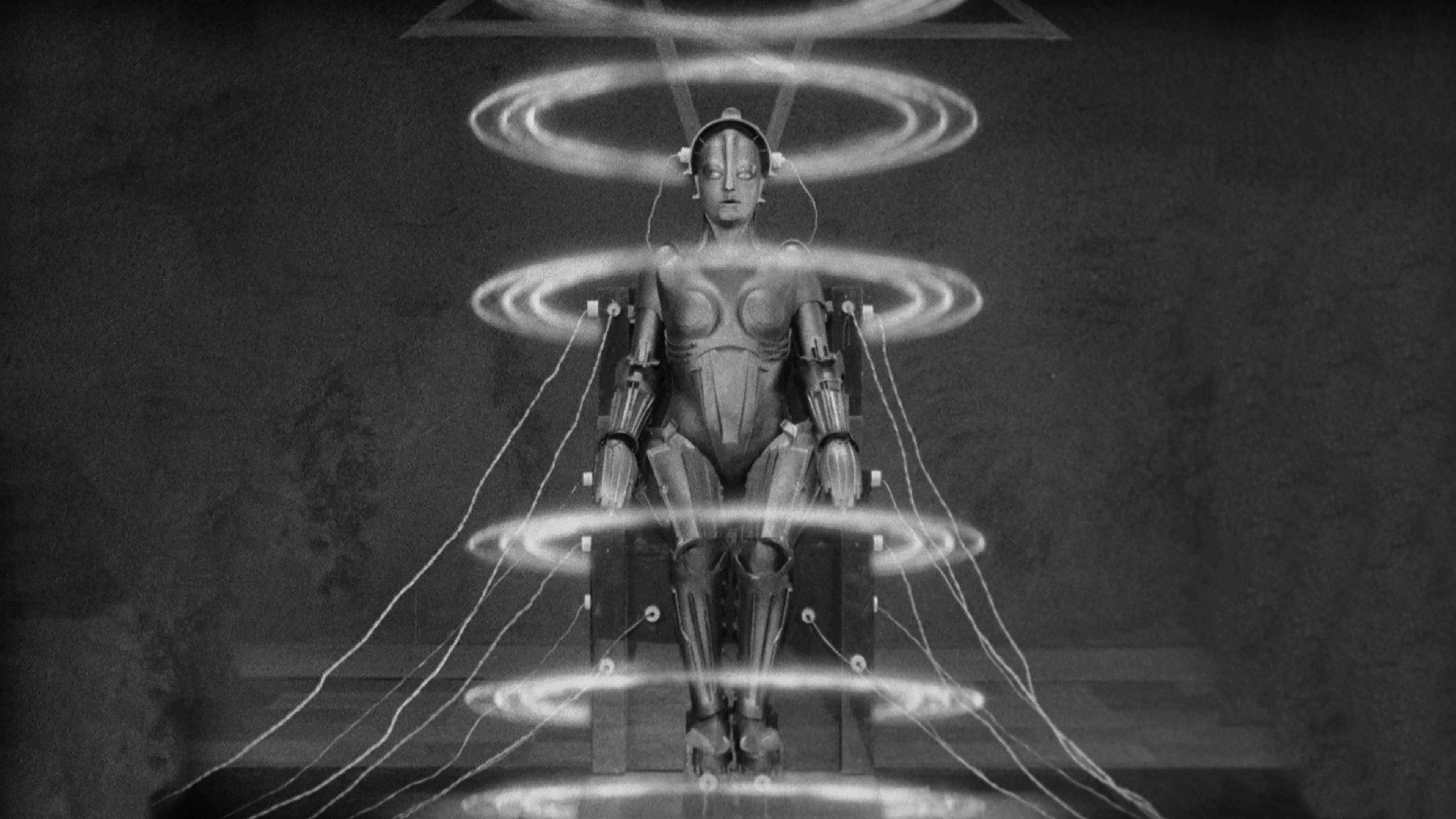
In Metropolis, the people who run a future city and those who work for them are divided by power and privilege. As conflict grows, the search for someone who can bring the two sides together becomes entangled with technology, desire and deception. Gustav Fröhlich plays Freder Fredersen, Brigitte Helm plays Maria, Alfred Abel is Joh Fredersen and Rudolf Klein-Rogge is Rotwang. Fritz Lang’s science-fiction drama places their lives within a struggle over labour, authority and the city’s future. Its guiding idea proposes a mediator between those who give the orders and those who carry them out.

Plays from YouTube when you press play; nothing loads from them until then.

Fi1m review

Fritz Lang’s Metropolis is a thrilling, troubling vision of a future city. We recommend it for its scale and visual precision, while finding its proposed cure for class conflict much too easy.

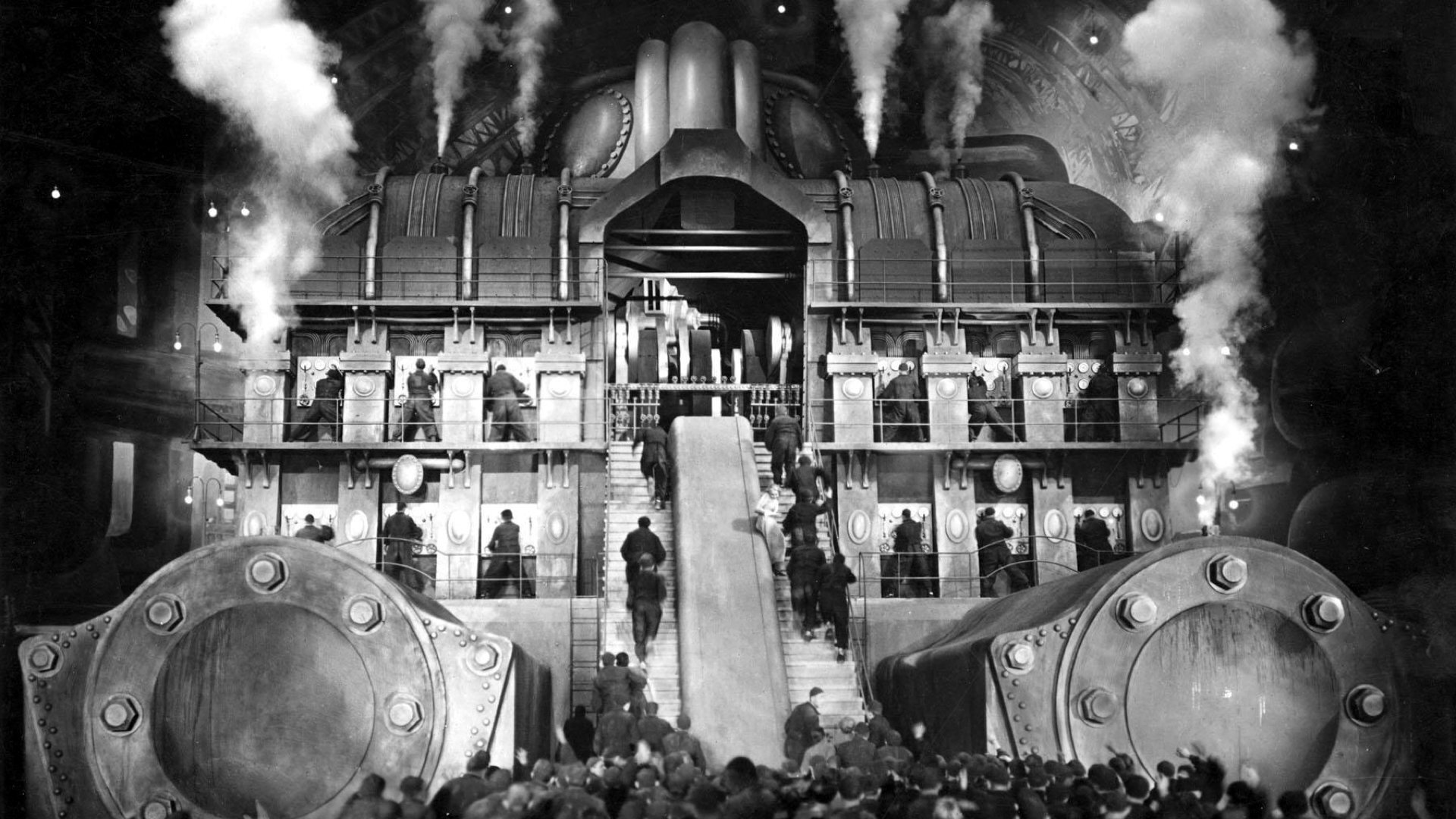
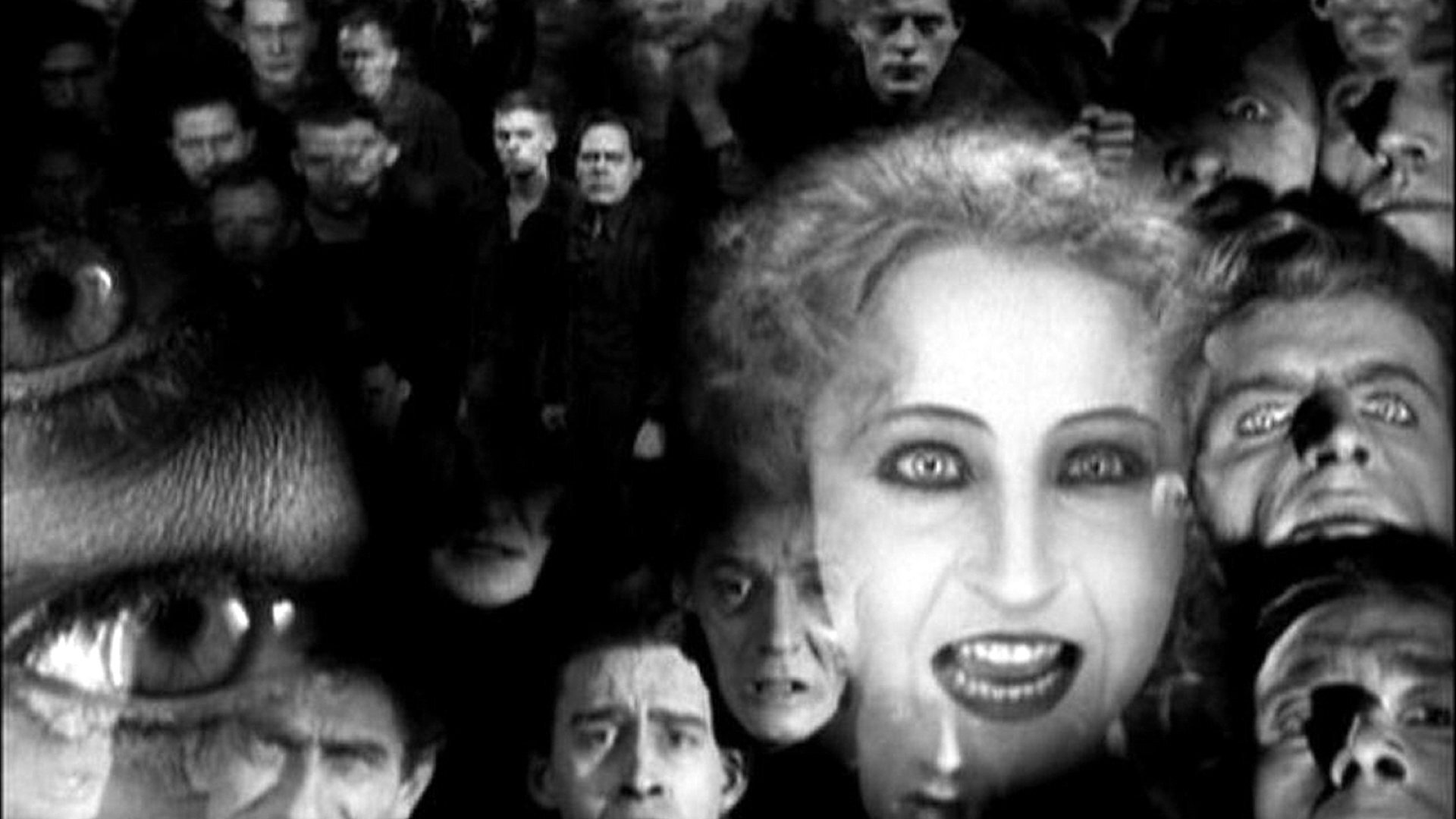
Metropolis is worth its 148 minutes, though we would occasionally like to interrupt the lecture. Fritz Lang approaches science fiction with the certainty that a city can tell us how its inhabitants treat one another. Industry, wealth and human suffering belong in the same picture, and he insists on making us look at all three. The size of the undertaking matters because it makes exploitation feel like something a whole society has agreed to organise.

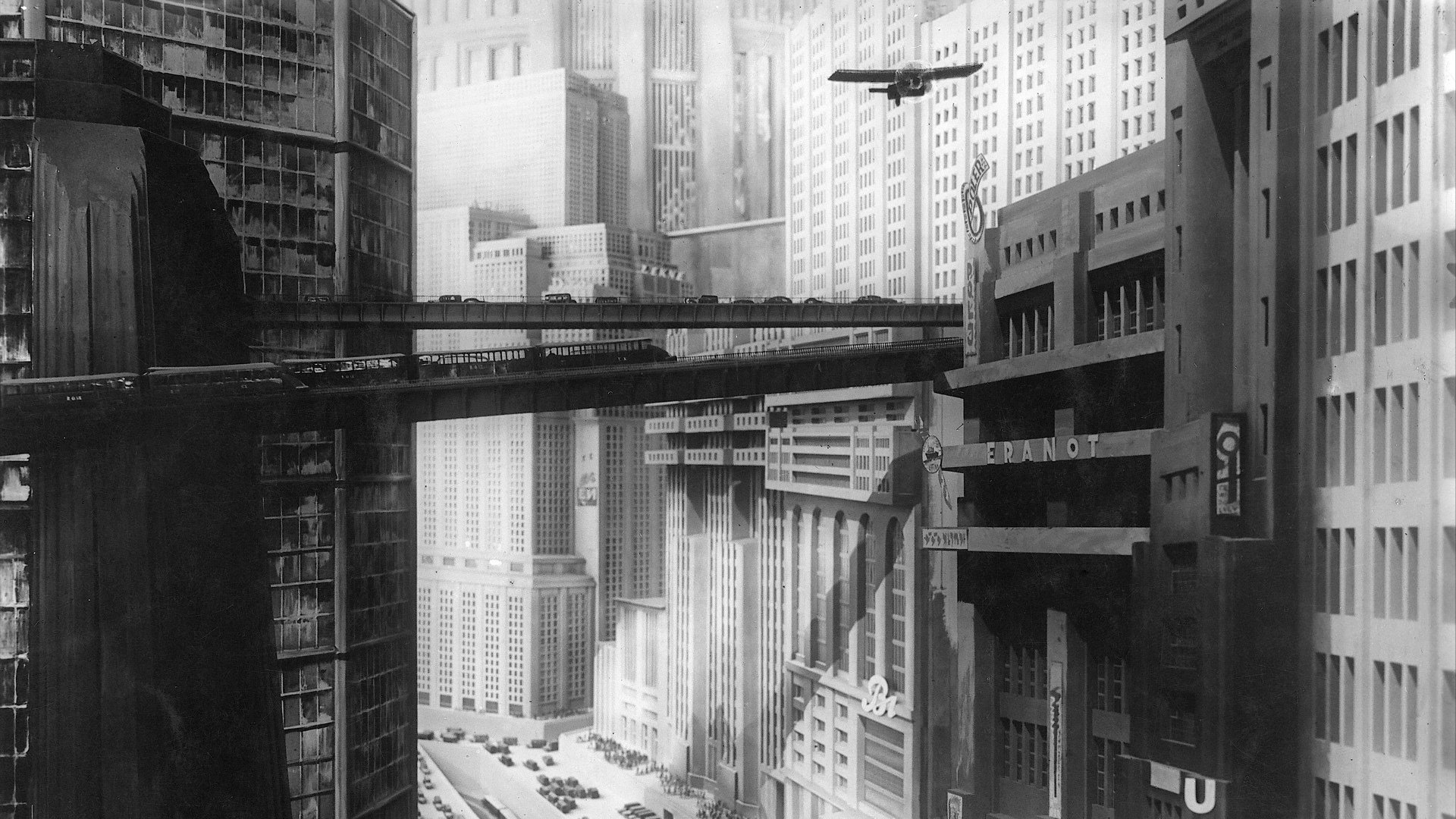
The city gives that society a frightening solidity: the buildings look as if their owners expect to remain in charge indefinitely. Cinematographers Karl Freund, Günther Rittau and Walter Ruttmann keep the city’s hard outlines legible amid the visual bustle. We felt oppressed by the city before we had much investment in anyone living there. The sheer scale of the structures did it; people seem to occupy whatever space the buildings have left for them.

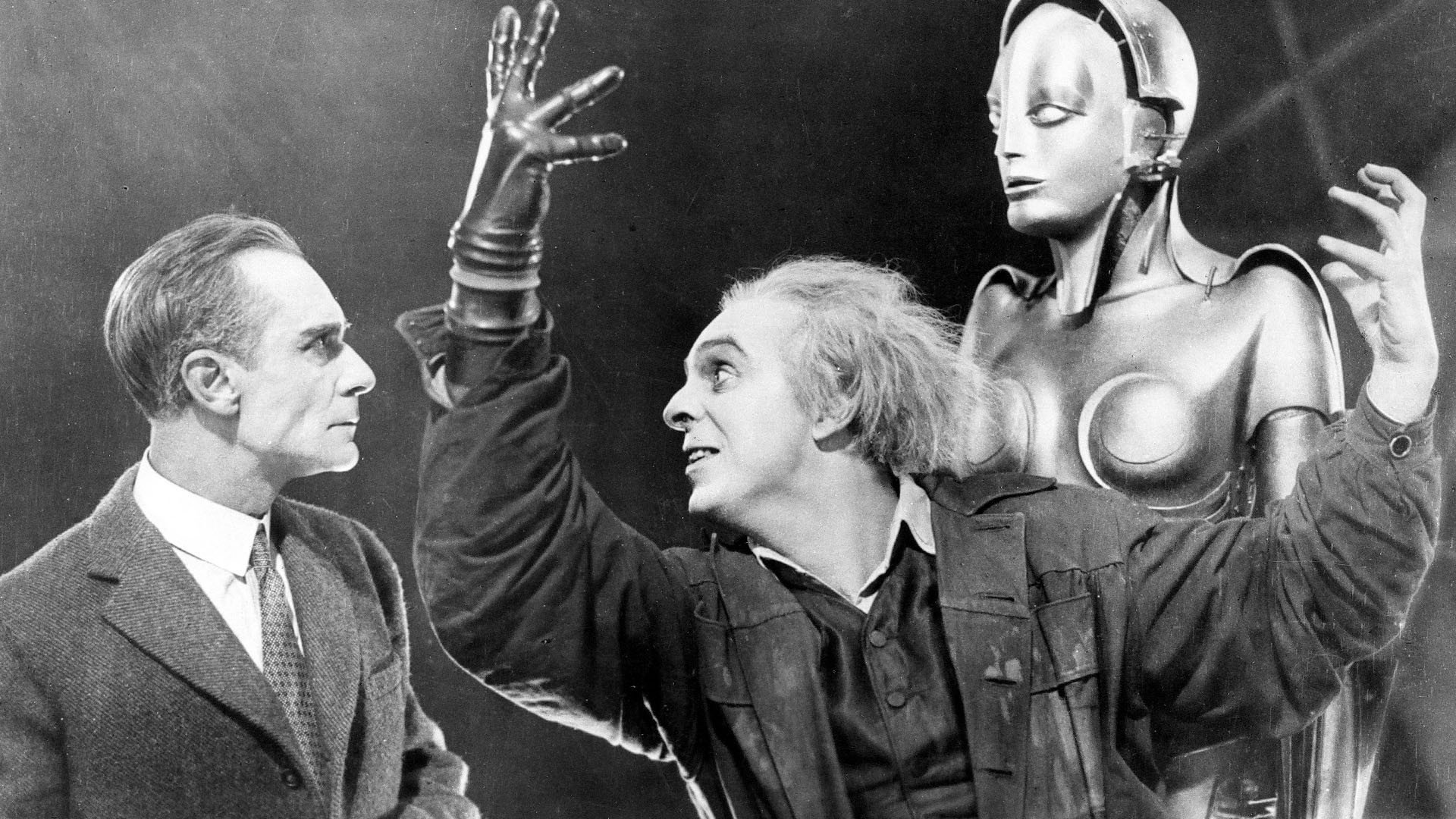
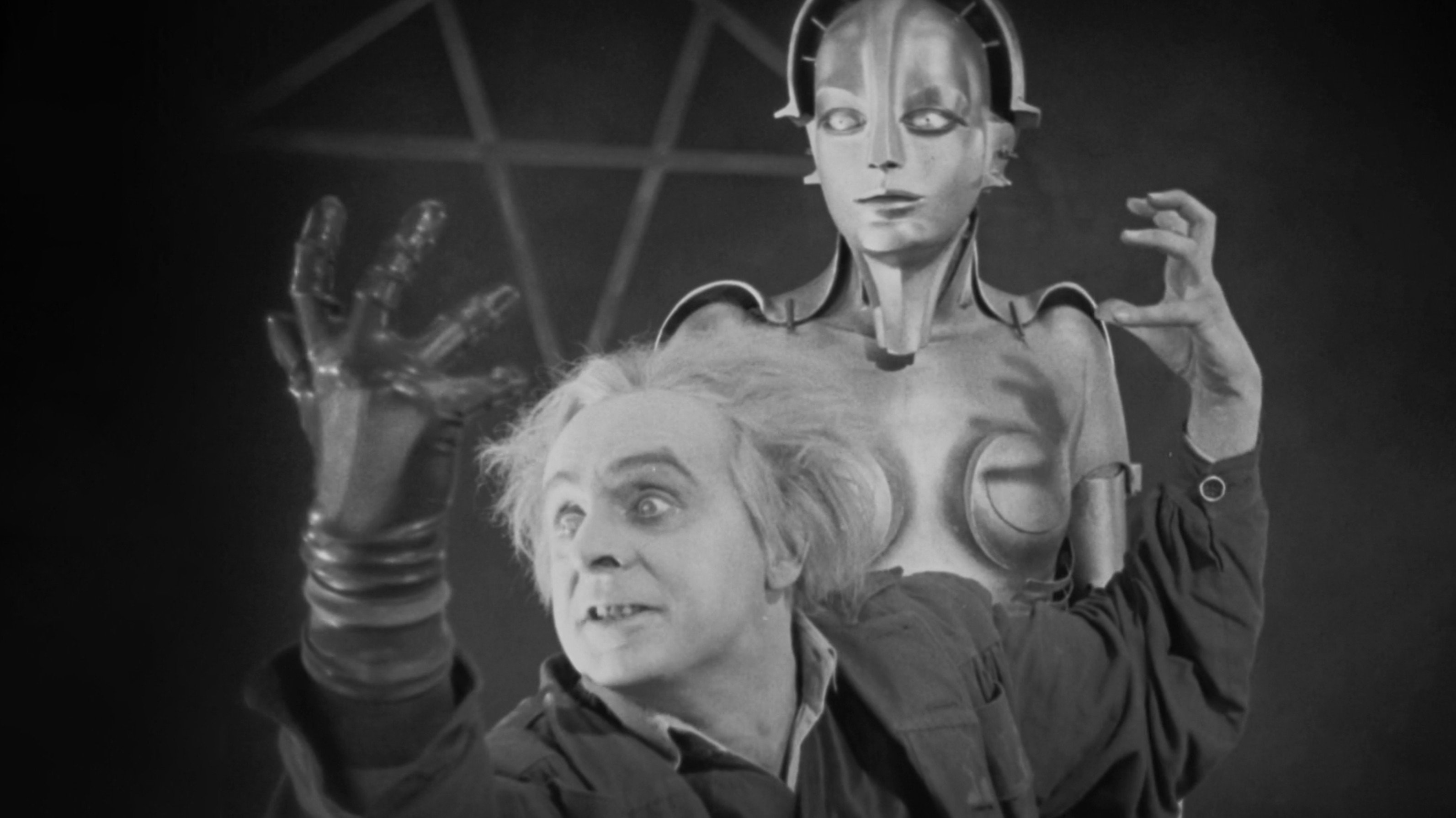
Gustav Fröhlich makes Freder Fredersen so earnest that we occasionally want him to sit down. His broad gestures suit a film that expects its people to express their convictions with their whole bodies. Alfred Abel gives Joh Fredersen a more controlled presence, while Rudolf Klein-Rogge’s Rotwang readily accommodates the film’s appetite for exaggeration. Brigitte Helm gives Maria a stillness that can hold our attention against all that scenery. Her restraint is welcome when so much else is demanding that we look at it.

Lang, also credited as editor, makes the spectacle work through rhythm as much as size. He allows the images to establish their force, then presses on until the accumulation becomes oppressive. Gottfried Huppertz’s music supplies urgency and a sense of ceremony, fitting the film’s habit of treating industrial conflict as a Biblical trial. The combination can be stirring, although there are passages when the visual insistence and musical emphasis seem to be making the same point twice.

The difficulty is what Thea von Harbou and Lang’s screenplay wants us to accept about power. Its governing proposition is that the heart must mediate between the hands and the brain. That makes the conflict immediately understandable, but it also makes workers and bosses sound like parts of a body that simply need help getting along. We are asked to place considerable faith in understanding, without being given much reason to think that understanding changes who gives the orders. The film’s own depiction of exploitation makes that faith difficult to share.

Its influence on later science-fiction cities is easy to understand. Lang gives other filmmakers a way to make hierarchy visible before anybody has explained the rules. There is considerably more here than a collection of images for subsequent films to borrow, though: technological fascination, class anger and religious longing all compete for our attention. The mixture can feel excessive, but it keeps the city strange and unsettling even when its architecture has become familiar through imitation.

We would not defend every broad gesture or every renewed statement of the message. Some stretches feel longer than they need to, and the moral instruction grows wearing. Yet we kept finding something in the images worth attending to, even when the screenplay had exhausted our agreement. Choose an evening when nobody is in a hurry.
Critical consensus AI synthesised

5 of 6
Positive
5
Mixed
0
Negative
0
Time Out
6 September 2010 · ★★★★★ · Ben Walters
100

The restored version of Lang’s epic modern fable is a triumph, with added material amplifying its strengths so the narrative finally matches the ambitious idealism, production design and special effects. It fuses modernism and expressionism, art deco and Biblical spectacle in a mammoth marvel.

Read the full review →
Evening Standard
10 April 2012
90*

Twenty-five minutes of lost footage make new sense of Lang’s masterpiece, resulting in a visually inventive, erotic and psychologically subterranean socialist-Christian fable that provides cinema’s definitive take on the future imperfect.

Read the full review →
RogerEbert.com
28 March 1998 · Roger Ebert
90*

The film is a visually exhilarating nightmare whose plot defies logic but whose torrent of images creates a powerful, hallucinatory experience. Its visionary power fixed the image of a futuristic city as a hell of scientific progress and human despair, influencing countless later films.

Read the full review →
Film Comment
· Chris Fujiwara
85*

The critic celebrates the 2010 restoration of the nearly complete print as finally allowing Lang’s full vision to emerge after decades of mutilation. It praises the added footage for enhancing visual density, clarifying plotlines and character arcs (especially supporting roles), and revealing the film’s ambitious structure and rhythmic power.

Read the full review →
The Guardian
9 September 2010 · Peter Bradshaw
80*

The restored version of Fritz Lang's 1927 sci-fi epic is one of the biggest, strangest and maddest films in cinema history. It remains eternally prescient in its depiction of class conflict, technology fetishisation and the search for a mediator between bosses and workers.

Read the full review →
Empire
6 September 2010 · Kim Newman

The restored version of Fritz Lang’s 1927 sci-fi classic restores plot material that makes the story coherent for the first time in decades and adds exciting action beats. It remains one of cinema’s most visually amazing films.

Read the full review →

Cast

Stills

If you liked this, try…

Modern Times poster88

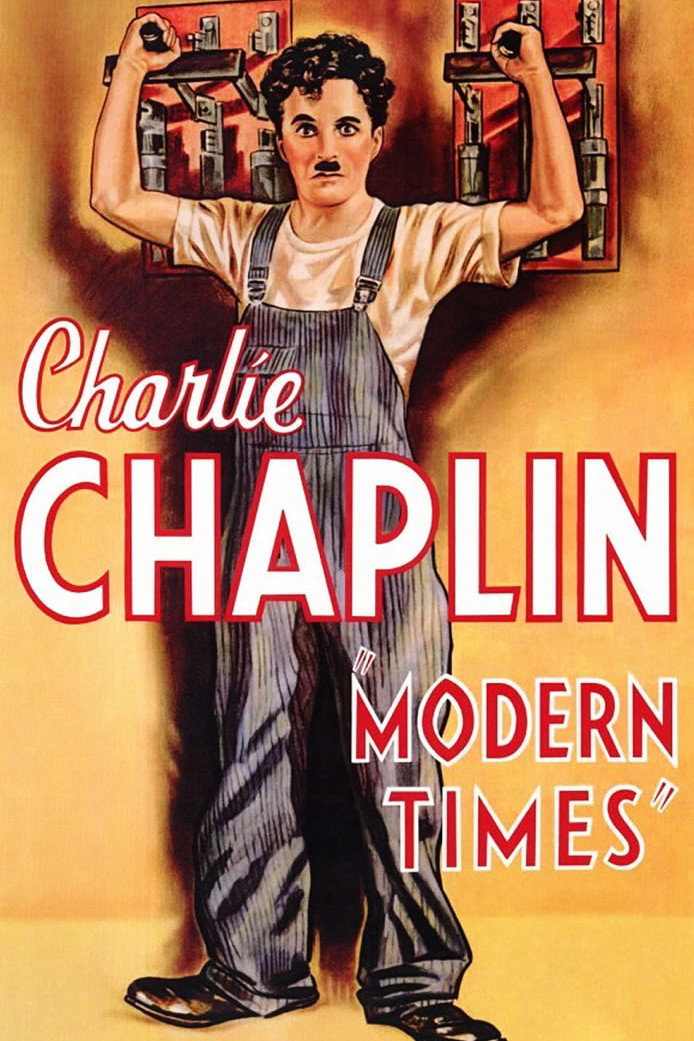
Modern Times

1936 · Chaplin makes industrial efficiency look absurd, then lets its human cost register.

Playtime poster

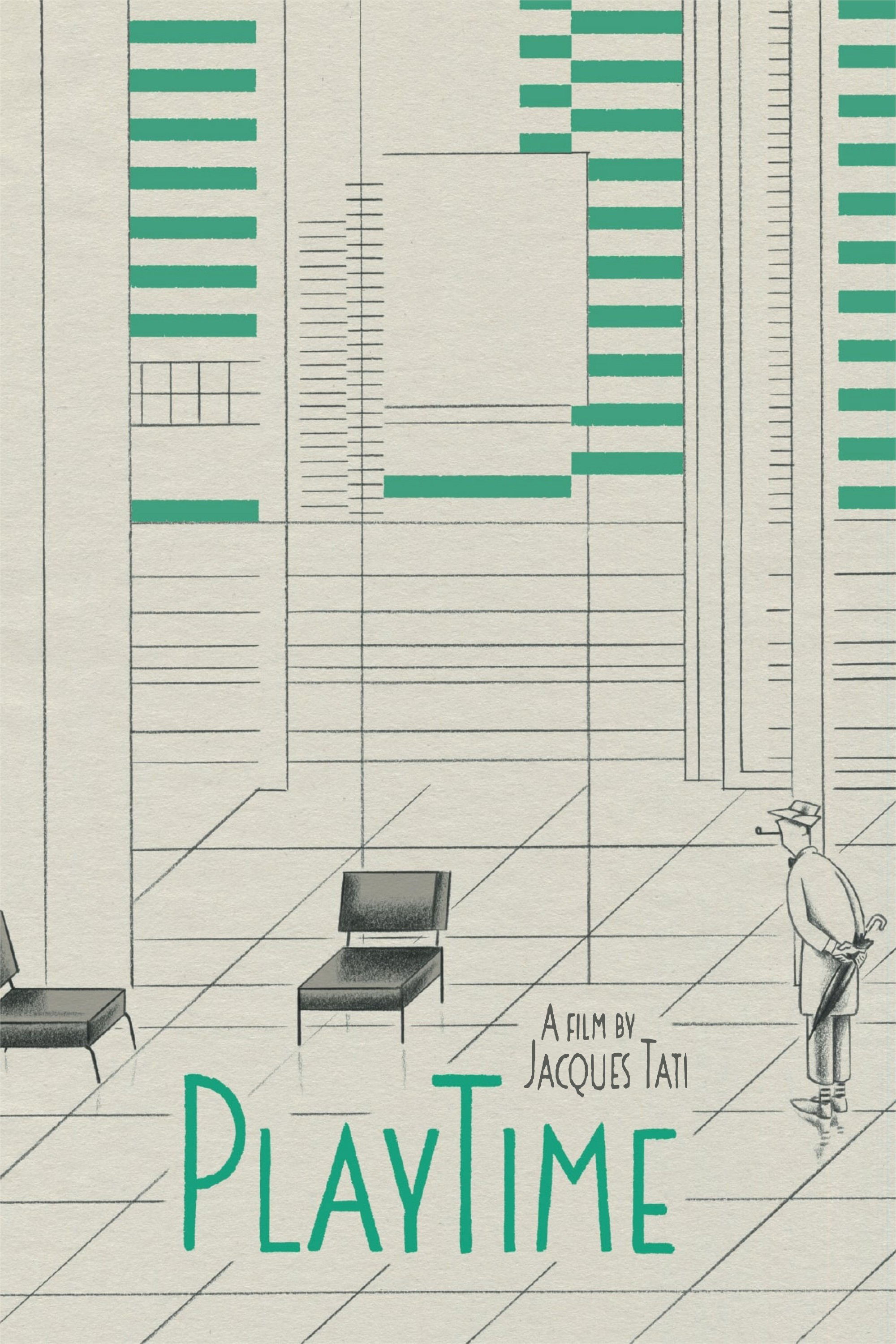
Playtime

1967 · Another city whose impressive architecture proves poorly suited to the people using it.

Blade Runner poster85

Blade Runner

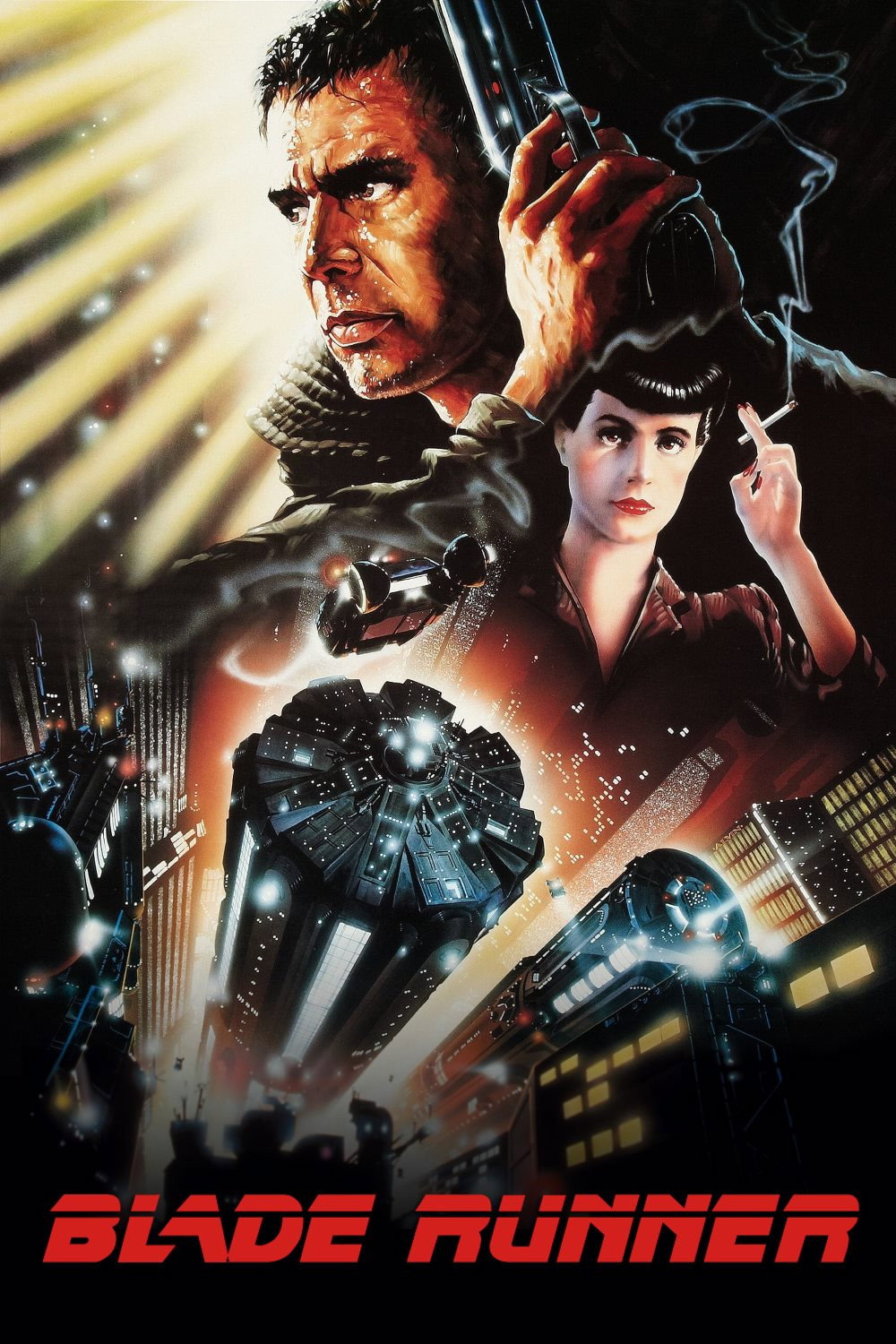
1982 · A future city’s architecture makes exploitation visible before the story explains it.

Akira poster

Akira

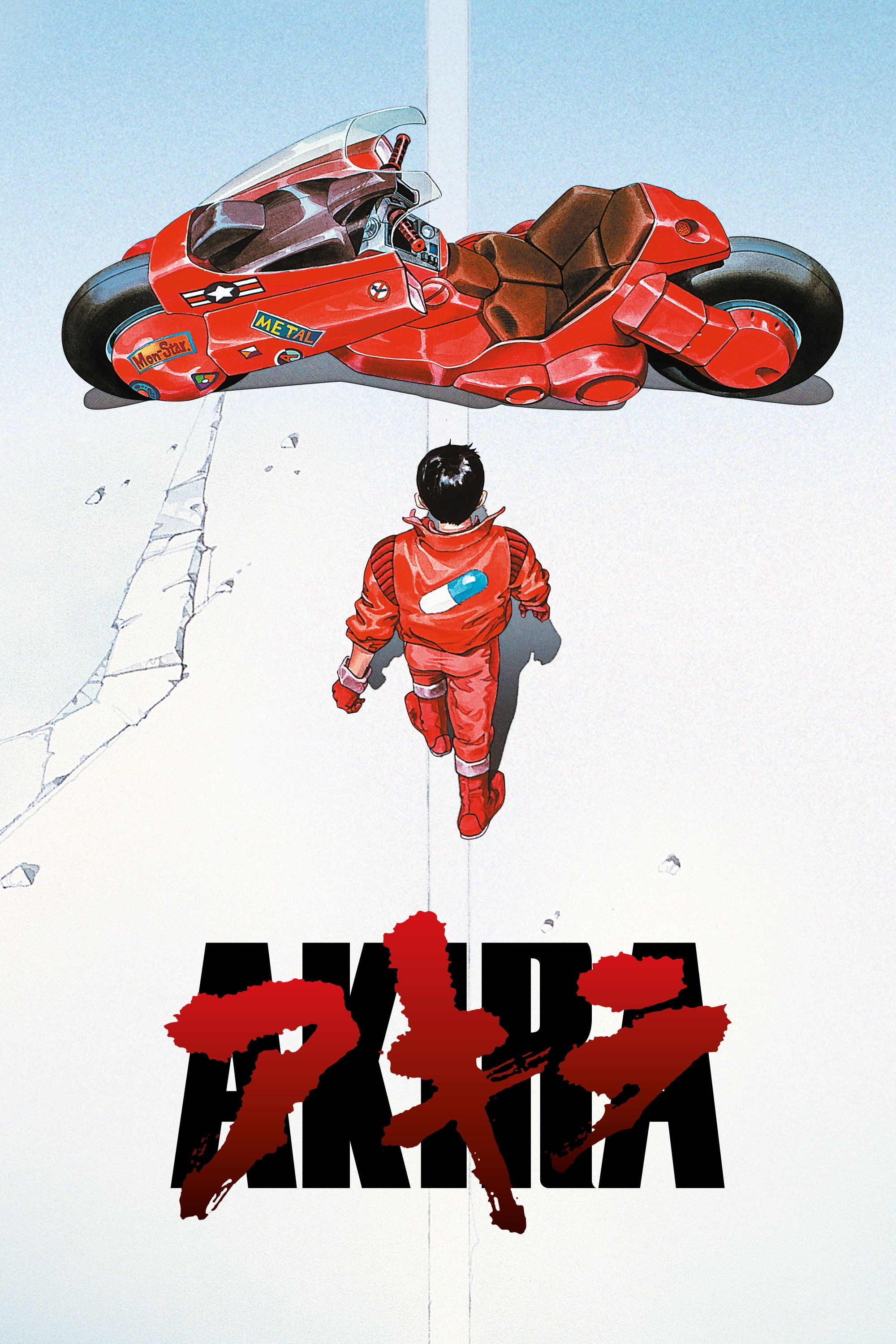
1988 · Urban unrest and technological ambition become frighteningly physical in this animated city.

The City of Lost Children poster

The City of Lost Children

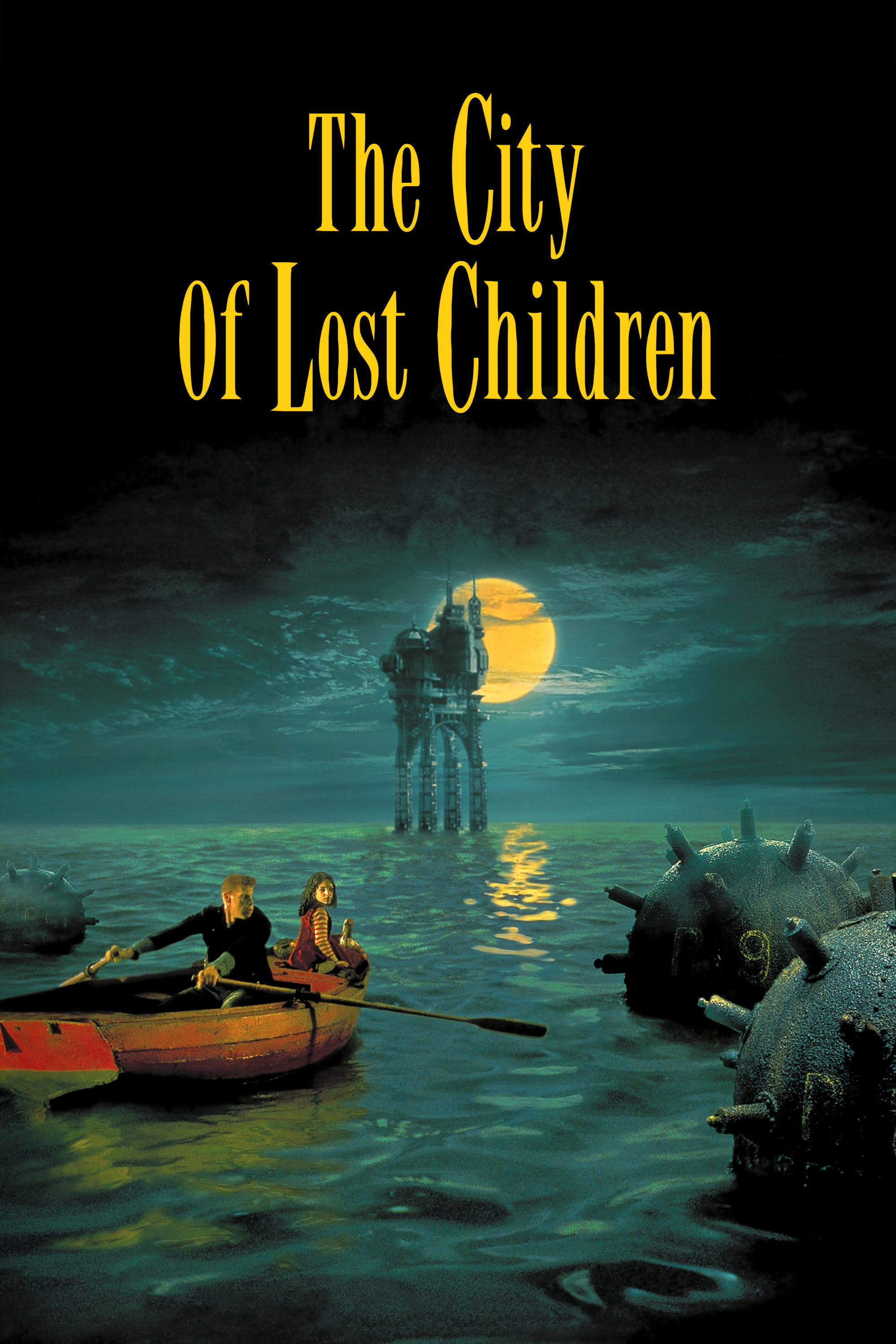
1995 · Elaborate machinery surrounds people whom technological progress has done few favours.