Jean-Pierre Jeunet and Marc Caro’s fantasy rewards a tolerance for crowded storytelling with invention, black humour and an unexpectedly touching central partnership. Worth the occasional confusion, especially when the people get room to compete with their surroundings.
Jean-Pierre Jeunet and Marc Caro make an adult fairy tale that expects us to enjoy being lost for a while. The City of Lost Children is worth that trouble, though its crowded storytelling occasionally makes the effort feel unnecessary. The grotesque inhabitants and elaborate surroundings keep offering something else to inspect just when we would like to follow the people already introduced. Fortunately, the partnership at its centre gives us a reason to stay beyond simple curiosity.
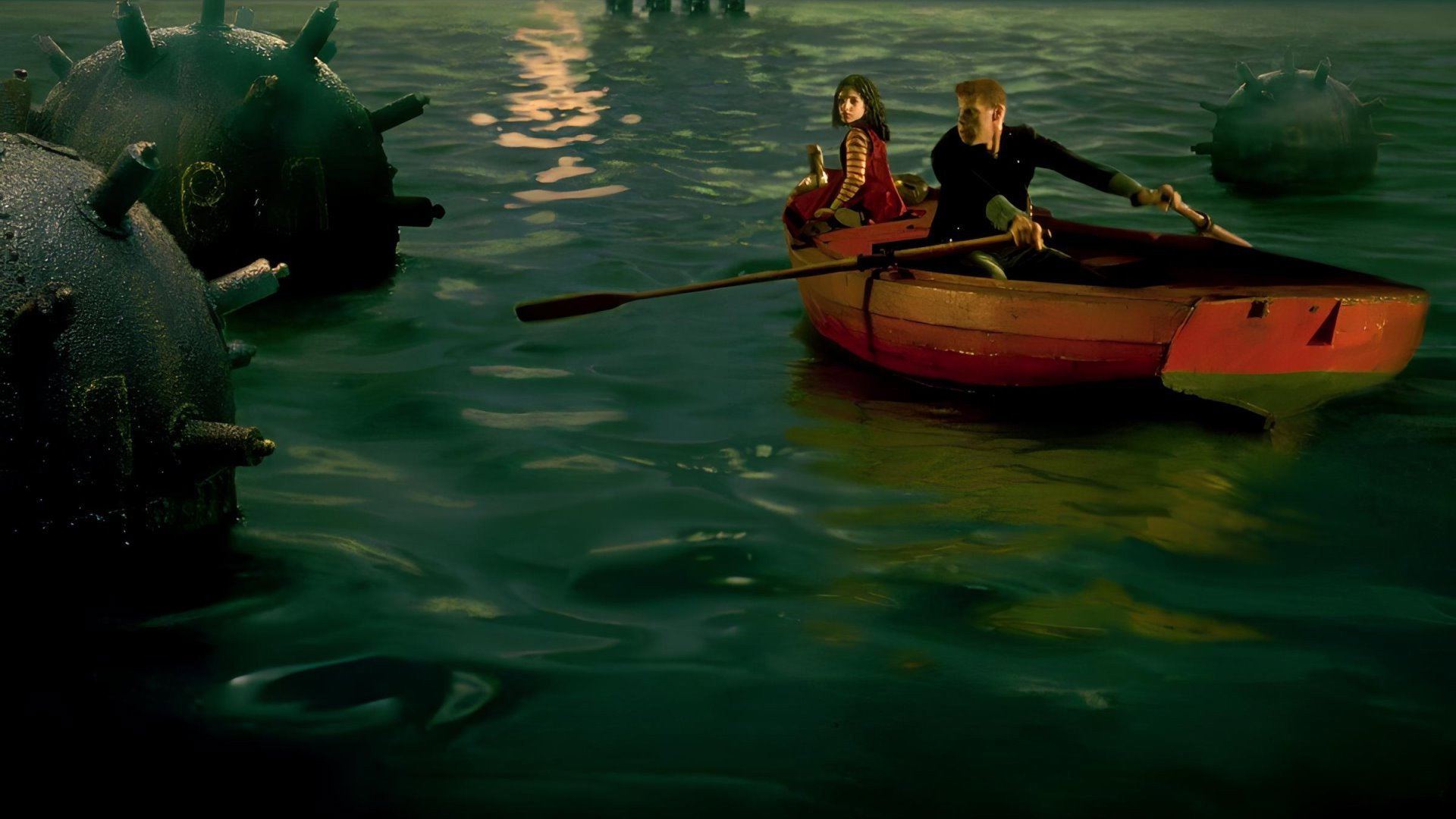
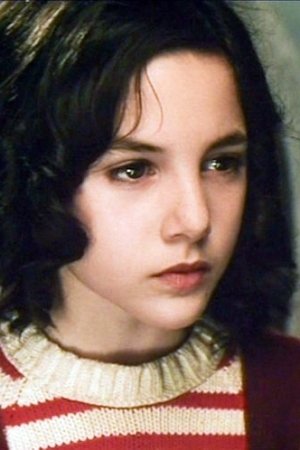
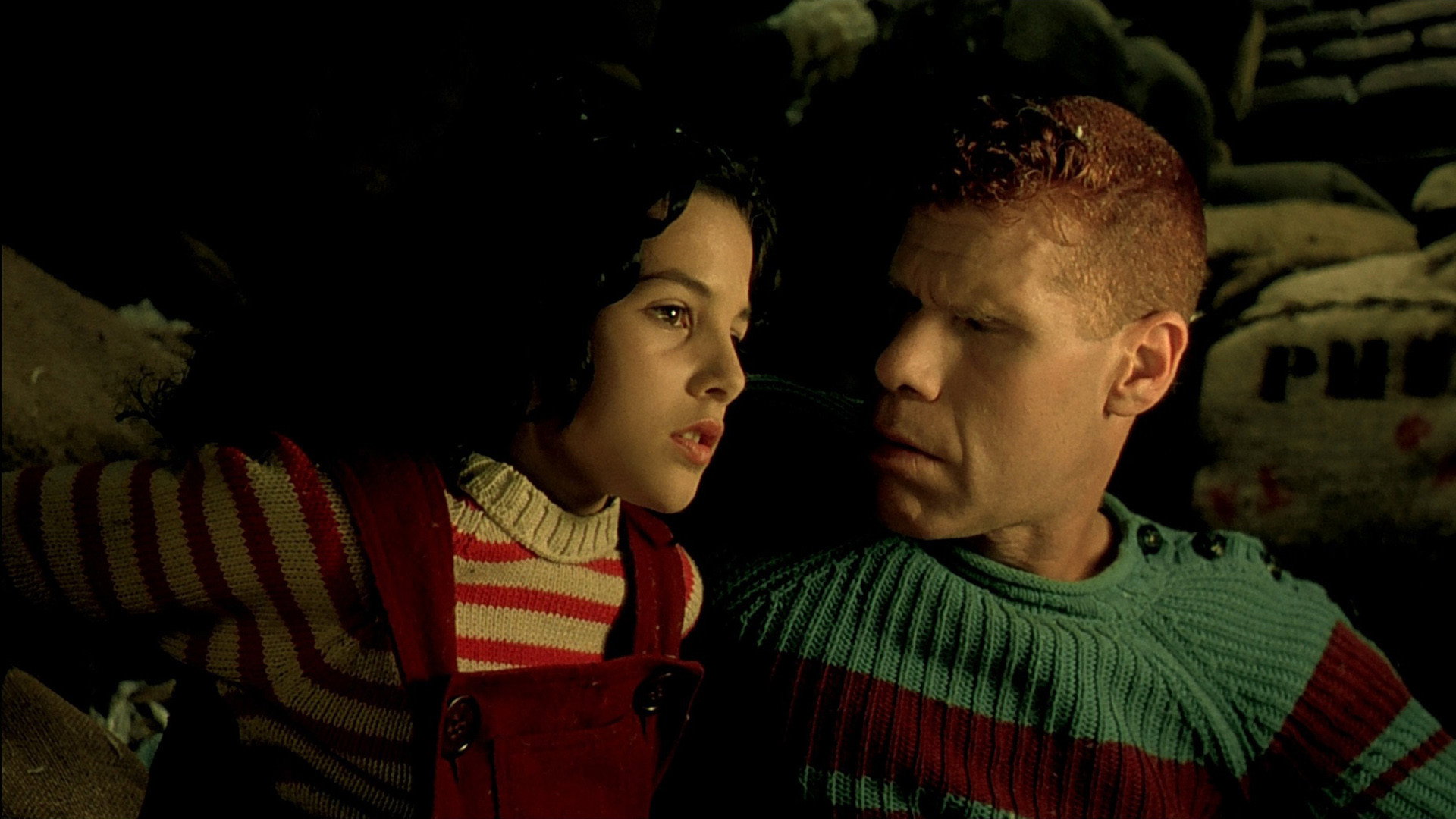
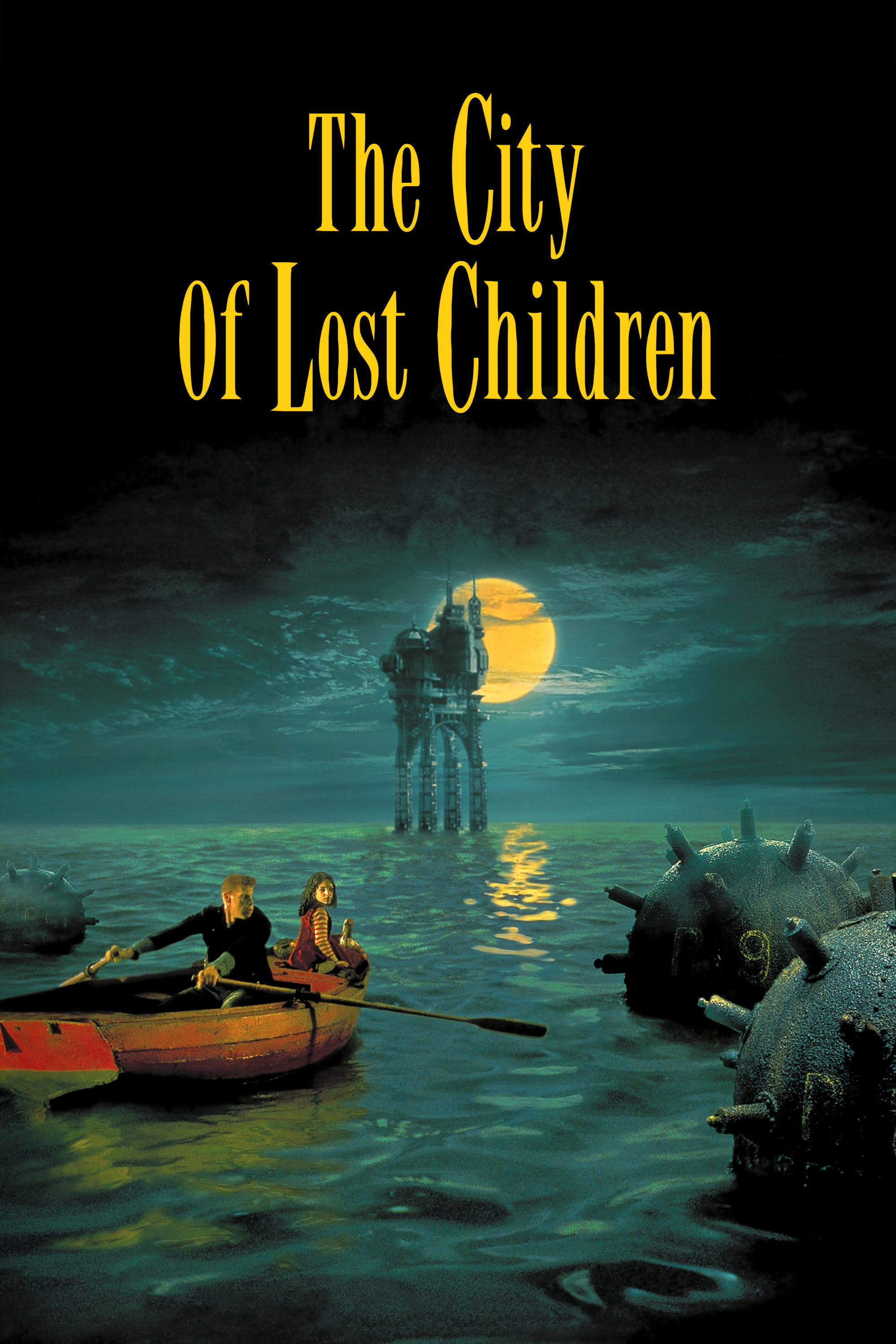
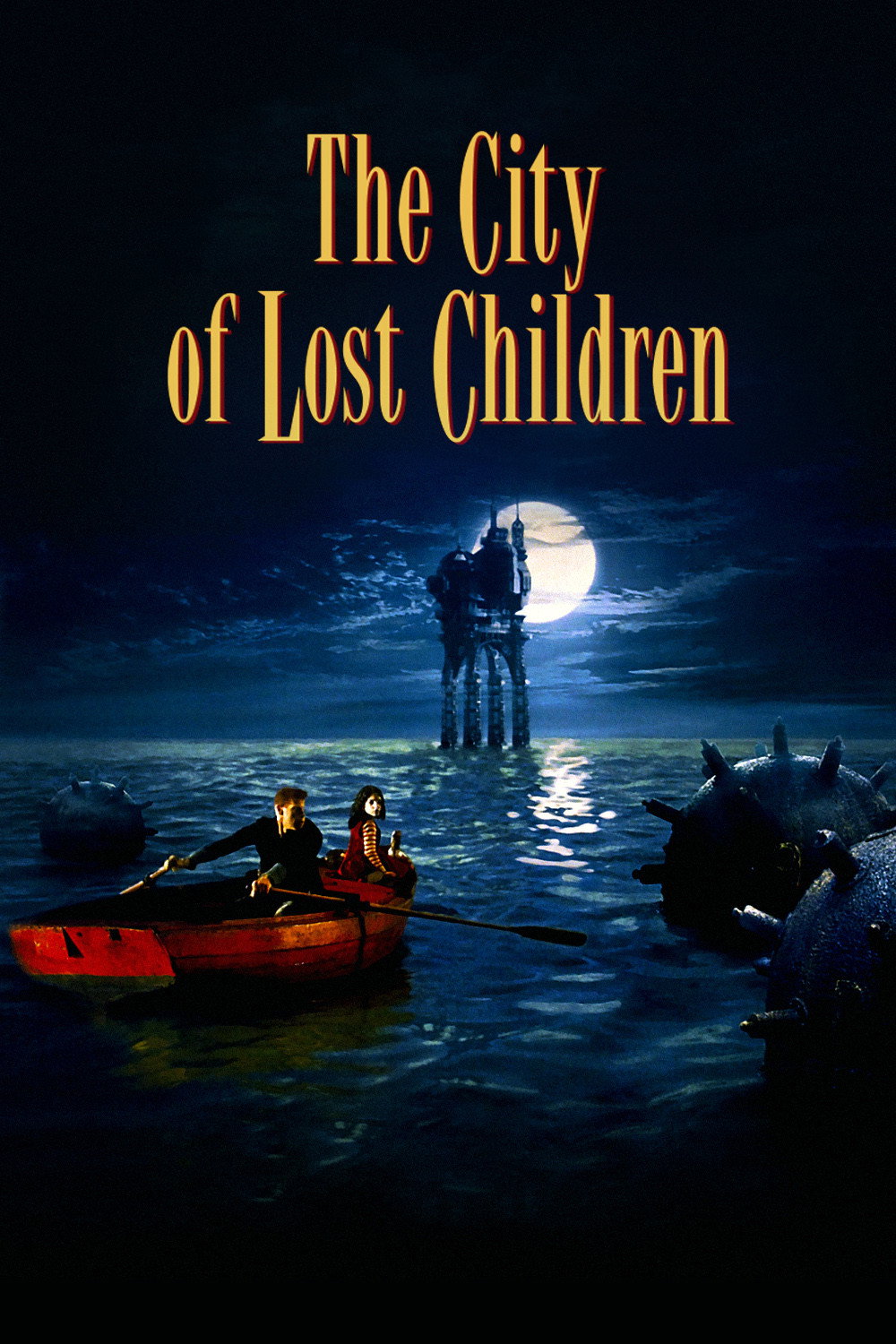
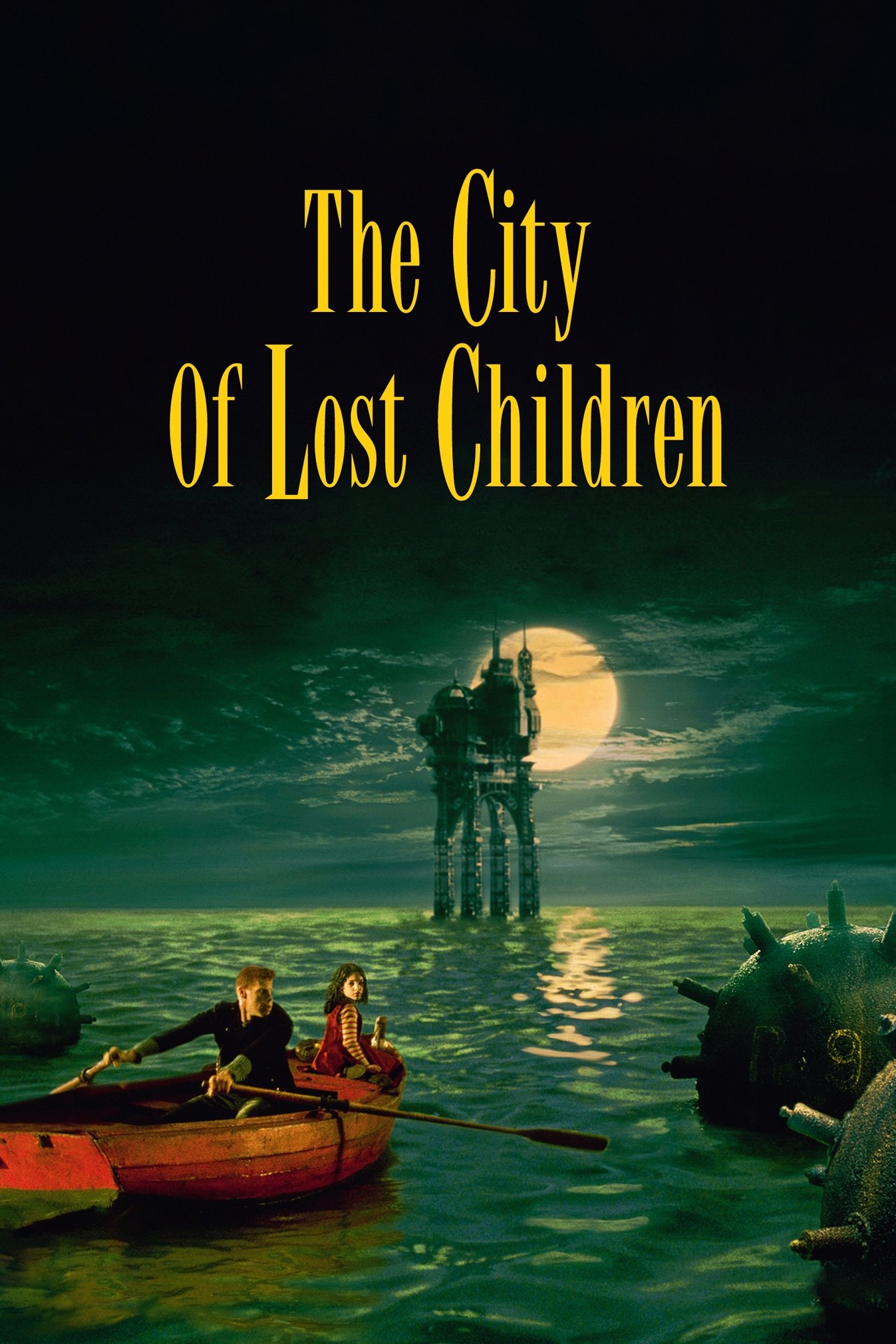
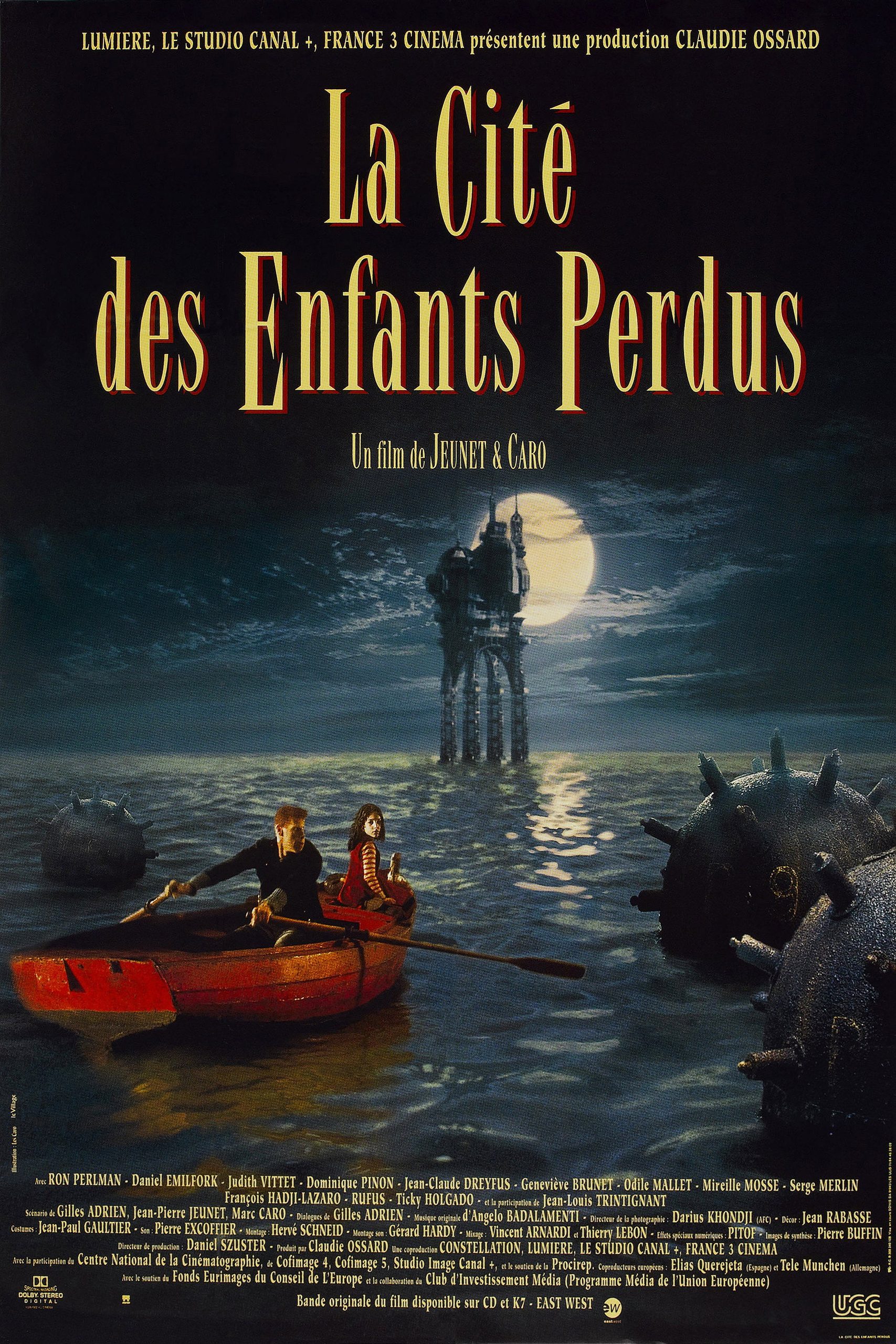
Ron Perlman plays One, the strongman, opposite Judith Vittet’s orphan thief Miette, and their pairing is the film’s most persuasive choice. The difference between them is immediately readable, so the directors can ease off the business of making everything strange. We were moved by their companionship, because the strongman and the child give each other someone to depend on amid all this threatening company. Both performances allow us to care about the pair without needing to understand every complication around them.
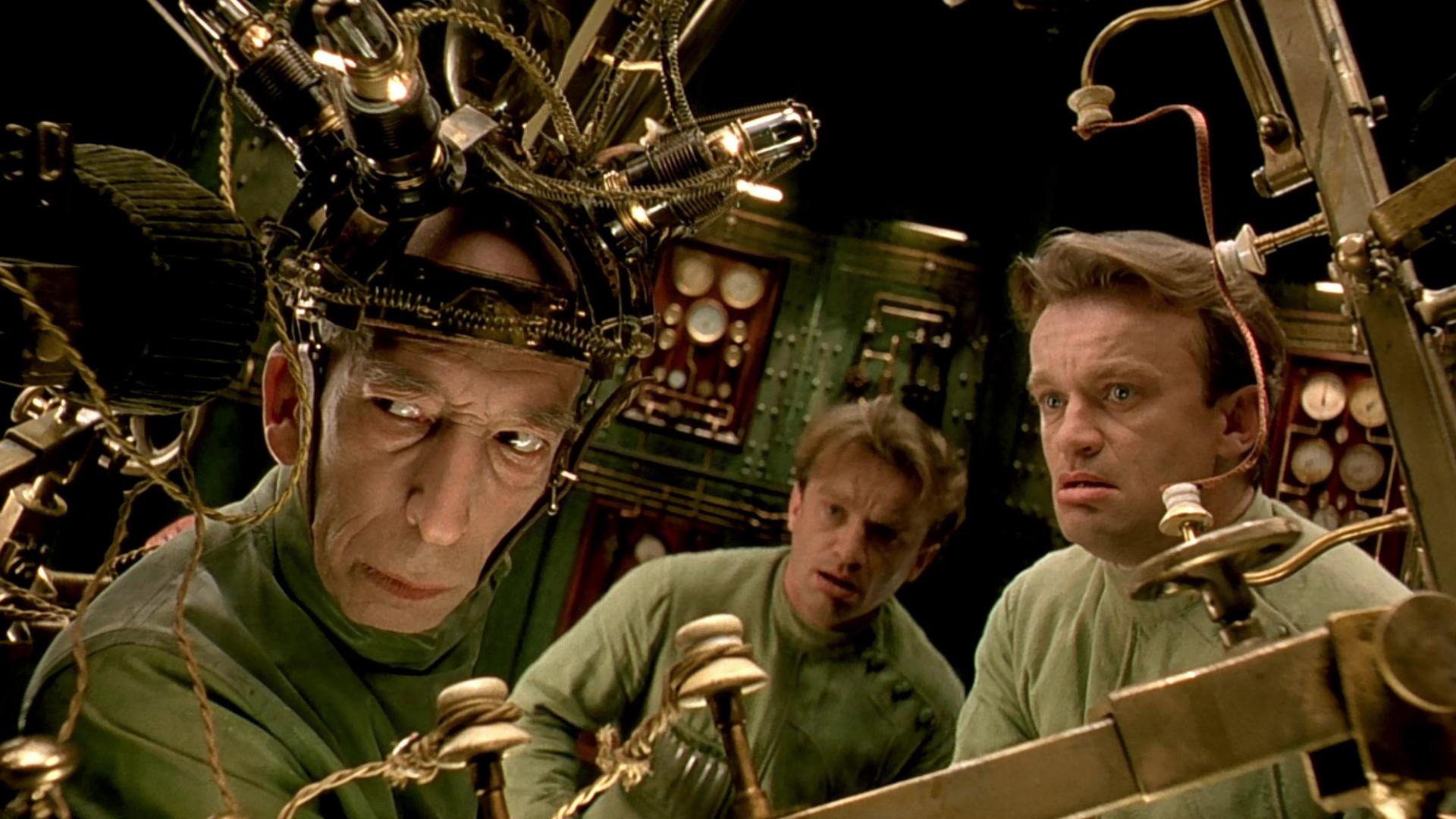
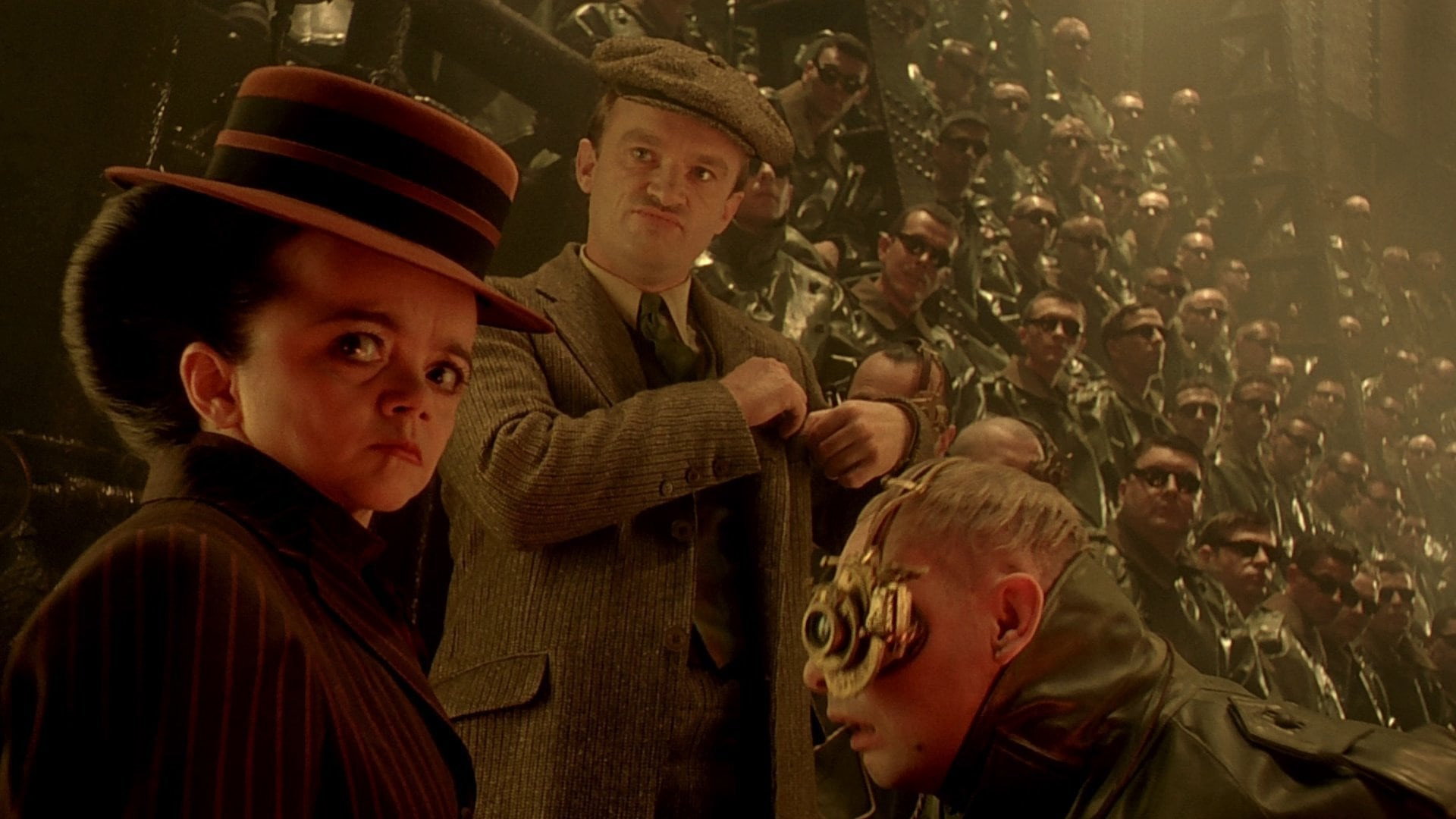
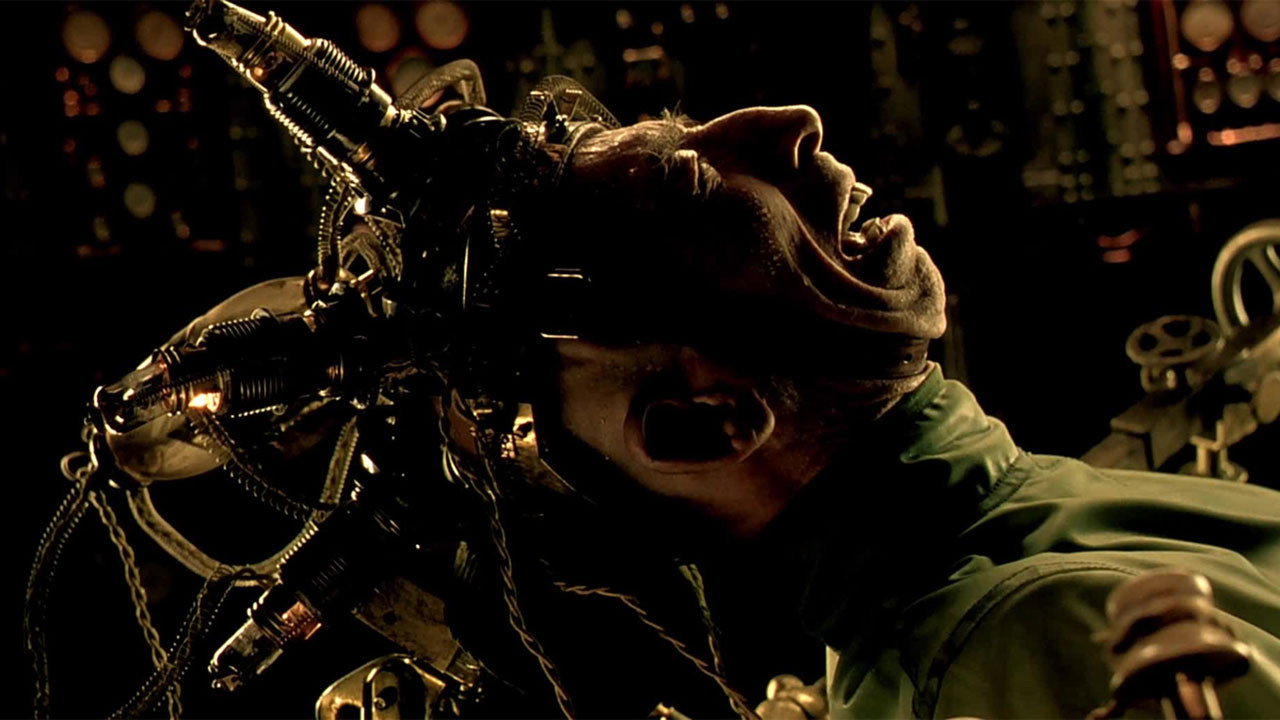
Production designers Jean Rabasse and Marc Caro sustain the grotesquerie across an entire imagined world. This matters in a fantasy: a strange figure needs somewhere to live, and here the surroundings have received as much thought as the inhabitants. Darius Khondji’s cinematography makes that density a pleasure to examine, although the images sometimes compete with the action for our attention. There are stretches when we find ourselves inspecting the picture instead of following the story, and the directors seem content to let us.
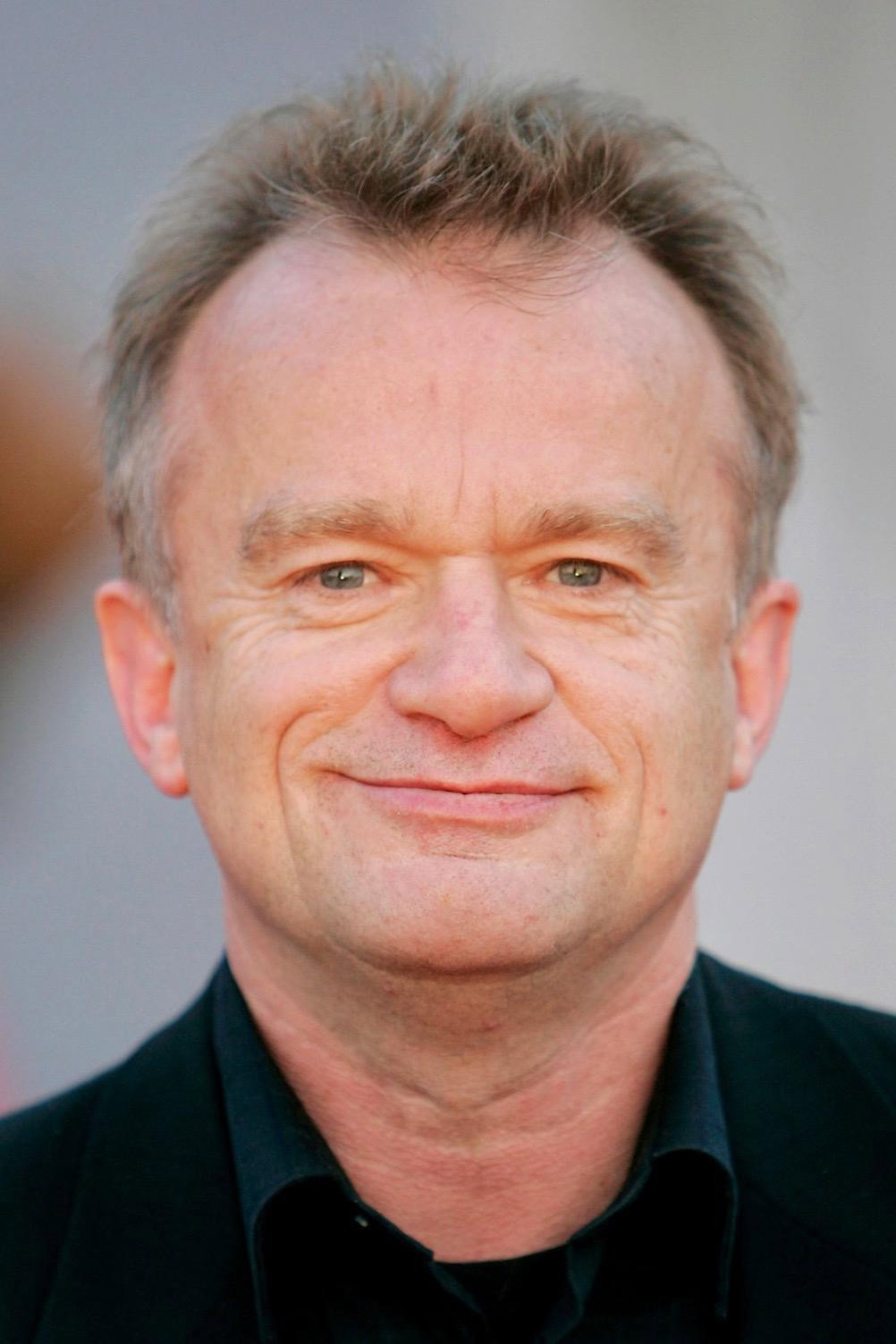
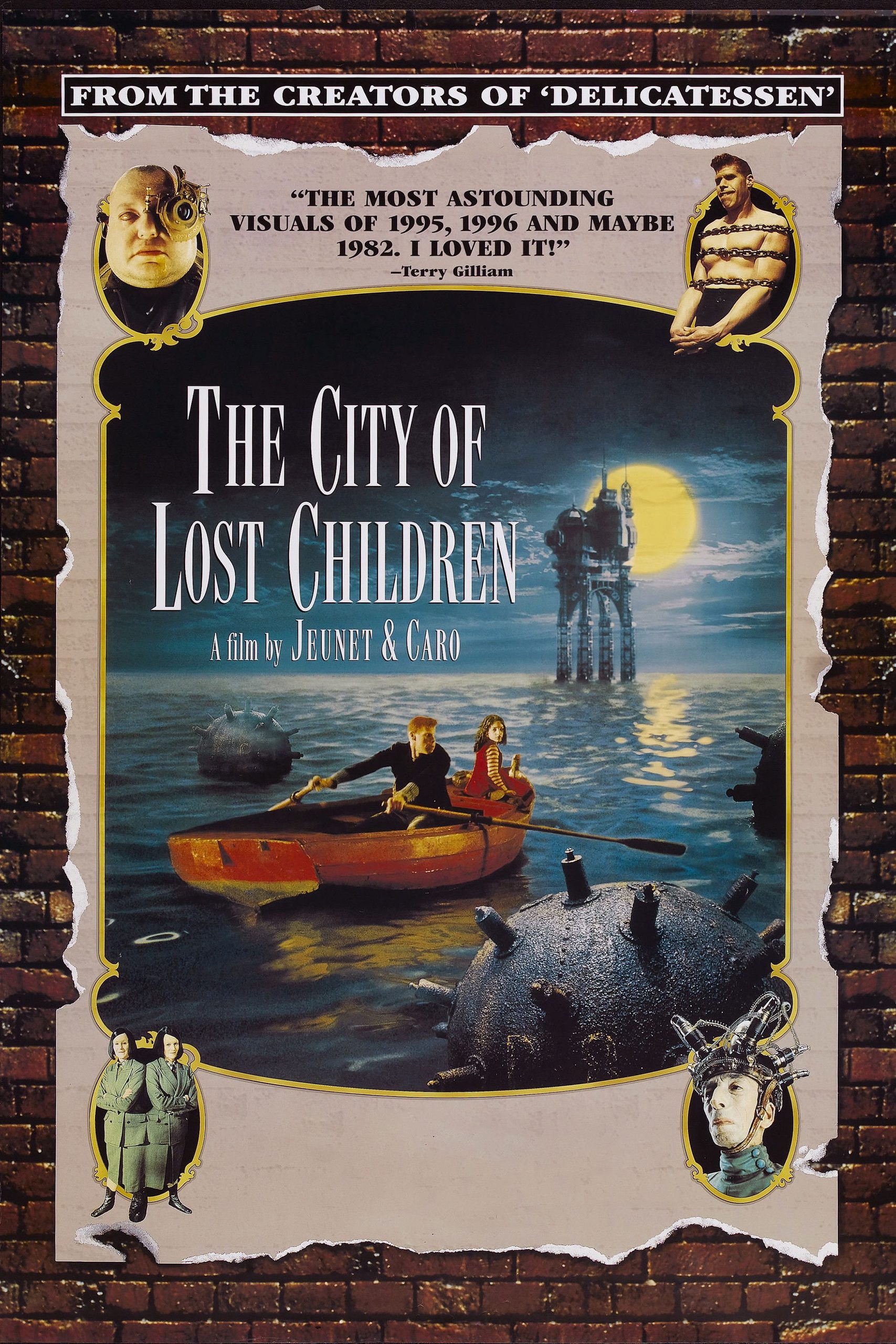
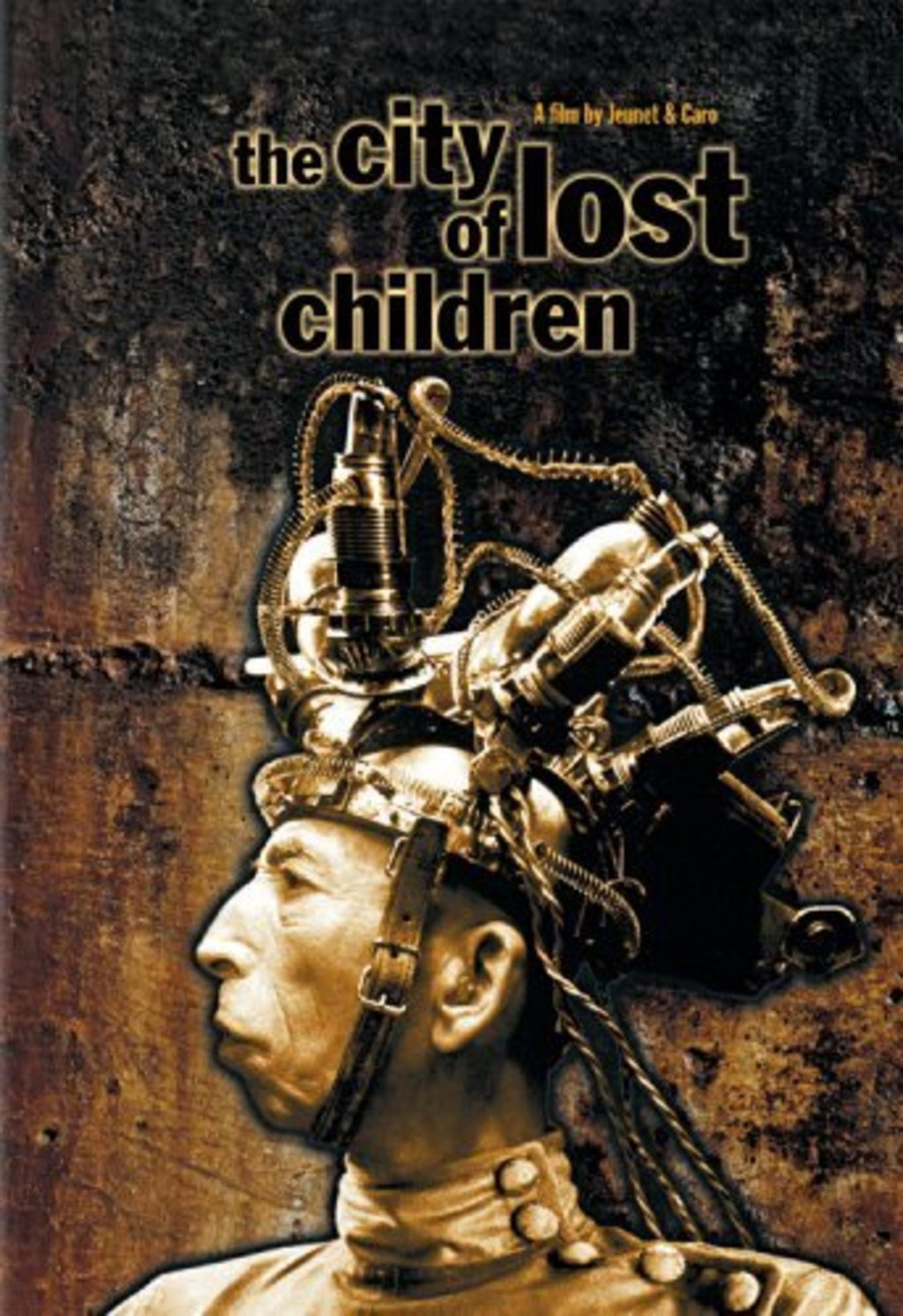
Jean-Paul Gaultier’s costumes add another reason to watch the people as closely as their surroundings. Daniel Emilfork’s Krank belongs comfortably among these exaggerated figures, and the performance holds our attention despite the competition. Dominique Pinon, whose roles include The Diver and The Clones, also suits the film’s appetite for peculiar company. The cast gives the grotesques enough individuality to keep them from becoming an indistinguishable procession, though some receive more attention from the costume department than from the script.
The difficulty lies in the screenplay by Gilles Adrien, Jean-Pierre Jeunet and Marc Caro, which keeps branching when the central relationship needs more space. Individual encounters have their pleasures, but their place within the story can be hard to judge. Hervé Schneid’s editing keeps us moving, sometimes sending us towards another distraction before the previous one has quite registered. One and Miette could use more uninterrupted time together, without another diversion arriving to claim our attention.
Angelo Badalamenti’s atmospheric score helps hold these excursions together, giving the fantasy some continuity when the storytelling grows restless. Its mood makes room for tenderness without making the strange company seem harmless. That mixture gives the film its appeal within adult fantasy, where elaborate ugliness can become tiresome if nobody earns our concern. Here, the strongman and the child remain worth following, and the music helps preserve their importance amid the bustle.
At 112 minutes, the film does not require an enormous investment of time, but it does ask for a tolerance of clutter. The more impatient we become for a cleanly told adventure, the less satisfying it is. We would recommend it to anyone who enjoys grotesque fantasy, with a warning that its enthusiasm for subsidiary stories can wear thin. Choose it for an evening when getting a little lost sounds agreeable.