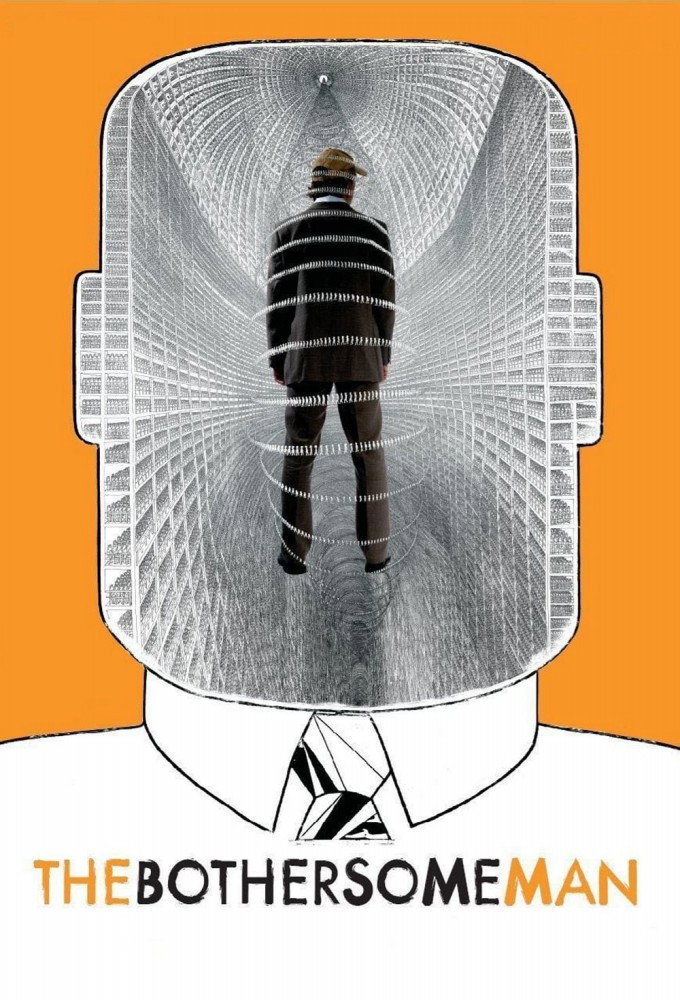
Terry Gilliam’s bureaucratic nightmare is funny, frightening and exhausting, with Jonathan Pryce giving its elaborate absurdities someone worth caring about. The storytelling loses shape, but the detail makes the cruelty difficult to shrug off.
Terry Gilliam’s Brazil is a funny, frightening film about the damage done by people who cannot get their work right and insist on doing it anyway. We recommend it, with a warning that its 143 minutes can feel punishing. Gilliam makes bureaucratic failure a source of both slapstick and fear, and he is good at making the two happen together. A practical problem can become an ordeal because someone has a procedure to follow. The future has the look of an outmoded past, which suits the administrative mismanagement at the centre of the story.
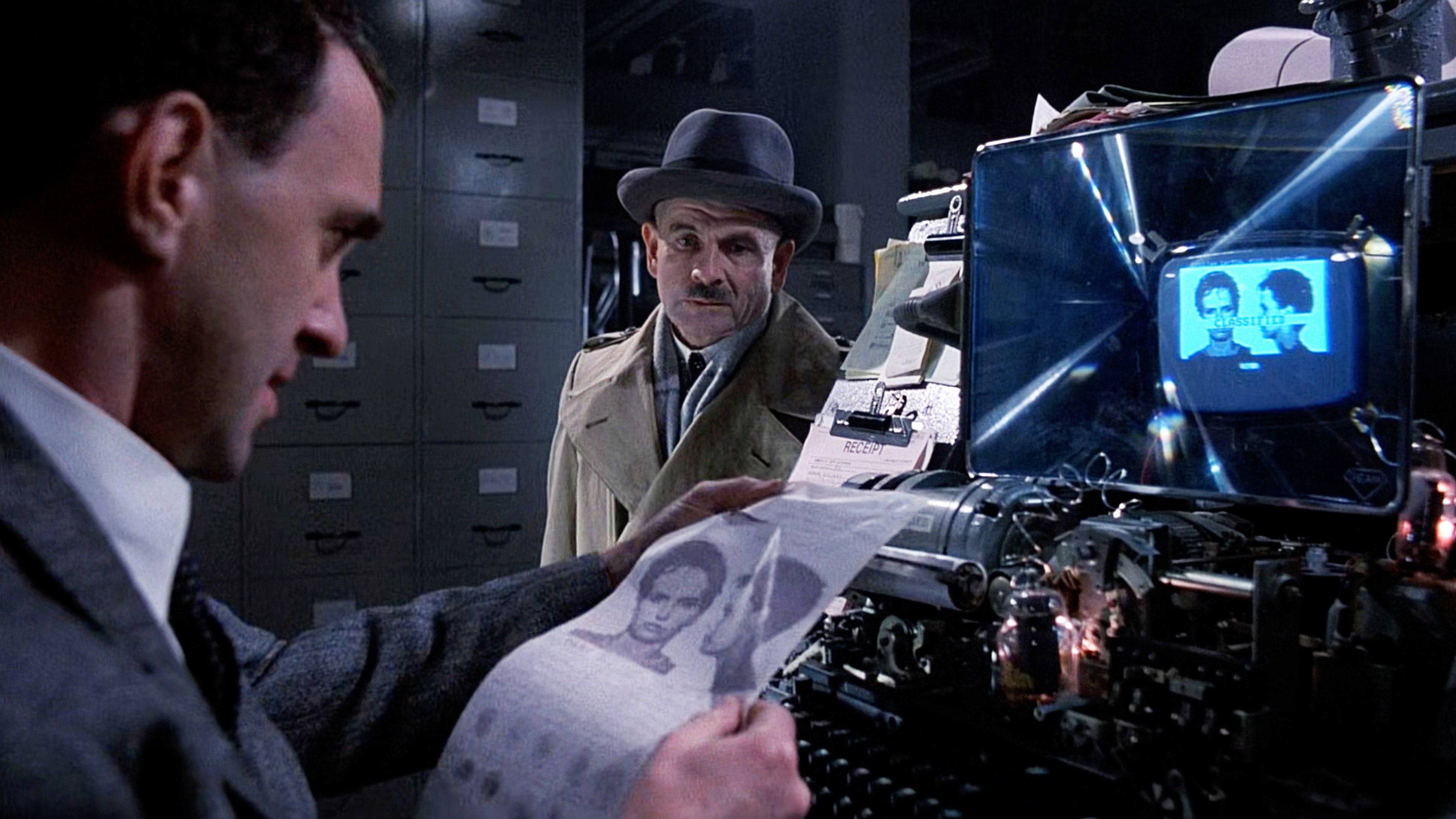
The screenplay, by Gilliam, Tom Stoppard and Charles McKeown, pays close attention to the small absurdities of getting through the day. Robert De Niro’s Harry Tuttle, a rogue heating engineer, is a particularly good example: having the heating repaired ought to be the least adventurous part of anyone’s life. We laughed at the fuss surrounding such an ordinary job, and then felt uneasy about why it was funny. Gilliam makes the difficulty of having a basic need met seem entirely plausible.
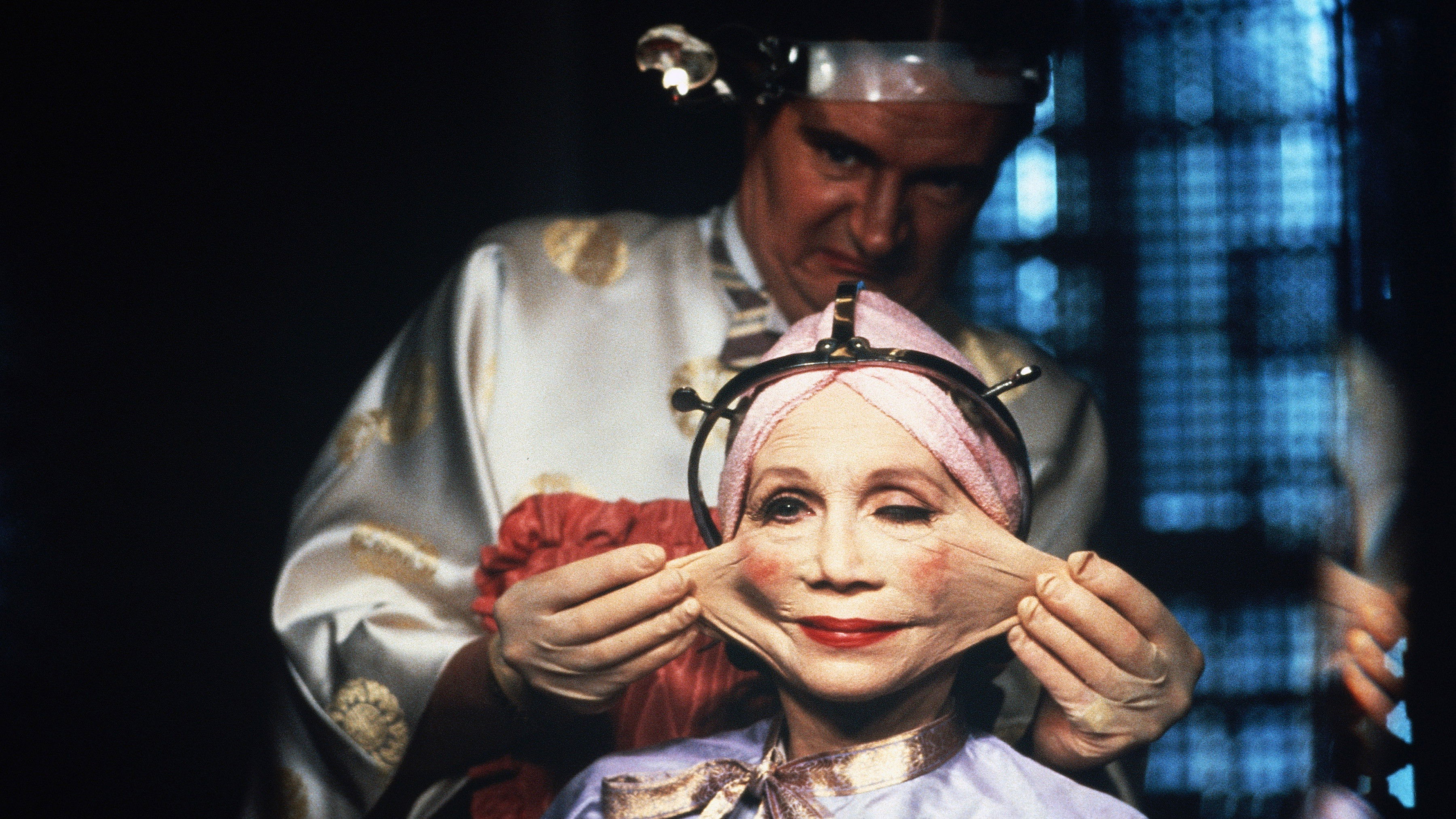
Norman Garwood’s production design is crucial here: this future looks old, with none of the reassurance of a fresh start. The retro-futurist setting makes the bureaucracy seem deeply established, and the detail rewards looking beyond the actors. Roger Pratt’s cinematography makes those surroundings feel oppressive even when there is something funny to look at. There is pleasure in examining the images, although their busyness can make it difficult to decide what deserves attention.
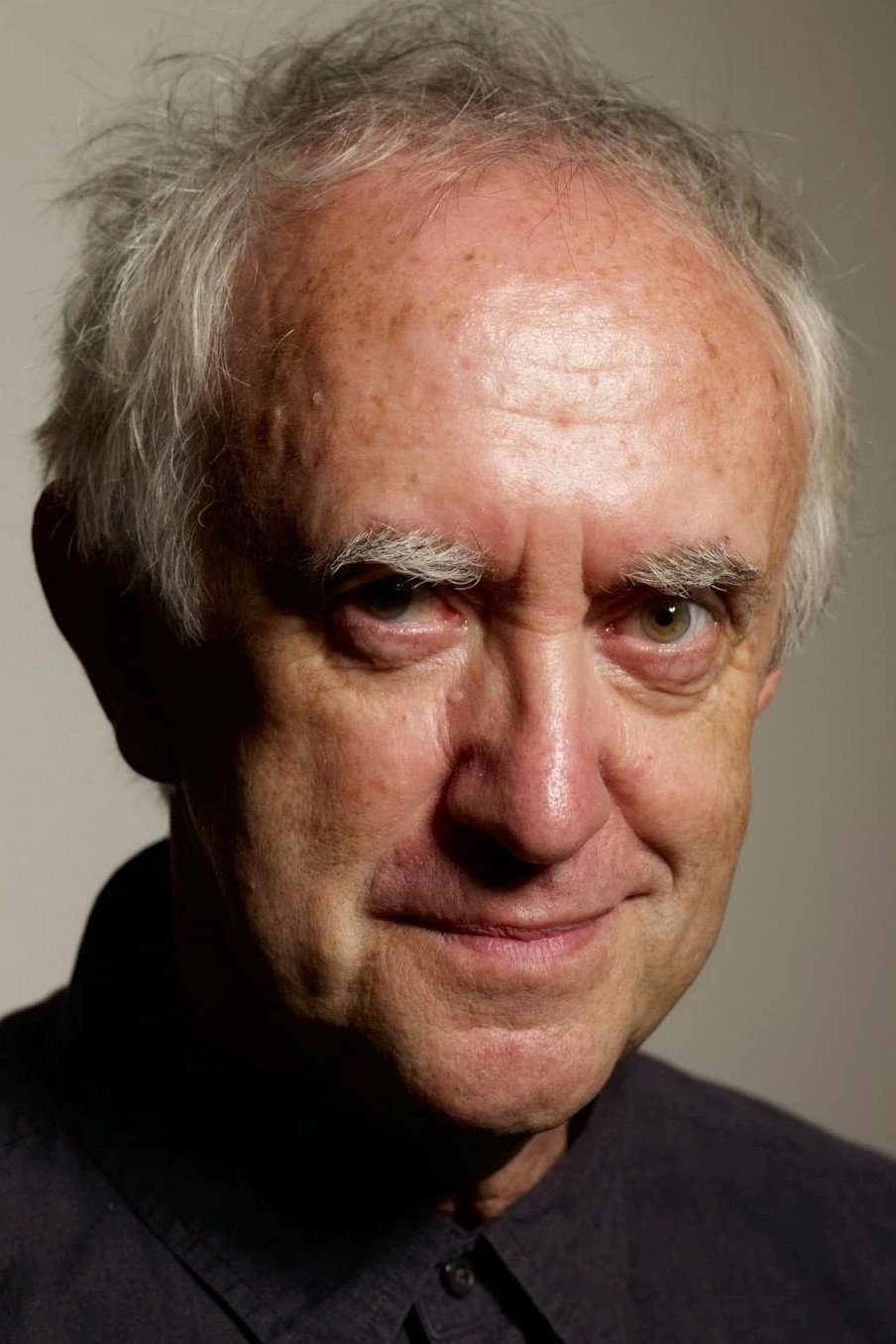
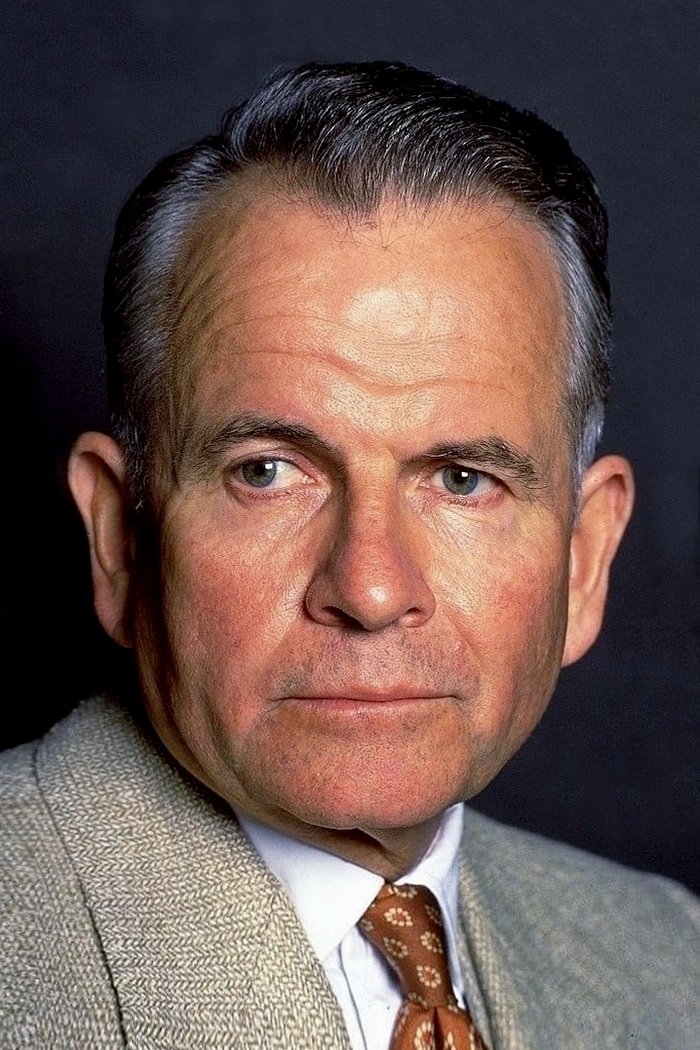
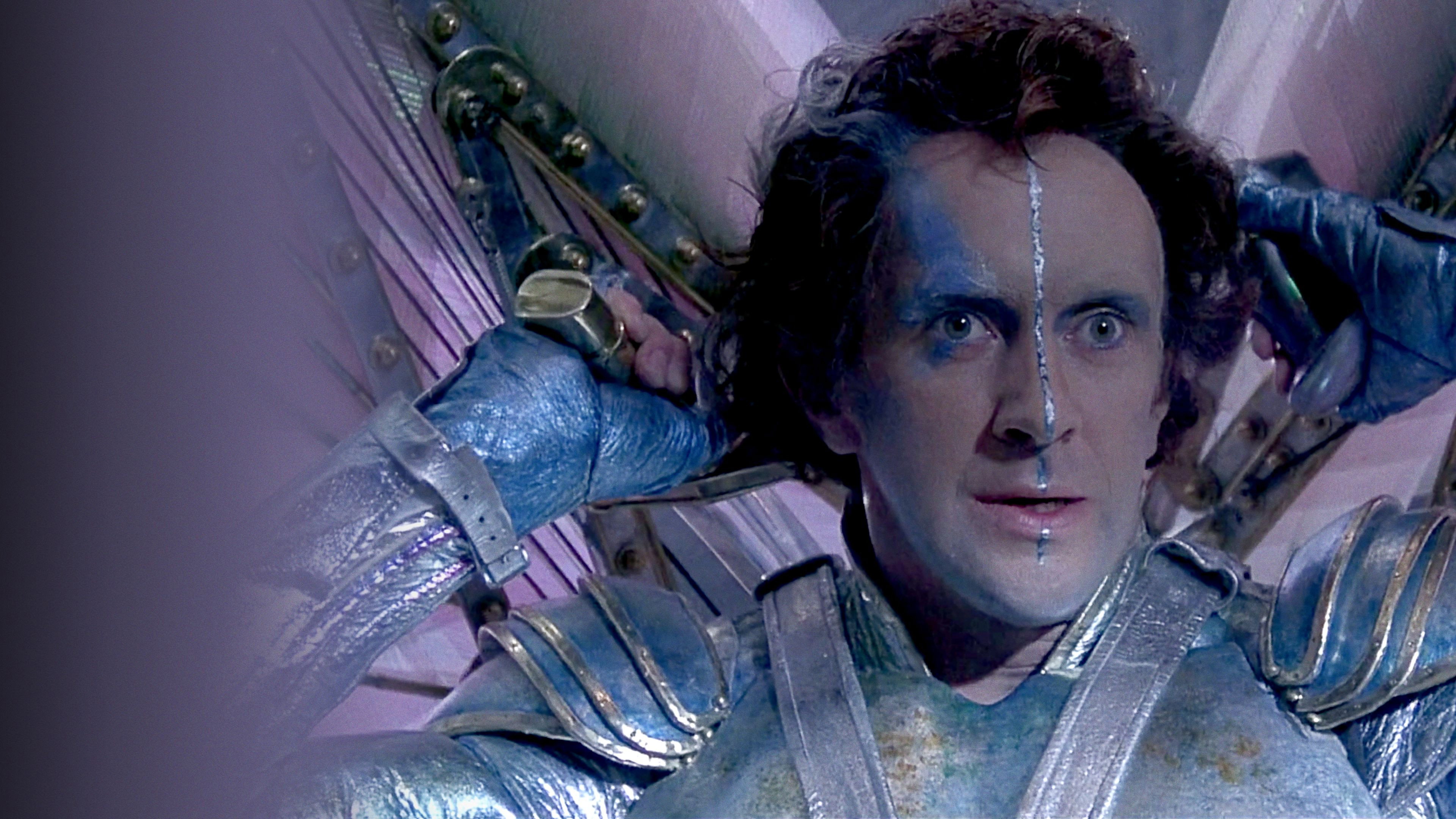
Jonathan Pryce gives Sam Lowry enough vulnerability to keep all this elaborate nastiness from becoming a display we merely inspect. He makes a useful centre for a film that is forever threatening to wander off after another joke. Ian Holm, as Mr. Kurtzmann, is just as valuable in making the bureaucratic absurdity feel human. The performances matter because the satire would become repetitive if every person were simply another illustration of how badly the system works.
The difficulty is that Gilliam’s appetite for invention is greater than his interest in moving the story along. Around the middle, the plotting weakens and some episodes become hard to distinguish in the memory. Julian Doyle’s editing can make the comedy feel frantic, yet the film still has passages that barely seem to move. Michael Kamen’s music helps keep the comedy unsettling, even when the story loses our attention. The running time allows Gilliam room for detail, and also room to repeat effects we have already understood.
Among dystopian science-fiction films, Brazil stands out for taking incompetence so seriously. The fear of having an ordinary request handled by someone who cannot help is enough to make its fantasy recognisable. There is little relief from the cruelty, even when the jokes work, so this is poor company for an evening that needs soothing. Save it for a night when laughter need not make things feel better.