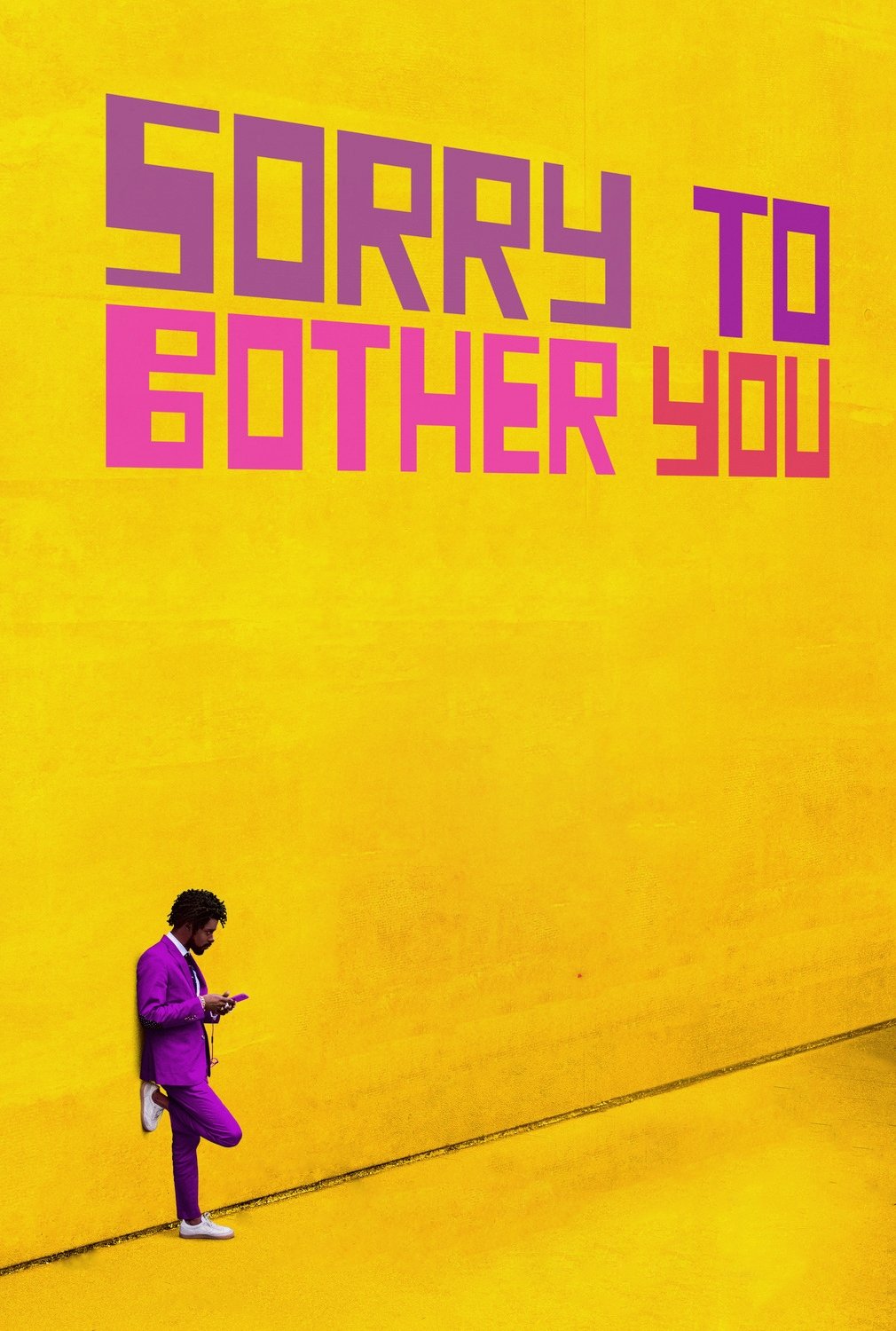
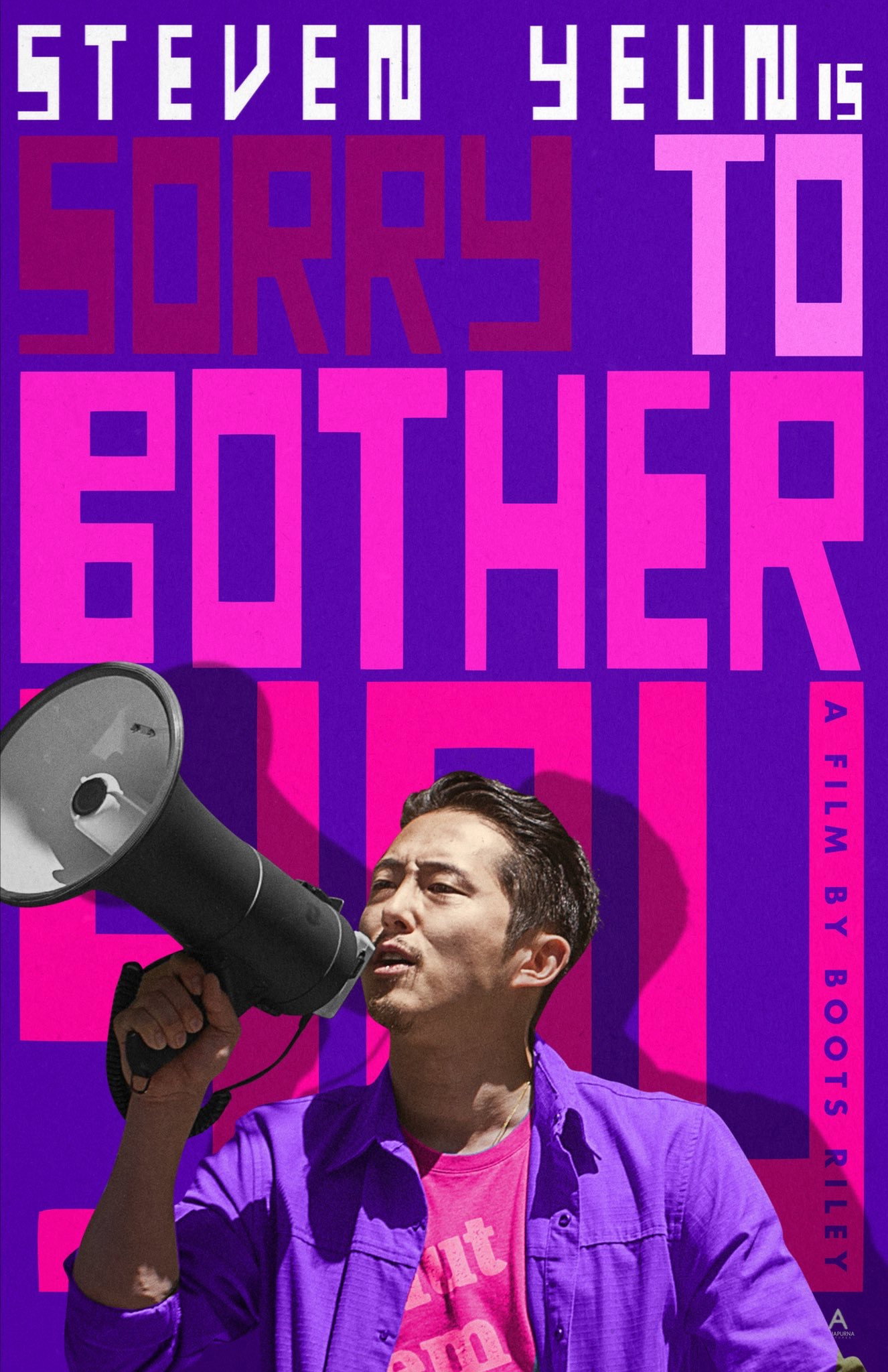
Boots Riley’s corporate satire is funny, angry and anchored by LaKeith Stanfield’s calmly bemused performance. The overcrowding wears us down in places, but the jokes about race and getting ahead are sharp enough to earn our patience.
Sorry to Bother You is a funny, angry corporate satire whose excesses are worth putting up with. Writer and director Boots Riley takes the pressure to get ahead and pushes it into absurdity, keeping race and money in the same conversation. The film asks what a worker must change about himself before the system will reward him, and how far he might go once the rewards begin. It is strongest when an outrageous joke makes that pressure easy to understand.
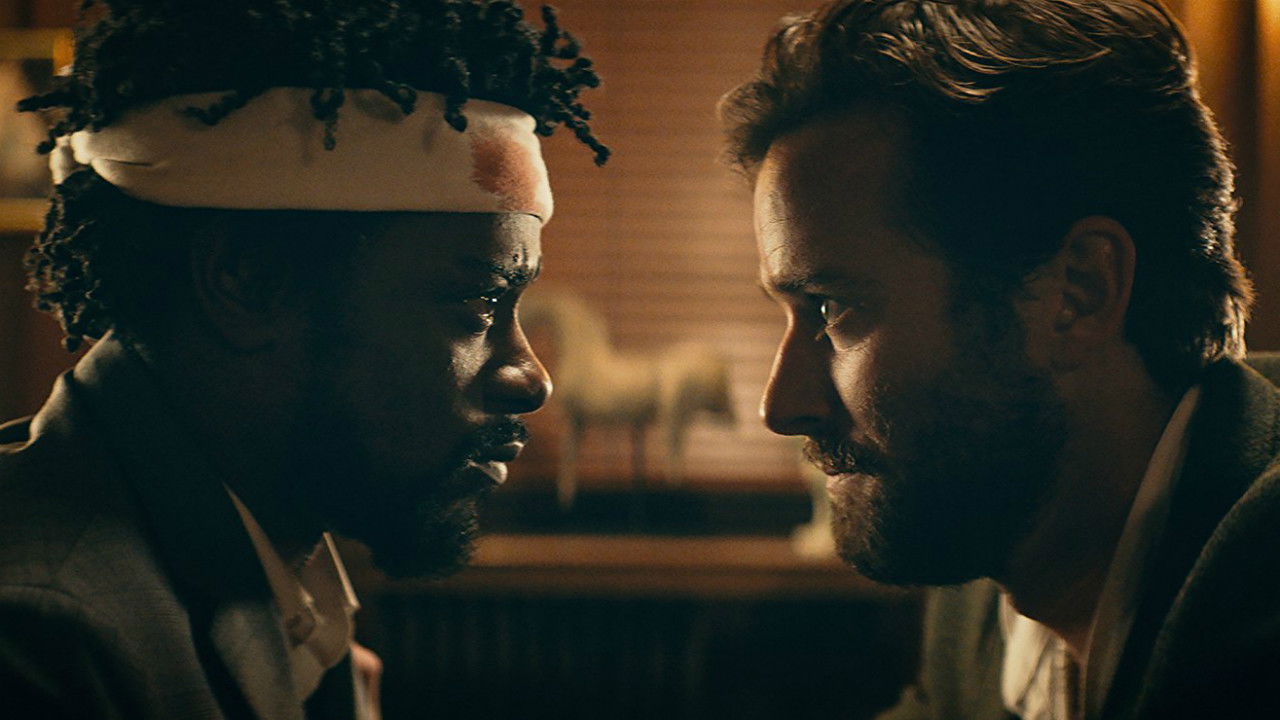
LaKeith Stanfield gives Cassius Green the bemused steadiness this much commotion needs. He leaves us enough space to recognise an ordinary wish to do better, even when the film surrounding him becomes aggressively strange. That matters because a satire about selling out can make its central character seem contemptible before the audience has understood the temptation. Here, we can follow Cassius’s ambition without being asked to excuse whatever it might cost.
The white voice is the clearest example of how well the comedy can work. Cassius has a voice supplied by David Cross, turning the pressure to accommodate racial expectations into something we can actually hear. We laughed at that mismatch, then felt uncomfortable about how readily the idea made sense. The gag makes racial advantage something a worker can put to use, with all the humiliation that implies. LaKeith Stanfield’s measured presence keeps the joke attached to Cassius.
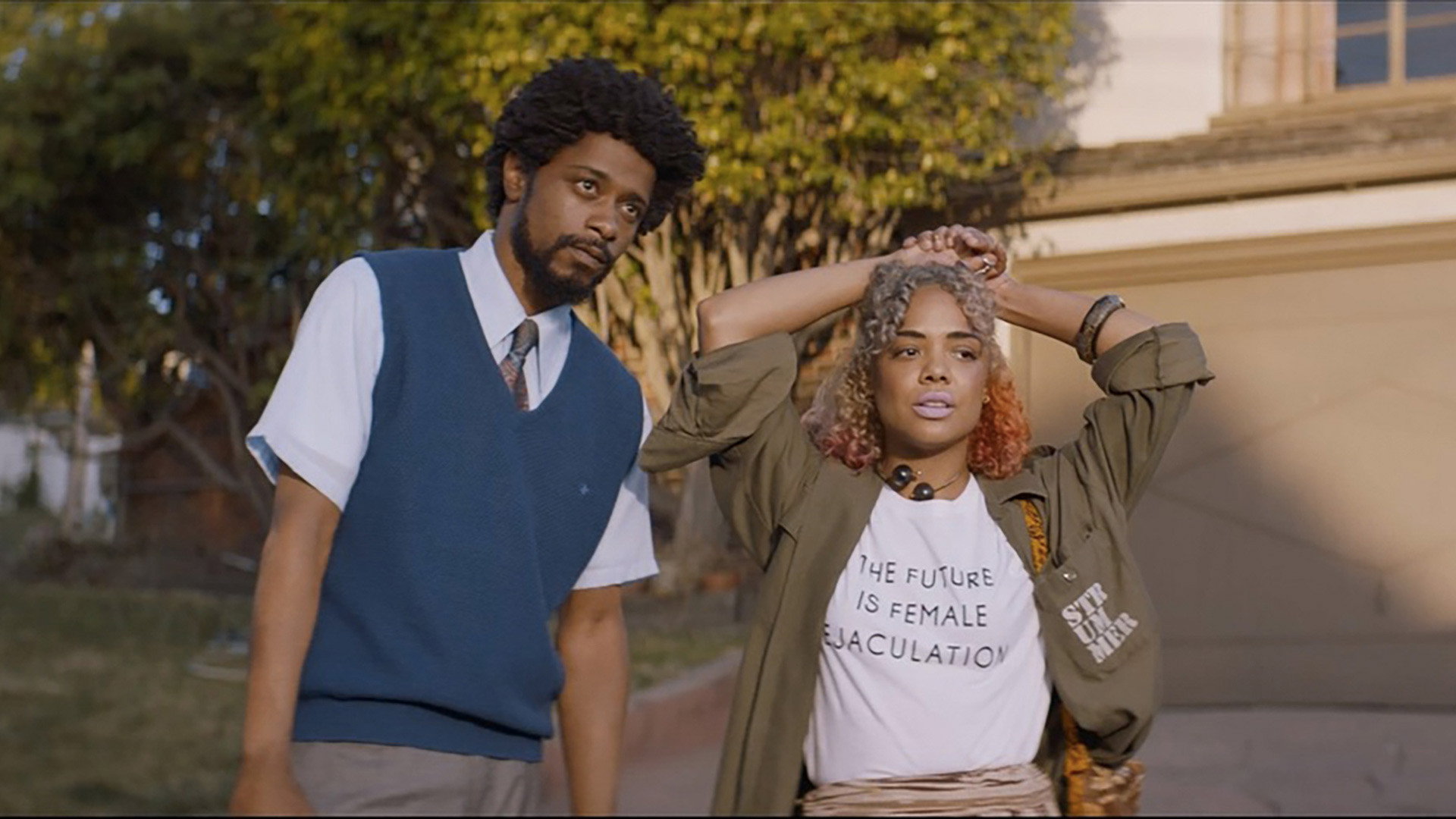
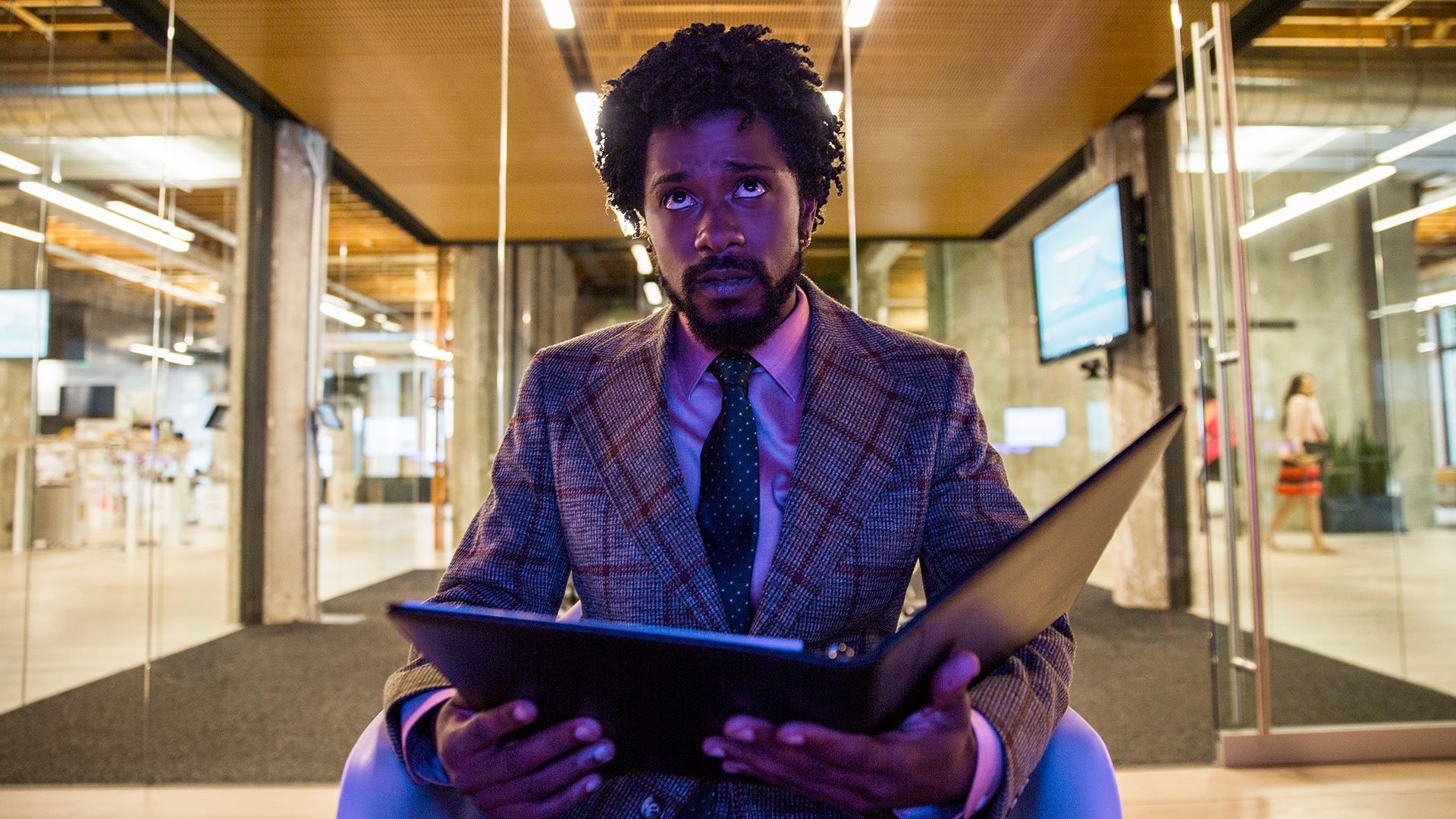
Doug Emmett’s cinematography makes room for literal sight gags, while Jason Kisvarday’s production design gives the corporate world the same exaggerated character as the dialogue. We would not want these people photographed with the solemnity of a business drama. The visual excess suits the jokes, although there are passages when another strange image feels like one addition too many. The actors remain useful guides through it, with Tessa Thompson providing a forceful presence alongside LaKeith Stanfield.
Terel Gibson’s editing keeps the jokes moving quickly enough that we are not left waiting for the film to explain each one. The trouble comes when the film keeps introducing ideas without giving the previous ones enough room. Merrill Garbus and Boots Riley’s music contributes to that restless feel, and the accumulation can become tiring. We wanted a little more time with the people, particularly in the romantic subplot, which is thinner than the attention given to the film’s more extravagant inventions.
That crowdedness is the substantial caveat. Some jokes run beyond the point at which their meaning is clear, and the later stretches could use a firmer cut. Yet the science-fiction elements belong in a comedy this willing to exaggerate the demands of employers. We will not describe where that takes the story. The increasingly strange material makes sense, even when the pacing falters.
A workplace comedy can get by with an awful boss and the satisfaction of watching someone answer back. Boots Riley is interested in collective resistance, so the film keeps asking what happens beyond one person’s escape from a bad job. That gives its anger a purpose, even when its storytelling becomes untidy. At 112 minutes, it is not a particularly long film, but it asks for a tolerance of digression as well as a taste for abrasive jokes. Give it that much patience; the borrowed voice alone is worth hearing.