Film review

Office Space

1999 · Directed by Mike Judge · 1h 30m · MPA R

In a sentenceNinety minutes of office life, with better jokes and no obligation to look busy

Comedy

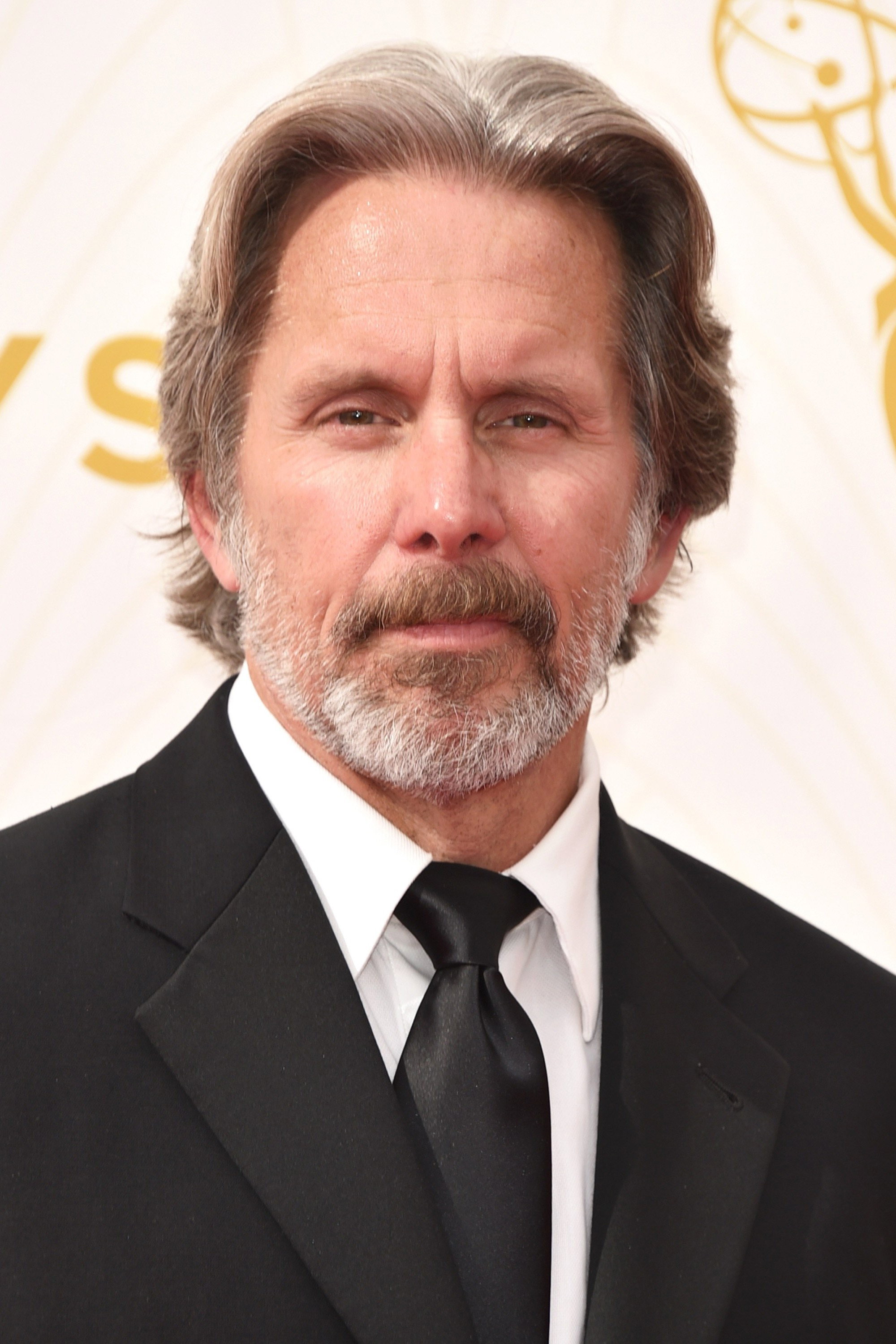
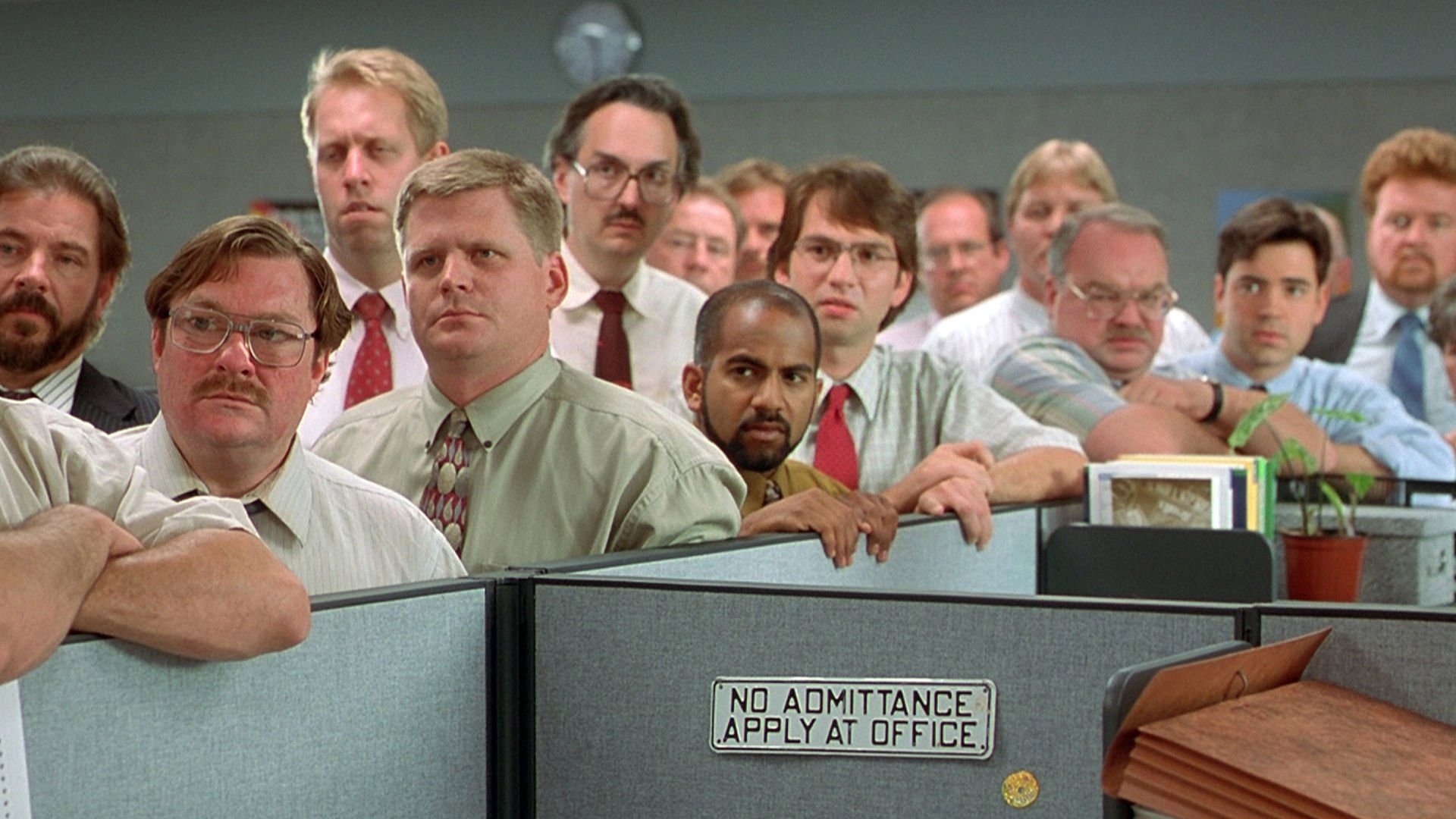
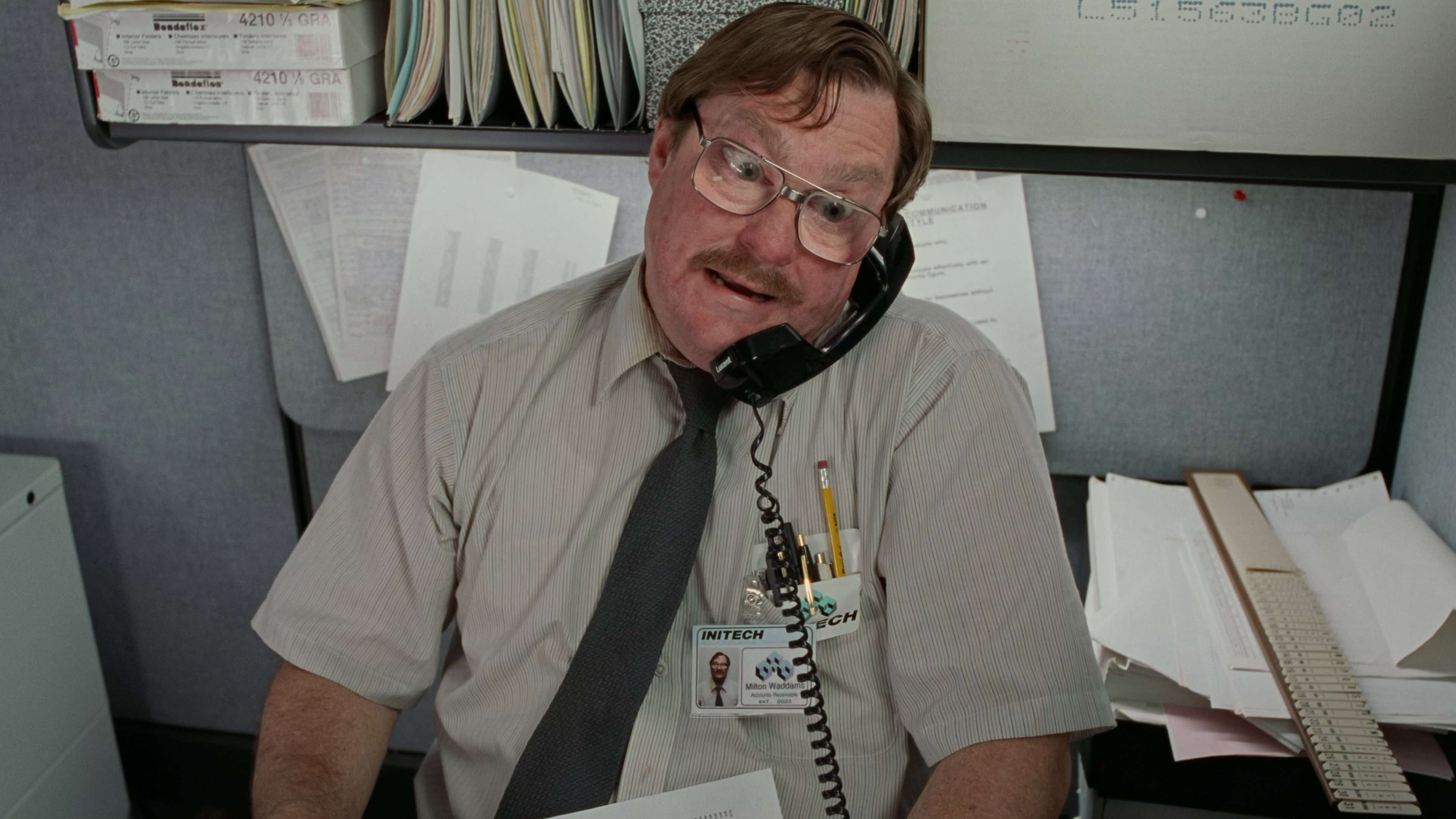
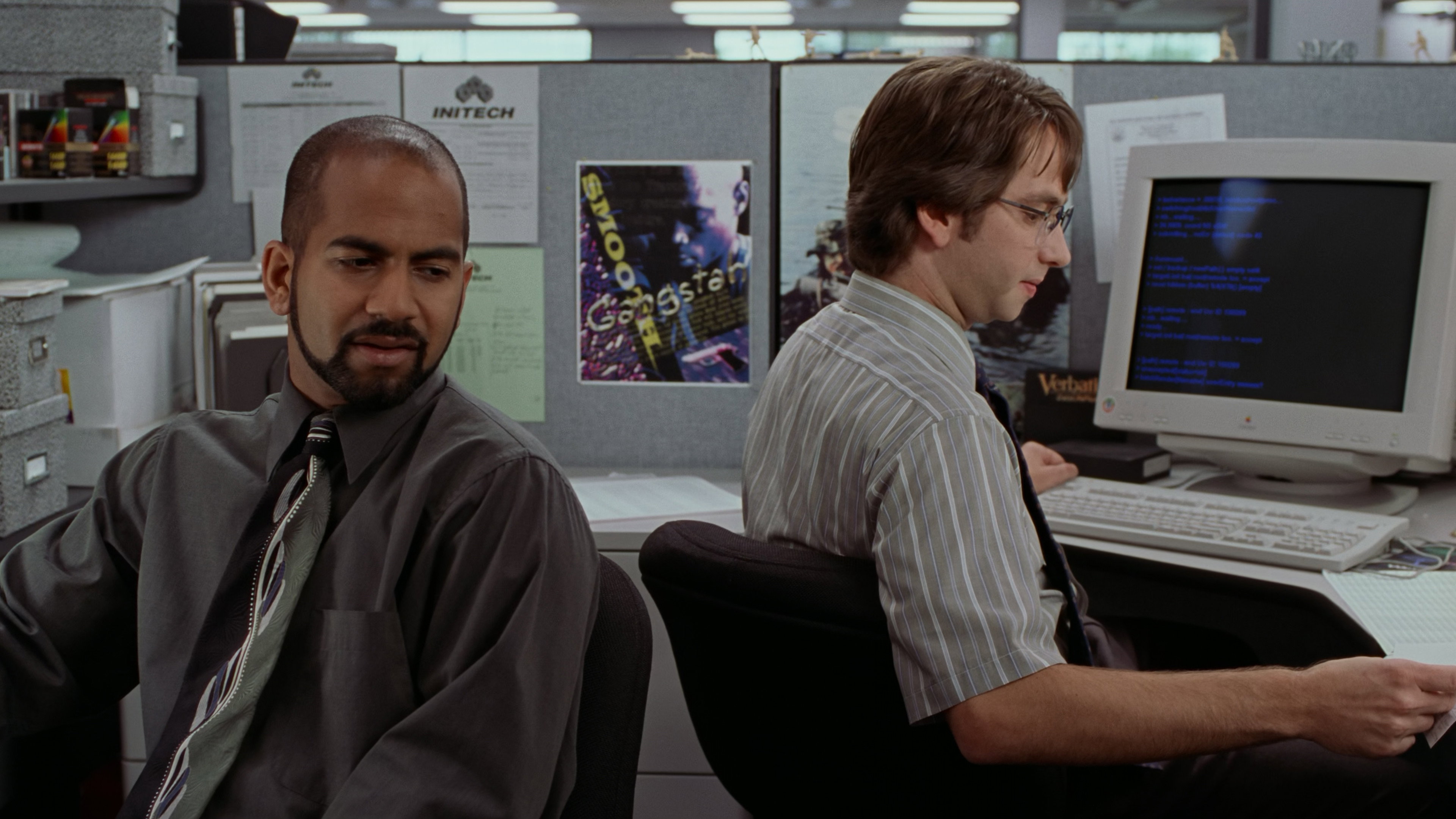
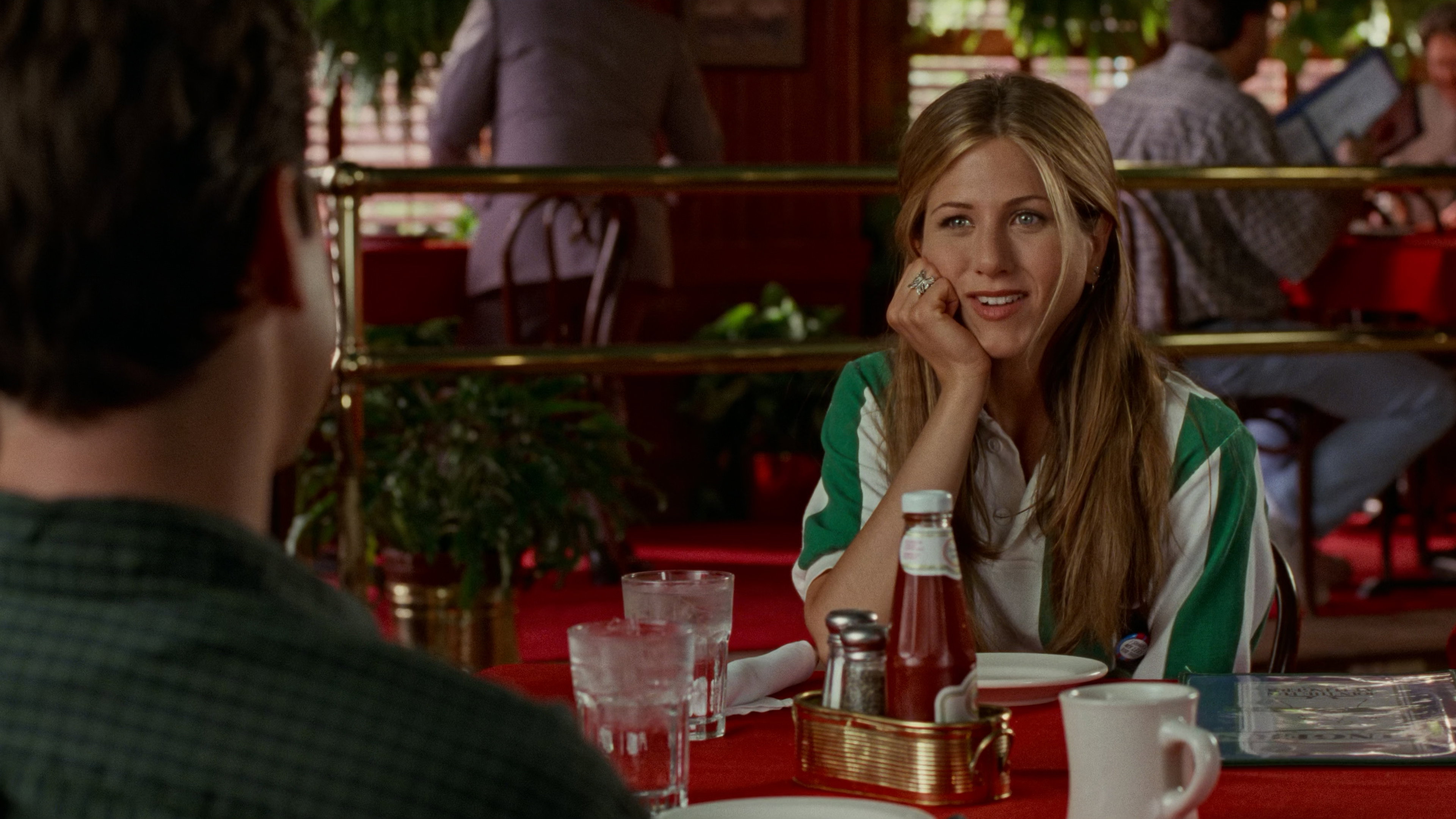
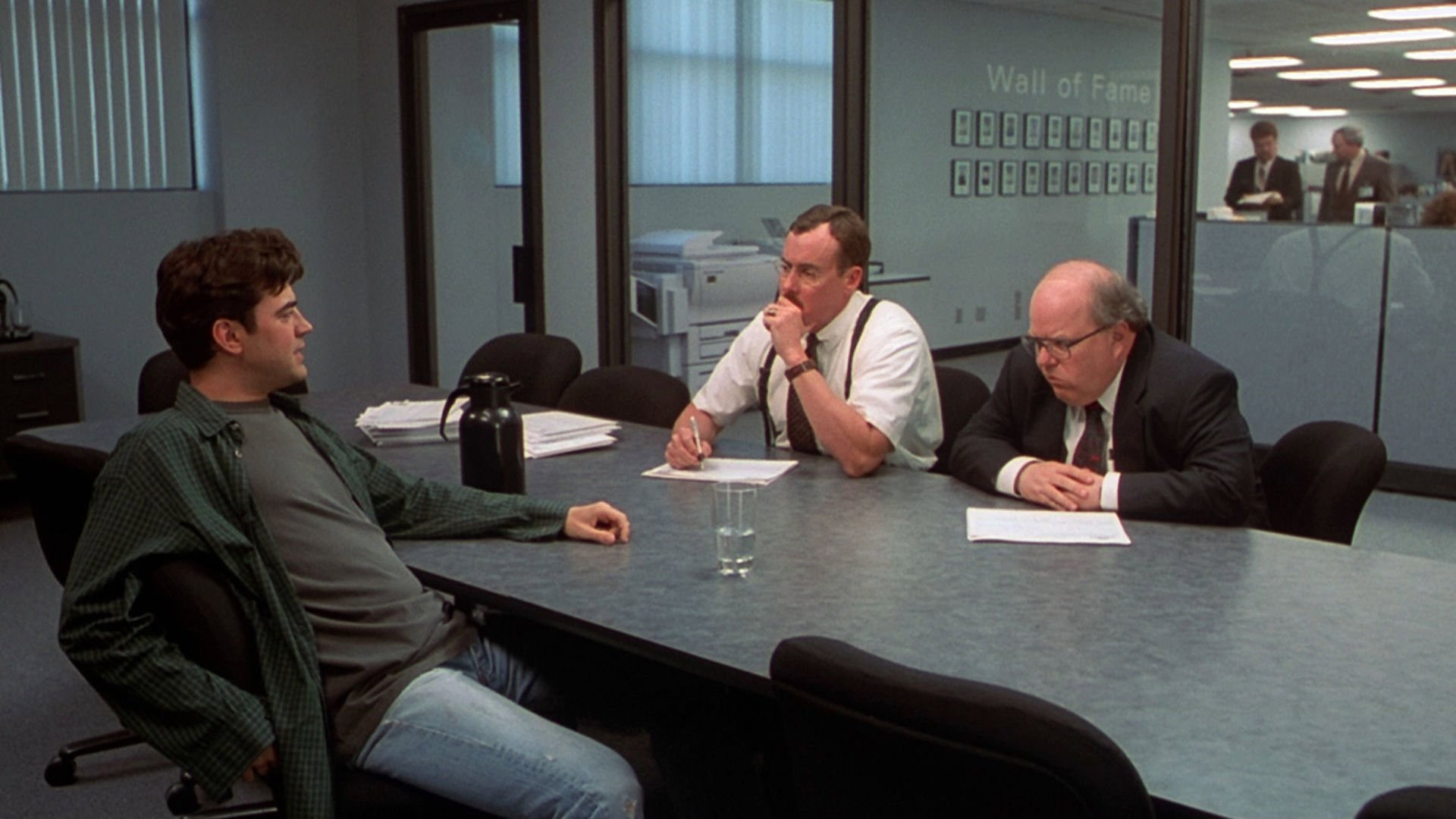
Peter (Ron Livingston) works among people whose frustrations extend beyond the job itself. His fellow employees include Michael Bolton (David Herman), Samir (Ajay Naidu) and Milton (Stephen Root), with Bill Lumbergh (Gary Cole) representing management. Demands for paperwork recur, office relationships become fraught and the employees chafe against corporate expectations. Mike Judge writes and directs a comedy about the pressures of white-collar work, with a romantic strand alongside its account of workplace politics. Jennifer Aniston plays Joanna, while Diedrich Bader appears as Lawrence.

Plays from YouTube when you press play; nothing loads from them until then.

Fi1m review

Mike Judge’s workplace comedy gets petty management painfully right, with Ron Livingston, Gary Cole and Stephen Root doing precise comic work. The story weakens towards the end, but the jokes are worth an evening.

Office Space is a funny, closely observed workplace comedy whose ordinary final third cannot quite undo the pleasure of its complaints. Mike Judge, who writes and directs, understands how repeated requests for something trivial can occupy more of a day than the work anyone was hired to do. The recurring demands for cover sheets give him exactly the right scale. At 90 minutes, the film has enough room to repeat the nuisance until we understand why the staff are angry.

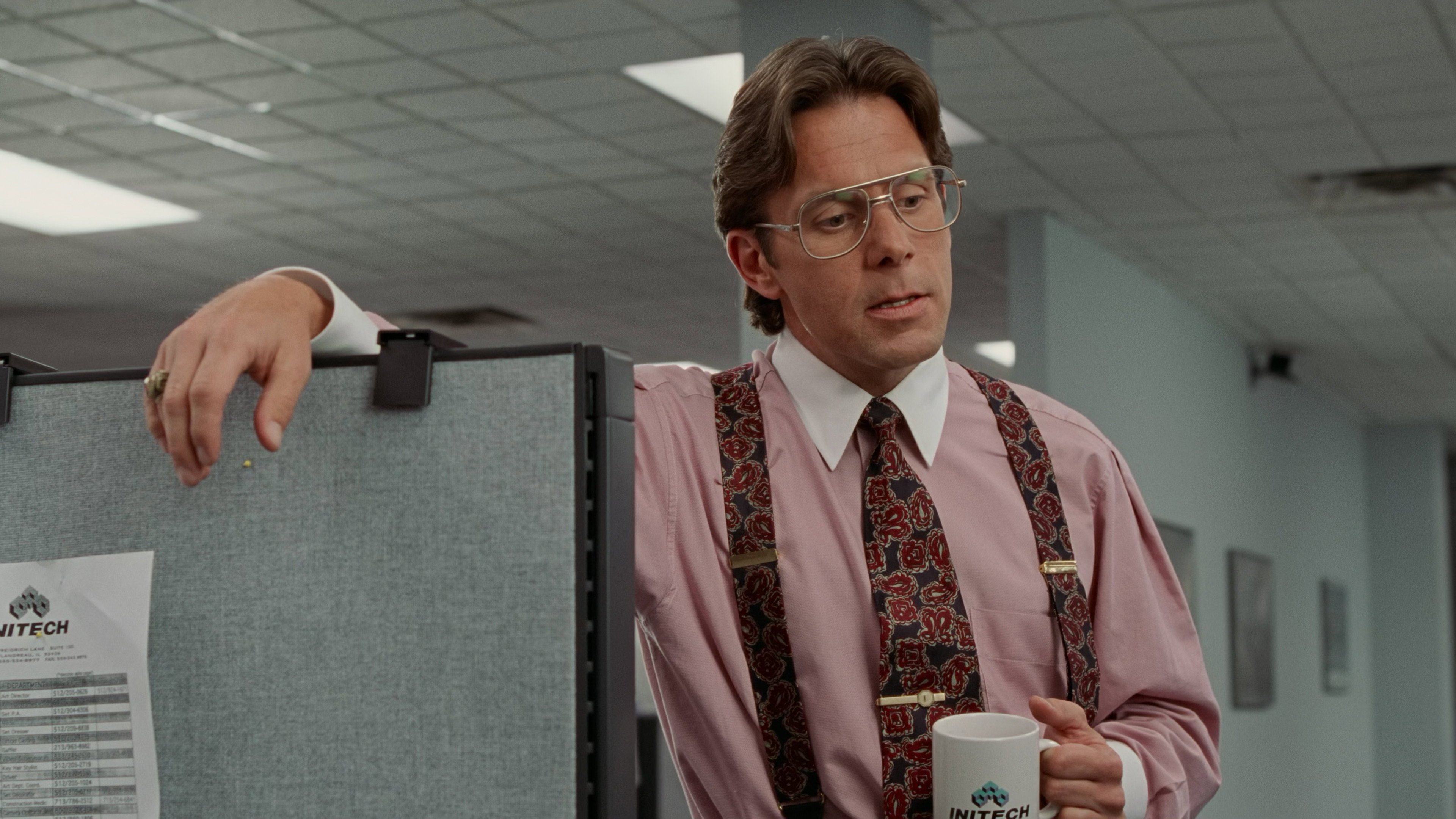
Gary Cole’s Bill Lumbergh is the central achievement, a middle-management boss whose passive aggression makes every request feel difficult to refuse. Cole makes managerial interference seem routine, which is what makes it so unpleasant. We laughed at the repeated demands for cover sheets, then felt irritated on the employees’ behalf. Judge knows that being asked again can be worse than being told off, particularly when the request implies that the fault must be ours.

Ron Livingston gives Peter enough weariness to make his frustration credible, and enough comic restraint to keep him agreeable. David Herman’s Michael Bolton and Ajay Naidu’s Samir help Judge establish an office in which frustration is shared without making everyone interchangeable. Stephen Root’s Milton is especially good, a performance whose oddness never quite conceals how badly this man fits the organisation around him. These are slight character sketches, but the actors make them distinct enough for the jokes to belong to particular people.

Edward T. McAvoy’s production design makes the cubicle office feel like somewhere people could spend years without becoming comfortable. Tim Suhrstedt’s cinematography is appropriately unshowy, keeping those surroundings ordinary enough for the employees’ frustration to remain the point of a scene. Making the workplace more grotesque would have weakened the recognition on which the comedy depends. The lack of visual excitement is useful here, leaving us to notice how much fuss is being made about so little.

David Rennie’s editing is most effective in the recurring workplace irritations, where repetition has a comic purpose. A brisker rhythm might have delivered the information and lost the annoyance, which is half the joke. John Frizzell’s score makes less of an impression than the rap soundtrack, whose force suits the employees’ frustration. The contrast between that music and the office’s petty demands is funny without needing an extra gag.

The final third is the weakness, because Judge’s plotting grows more conventional just when his observation has earned our confidence. The film becomes less interesting when workplace details stop supplying the comedy, and the romantic strand is not as sharp as the office satire. Workplace comedies need recognisable frustrations, and Judge is much surer of those than he is of how to develop a story from them.

The consensus is much less favourable than we are, and its complaints about the flimsy plot have some force. We disagree with the dismissal of the jokes: the cover-sheet routine earns its repetition because each request makes the same small indignity harder to tolerate. The actors also give these slight parts more life than that verdict allows. Worth an evening, provided a comedy about a miserable job does not sound too much like bringing work home.

Critical consensus AI synthesised

2 of 6
Positive
0
Mixed
1
Negative
1
Radio Times
★★★ · Jason Caro
60

The film is an unconventional satire of office politics and work relationships, one of the oddest studio comedies in years, with quirky humour from Mike Judge that comes as a surprise given his Beavis and Butt-head background. It is not for all tastes, however, and the final third disappoints by being more mundane than the preceding sections.

Read the full review →
Empire
1 January 2000 · Ian Nathan
25*

The critic finds the film shapeless with wishy-washy characters and ineffective jokes, singling out Stephen Root's performance as Milton for praise while overall deeming it a comedy of little merit.

Read the full review →
Los Angeles Times
19 February 1999 · Kevin Thomas

Thomas deems the film sharp, funny, and a winner that works as both white-collar romantic comedy and crisp satire of corporate realities. He singles out the chock-full cast of deftly defined characters for particular praise.

Read the full review →
RogerEbert.com
19 February 1999 · Roger Ebert

Ebert calls the film a comic cry of rage against the nightmare of modern office life and corporate standardization that crushes the spirit. He singles out the sharp satirical accuracy of everyday office absurdities, such as the repeated demands for cover sheets and the cathartic copier-bashing scene.

Read the full review →
The Hollywood Reporter
16 February 1999 · Michael Rechtshaffen

The critic calls it an extremely funny white-collar satire that should resonate with office workers everywhere. The characters and the rap soundtrack are singled out for praise, though the plot is noted as thin.

Read the full review →
The New York Times
19 February 1999 · Stephen Holden

Holden finds the satire moderately savvy in distilling the pettiness of office life through its portrait of a passive-aggressive middle-management boss. He praises the sneakily savage depiction of corporate hypocrisy and the employees' insurrection against it.

Read the full review →

Cast

Stills

If you liked this, try…

The Apartment poster

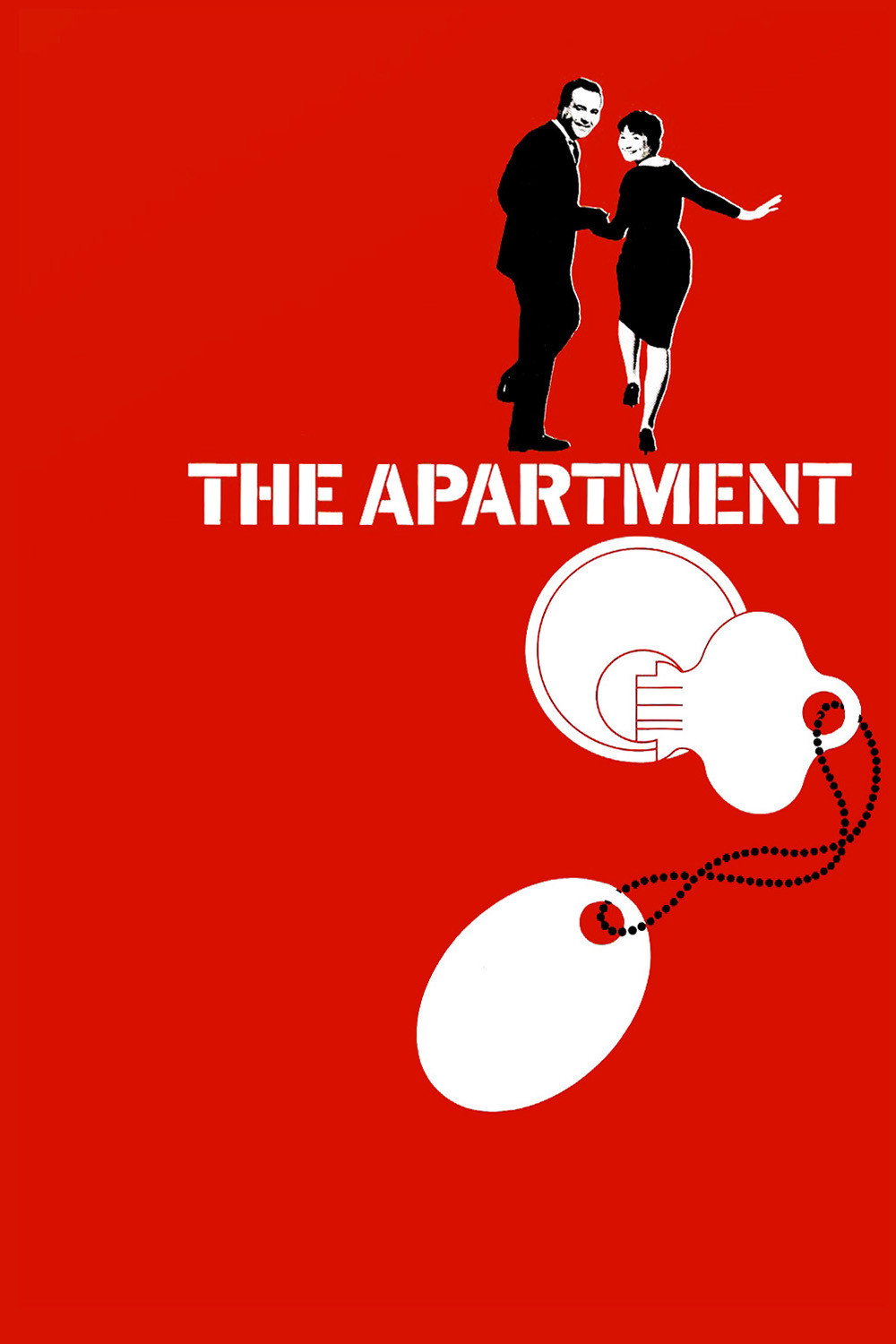
The Apartment

1960 · Office hierarchy gets a sharper romantic edge, with more at stake after hours.

Playtime poster

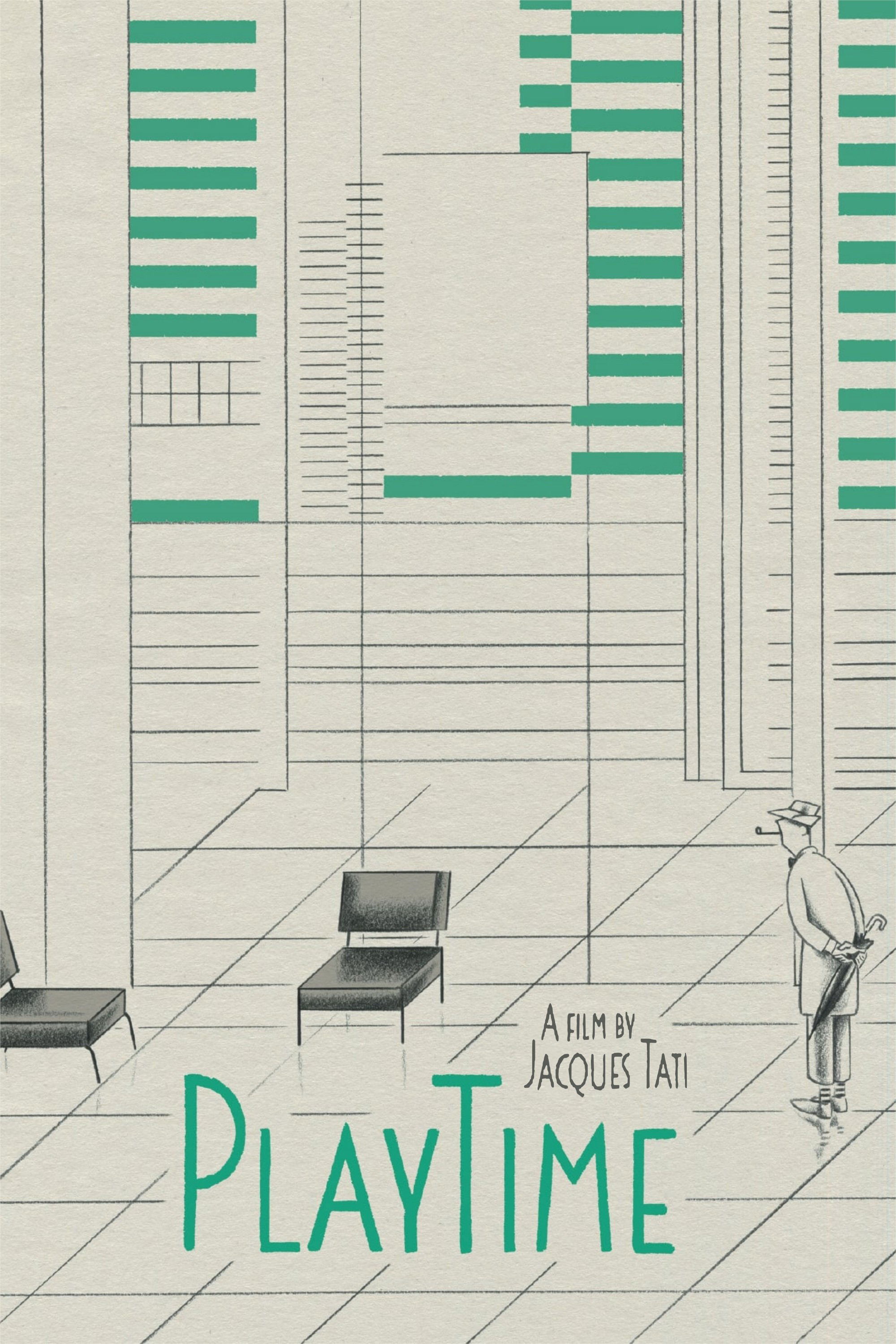
Playtime

1967 · Corporate order becomes quietly ridiculous through buildings, routines and people who cannot quite fit.

Tampopo poster

Tampopo

1985 · For another comedy that takes working people seriously without making them sensible.

Clockwatchers poster

Clockwatchers

1997 · Temporary workers endure the same office indignities, with a more anxious atmosphere.

Sorry to Bother You poster

Sorry to Bother You

2018 · Workplace compliance turns stranger and angrier, for those who want the satire louder.