Billy Wilder’s office romance is funny, sad and unusually patient with people who ought to know better. Jack Lemmon and Shirley MacLaine make its unhappiness matter, even when the second half takes longer than it needs.
The film is a generous, sharply funny romance about people making themselves unhappy at work, and we would recommend it well beyond the usual audience for romantic comedy. Billy Wilder takes the business of helping the boss conduct an affair seriously enough to ask what it does to the employee who helps. He still finds plenty to laugh at. The trouble comes from recognisable choices: wanting a promotion, wanting someone to like us, and putting off the moment when being agreeable becomes impossible.
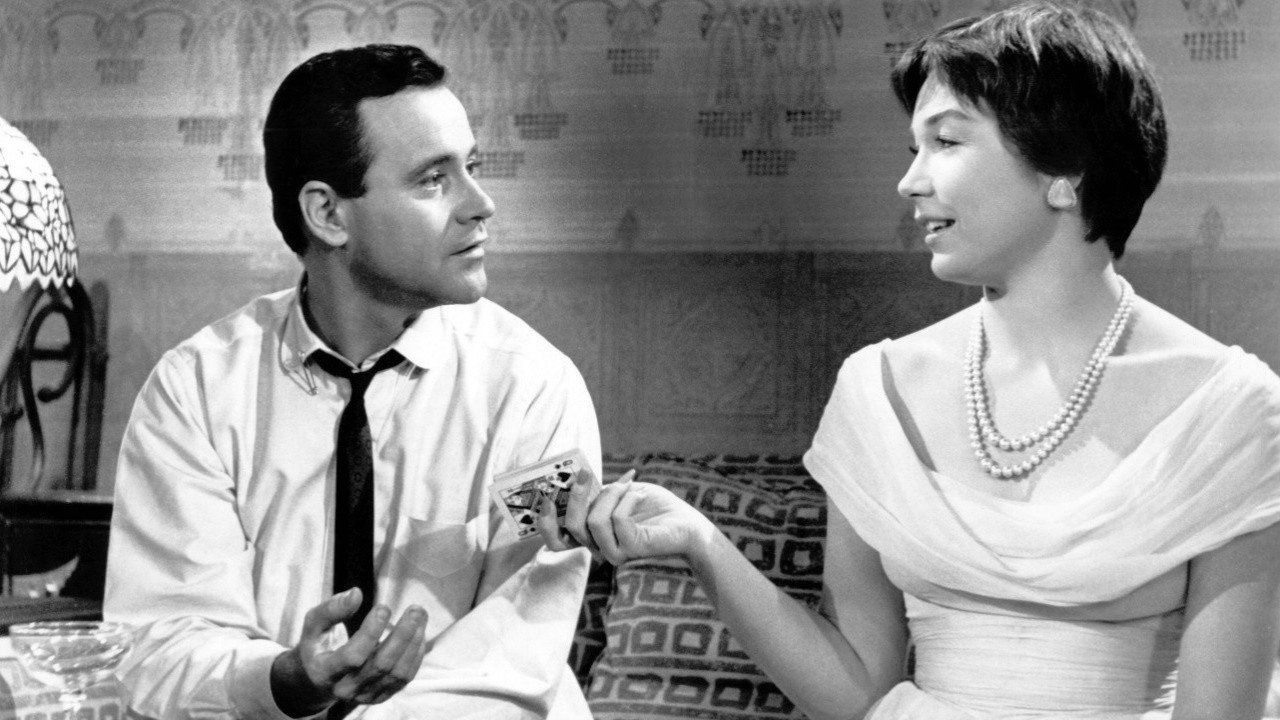
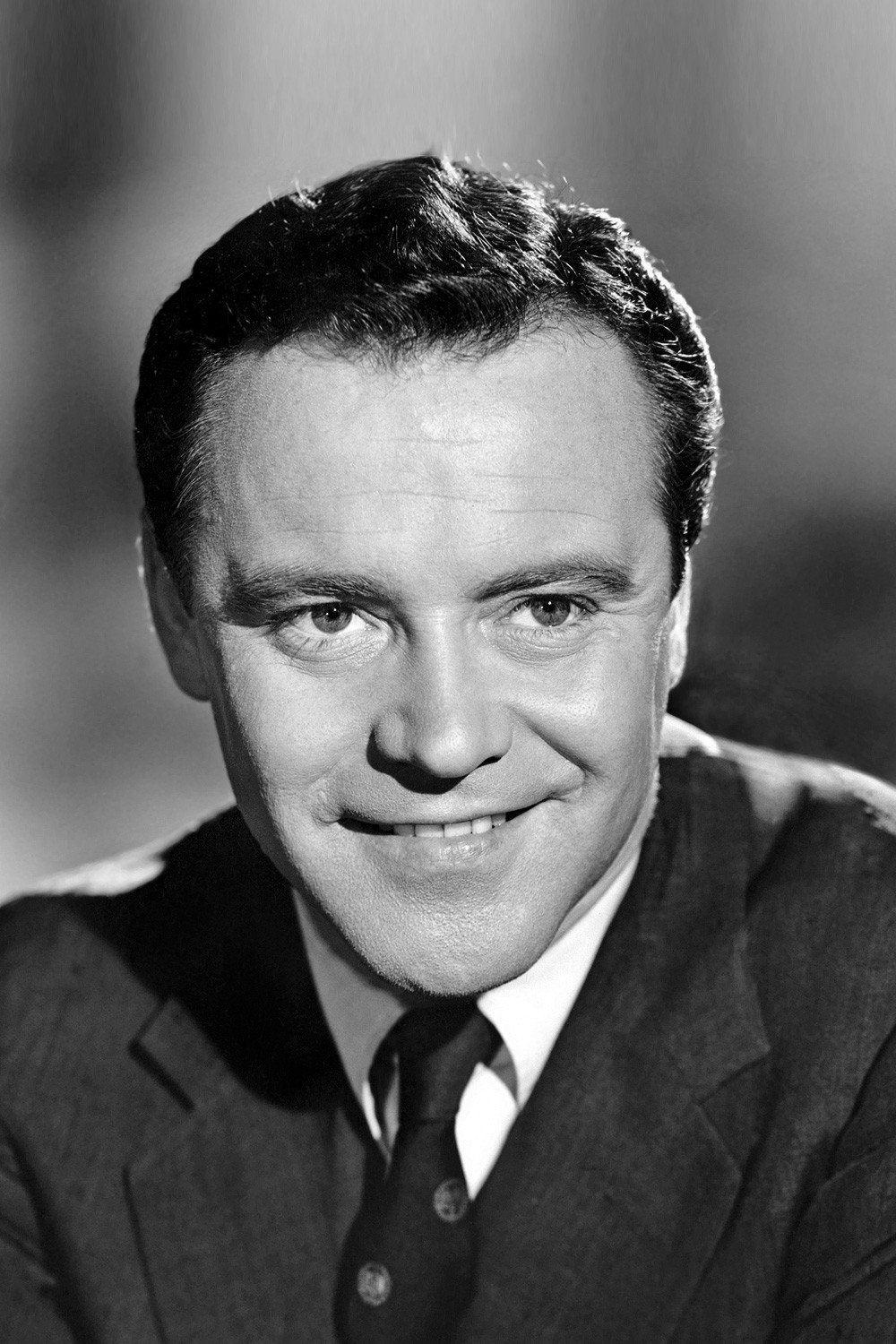
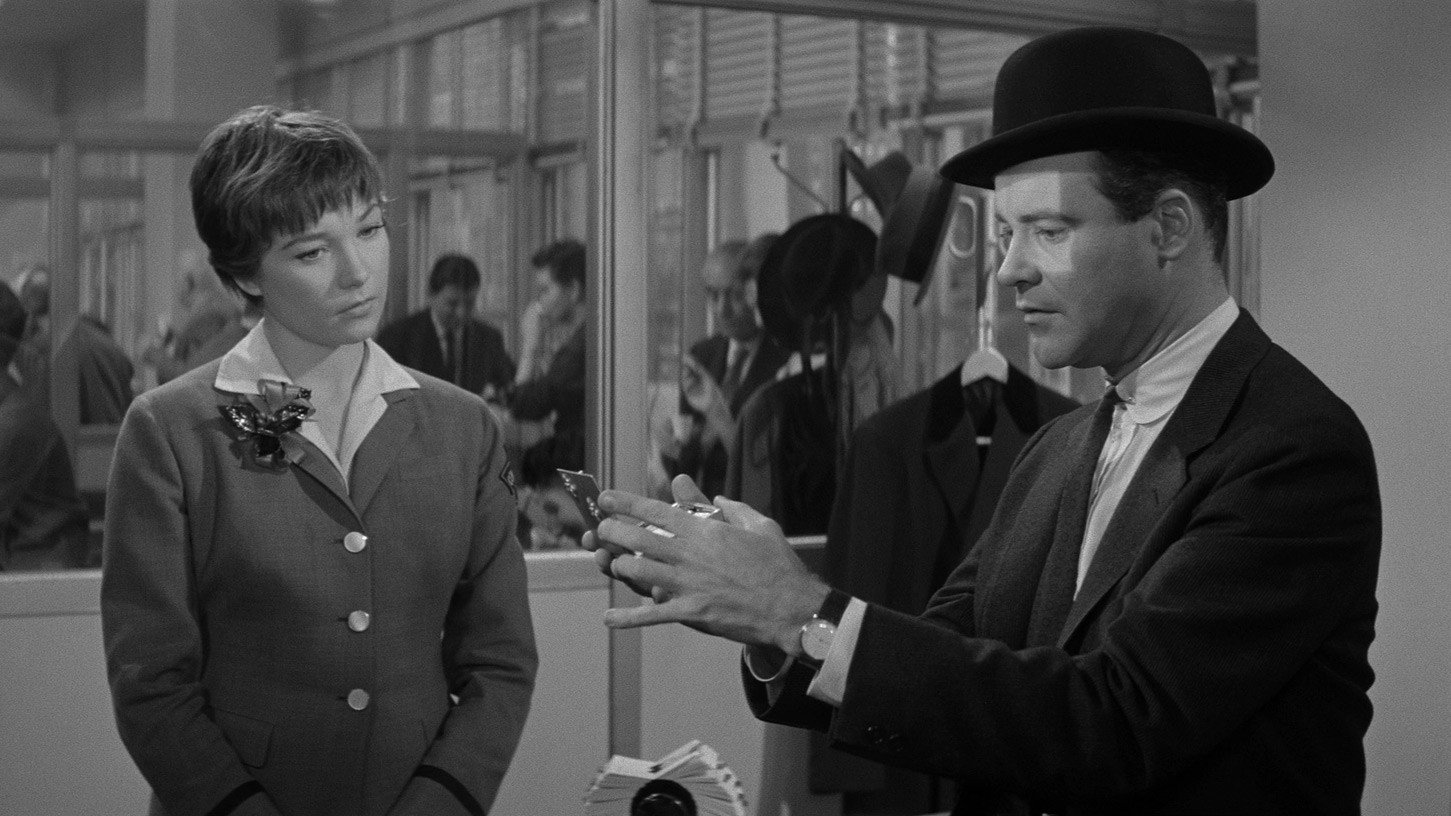
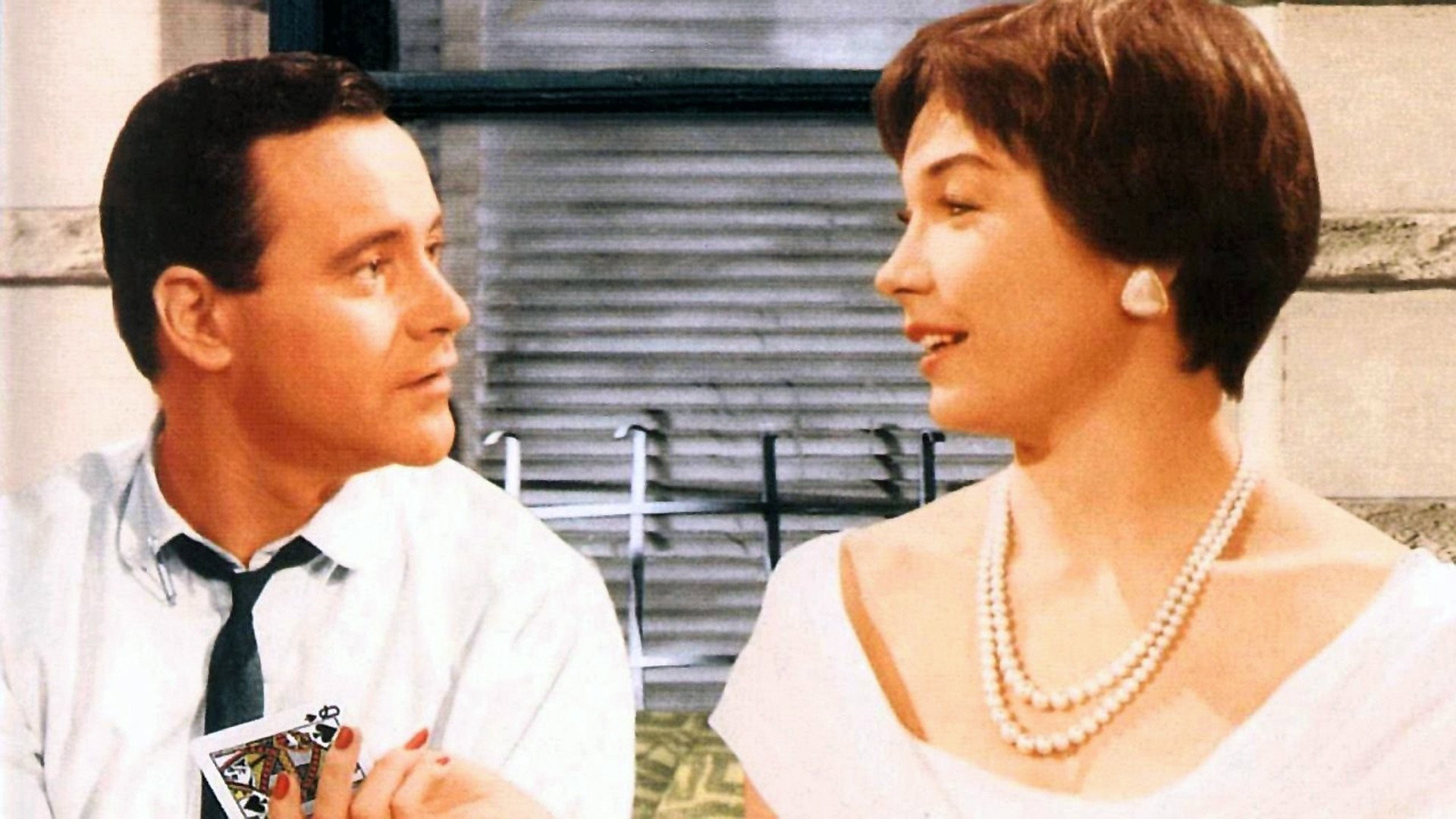
Jack Lemmon’s C.C. Baxter is easy company, which makes him a difficult man to judge fairly. His eagerness gives the comedy its speed, but Lemmon does not pretend that helping other men deceive people is harmless. We were more saddened by his willingness to oblige than we expected to be. Lemmon makes the search for approval look exhausting, even when Baxter is being funny. The prospect of promotion gives his behaviour a practical explanation without making it much easier to excuse.
Wilder and co-writer Diamond understand how office rank can survive outside working hours. The men above Baxter expect their wishes to be accommodated, and the humour comes from how little persuading they think this should require. The writing allows us to enjoy the inconvenience before asking us to consider the deceit, without stopping for a lecture about corporate morals. That restraint matters in a story that could easily keep repeating a joke about an obliging employee and demanding bosses.
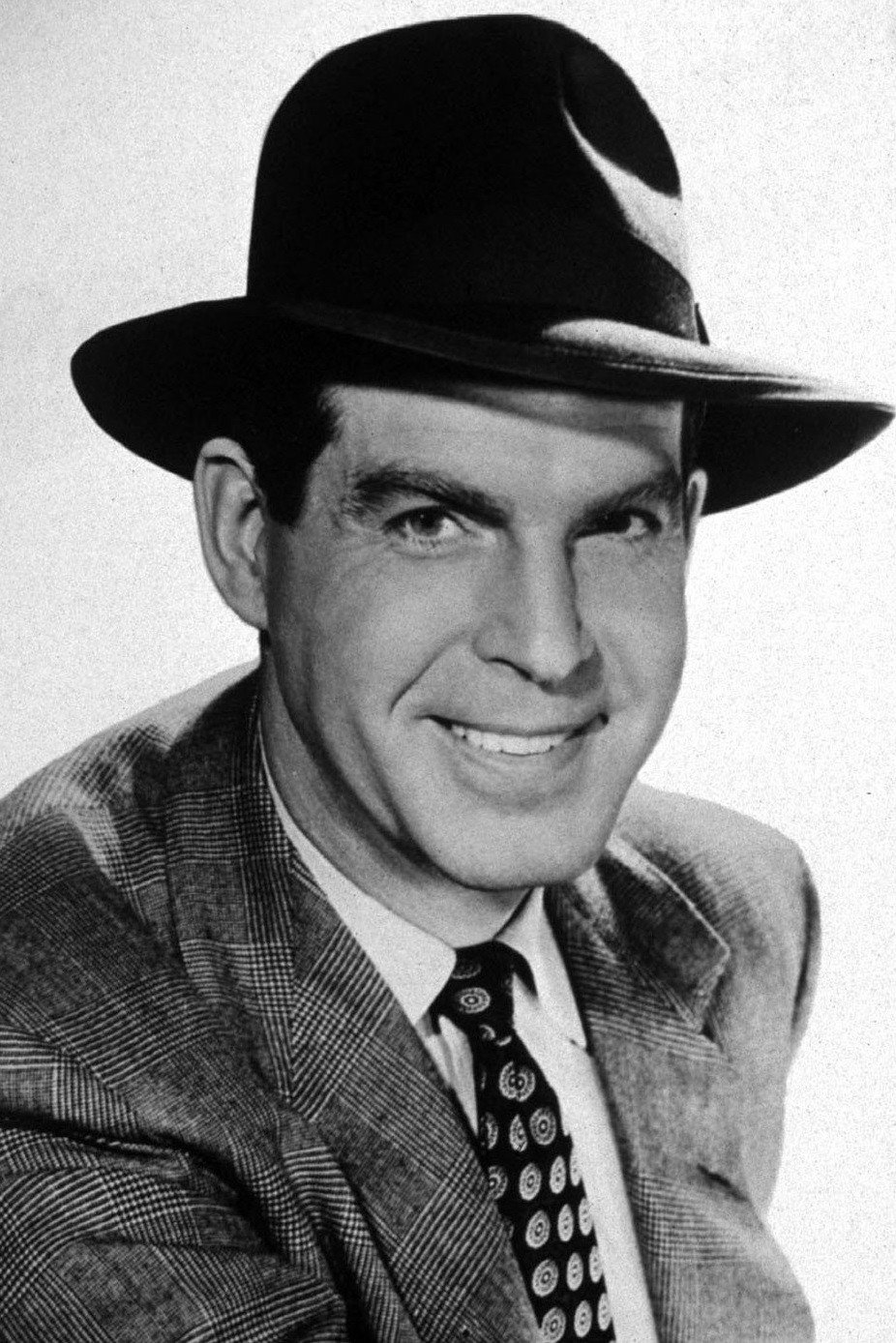
Shirley MacLaine gives Fran Kubelik enough intelligence to make her romantic self-deception painful. We can believe that she recognises more than she is prepared to act upon, and MacLaine never asks for our pity. Her scenes with Lemmon let awkwardness persist instead of tidying it into charm. Fred MacMurray’s Jeff D. Sheldrake provides a useful measure of how differently people can behave when they expect no consequences. MacMurray makes his unpleasantness ordinary, which is more persuasive than playing him as an exceptional monster.
Joseph LaShelle’s black-and-white photography gives the workplace a severity that helps the jokes: this looks like somewhere Baxter would worry about pleasing his superiors. The production design makes the office feel important enough to explain his anxiety about belonging there. Daniel Mandell’s editing handles the change from farce to sadness without making it feel like a new film has started. Adolph Deutsch’s music encourages a softer response, sometimes more insistently than the performances need. The actors are already giving us plenty of reasons to care.
There is some slack in the second half, when Wilder keeps explaining feelings the performances have already made clear. At 126 minutes, the film has time to repeat itself, and occasionally takes it. Nor does the careful attention given to Baxter and Fran extend equally to the people around them; some of the office comedy is content with a familiar collection of selfish men. These are limitations worth admitting, though none made us lose interest in the two people at its centre.
Romantic comedy often depends on keeping decent people apart for reasons that would not survive a short conversation. Here, their own choices give them enough to struggle with, and Wilder allows those choices to hurt. The pleasure is in spending time with people whose faults have been noticed and whose company remains welcome. Choose it for Lemmon and MacLaine, but allow for more sadness than the comic premise might suggest.