Maren Ade makes a funny, uncomfortable family comedy that takes the daughter’s working life seriously. Sandra Hüller and Peter Simonischek give its awkward encounters real feeling, though a few protracted exchanges test our patience.
Toni Erdmann asks how a father can get through to an adult daughter who has work to do and little appetite for his nonsense. Maren Ade makes a warm, disconcerting comedy from that simple problem, and we recommend it despite a few stretches that take patience beyond its useful limit. The father treats embarrassment as a way of reaching her. The daughter has good reason to wish he would choose another method, and the film gives her enough room to make that case.
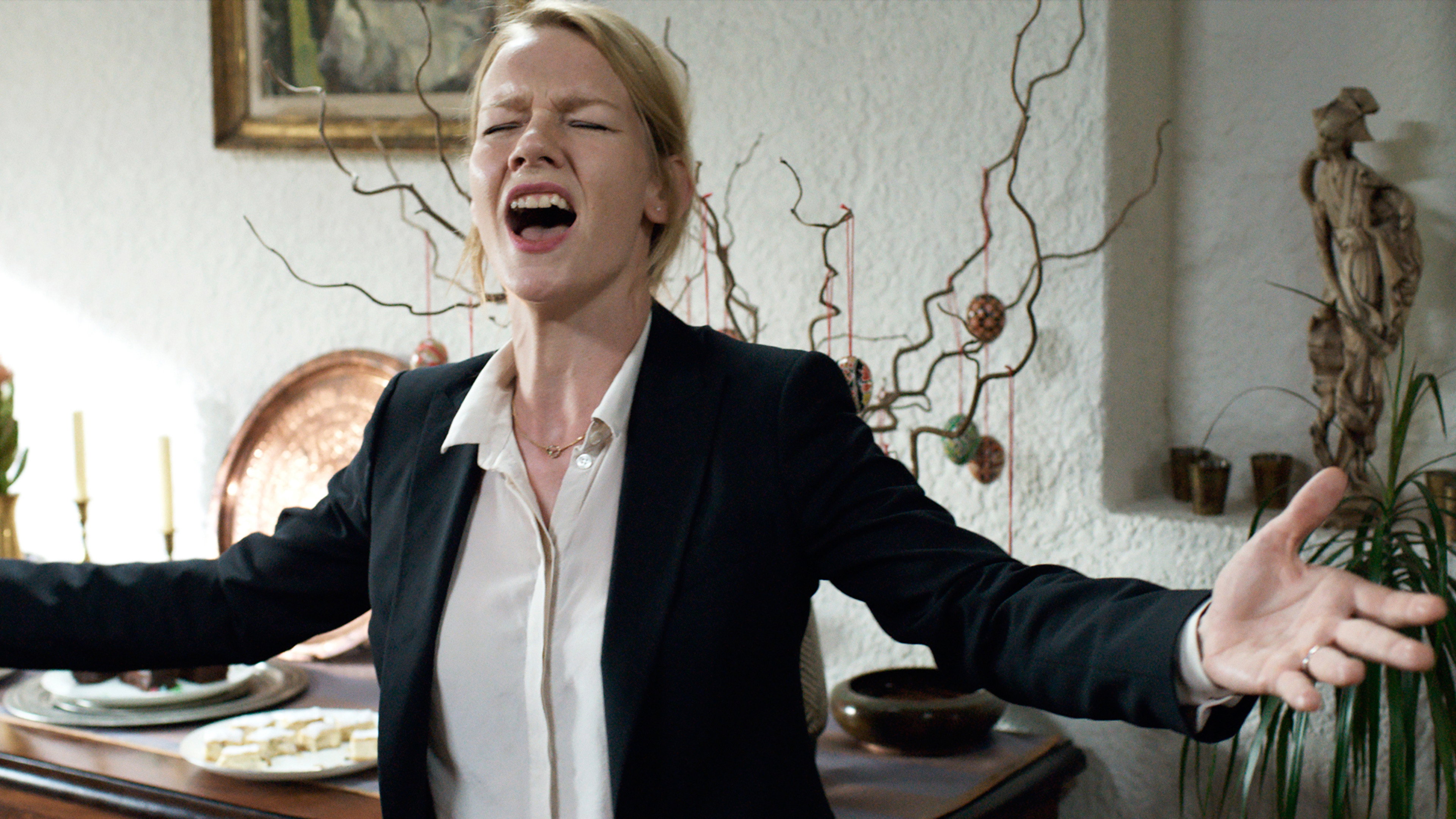
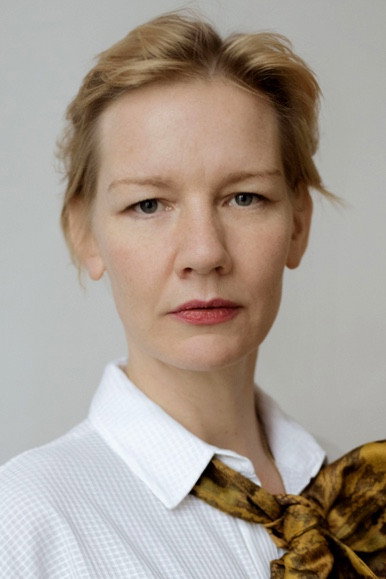
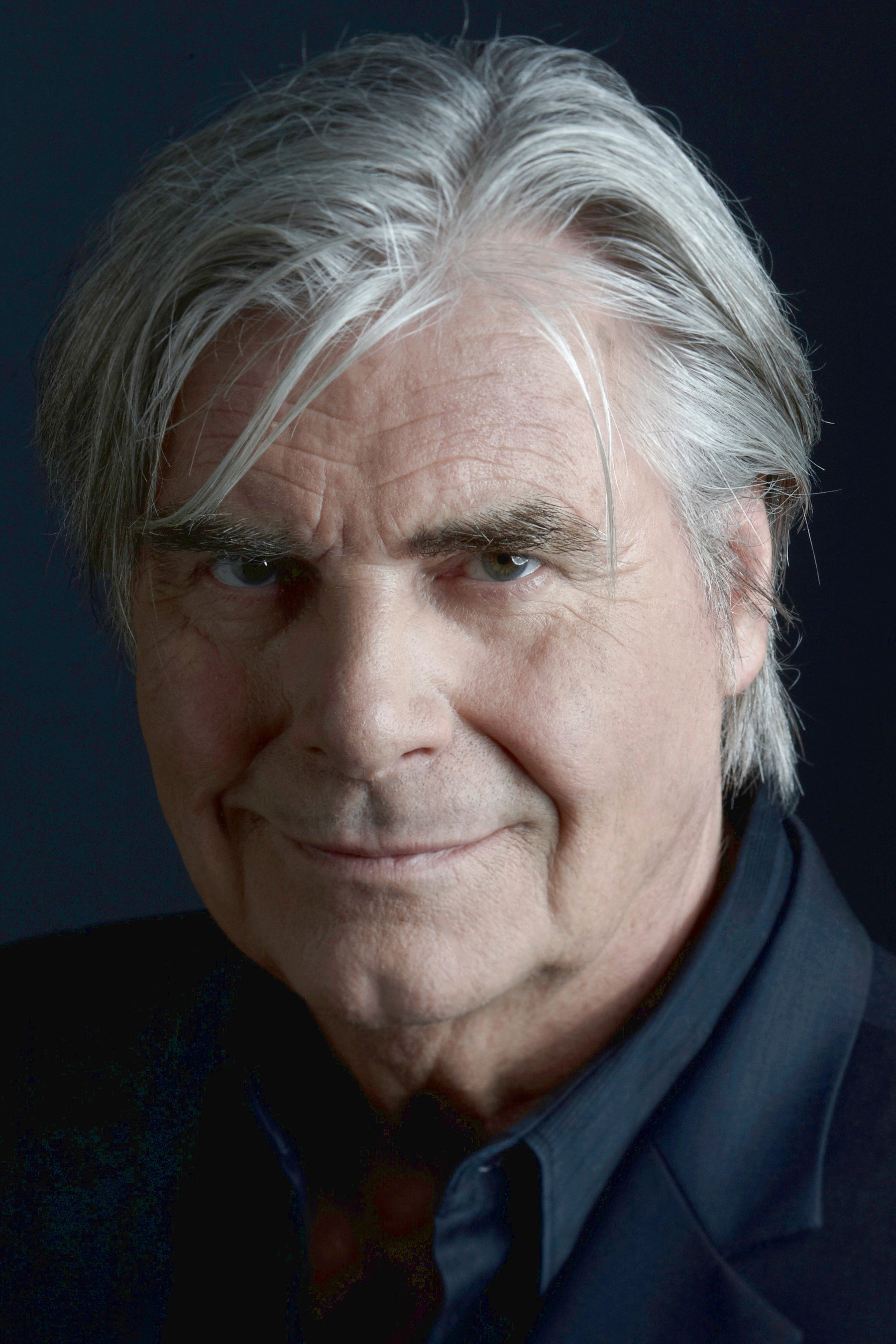
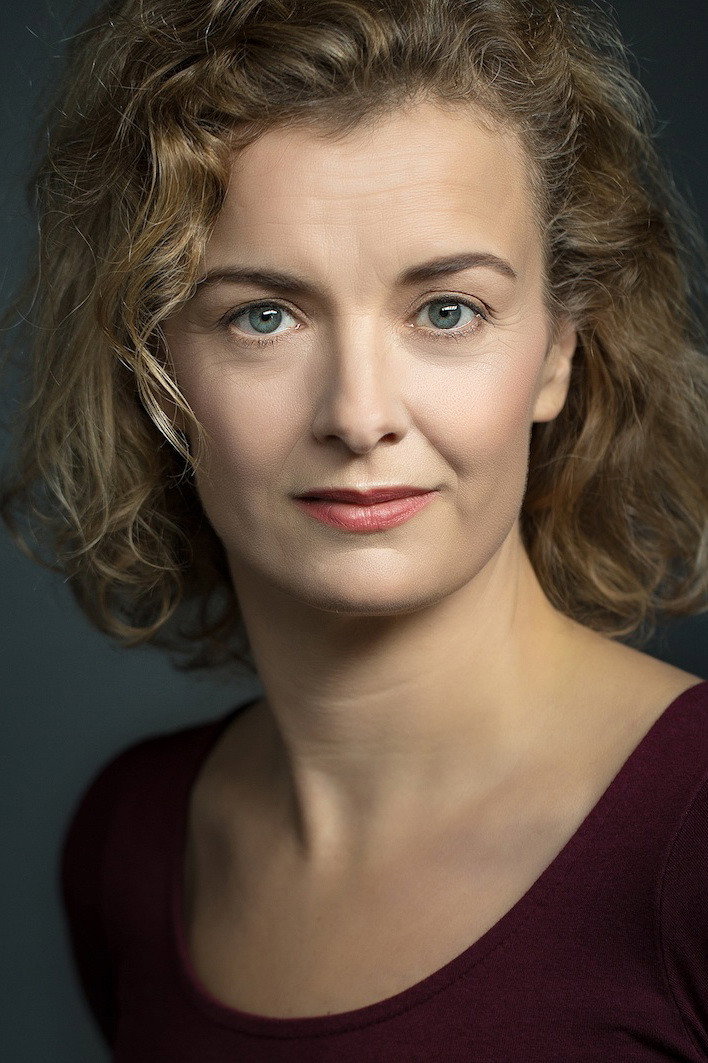
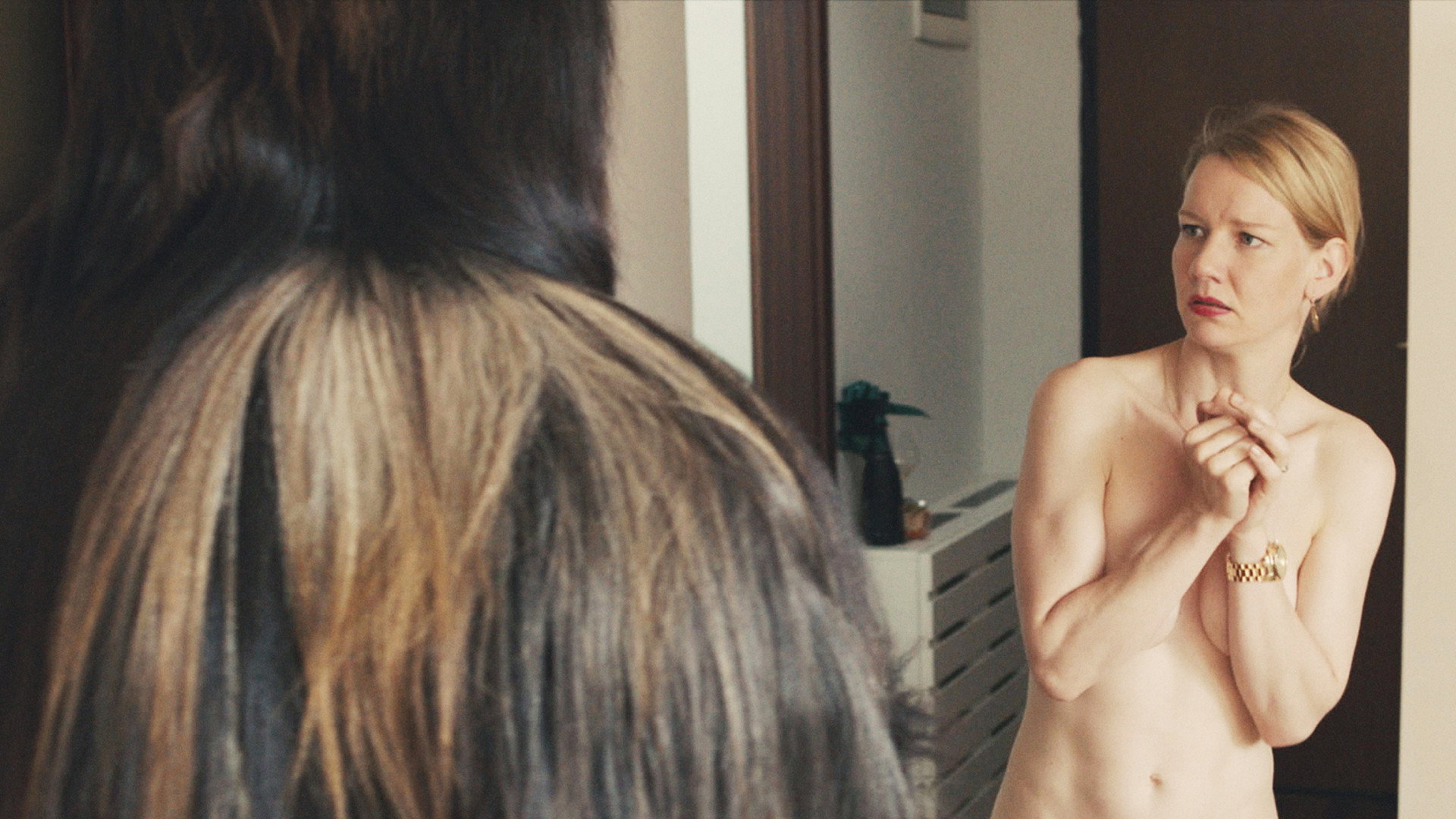
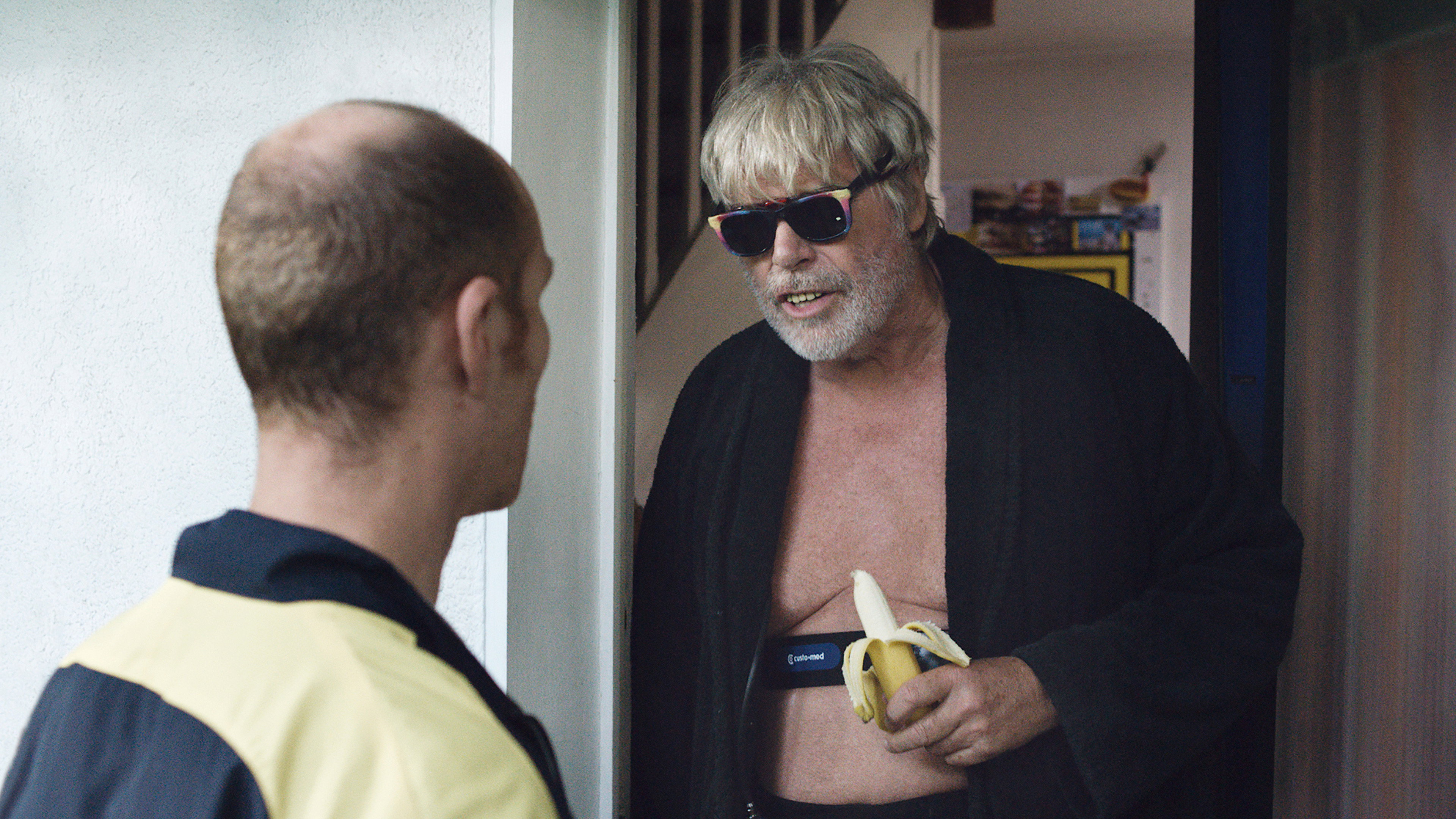
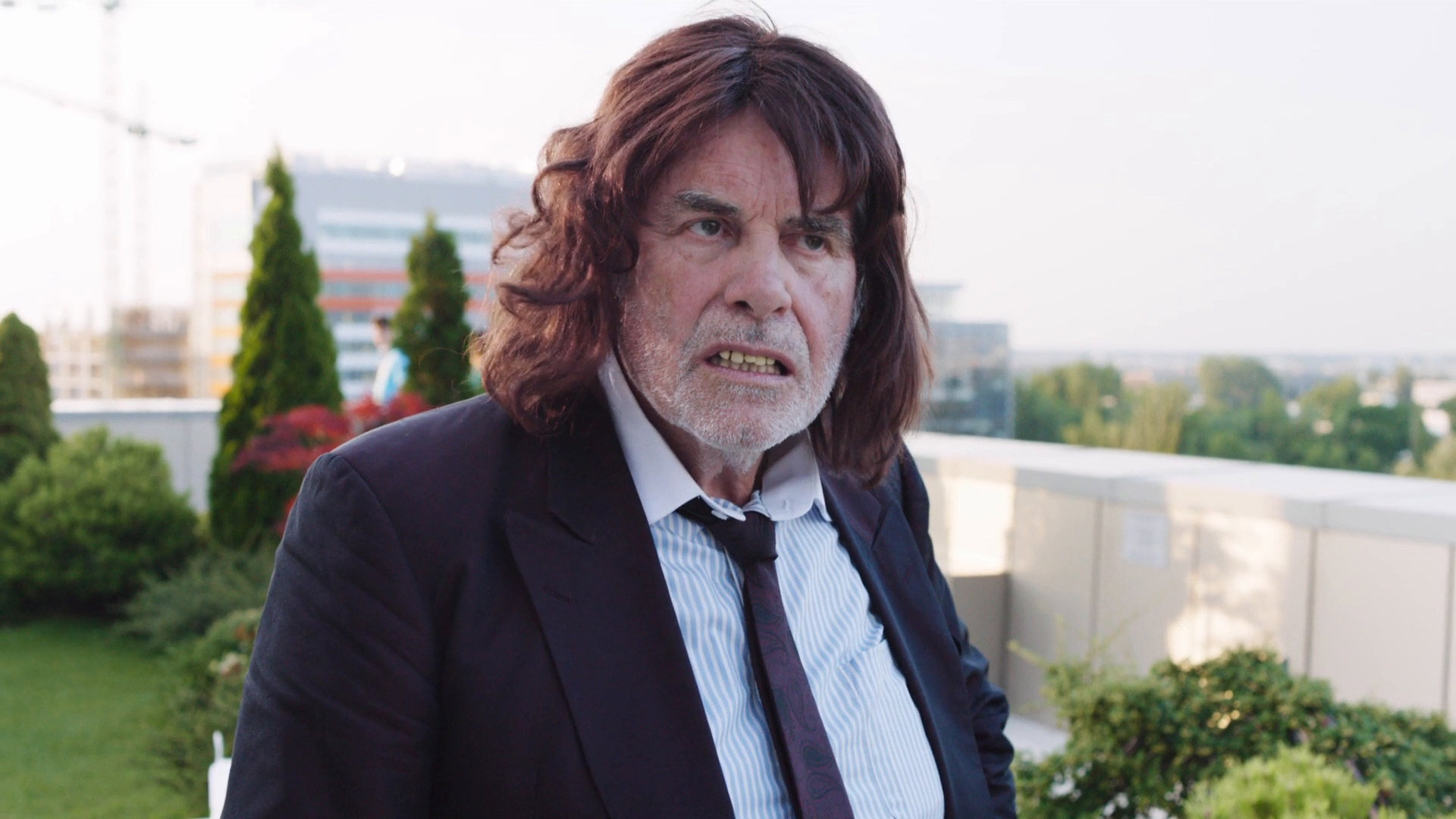
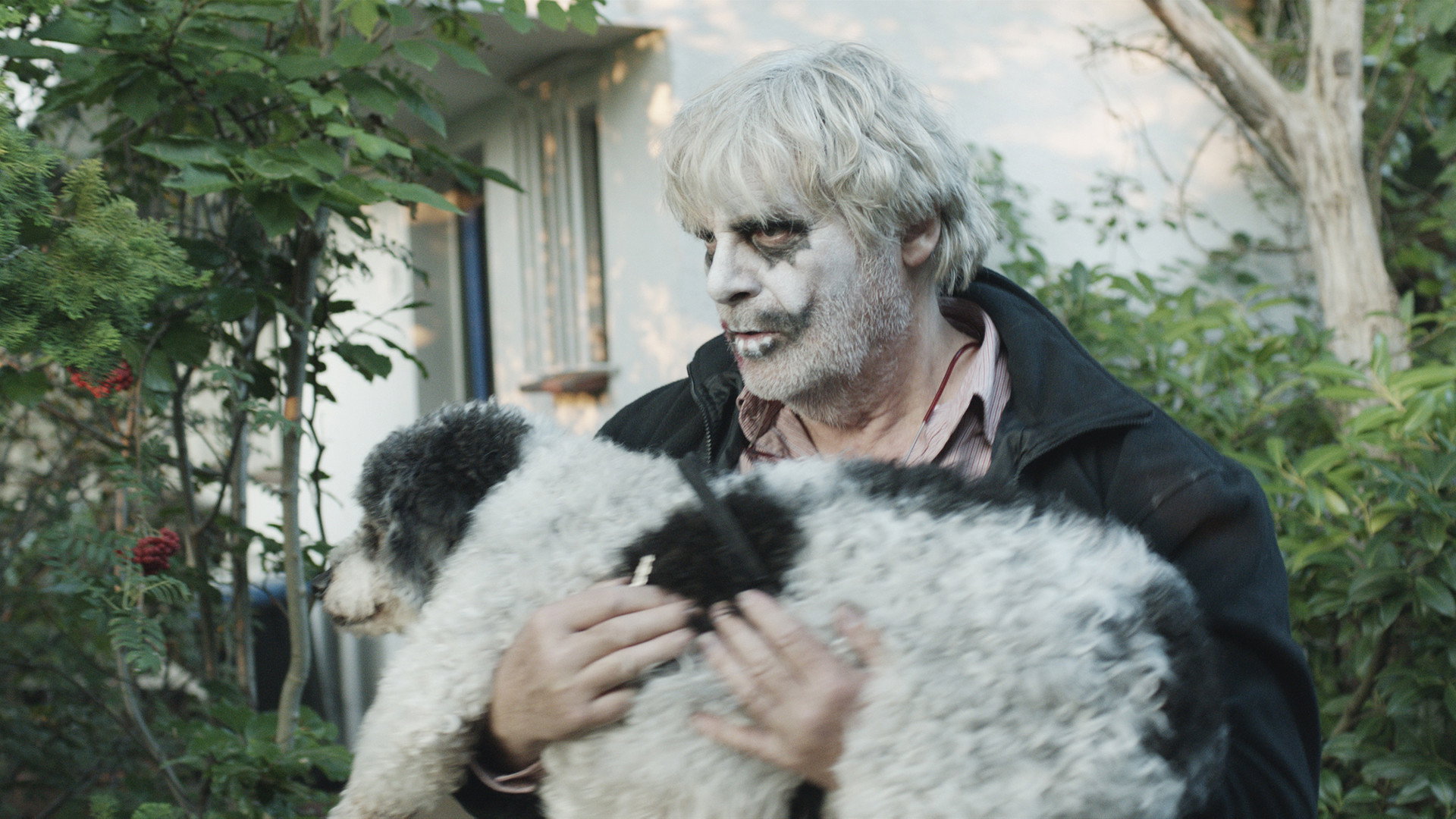
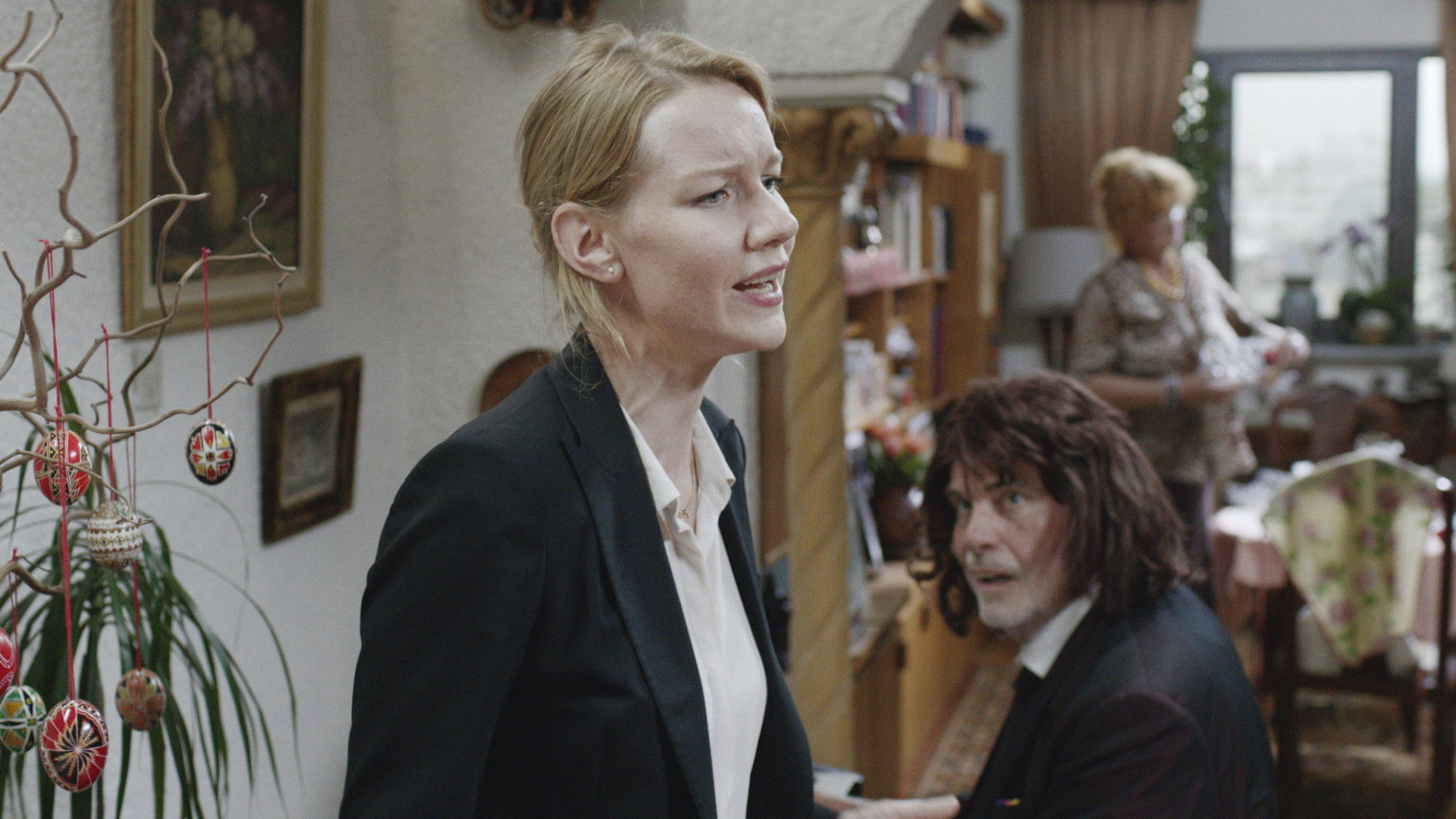
Ines, played by Sandra Hüller, is immersed in corporate life in Bucharest, where being good at the job does not free her from the expectations placed on a woman doing it. The performance makes her concentration interesting: even her impatience has more than one possible cause. Peter Simonischek plays Winfried, the prankster father trying to re-establish contact, with an awkward mixture of affection and entitlement. His concern is touching, but it does not give him permission to interfere wherever he pleases.
We laughed, then felt protective of Ines. It was her father’s intrusion into her professional life that did it: the embarrassment is funny, but she is the one who must carry on working around it. Sandra Hüller makes that inconvenience matter without asking us to dismiss the father’s need for contact. Both performances leave us wondering how much these two understand about each other, and how much they simply prefer not to hear.
Patrick Orth’s cinematography is usefully unshowy, keeping the actors’ discomfort more interesting than the image itself. Silke Fischer’s production design gives the corporate setting enough credibility that the pranks feel unwelcome there; a broadly comic workplace would make them too easy to accommodate. We can believe that Ines takes this environment seriously. That matters to the comedy, because her father cannot disrupt it if we have already dismissed it as ridiculous.
Heike Parplies’s editing allows an exchange to linger beyond the point at which a tidier comedy would have moved on, and often the extra wait makes the awkwardness funnier. It also lets irritation accumulate, so that a joke can begin to feel like a demand for attention. At 162 minutes, though, the film sometimes asks us to sit with a tension we have already understood. A few of the longer passages repeat the pressure without discovering much more about either character, and we became impatient with them.
Maren Ade’s screenplay is shrewdest when it refuses to assume that an unconventional parent must know more about living than a disciplined child. A familiar version of this story would send him in to cure her seriousness, with the job serving as an obvious villain. Here, the professional pressures have weight, and the father’s behaviour can be selfish even when his concern is real. The comedy gives both of them something to answer for without arranging a lecture about work and family.
The later comic set-pieces are worth discovering without a description, especially for the way the performances keep the embarrassment personal as it grows more extreme. We stayed interested because we wanted these two to find a way to talk that neither would regret. Give it an unhurried evening, and allow for the possibility that the father will irritate you too.