Lulu Wang’s family drama is funny, painful and worth making time for, especially for Awkwafina and Zhao Shuzhen. Its explanations can be too tidy, but the performances make the family’s deception difficult to dismiss.
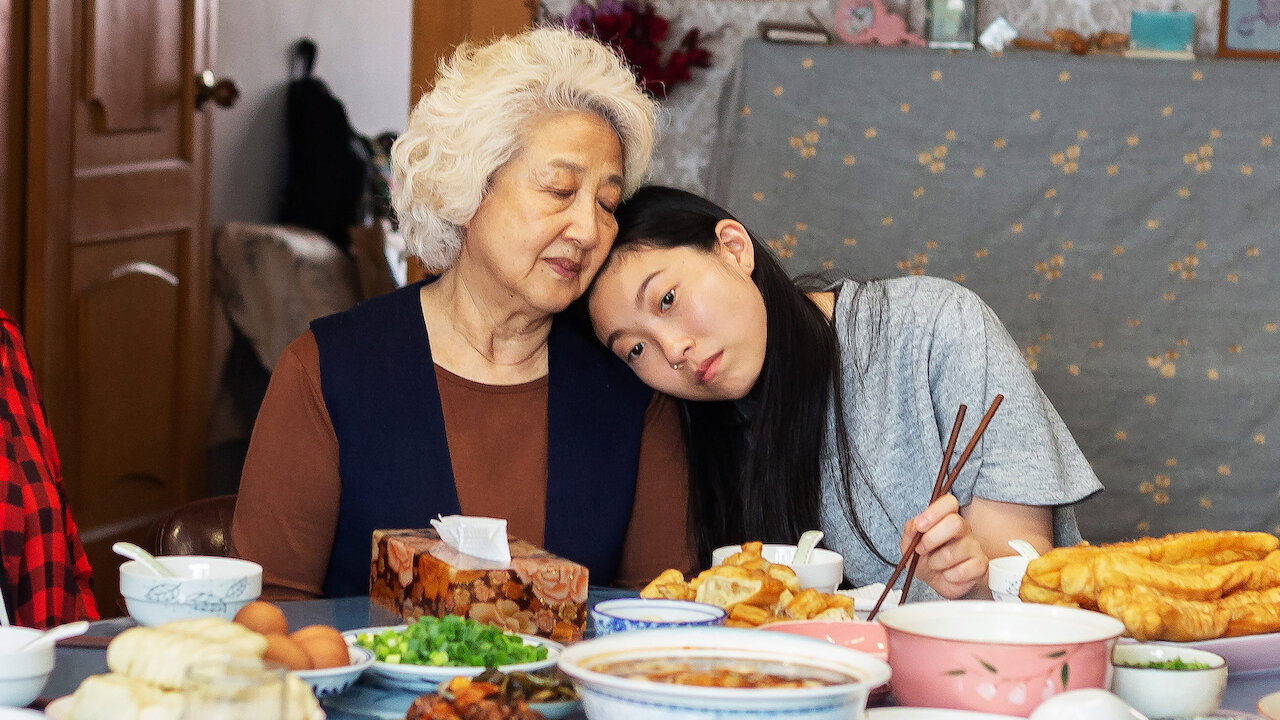
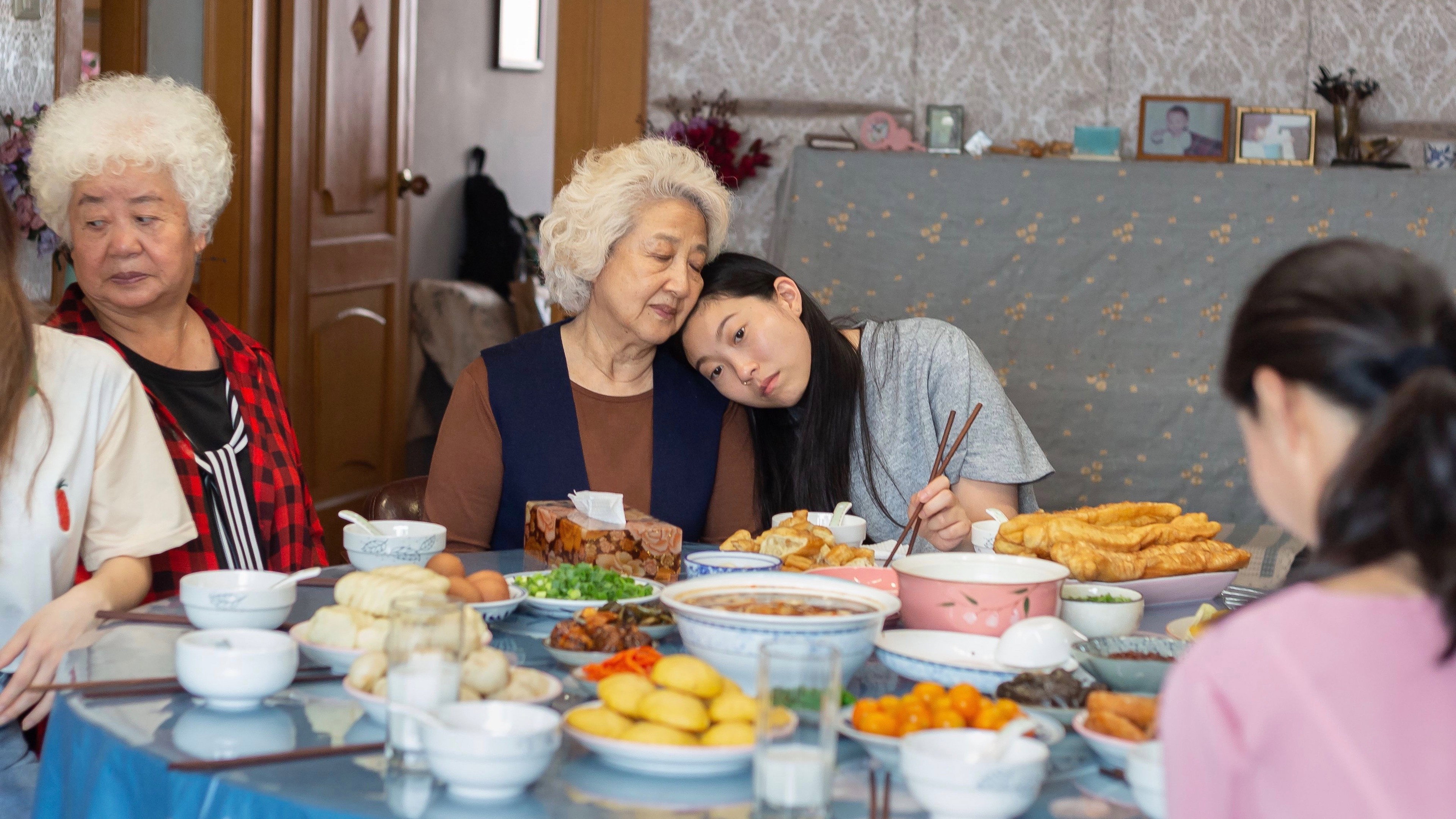
Lulu Wang’s The Farewell is funny and quietly upsetting, and we recommend it with a small reservation about how often it explains the family’s thinking. The writer and director gives a Chinese-American family a practical problem: how to gather around a grandmother with terminal cancer without telling her why everyone has come. A fake wedding provides the excuse. Billi’s objection is understandable, but so is the family’s wish to spare Nai Nai fear.
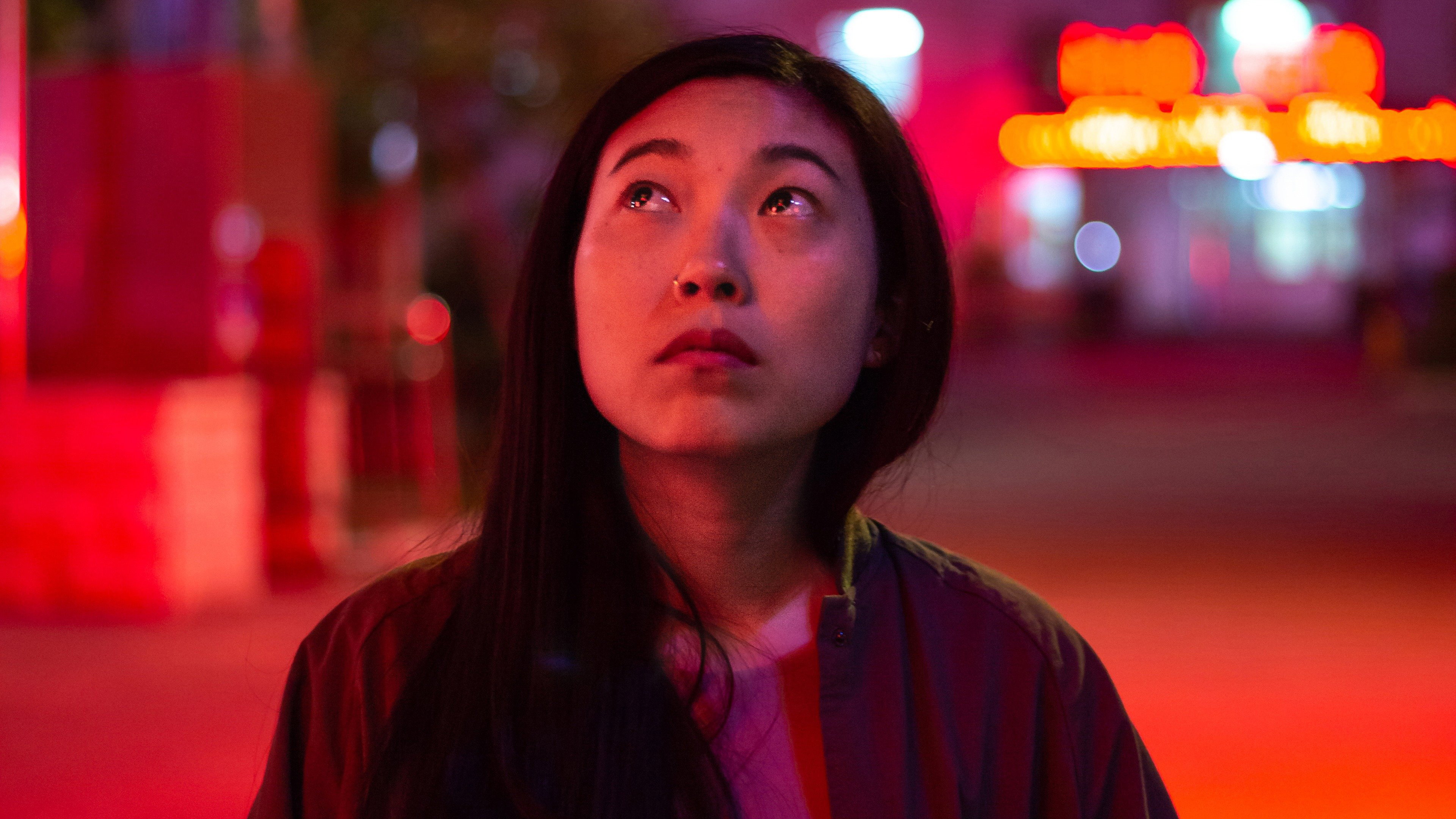
Awkwafina makes Billi’s unease the right size for a comedy in which nobody can quite say what they mean. Her subdued performance gives the family’s attempts at cheerfulness something uncomfortable to work against. We were moved by how little she seems able to join in, with Nai Nai still present and everyone already preparing to miss her. The sadness comes from having to conduct an ordinary conversation under those conditions, and Awkwafina does not force it.
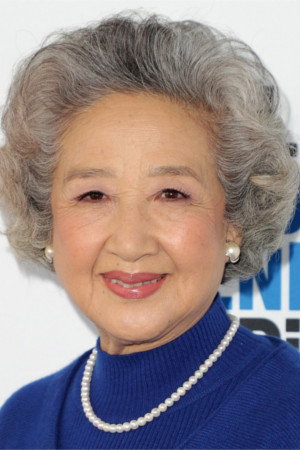
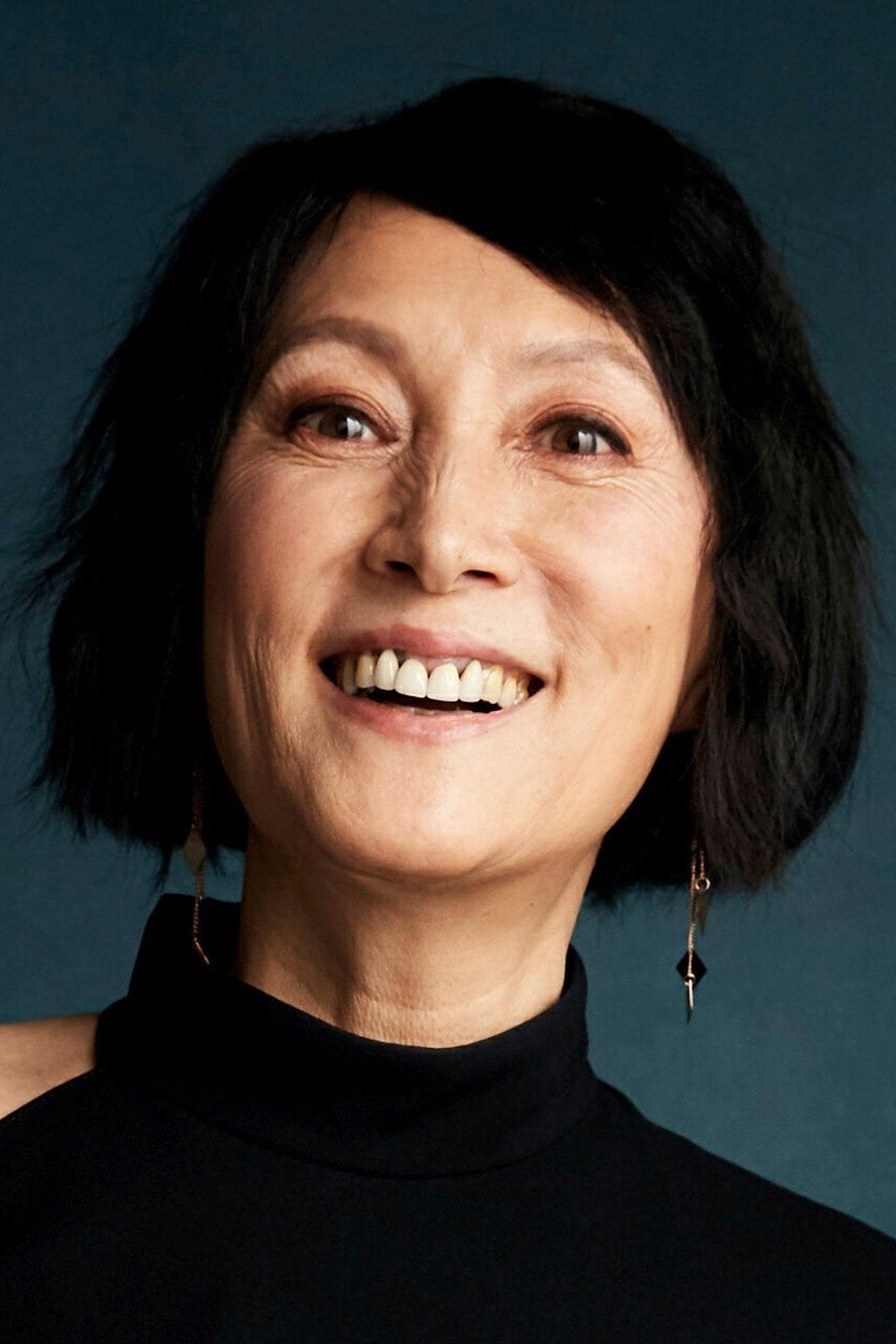
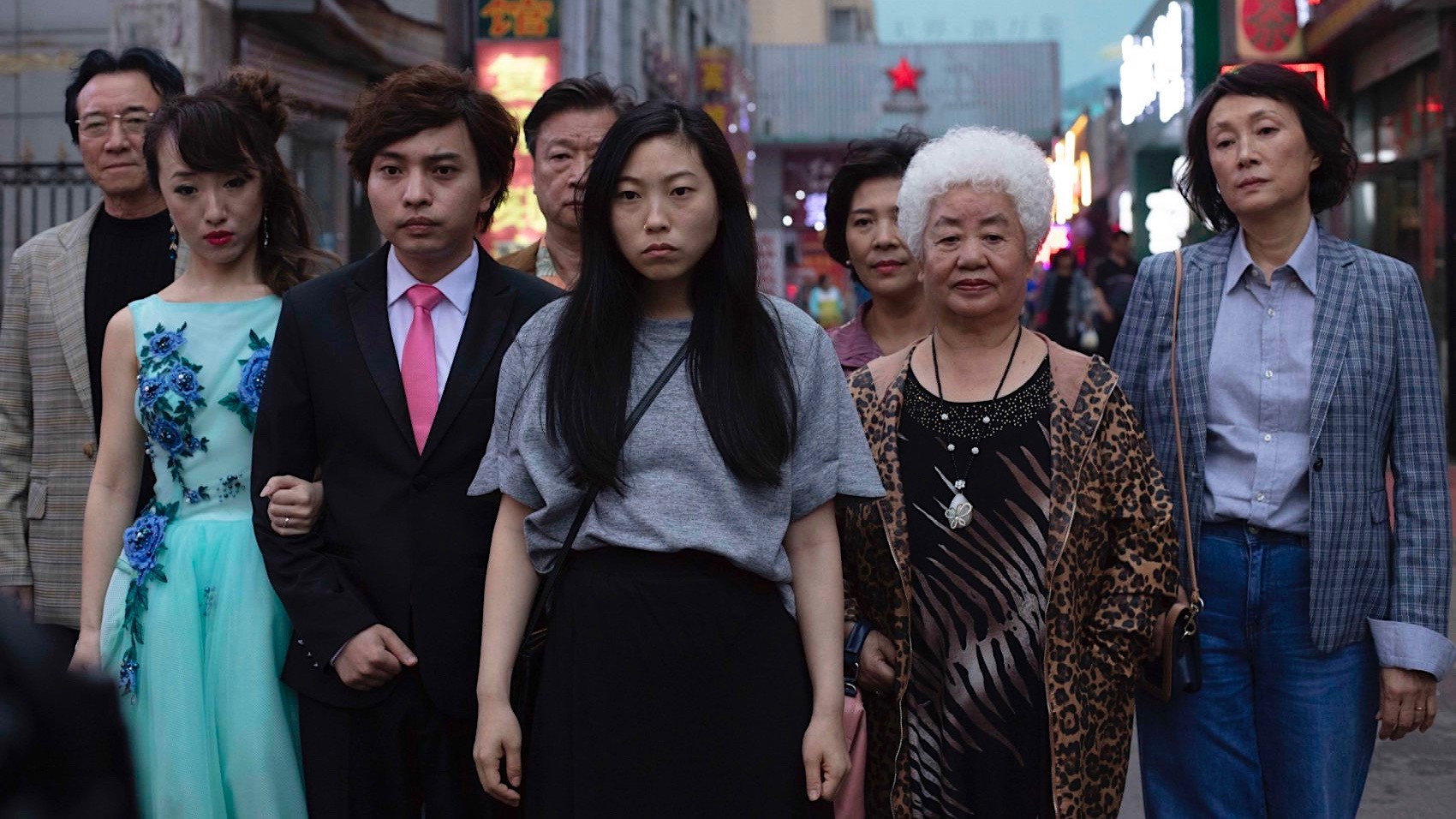
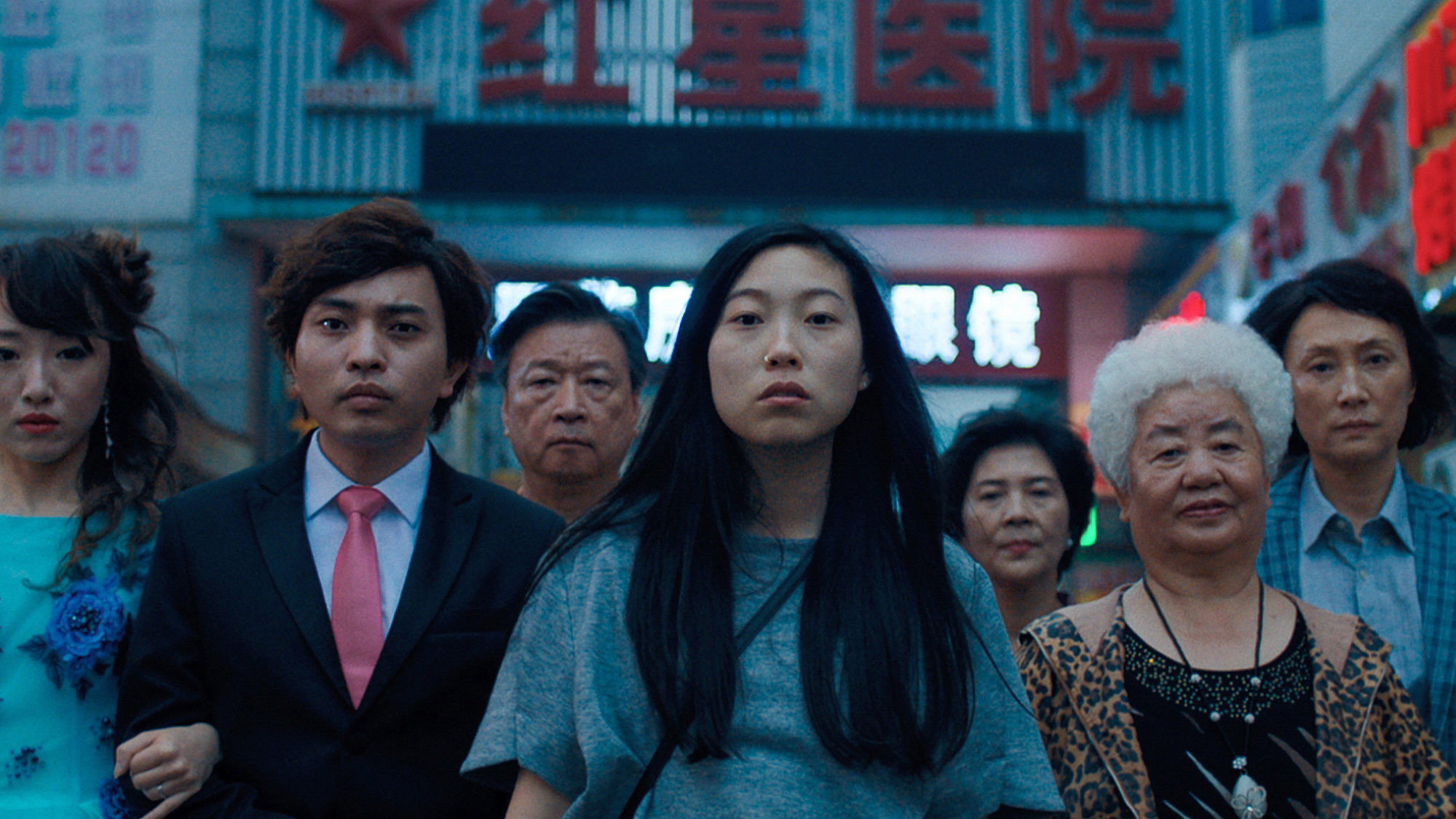
Zhao Shuzhen is crucial because Nai Nai has the warmth and force of someone whose family would organise itself around her. She makes it difficult to think of the grandmother only as a patient, which helps us understand the relatives’ decision to keep quiet. Hong Lu’s Little Nai Nai adds to the sense of relatives who have known each other’s habits for years. The ensemble makes the deception feel like an awkward family undertaking, carried out by people with different capacities for concealing their feelings.
In the conversation staged against wedding photographs, Anna Franquesa Solano keeps the cheerful background part of the scene. Lee Yong-ok’s production design earns its place in the comedy here: the displayed happiness sits awkwardly behind people struggling with what to say. It is a useful visual detail, doing some of the work that the script elsewhere gives to explanations. The photographs keep the wedding present even during a private exchange.
Michael Taylor and Matthew Friedman keep the changes between humour and distress unshowy, giving the performances room without making each hesitation feel momentous. At 100 minutes, the film has space for small exchanges, although a few repeat what we already understand. Alex Weston’s score is sympathetic, but its tenderness occasionally feels more definite than the mixed feelings on the actors’ faces. These are small lapses in a film that usually knows how much its cast can convey without assistance.
The reservation concerns the writing most of all. When the family explains its reasons for withholding the diagnosis, the distinction between Billi’s expectations and theirs can sound too neatly settled. We understand the need to make those differences clear, but a few of these exchanges tell us what the uneasy performances have already shown. The comedy is sharper when affection and exasperation coexist without anyone being required to explain what their culture believes.
There is a familiar version of this story that would spend its time dividing the relatives into cowards and truth-tellers. This film is more interested in why decent people agree to something that troubles them, and its affection never makes the choice look painless. That generosity is a good reason to watch it with family. Allow for a little over-explanation, and leave time to disagree afterwards.