Film review

The Wedding Banquet

1993 · Directed by Ang Lee · 1h 48m · MPA R

In a sentenceA marriage of convenience turns out to require an unreasonable amount of catering

ComedyDramaRomance

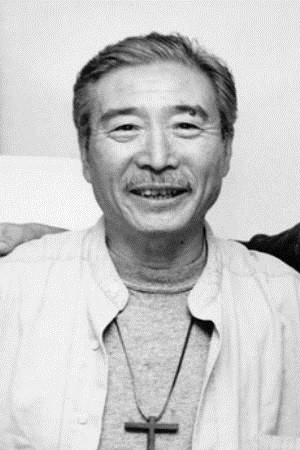
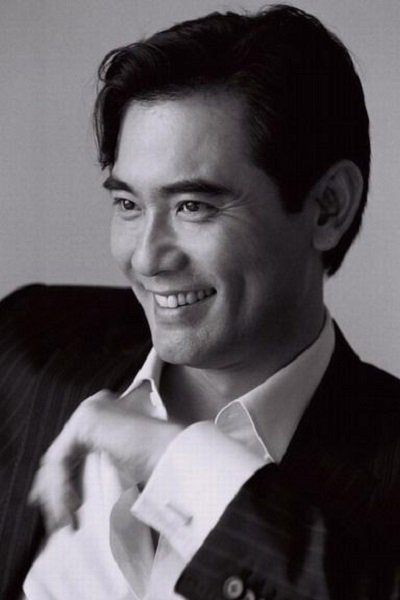
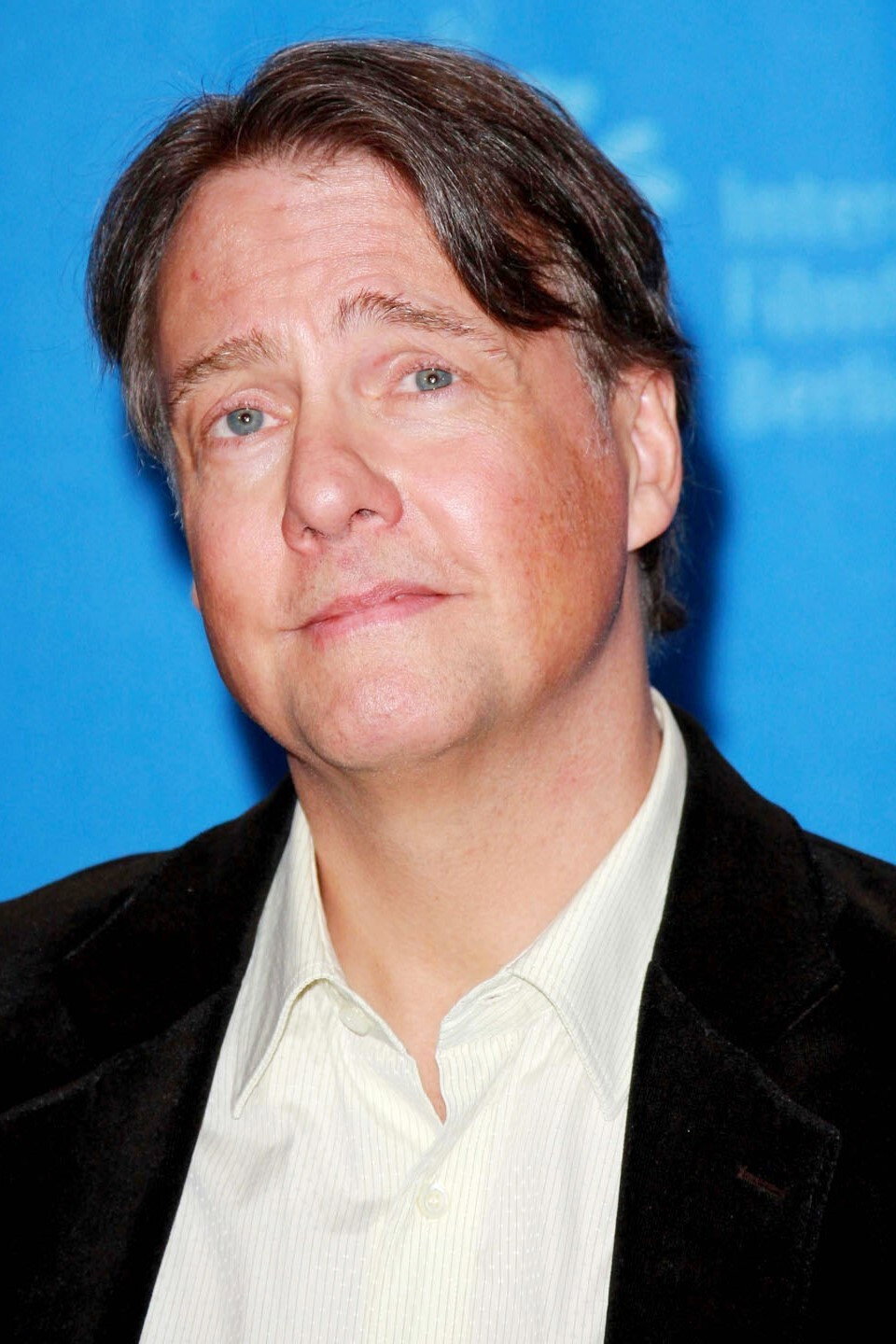
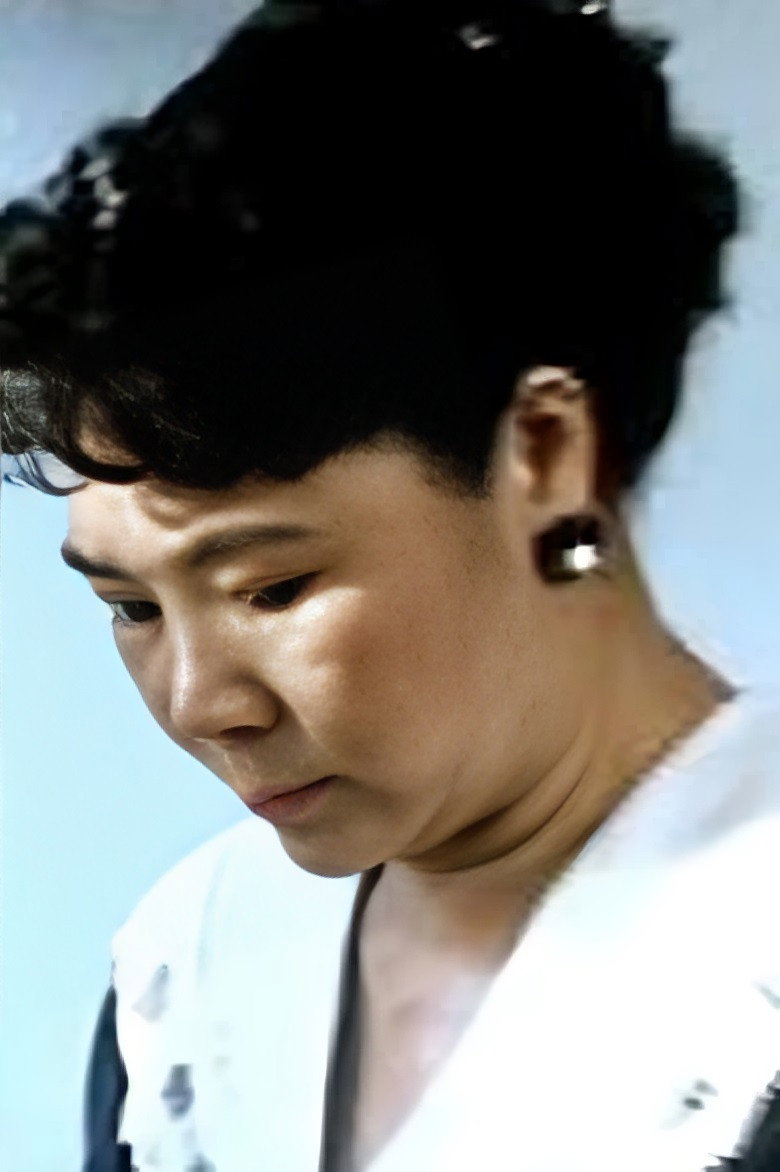
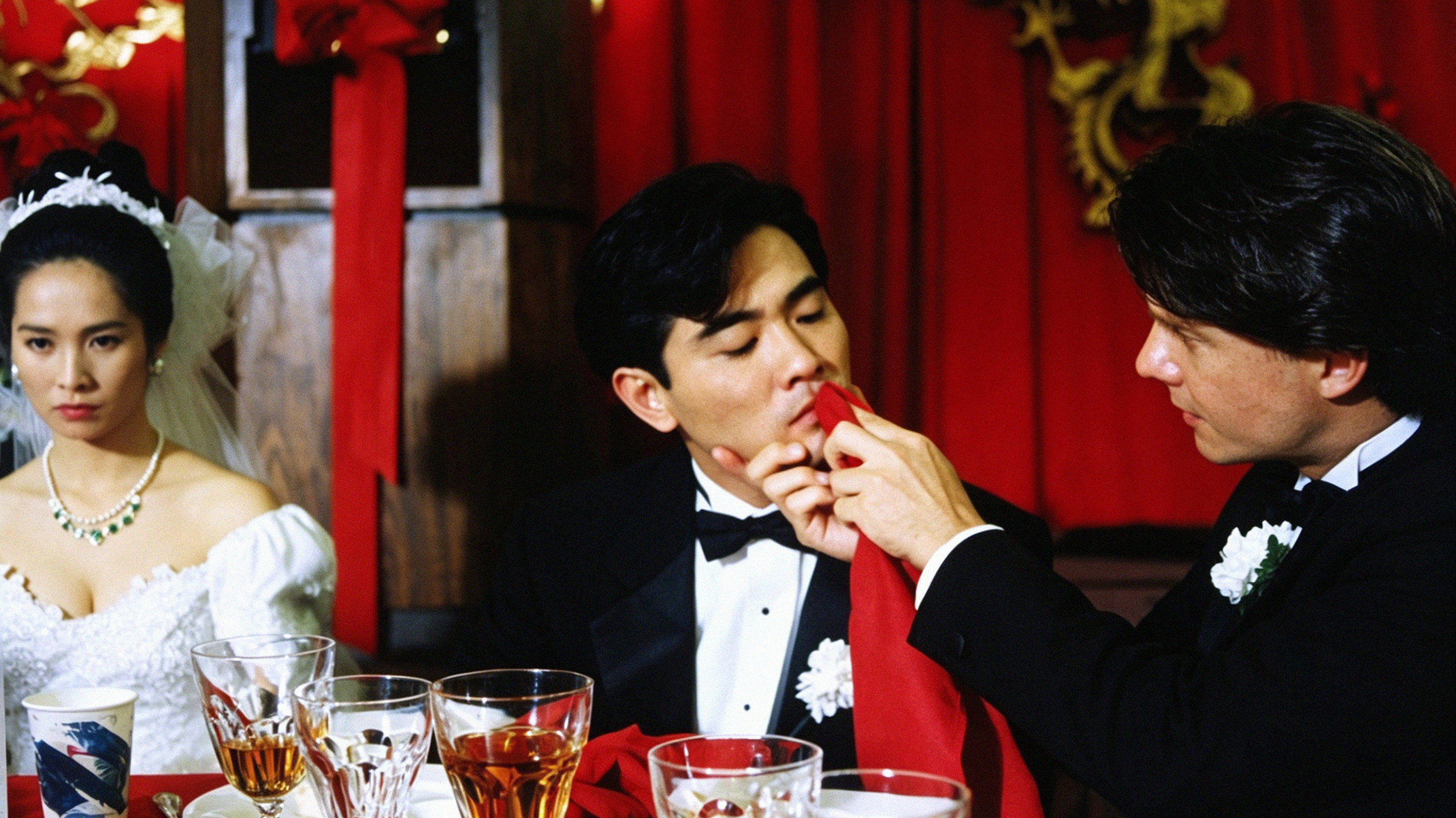
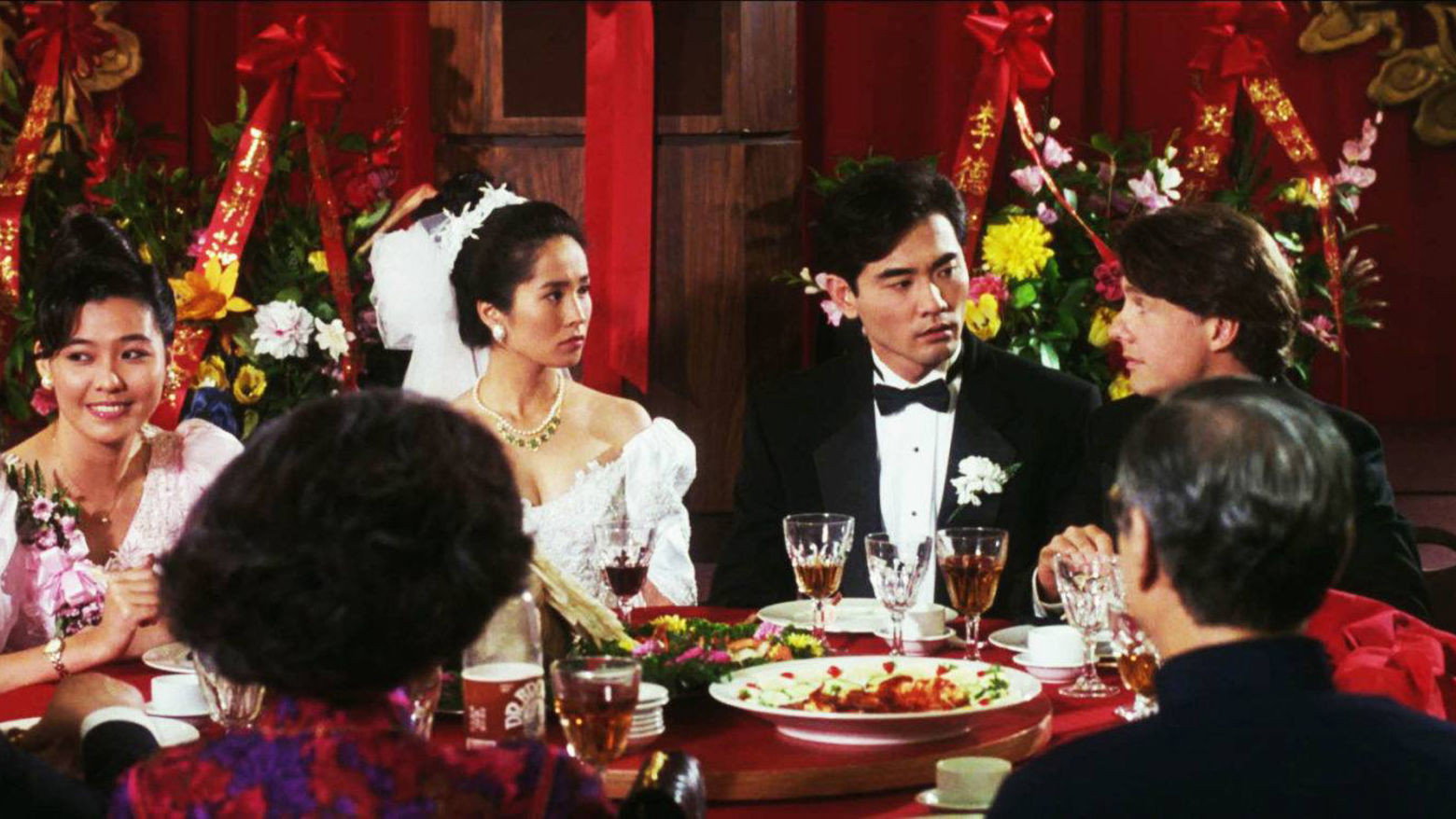
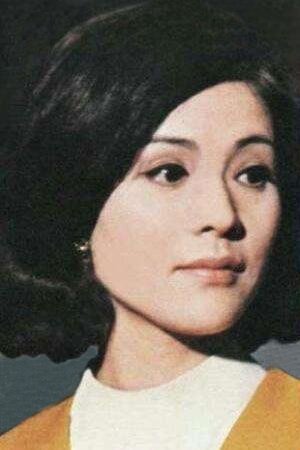
Gao Wai-Tung (Winston Chao), a gay Taiwanese real-estate agent in New York, enters a marriage of convenience to satisfy his parents and help his tenant obtain a green card. The arrangement brings questions of sexuality, nationality and family obligation into preparations for a wedding, where the people involved have different reasons for keeping up appearances. Gua Ah-leh and Lung Sihung play Mrs. and Mr. Gao, with May Chin as Gu Wei-Wei and Mitchell Lichtenstein as Simon. Directed by Ang Lee, the film follows the private negotiations and public celebrations surrounding the marriage.

Fi1m review

Ang Lee makes a funny, tender comedy from a marriage arranged to keep several people happy. The broader farce occasionally labours, but the cast give the family pressures a weight that the jokes cannot dismiss.

The Wedding Banquet is a warm, shrewd comedy about the trouble caused by trying to please your parents without telling them who you are. Ang Lee takes a gay Taiwanese real-estate agent in New York, gives him a marriage of convenience, and finds plenty to question in what looks like a workable solution. It is funny and affecting, though the broader passages sometimes keep a joke going after it has done its job. Lee understands how difficult it can be to disappoint people who love you.

The screenplay, by Lee, James Schamus and Neil Peng, gives the arrangement two practical purposes: satisfying the man’s parents and securing his tenant a green card. That makes the deception comprehensible before the comedy starts testing it. There is no need to turn the parents into monsters or the younger people into model citizens, and the writing largely resists both temptations. The jokes come from people trying to manage incompatible expectations while carrying on as if the business at hand were straightforward.

Winston Chao’s Gao Wai-Tung is an effective centre because his discomfort remains legible even when he is trying to pass it off. Gua Ah-leh and Lung Sihung, as Mrs. and Mr. Gao, give the parental expectations enough feeling that we understand why simply refusing them would be difficult. May Chin gives Gu Wei-Wei enough personality to keep her from becoming a practical solution to another character’s problem. The cast are particularly good at showing how much effort goes into appearing comfortable with this arrangement.

Mitchell Lichtenstein’s Simon is especially good in the smaller comedy, including the scene in which he teaches Wei-Wei to stir-fry. We found that little cooking lesson unexpectedly moving. The attention one person gives another is easy to recognise, even when everyone has reasons for not being entirely honest. The scene is small enough for Lichtenstein and Chin to play it without forcing the joke.

Jong Lin’s cinematography gives the telling glances their proper place, allowing the comedy to work through faces as well as conversation. Steve Rosenzweig’s production design is most effective in the opulence of the banquet, where a supposedly useful marriage has acquired a great deal of ceremony. Tim Squyres’s editing sustains the feast’s joke of a celebration that seems unwilling to end. Mader’s music handles the shifts between comedy and discomfort without much fuss, though it contributes less than the actors do.

The drawback is that Lee sometimes seems a little too pleased with the larger farce. Cultural misunderstanding provides reliable laughs, but it can make the characters more predictable than they are when exchanging those awkward looks. At 108 minutes, the film could spare some of the banquet’s repetition without losing the sense of a social event running beyond anyone’s control. The quieter comedy has already persuaded us to care, and the extra insistence does not help.

Family comedies can be quick to make the parents ridiculous, and Lee gives his older characters more consideration than that. Their expectations cause trouble because the younger people care about them, a difficulty this cast makes easy to understand. We recommend it, with fair warning that the wedding reception is rather pleased with its own stamina.
Critical consensus AI synthesised

78
Positive
5
Mixed
1
Negative
0

Most critics find The Wedding Banquet a funny, sharply observed comedy of manners that gives cultural and family tensions emotional weight. Praise centres on Ang Lee’s handling of farce and quieter character moments, with the wedding feast singled out as a comic highlight. The reviews also value the script’s matter-of-fact treatment of sexuality, the cast’s strength and the compassion shown to characters whose expectations collide, allowing pain into the comedy without making anyone merely a target.

The spread is fairly narrow, with the principal reservation concerning how much feeling remains once the complications subside. Variety offers the clearest dissent, admiring the banquet sequence and smooth construction but finding the emotional payoff mild and the film less memorable than its easy charm promises. Most critics place greater weight on the balance of humour and poignancy, treating that lightness as an asset rather than a limitation.

Los Angeles Times
4 August 1993 · Kenneth Turan
85*

The review calls the film its own assured and amusing comedy of manners that is as poignant and pointed as it is funny. It praises the balance of comedy and seriousness along with the universal appeal drawn from gay and Chinese-American experiences.

Read the full review →
Empire
28 April 2006 · Kim Newman
80*

This early Ang Lee film is mainly a wry, nicely observed romantic comedy that discusses racial, national, sexual and generation identities. It features farcical wedding feast moments and smaller character beats like Simon teaching Wei-Wei to stir-fry, with a resolution that shows no one is quite as bigoted as expected.

Read the full review →
Radio Times
★★★★ · Alan Jones
80

The critic praises the adept handling of cultural clash for rich comedy and pathos in this story of a gay man entering a convenience marriage, noting it's sharply observed and a real treat.

Read the full review →
The New York Times
4 August 1993 · Stephen Holden
80*

The critic finds the film a funny and poignant comedy of manners centered on a Chinese-American wedding banquet that refuses to end. The opulent banquet sequence and cultural clashes are singled out as highlights.

Read the full review →
Time Out
10 September 2012 · GA
80*

Ang Lee skillfully blends subtle and raucous comedy with social commentary without patronizing characters; genuine pain amid jokes leads to a bittersweet ending, with strong cast and matter-of-fact script.

Read the full review →
Variety
25 February 1993 · festival review · Derek Elley
65*

The critic describes it as a slickly mounted Gotham comedy about a phony marriage that slides down easily even if it doesn't leave much aftertaste. The wedding banquet set piece and ethnic color are noted positively, though the emotional payoff is milder than expected.

Read the full review →

Cast

Stills

Awards

Academy Awards, 1994

Nominated
Best International Feature Film

International Submission to the Academy Awards, 1994

Nominated
International Submission to the Academy Awards

Berlin International Film Festival, 1993

Won
Golden Bear

Golden Horse Award for Best Feature Film, 1993

Won
Golden Horse Award for Best Feature Film

If you liked this, try…

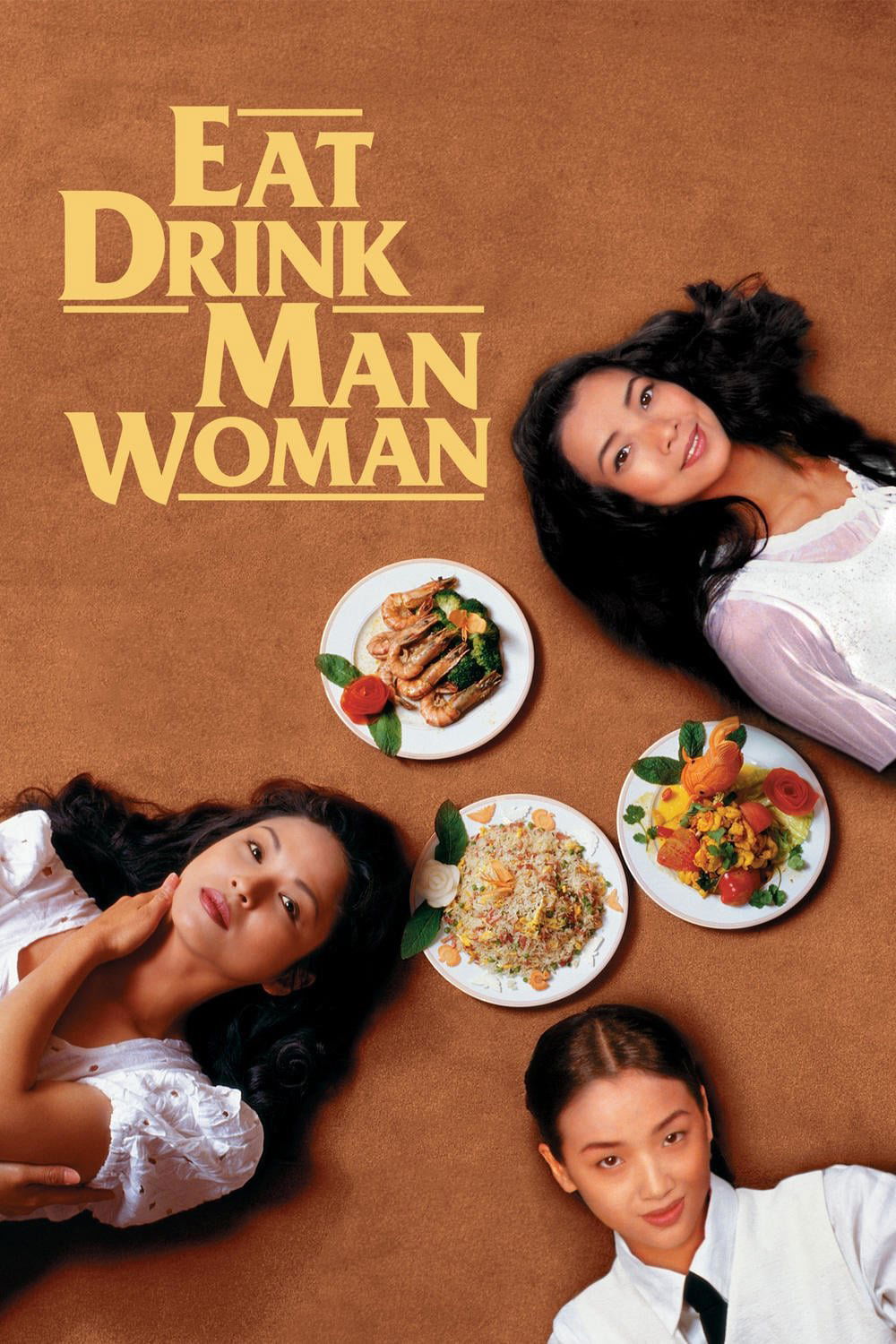
Eat Drink Man Woman poster

Eat Drink Man Woman

1994 · Another family meal with Ang Lee, where affection makes independence awkward.

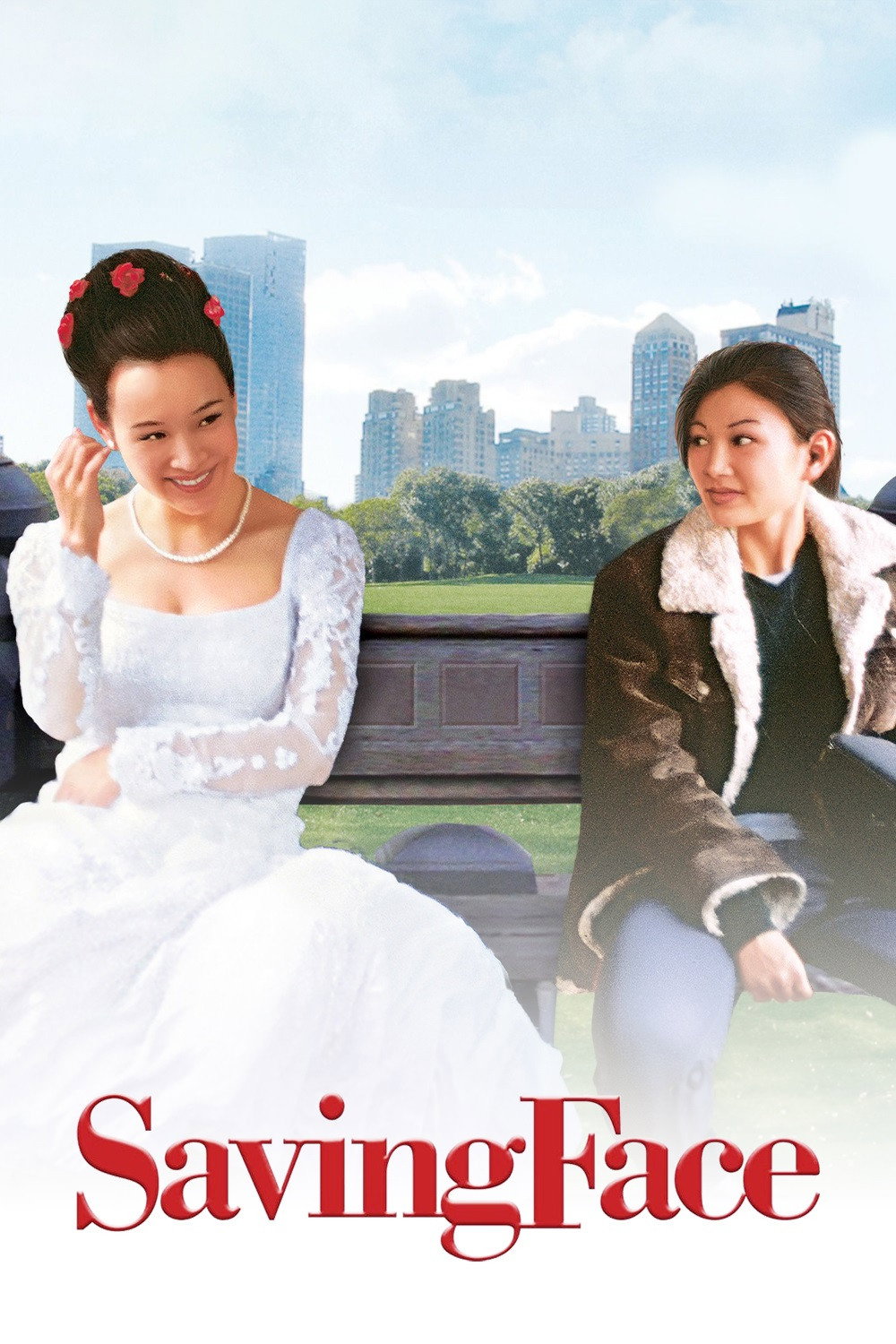
Saving Face poster

Saving Face

2004 · Family expectations complicate a lesbian romance, with similar warmth and sharper embarrassment.

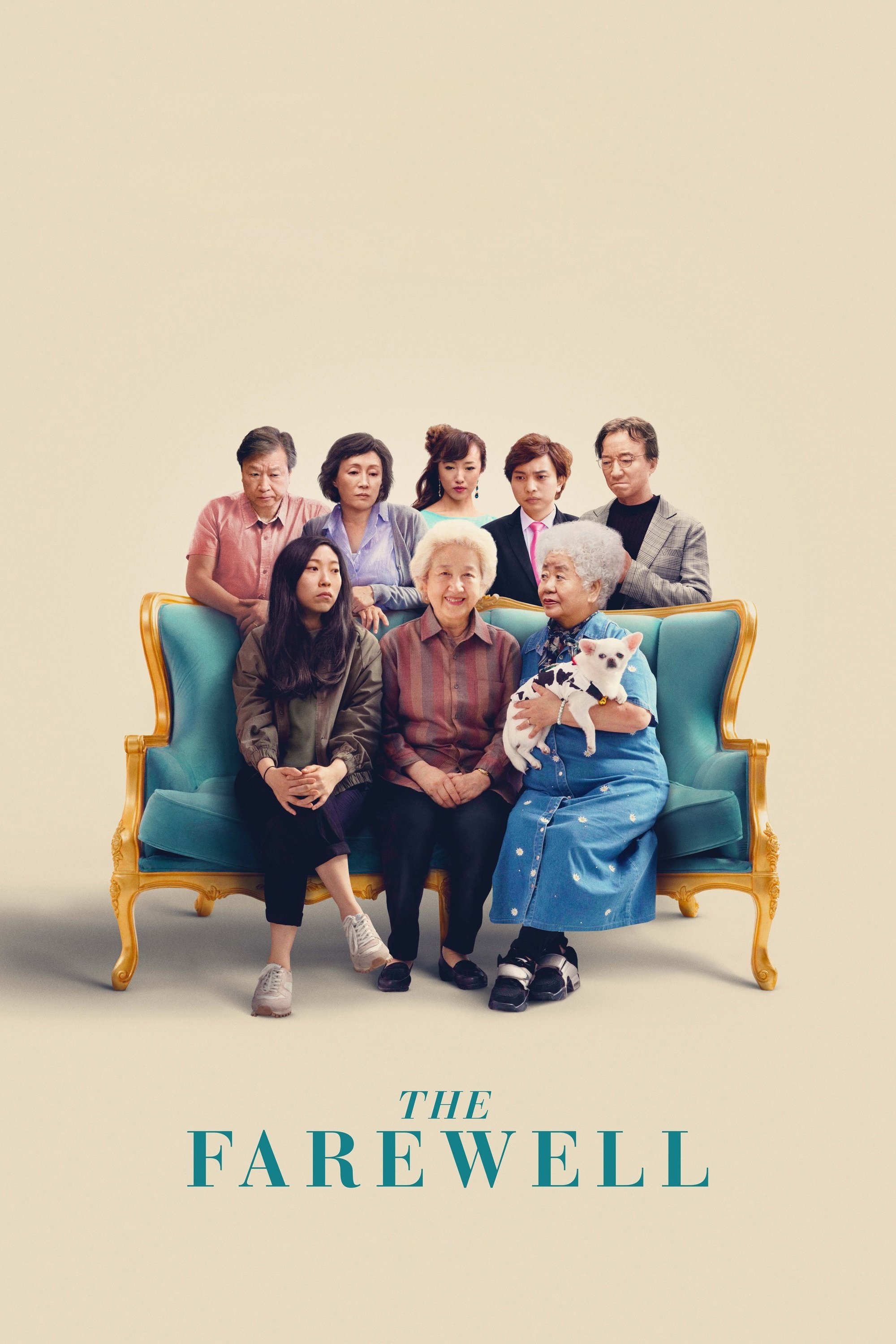
The Farewell poster

The Farewell

2019 · A family organises an elaborate deception and calls it an act of kindness.

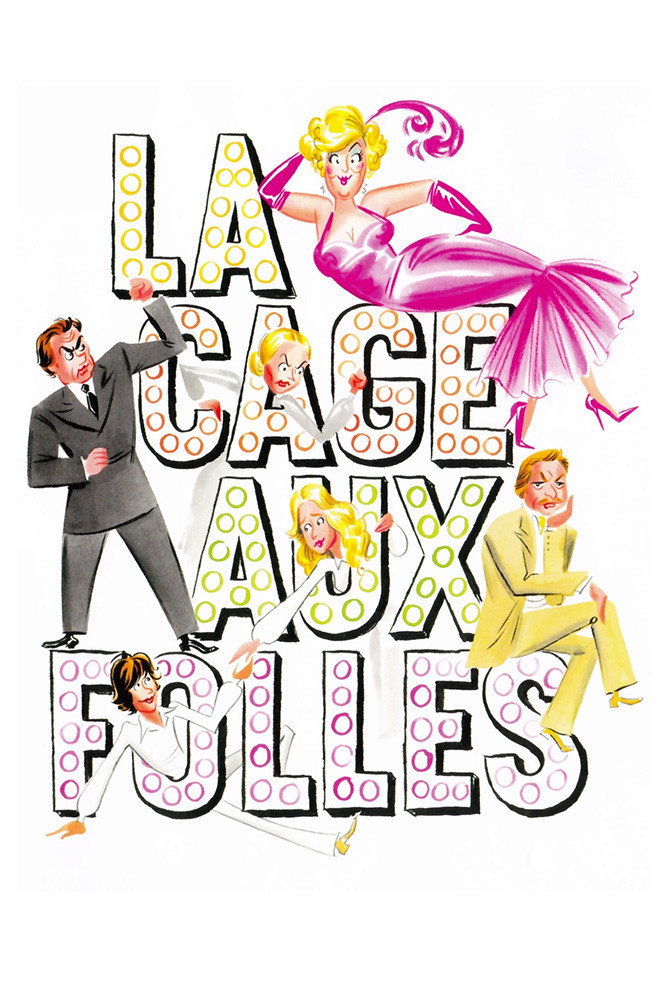
La Cage aux Folles poster

La Cage aux Folles

1978 · A meeting between prospective in-laws gives a gay couple plenty to negotiate.

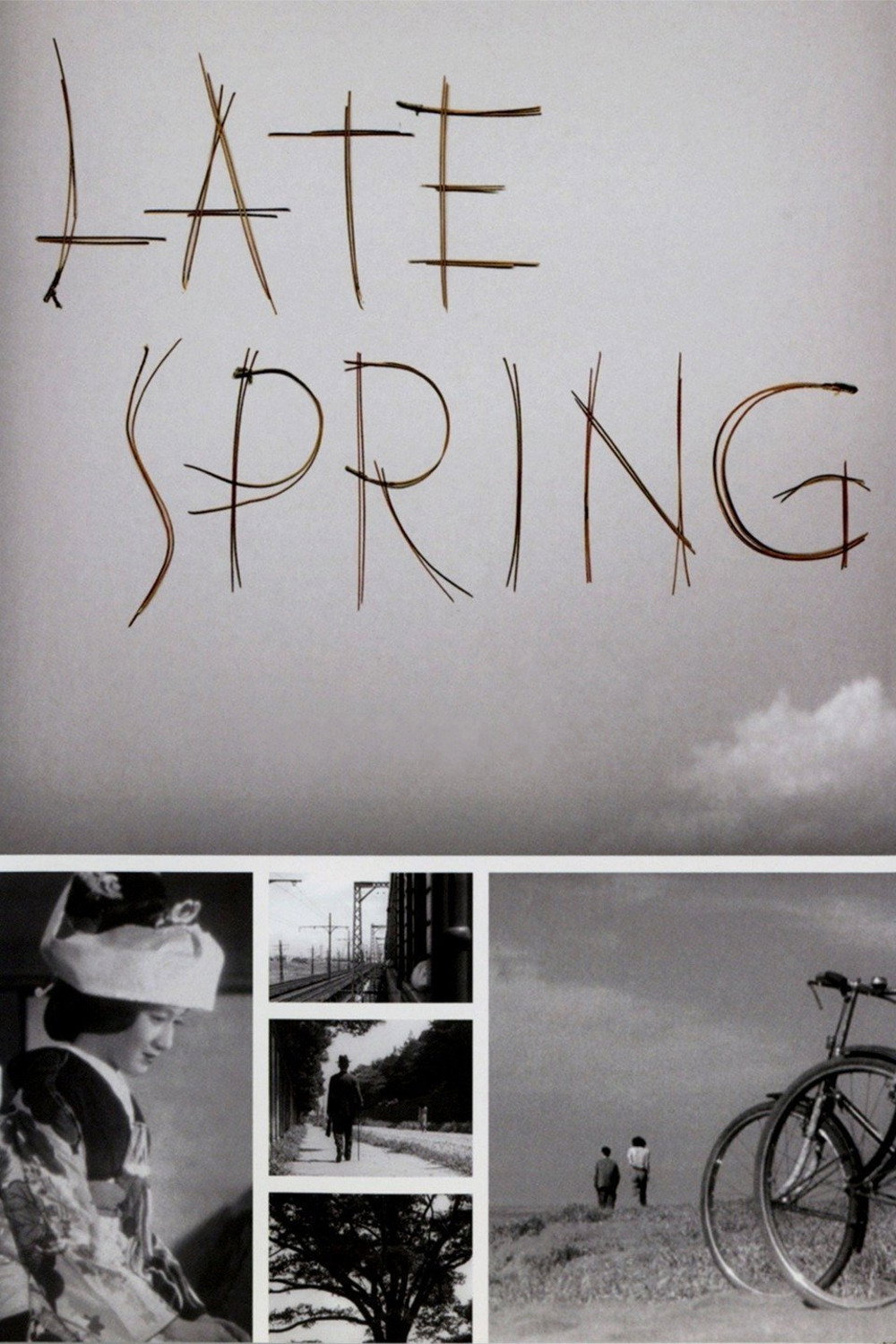
Late Spring poster

Late Spring

1949 · Marriage and parental duty receive quieter, more searching attention in Yasujiro Ozu’s drama.