Film review

Late Spring

1949 · Directed by Yasujirō Ozu · 1h 48m

In a sentenceA daughter smiles, her father means well, and somehow we need a moment

Drama

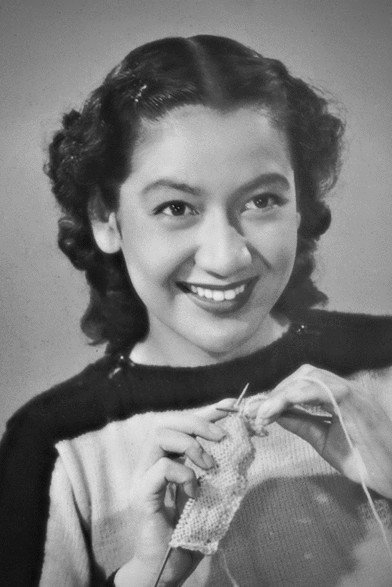
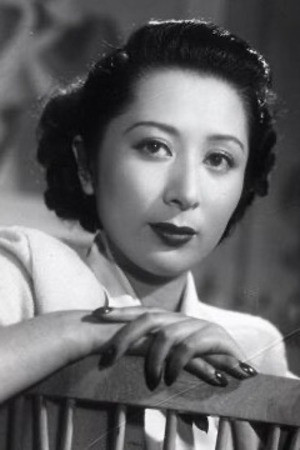
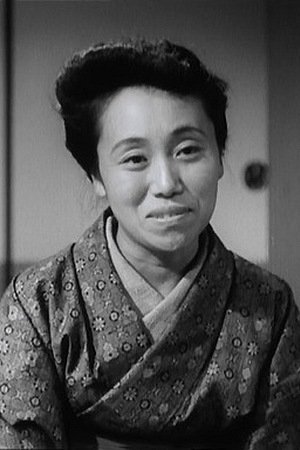
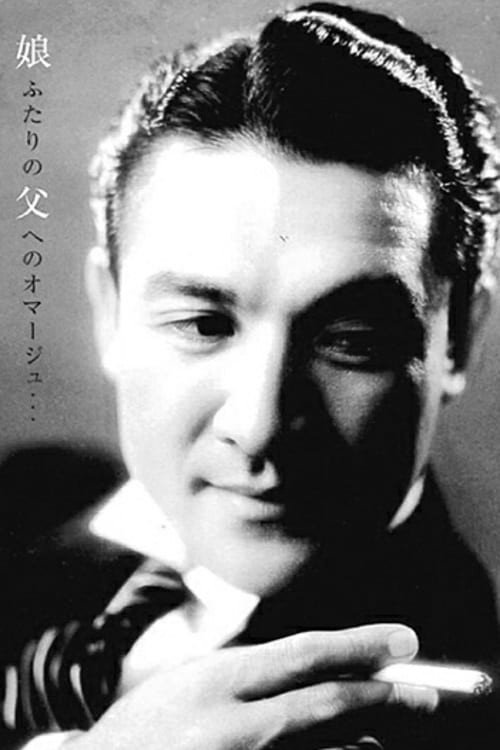
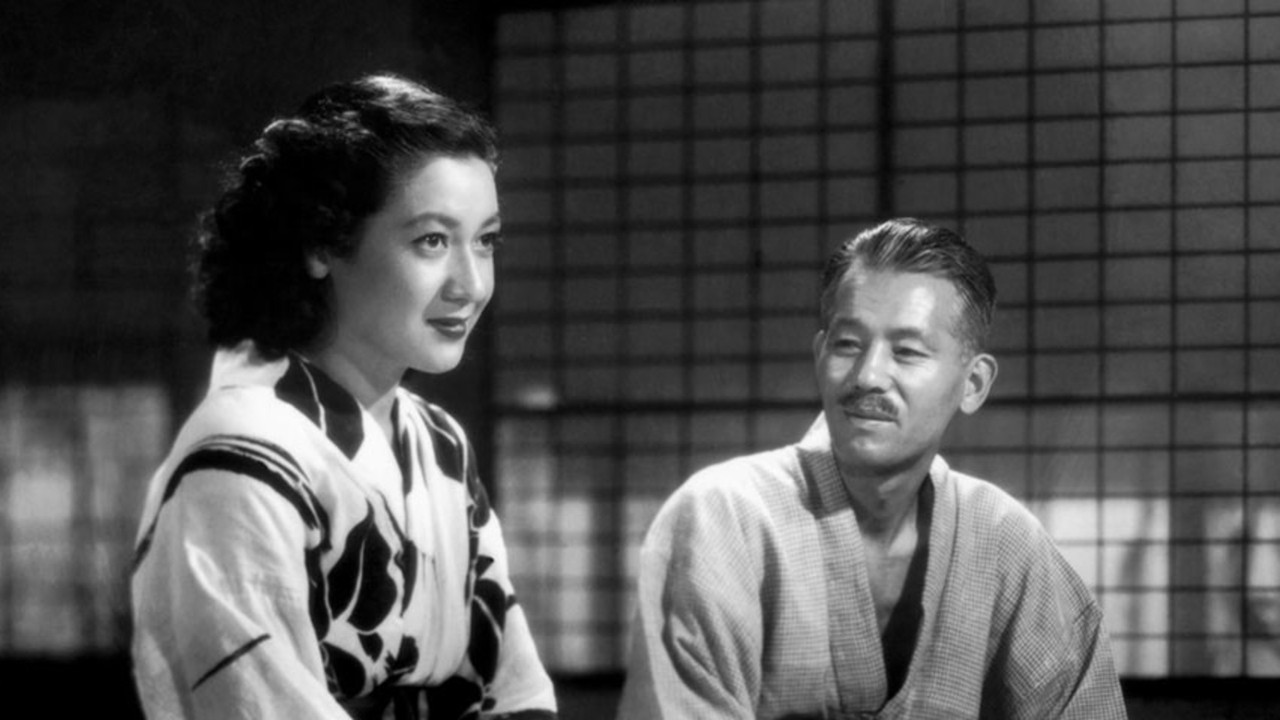
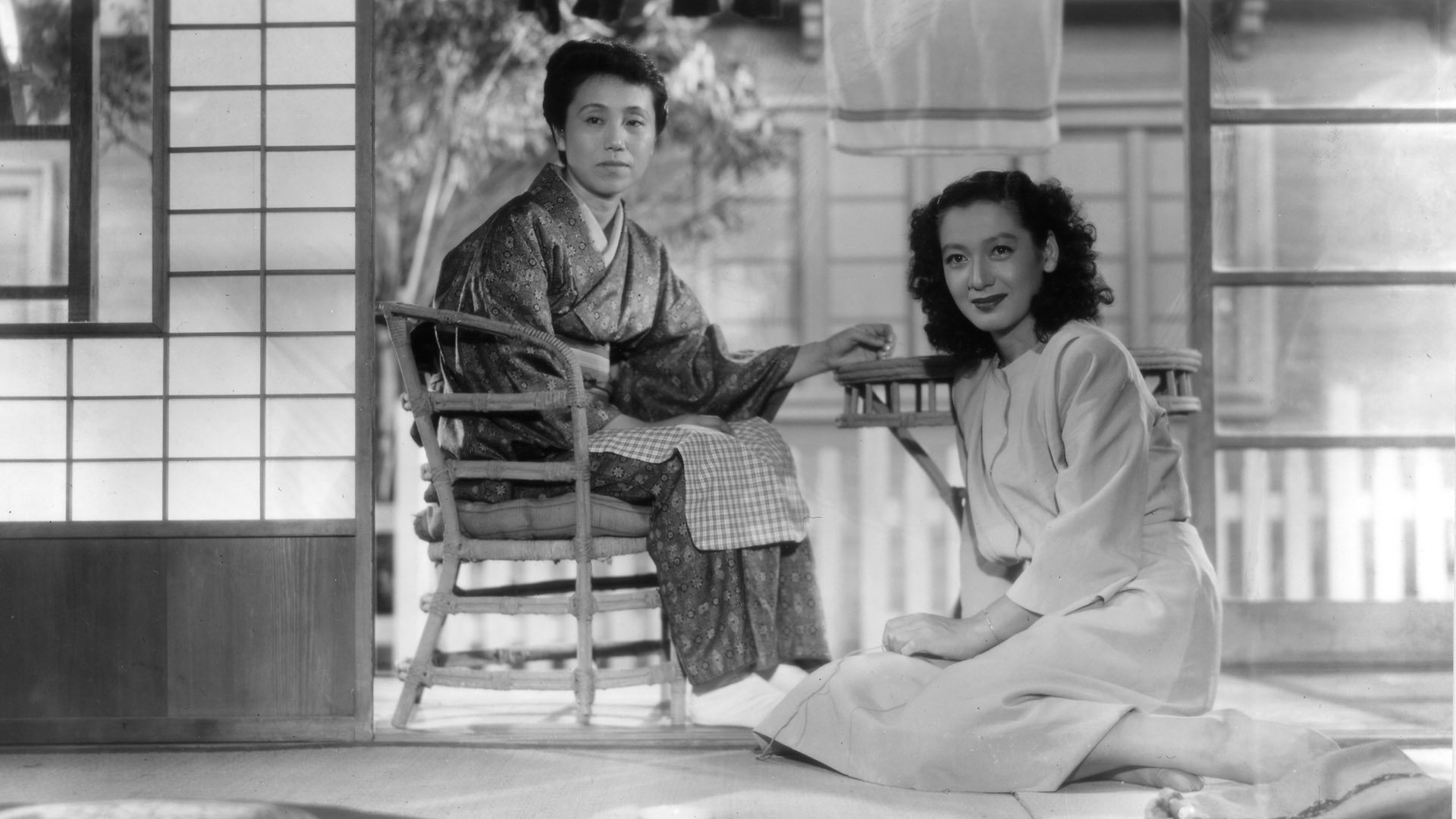
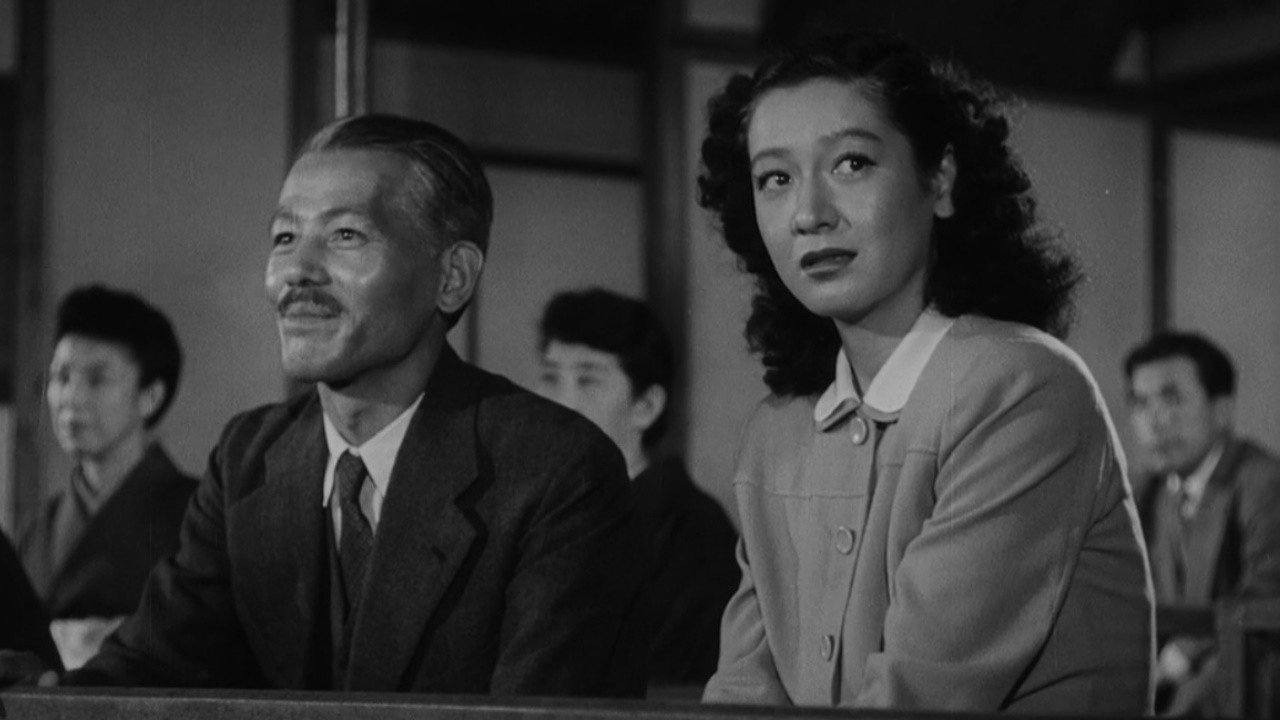
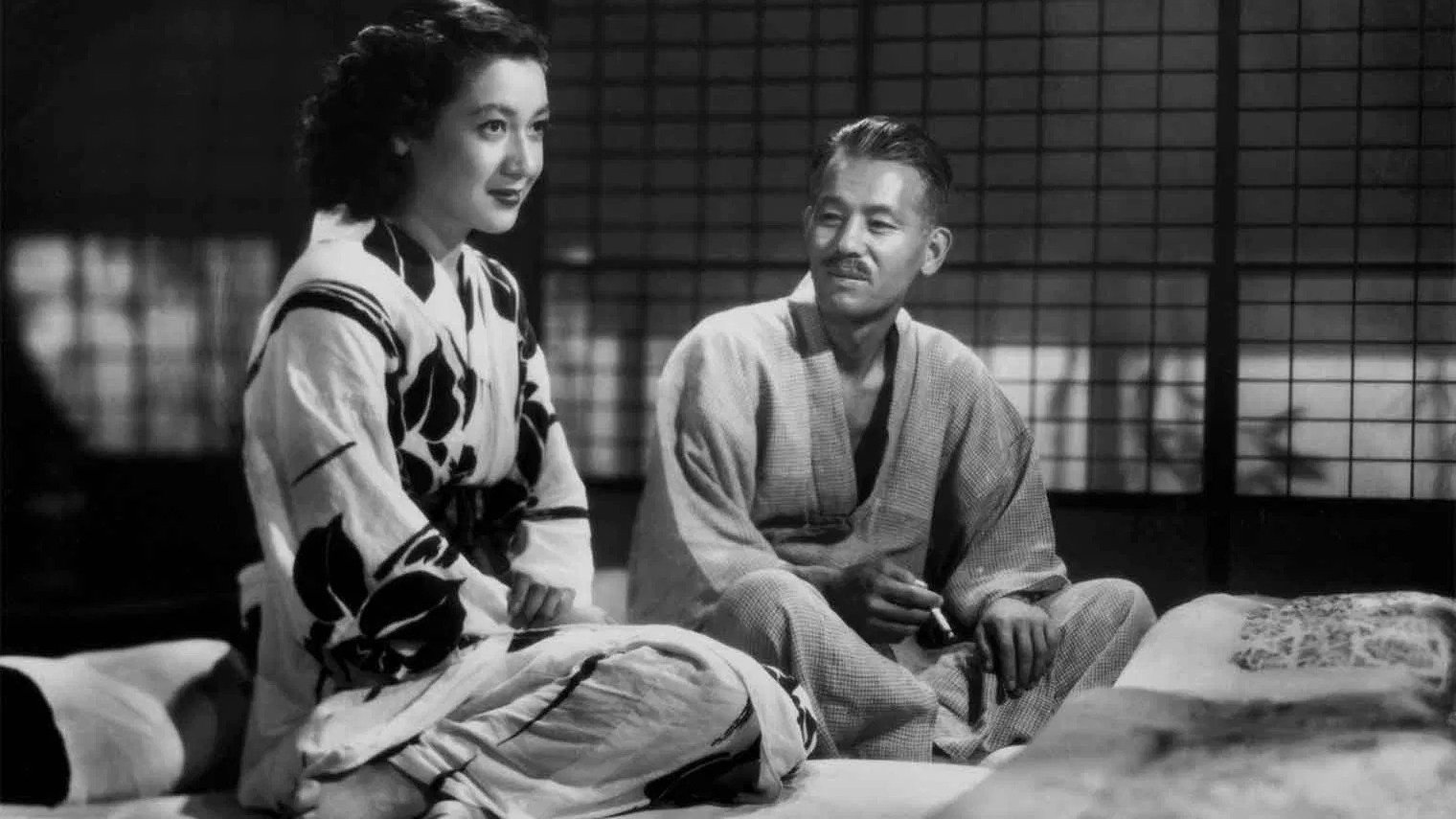
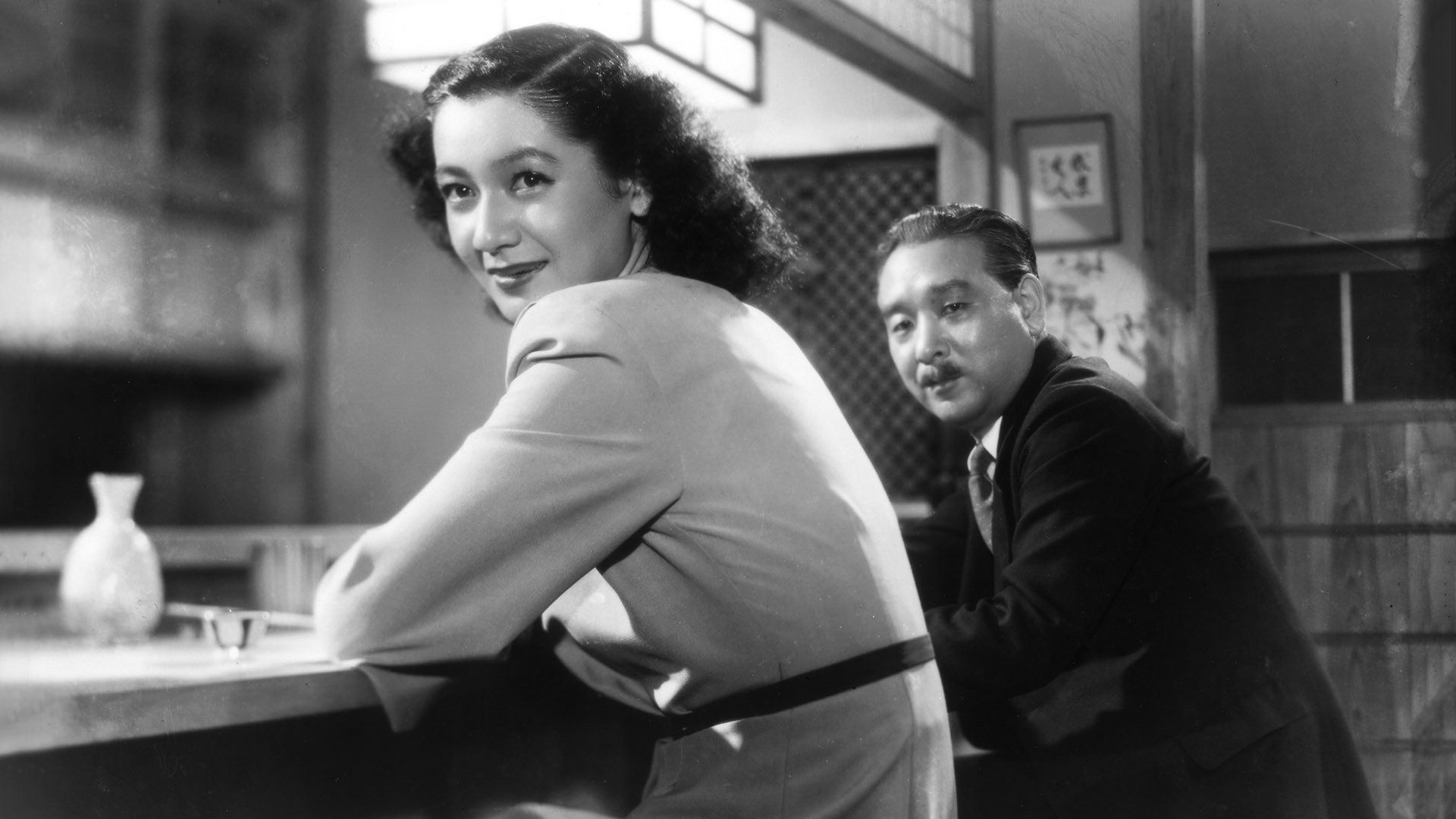
Noriko Somiya (Setsuko Hara) lives with her widowed father, Shukichi Somiya (Chishū Ryū), and wants their domestic life to continue. He believes she needs a life of her own. Her wish to stay puts her at odds with the expectations of those around her, and even her father’s care brings pressure to change. Aya Kitagawa (Yumeji Tsukioka) and Masa Taguchi (Haruko Sugimura) are among the people in their lives. In everyday conversations at home, Noriko must negotiate what she wants, what she feels she owes her father and what other people think she should do.

Fi1m review

Yasujirō Ozu’s father-and-daughter drama moved us deeply, with Setsuko Hara and Chishū Ryū making familiar family pressures painful to watch. Its deliberate pace will test some patience, but we recommend it strongly.

Late Spring is a family drama about the harm people can do while trying to be kind, and we recommend it strongly. Yasujirō Ozu gives a father and daughter room to care for each other, then asks what happens when their ideas of a good future differ. The difficulty is that affection does not make the disagreement go away. At 108 minutes, the film takes its time over that difficulty, sometimes longer than an impatient viewer will welcome.

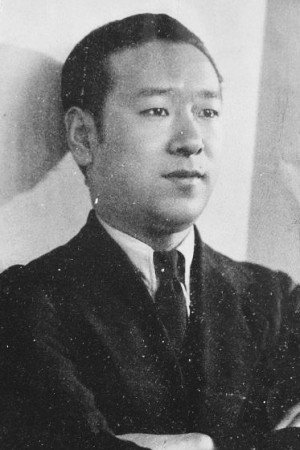
The screenplay by Yasujirō Ozu and Kōgo Noda gives the father a recognisable conviction: his daughter needs independence. Her attachment to their shared life deserves just as serious a hearing, and the film lets a conversation become uncomfortable without making either person cruel. Nobody needs to shout for an expectation to feel like an instruction. We can understand the father’s concern and still dislike the pressure it puts on her; the writing allows both responses without telling us which one is respectable.

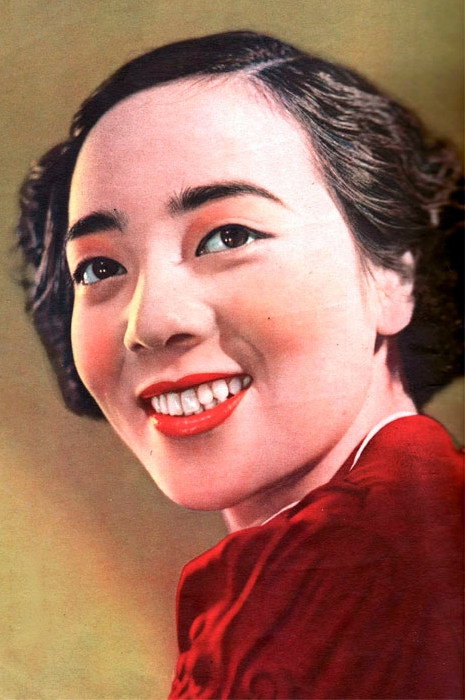
Setsuko Hara makes Noriko’s smile something we begin to watch with apprehension. It can look like happiness until the strain in it becomes impossible to miss, and her face prevents us from accepting the household’s calm at face value. We were hurt by that smile, because it shows how much effort Noriko puts into remaining pleasant when she is in pain. Chishū Ryū gives her father enough gentleness that we cannot dismiss him as a man who simply enjoys having his way. Their affection makes the pressure harder to watch.

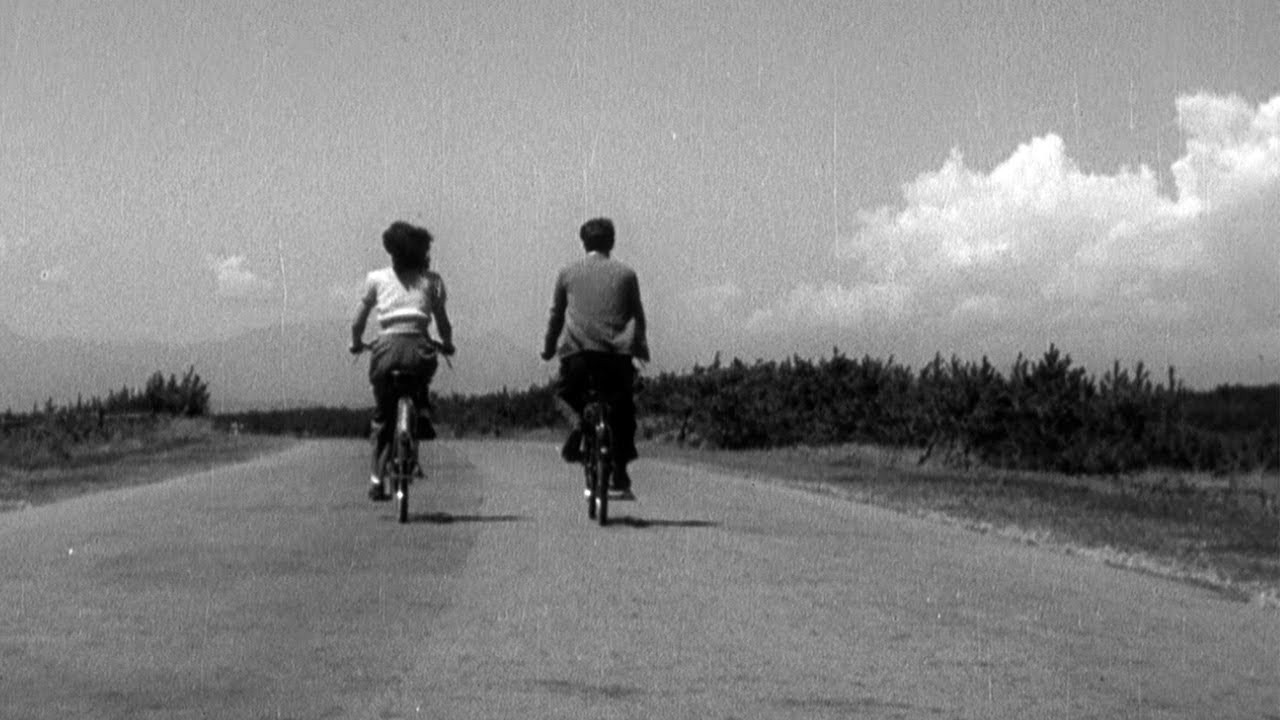
Yûharu Atsuta’s cinematography uses little camera movement, leaving us time to attend to a face rather than wait for a more emphatic view of it. In a film so concerned with what passes between people at home, that steadiness works. Yoshiyasu Hamamura’s editing builds the scenes from distinct, carefully separated views and makes the intervals matter. We have time to consider an expression before the next image arrives, without being hurried towards the next piece of information.

The returns to ordinary domestic activity are important, too. Repetition makes these lives feel established before we arrive, and gives the prospect of change a practical weight: these people have habits they are being asked to disturb. Senji Ito supplies the music, though we find the faces and the unhurried cutting more affecting. For all the care taken over how the film looks and sounds, it is easy to recognise the fear of having a comfortable arrangement reorganised on someone else’s advice.

Our reservation is the same patience that makes all this possible. The pauses and repeated domestic observations occasionally let us get ahead of the film, waiting for a conversation to reach an unease we have already recognised. Nor does its sympathy for the father make every assumption about the daughter’s future easy to accept. We welcome that discomfort, but viewers hoping for the script to challenge his authority in plain terms may find its tact frustrating. The daughter has good reason to want what she wants.

By the standards of family melodrama, there is remarkably little insistence here: the film trusts an ordinary exchange to hold our attention. That restraint can look forbidding until the actors make us recognise a familiar difficulty, the business of disappointing somebody we love. We would give it an evening when quiet is possible and nobody needs the story to hurry. If a parent has ever explained what would be best for you, much of it will need no explanation.
Critical consensus AI synthesised

89
Positive
8
Mixed
0
Negative
0

The reviews are unanimously positive, with praise centred on Ozu’s ability to make ordinary domestic moments carry deep feeling. Most critics find melancholy, affection and resignation beneath the film’s surface calm, crediting its precise compositions, minimal camera movement and patient attention to everyday behaviour. The performances of Chishū Ryū and Setsuko Hara draw particular praise from Time Out, while the wider consensus values the care with which Ozu observes emotions his characters cannot easily express.

The differences concern the degree of enthusiasm rather than any substantial rejection of the film. Time Out notes that some social customs may feel less familiar than those in other Ozu films. Empire offers the most qualified response, admiring the direction and acting but finding the emotional impact short of Tokyo Story’s. Elsewhere, restraint is consistently treated as a strength: the reviews stress how much feeling the film conveys without overt display.

Slant Magazine
23 April 2012 · ★★★★/4 · Jaime N. Christley
100

The critic hails it as a great masterpiece and the summation of Ozu’s style, praising its lyricism in expressing melancholy, bittersweet joy, and resignation around the impermanence of life through minimal camera movement, pillow shots, and observations of everyday domestic scenes.

Read the full review →
The AV Club
4 March 2016 · A · Ignatiy Vishnevetsky
95

The critic calls it a quietly staggering first masterpiece of Ozu’s late period and a restoration highlight, praising how it invests tremendous emotional weight in the quotidian through a mosaic of discrete shots and the famous vase sequence suggesting complex feelings of change and resignation.

Read the full review →
RogerEbert.com
13 February 2005 · Roger Ebert
90*

Ebert calls Late Spring one of Ozu's best films and praises its emotional depth beneath the surface calm. He singles out the father's solitary apple-peeling scene as one of the saddest ever filmed by Ozu.

Read the full review →
The New Yorker
28 November 2011 · Richard Brody
90*

Brody praises Ozu's quiet astonishment in revealing the hidden depths of ordinary life and the exacting subtlety with which he observes his characters. He notes how the film shows Noriko's smile turning into a rictus of pain amid the tyranny of love and social expectation.

Read the full review →
The New York Times
22 July 1972
90*

The review describes Late Spring as one of Ozu's finest films, noting its profound respect for the characters' privacy and the mystery of their emotions. It highlights the story of a father gently steering his daughter toward independence through a necessary deception.

Read the full review →
Time Out
10 September 2012 · TCh
90*

The critic calls it a remarkable, piercing film central to understanding Ozu's work. They single out the great beauty, humanity, and heartbreaking performances of Chishū Ryū and Setsuko Hara for praise, while noting some social customs may feel more foreign than in other Ozu films.

Read the full review →

Cast

Stills

If you liked this, try…

Tokyo Story poster92

Tokyo Story

1953 · More family visits, more unspoken grievances, and the same patient attention to hurt.

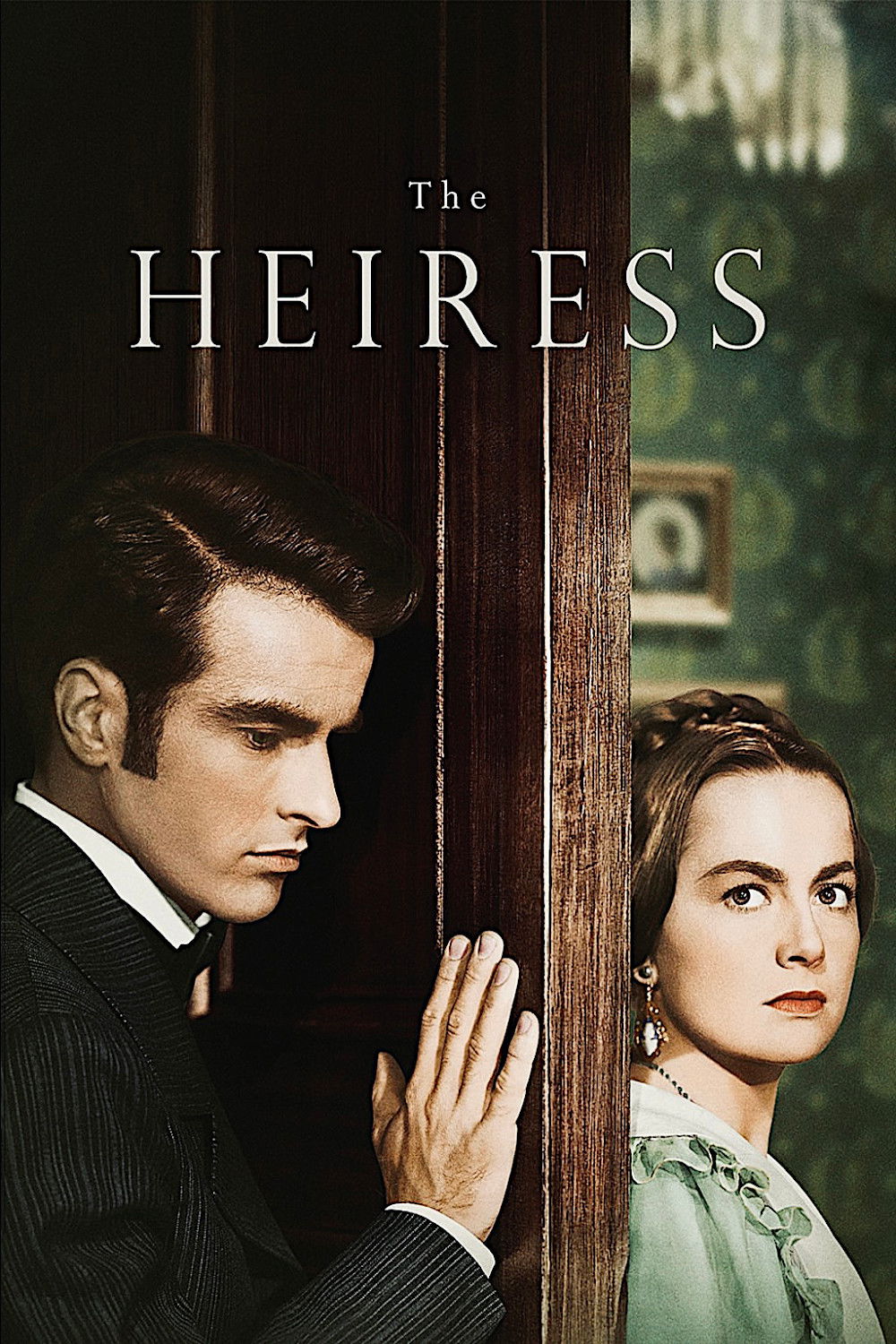
The Heiress poster

The Heiress

1949 · For another daughter discovering how much control can pass for parental concern.

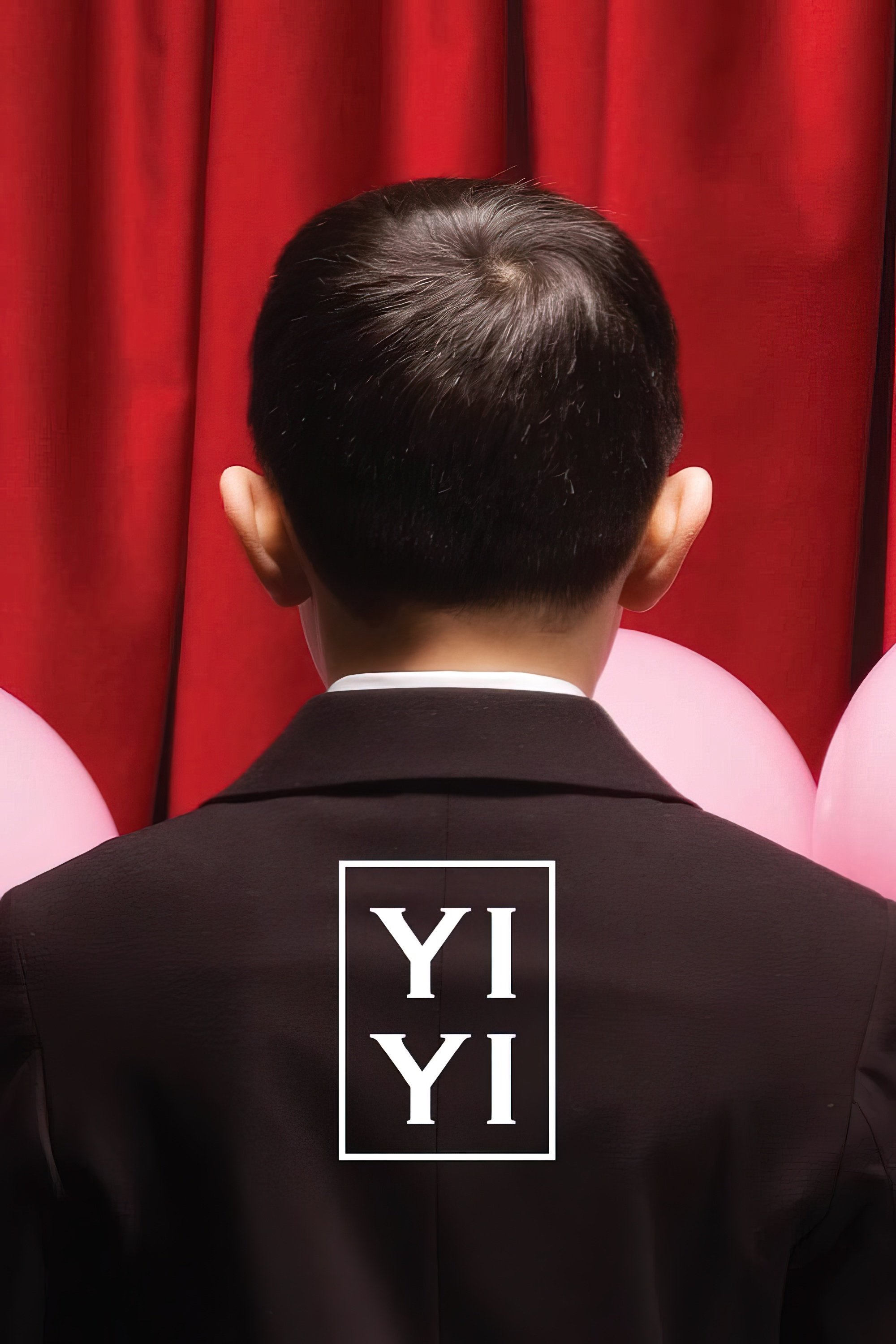
Yi Yi poster

Yi Yi

2000 · Family routines receive the time and attention that hurried dramas rarely allow.

35 Shots of Rum poster

35 Shots of Rum

2008 · Another father and daughter face the difficult prospect of living separately.

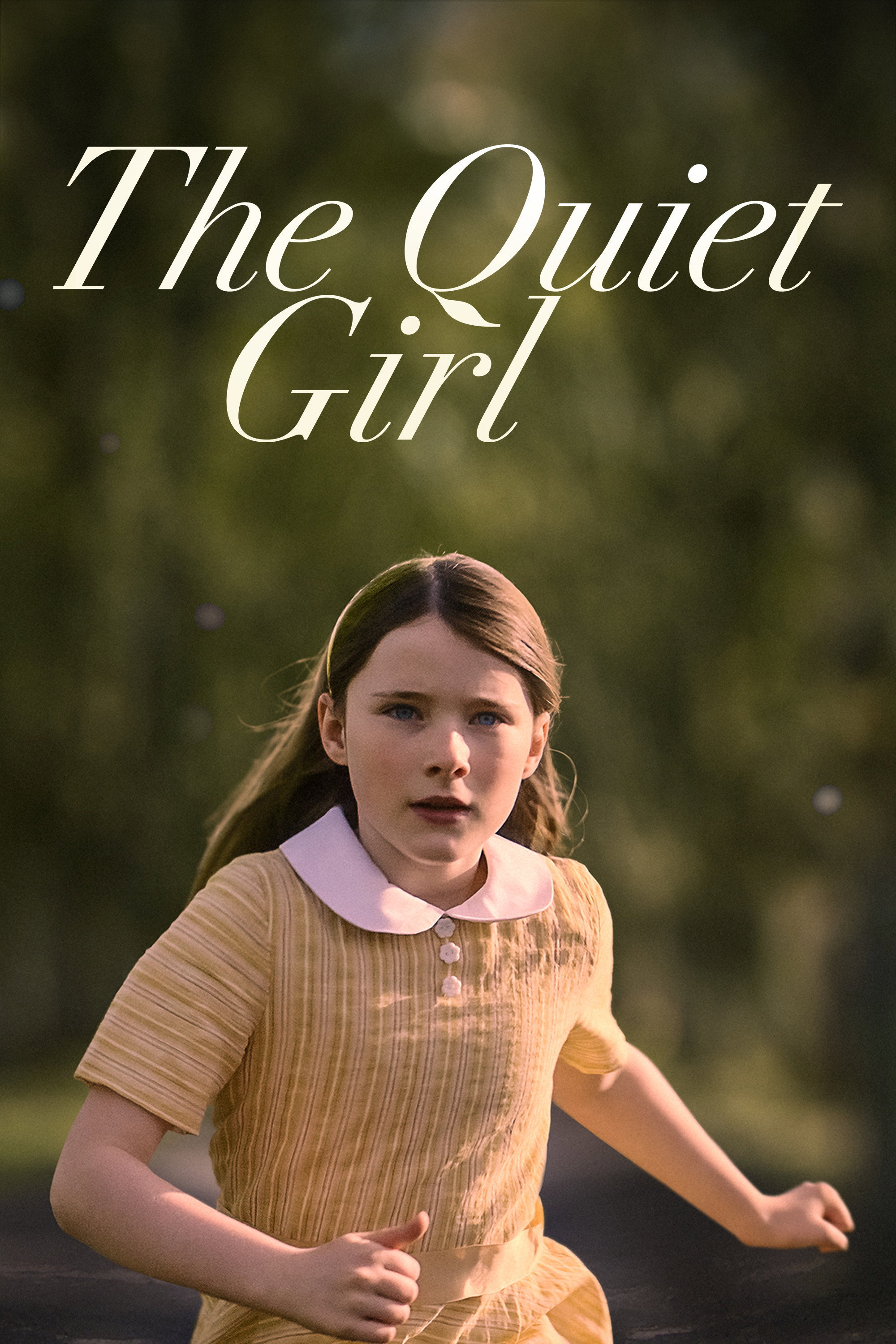
The Quiet Girl poster

The Quiet Girl

2022 · A child’s place in a household becomes a matter of piercing importance.