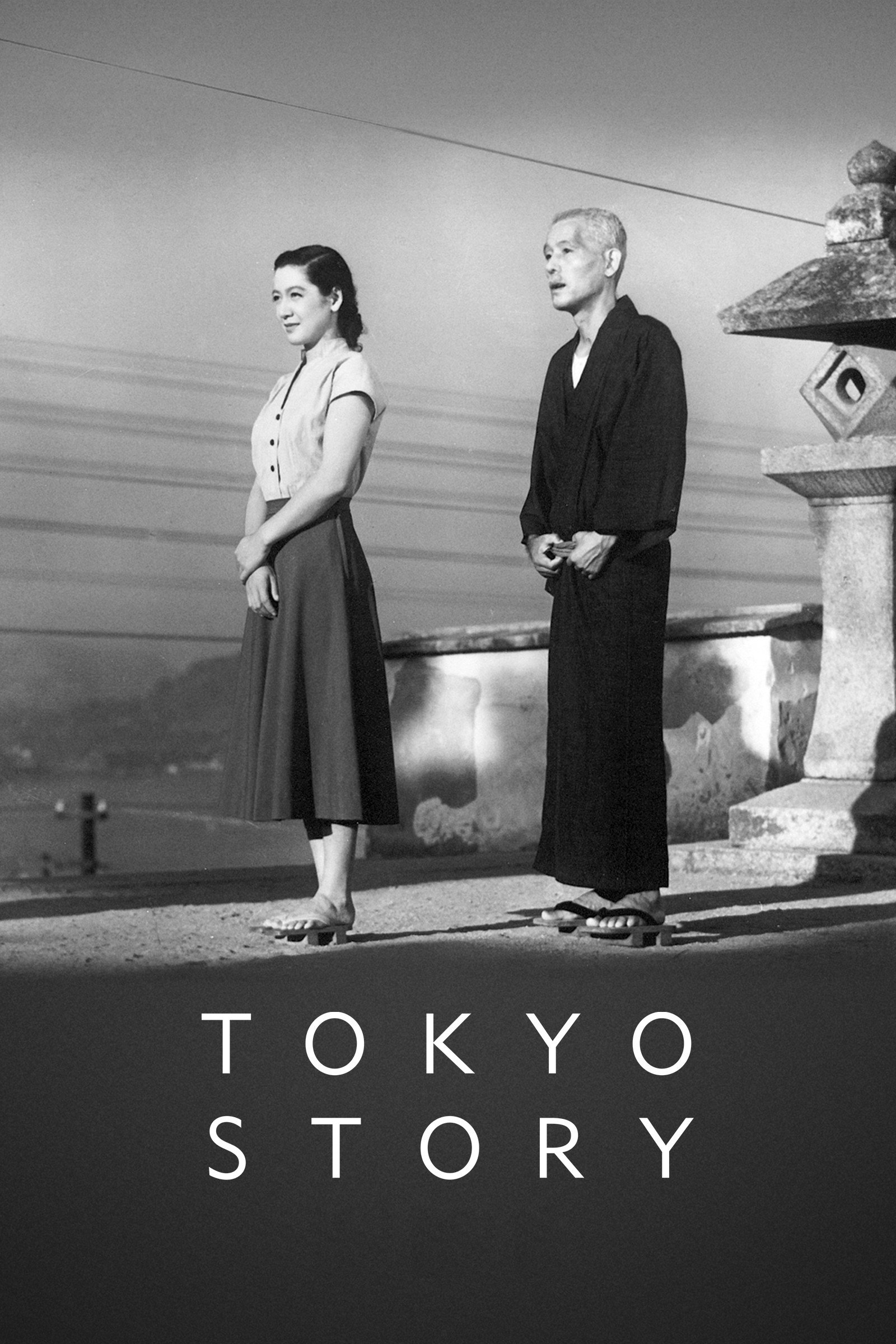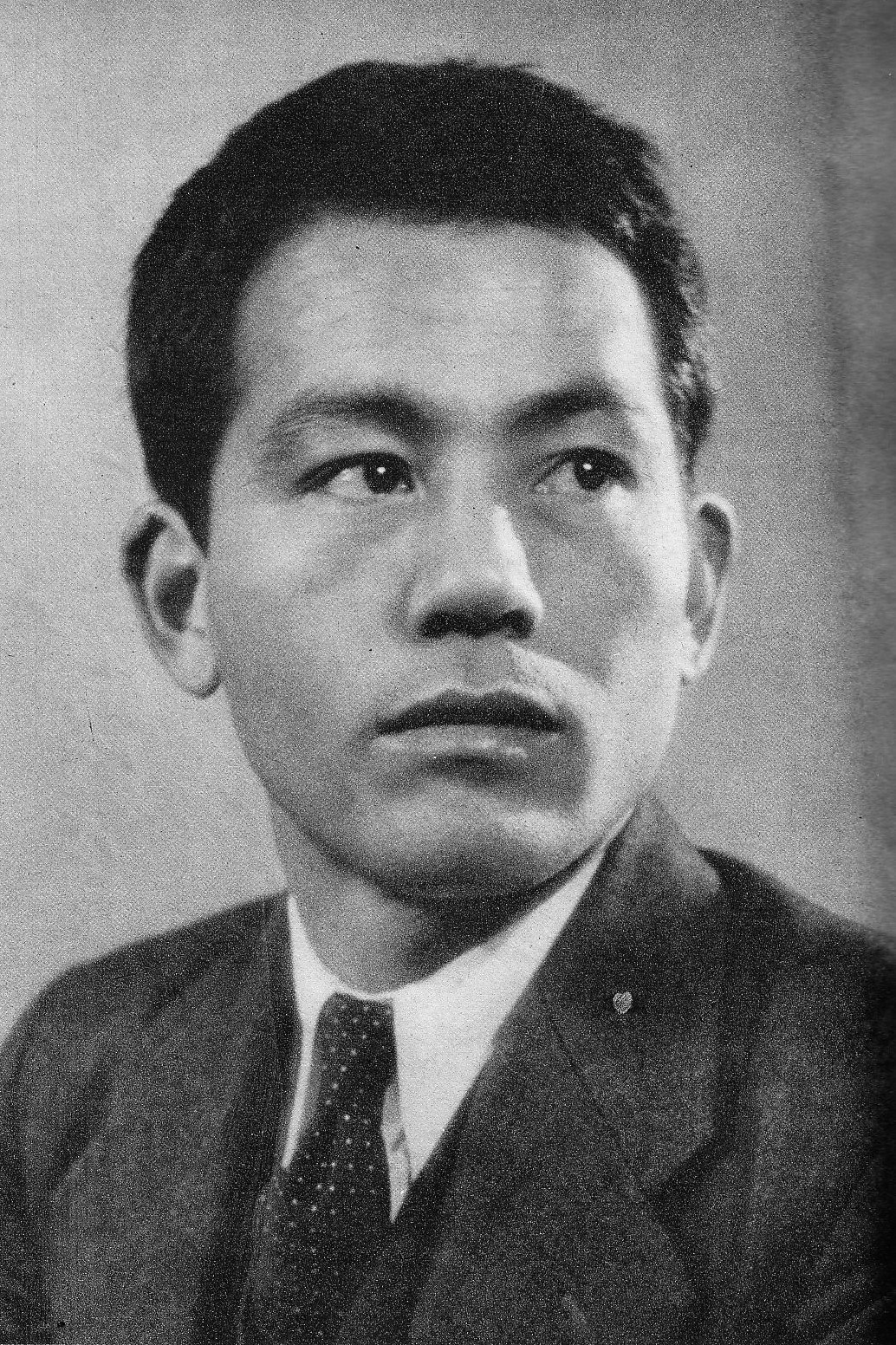
Chishū Ryū makes a father's disappointment clear without asking us to pity him. We value his quiet acting for the affection it allows through, particularly in Yasujirō Ozu's Tokyo Story, where ordinary neglect becomes painful.
Fi1m perspective
In Tokyo Story (1953), Chishū Ryū lets us see Shukichi Hirayama's disappointment without turning it into a demand for sympathy. His reserve feels like something learned over years of making allowances for other people. We found his patience painful, because Ryū makes his affection for the neglectful children so persuasive. He never makes the father seem foolish for loving them, even when we find them difficult to forgive.
He had been playing older men long before that performance. In The Only Son (1936), he was a failed middle-aged school-teacher; There Was a Father (1942) put paternal sacrifice and restraint at the centre of his work. Late Spring (1949) gave him his first major post-war lead in an Ozu family drama. The collaboration extended across 52 of Ozu's 54 films, ending with An Autumn Afternoon (1962), his final lead for the director.
Ryū works with small gestures and sparing use of his voice, but that is only part of what makes Tokyo Story persuasive. Chieko Higashiyama, as Tomi Hirayama, makes an equal contribution to our belief in the marriage. Together they suggest years of accommodating each other, with neither performance asking to be noticed at the expense of the other. We do not need a history of their life together to accept that they have one.
After Ozu, his supporting roles included the temple priest in the Tora-san series, beginning in 1969, with Yōji Yamada another regular collaborator. His rural Kumamoto accent remained distinctive throughout his career. It attracted some early criticism, then became part of a screen presence associated with reliability and simple honesty. We would not wish that voice smoothed into something less particular.
There is a condition to our recommendation of Tokyo Story: its deliberate pace needs patience at first. Ryū is not going to make every feeling obvious to help us along. Start there, then try Late Spring for another substantial Ozu role. Choose a night when quiet acting will not have to compete with conversation.
Biography
Chishū Ryū (also credited as Chishû Ryû and 笠 智衆) was a Japanese actor. Born on 13 May 1904 in Tamamizu, Kumamoto Prefecture, he died on 16 March 1993 in Yokohama. He trained at the Shōchiku acting academy from 1925 and appeared in films from 1928 until 1992, with a career spanning more than 230 productions.
Ryū was best known for his long collaboration with director Yasujirō Ozu, appearing in at least 32 of Ozu's films. He played Shukichi Hirayama in Tokyo Story (1953), Shukichi Somiya in Late Spring (1949) and Shuhei Hirayama in An Autumn Afternoon (1962). He also appeared in films by other directors, including Red Beard (1965) and Dreams (1990), and played a recurring role as a Buddhist priest in the Tora-san series from 1969 until his death.