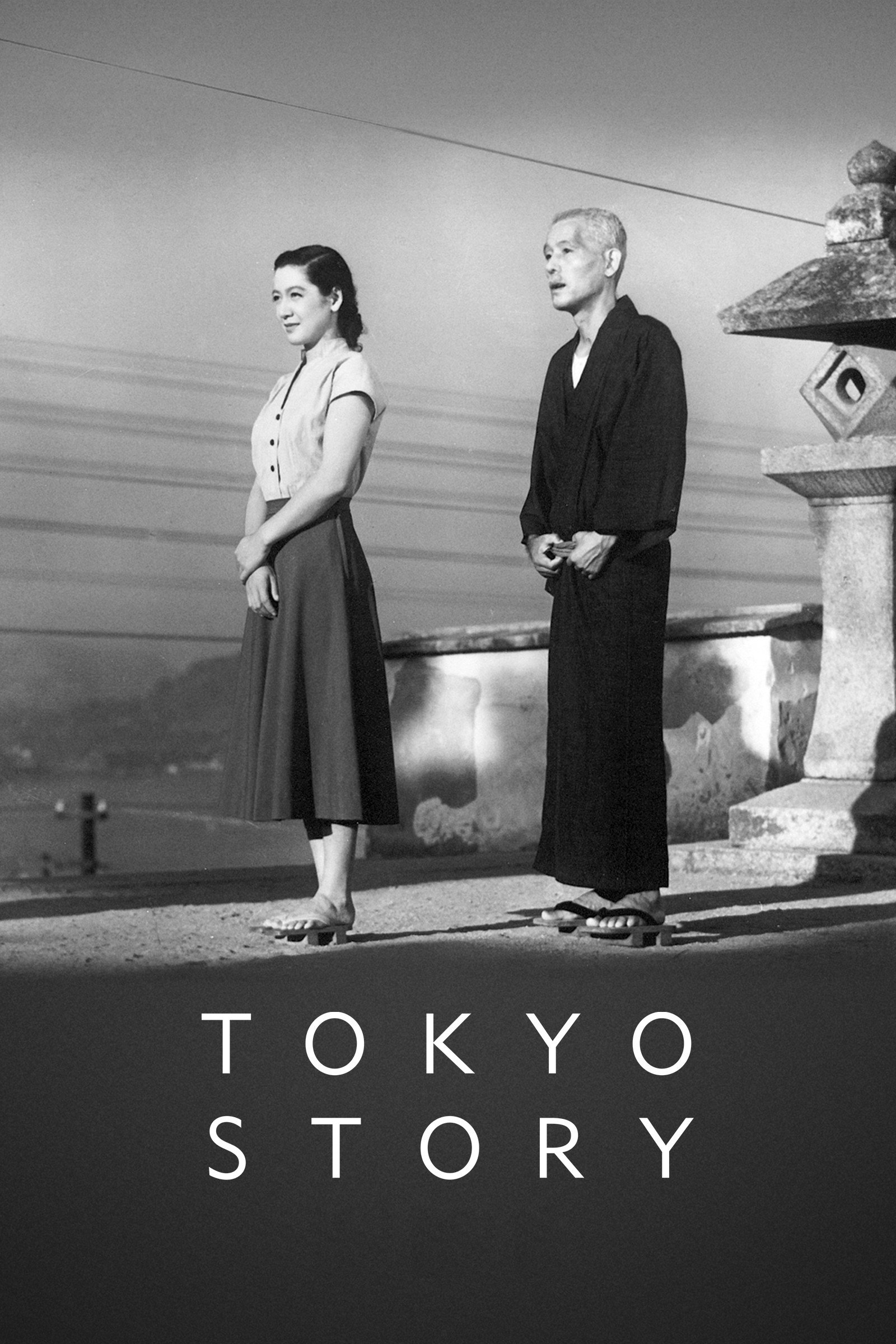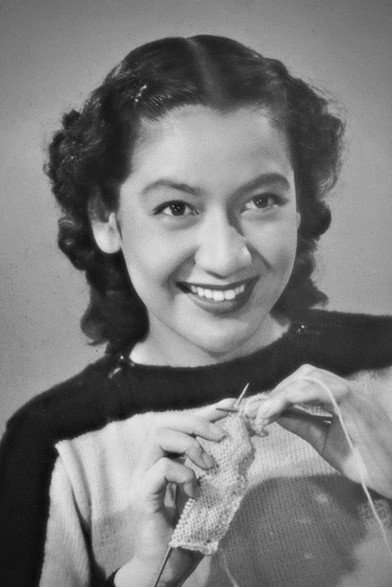
Setsuko Hara makes kindness interesting without making it saintly. We value the small gestures and polite smiles through which her daughters and widows reveal feelings that their good manners will not let them state.
Fi1m perspective
In Tokyo Story (1953), Setsuko Hara’s Noriko gives her visiting parents-in-law the attention their own children struggle to spare. There is no need for a grand display of generosity; Hara makes the care look ordinary. We were moved by that attention, and a little embarrassed that such modest kindness should feel like a relief. Her performance is a reason to persist if Yasujirō Ozu’s deliberate pace takes some getting used to. She gives us someone to care about while he asks us to look carefully at behaviour we usually excuse.
Her post-war prominence came with Akira Kurosawa’s No Regrets for Our Youth (1946), before Late Spring (1949) began her six-film partnership with Ozu. In Late Spring, the daughter reluctant to marry helped fix her association with women expected to put their families first. But Mikio Naruse gave her the part of a discontented wife in Repast (1951), a useful corrective to the idea that she only played contented, self-sacrificing women. By Late Autumn (1960), she was playing a widow whose daughter faced similar pressures.
A polite smile in Hara’s work need not mean that someone is happy; it can be a way of keeping sadness out of a conversation. Ozu and co-writer Kōgo Noda give that restraint a purpose in Tokyo Story, where the children’s neglect is mild enough for us to recognise our own excuses. Hara’s widowed daughter-in-law provides the uncomfortable comparison without seeming to have been sent in to deliver a moral lesson. Hara gives Noriko enough individuality for us to remain interested in her beyond the help she offers.
The reservation is how often the roles ask her to be self-effacing, particularly across the films with Ozu and Naruse. It is worth looking beyond that familiar casting, rather than assuming dutifulness is all she can offer. The dissatisfied wife in Repast gives us a reason to do so. Start with Tokyo Story, though, and allow its quiet exchanges the time they need.
Biography
Setsuko Hara (原 節子), also credited as Masae Aida, was a Japanese actress. She was born on 17 June 1920 in Yokohama, Kanagawa, Japan, and died on 5 September 2015. She appeared in six films directed by Yasujirō Ozu, including the Noriko trilogy of Late Spring (1949), Early Summer (1951) and Tokyo Story (1953), in which she played Noriko Hirayama.
Hara began her career in 1935 and worked with directors including Akira Kurosawa and Mikio Naruse. Her other notable films include No Regrets for Our Youth (1946), Tokyo Twilight (1957), Late Autumn (1960) and The End of Summer (1961). She retired from acting in 1963 and thereafter lived privately in Kamakura.