Paul Schrader makes a demanding, absorbing portrait of Yukio Mishima, with Ken Ogata holding together its shifts between life and fiction. The theatrical novel sequences reward the effort, though the man’s political convictions need harder questioning.
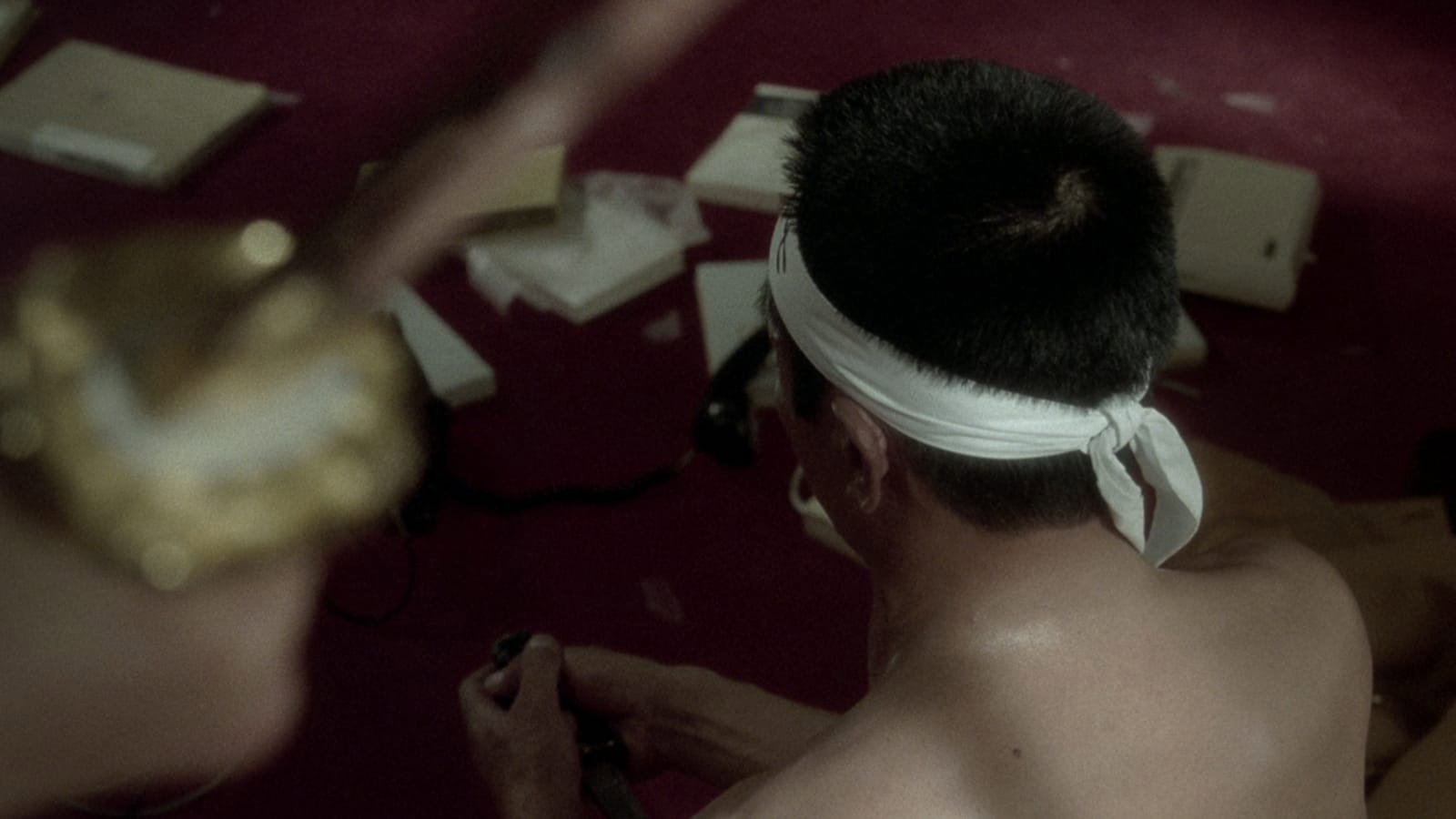
Mishima: A Life in Four Chapters is an absorbing film about a writer who wants his life to justify the things he writes. Paul Schrader gives that ambition an unusually persuasive form, placing black-and-white biography beside theatrical versions of the novels and the events of 25 November 1970. The film asks us to take Yukio Mishima’s appetite for beauty and discipline seriously, without making him easy company. We recommend it, with reservations about how gently it questions his politics.
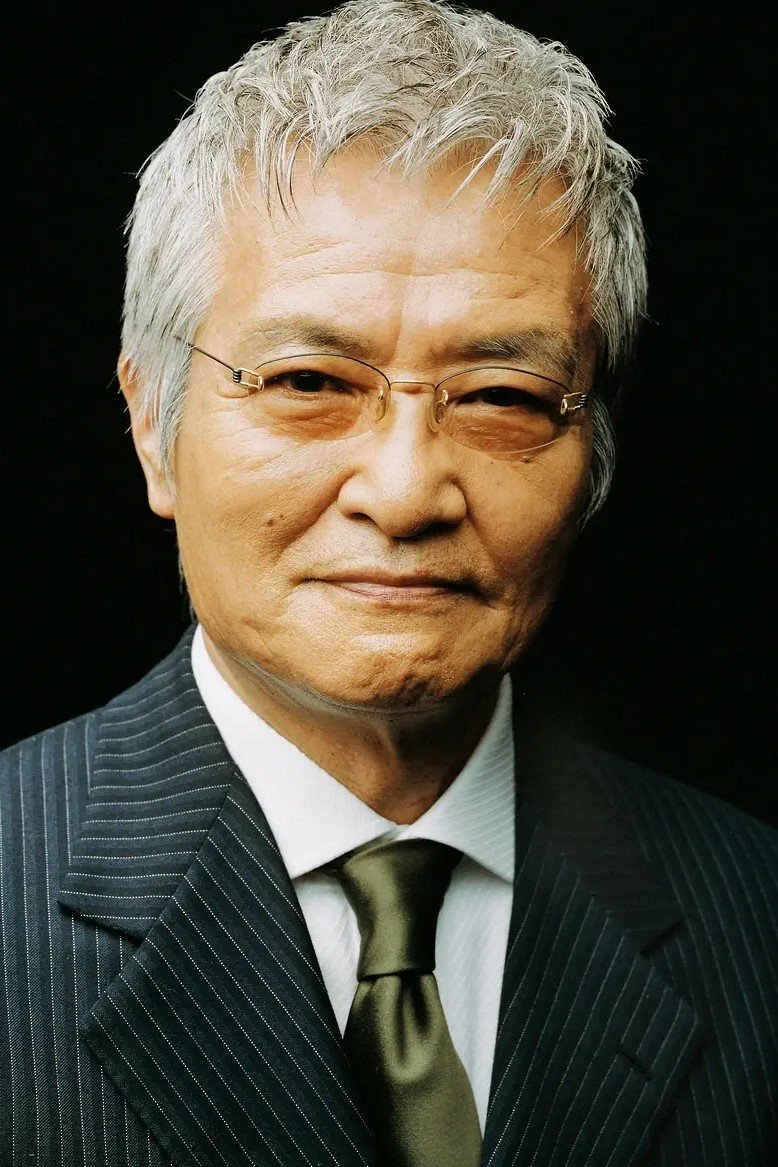
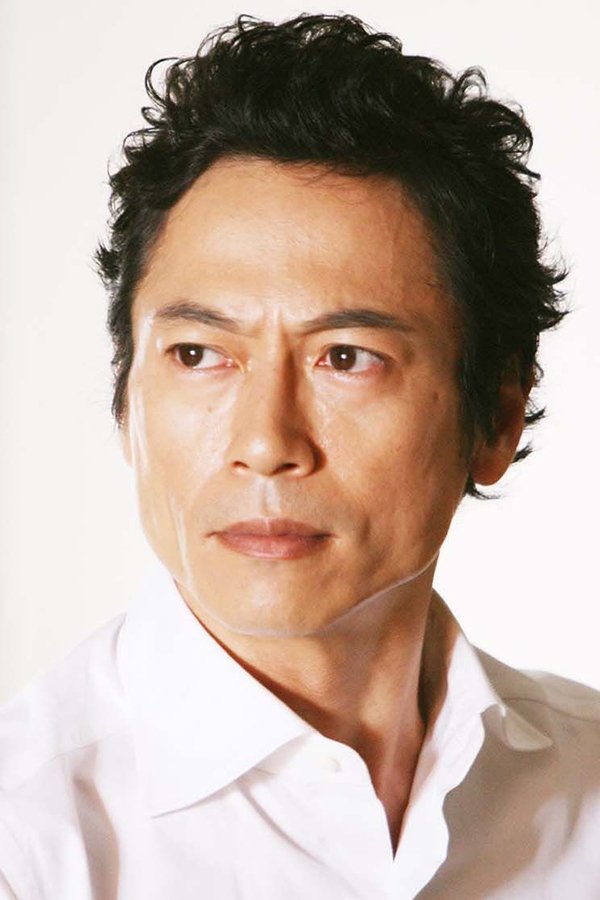
Ken Ogata makes the writer’s seriousness credible even when his ideas are difficult to accept. His Mishima has enough authority to hold our attention through the shifts between biography and fiction. We need to believe that this man could regard artistic discipline as a way of organising an entire life, and the performance gives us that belief without asking for affection. He keeps the biographical passages from feeling like notes supplied to explain the books.
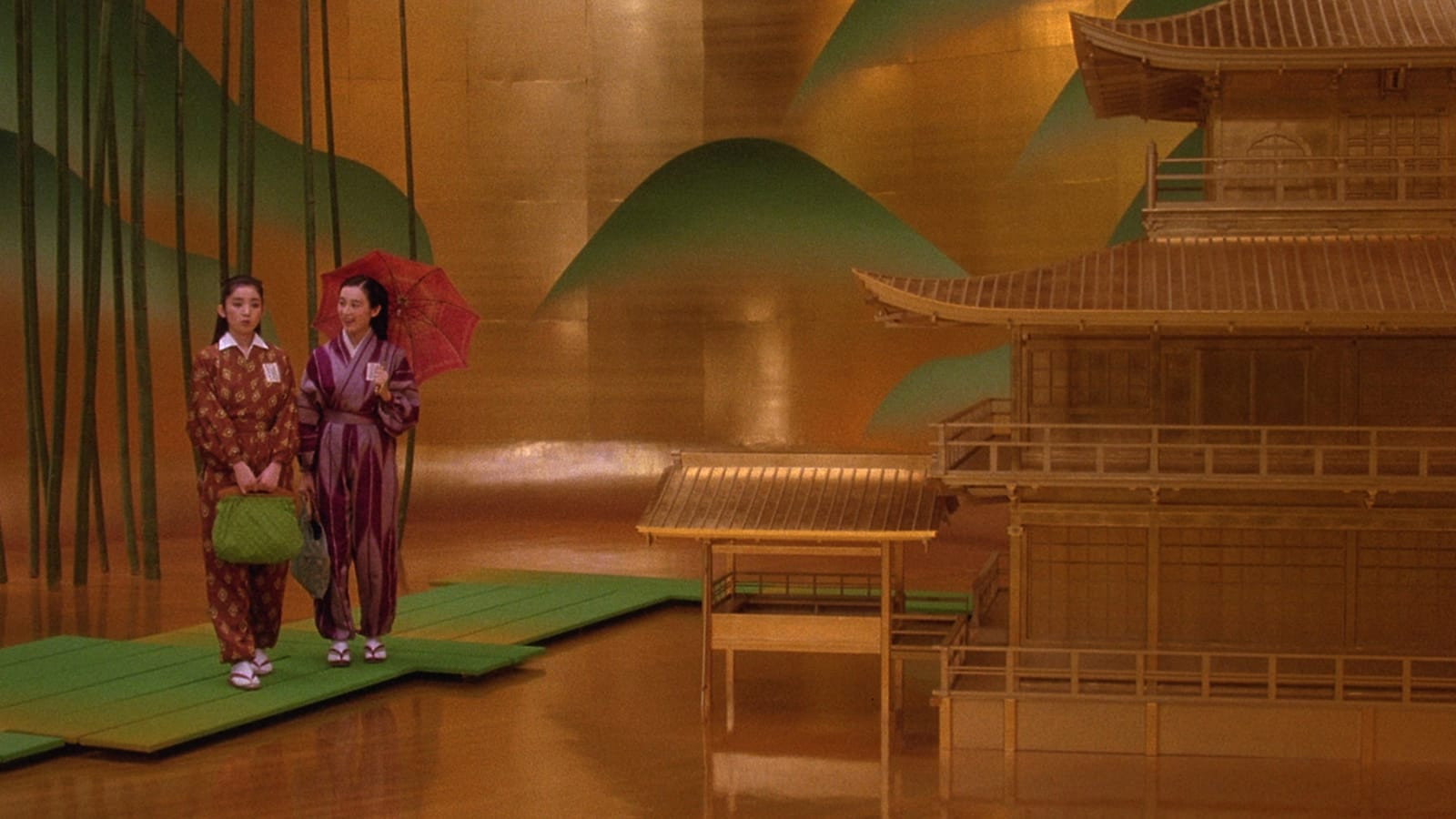
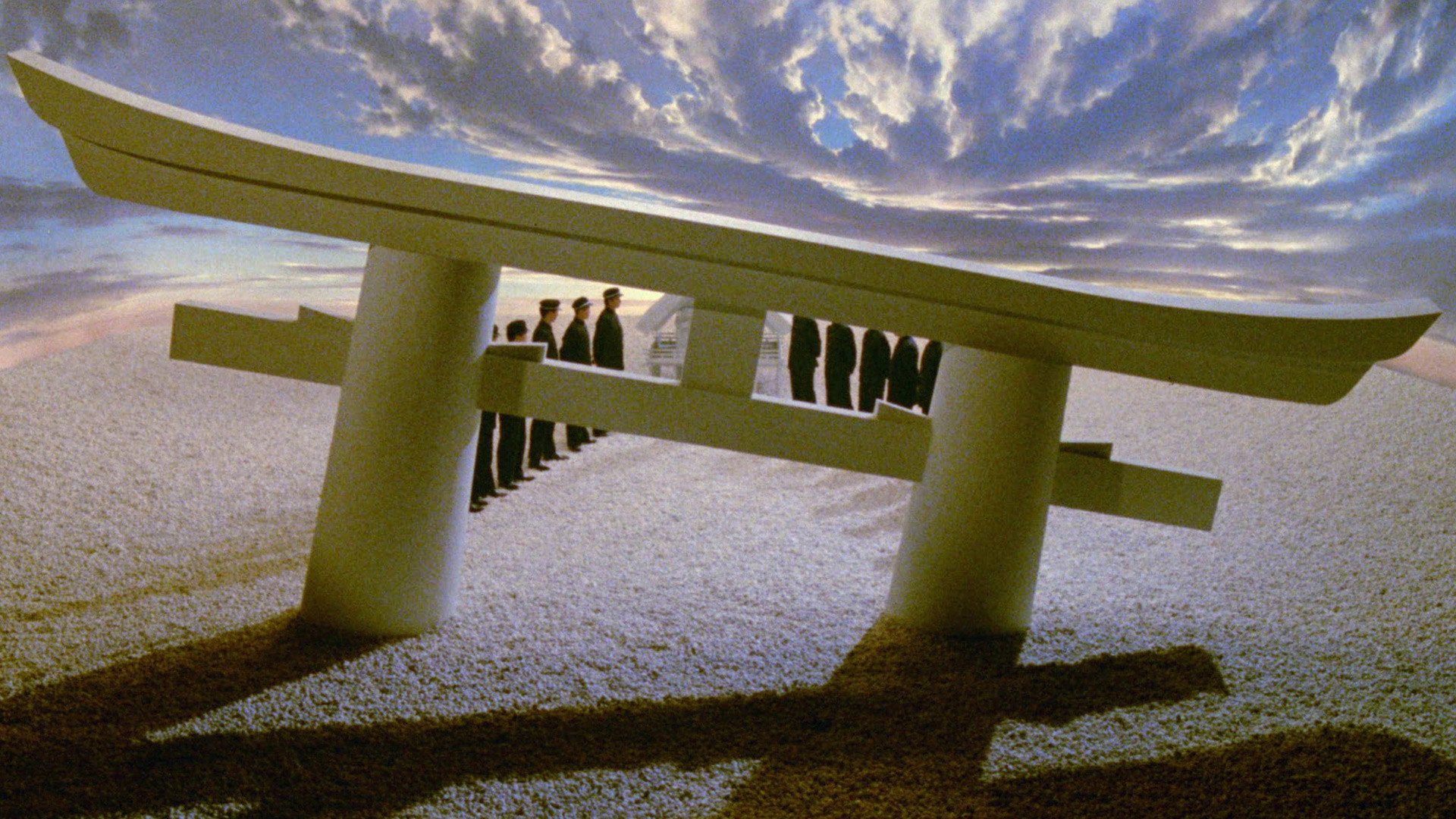
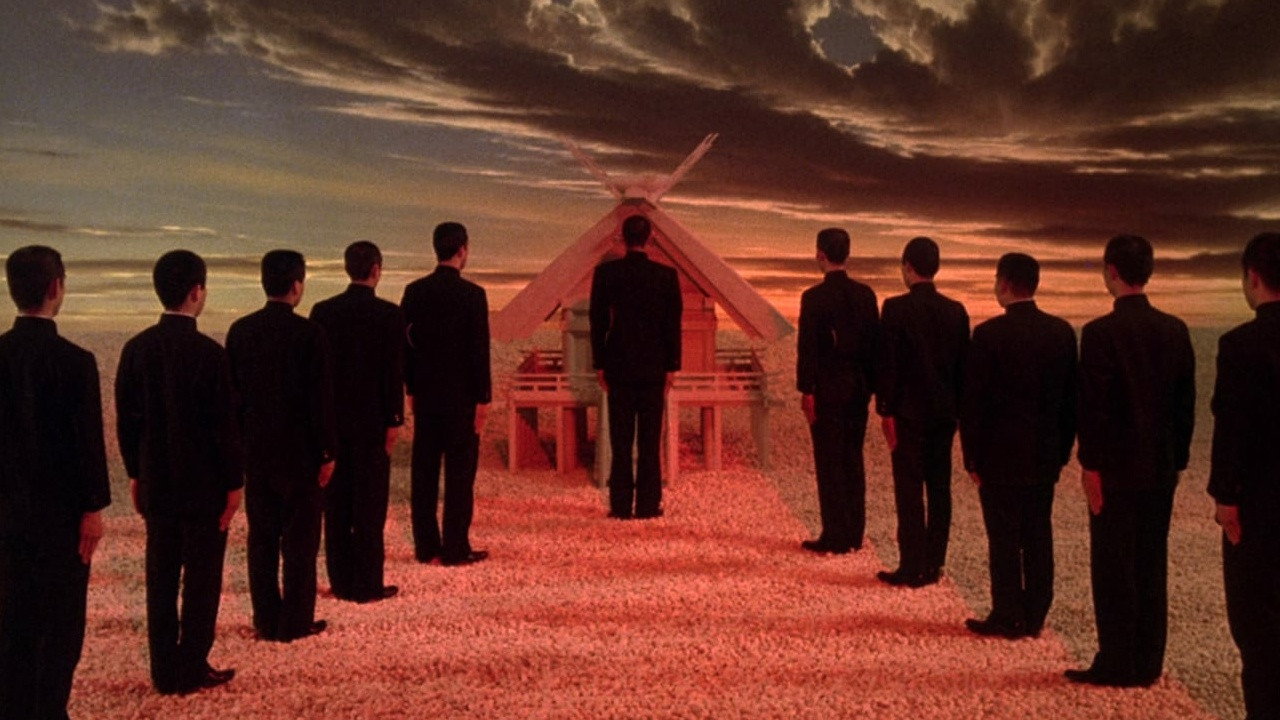
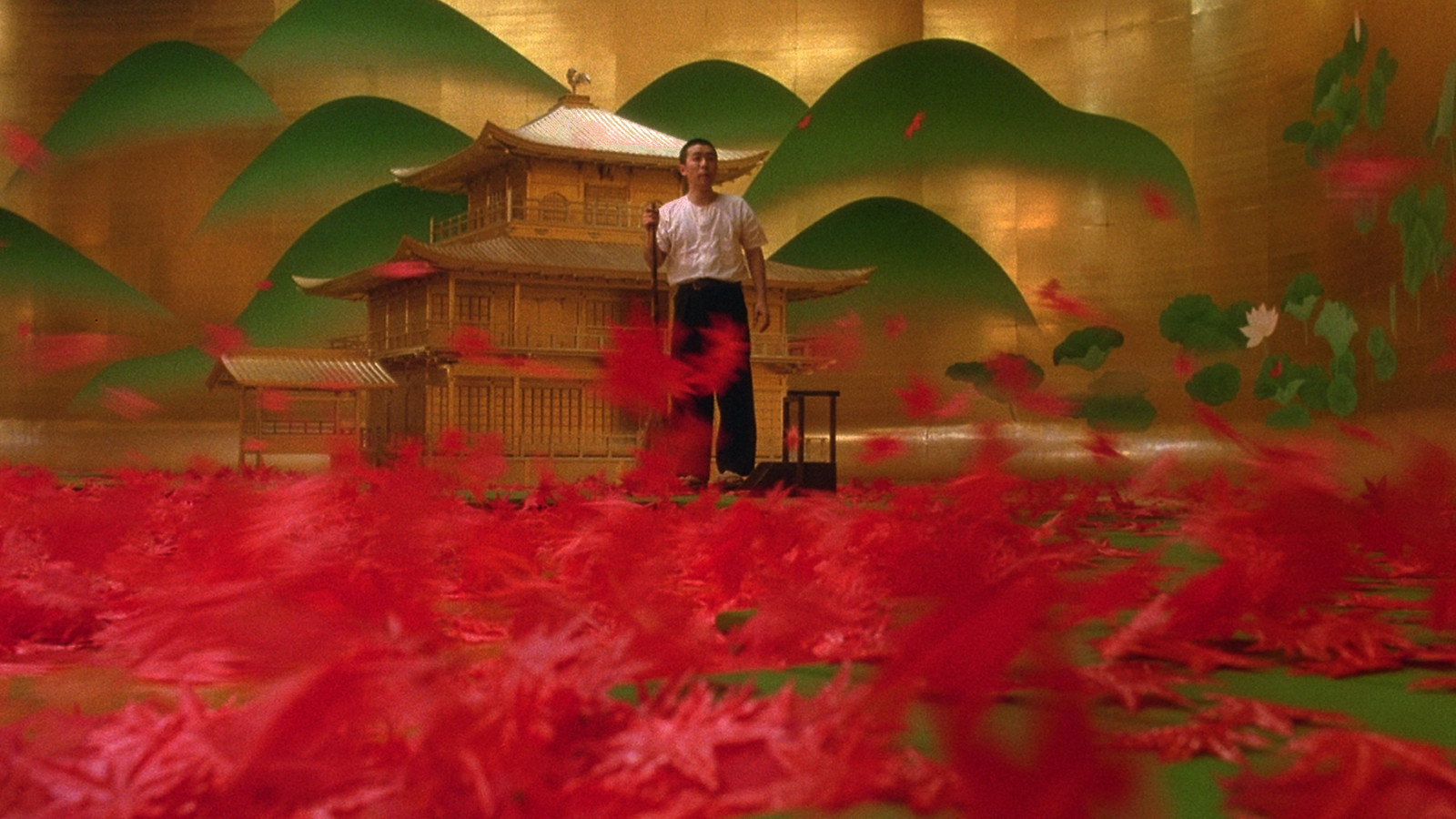
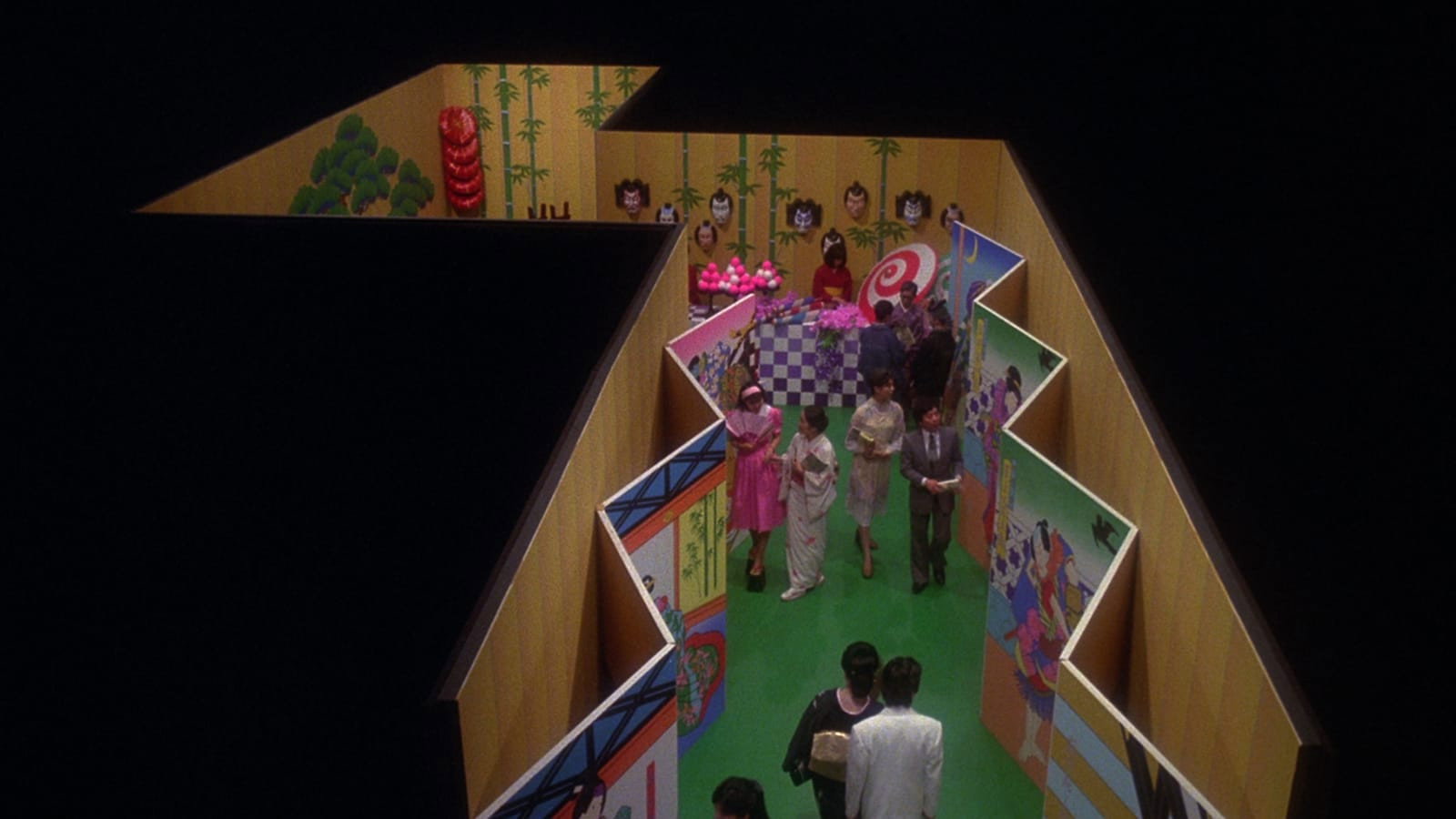
We were exhilarated when the monochrome biography gave way to the staged colour of the fiction. Cinematographer John Bailey makes the change unmistakable, so that we know we are entering a novel without needing an explanation of every connection. Eiko Ishioka’s production design lets the sets look like sets, giving the imagined scenes a freedom that naturalistic locations would restrict. The pleasure comes from seeing how much a film about writing can do without simply illustrating an author at work.
Philip Glass’s score helps those separate kinds of scene belong to the same film. It gives the images urgency and feeling without requiring the dialogue to explain why Mishima’s imagined worlds matter to him. Editors Tomoyo Ōshima and Michael Chandler repeatedly bring biography and fiction into contact, trusting the change of image to prompt the comparison. Some transitions demand a little work from us, but the distinct visual styles provide a dependable guide through the 121 minutes.
Where the film is less satisfying is in its treatment of politics. Paul Schrader is so interested in the writer’s wish to unite belief and action that the appeal of that wish receives more attention than the consequences for other people. The beauty of the novel sequences makes this a real difficulty: we are invited to feel the pull of his obsessions, and the invitation works. We wanted the film to question his convictions as closely as it examines his writing.
A literary biography can become a dutiful list of experiences that supposedly account for the books. Here the fictional scenes are allowed to be strange and exaggerated, and to complicate what the life appears to tell us. Knowledge of the novels would help with some connections, but their colour and deliberate artificiality have an immediate appeal of their own. Give it an evening when nobody needs the story to keep moving in a straight line.