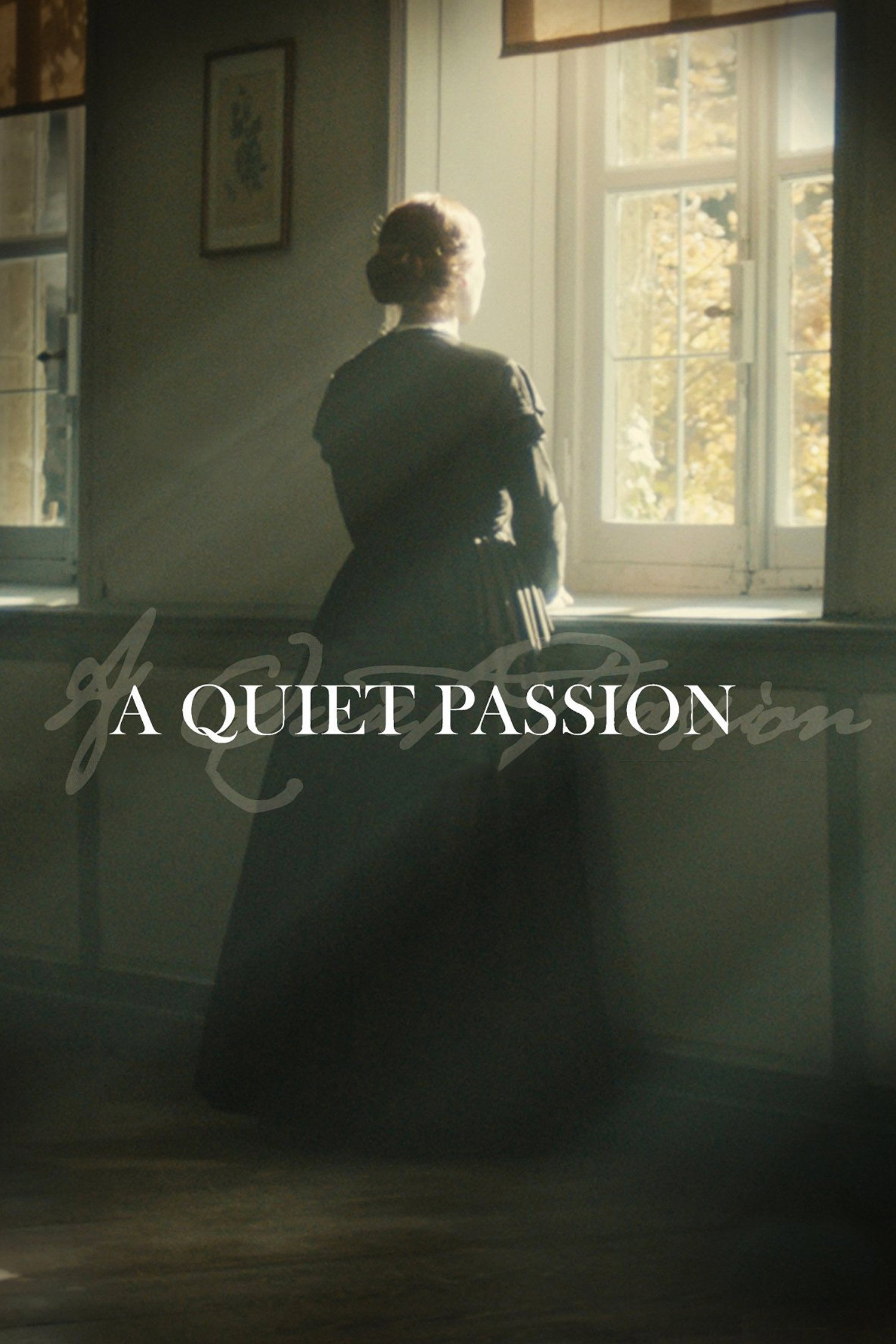
Jane Campion’s Janet Frame biography is patient, funny and moving, led by Kerry Fox’s stubborn, unshowy performance. Some episodes drift, but the film earns the time it asks us to spend with her.
An Angel at My Table is a patient, funny and humane biography, worth making time for despite its occasional stretches of drift. Jane Campion adapts Janet Frame’s autobiographies without treating their author as someone whose every difficulty needs to teach us a lesson. Laura Jones’s screenplay allows a life to develop at an uneven pace, including the business of learning how to live among other people. At 158 minutes, the film asks for considerable attention, and usually rewards it.
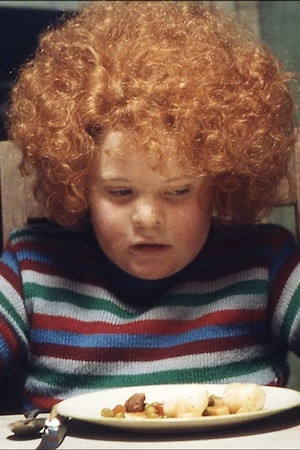
The changes of actress could easily have made Janet’s childhood, adolescence and adulthood feel like separate assignments. Alexia Keogh, Karen Fergusson and Kerry Fox give us enough continuity of temperament to make the progression convincing, without seeming to copy one another. We felt protective of Keogh’s Janet, because her performance makes being noticed by other people seem such an ordeal. Campion gives that discomfort time, and the older performers preserve something of the child’s unease.
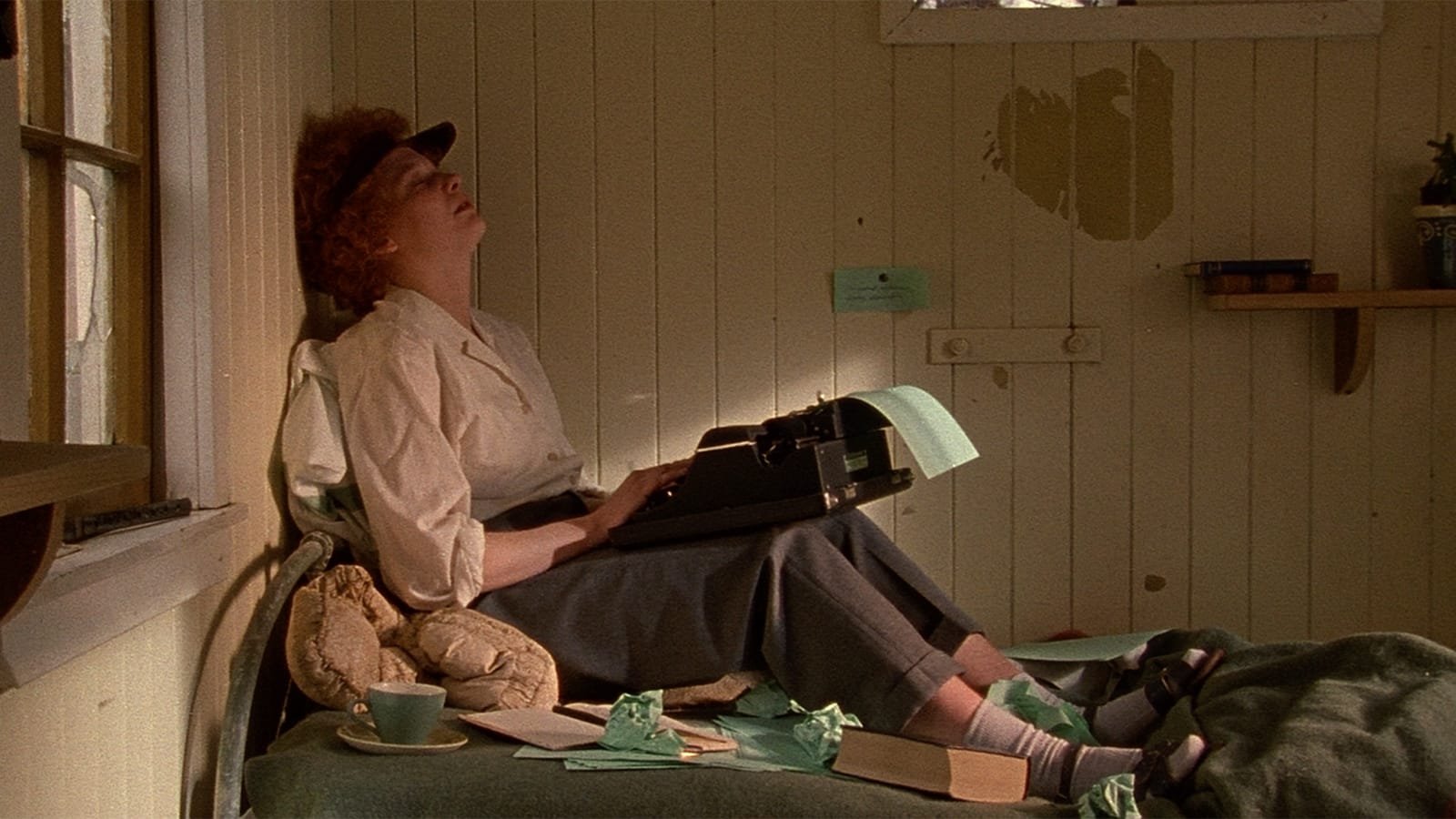
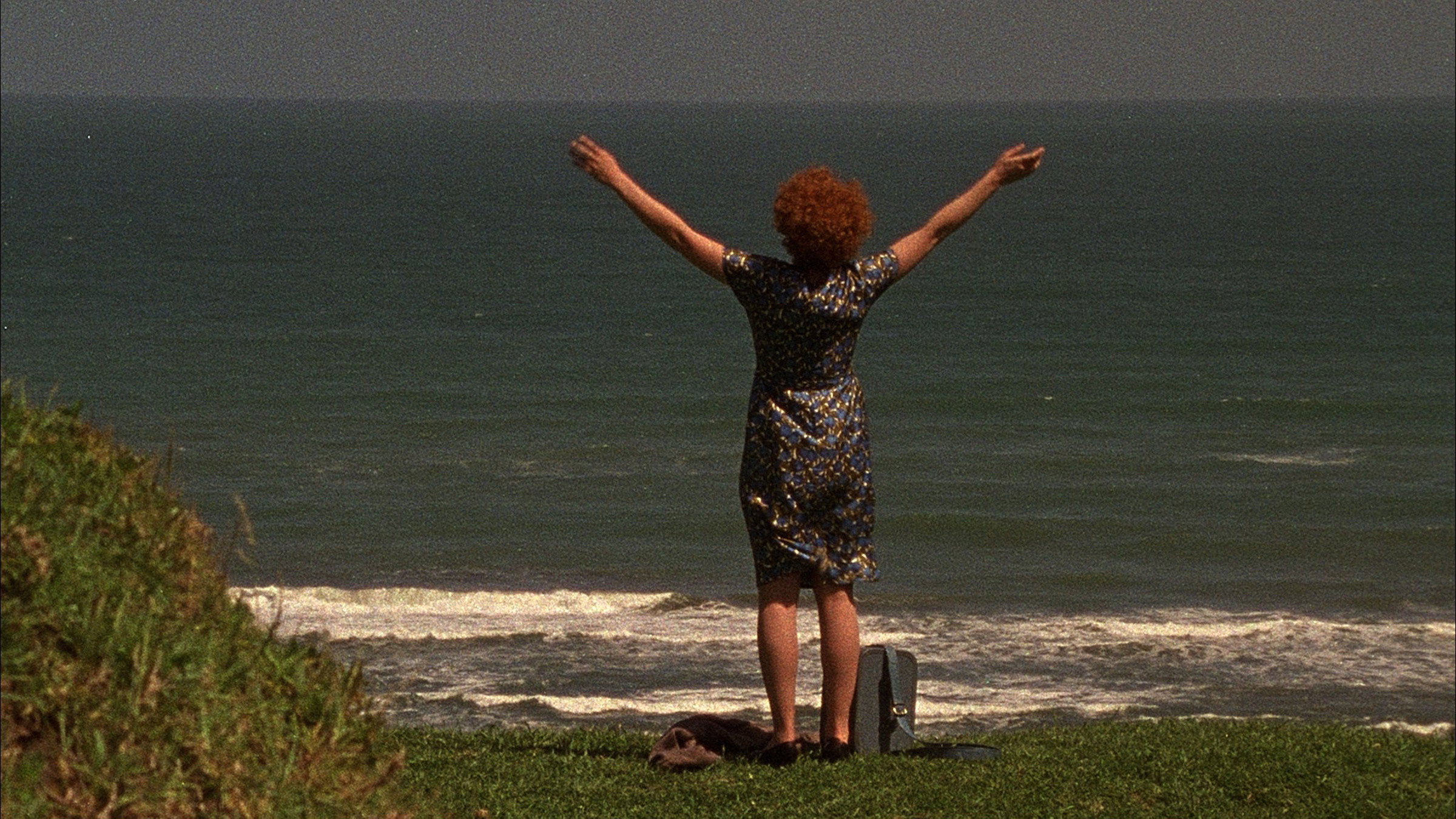
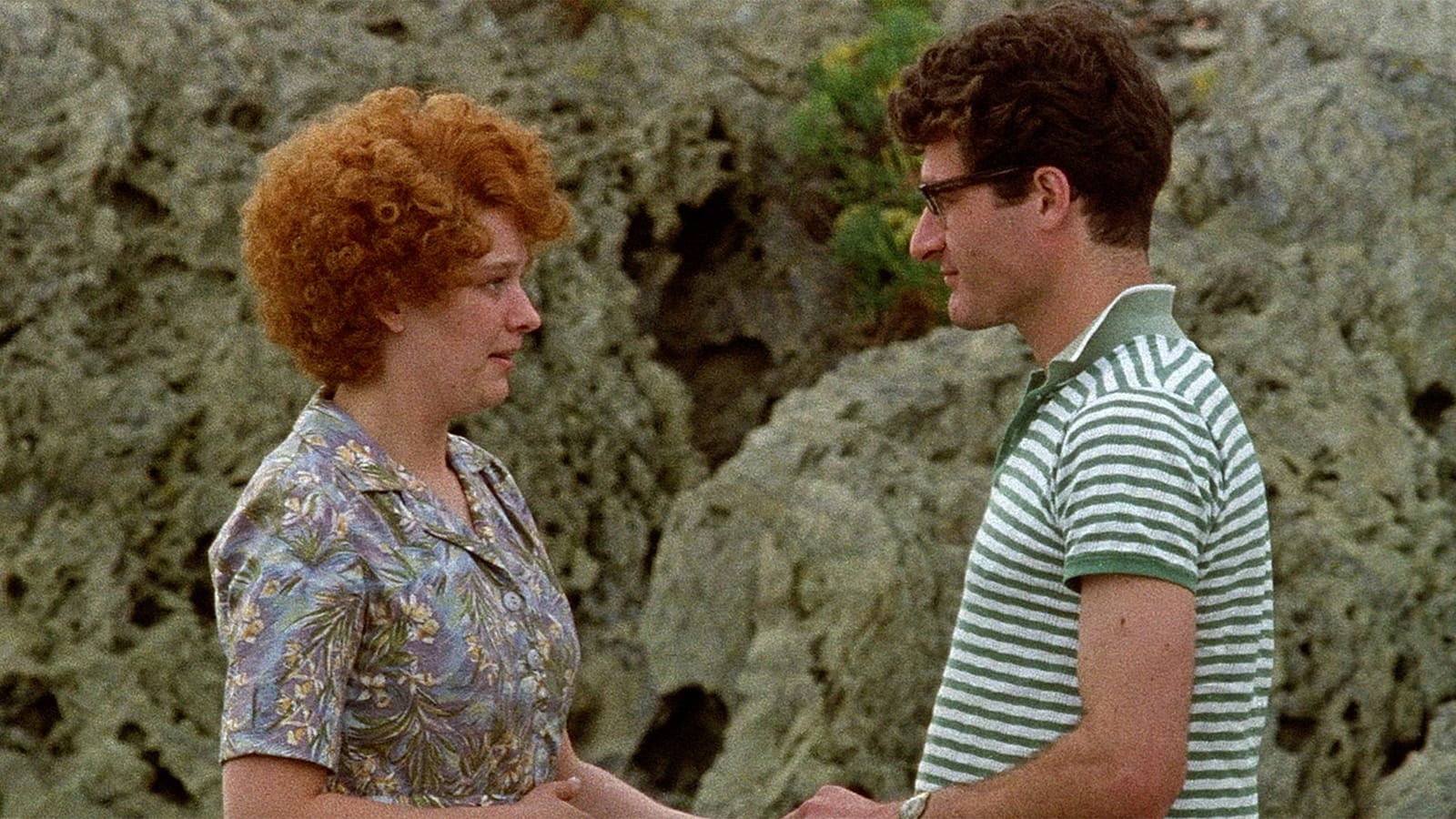
Fox is particularly good at allowing Janet to be awkward and stubborn, with no suggestion that an apology is due. There is humour in the performance, and it stops Campion’s tenderness becoming too solicitous. The film can find behaviour funny without making Janet an object of ridicule; we are given time to get used to her company. Fox resists the temptation to make every thought legible, which is often persuasive and occasionally frustrating.
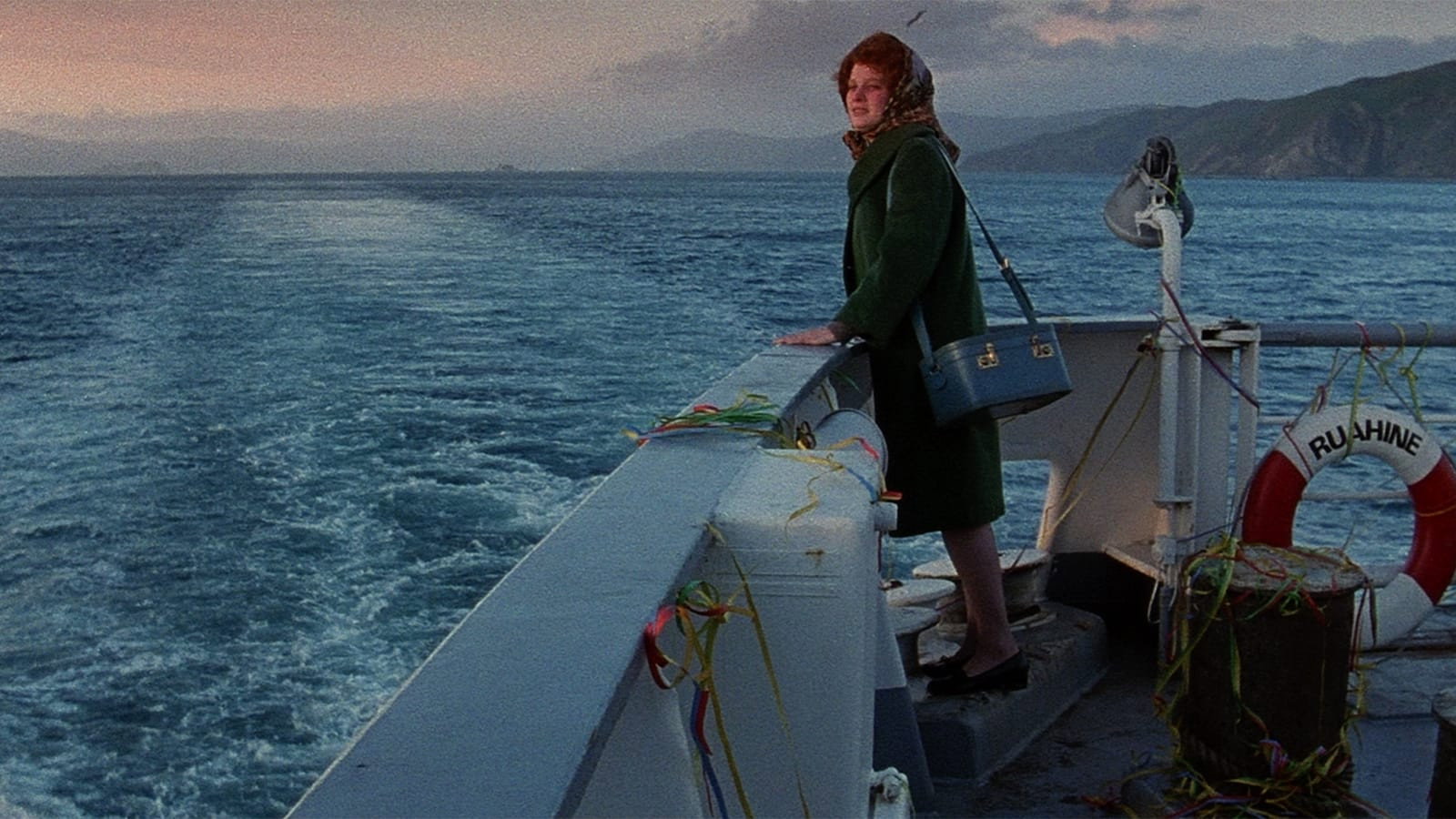
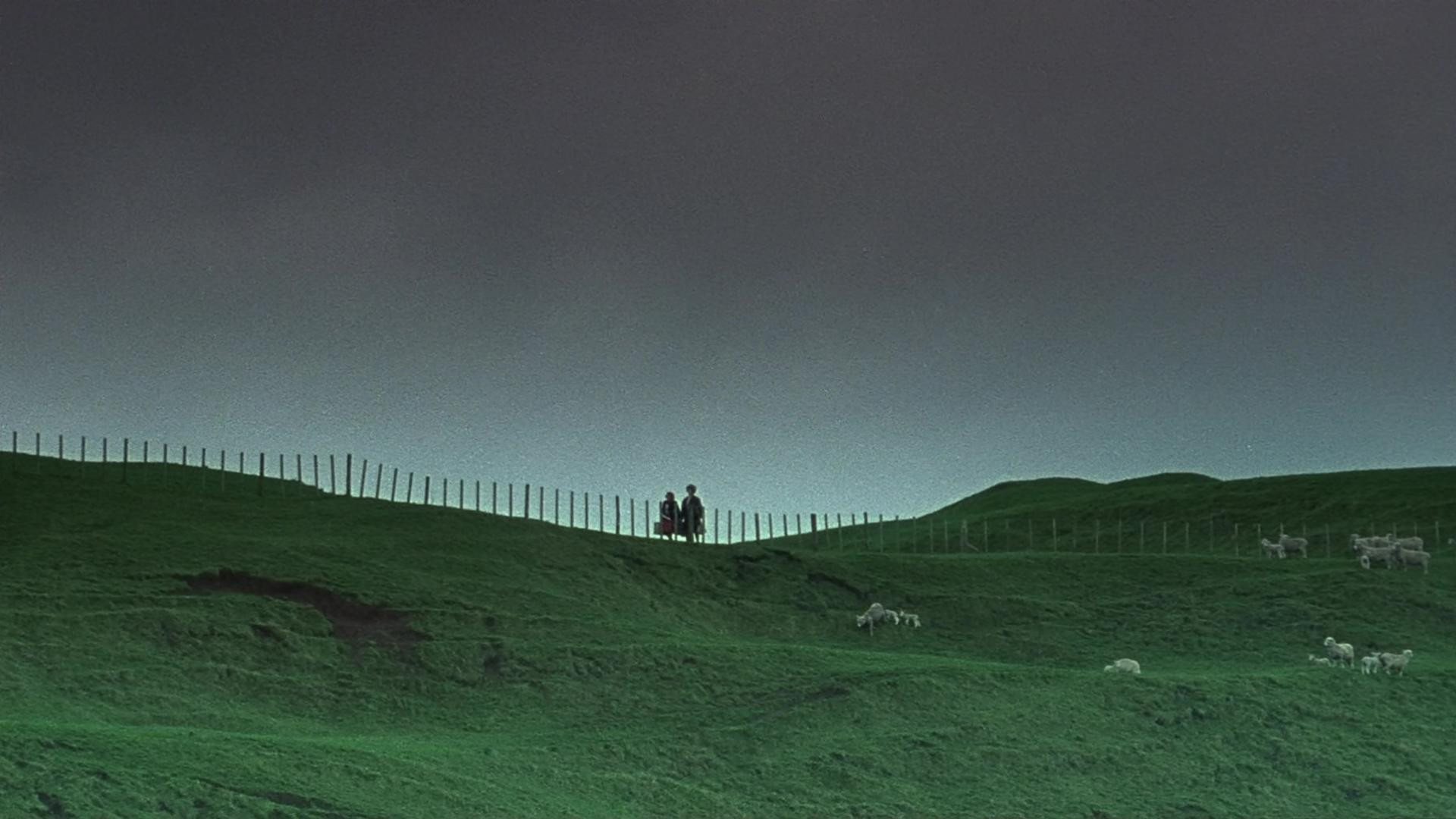
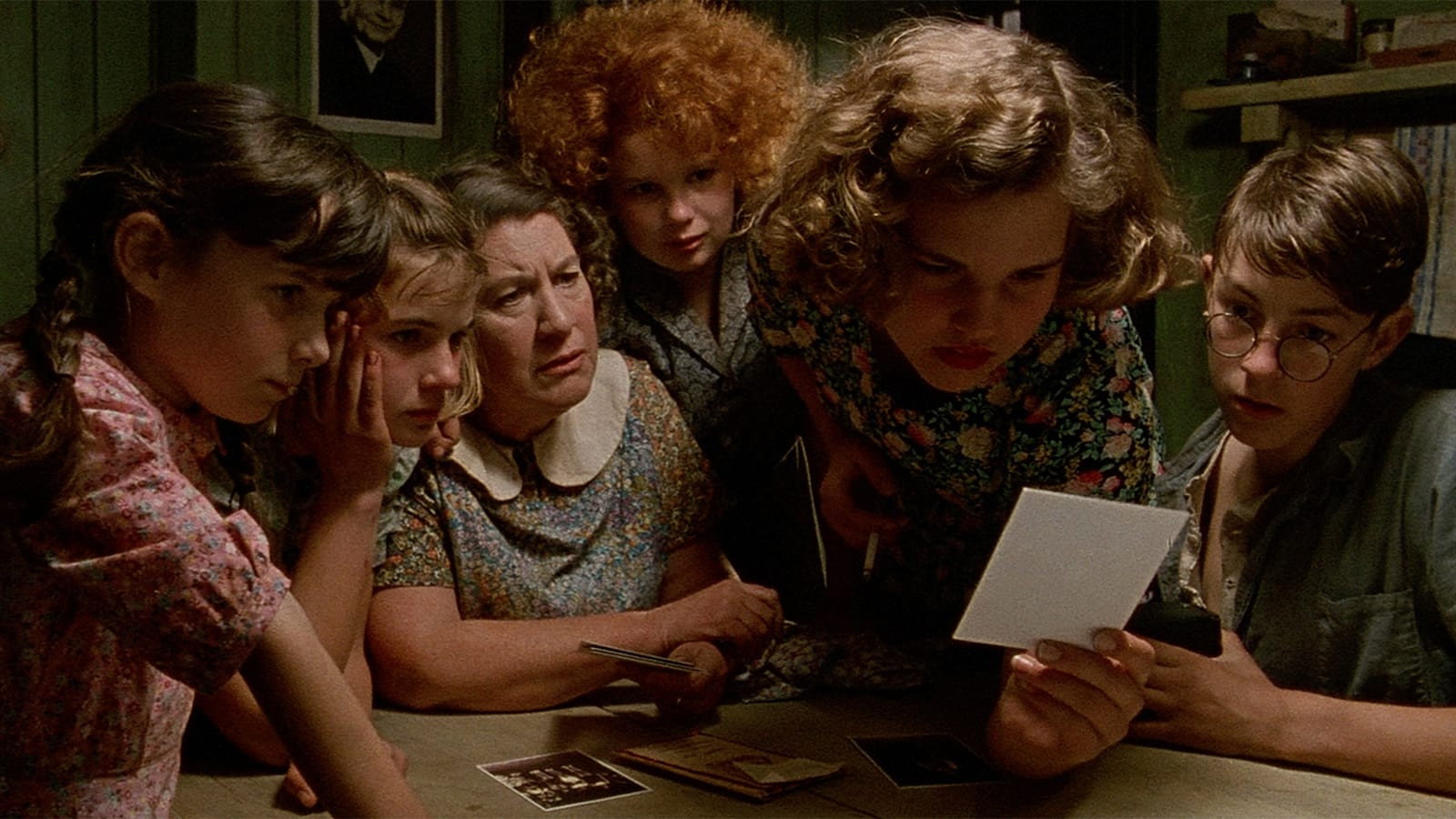
Stuart Dryburgh’s cinematography keeps Janet’s relationship to her surroundings clear, allowing us to notice how uncomfortable she can seem in the space available to her. His compositions work because our attention stays with the person, however much there is around her to look at. Grant Major’s production design makes the places she inhabits feel lived in, avoiding the distracting tidiness that can make a biography resemble a visit to somebody’s preserved home. We believe these people belong in these spaces.
Veronika Jenet’s editing helps us accept each older Janet without feeling that the film has started again. She allows individual passages to settle, trusting the performances to hold our attention through changes in age and circumstance. Don McGlashan’s music is sympathetic, but restrained enough to leave us some choice about how to feel. That is valuable here, where too much musical encouragement would make Campion’s concern for Janet feel like a request for our pity.
The weakness is that this patience is not equally rewarding throughout. Some episodes tell us little more about Janet than we already know, and Jones’s writing can leave Fox doing too much of the work of keeping us curious. We occasionally wanted a clearer sense of what was passing through Janet’s mind, particularly in a film drawn from her own account. A few passages could be shorter without losing anything important about her.
Writer biographies often invite us to forgive difficult behaviour because an important book will eventually come of it. Campion is more interested in what it costs Janet to get through ordinary encounters, and the three principal performances justify that choice. We recommend it for the attention it pays to a person who does not readily explain herself, and for its willingness to let her be funny. Choose an evening when nobody is waiting for the plot to hurry up.