Víctor Erice makes a child’s fascination with Frankenstein quietly unsettling, with Ana Torrent giving the film its emotional force. The beautiful images occasionally hold us at a distance, but this is patient, affecting work worth the attention it asks for.
The Spirit of the Beehive takes a child’s questions about life and death seriously enough to let them be frightening. Víctor Erice sets Ana and Isabel’s explorations in a Castilian village in 1940, after the Spanish Civil War, where the adults seem poorly equipped to offer reassurance. It is a patient, affecting film, and we recommend it despite stretches that keep us at a distance. Erice expects us to spend time with people whose thoughts we cannot readily follow.
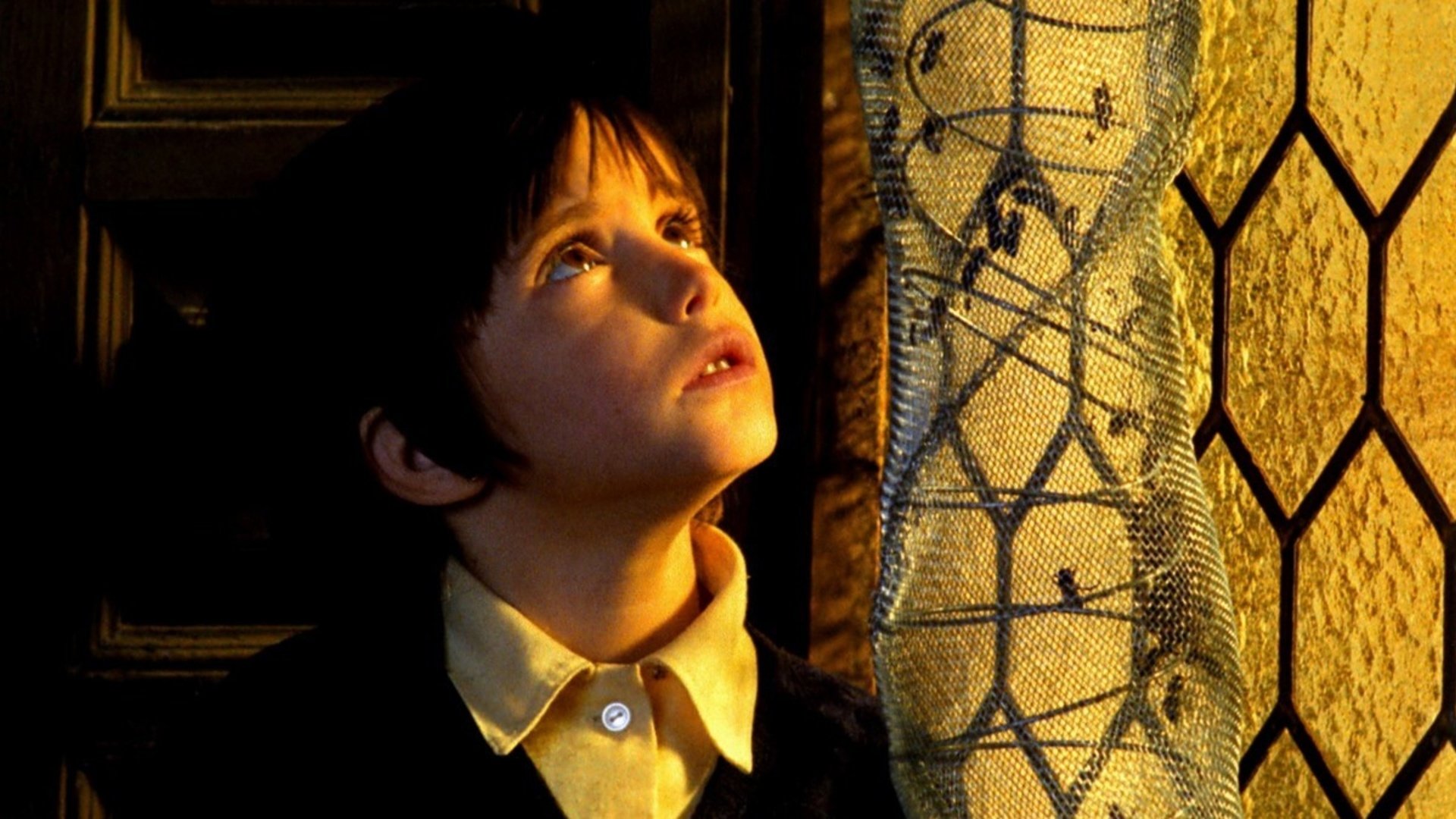
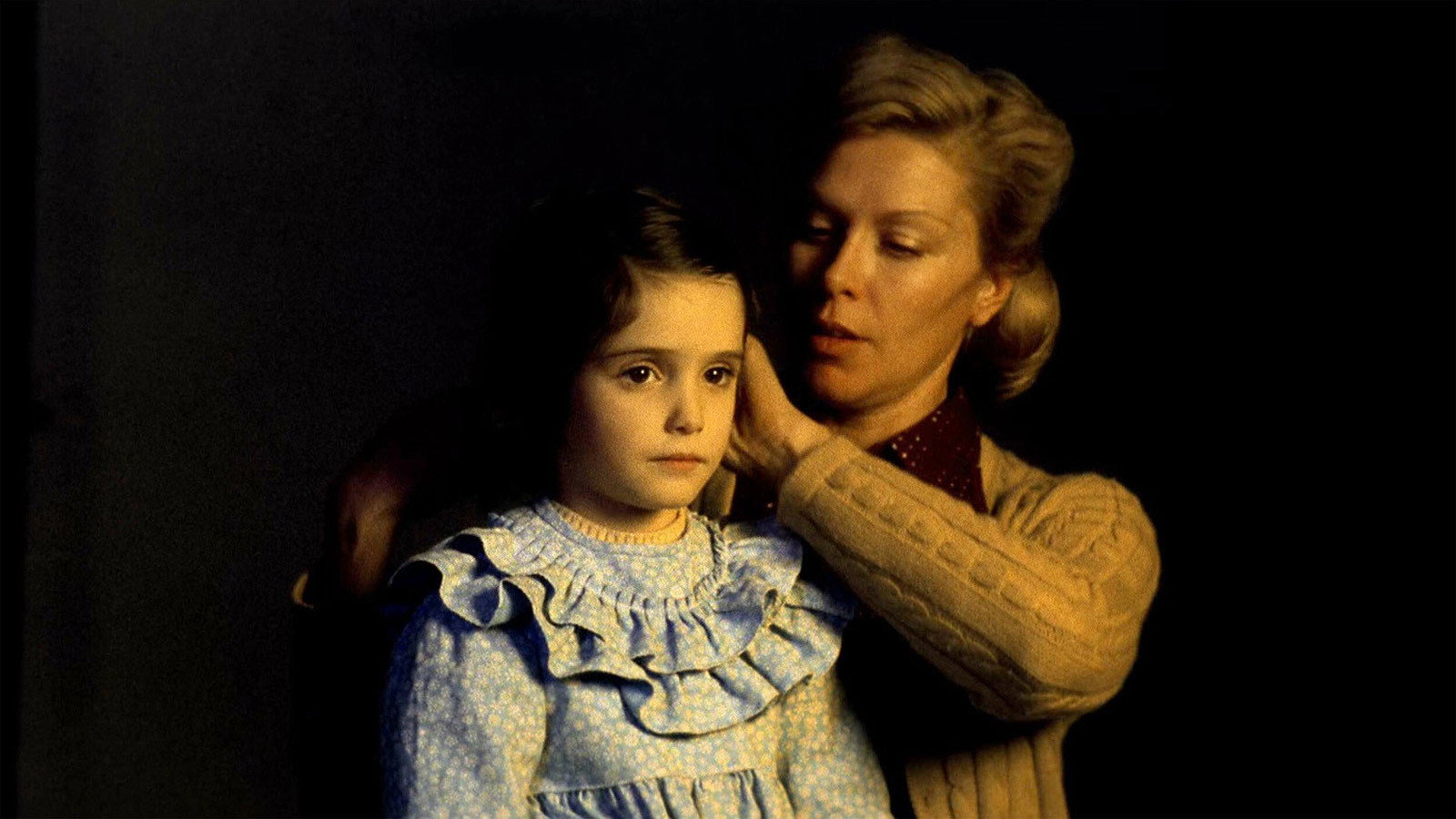
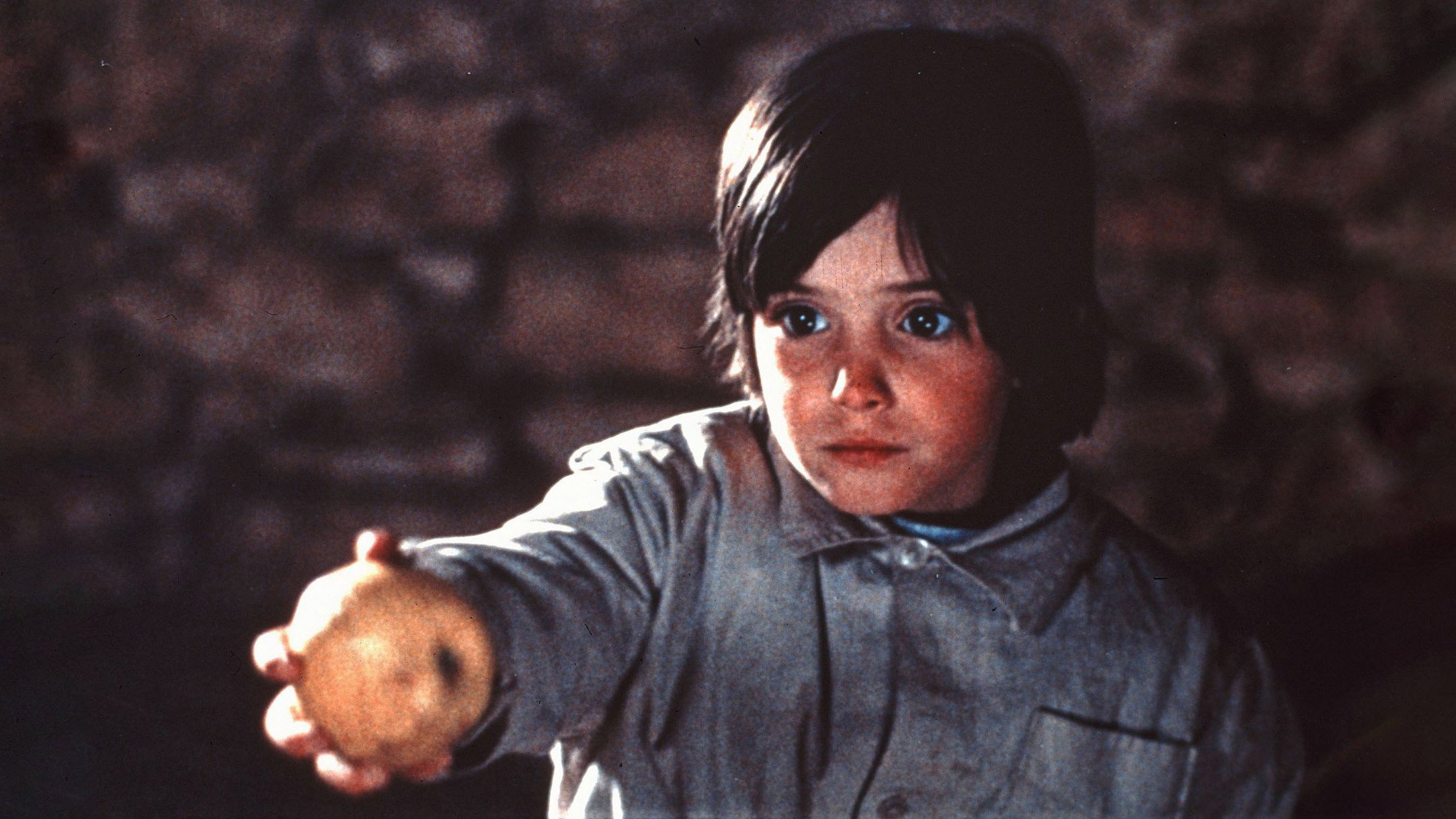
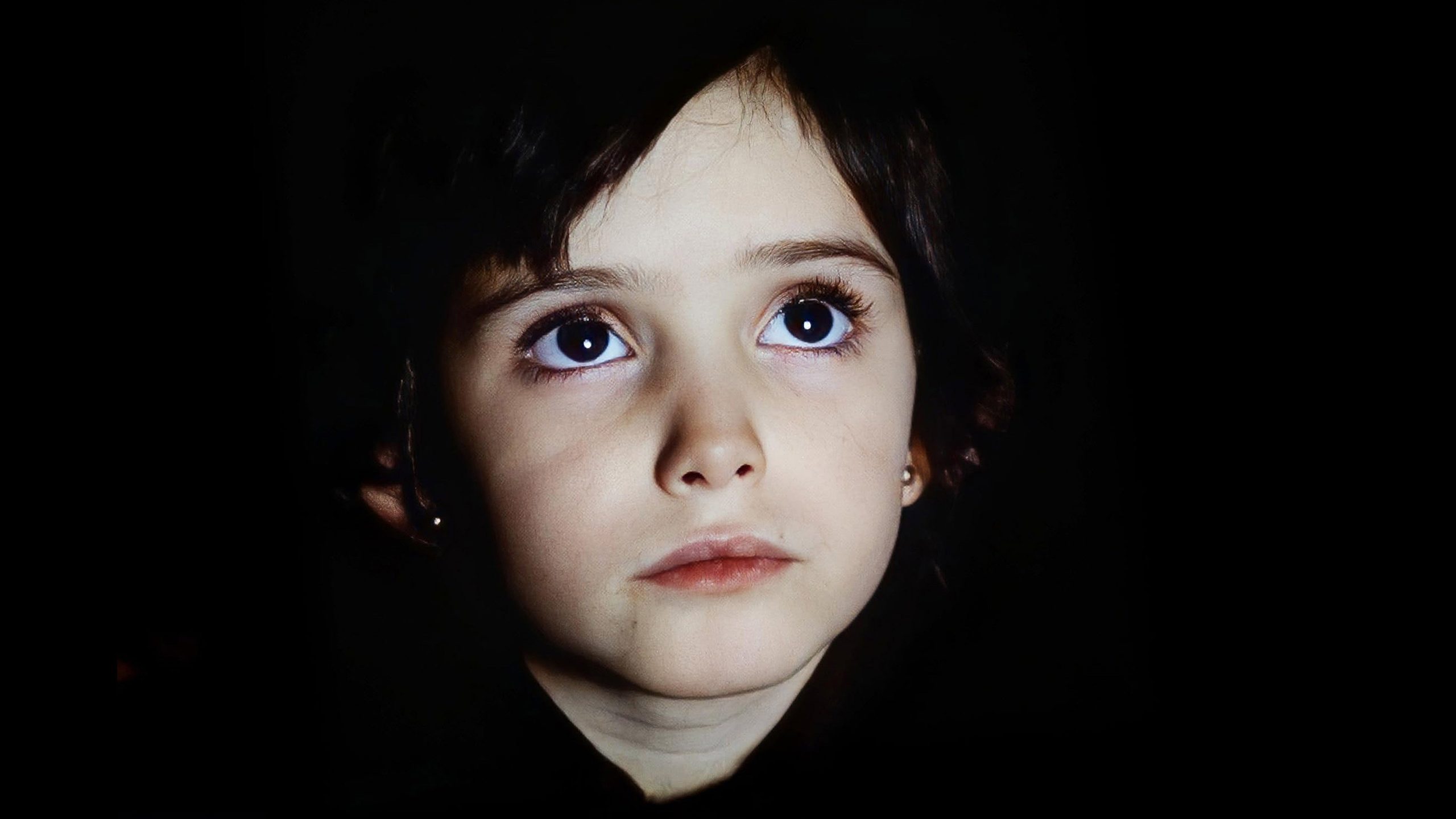
Ana Torrent makes that invitation easier to accept. Her Ana has the concentrated attention of a child who has not yet learnt which things adults consider worth noticing, and her fascination with the Frankenstein monster never feels like a cute eccentricity. We were unsettled by Torrent’s stillness, because Ana seems to be taking in more than she can make sense of. Torrent makes us want to understand what Ana is thinking without pretending that a child’s face can tell us everything.
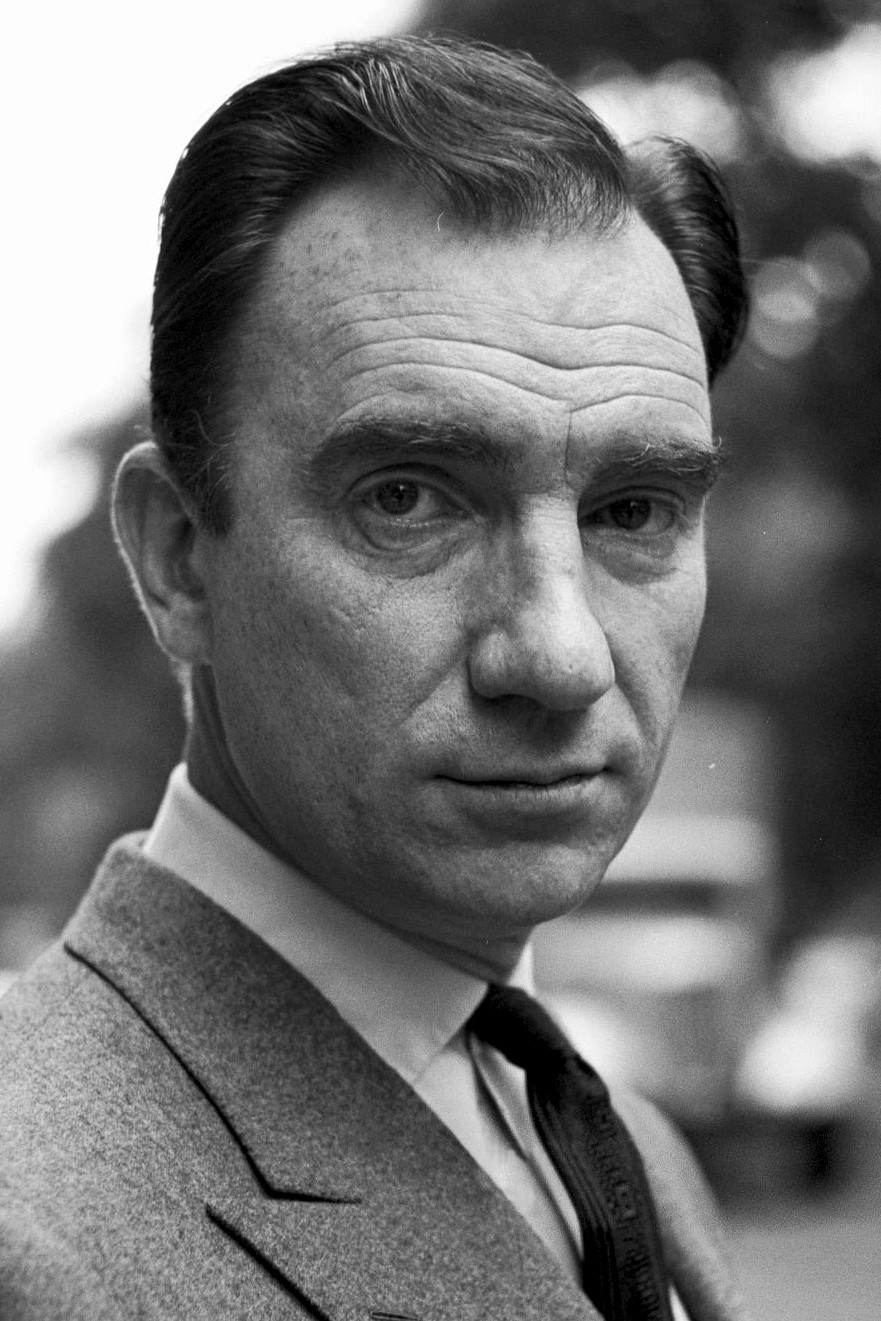
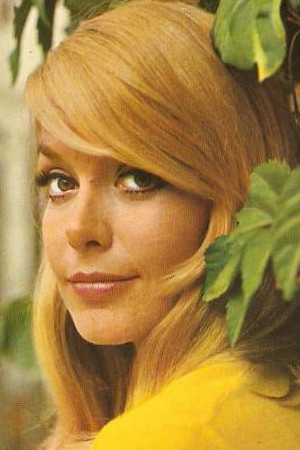
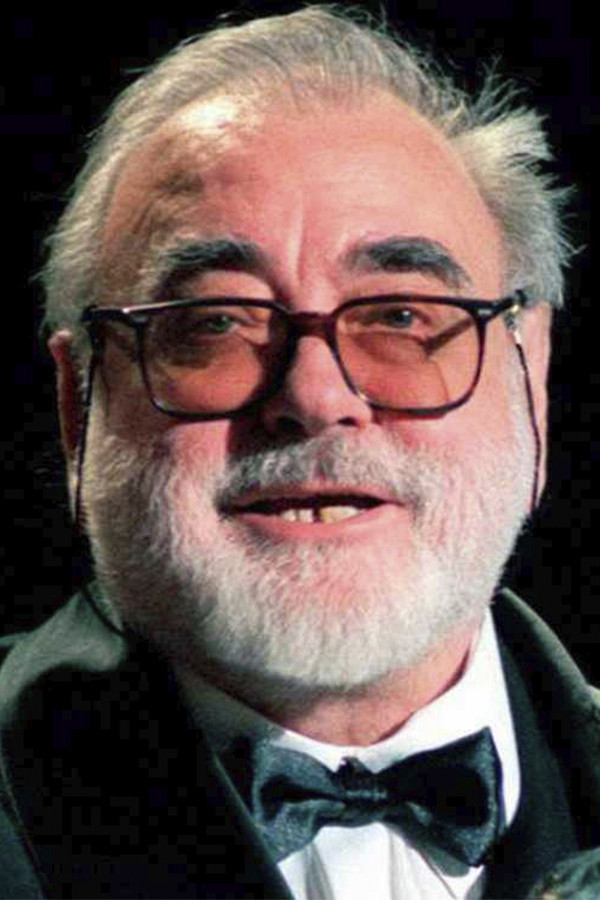
Isabel Tellería’s Isabel matters because Ana is not left to represent childhood on her own. The sisters’ explorations feel tentative, and the film allows both girls a curiosity that need not lead to a useful lesson. Fernando Fernán Gómez and Teresa Gimpera are restrained presences as Fernando and Teresa, and that reserve makes the adults harder to approach. Erice does not make their distance from the children a reason to dismiss them.
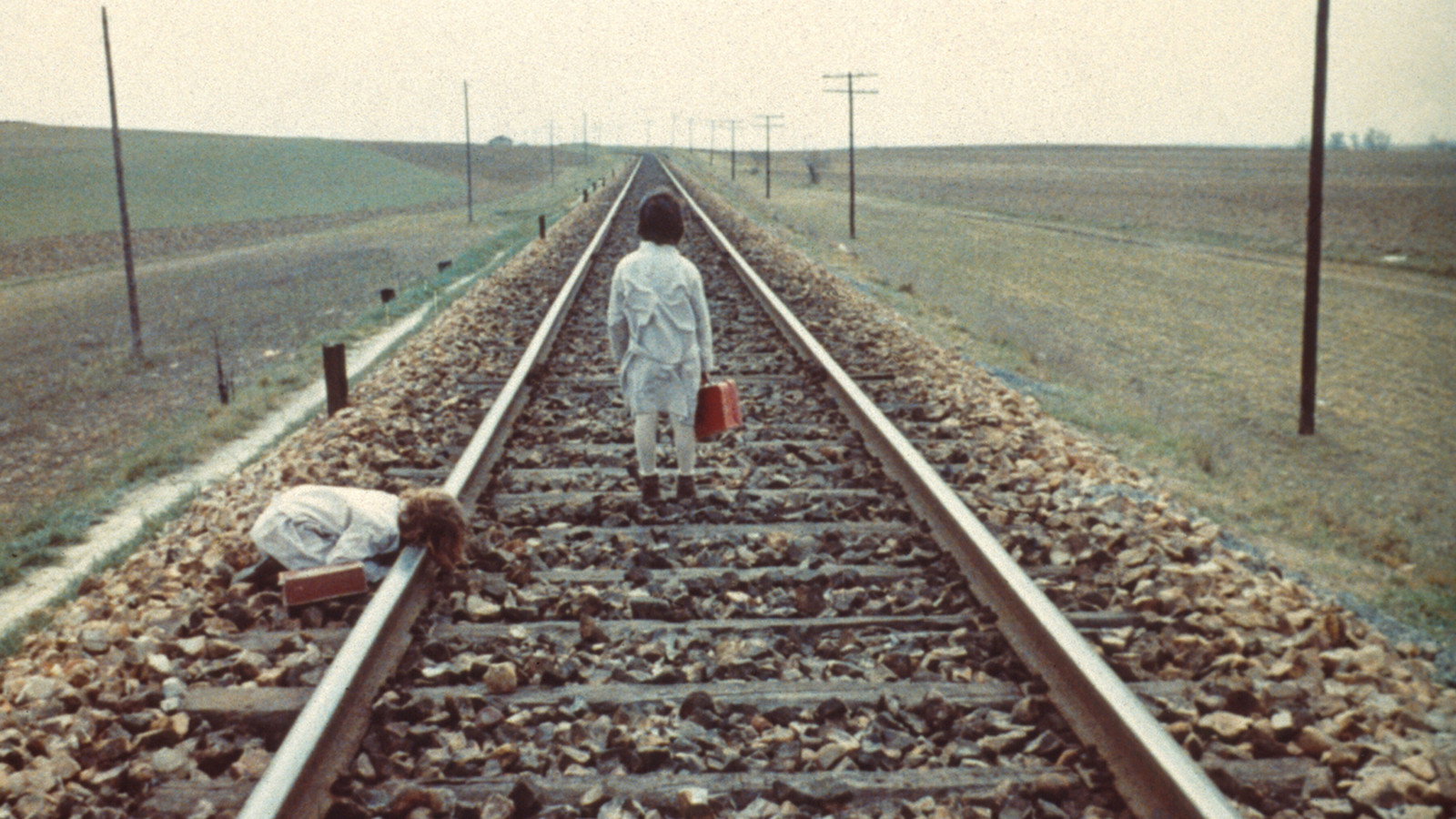
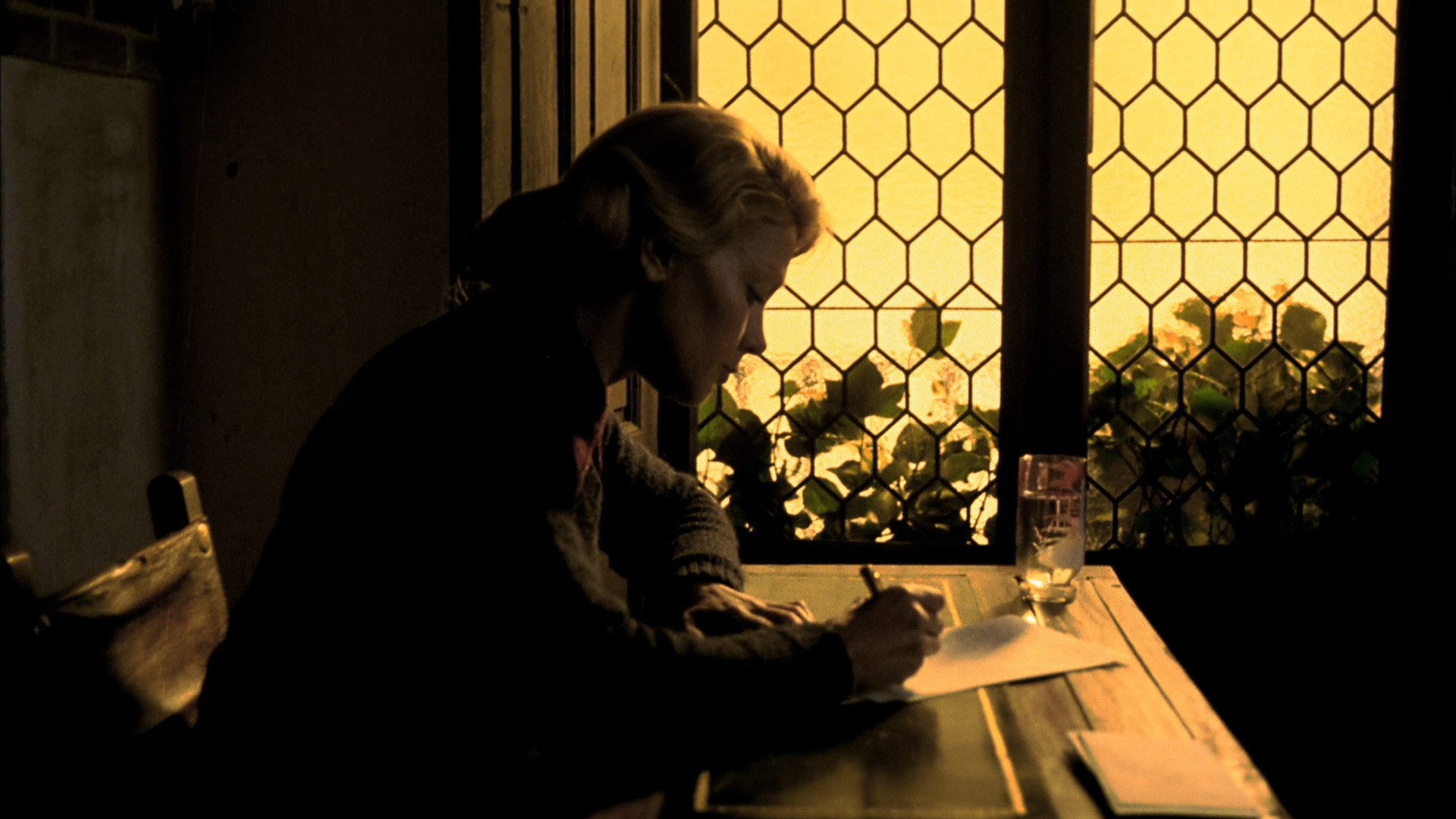
Luis Cuadrado uses yellow filters and long, static shots to give the village a weary stillness. The colour warms the image without making the place welcoming, while Adolfo Cofiño’s production design keeps the surroundings from competing with the children. The bees’ industry makes the human inactivity more noticeable; there is something troubling about a village where the insects seem to have more to do. Occasionally, though, the compositions satisfy us too easily, and we catch ourselves appreciating the picture when we ought to be concerned about the person in it.
Pablo González del Amo’s editing gives those images time, generally resisting the urge to turn a child’s uncertainty into a brisk sequence of clues. That patience lets us watch Ana looking, without a cut continually telling us what to notice next. Luis de Pablo’s music makes the quiet less comfortable, and its unease works because it does not insist that we settle on one feeling. The image can remain still while the music encourages us to expect trouble.
The difficulty is that Erice sometimes asks us to accept mystery where we want a little more human detail. The adults can feel so remote that their unhappiness has to be taken on trust, and a prolonged look does not always bring us closer. Still, among fantasies about childhood, this one’s respect for a child’s serious curiosity is persuasive. The monster occupies Ana’s imagination because creation and death are difficult things to understand, and Erice refuses to hurry her towards the sort of answer that would merely let the adults change the subject.
At 98 minutes, the film still needs an unhurried evening. We would not advise trying to decode every image on a first viewing; Ana’s curiosity is enough to follow. The political unease is there in the village’s inactivity, without our having to assign a meaning to everything the children do. Watch when the silence will not have to compete with a conversation.