Film review

Pather Panchali

1955 · Directed by Satyajit Ray · 2h 05m

In a sentenceOne Bengal household, and somehow we leave with an entire family to worry about

DramaHistory

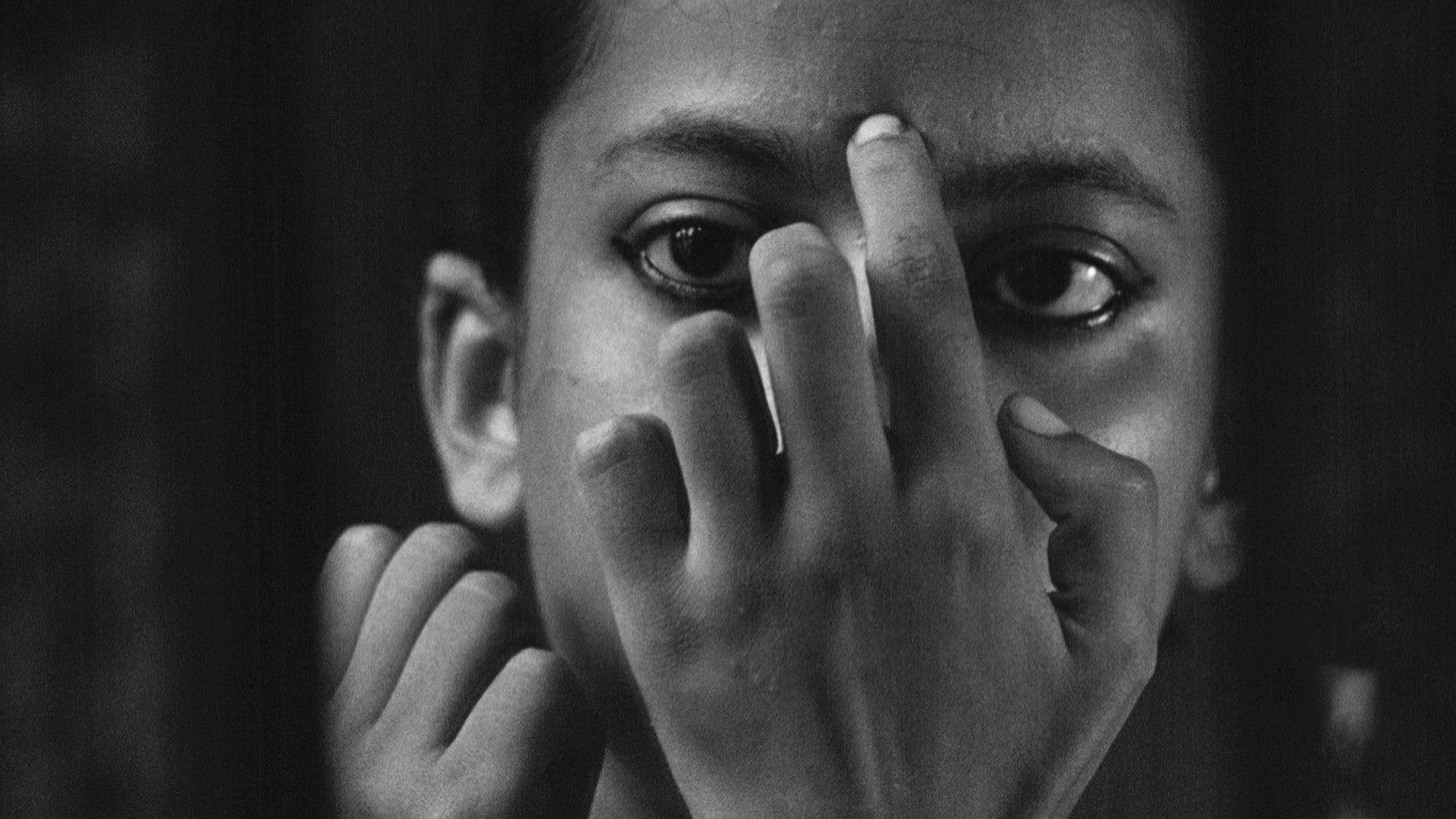
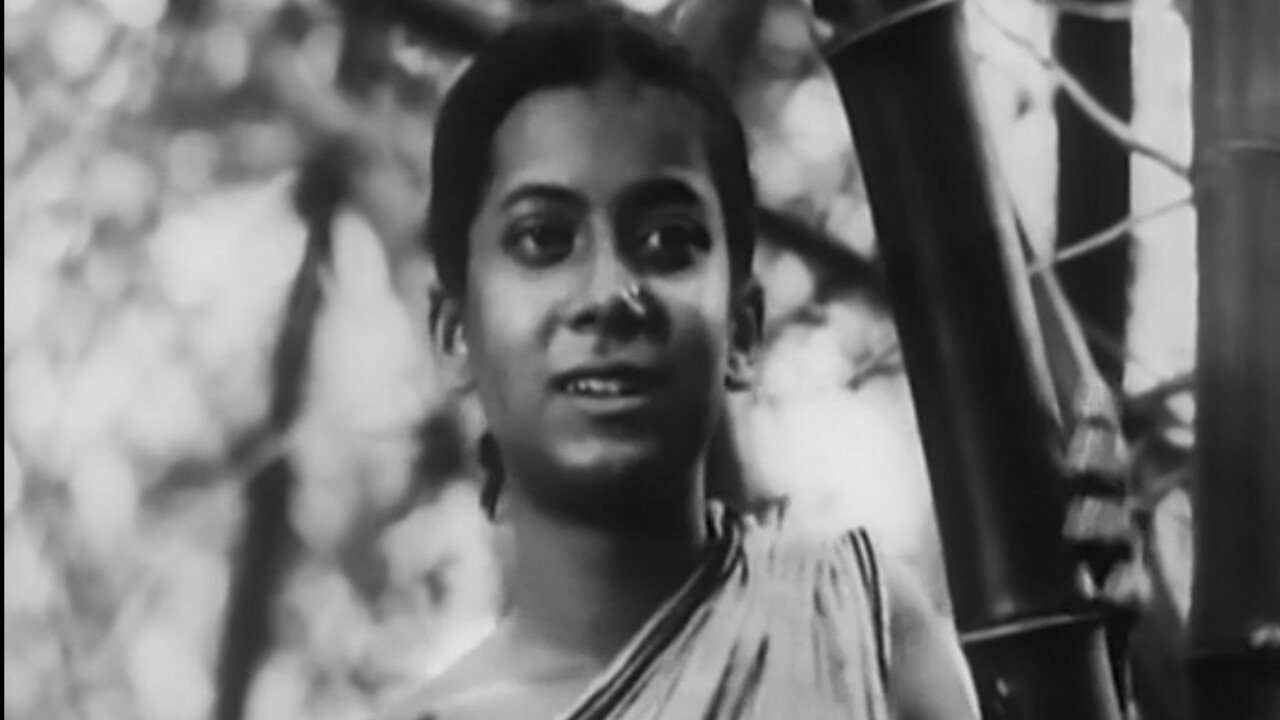
In a remote Bengal village, priest Harihar Roy (Kanu Banerjee) tries to provide for his family, with little money to meet its needs. His wife, Sarbajaya Roy (Karuna Banerjee), faces the daily demands of keeping the household going. Their children, Apurba ‘Apu’ Roy (Subir Banerjee) and Durga Roy (Uma Dasgupta), grow up alongside an elderly aunt, Indir Thakrun (Chunibala Devi). Apu begins to discover the village with his sister, finding pleasures that the adults’ worries do not entirely reach. The household’s poverty leaves little room for anything beyond the next day’s necessities.

Plays from YouTube when you press play; nothing loads from them until then.

Fi1m review

Satyajit Ray’s rural family drama is patient, funny and deeply moving, with performances that make every generation matter. Its loose pace occasionally drifts, but the attention given to this poor household makes the time feel well spent.

Pather Panchali is a deeply moving family drama, and its patience is worth ours. Satyajit Ray follows a poor household in rural Bengal with enough attention to make the smallest change in its fortunes matter. The film gives childhood pleasure room to exist without pretending that poverty becomes easier when seen by a child. There is humour here, and curiosity, alongside the effort of getting through the day. We recommend it even to anyone who suspects that a film this patient must also be solemn.

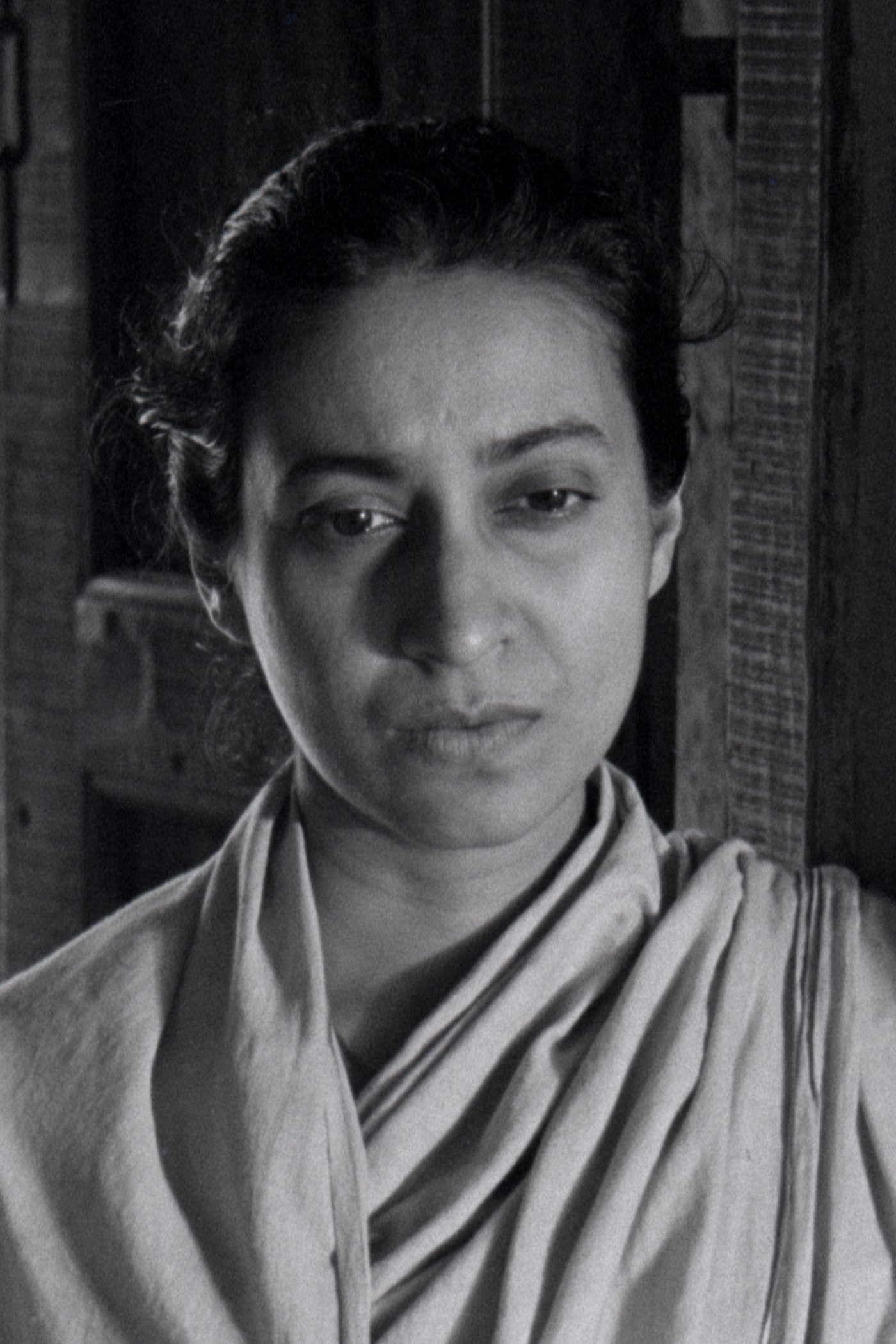
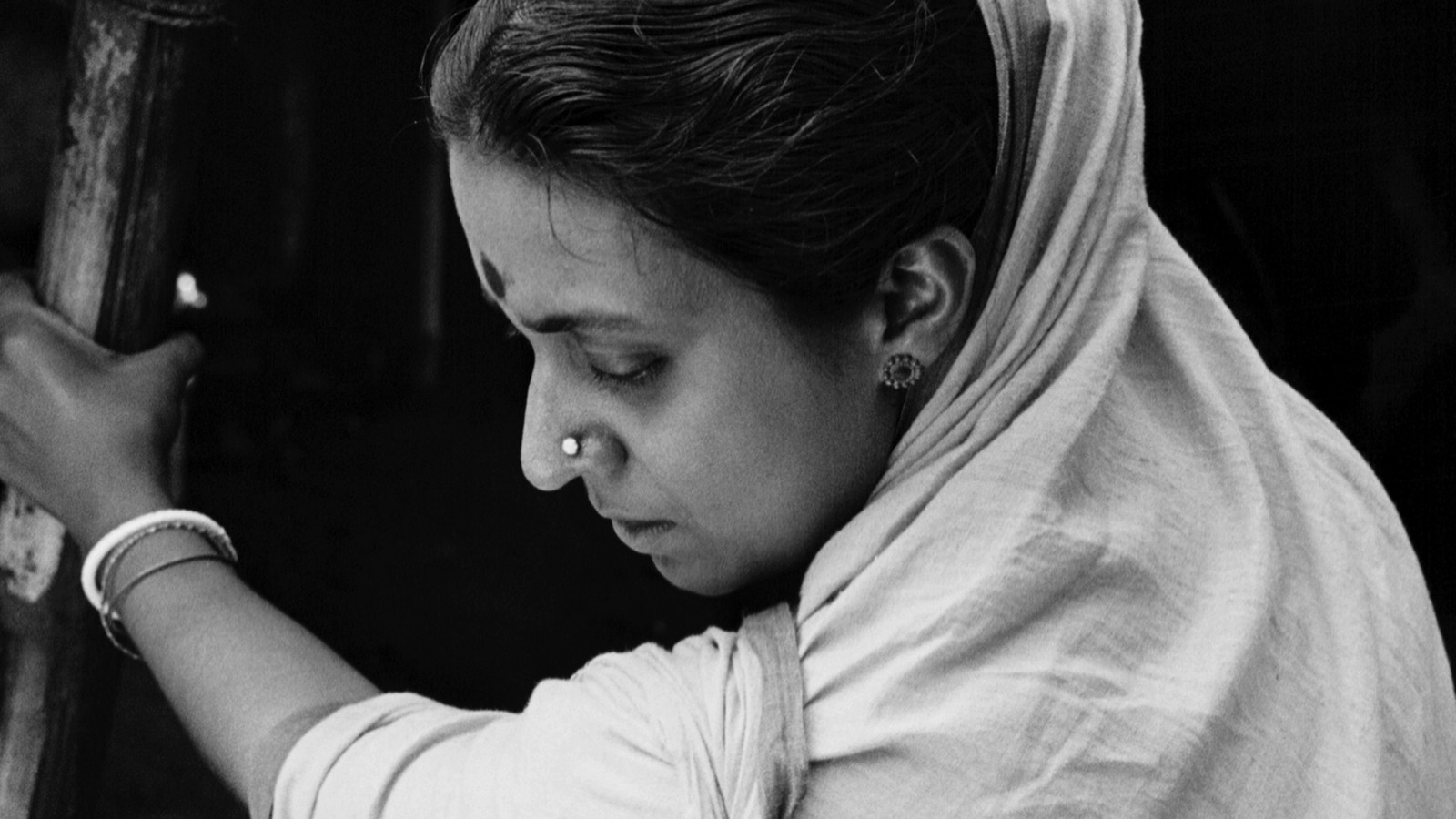
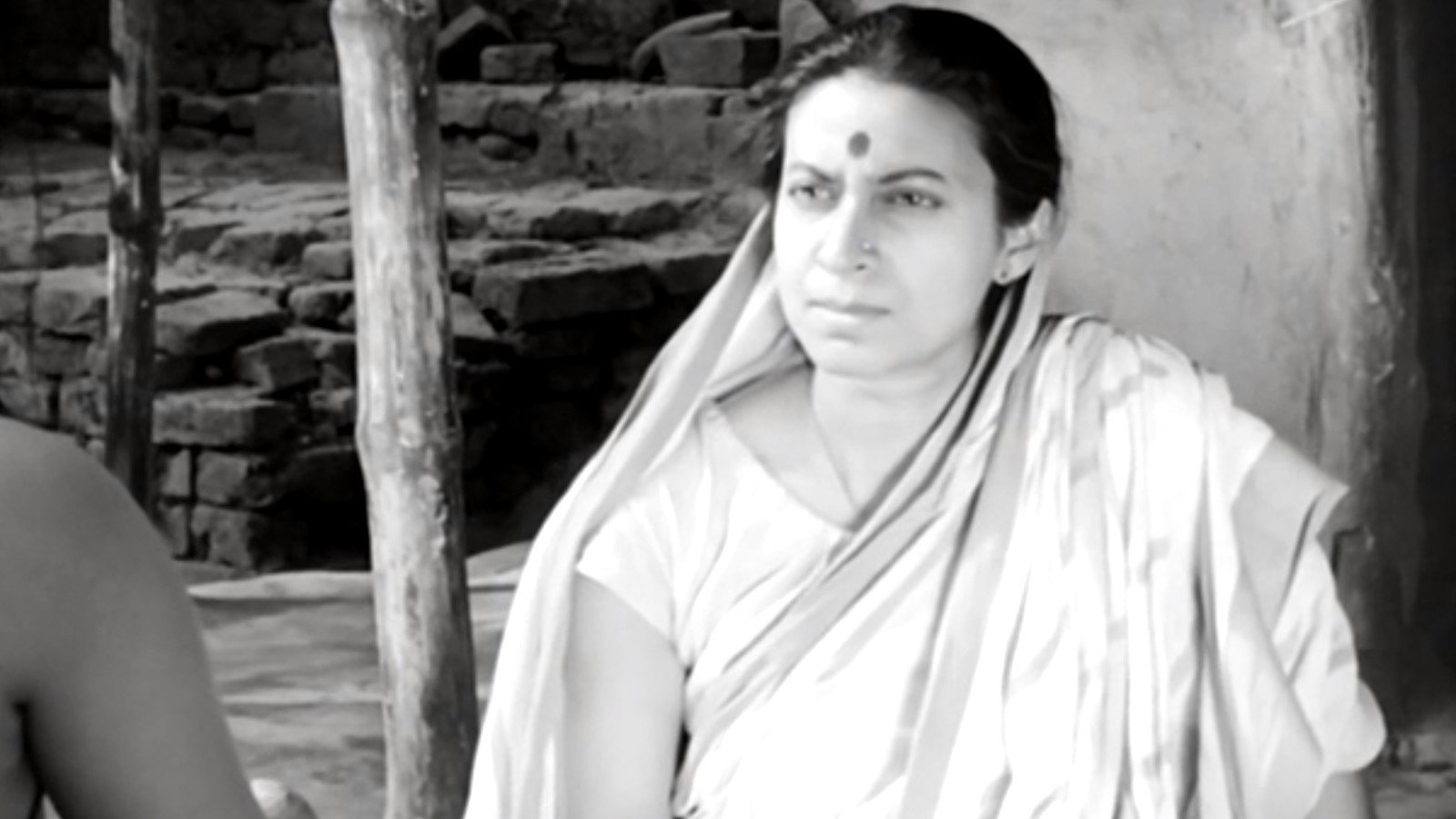
Kanu Banerjee’s priest Harihar Roy and Karuna Banerjee’s Sarbajaya Roy give that daily effort an adult weight. Karuna Banerjee makes the business of keeping a family going feel tiring, and sometimes exasperating, without reducing Sarbajaya Roy to her responsibilities. We understand why she might have little patience left for anyone else’s needs. Satyajit Ray lets that strain remain uncomfortable instead of smoothing it away with affection. The strain is there in Karuna Banerjee’s performance even when the children give us something else to watch.

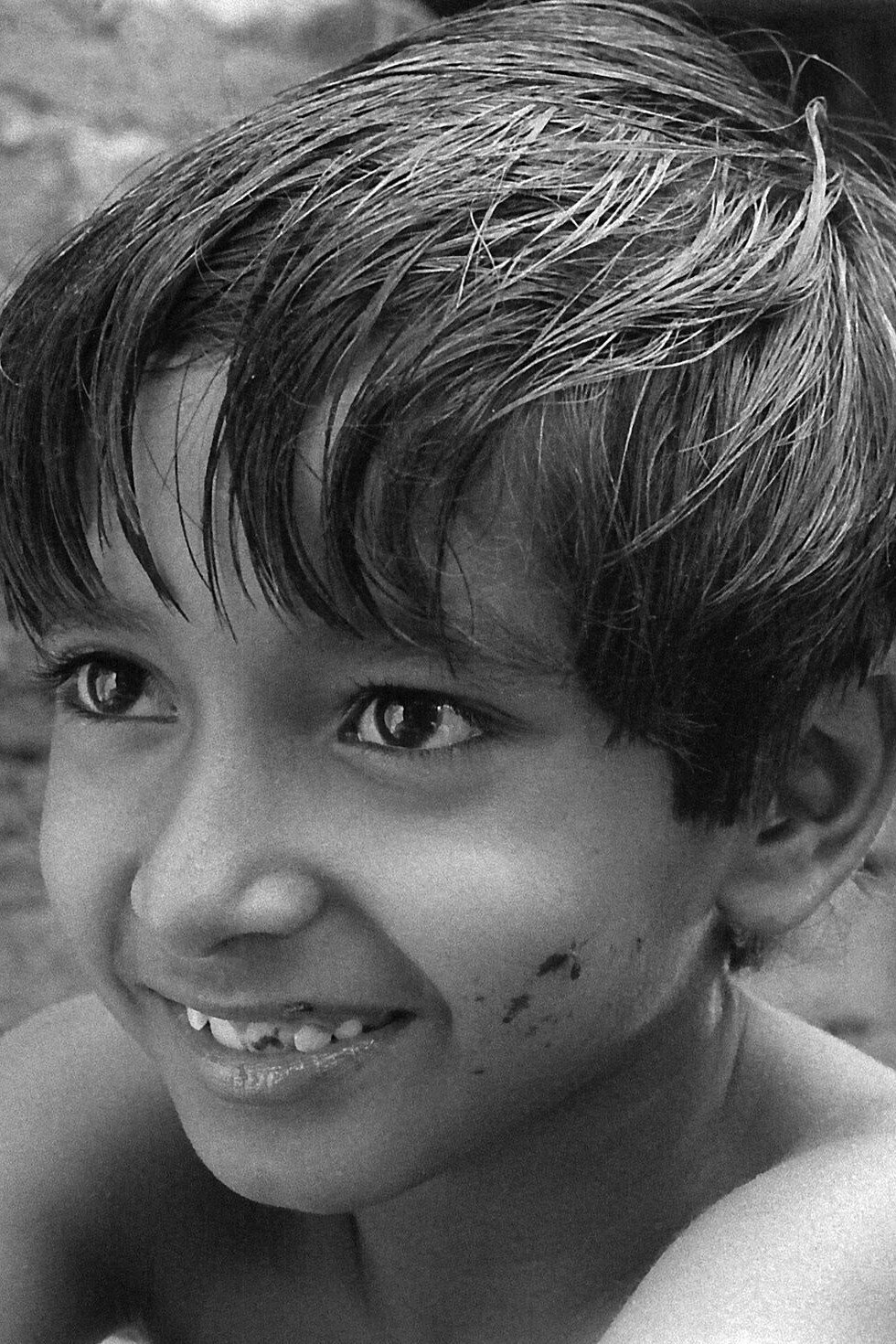
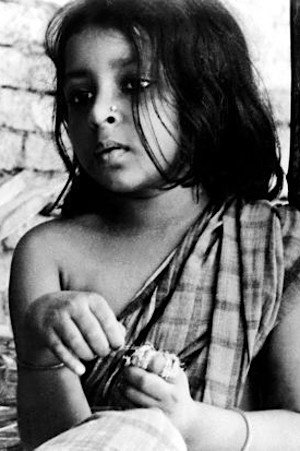
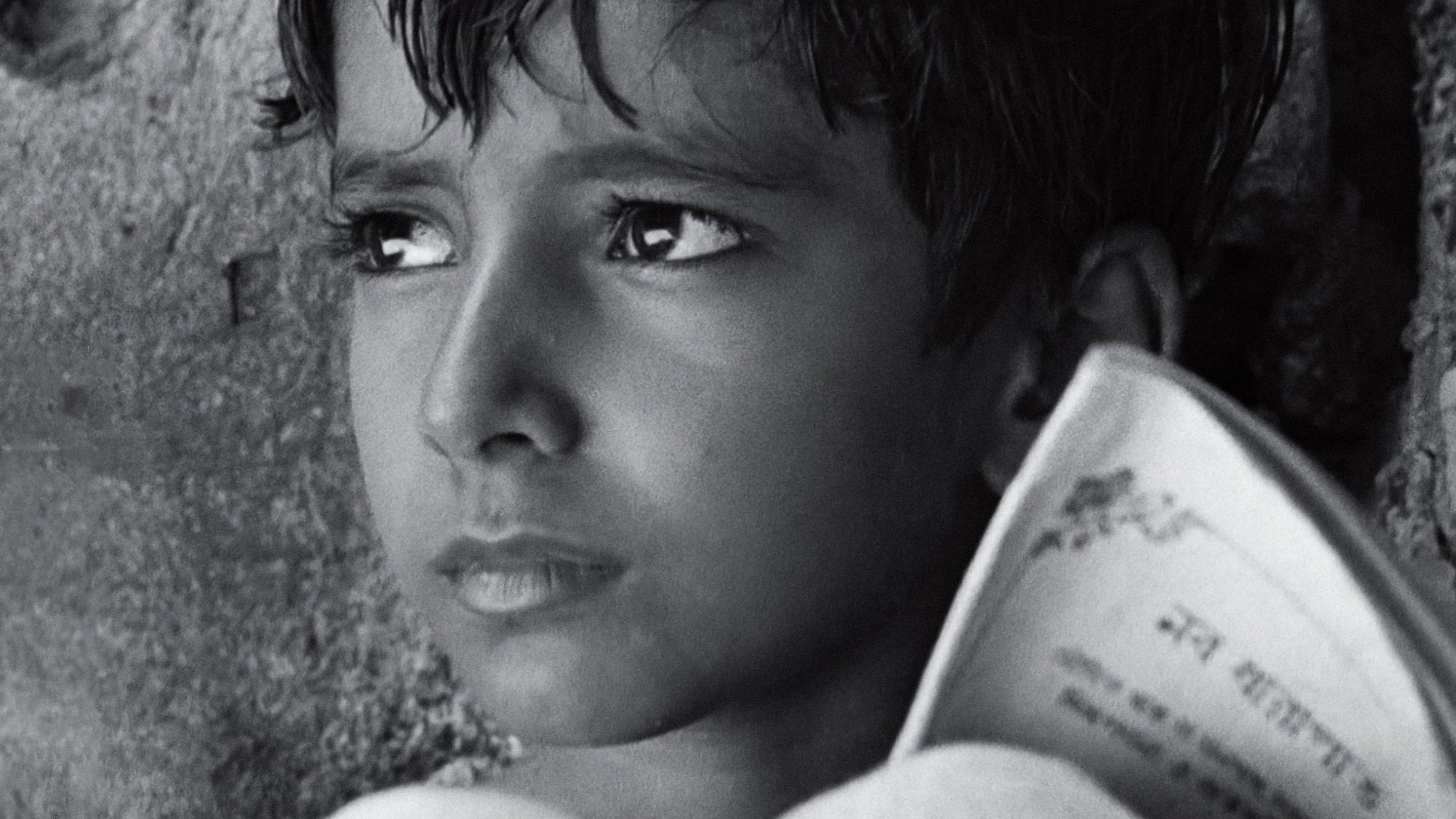
Subir Banerjee’s Apu and Uma Dasgupta’s Durga Roy move at a different pace. Their curiosity gives the film movement even when there is little conventional plot to push it along. As a coming-of-age drama, it is unusually willing to let a child have an experience without turning it straight into a lesson. Satyajit Ray trusts us to notice what separates the children’s pleasure from the adults’ worries. We have time to enjoy their interest in the village on its own terms.

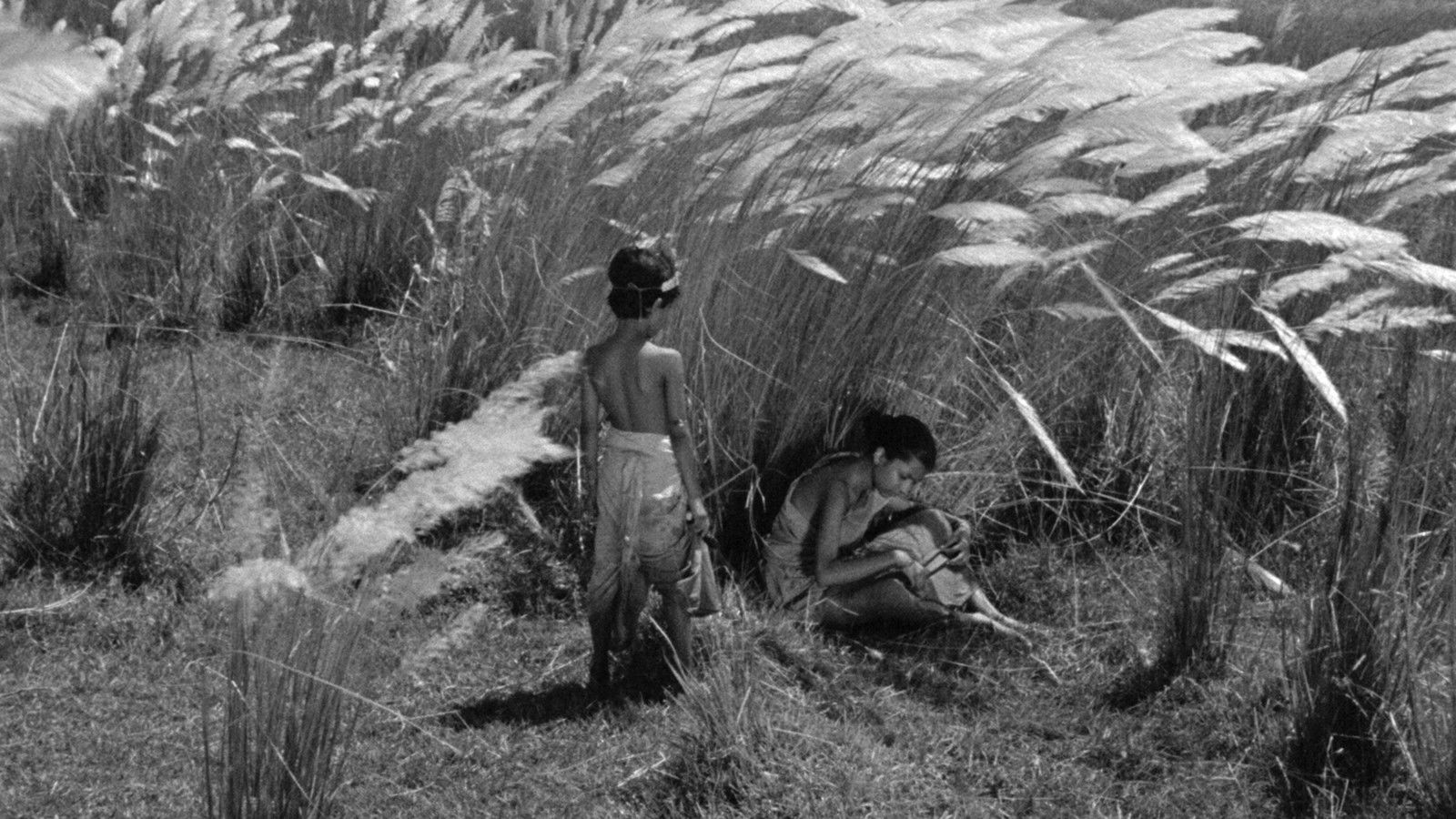
Subrata Mitra’s black-and-white photography gives water as much attention as faces, keeping the family close to the natural world around them. The uncluttered compositions allow us to take in people and surroundings together; we are rarely being told to look at one detail and ignore the rest. Bansi Chandragupta’s production design makes the village convincing as somewhere people have to live. Its poverty never seems arranged simply to make an affecting picture. The pleasure of looking is considerable, but the images do not make us forget the difficulties of living there.

Dulal Dutta’s editing lets daily life set the pace, rather than cutting each passage down to its contribution to the plot. That freedom matters: time spent watching can begin to feel like time spent in the family’s company. Ravi Shankar’s ragas supply energy without forcing every moment into the same emotional shape. The music responds to the film’s changes of feeling, helping its playfulness as much as its sadness. Its liveliness keeps the film from becoming a dutiful exercise in concern for the poor.

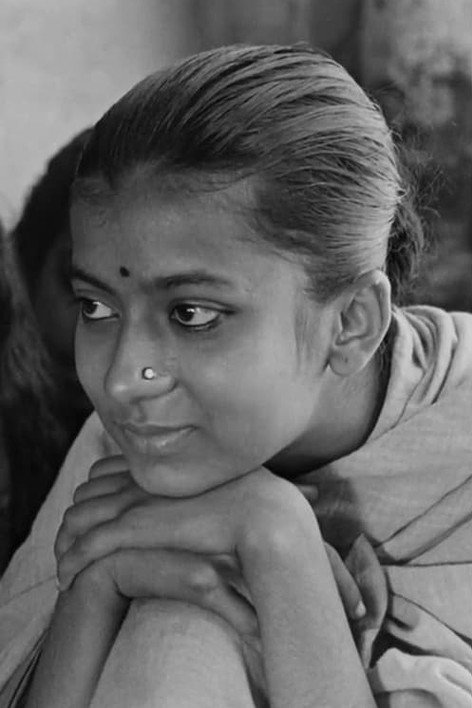
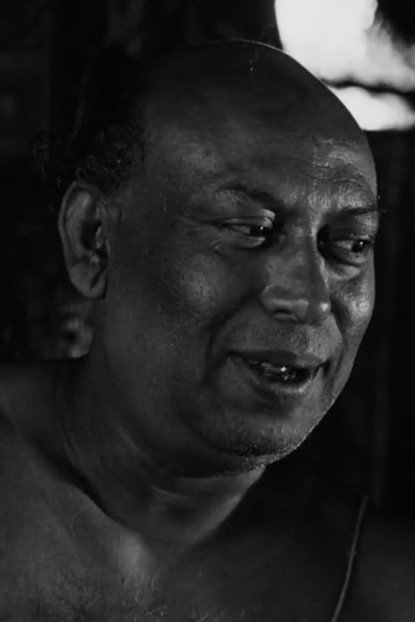
Chunibala Devi’s Indir Thakrun moved us more than we expected. An elderly face is given the same sustained interest as the children’s discoveries, and we found ourselves watching her with a tenderness the film never orders us to feel. Satyajit Ray does not hurry past her to get back to the young. Giving old age this much room makes the household more convincing, with needs that cannot all be met at once.

The reservation is pace. At 125 minutes, there are stretches when the gentle accumulation of daily life becomes a little too gentle, especially early on. Dulal Dutta’s loose rhythms can cost the film urgency, though more insistent cutting would take away much of its pleasure. A viewer who needs a steadily advancing plot may struggle with that. Choose a quiet evening and let it take its time.
Critical consensus AI synthesised

90
Positive
12
Mixed
0
Negative
0

The reviews are unanimously positive, with praise centred on Satyajit Ray’s close observation of rural Bengali family life and the feeling he draws from ordinary experiences. Most critics emphasise how the film combines realism with carefully composed images, making poverty, childhood and family tensions tangible without forcing the story. Subrata Mitra’s black-and-white cinematography, Ravi Shankar’s music and the natural performances receive particular attention, while several reviews find the film’s emotional reach extends well beyond its specific setting.

There is little disagreement, and the differences are chiefly matters of emphasis: some critics concentrate on visual composition, others on the rhythms of village life or the treatment of childhood and old age. Empire supplies the clearest reservation, finding the film slow while still describing it as absorbing and humane. Even the less emphatic responses remain firmly favourable; there is no substantial dissent among these twelve reviews.

RogerEbert.com
4 March 2001 · ★★★★/4 · Roger Ebert
100

The Apu Trilogy, beginning with Pather Panchali, creates a convincing world that feels like another life one might have lived. It affirms what cinema can be through its beauty, mystery, and deep connection to human feelings across time and culture.

Read the full review →
The AV Club
7 May 2015 · A · Ignatiy Vishnevetsky
95

The critic highlights how the 4K restoration allows appreciation of Ray's graphic sensibility and visual poetry in depicting a rural Bengali family's struggles. Pather Panchali is singled out for its composition in iconic scenes like the train sighting and rainstorm, moving beyond historical context to its artistic merits.

Read the full review →
Slant Magazine
20 January 2024 · Jake Cole
90*

The critic praises Ray's assured debut for blending neorealism with poetic storytelling and juxtaposing joy and tragedy, as in the train chase followed by a death. Pather Panchali is noted for its uncluttered frames and emotional complexity in portraying loss of innocence amid India's modernization.

Read the full review →
The Guardian
3 May 2002 · Peter Bradshaw
90*

The critic calls this 1955 classic the extraordinary result of director Satyajit Ray and cinematographer Subrata Mitra being new to their craft yet showing a miraculous gift for lighting, handling non-professional actors and allowing narrative to flow unforced. It is described as a luminous, transcendental masterpiece depicting the beginnings of young Apu’s life in a remote Bengal village with his sister, mother, aunt and priest father.

Read the full review →
The New Yorker
6 May 2015 · Richard Brody
90*

The Apu trilogy, starting with Pather Panchali, is a great cinematic bildungsroman about the awakening of a soul and a young man’s confrontation with life’s responsibilities. Ray’s meticulous realism gives rise to a stark mythopoetic vision arising from first-hand experience.

Read the full review →
The New York Times
7 April 1995
90*

Pather Panchali remains unsurpassed at conveying an elemental apprehension of the human life cycle in a Neo-Realist style. Its most powerful imagery contemplates human beings in the natural world struggling for simple survival alongside every other creature.

Read the full review →

Cast

Stills

Awards

Bodil Award for Best American Film, 1969

Won
Bodil Award for Best American Film

BAFTA Film Awards, 1958

Won
Best Film

National Board of Review Award for Best Foreign Language Film, 1958

Won
National Board of Review Award for Best Foreign Language Film

National Film Award for Best Bengali Feature Film, 1955

Won
National Film Award for Best Bengali Feature Film

National Film Award for Best Feature Film, 1955

Won
National Film Award for Best Feature Film

If you liked this, try…

The 400 Blows poster91

The 400 Blows

1959 · Another child’s freedom is watched closely, without disguising the adults’ failures.

Kes poster88

Kes

1969 · A child’s absorbing private world survives under pressures the film never softens.

Where Is the Friend's House? poster

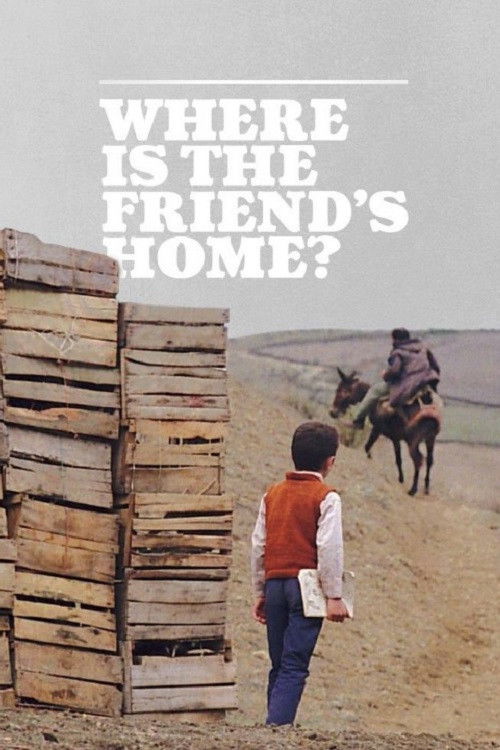
Where Is the Friend's House?

1987 · A small childhood task receives the serious attention adults rarely grant it.

Tokyo Story poster92

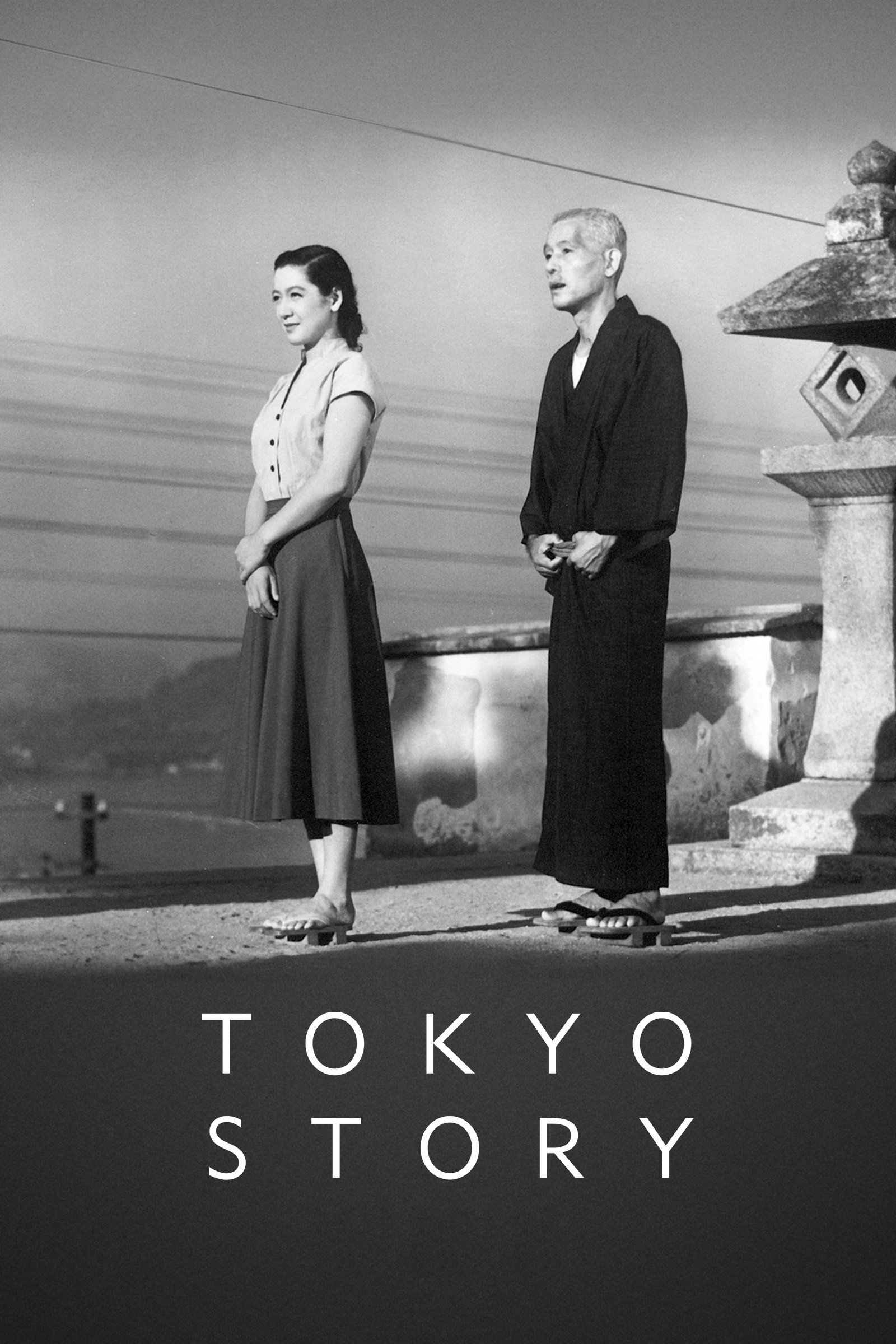
Tokyo Story

1953 · Family obligations and old age observed with patience, warmth and uncomfortable honesty.

The Quiet Girl poster

The Quiet Girl

2022 · A watchful child and an unsentimental understanding of what ordinary kindness can mean.