Film review

The 400 Blows

1959 · Directed by François Truffaut · 1h 39m · PG

In a sentenceA boy keeps getting into trouble with adults who could use some supervision themselves

Drama

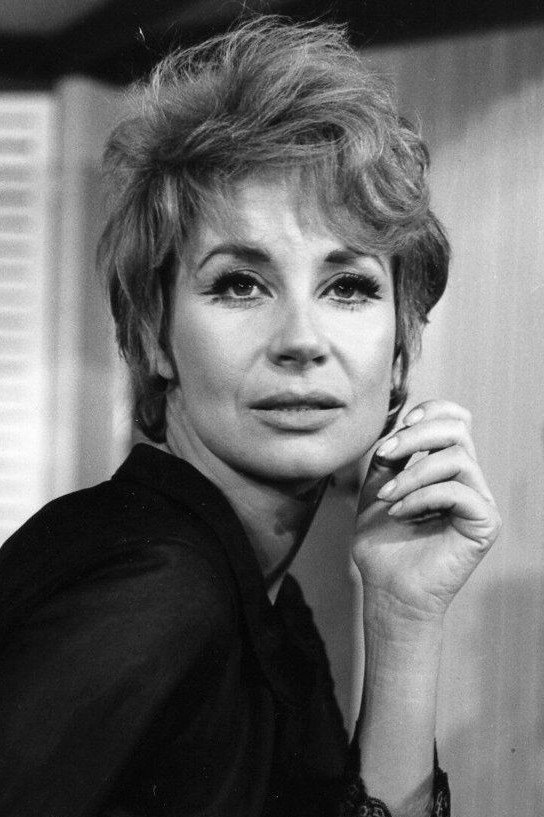
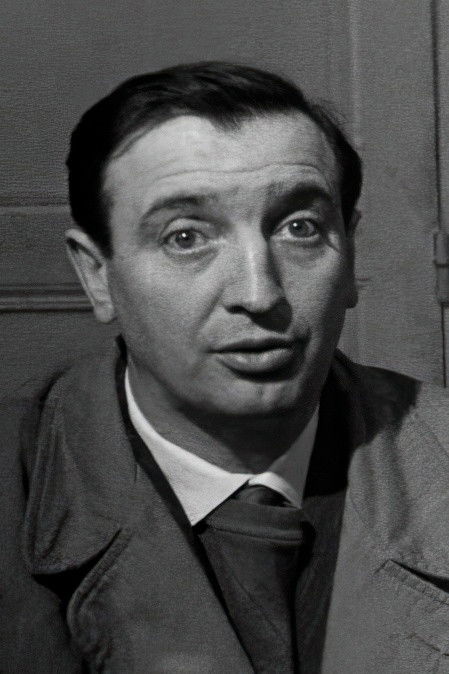
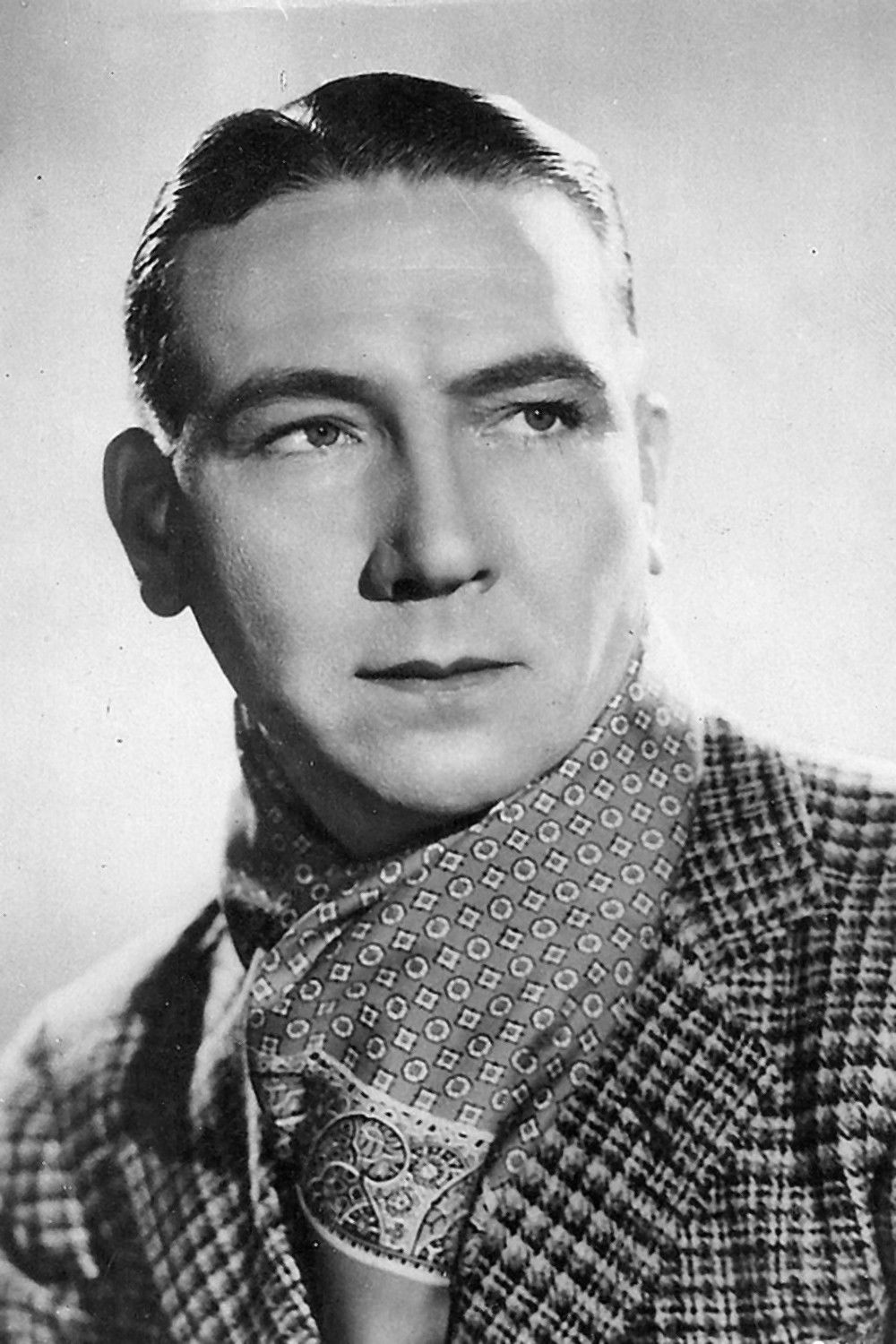
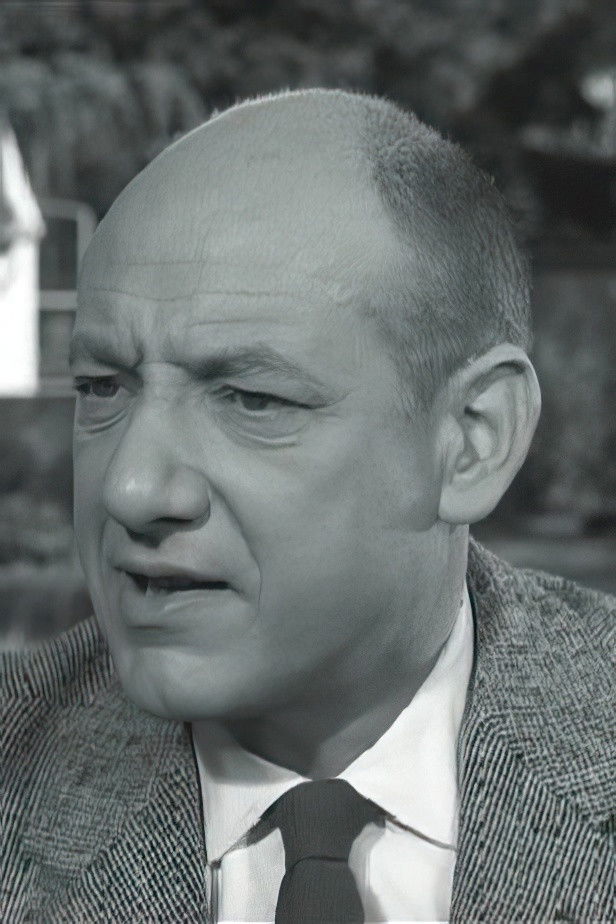
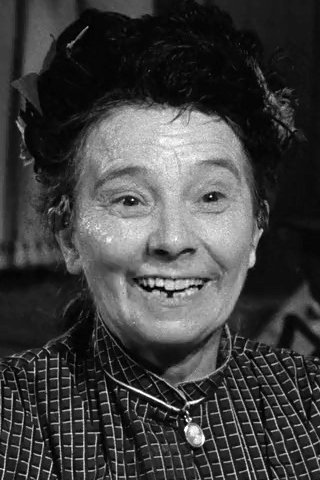
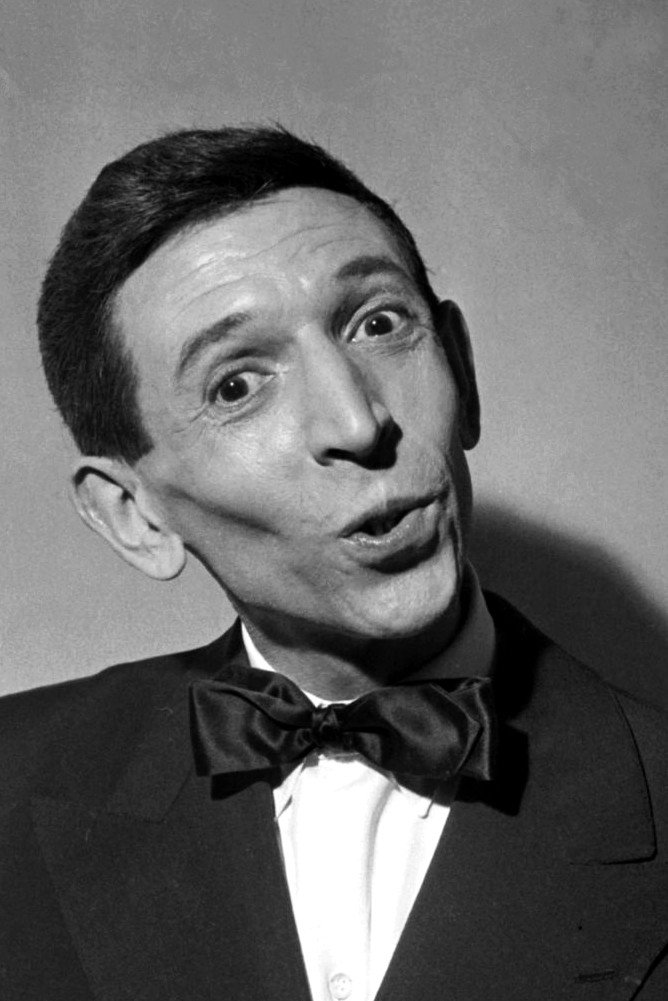
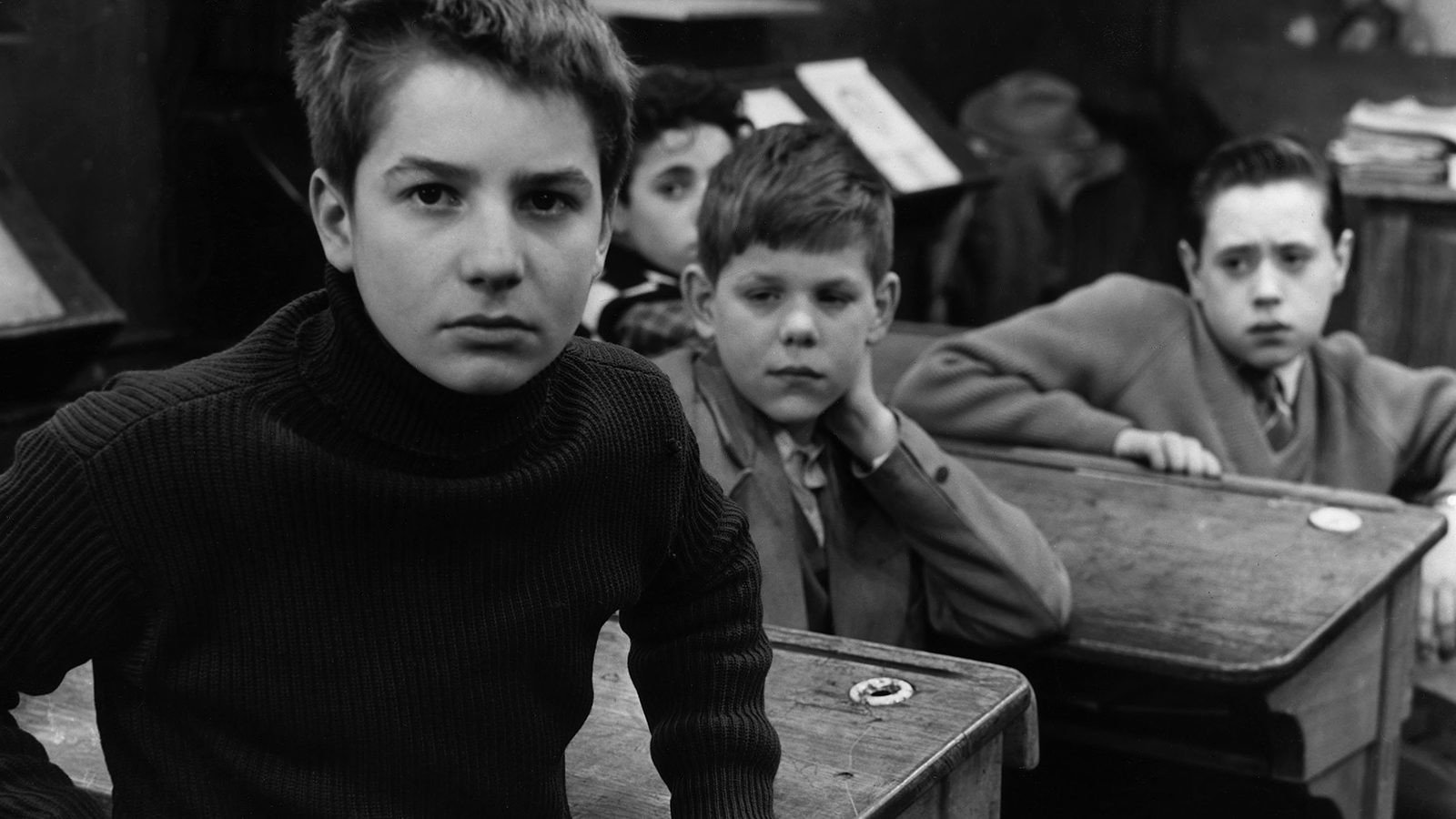
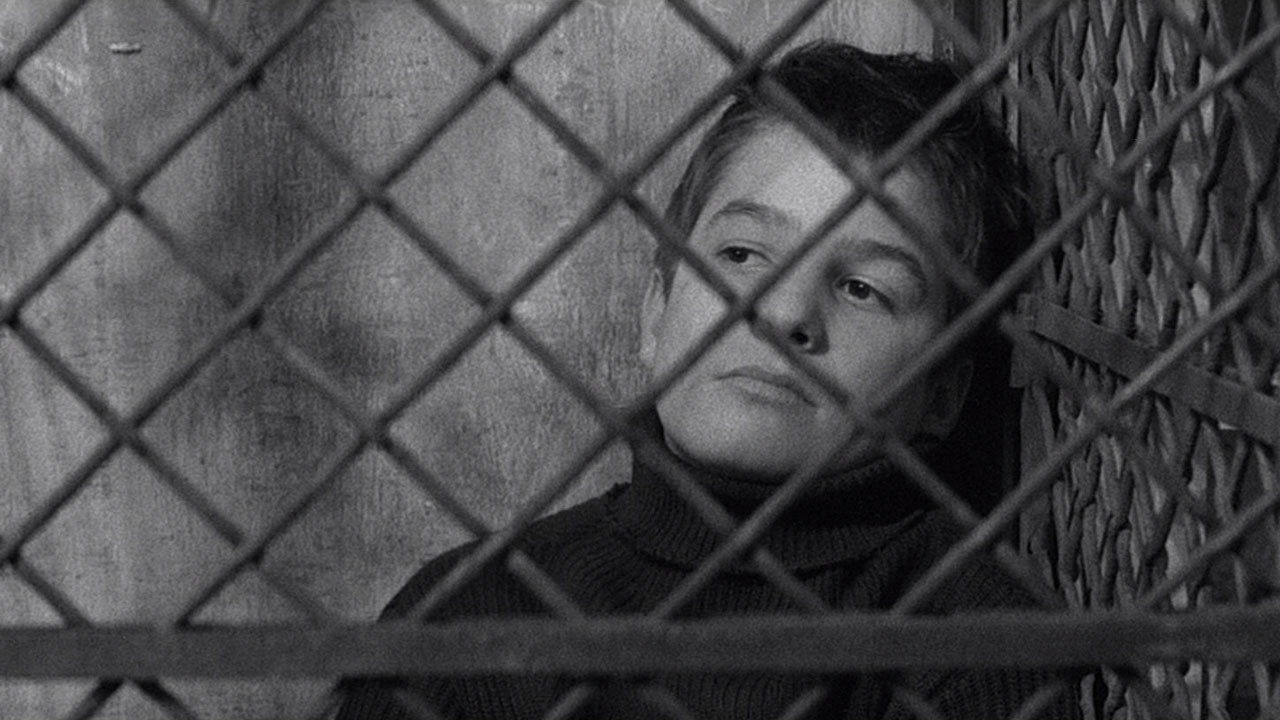
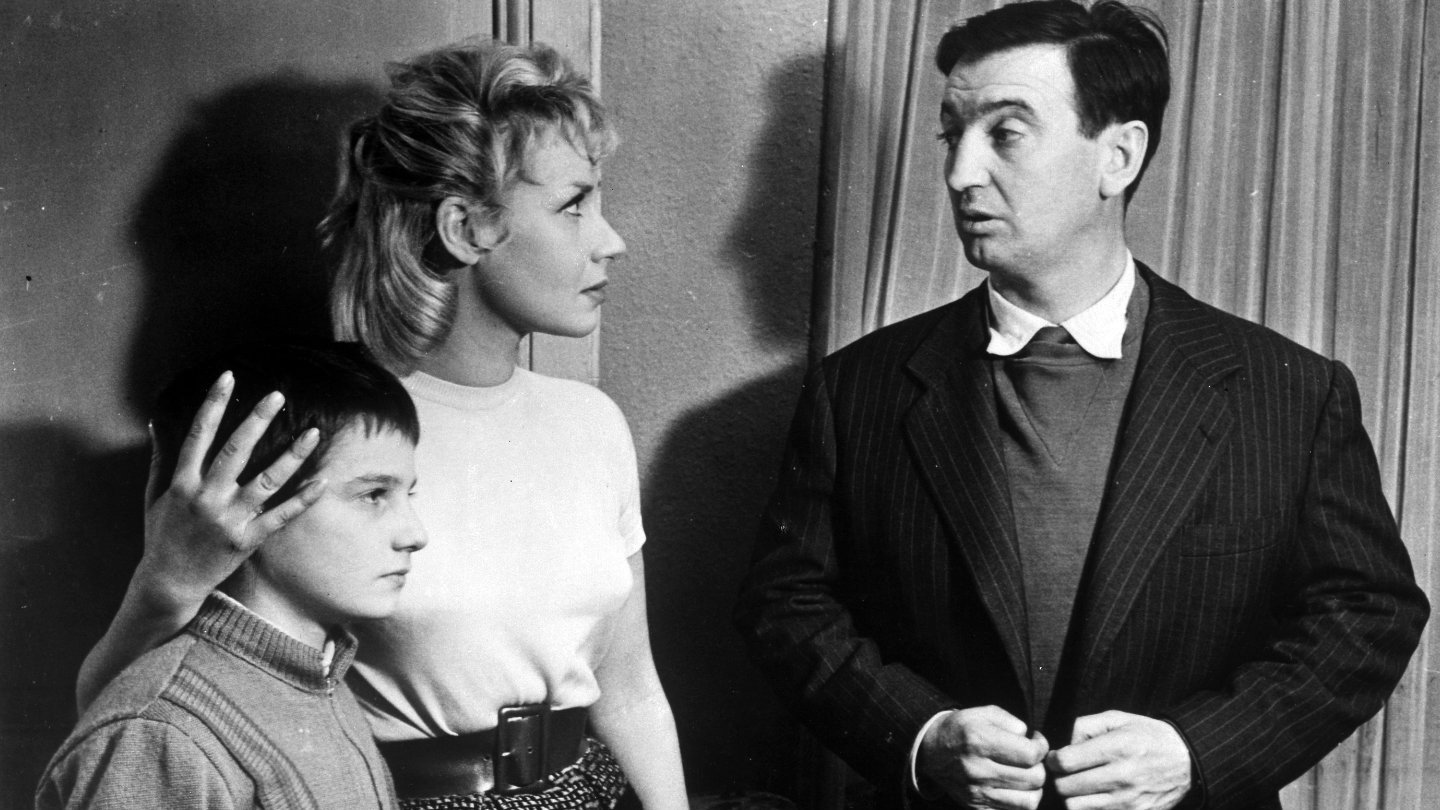
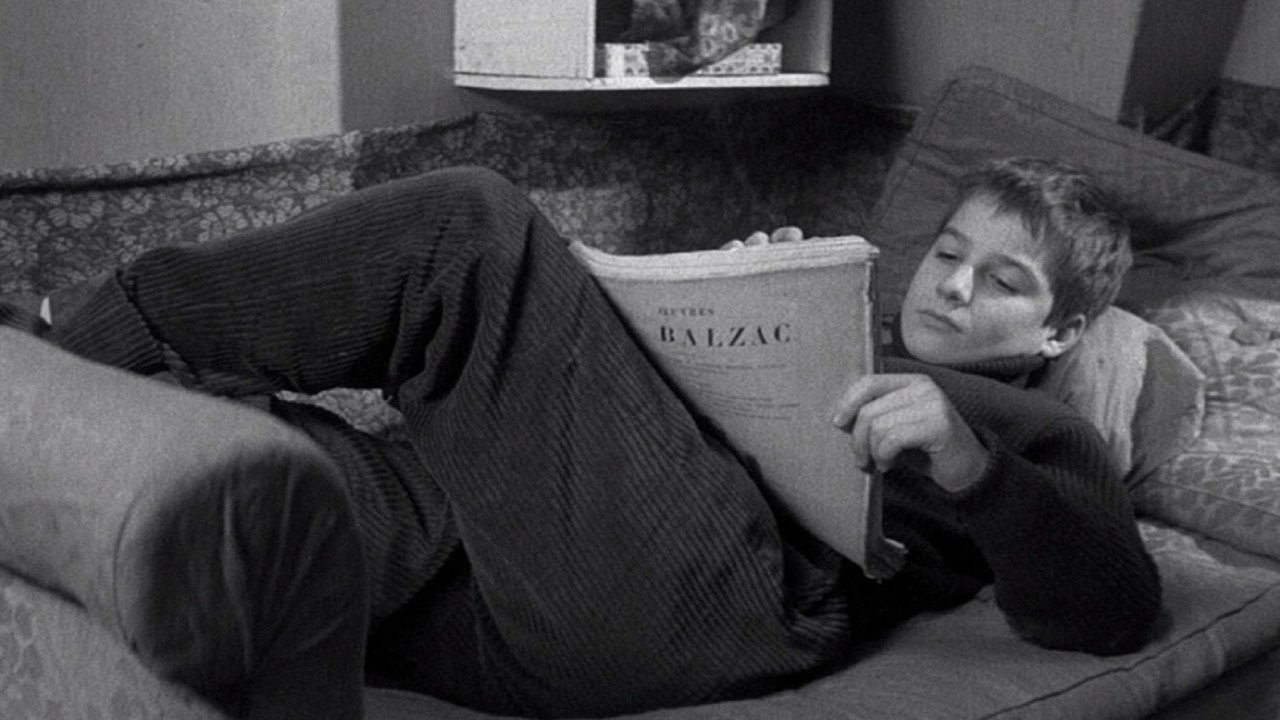
Antoine Doinel (Jean-Pierre Léaud) is growing up in Paris, where trouble at school follows him into a home that offers little understanding. He skips lessons, tells lies and finds pleasures in books, films and time away from adult supervision. As his misbehaviour draws more attention, the distance between what he needs and what adults expect of him grows. François Truffaut’s drama follows Antoine through this unsettled adolescence, with Claire Maurier as Gilberte Doinel, Albert Rémy as Julien Doinel and Patrick Auffay as René.

Plays from YouTube when you press play; nothing loads from them until then.

Fi1m review

François Truffaut’s portrait of a neglected Parisian boy deserves its reputation. Jean-Pierre Léaud makes Antoine’s mischief and vulnerability equally convincing, even when the music presses a little too hard for sympathy.

The 400 Blows understands how a boy can be troublesome and still be badly treated. We would recommend François Truffaut’s film to anyone who remembers being told off before they had managed to explain themselves. Antoine Doinel, played by Jean-Pierre Léaud, lies, skips school and tests the patience of his parents. Truffaut lets us enjoy some of that behaviour, then makes us notice how little patience the adults had to begin with.

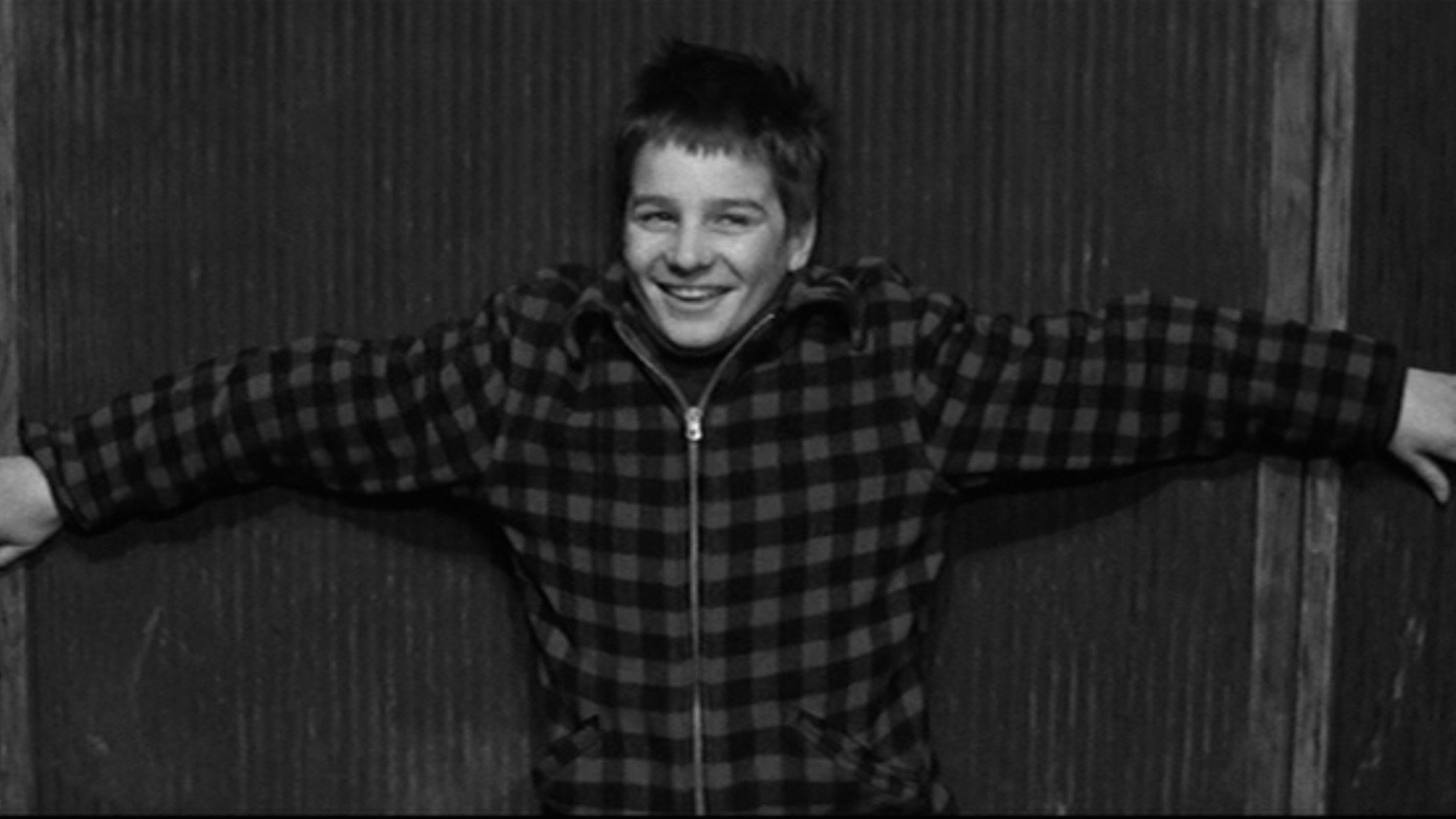
Léaud never tidies Antoine up for our benefit. The mischief is enjoyable, but there is enough defiance in the performance to make us understand why an adult might lose patience with him. His vulnerability comes through without a constant appeal for sympathy, which is why the neglect hurts. We are free to find him difficult; that does not make the adults’ treatment of him any easier to bear.

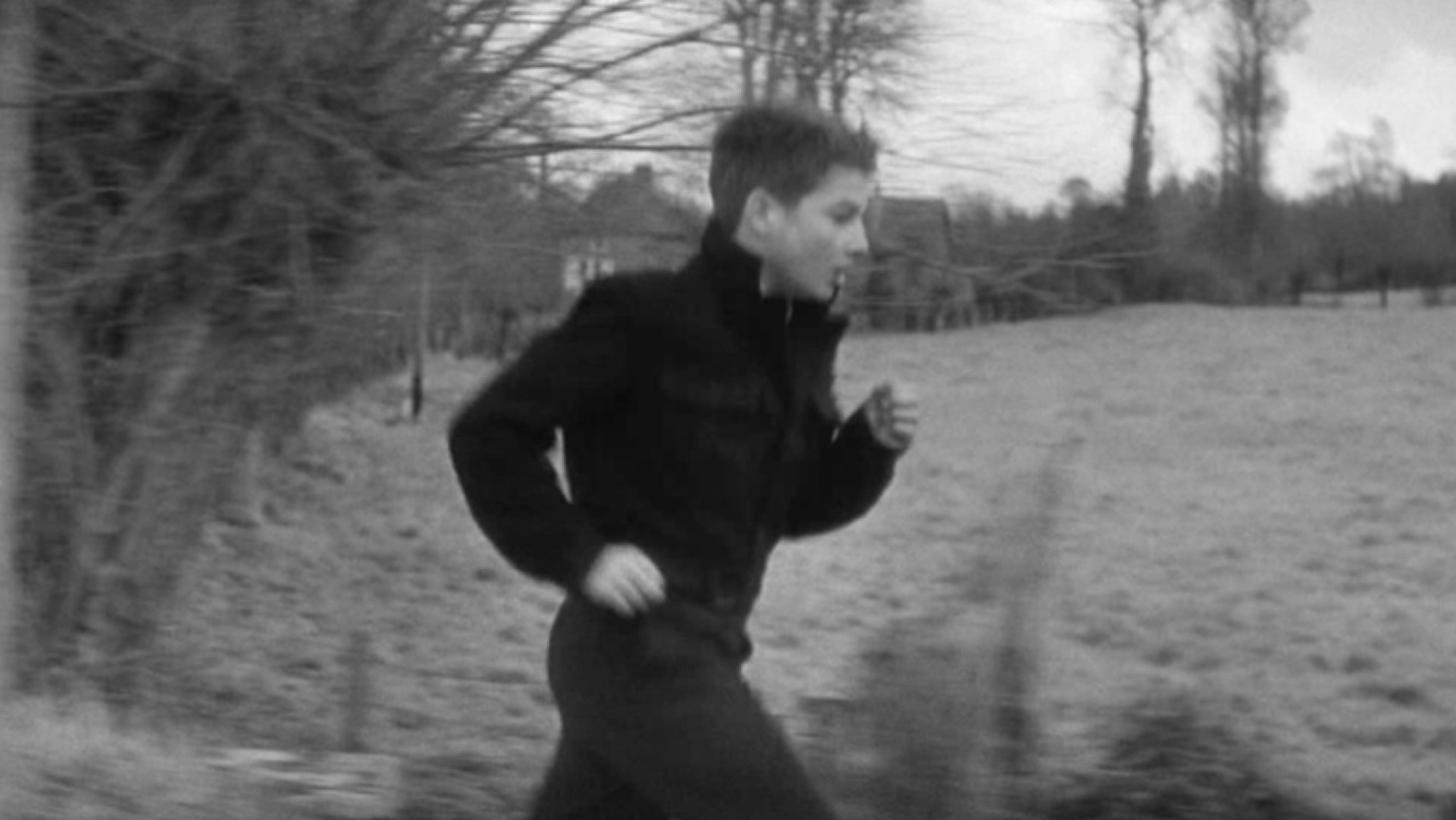
Henri Decaë’s photography makes Antoine’s Paris seem worth skipping school for. There is pleasure in looking at the city, and that helps us feel the temptation of being out in it with no adult in charge. Marie-Josèphe Yoyotte’s editing gives the wandering enough room to seem like part of his life, not simply an interval between offences. The pace can be loose, but we would miss that freedom if every scene existed only to bring the next punishment closer.

The children’s faces at the Punch and Judy show moved us more than we expected. Truffaut gives their enjoyment serious attention, and for a moment the pleasure of watching is enough to fill the screen. It is a welcome reminder of how much there is to childhood beyond the behaviour that attracts adult notice. Coming from a film so concerned with a boy’s troubles, that interest in what children enjoy feels generous without turning them into little angels.

The adults are less evenly served. Claire Maurier as Gilberte and Albert Rémy as Julien have the difficult job of making grown-up impatience credible alongside Léaud’s confusion and defiance. Both resist making the adults merely hateful, although we sometimes wanted a fuller sense of their lives away from Antoine. Truffaut’s closeness to the boy occasionally narrows what he is prepared to see in everyone else.

Jean Constantin’s music sometimes encourages the sympathy a little too firmly. Its warmth makes the sadness easier to settle into, when Léaud has already given us enough reason to care. That is a small irritation, particularly beside the uncertainty that the performance allows. The boy is interesting enough without musical reassurance about what we should feel for him.

Truffaut draws on his own neglected childhood, and his affection for Antoine can make him protective. It also helps explain the care he takes over the pleasures of books, films and truancy. Coming-of-age dramas can be too eager to make childhood look enviable; there is little danger of that here, even when Antoine is enjoying himself. Its 99 minutes require no knowledge of film history. See it with someone who remembers school rather differently from you.
Critical consensus AI synthesised

4 of 6
Positive
4
Mixed
0
Negative
0
Empire
1 January 2000 · Nick Dawson
85*

Truffaut's debut spearheaded the French New Wave alongside Godard's Breathless. It is a classic coming-of-age film whose portrait of troubled Parisian adolescence remains vibrant, visually exciting and emotionally resonant.

Read the full review →
The AV Club
10 September 2020 · Ignatiy Vishnevetsky
85*

The film is a landmark autobiographical debut that models countless coming-of-age stories and places the director's personal tastes and identification with the protagonist at the center. It balances sensitivity and ambiguity with a current of bitterness drawn from Truffaut's own experiences.

Read the full review →
Slant Magazine
16 April 2014 · Eric Henderson
80*

The 400 Blows remains one of the most vital New Wave films thanks to its symbiosis of real and reel life and its iconic freeze-frame coda that suggests the cinephiliac relationship between movies and experience. Truffaut's soft-hearted sentimentality and focus on the pop potential of personal story make it enduringly potent.

Read the full review →
Radio Times
5 out of 5 · David Parkinson

Truffaut's largely autobiographical debut paints a grimly authentic portrait of troubled adolescence, with echoes of Vigo and neorealism. Jean-Pierre Léaud effortlessly conveys mischief and vulnerability as Antoine Doinel, and the audacious freeze-frame finale sent ripples around world cinema.

Read the full review →
RogerEbert.com
8 August 1999 · Roger Ebert

Ebert calls it one of the most intensely touching stories about a young adolescent, drawn from Truffaut's own life. He singles out the iconic final freeze-frame of the boy on the beach for its emotional power.

Read the full review →
The Guardian
6 January 2022

Truffaut’s sublime autobiographical debut is a portrait of the artist as an unhappy child receiving the blows of cruelty and humiliation. The critic singles out the heartstopping images of the children’s faces as they watch a Punch and Judy show for particular praise.

Read the full review →

Cast

Stills

Awards

Academy Awards, 1960

Nominated
Best Writing, Original Screenplay

If you liked this, try…

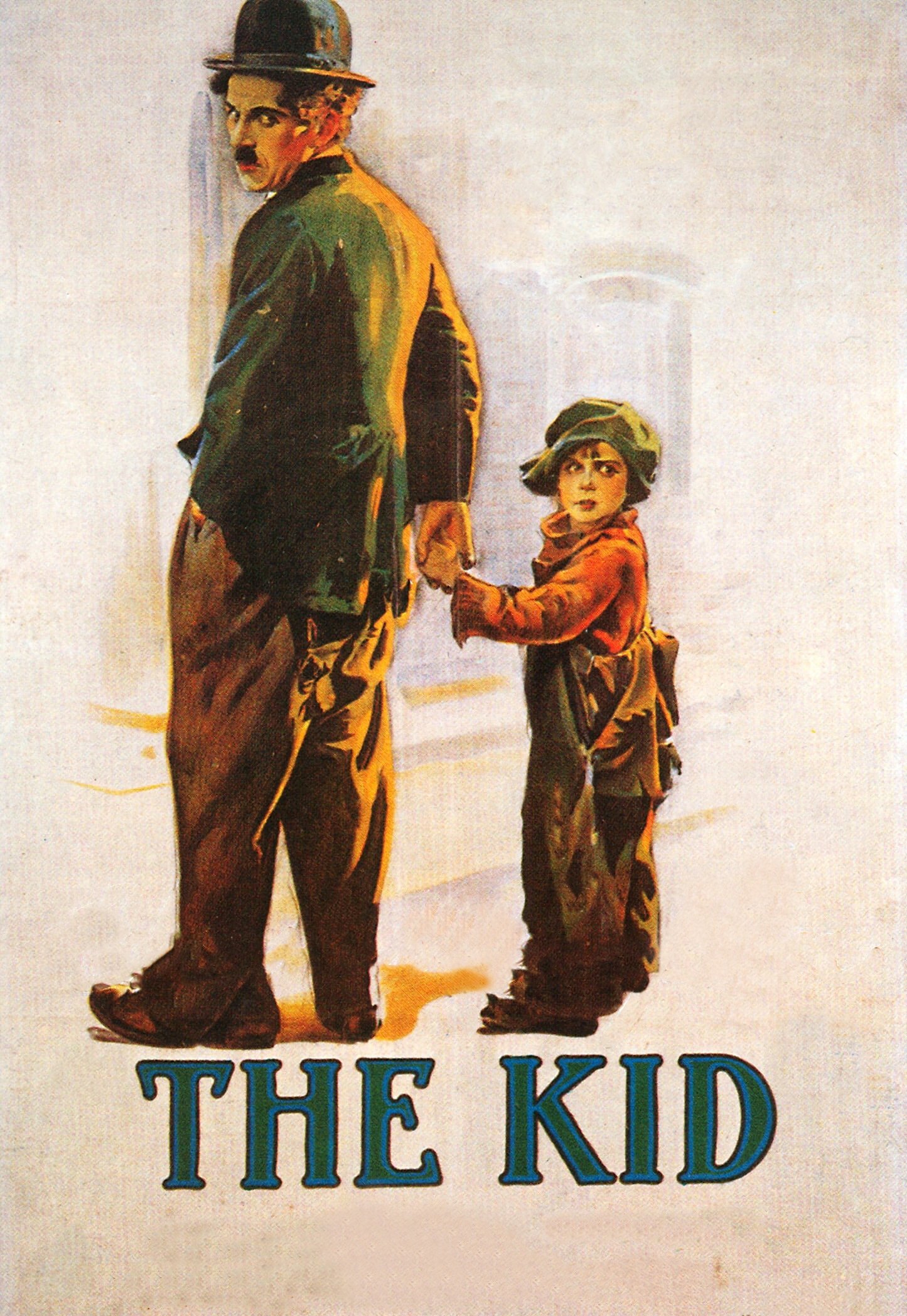
The Kid poster

The Kid

1921 · A resourceful child and an unreliable adult, with comedy that never forgets hardship.

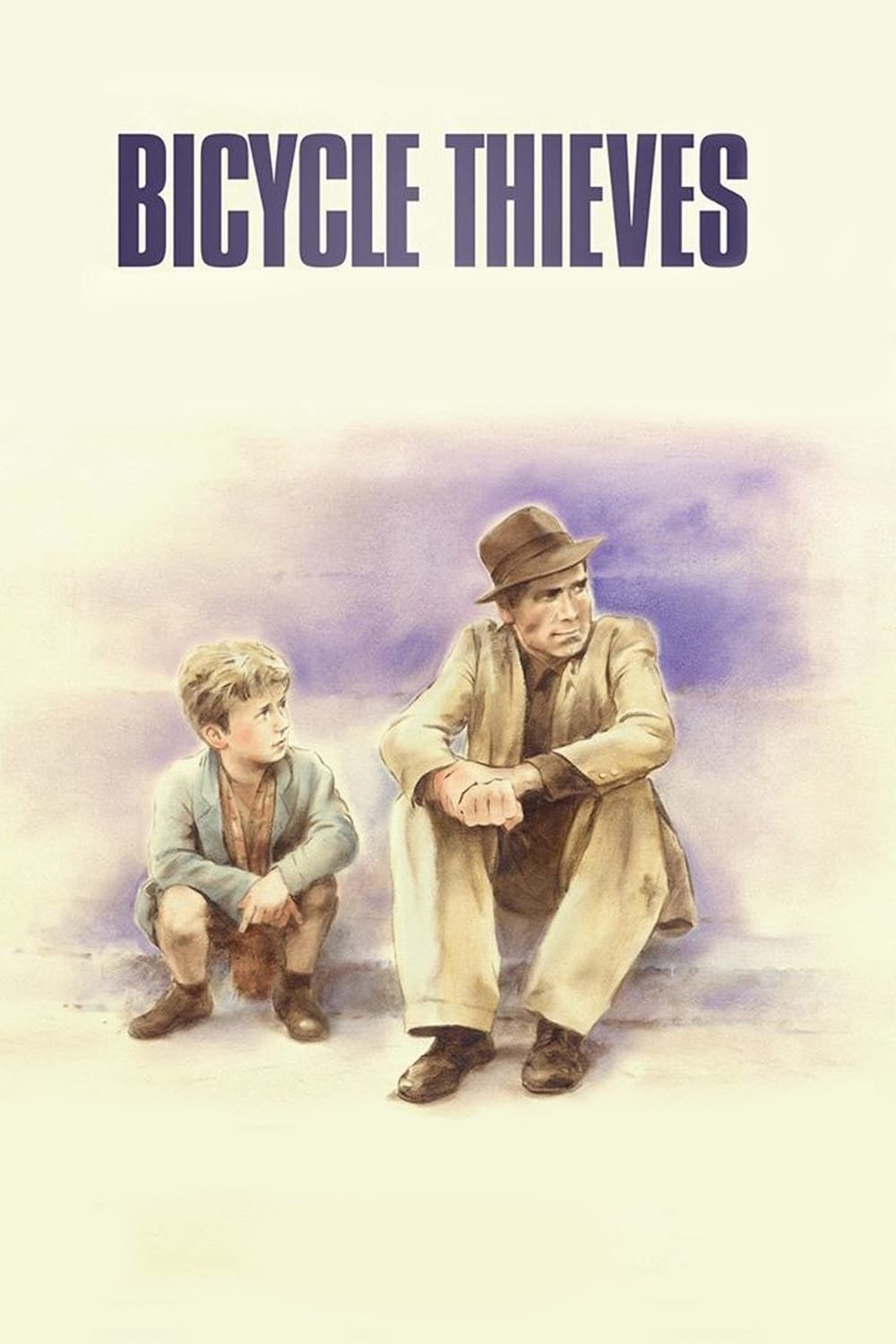
Bicycle Thieves poster92

Bicycle Thieves

1948 · Another city seen beside a child learning how badly adults can fail.

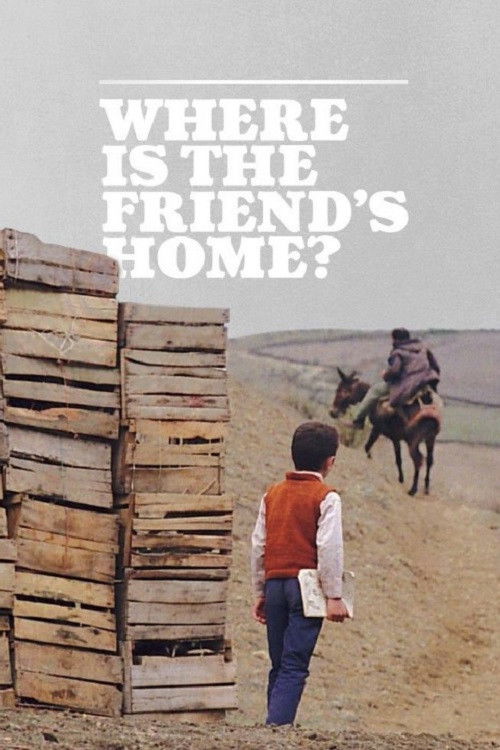
Where Is the Friend's House? poster

Where Is the Friend's House?

1987 · A schoolboy’s urgent errand meets adults who keep attending to the wrong things.

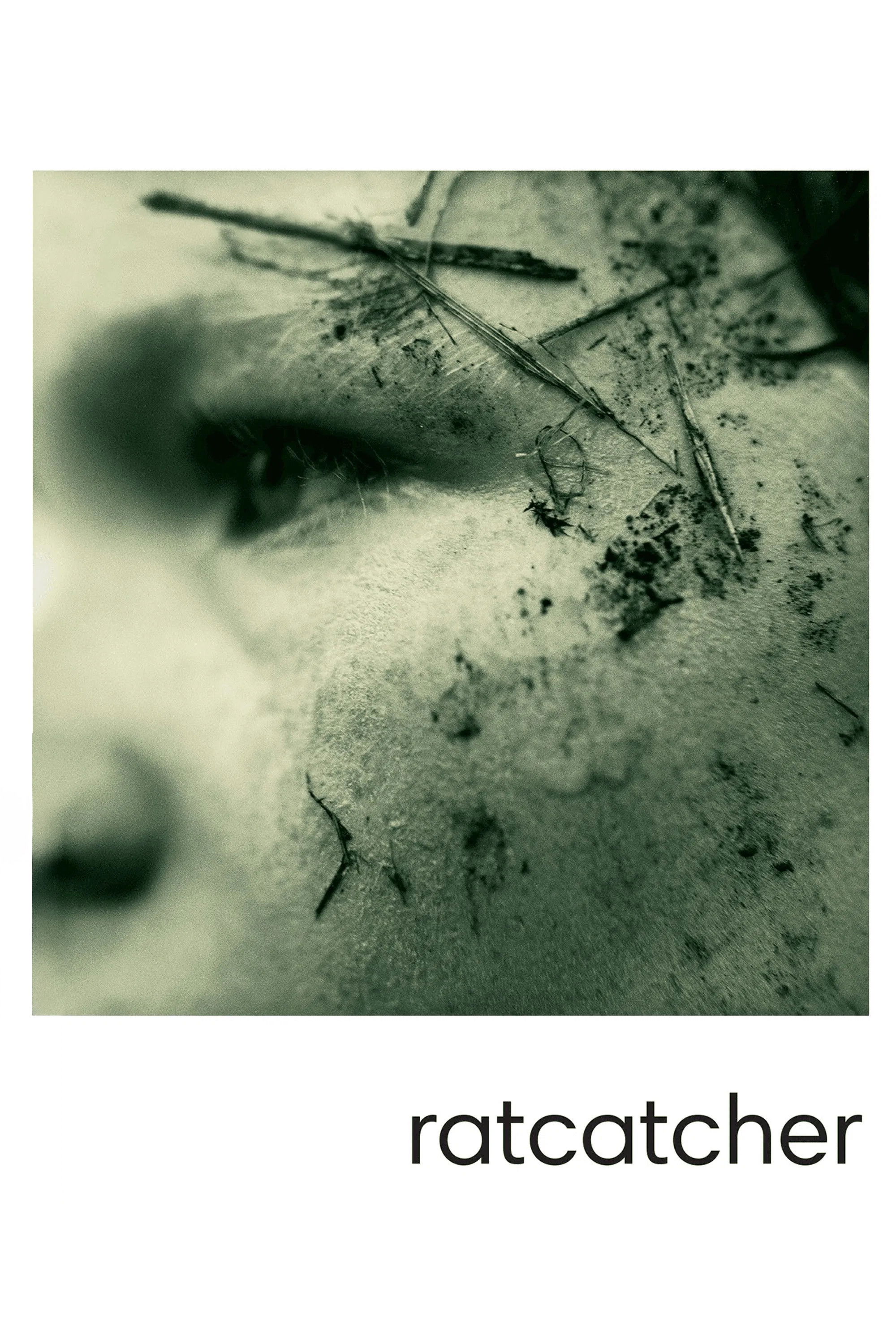
Ratcatcher poster

Ratcatcher

1999 · Lynne Ramsay finds brief pleasures within a childhood shaped by poverty and guilt.

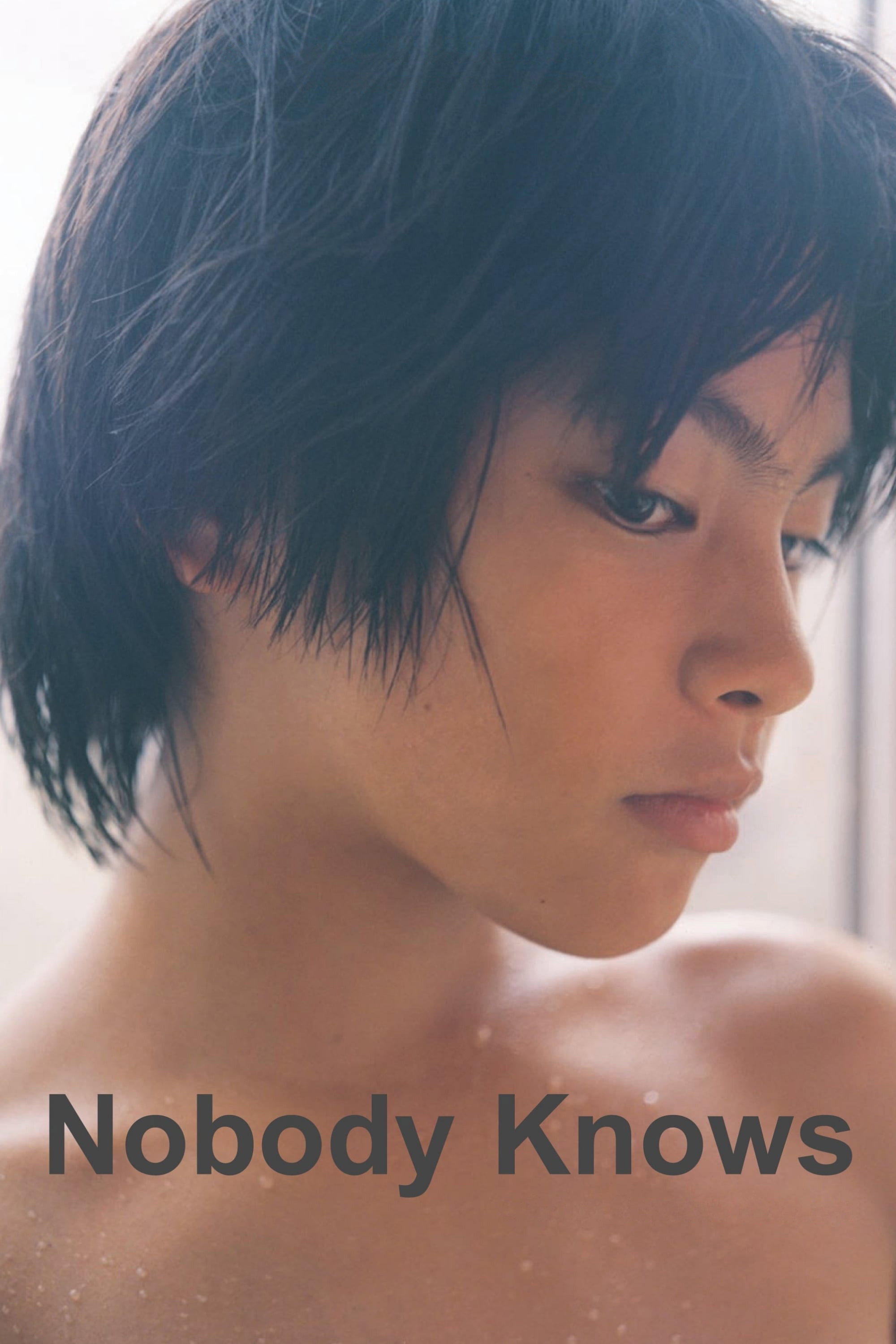
Nobody Knows poster

Nobody Knows

2004 · Hirokazu Kore-eda watches neglected children cope, with patience and little sentimental reassurance.