François Truffaut earns our affection by taking young people seriously without making them saints. In The 400 Blows, that makes for a film we would recommend to anyone, though the adults sometimes get less attention than they deserve.
Fi1m perspective
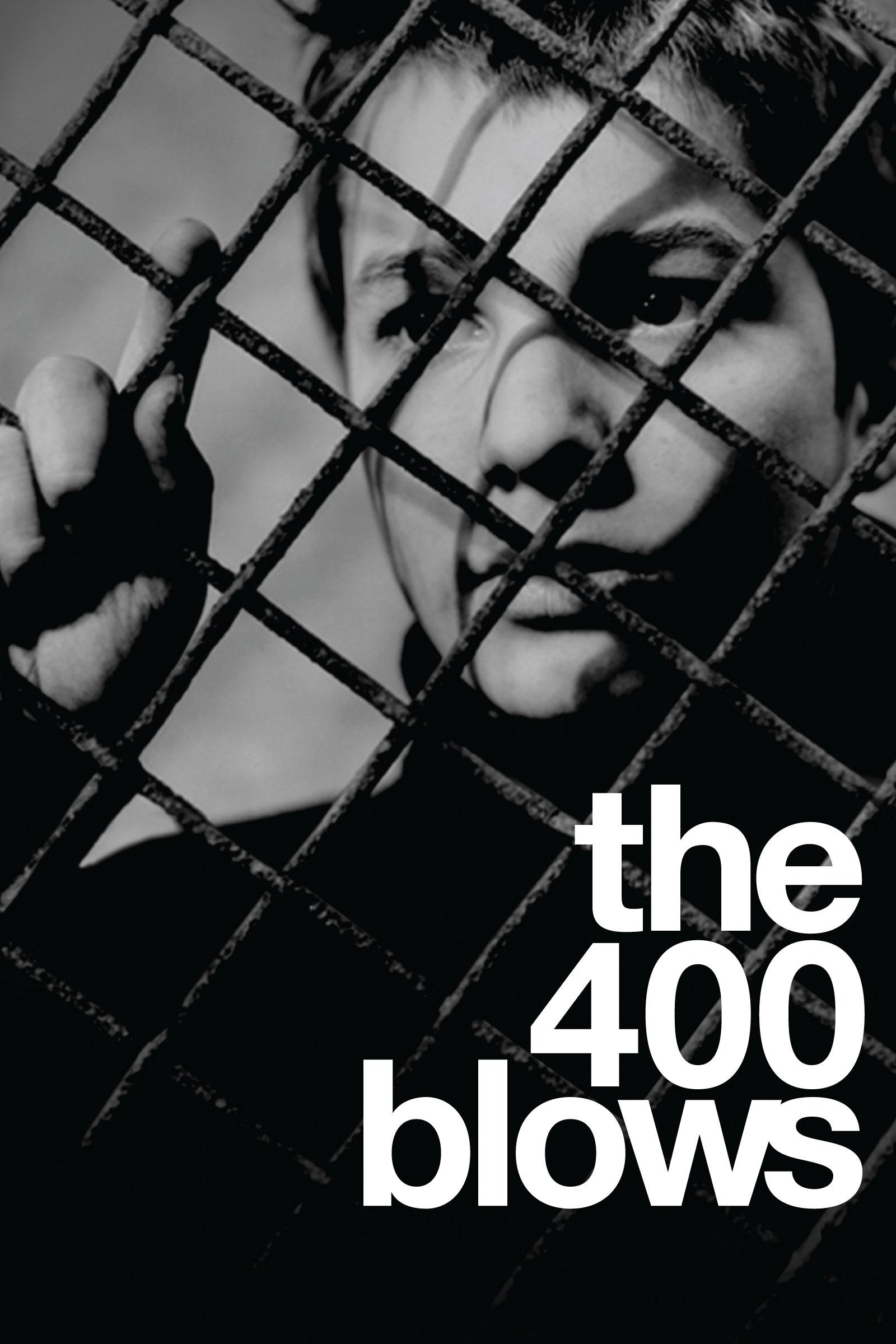
Truffaut lets the children watching a Punch and Judy show in The 400 Blows (1959) hold our attention simply by enjoying themselves. We were moved more than we expected by those faces; Truffaut gives the children’s pleasure his full attention. Antoine Doinel lies, skips school and tries adult patience elsewhere in the film. Truffaut never asks us to pretend otherwise. He makes us notice how little patience the adults had before the trouble began.
Jean-Pierre Léaud gives Antoine both mischief and vulnerability, so we can enjoy his defiance without overlooking his confusion. Drawing on his own neglected childhood, Truffaut is attentive to the pleasures of books, films and truancy. His affection can also make him protective. Claire Maurier’s Gilberte and Albert Rémy’s Julien resist becoming merely hateful parents, but we wanted more of their lives away from the boy. The closeness that makes Antoine so convincing occasionally limits what Truffaut will see in anyone else.
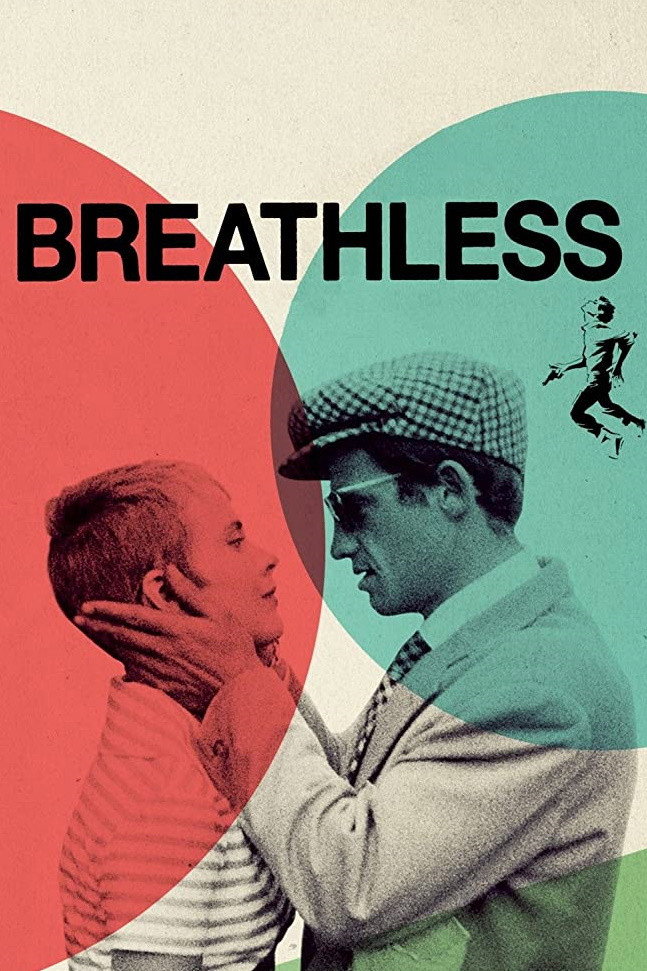
That feature debut helped launch the French New Wave, with Truffaut’s early work using location shooting and elliptical editing. He also contributed the story to Jean-Luc Godard’s Breathless (1960), whose editing and difficult, funny lovers we admire. Its over-clever conversations sometimes test our patience, but Godard wrote the screenplay; Truffaut’s contribution should not be confused with directing it. Jules and Jim (1962) brought his interest in love to a three-person relationship. The childhood memories were one part of a cinema also drawn to shy or isolated men and more assertive women.
By Day for Night (1973), about filmmaking itself, and The Last Metro (1980), the storytelling had become more classical. His recurring interest in cinema makes sense in a director whose early portrait of childhood took a boy’s enjoyment of films seriously. For a way through the work, we would follow Léaud through the Antoine Doinel series. Start with The 400 Blows, especially if school is supposed to have been the happiest time of your life.
Biography
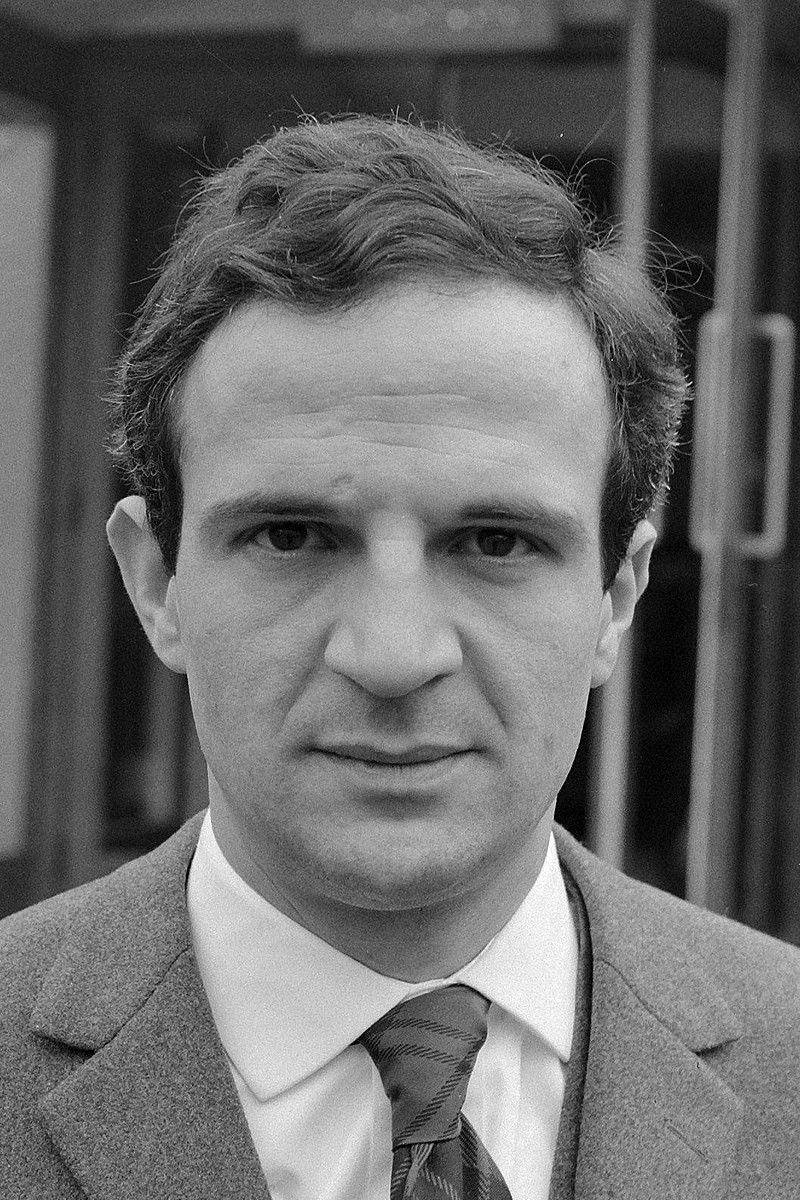
François Truffaut was a French film director, screenwriter, producer and critic. He began his career writing for the magazine Cahiers du Cinéma under the guidance of André Bazin.
His first feature, The 400 Blows (1959), on which he also received screenplay and producer credits, helped launch the French New Wave. He supplied the original story for Breathless (1960) and later directed Jules and Jim (1962), Fahrenheit 451 (1966), Day for Night (1973) and The Last Metro (1980), among other films.