Film review

Breathless

1960 · Directed by Jean-Luc Godard · 1h 30m · 12A

In a sentenceApparently being on the run still leaves plenty of time to argue in a bedroom

DramaCrimeRomance

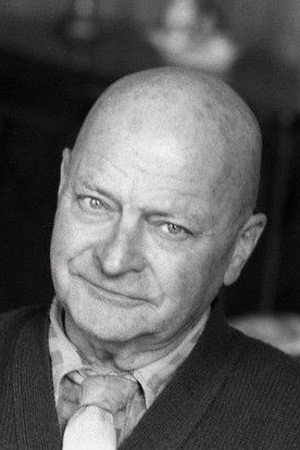
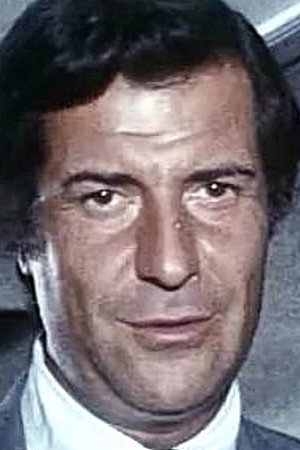
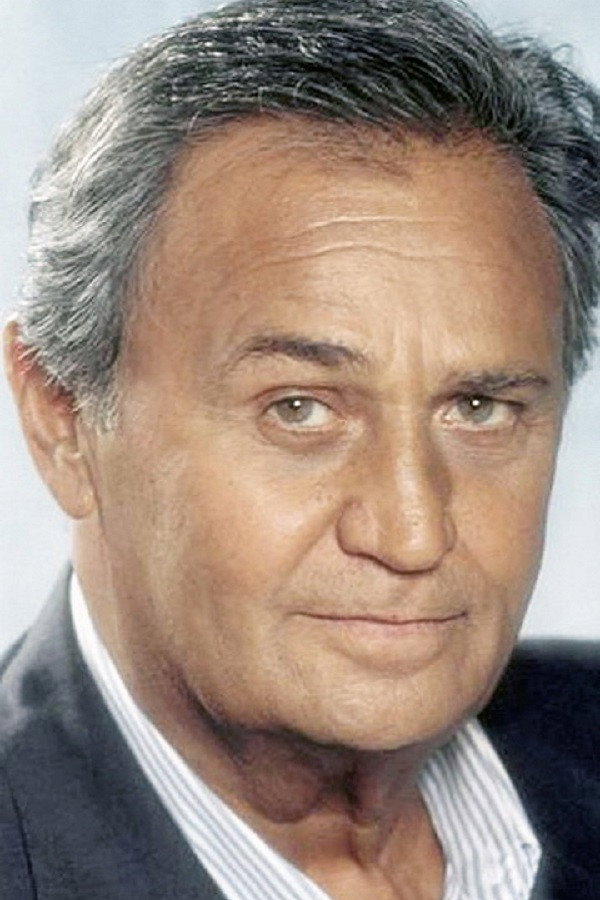
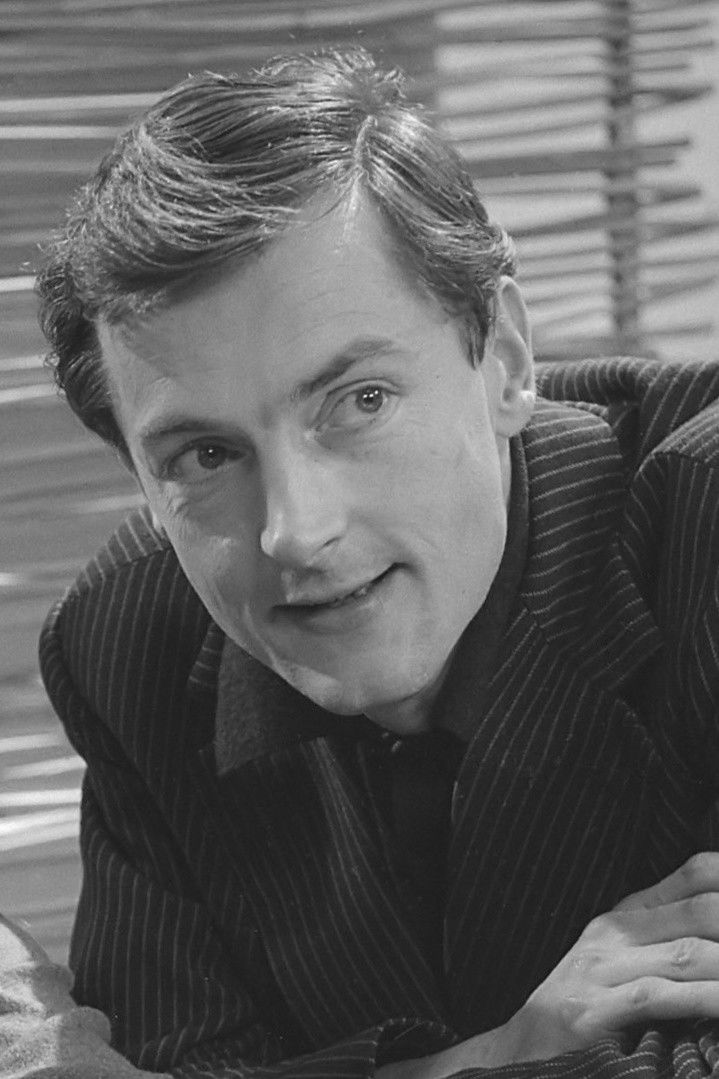
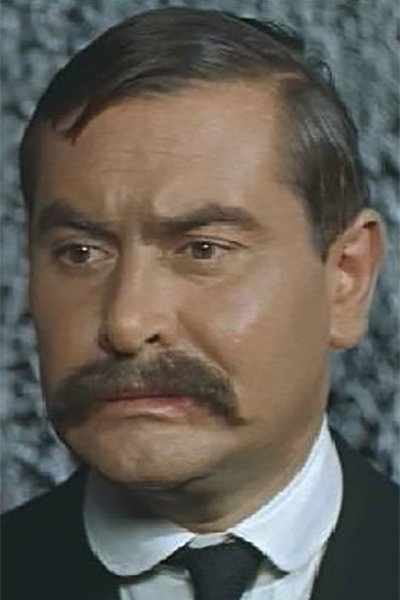
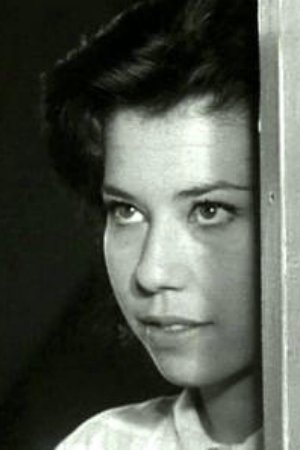
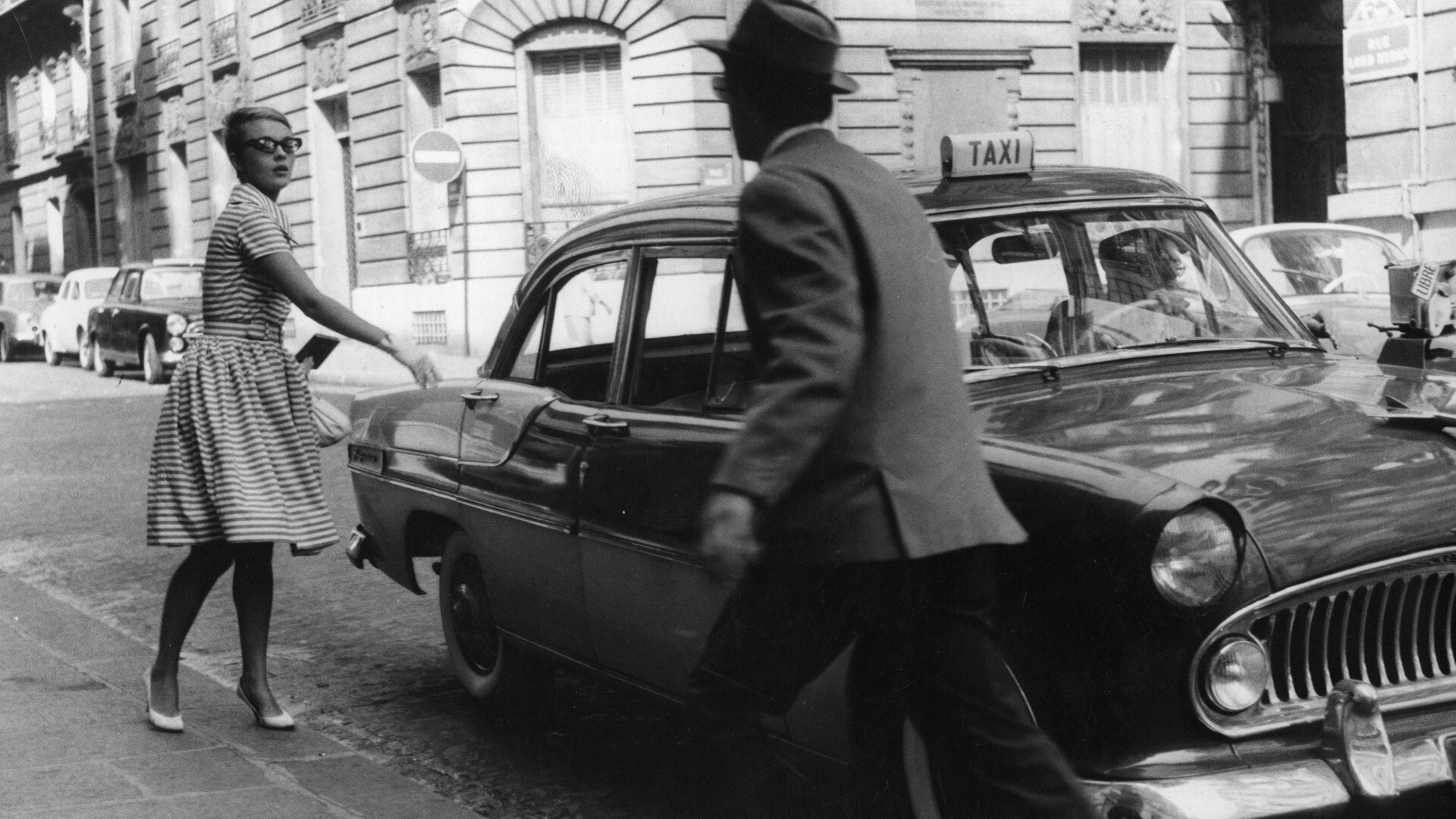
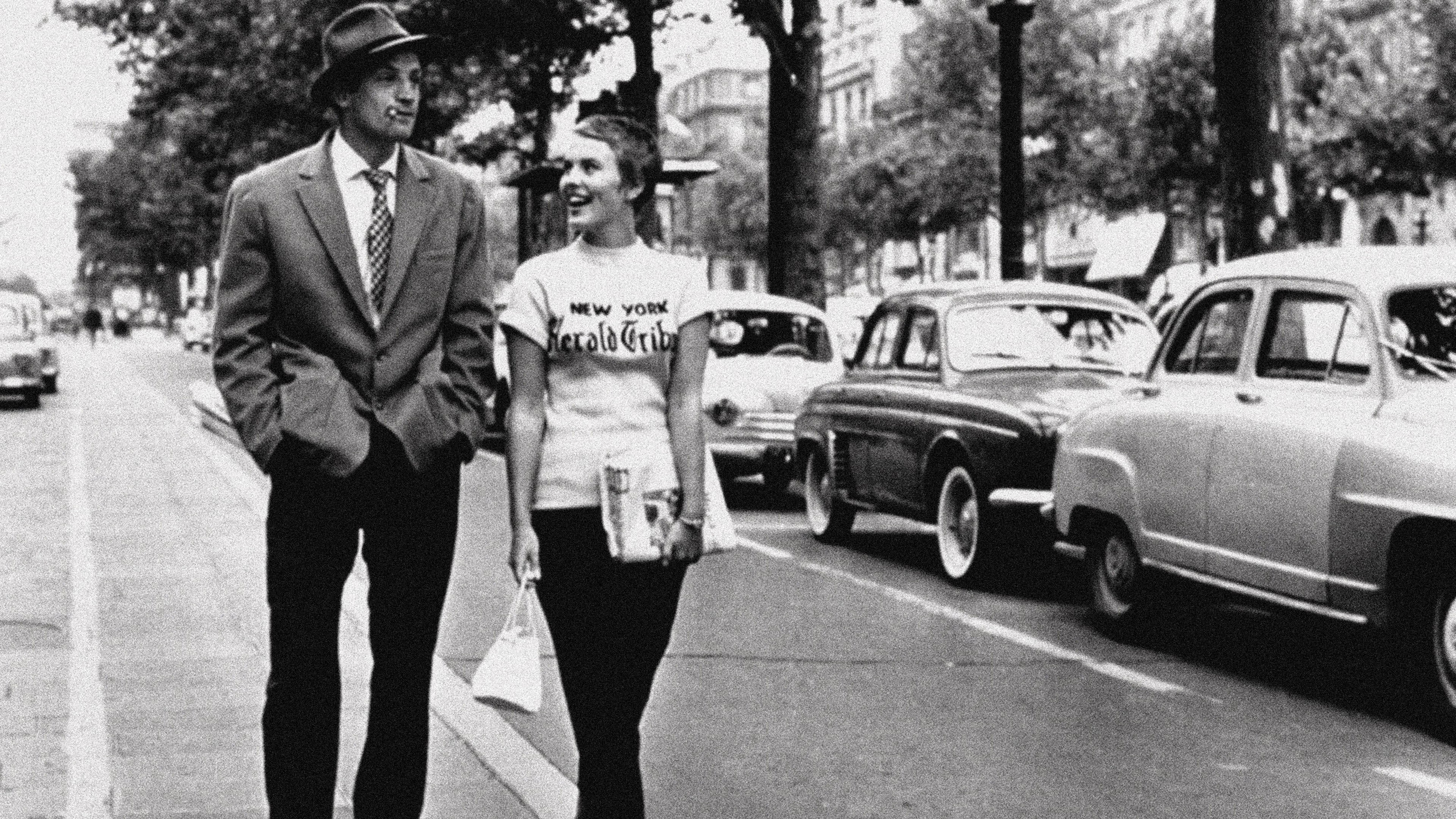
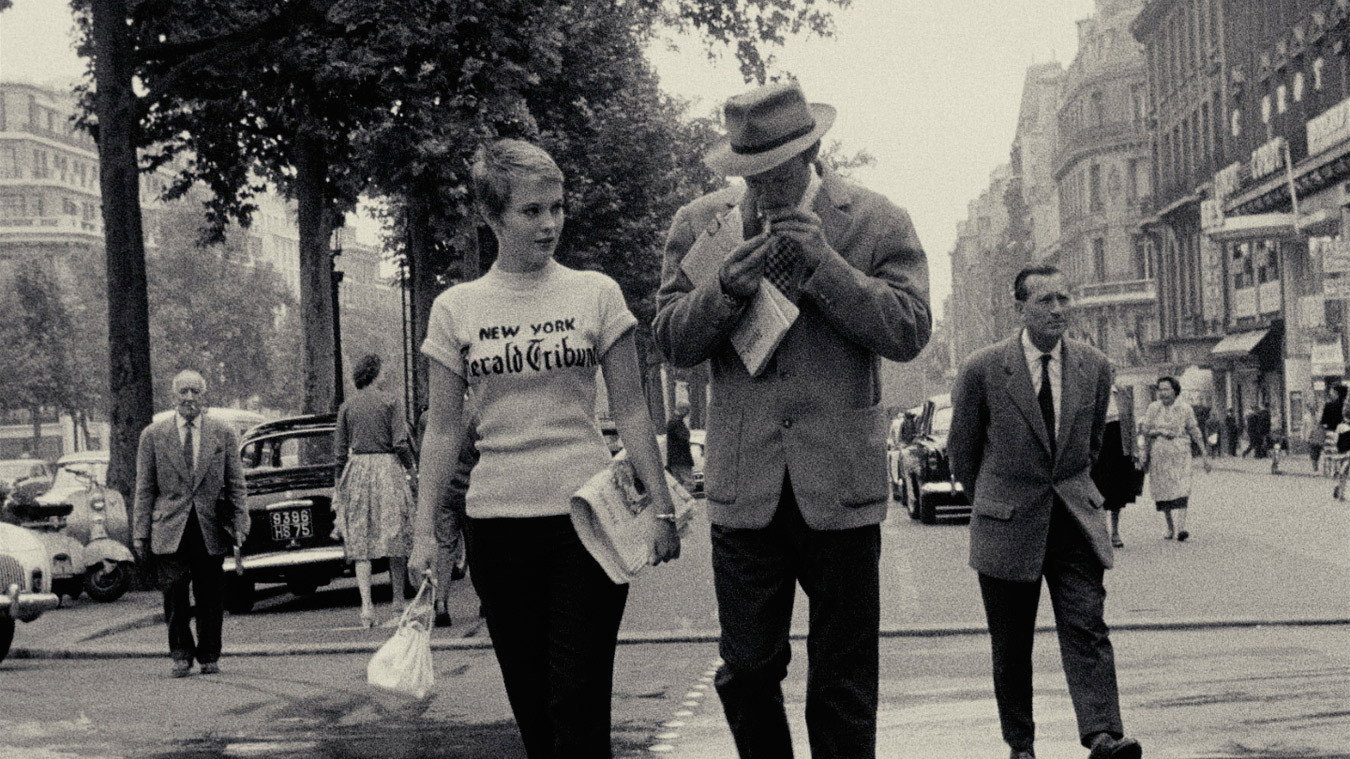
Michel Poiccard (Jean-Paul Belmondo) and Patricia Franchini (Jean Seberg) are young lovers on the run in Paris. Their relationship occupies as much attention as the crime story around them, with time spent talking and trying to understand one another. The film follows them through the city, where their conversations continue at length. Daniel Boulanger plays Police Inspector Vital, while Jean-Pierre Melville appears as the writer Parvulesco. Jean-Luc Godard directs from his own screenplay, with a story credited to François Truffaut and Claude Chabrol.

Plays from YouTube when you press play; nothing loads from them until then.

Fi1m review

Jean-Luc Godard’s restless crime romance is worth seeing for its editing and its difficult, funny lovers. Belmondo and Seberg hold our attention even when the clever conversation begins to wear thin.

Jean-Luc Godard’s Breathless is still a pleasure to watch, provided we do not expect its young lovers to be good company. It uses the conventions of an American gangster film, then repeatedly stops to let people talk. The interruptions are funny, revealing and sometimes tiresome, which seems a fair account of spending time with the young and self-absorbed. There is a crime story here, but Godard is at least as interested in how Michel and Patricia behave together.

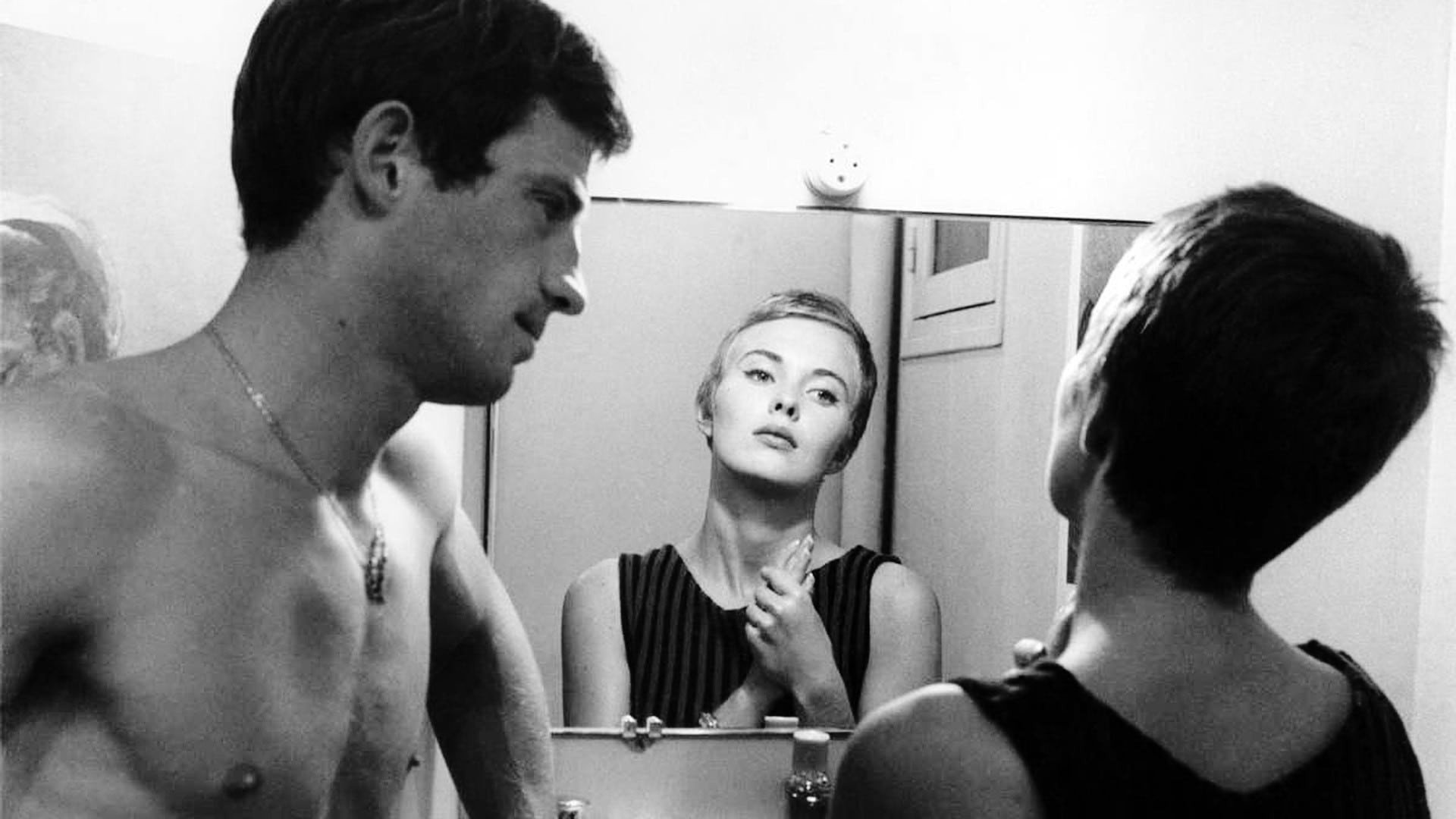
Jean-Paul Belmondo plays Michel Poiccard with enough charm to make his vanity tolerable. His performance makes the character’s self-importance funny, partly because we can see the effort behind the swagger. Jean Seberg’s Patricia Franchini is more reserved, and that difference keeps the pair interesting. Her limited outward expression can look stiff, but it also stops Michel from dominating every exchange. That reserve makes us pay closer attention to her responses.

Raoul Coutard’s handheld photography gives Paris a sense of activity beyond the demands of the plot. The camera’s nervous movement suits characters who seem unlikely to stay settled for long, and it keeps conversation from becoming a succession of formal speeches. The movement helps us stay interested when the characters are giving us reasons to dislike them. Faces and movement continue to hold our attention when the talk begins to repeat itself.

Cécile Decugis’s editing is the sharper provocation. The jump cuts let action skip forward within a scene, making us notice how much a conventional edit usually conceals. At first they catch the eye; soon their impatient rhythm feels right for these people. We notice the missing joins without losing interest in the performers, whose presence keeps the cutting from becoming merely distracting. Martial Solal’s jazz score gives the film another source of movement, its musical restlessness working well alongside those abrupt cuts.

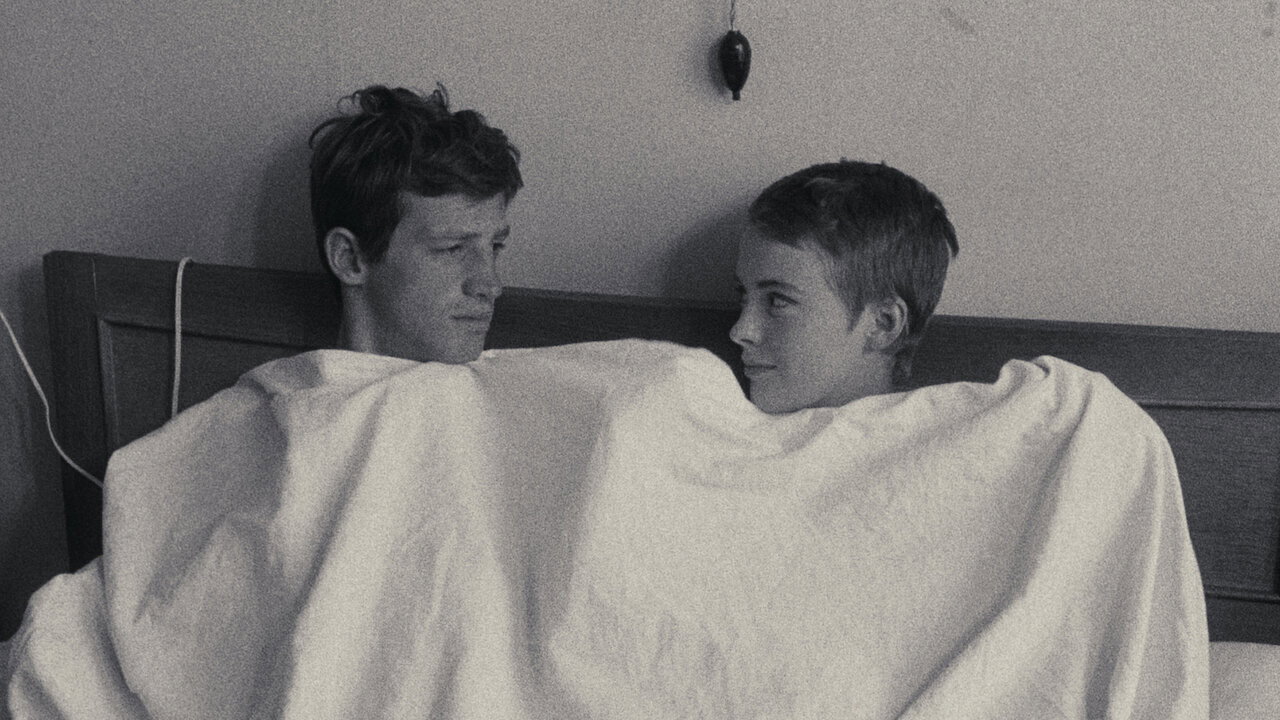
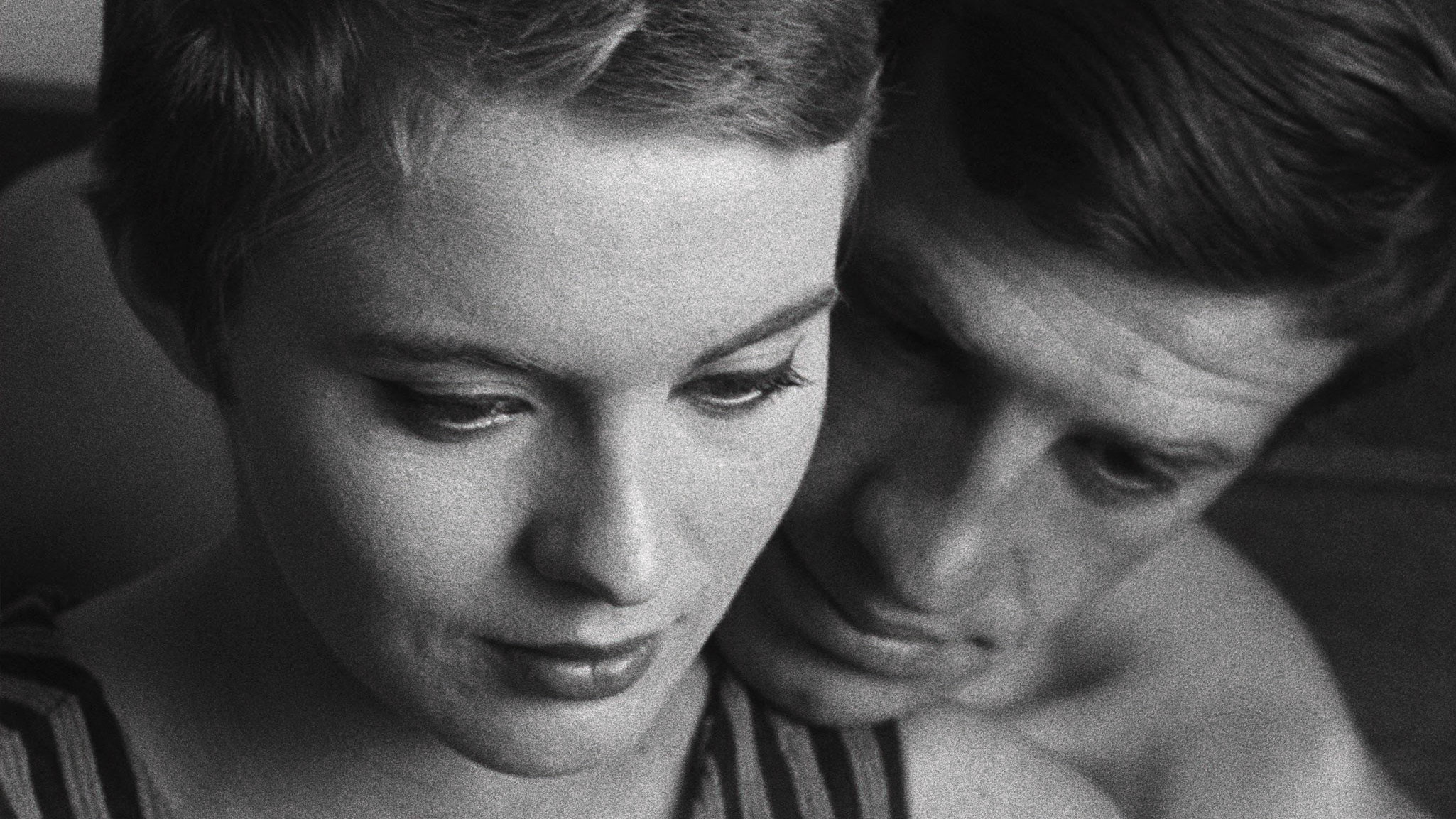
The long bedroom scene is where the film got to us. We were unexpectedly moved by how long the lovers talk without seeming to understand one another any better. Godard gives them enough time together for the charm to become wearing, then lets their uncertainty become apparent. Belmondo and Seberg make that duration useful: staying with them allows us to see the loneliness that a faster crime romance might hurry past.

The trouble comes when Godard seems too pleased with the dialogue. His writing can make a conversation feel like an occasion to display cleverness, and that weakens our interest in the people having it. His screenplay, with story credits for François Truffaut and Claude Chabrol, occasionally gives both lovers more to say than we want to hear. The film’s 90 minutes can feel longer during these stretches, despite all the activity in the cutting.

Godard borrows the swagger of American thrillers, then spends enough time with his lovers to make their selfishness tiring. It is a useful way of questioning the genre’s fondness for attractive criminals, and the actors keep it from turning into a lecture. The film remains enjoyable when it is being difficult, because there is so much pleasure in watching these performers respond to each other. See it for Belmondo and Seberg, and be prepared to lose patience with the people they play.
Critical consensus AI synthesised

87
Positive
7
Mixed
0
Negative
0

Most critics respond warmly to Breathless, with praise centred on Godard’s restless filmmaking and the energy of its young leads. The jump cuts, handheld camerawork and jazz score draw repeated admiration, as does the film’s freedom with American gangster conventions. The reviews tend to treat its formal experiments as a continuing source of pleasure rather than merely a historical achievement. Belmondo and Seberg also earn praise for making the lovers’ intimacy and disconnection compelling.

The differences concern how well that freshness lasts and how welcoming the film is. The Financial Times finds that it looks a little dated, while still feeling its impact. Variety admires both leads but notes Seberg’s limited emotional range. Elsewhere, the wilful style and abrasive characters are largely treated as strengths rather than obstacles. The spread is broadly enthusiastic: reservations qualify the praise without becoming a sustained case against the film.

Time Out
22 June 2010 · ★★★★★ · Dave Calhoun
100

The review celebrates the film’s enduring radical energy, cocky youthfulness and stylistic innovations like jump cuts and handheld shooting fifty years on, calling it confrontational, modern and simply cool despite (or because of) its roots in B-movie noir. It notes Godard’s own cameo and the film’s wilful, uningratiating nature.

Read the full review →
Evening Standard
10 April 2012
90*

The piece highlights the film's brilliant filmmaking, innovative mosaic of invention, and enduring pertinence of its characters and style on its 50th anniversary re-release.

Read the full review →
The Guardian
24 June 2010 · Peter Bradshaw
90*

The rerelease offers a chance to marvel at the film's pure, raw, chaotic newness and the unschooled quality of Godard's filmmaking. The whole movie is one continuous, inspired cine-jazz solo that perfectly captures what it feels like to be young and in love.

Read the full review →
Empire
1 January 2000 · Kim Newman
80*

The critic praises the film's innovative editing, jazz score, references, and energy as an exciting homage to American gangster films while critiquing them; it remains one of Godard's finest.

Read the full review →
Financial Times
2 November 2020 · Nigel Andrews
80*

Breathless was once a smack in the face and still has a smarting impact, though it looks a little dated on re-encounter. It is a kind of masterpiece that pioneered changes in world moviemaking through its fresh, new style.

Read the full review →
Sight and Sound
1 March 1960

The critic praises Godard’s debut as a genuine auteur film made with complete independence, noting its provocative rejection of traditional techniques, controlled use of montage and jump cuts, and its anarchic, pitiless portrayal of immoral characters in a modern, Americanised Paris. The dialogue and direction are highlighted for their literary quality and startling revelations.

Read the full review →

Cast

Stills

Awards

French Syndicate of Cinema Critics Awards, 1961

Won
French Syndicate of Cinema Critics Awards

Berlin International Film Festival, 1960

Won
Best Director

Prix Jean Vigo, 1960

Won
Prix Jean Vigo

If you liked this, try…

The 400 Blows poster91

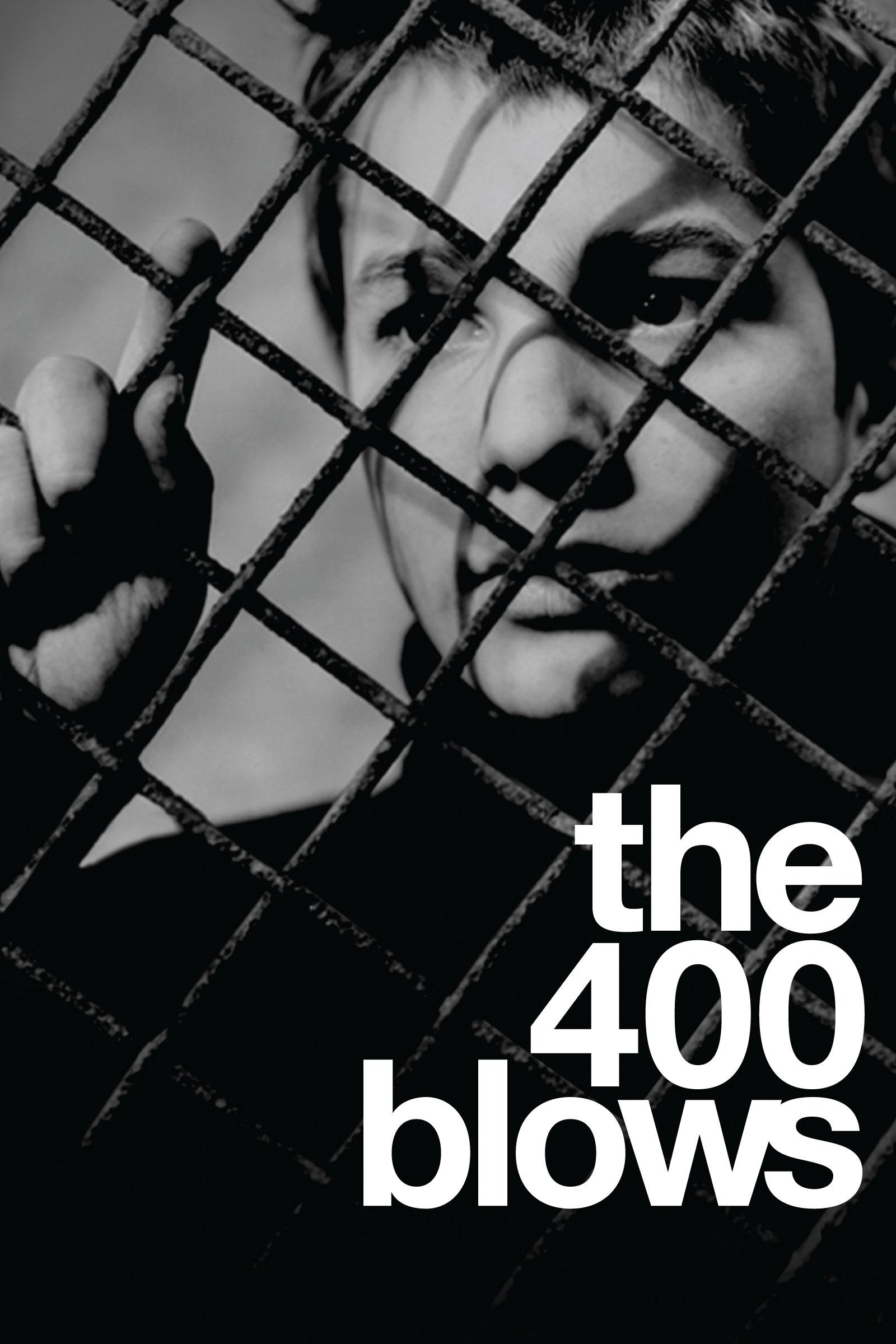
The 400 Blows

1959 · For restless youth and a camera interested in life beyond the plot

Cléo from 5 to 7 poster

Cléo from 5 to 7

1962 · Another Paris walk, with more patience for the woman doing the thinking

Badlands poster

Badlands

1973 · For criminal lovers whose charm never quite conceals how little they understand

Chungking Express poster

Chungking Express

1994 · Restless city romances, abrupt shifts and lonely people talking past one another

A Girl Walks Home Alone at Night poster

A Girl Walks Home Alone at Night

2014 · For nocturnal courtship that makes room for danger, absurdity and long silences