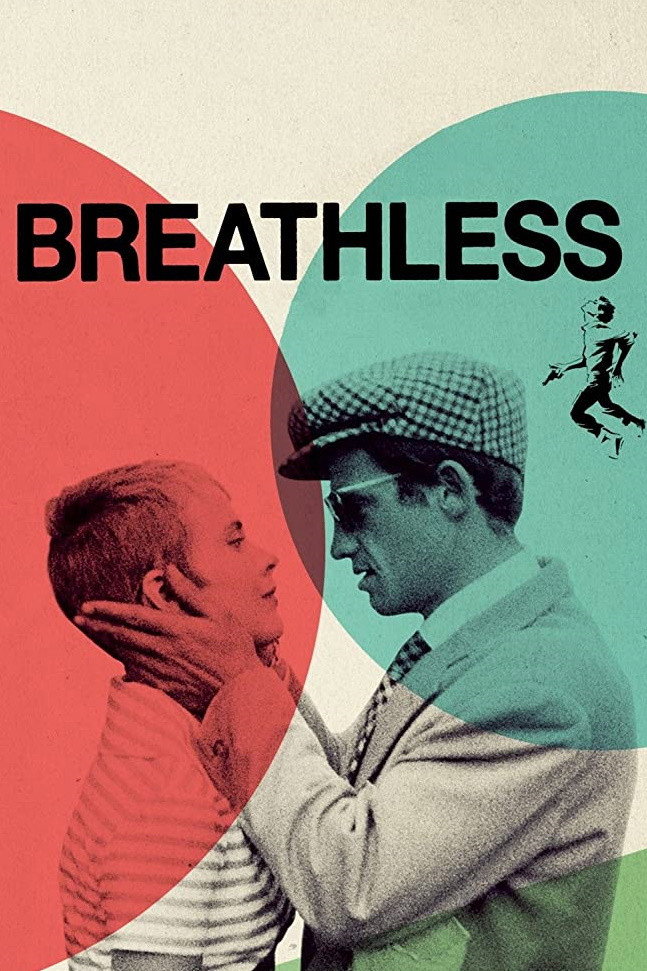
We rate Godard for his restless editing and his patience with difficult characters. Breathless makes both rewarding, though his characters sometimes talk long enough for us to wish he were less pleased with their cleverness.
Fi1m perspective
In the long bedroom scene in Breathless (1960), Belmondo and Seberg keep talking, but scarcely seem to understand each other any better. Godard lets their charm become tiresome before allowing their loneliness to show. We were unexpectedly moved by the time he gave two selfish people to reveal how uncertain they were. The crime story can wait while we watch them trying to make sense of one another. This is the Godard we rate most highly: curious about people, and willing to spend longer with them than a brisk thriller would allow.
That patience sits alongside editing which refuses to make every movement continuous. The jump cuts in Breathless give the film much of its restless pleasure, but the lovers are what make its interruptions worth following. Belmondo and Seberg keep responding to each other even when the screenplay seems more concerned with displaying its cleverness. We recommend the film strongly, with a warning about those stretches: occasionally, both characters have more to say than we want to hear. Holding up the action lets us notice their selfishness, though it also gives the weaker dialogue plenty of time to irritate.
Breathless was his first feature, and the films that followed kept finding ways to interrupt familiar kinds of story. Contempt (1963) examines filmmaking itself; Pierrot le Fou (1965) mixes a wandering adventure with borrowed genres. By Weekend (1967), an apocalyptic road film, his early commercial phase was coming to an end. He developed this cinema with recurring collaborators, including cinematographer Raoul Coutard and editor Agnès Guillemot.
Later came video and essay films with Anne-Marie Miéville; Goodbye to Language (2014) extended the experiments into 3D. Direct address, words on screen and increasingly fragmented storytelling ask us to abandon some ordinary expectations of a film. Difficulty alone gives us no reason to stay interested. Breathless earns our patience because the actors keep giving us something to notice about the lovers. Start there, with a little tolerance for young people who have not yet learnt when to stop talking.
Biography
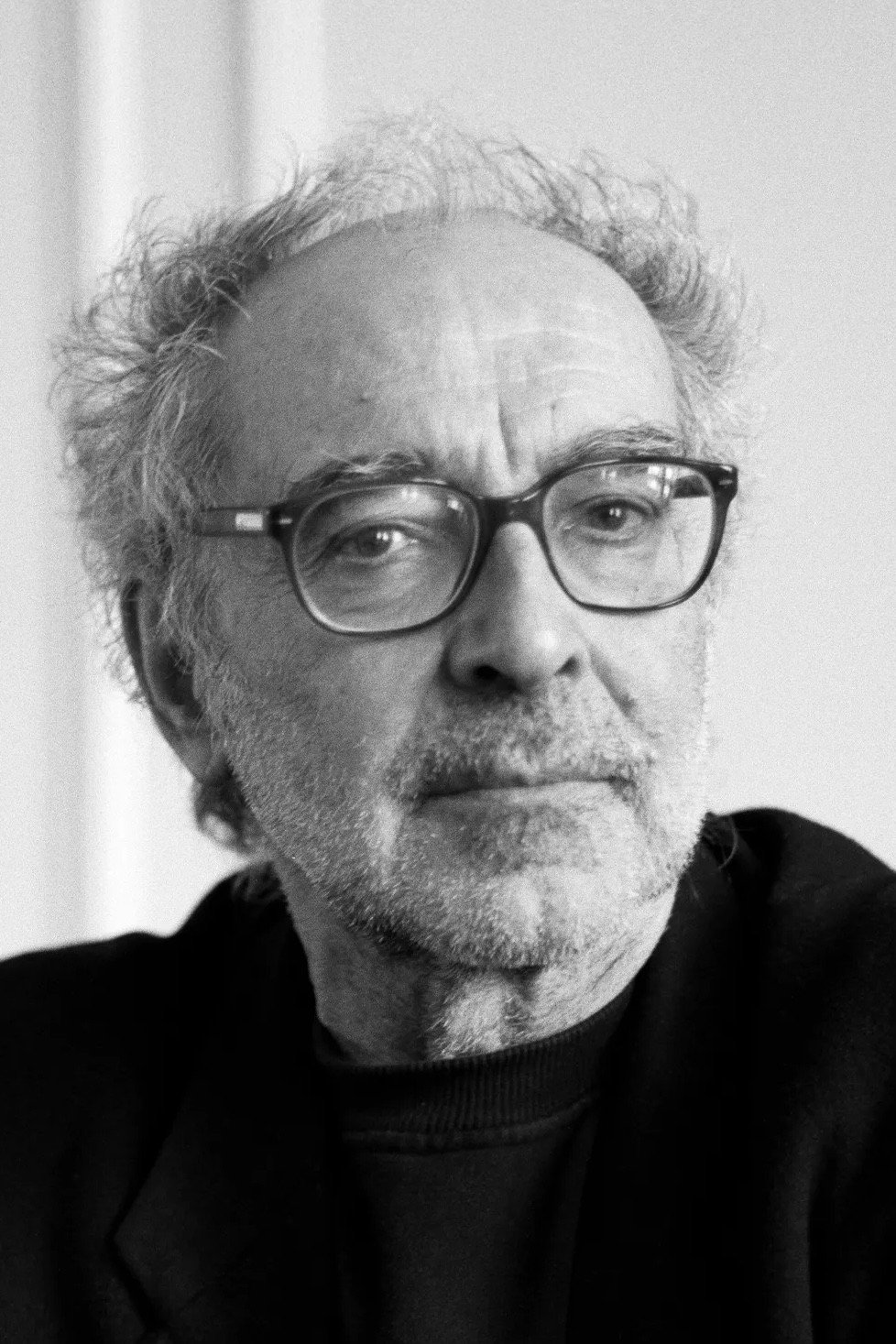
Jean-Luc Godard was a French-Swiss film director and screenwriter. His first feature, Breathless (1960), on which he also received a screenplay credit, is a defining work of the French New Wave.
He went on to direct films including Contempt (1963), Pierrot le Fou (1965), Alphaville (1965), Band of Outsiders (1964), Masculin Féminin (1966), Weekend (1967) and La Chinoise (1967). Godard began as a critic for the journal Cahiers du cinéma.