Film review

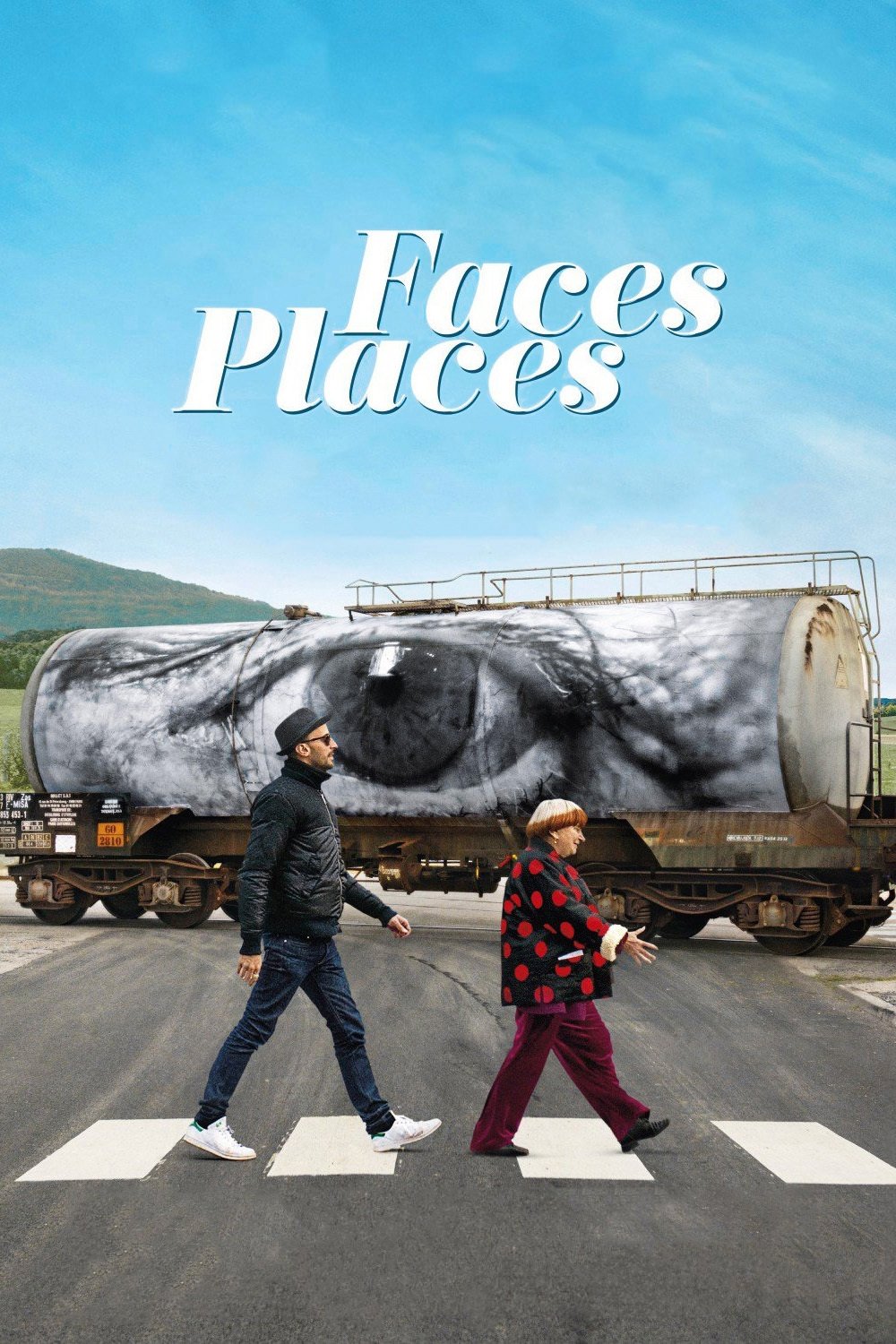
Faces Places

2017 · Directed by Agnès Varda, JR · 1h 34m

In a sentenceTwo artists drive round France gluing enormous strangers to buildings, and the strangers cry

Documentary

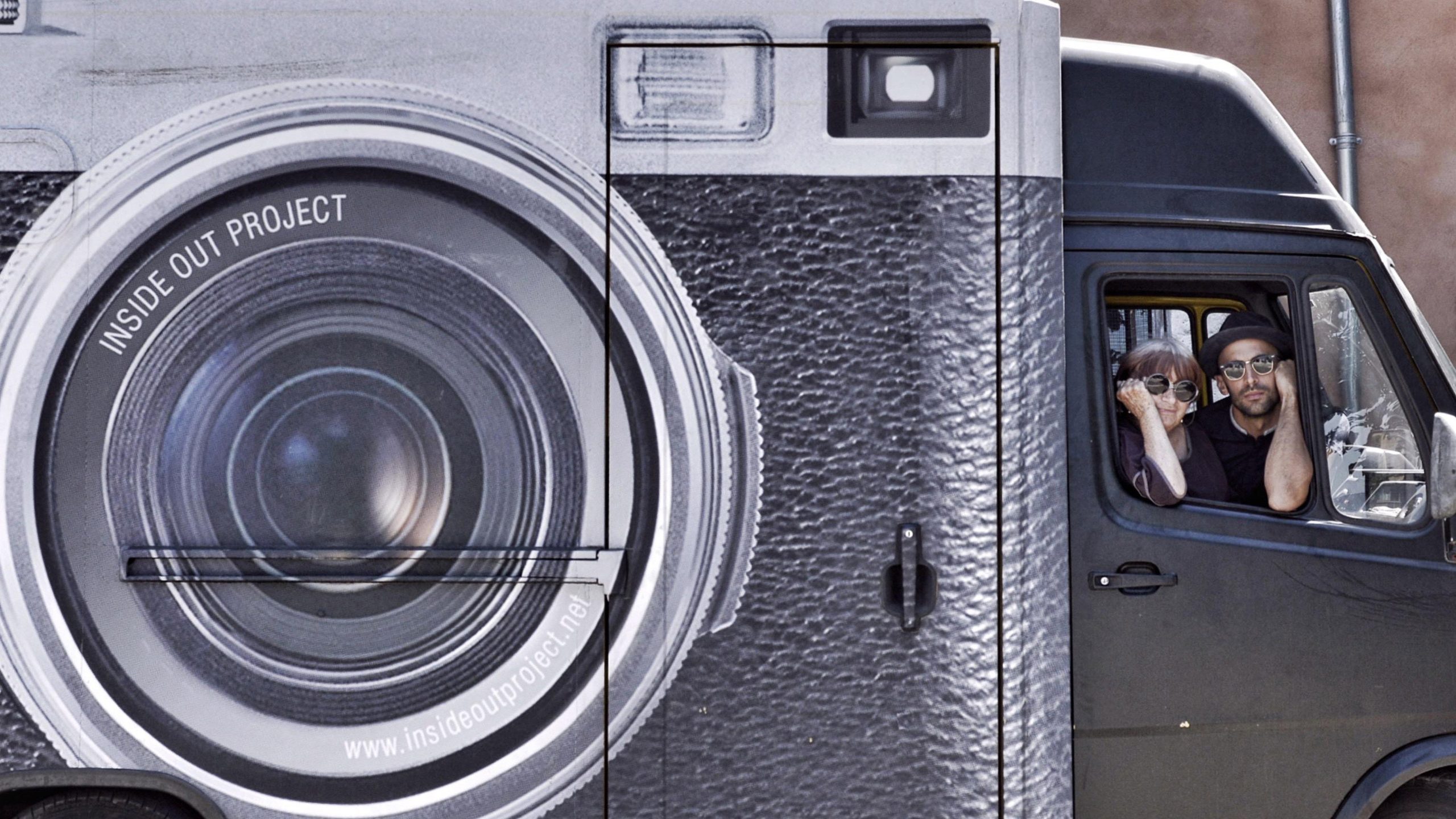
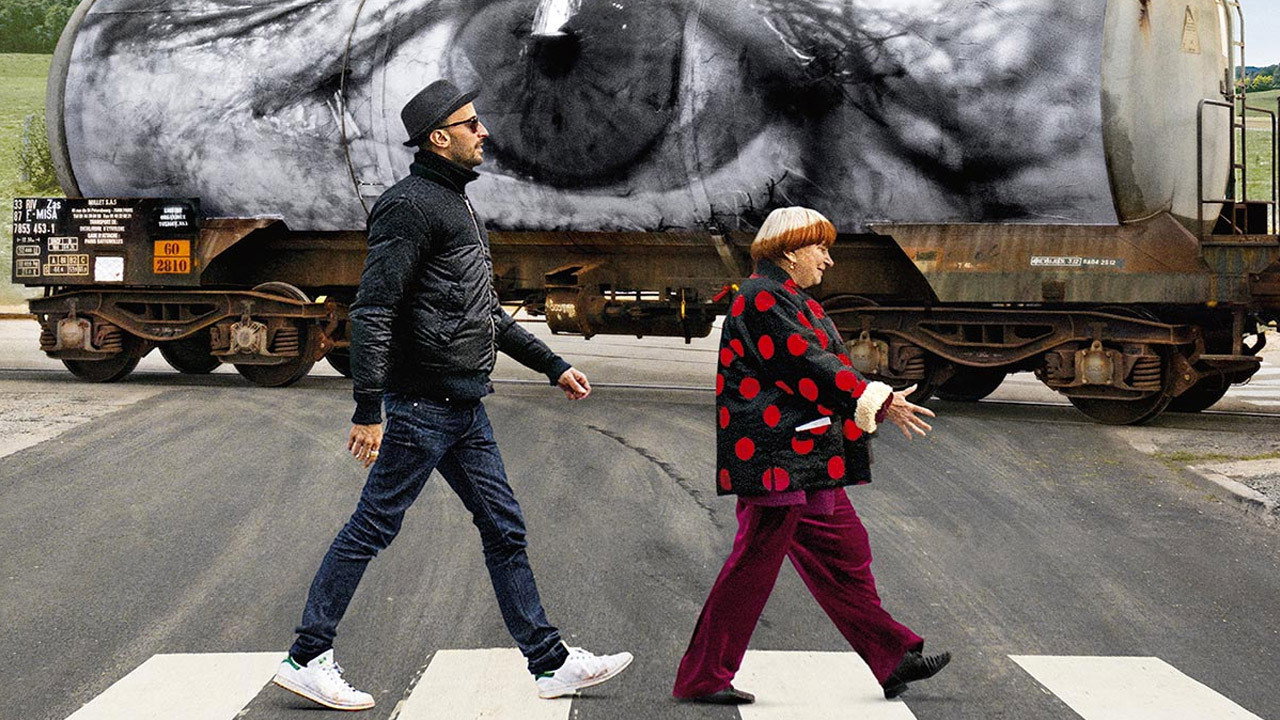
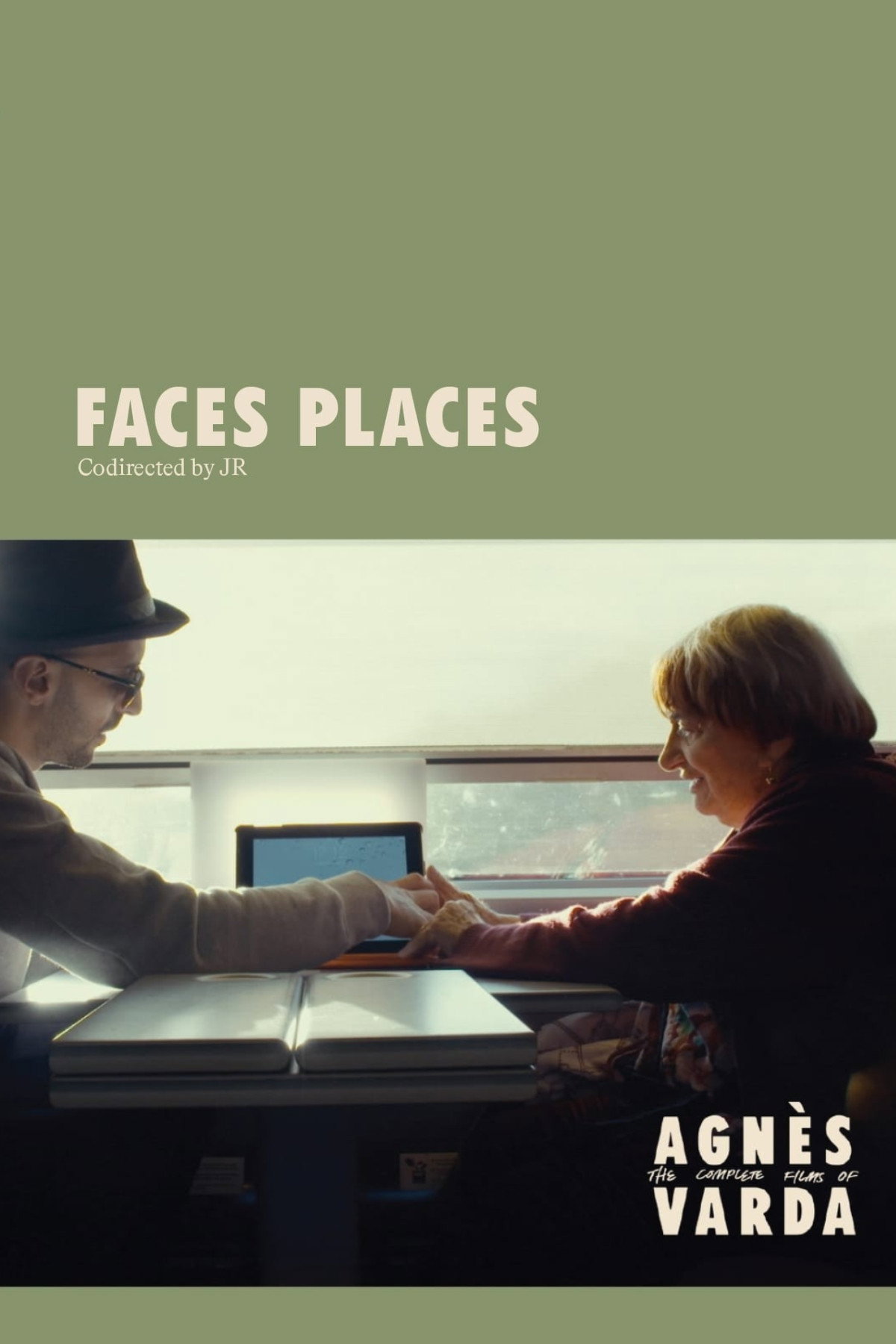
Agnès Varda (as herself), a veteran film director, and JR (as himself), a young street artist, set off across rural France in his van. The van is a camera: it photographs whoever climbs inside and produces portraits big enough to cover a wall. Their first stops are in the working-class north, in a coal town, where they meet Jeannine Carpentier (as herself), a woman who has lived in a row of miners’ houses for a long time. They photograph her and paste her face across the front of her home. Then they move on, to farms and to the docks, photographing farmers, workers and women who would otherwise never be photographed at all, and pasting the results onto buildings and shipping containers.

Plays from YouTube when you press play; nothing loads from them until then.

Fi1m review

Varda and JR drive a camera van through rural France and paste the faces of farmers and workers onto the walls they live behind. It is slight and occasionally pleased with itself, but the faces are enormous and so, unexpectedly, is the feeling.

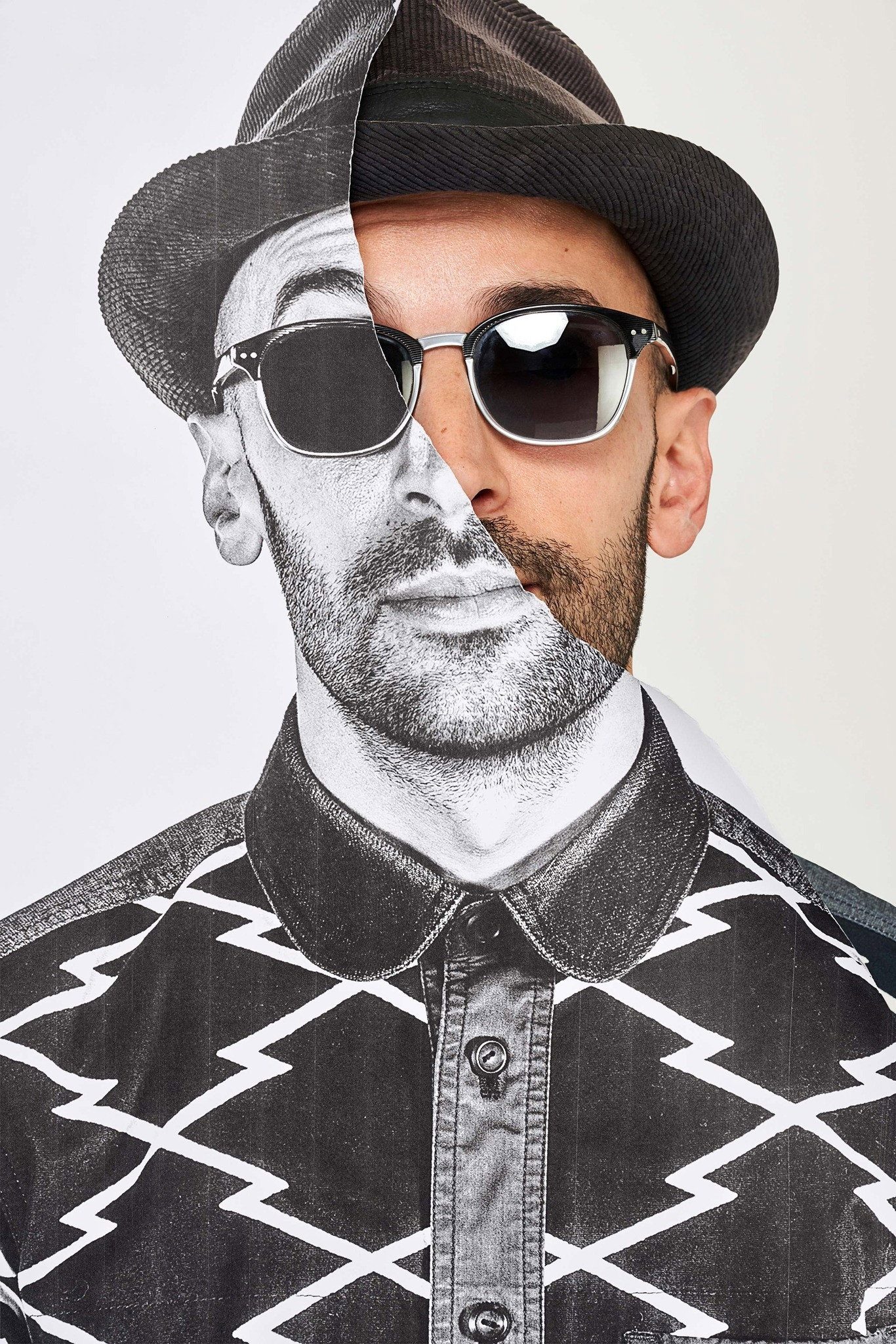
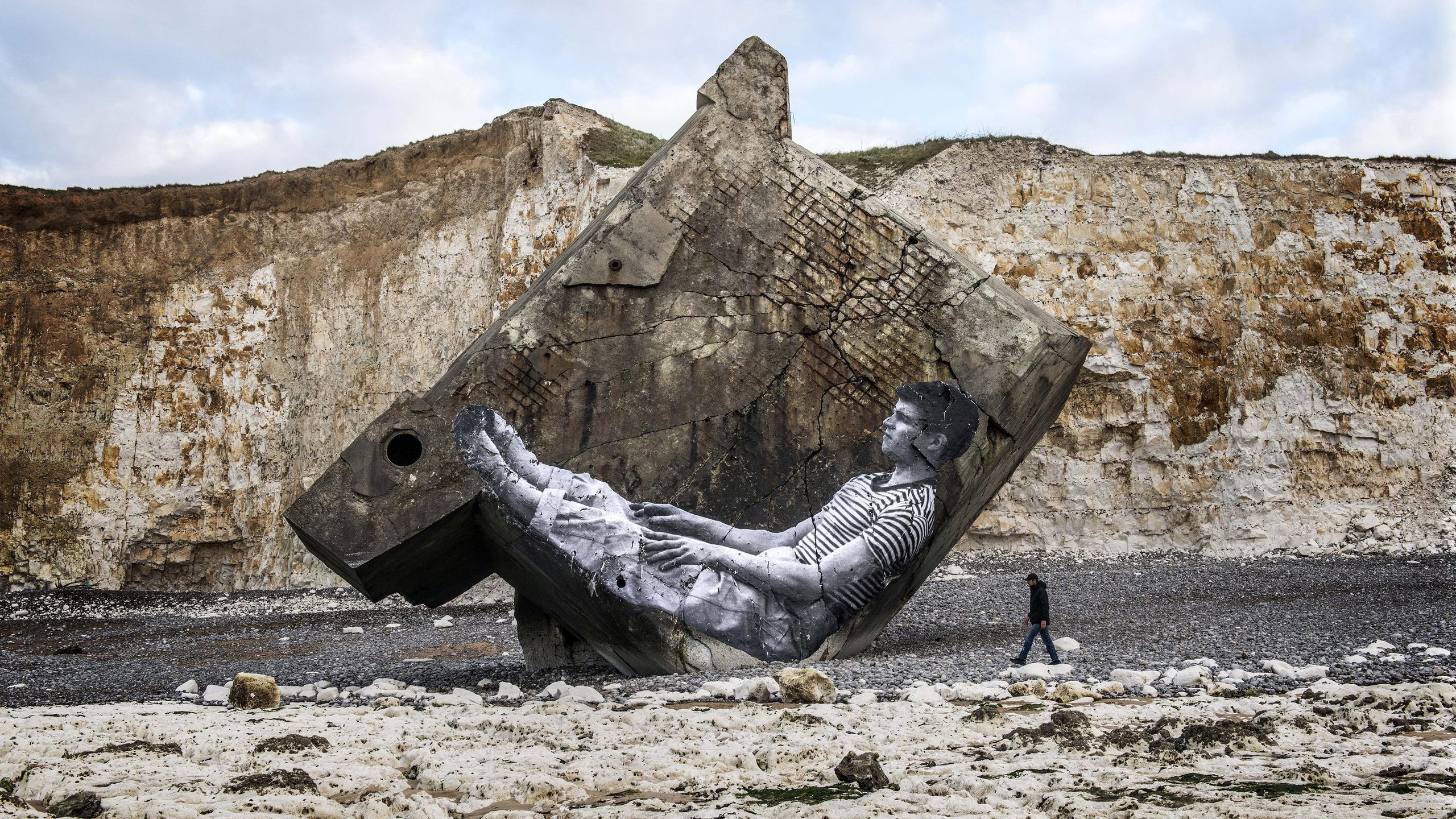
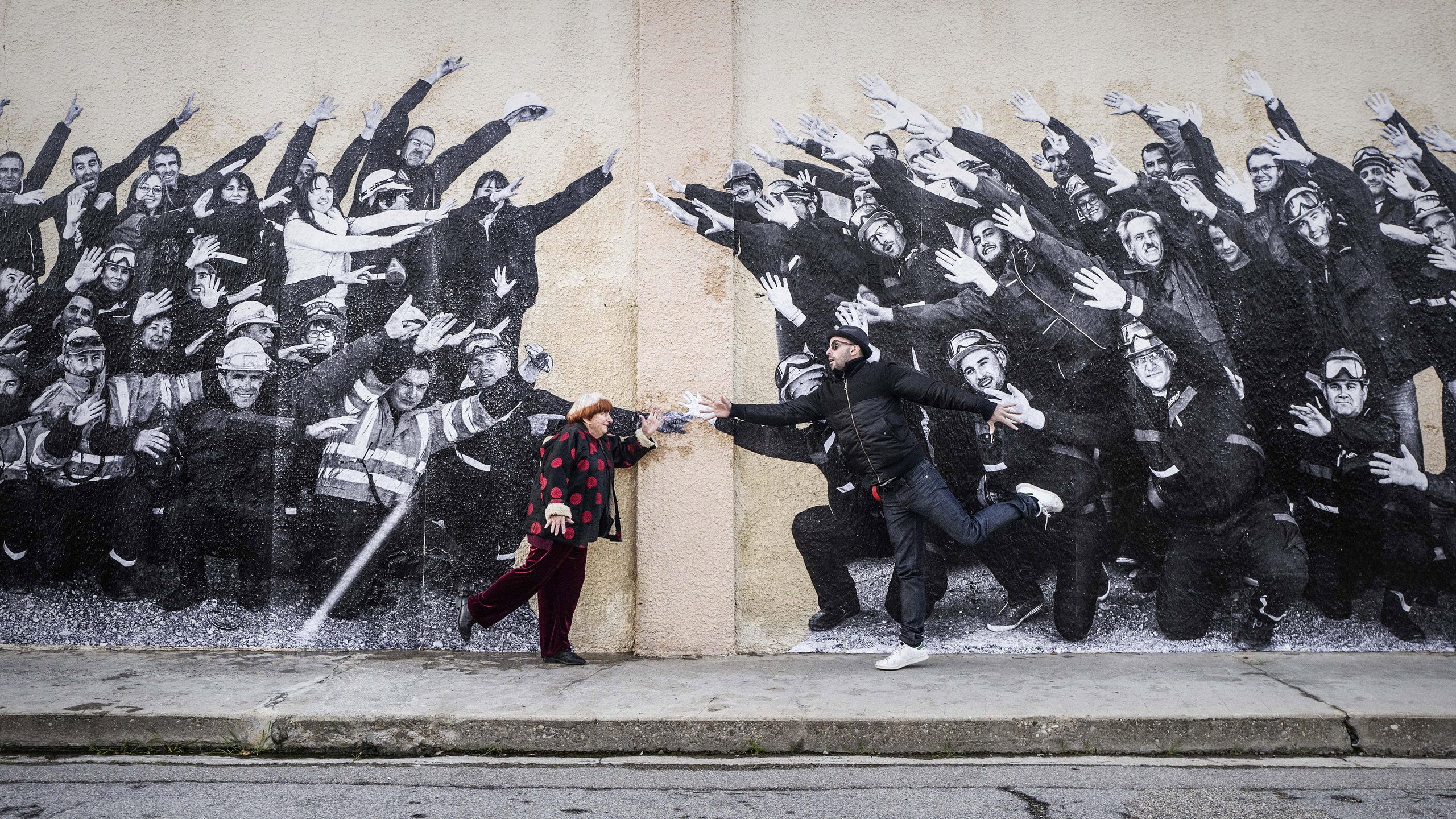
Agnès Varda made Faces Places with JR, a street artist a couple of generations younger than her. JR owns a van with a giant camera built into it. You sit inside it, it takes your photograph, and out comes a print large enough to cover a wall. The two of them drive this van around rural France, photograph whoever they meet, and paste the results, several storeys high, onto the walls the people live and work behind. That is the whole film. It runs 94 minutes, it is likeable from the first shot, and for perhaps a third of its length it is a good deal more than that.

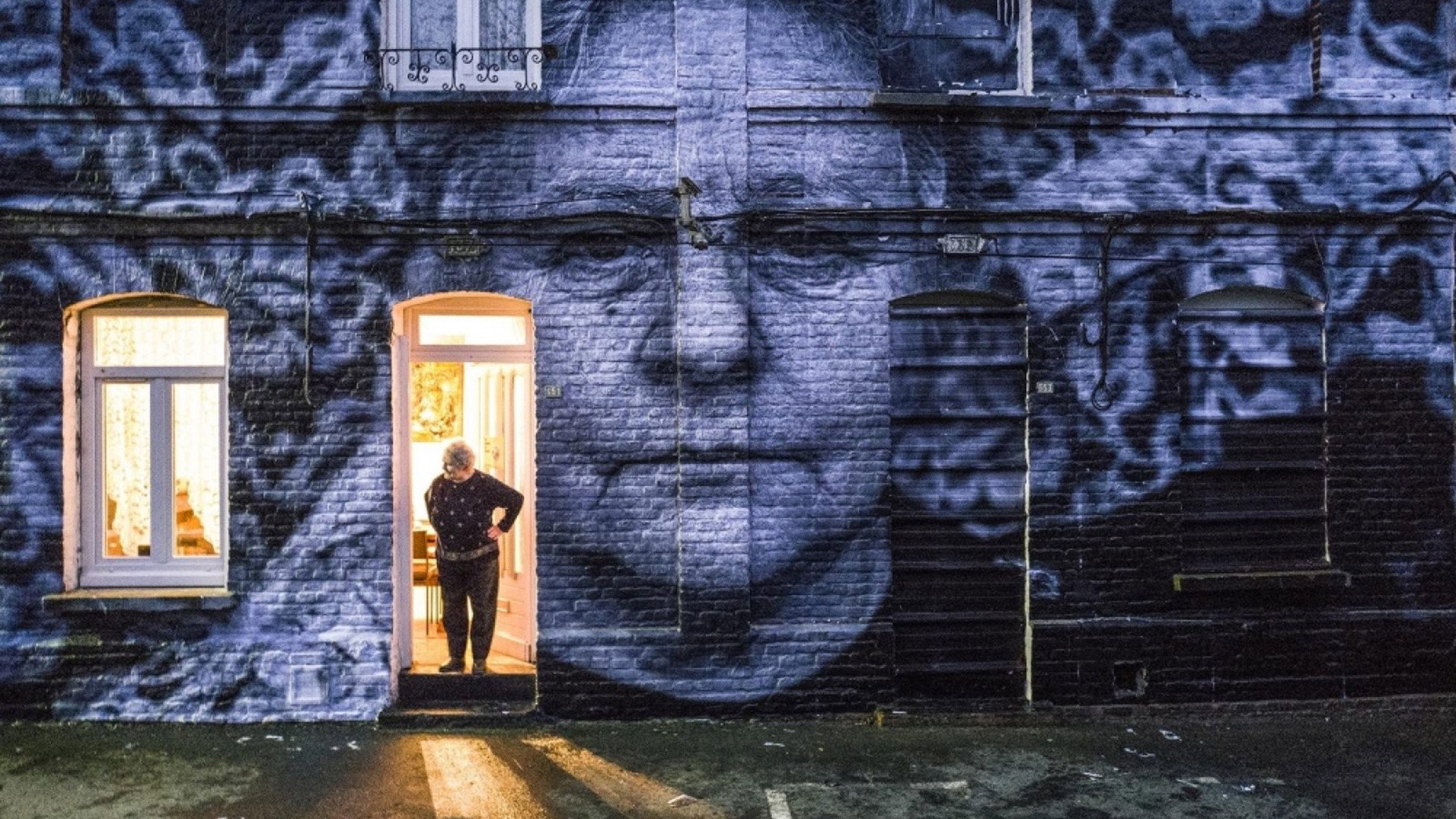
The first stop is a coal town in the north, and a row of miners’ houses. Jeannine Carpentier has lived in one of them for a long time. Varda and JR photograph her and paste her face across the front of her house, the full height of the brick. When she comes out and sees it she cannot speak. Neither, for a moment, could we. It was the size that did it: a woman nobody has photographed in years, suddenly bigger than the building she lives in. The film repeats the trick a dozen times, and it is honest enough to show that not every subject is sure they like it.

The people are the point, and the film gives them room. A farmer who works a huge acreage alone from a tractor cab with a screen in it. A woman who keeps goats and will not burn off their horns, and gets a horned goat on her barn wall for her trouble. Women at the docks, photographed standing, then pasted full length onto a wall of stacked shipping containers. Varda asks short questions and lets people answer at length; JR works the ladder. Seven camera operators are credited, among them Roberto De Angelis and Claire Duguet, and the footage looks as if it was gathered on the move, in whatever light there was. The portraits themselves are black and white; the France around them is in colour.

Varda and Maxime Pozzi-Garcia cut it like a scrapbook. Each village gets a chapter, Varda talks over the joins, and Matthieu Chedid’s guitar score wanders in and out underneath. It is a pleasant way to spend an hour and a half, and that is also the film’s weakness. The Gleaners and I (2000) had a subject, people who live on what others throw away, and an argument about them. The Beaches of Agnès (2008) had her own life to put in order. This one has a method and a friend. Around the fifth or sixth village we caught ourselves admiring the pictures and waiting for the film to say something about them, and it did not.

The staged parts are the other problem. Varda and JR are filmed bickering, in a cemetery, on a beach, in the van, and the set-ups are visibly set up. The running jokes between them land the first time and are still being made at the end. Varda’s narration has a habit of telling us what the image has already shown. None of this is bad; it is simply less interesting than a farmer explaining why he no longer employs anyone, and the film keeps cutting away from the farmer to get back to the two of them.

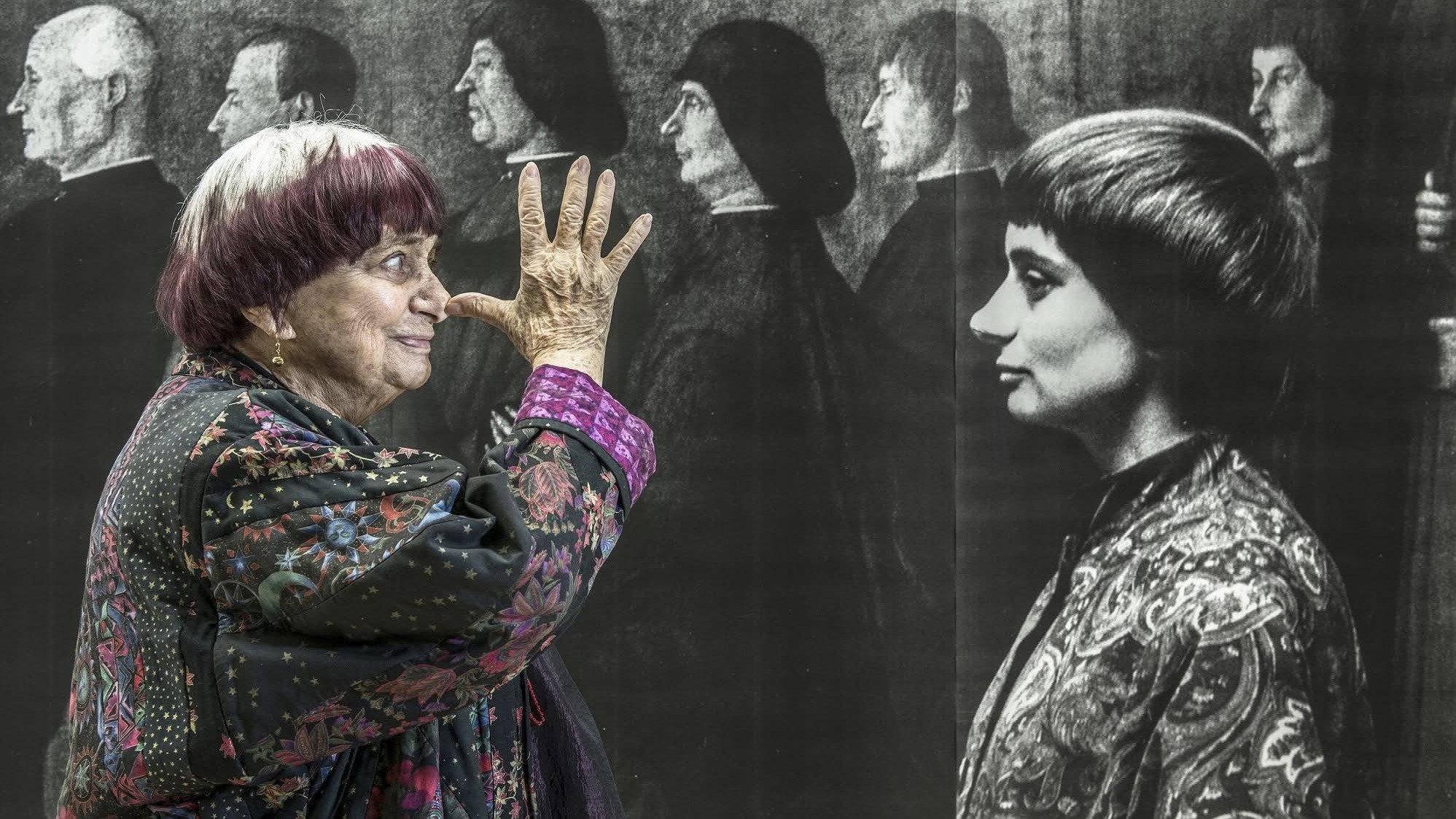
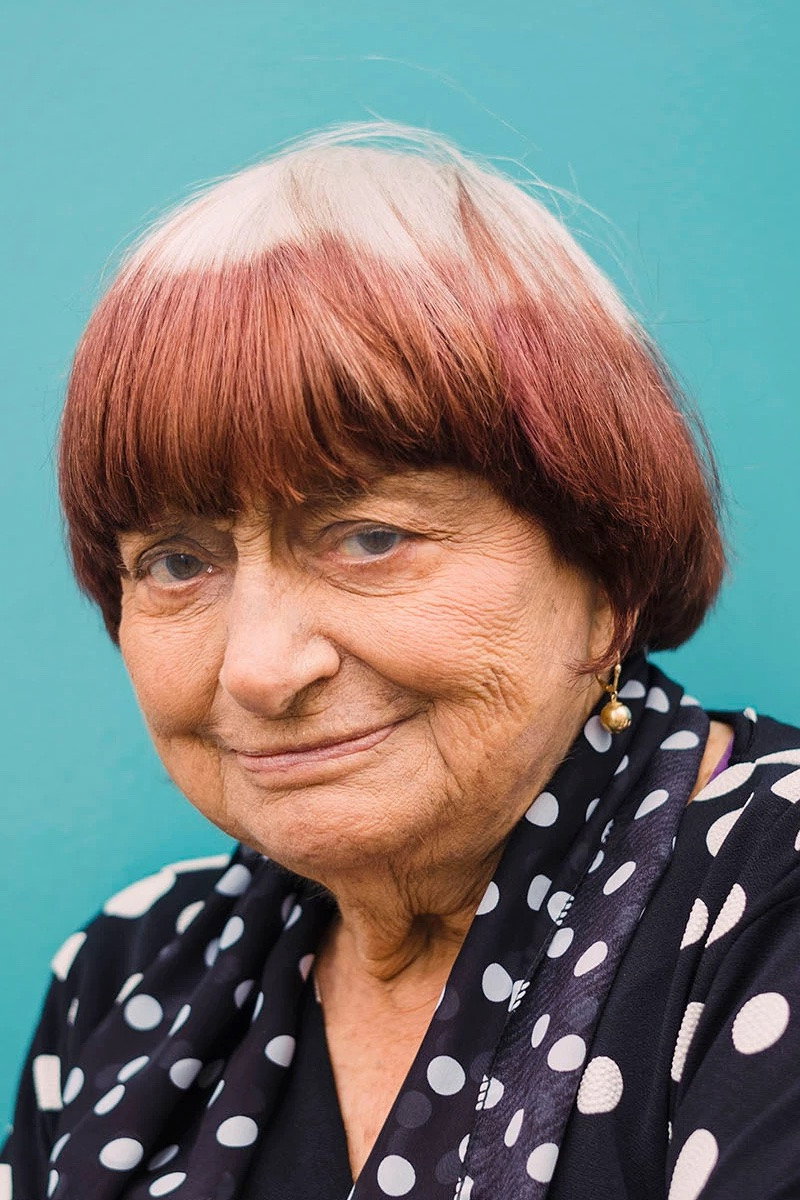
What rescues it is Varda herself, and what she allows to be shown. Her eyesight is failing, and she says so on camera. She has spent a career looking at faces and she can no longer see them clearly at a distance, and she puts this plainly, without asking for sympathy. Late on, the road trip turns towards her own past and towards the cinema she came out of, in a way we will not describe. It is the one place the film’s good humour slips, and the best ten minutes in it.

See it with someone you have known for a long time and argued with for most of it. Certificate 12A, 94 minutes, and the largest faces in it belong to people you will not hear of again.
Critical consensus AI synthesised

85
Positive
21
Mixed
1
Negative
0

Most critics are won over by Varda and JR’s road trip through rural France, pasting giant portraits of farmers, miners and other working people onto walls and shipping containers. The praise clusters on the pair themselves: the reviews return again and again to the friendship between a director nearing ninety and an artist decades her junior, and find it funny, tender and a little melancholy. Several read the portraits as political, a case for ordinary lives over celebrity and wealth, and most find Varda’s reflections on age, memory and her failing eyesight affecting rather than maudlin.

The spread is narrow: twenty-one of twenty-two reviews are positive and one is mixed. Reservations, where they exist, are mild. The AV Club finds it short of the essayistic point of view of Varda’s best documentaries, and The Times, alone in stopping at three stars, still grants it poignancy as a snapshot of a vanishing France. Nobody dislikes it; the disagreement is only over whether charm is enough.

Little White Lies
19 September 2018 · 4/5/5 · Sophie Monks Kaufman
100

The critic finds the film a singularly charming social document that captures Varda and JR's endearing odd-couple chemistry and their humanising art project. It highlights the tenderness in Varda's reflections on life, death, and connection amid the road-trip encounters.

Read the full review →
IndieWire
22 May 2017 · A
95

Varda and JR's whimsical tour of the French countryside, pasting massive portraits of locals onto their environments, is magnificently moving, funny, life-affirming and altogether wonderful. The critic singles out the intergenerational chemistry and soul-stirring reminder of human connection through art.

Read the full review →
Film Comment
· Jonathan Romney
90*

The critic praises the joyful collaboration between Varda and JR as they photograph and monumentalize ordinary French people, highlighting themes of community, memory, and mortality in a breezy, generous film.

Read the full review →
RogerEbert.com
6 October 2017 · Glenn Kenny
90*

Varda, nearing 90, continues to make searching, compassionate and funny films, here collaborating with JR on a humanist road documentary that celebrates ordinary people through large-scale portraits. The film movingly pairs the artists while confronting aging, memory and friendship, ending on a note that blurs documentary and fiction.

Read the full review →
Screen Daily
19 May 2017 · festival review
90*

The critic describes the film as an utterly charming road movie documentary full of puppy-dog energy and curiosity. It singles out the joyful celebration of friendship, art and life, while noting a lament for a disappearing France.

Read the full review →
Sight and Sound
25 September 2018 · Sukhdev Sandhu
90*

The critic praises the intuitive, collaborative road trip between Varda and JR as they connect with ordinary French people through large-scale portraits. It singles out the film's blend of collective joy, personal poignancy, and Varda's playful instinct for memory and improvisation.

Read the full review →

Cast

Awards

Academy Awards, 2018

Nominated
Best Documentary Feature Film

If you liked this, try…

The Gleaners and I poster

The Gleaners and I

2000 · Varda’s earlier road film, with a sharper argument about who gets left behind.

The Salt of the Earth poster

The Salt of the Earth

2014 · Wim Wenders on photographer Sebastião Salgado, whose portraits are as large in ambition as JR’s.

Cameraperson poster

Cameraperson

2016 · Kirsten Johnson’s outtakes from a career behind the camera, assembled into a life.

Grey Gardens poster86

Grey Gardens

1975 · Two women, one falling house, and a camera that lets them talk.

Honeyland poster

Honeyland

2019 · A beekeeper in the Macedonian hills and the noisy family who move in next door.