Kotevska and Stefanov’s documentary about a lone beekeeper in the Macedonian hills is patient, plainly shot and quietly furious. It is cut to play like a drama and hides the seams too well, but the woman at its centre is worth every minute.
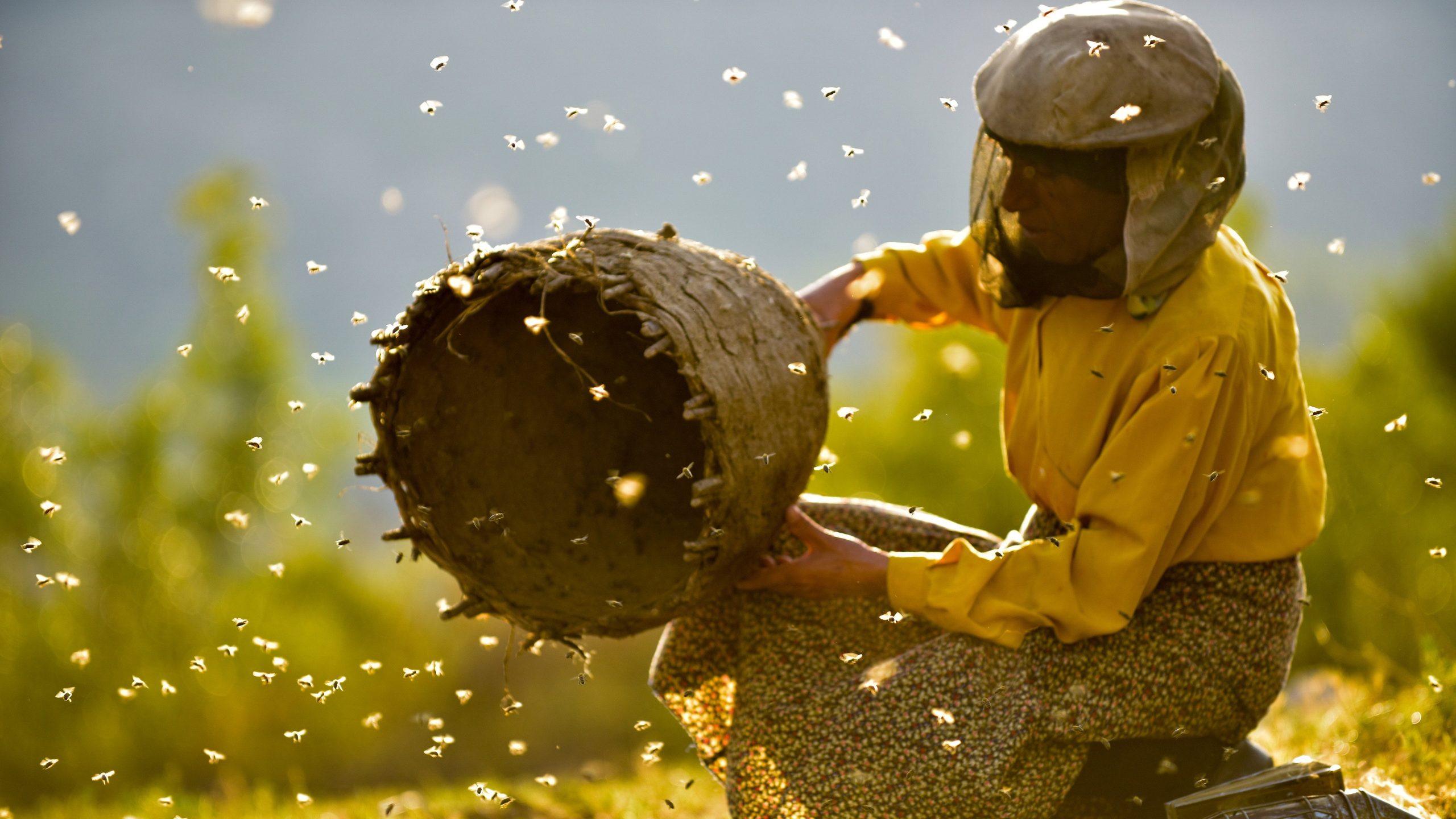
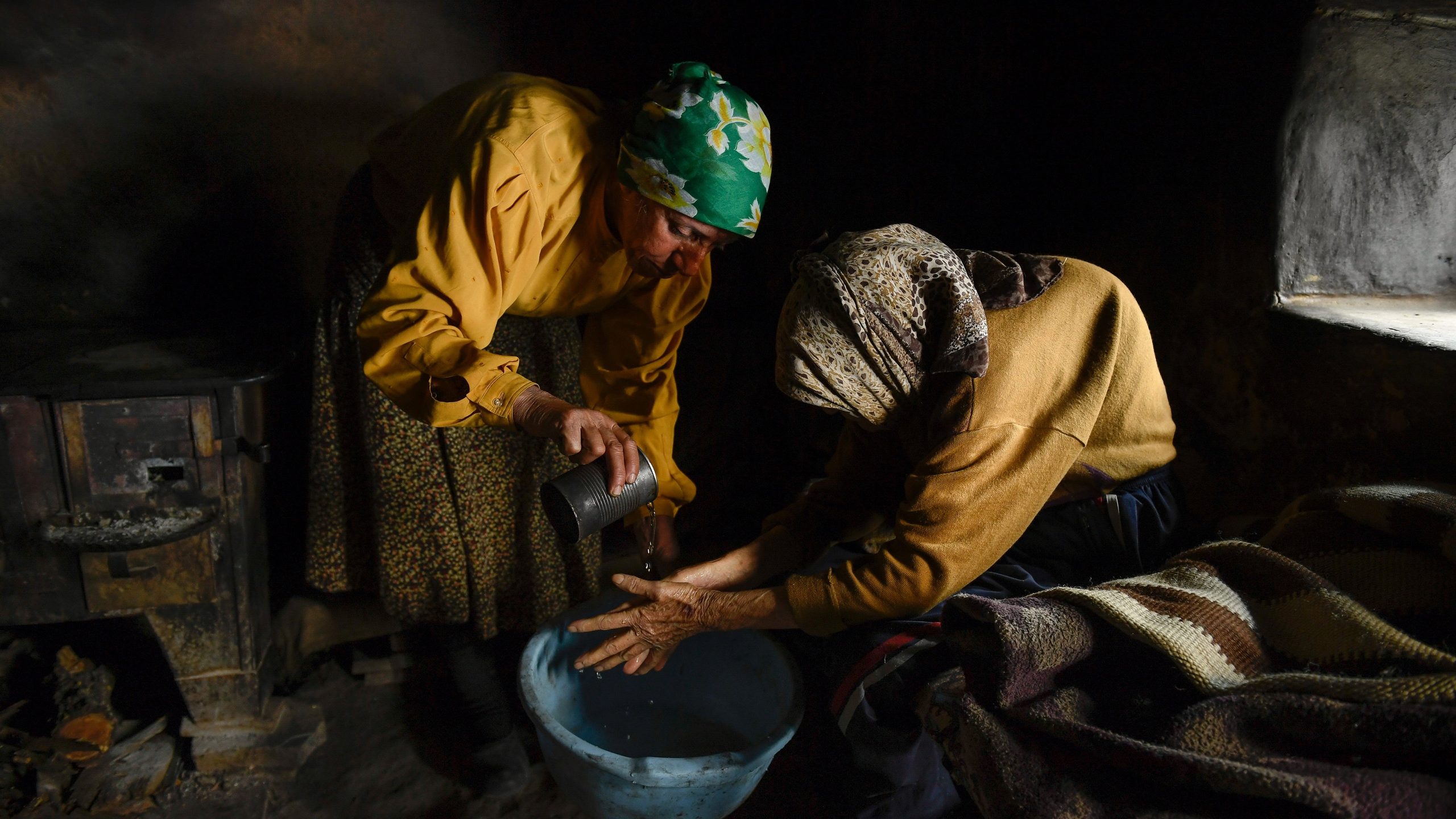
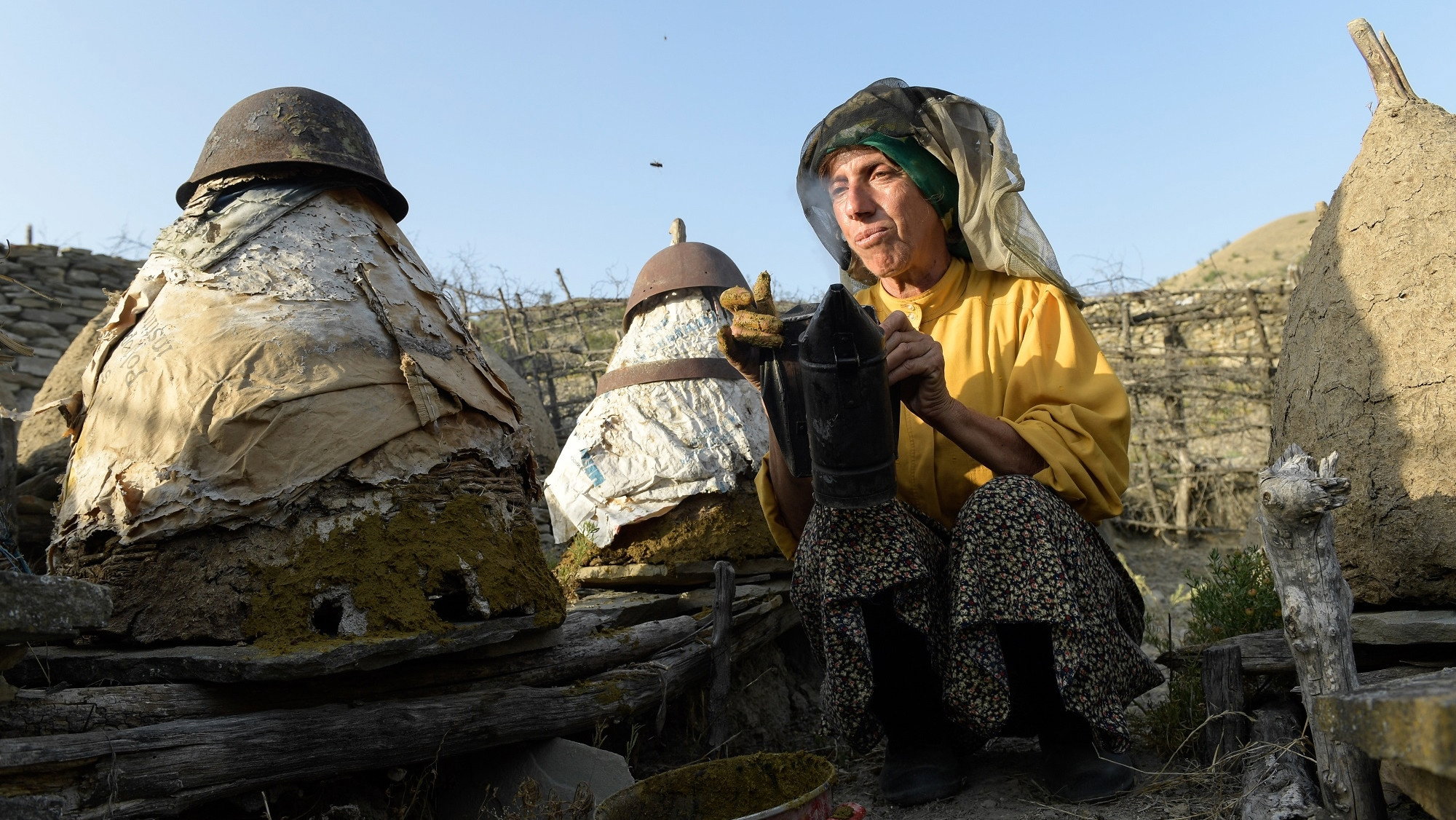
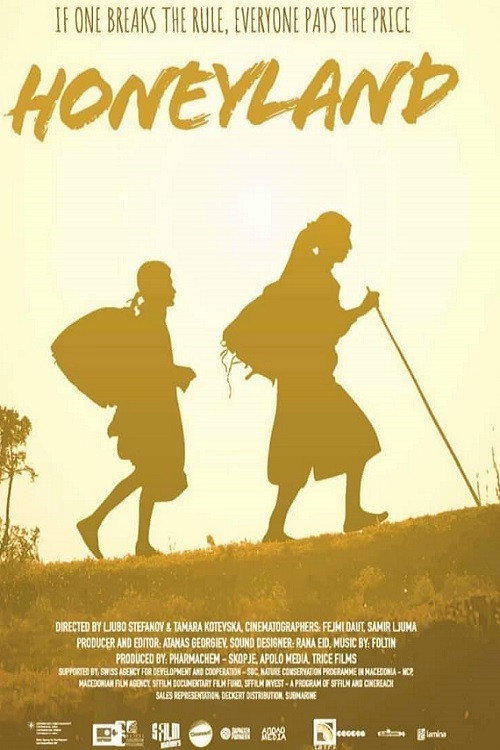
Hatidzhe Muratova keeps bees in an empty village in the hills of North Macedonia. She lifts the honeycomb out of a crack in a cliff with her bare hands, takes half and leaves half, and tells the bees so out loud. At home, in a stone house with no electricity, she looks after her mother, Nazife Muratova, who is bedridden and nearly blind. Tamara Kotevska and Ljubomir Stefanov filmed the two of them without narration, interviews or captions, and then a family arrived next door, and their film acquired a plot. It is a fine film, and we recommend it with one reservation about how that plot was made.
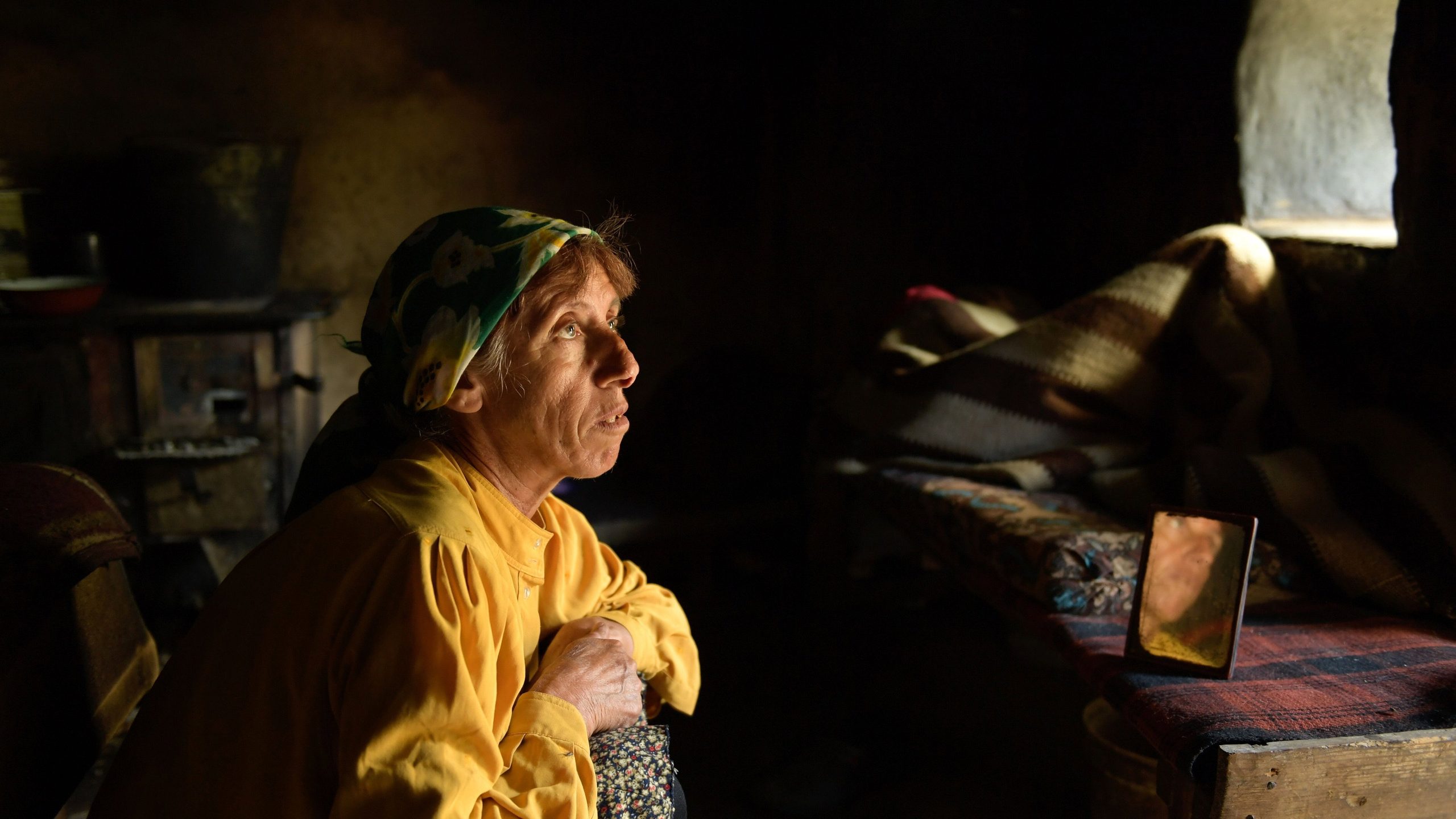
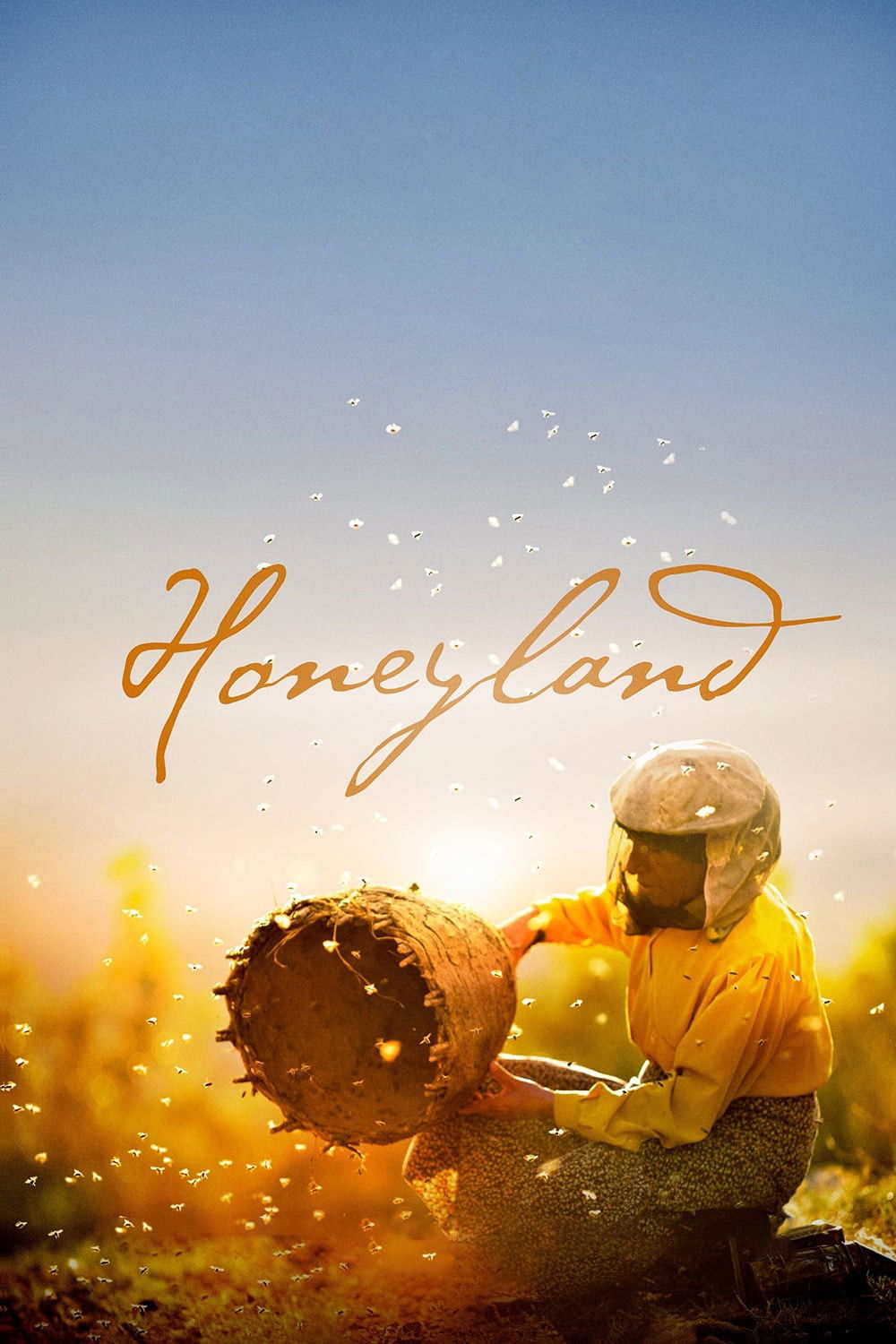
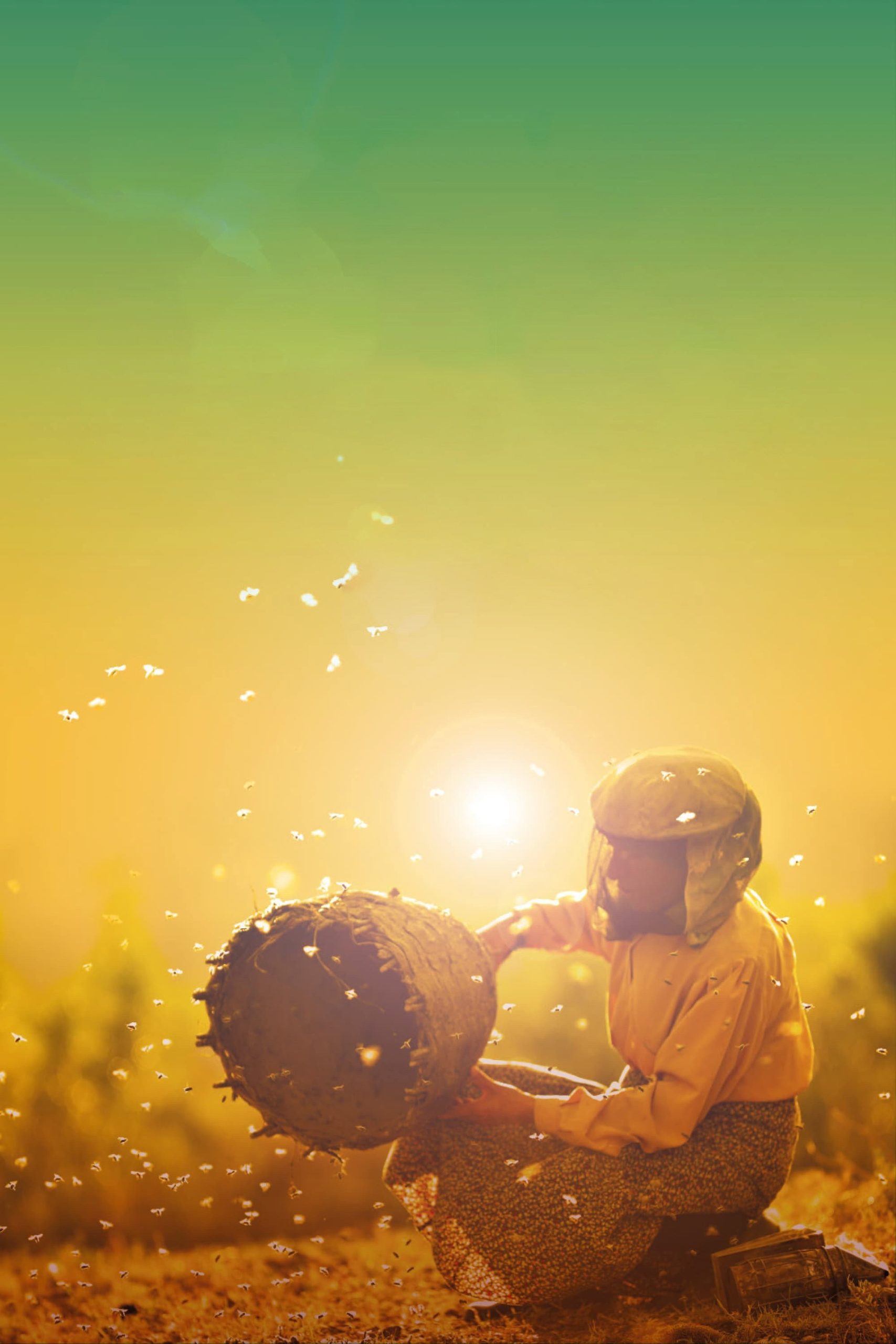
Fejmi Daut and Samir Ljuma shot it, and the opening is theirs: a small figure in a yellow headscarf crossing a ridge, then edging along a ledge to a hive set into the rock, the valley falling away beneath her. They stay close to Hatidzhe and closer to the bees, which crawl over her wrists and face and never seem to sting her. Indoors there is a single lamp, and Daut and Ljuma let it do the work, so the house is a circle of orange with the dark pressing in at the edges and Nazife’s face turned towards the light. Nothing is lit for the camera. When the sun goes, the picture goes with it.
Hatidzhe is a marvellous subject, and she knows it. She takes the bus to Skopje with jars of honey, argues the price up at a market stall, and spends some of the money on chestnut hair dye. She sings. She talks to her mother about the men who once came calling and were sent away, and asks, not quite as a joke, whether it might have gone differently. That conversation moved us more than we expected, because she puts the question so lightly, and Nazife answers it so flatly, and the film simply sits there with the two of them and the lamp. Nobody prompts anyone. We had the sense of eavesdropping on people who had long since forgotten the camera.
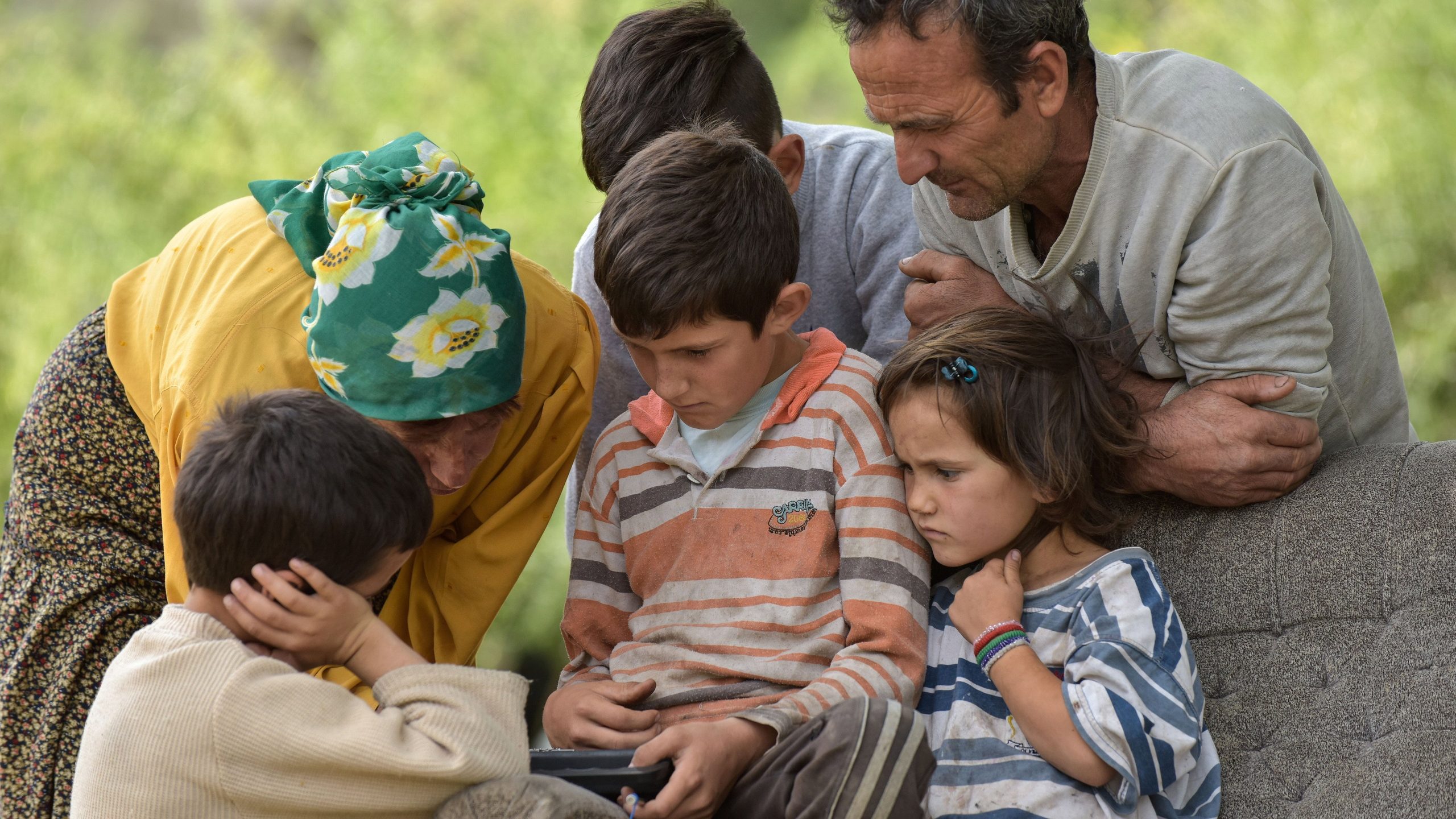
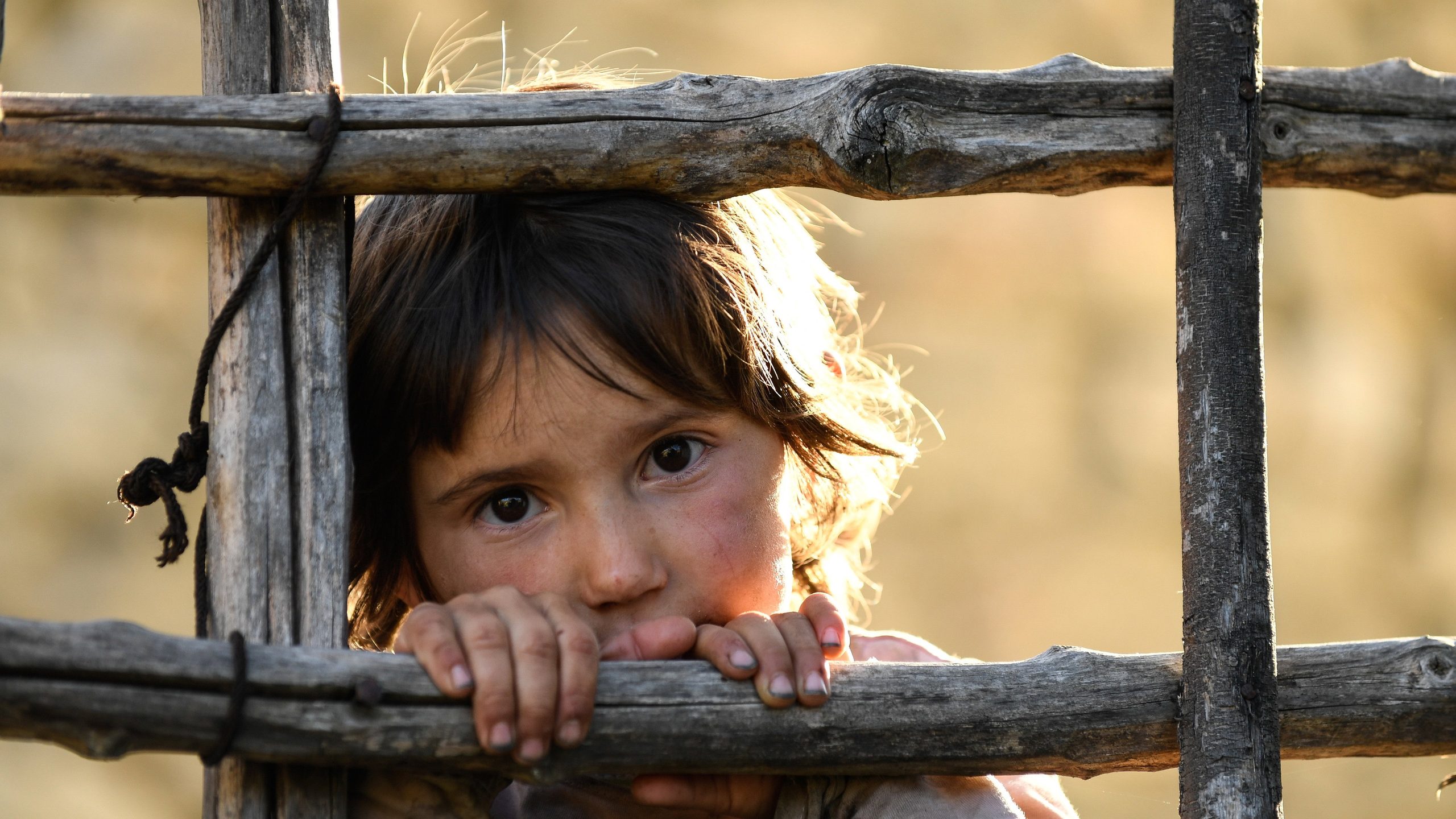
The neighbours are Hussein Sam and Ljutvie Sam, who arrive with a caravan, a herd of cattle and more children than the village has seen in years. Kotevska and Stefanov do not make them villains, and this is the film’s best decision. Hussein has mouths to feed and a buyer leaning on him for honey, and he takes up bees because his neighbour is doing well out of them. Hatidzhe teaches the children, scolds the parents and is plainly glad of the company. We liked the Sams and we dreaded them, both at once, and that is not a comfortable way to watch a film. What happens when Hussein starts to take more than half is the second half, and we will not describe it.
Our reservation is about the shape. Atanas Georgiev edited the footage into something with a first act, a rising middle and a last reel, and he has done it so cleanly that you could mistake it for a scripted drama with amateur actors. That is a compliment to his cutting and a problem for the film. We have no idea how long the cameras were there, how many seasons pass, or what the crew did when a child was crying next to an open hive. Nobody is asked anything, so nothing is explained, and the Sams’ side of the ledger, what they owe and to whom, is glimpsed rather than shown. Once or twice we caught ourselves wondering what had been cut to make the story this tidy, and a documentary should not make you wonder that. Foltin’s music arrives sparingly, mostly late, and it is the one place where the film tells you what to feel.
Set against the run of observational documentaries that follow one person through a hard year, this is among the sharpest, because it has a villain of sorts and refuses to treat him as one. It is also short: 89 minutes, certificate 12A, and hardly a wasted shot. Watch it with the lights off and the phone in another room. It is quiet enough that any noise you make will feel like an intrusion.