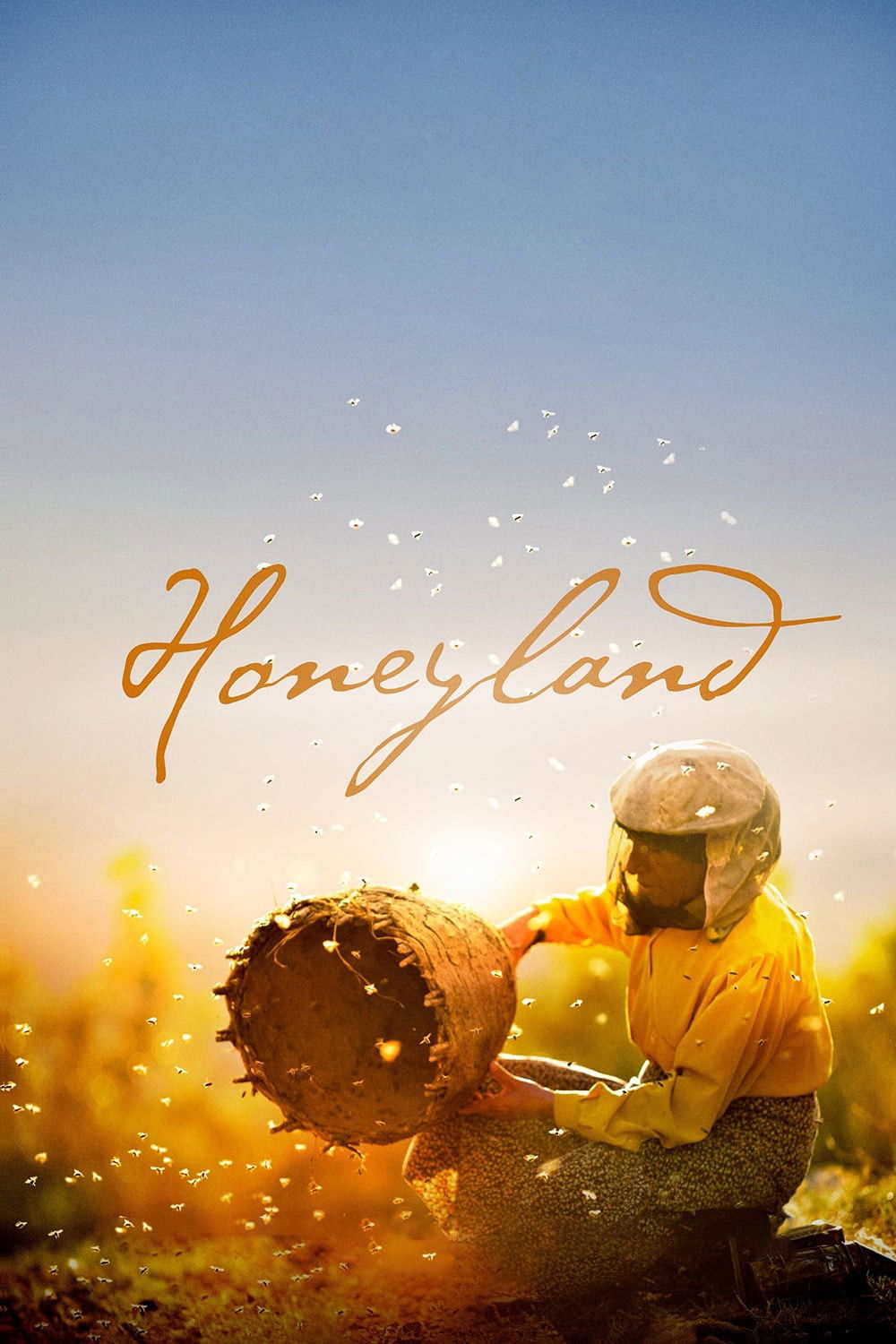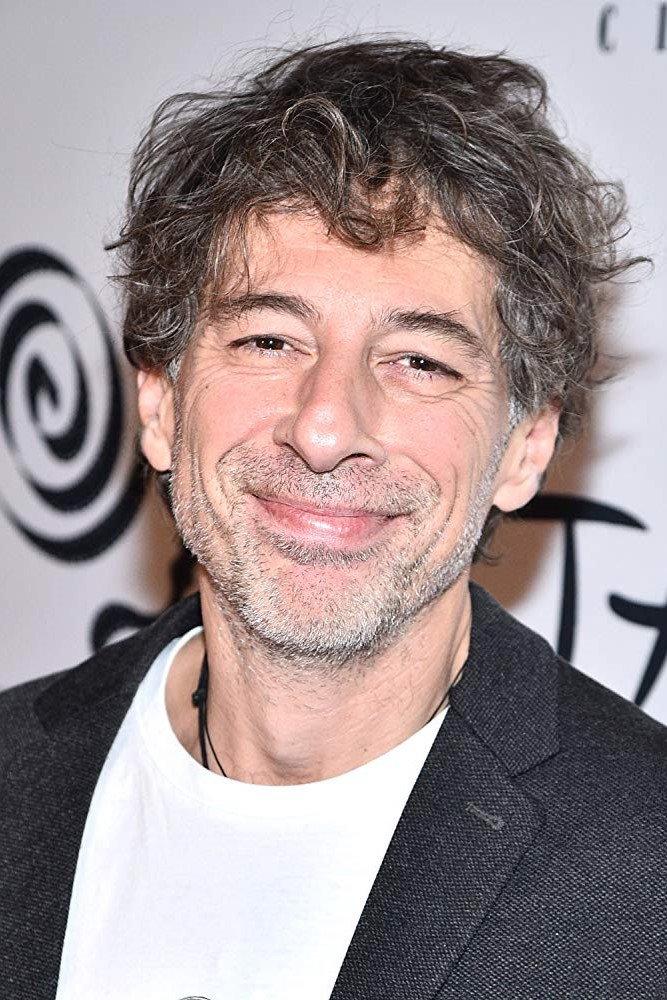
We know Ljubomir Stefanov through one feature, made with Tamara Kotevska, and it is a good one: unnarrated, patient, plainly shot and angrier than it looks. The question is whether the method can find a second subject as good as its first.
Fi1m perspective
Hatidzhe Muratova lifts a honeycomb out of a crack in a cliff with her bare hands, takes half, leaves half, and tells the bees so out loud. That is the first thing to know about Ljubomir Stefanov's cinema, and for most viewers it is also the only thing, because Honeyland (2019), which he made with Tamara Kotevska, is the one feature of his we have seen. It is a good one. They filmed Hatidzhe and her bedridden mother in an empty village in the hills of North Macedonia without narration, interviews or captions, and then a family arrived next door and the film acquired a plot.
Before that he had spent some twenty years making documentaries and communication films on environmental subjects for UN agencies, Euronatur and Swisscontact, with an early short, The Noisy Neighbours (2005), and a first collaboration with Kotevska, Lake of Apples (2017), along the way. We have not reviewed the shorts and will not pretend to a view on them. What the agency work seems to have taught him is how to make a point about land and water without saying it aloud, and Honeyland is that skill applied to one woman and one cliff.
The film's best decision is not to make the neighbours villains. Hussein Sam has a caravan, a herd, more children than the village has seen in years, and a buyer leaning on him for honey, and he takes up bees because the woman next door is doing well out of them. We liked the Sams and we dreaded them, both at once, and it was the children who did it: Hatidzhe teaching them, plainly glad of the company, while their father worked out how much he could take. That is a harder thing to film than a wicked man, and Kotevska and Stefanov never reach for the easy version.
Our reservation is with the cutting. Atanas Georgiev, who also produced, shaped the footage to play like a drama, and it does, so smoothly that you stop asking how much of what you are seeing was found and how much was arranged. Others have asked a blunter question, which is what two filmmakers with a camera owed the people in front of it once the neighbours' luck turned. We do not know the answer; we notice that the film does not want us to ask.
Stefanov has said the message "can be reduced to one word: greed." The film is better than the word. It is patient where the summary is quick, and it lets Hussein be a tired father as well as the man who takes more than half. Whether a second feature can find another Hatidzhe, or whether it will start from the message and go looking for someone to carry it, is what we would want to know before recommending the next one. The first one we recommend without much hesitation.
Biography
Ljubomir Stefanov is a Macedonian filmmaker. He co-directed, co-wrote and co-produced the documentary Honeyland (2019) with Tamara Kotevska. The film follows a beekeeper in a remote Macedonian village and received nominations for Best Documentary Feature and Best International Feature Film at the 92nd Academy Awards.
Stefanov was born in 1975 in Skopje. He has worked in the documentary field for around twenty years, primarily on environmental and ecological projects for clients including United Nations agencies, Euronatur and Swisscontact. He previously collaborated with Kotevska on the short environmental film Lake of Apples (2017) and directed the short The Noisy Neighbours (2005).