The Maysles brothers spend a summer in a rotting East Hampton mansion with a mother and daughter who have run out of everyone but each other. It has been called cruel for fifty years. We found it kind, and the Beales never once seem unaware of the camera.
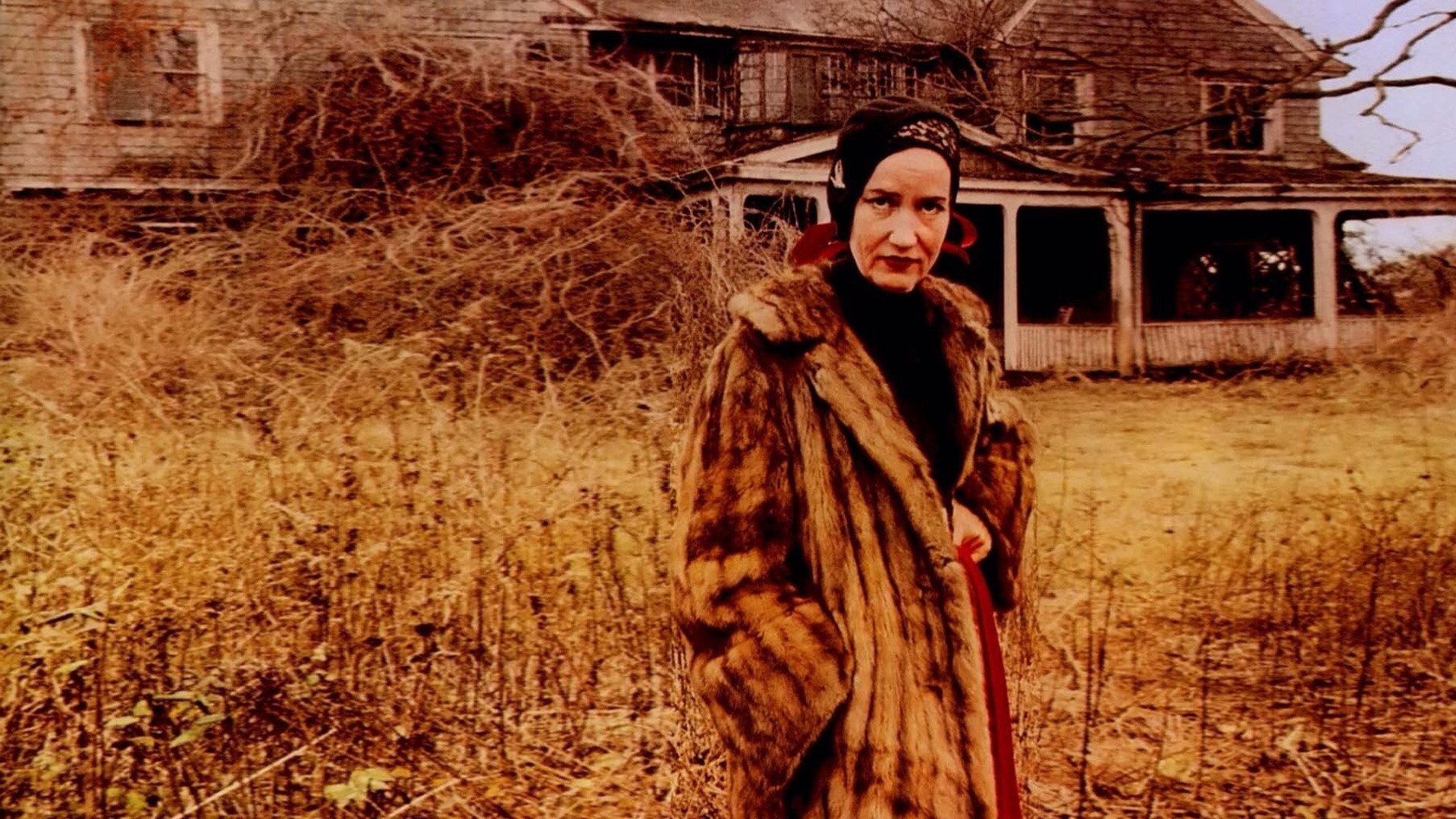
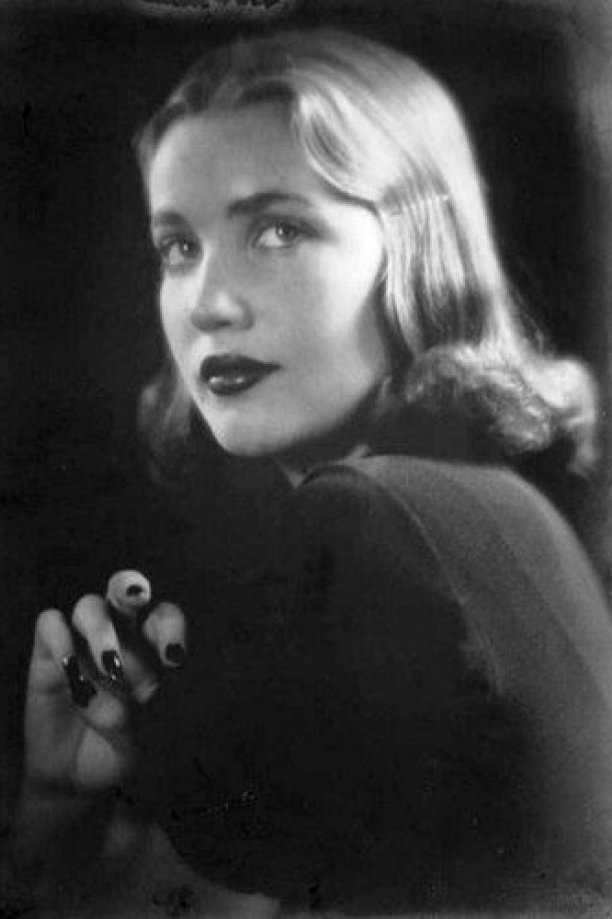
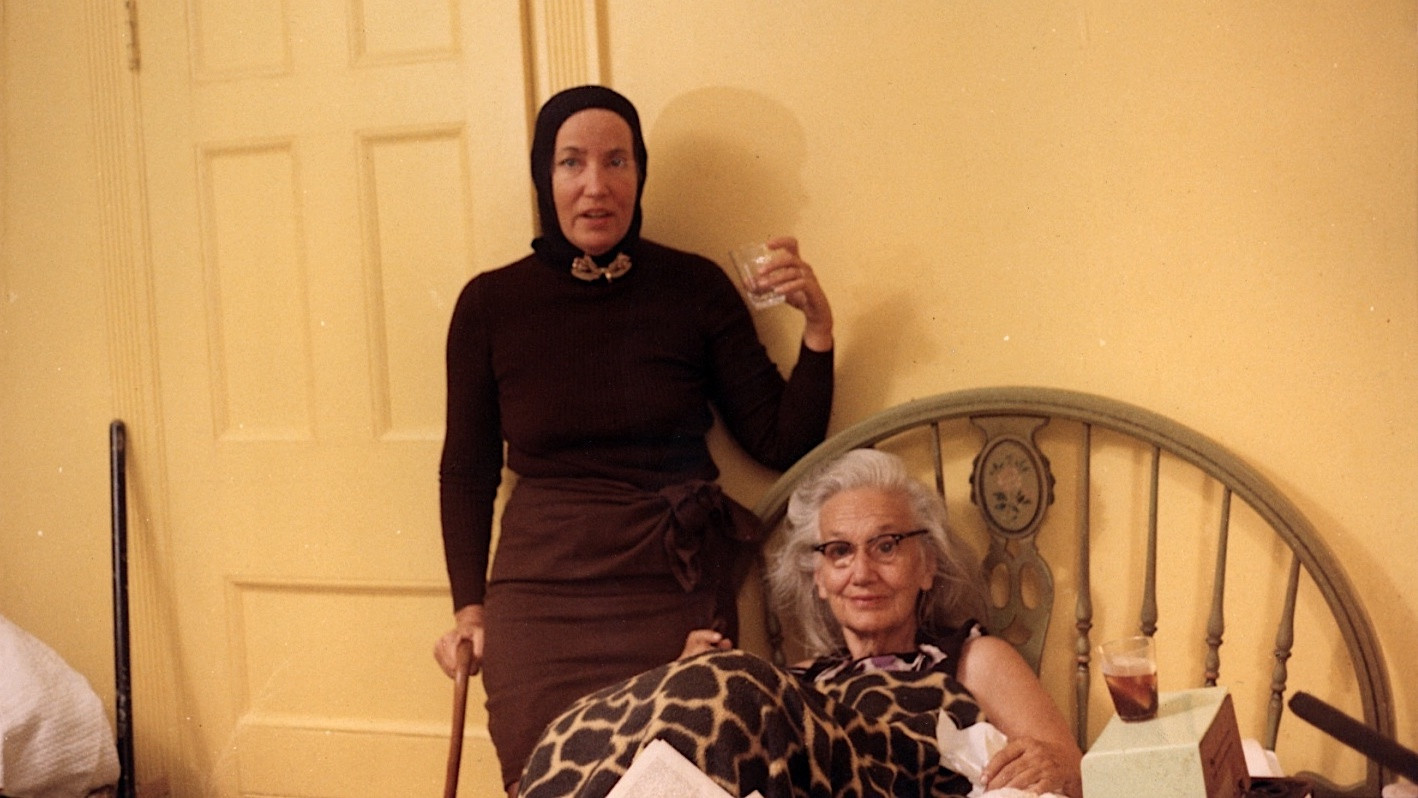
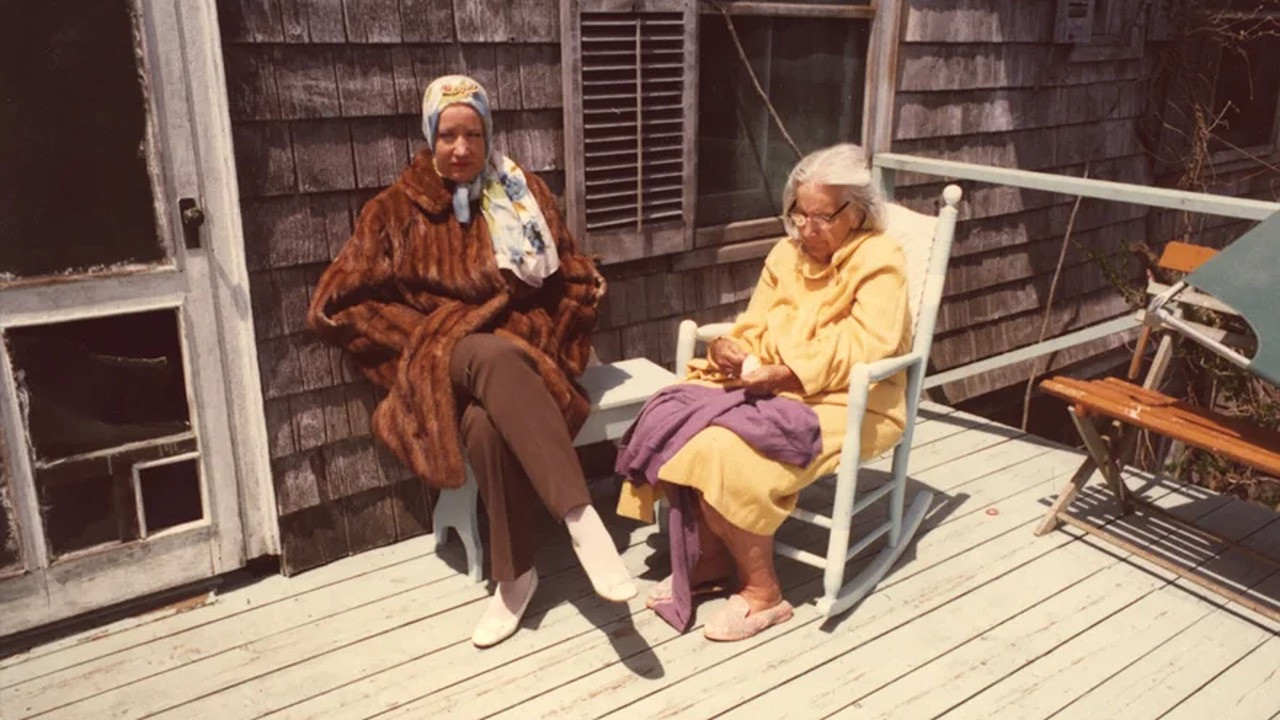
Albert and David Maysles take their camera into Grey Gardens, a decaying mansion in East Hampton, Long Island, where Edith Ewing Bouvier Beale and her daughter Edith Bouvier Beale, Big Edie and Little Edie, have lived for years with their cats and not much else. They are the aunt and first cousin of Jacqueline Kennedy Onassis, which is why the newspapers came, and the film opens on the clippings from the inspection that nearly had them put out of the house. Then the brothers go inside and stay. For 95 minutes nobody explains anything. There is no narrator, no expert, no interview conducted from a chair. There are two women and a camera they address by name.
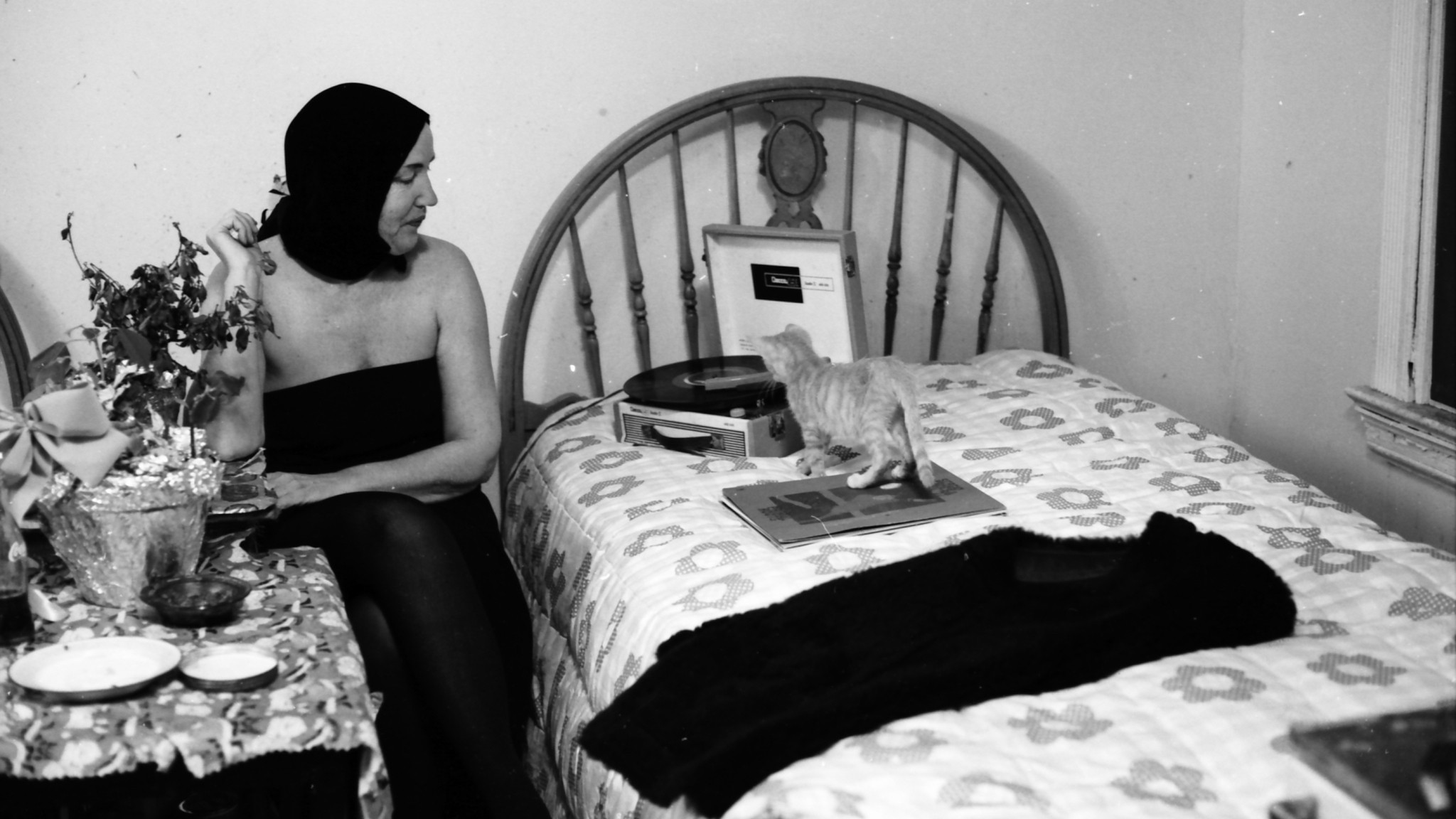
The brothers shoot it themselves, hand-held, in whatever light gets through the vines over the windows. Paint hangs off the walls in strips. Cats eat from paper plates on the bedroom floor and one relieves itself behind a portrait while Big Edie watches without comment. Little Edie leaves bread in the attic for the raccoons. The camera stands close and does not move away, and the Maysles are sometimes visible themselves, caught in a mirror or spoken to directly, so the film never pretends they are absent.
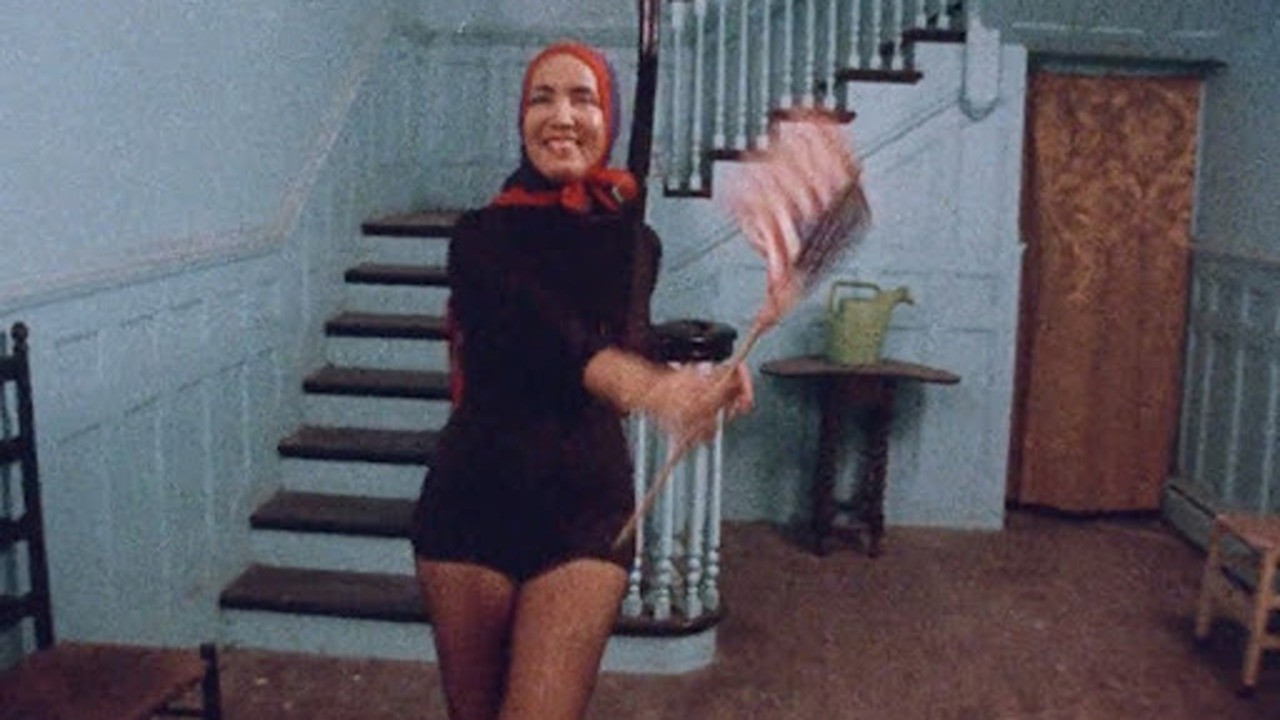
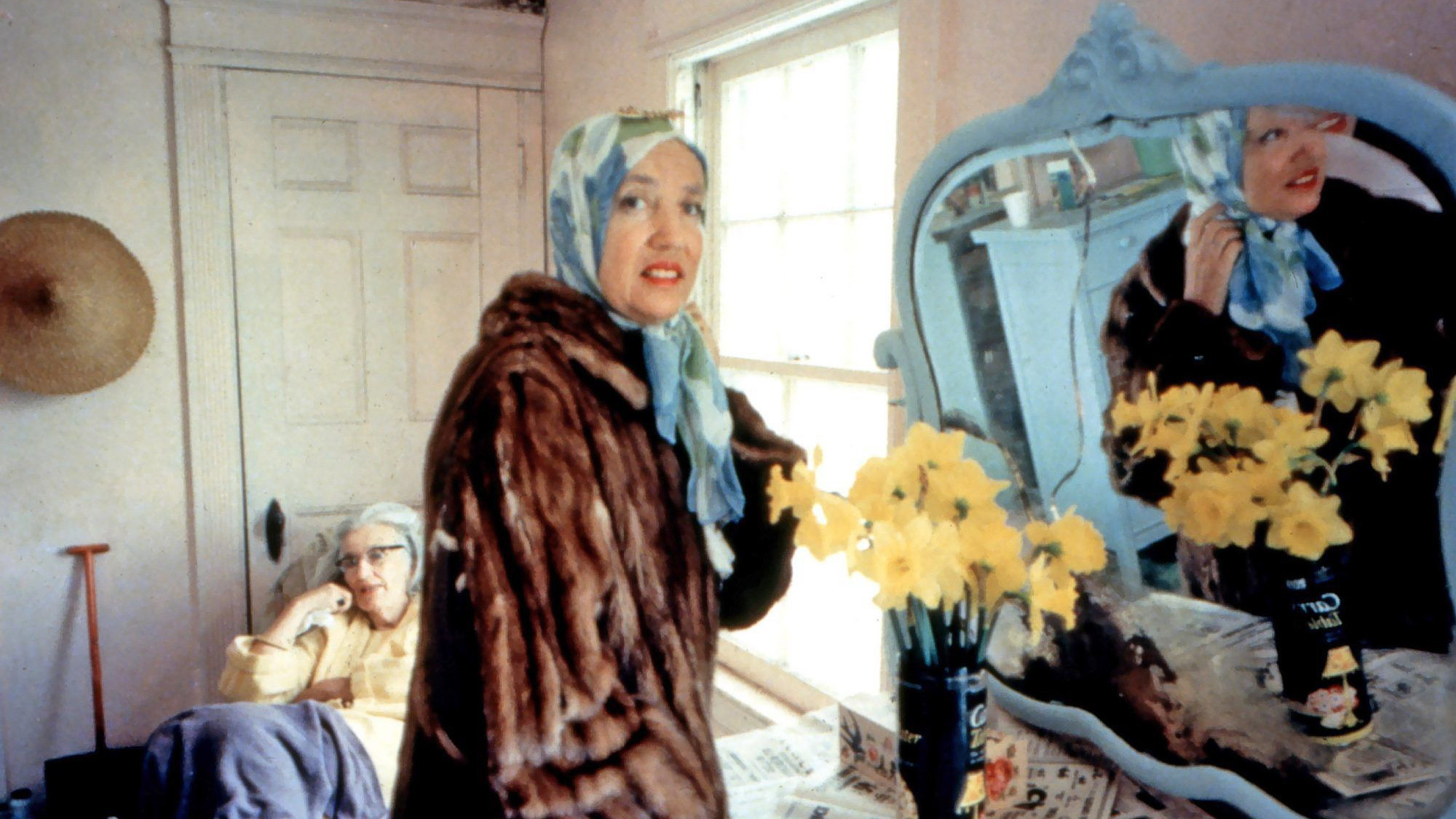
Little Edie is the reason people remember it. She arrives in what she calls her revolutionary costume, a skirt worn upside down and a sweater pinned round her head with a brooch, and explains the thinking behind it as if briefing a committee. She marches on the porch with a small American flag to a record. She flirts with David, plainly and cheerfully, and tells him her mother has wrecked her life. Upstairs, Big Edie stays in bed, plays the records she made as a young woman and sings over the top of herself, correcting her daughter’s memories in a voice that has never once lost an argument. The radio voice of Norman Vincent Peale preaches positive thinking to a house where nothing has gone right since the war. A young handyman, Jerry Torre, comes and goes and is treated as a visiting prince.
The editors, Ellen Giffard, Muffie Meyer and Susan Froemke, let the quarrels run their full length. A row about who should have married whom, or whether Little Edie ought to have stayed in New York, goes on well past the point where a tidier film would have cut, and the length is what makes it hurt. Both women talk at once, a record plays under them, a cat complains from somewhere, and the cut declines to sort it out. No music is added. Everything you hear, the women put there.
We laughed, often, at the costume speeches and at Big Edie’s timing. Then there is a moment, Little Edie alone on the stairs saying it is difficult to keep the line between the past and the present, and we stopped laughing and felt something close to grief. The sentence is not a performance. It is a woman noticing that the door shut on her some years ago and she did not hear it.
Most critics do not agree with us, or rather they have never agreed with each other. Since it first appeared the complaint has been that the film is voyeuristic, that the Maysles found two vulnerable women and let them make fools of themselves. We think that is wrong, and the evidence is on the screen. The Beales know exactly what a camera is. Little Edie asks whether she is being filmed and plans her entrances accordingly. Big Edie, half-dressed in bed, tells the crew to keep going. Nobody here is caught. Both women are performing, and both know that performing is the last power they have, and the film’s respect is in letting them finish every sentence.
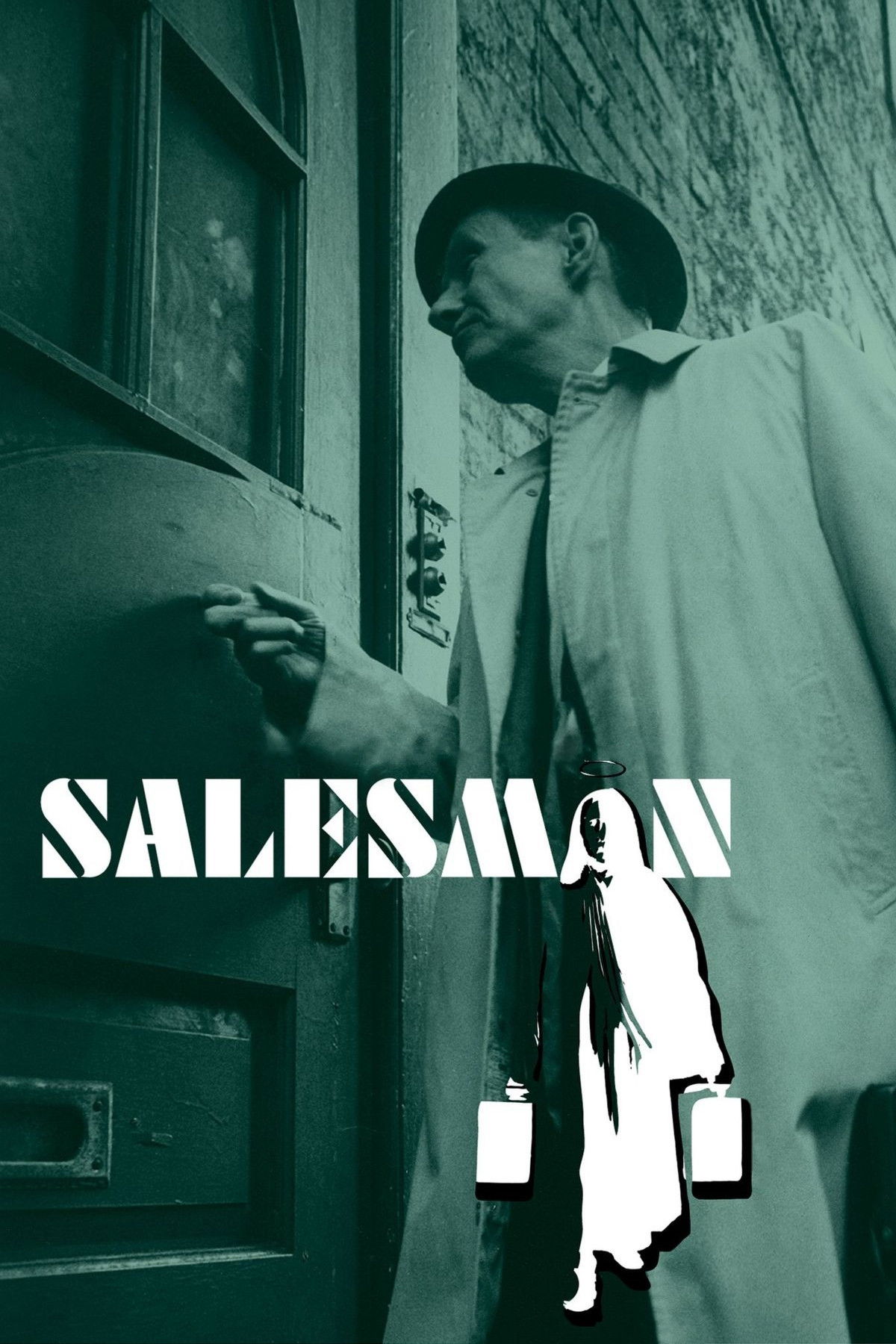
Against the brothers’ own Salesman (1969), where the subjects had somewhere to go and something to sell, this is the film that stays in one house and finds it is enough. Watch it at home, with someone, and expect to argue afterwards about whether you were allowed to laugh. It runs 95 minutes and carries a PG, which tells you the damage is all in the words.