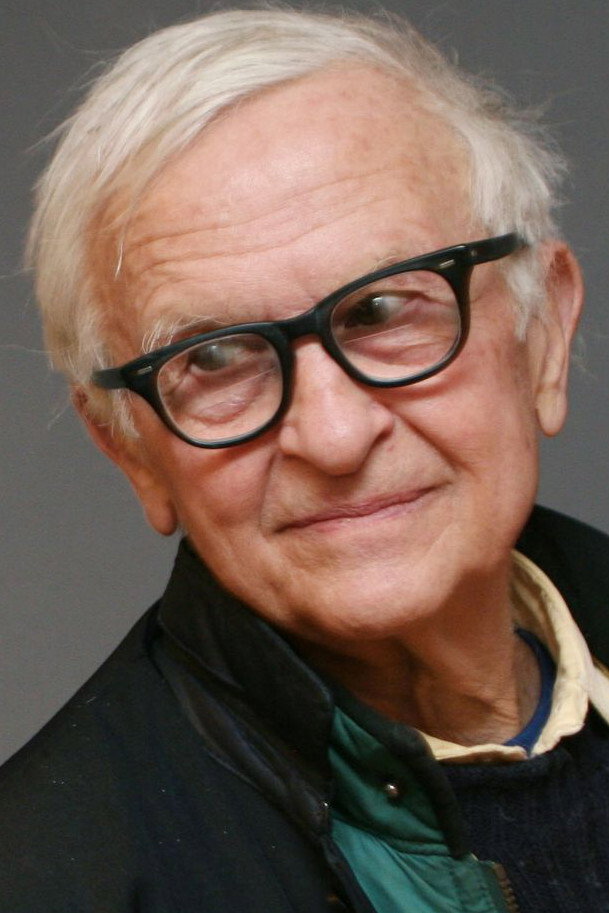
Albert Maysles stood in strangers' kitchens with a handheld camera and waited for the face that was not talking. No narrator, no music, no argument spoken aloud: the method made Salesman one of the saddest films about work we know, and left the ethics to us.
Fi1m perspective
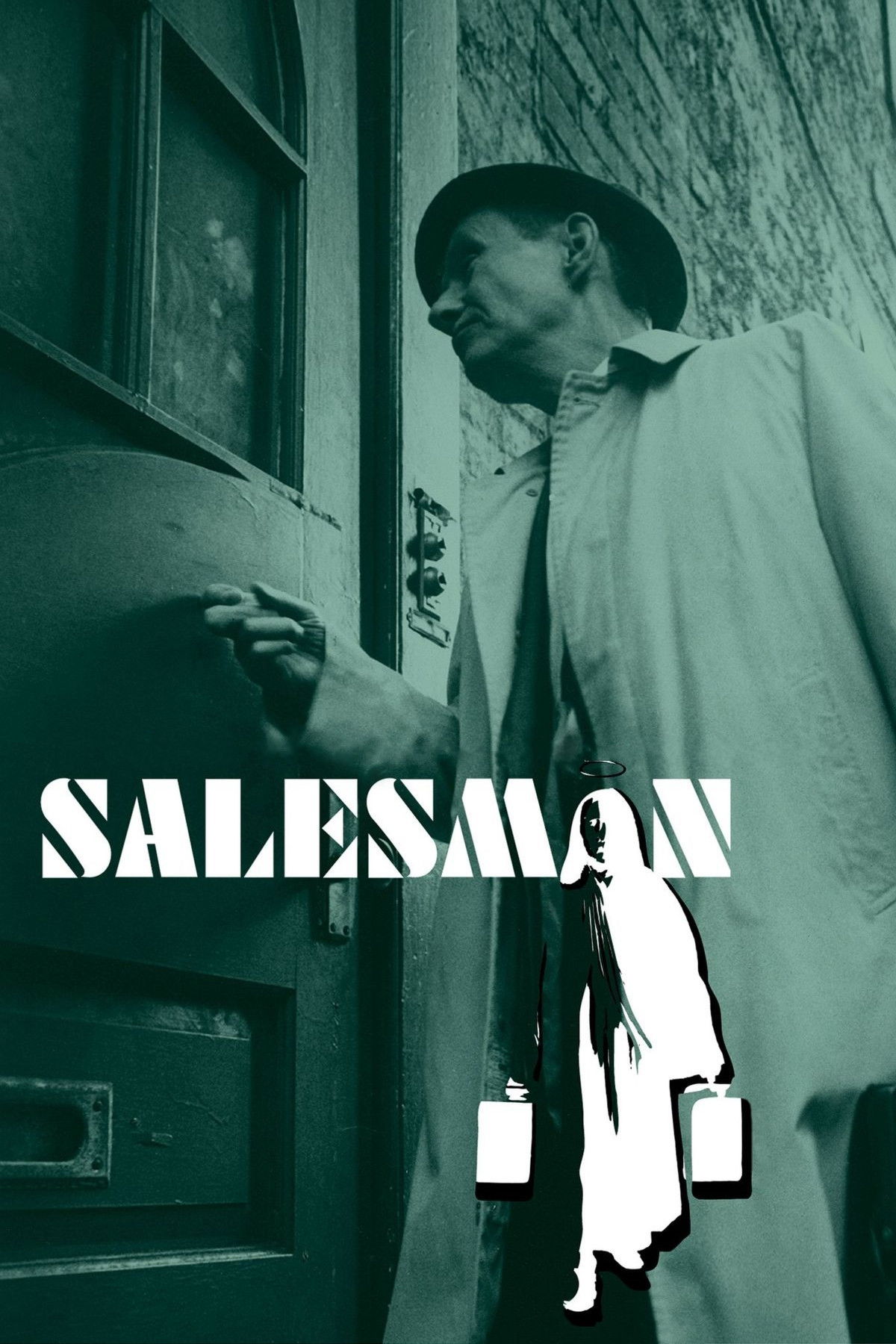
A woman in a Boston kitchen keeps trying to say no. Paul Brennan, a Bible salesman known as The Badger, keeps talking past her. Albert Maysles stands in the corner with his camera and does nothing, and that is his whole art. Where another film-maker would cut to the seller's hands, he looks for whoever is not speaking: the husband in the doorway, the child under the table. The picture is black and white in whatever light there is; the sound is a kettle and a television next door. We were embarrassed for her, then for him, then for ourselves, because we had been laughing, and that sequence of feelings, arriving with no help from the film, is what Salesman (1969) does that almost nothing else does.
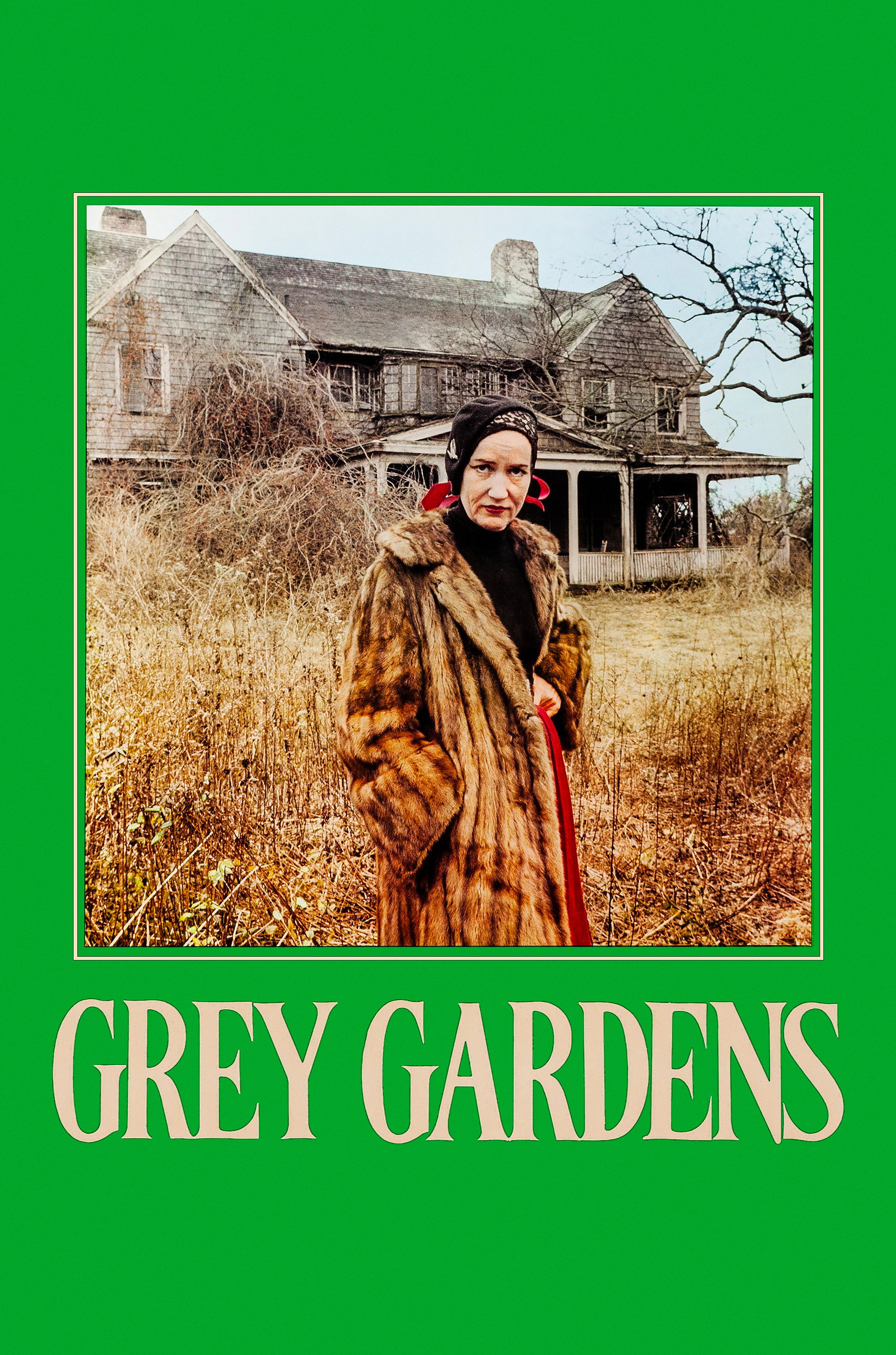
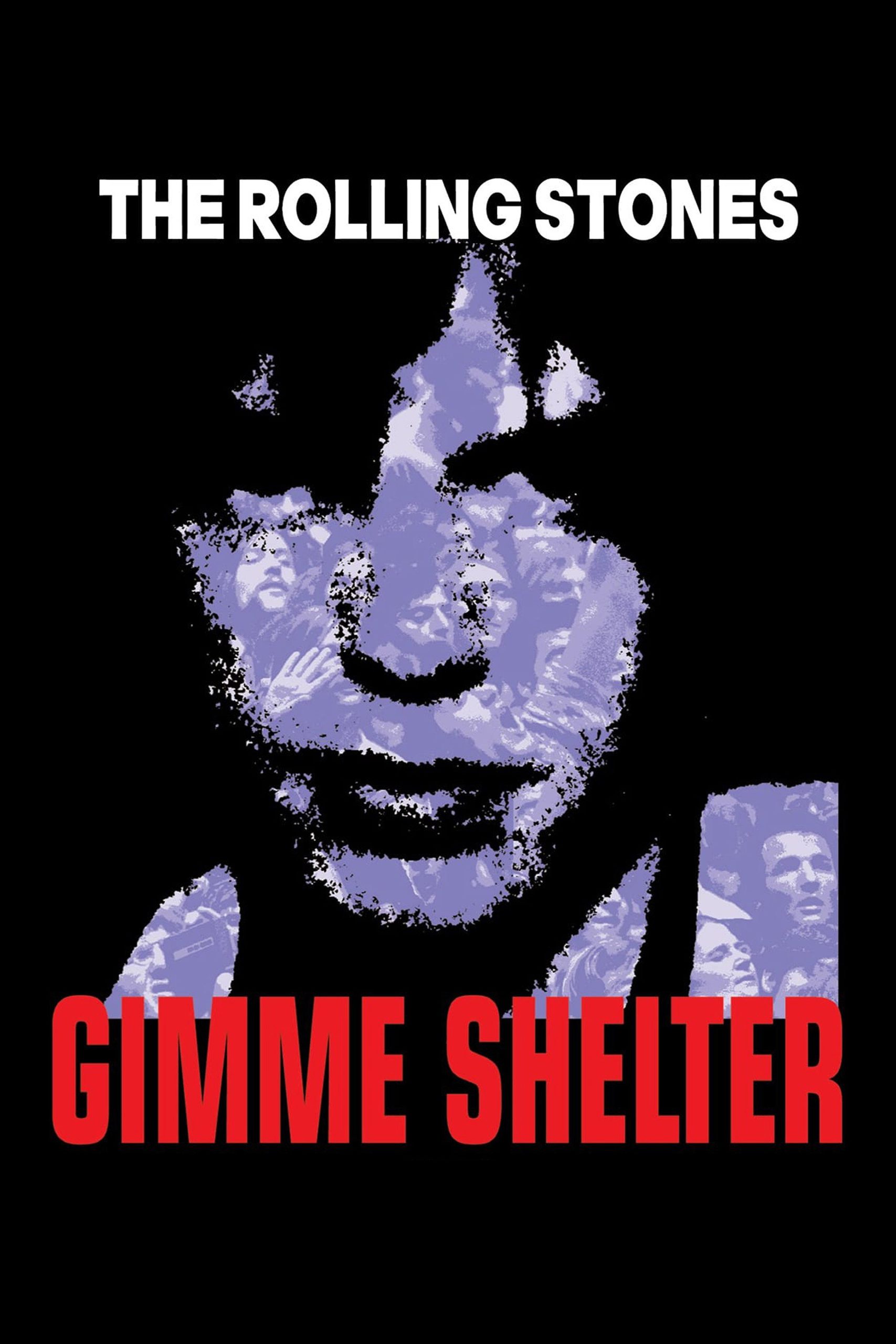
He learned the trade at Robert Drew Associates in the late 1950s, working on Primary (1960), and formed Maysles Films with his brother David in 1962. The rules they set themselves were simple and stubborn: no narration, no host, no music added afterwards, and a camera that could record sound in sync and follow people into their own rooms. Salesman, made with David and Charlotte Zwerin, is the film where the method works completely. Gimme Shelter (1970) took the same camera on the Rolling Stones' 1969 tour. Grey Gardens (1976) took it into the house of Edith Beale and her daughter. After David died in 1987, Albert kept shooting, as late as Iris (2014).
The films are shaped in the cutting room, not on the day, and Maysles was honest about that. David Maysles and Zwerin built Salesman into something close to a story, winter in Boston, a sales meeting in Chicago, then Florida, from glances and sales totals rather than from anything anyone says. Zwerin, Ellen Hovde and Susan Froemke did the same job on later films, and the credits share the directing accordingly. What Albert brought was access, and the patience to wait once he had it. He put it plainly himself: "Direct cinema is anything but a fly on the wall: you have to get in there to get what's really going on."
Getting in there is where the arguments start. From the first showings of Grey Gardens critics have asked whether the Beales were being observed or put on display, and Gimme Shelter raised the question of what a camera owes its subjects when events turn sensational. We have not reviewed those films and will not judge them here. We will say the question is a fair one, and that Salesman survives it, because the four men know exactly what they are doing on those doorsteps and the film knows too. Even there, as we noted at the time, the camera is not quite as invisible as it pretends, and a fair viewer will feel its weight in the kitchen.
Start with Salesman, on a wet weeknight, and do not expect to be told what it means. Maysles will have left the corner before you have decided.
Biography
Albert Maysles (1926–2015) was an American documentary filmmaker and cinematographer. With his brother David, he was a pioneer of the direct cinema style, also known as cinéma vérité, in which films unfold without narration, scripts or intervention.
The brothers established Maysles Films in 1962. Their best-known works include Salesman (1969), which follows door-to-door Bible salesmen; Gimme Shelter (1970), documenting the Rolling Stones’ 1969 US tour; and Grey Gardens (1975), a portrait of Edith Bouvier Beale and her daughter. Albert continued directing after David’s death in 1987, with later films including Iris (2014).
Salesman and Grey Gardens were added to the US National Film Registry. Albert received the National Medal of Arts in 2014.