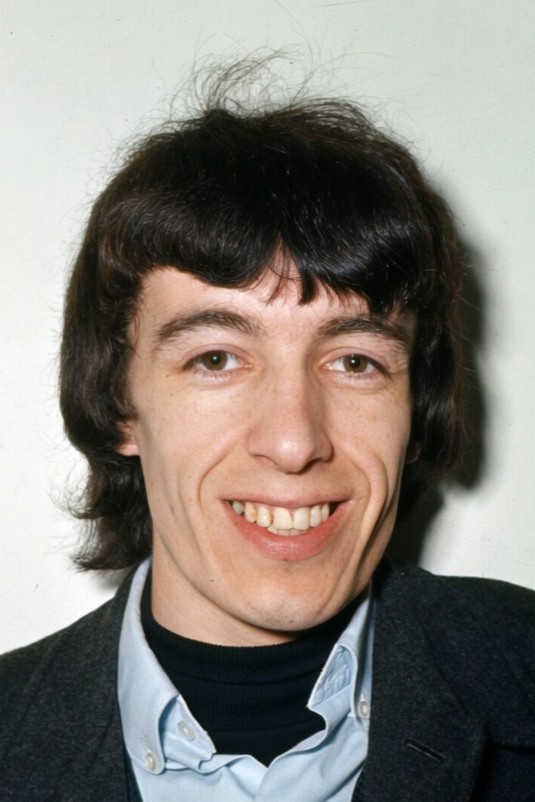
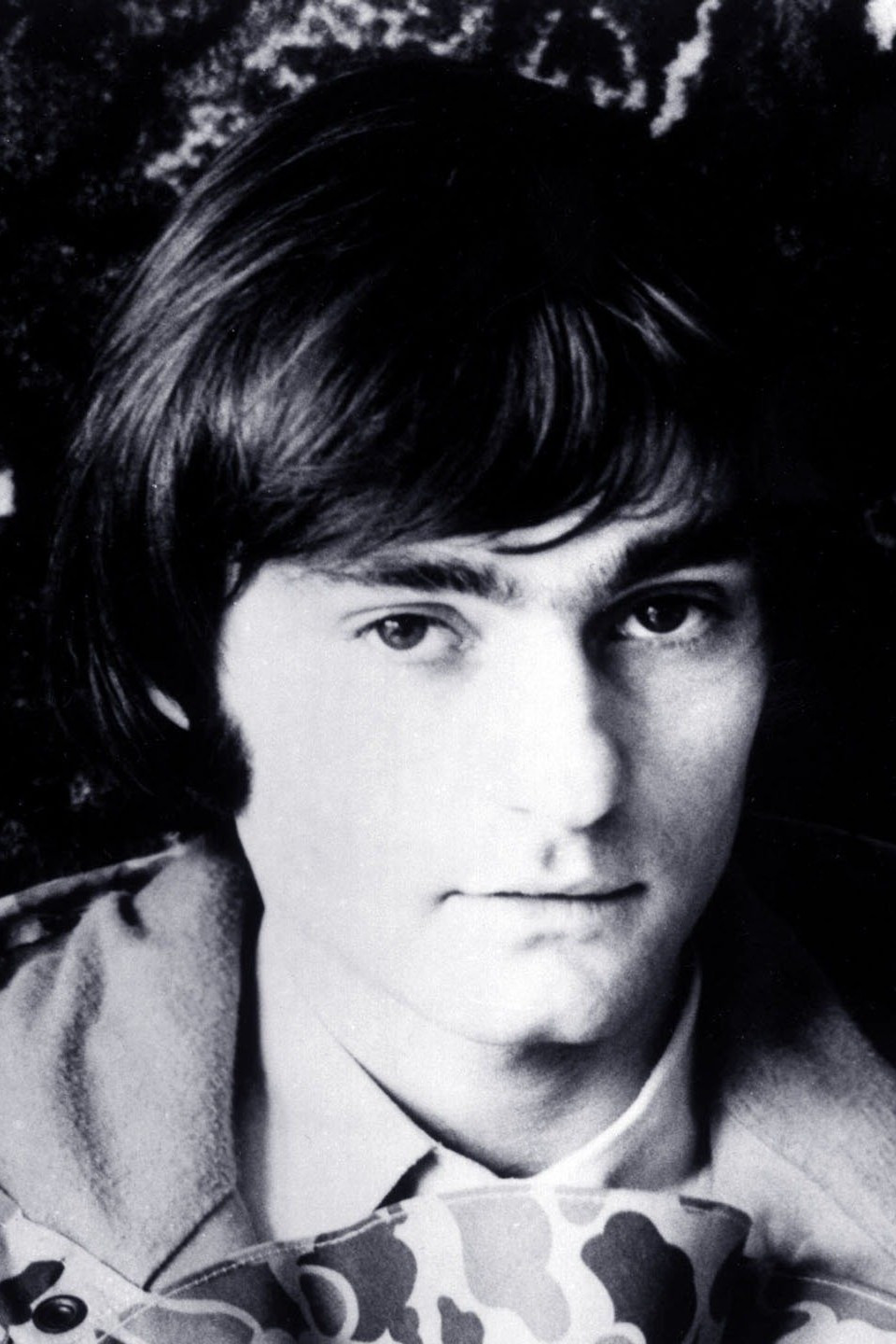
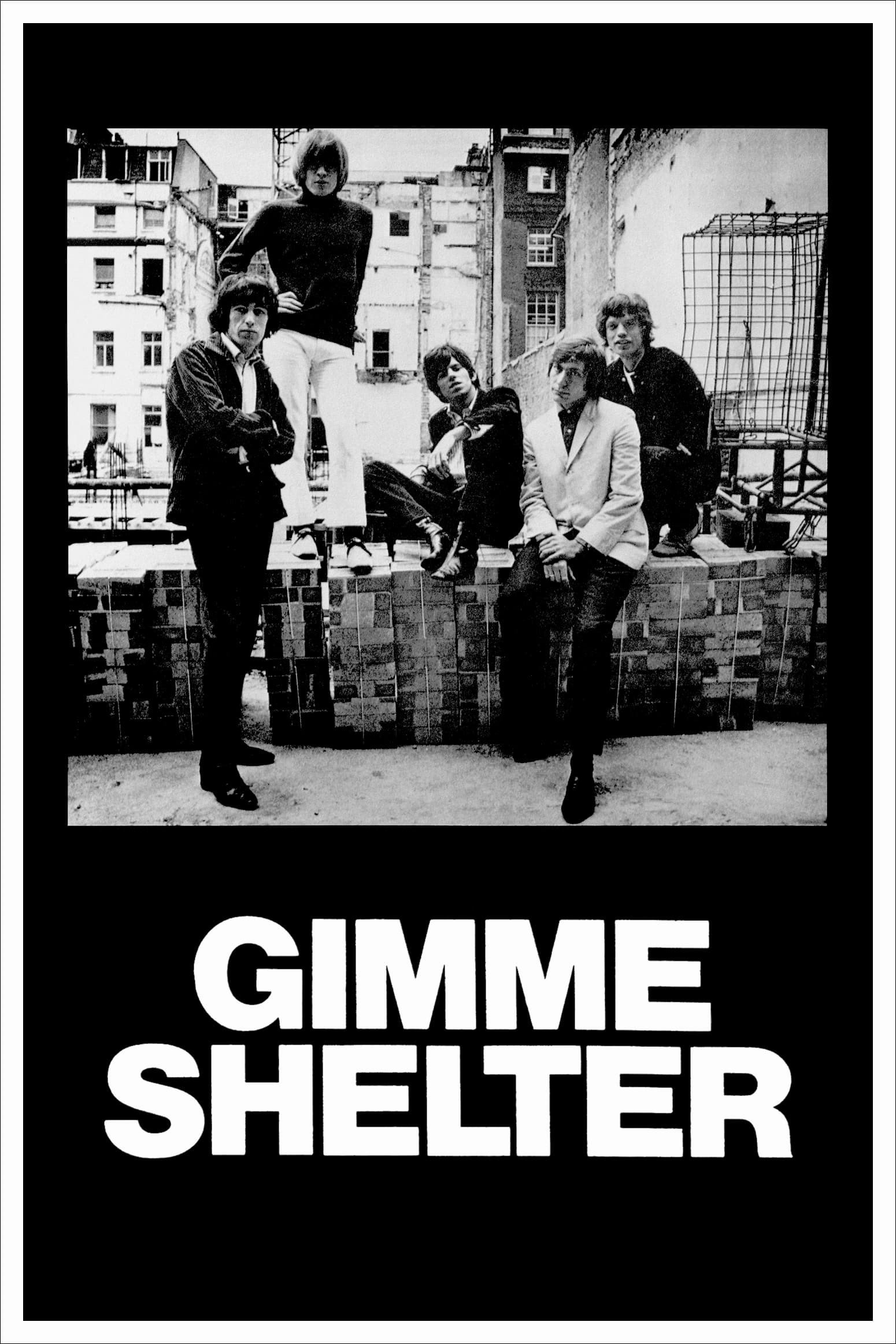
The Maysles brothers and Charlotte Zwerin filmed the Rolling Stones at their peak, then filmed the concert at Altamont that ended the decade. Superb for an hour, frightening after that, and it lets the band off more lightly than it should.
In November 1969 the Rolling Stones ended an American tour with two nights at Madison Square Garden, and somebody had the idea of a free concert in California to round things off. Gimme Shelter is what Albert Maysles, David Maysles and Charlotte Zwerin came back with. For about an hour of its 92 minutes it is one of the best concert films we know. For the rest it is something harder to sit through and harder to name. We think it is worth your evening, and we think you should know what you are sitting down to.
The film’s device is to put the band in the cutting room. Jagger and Charlie Watts sit at an editing machine and watch the footage we are about to see, and the directors cut back to them at intervals. It is a shrewd piece of construction. It tells us early that something went wrong at Altamont, so the Garden shows arrive with a shadow over them, and it lets us watch Jagger’s face as he takes in what his audience did. Watts, who says almost nothing, is the one we kept looking at.
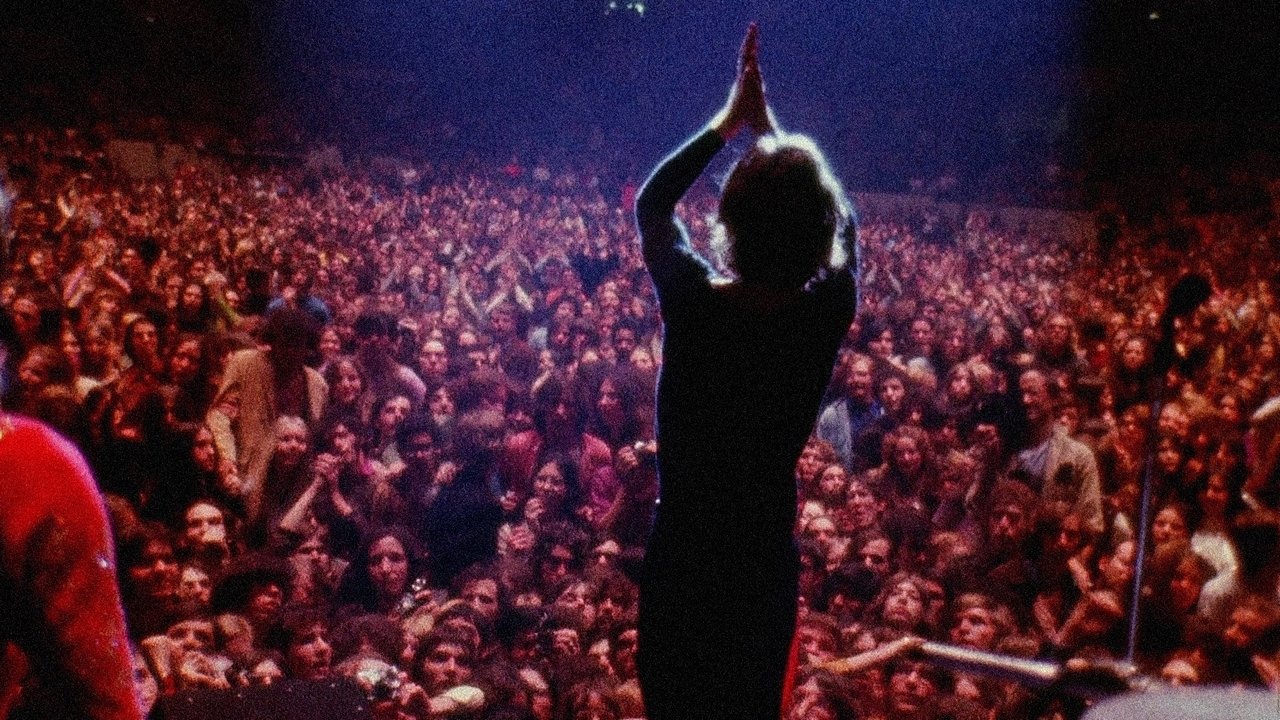
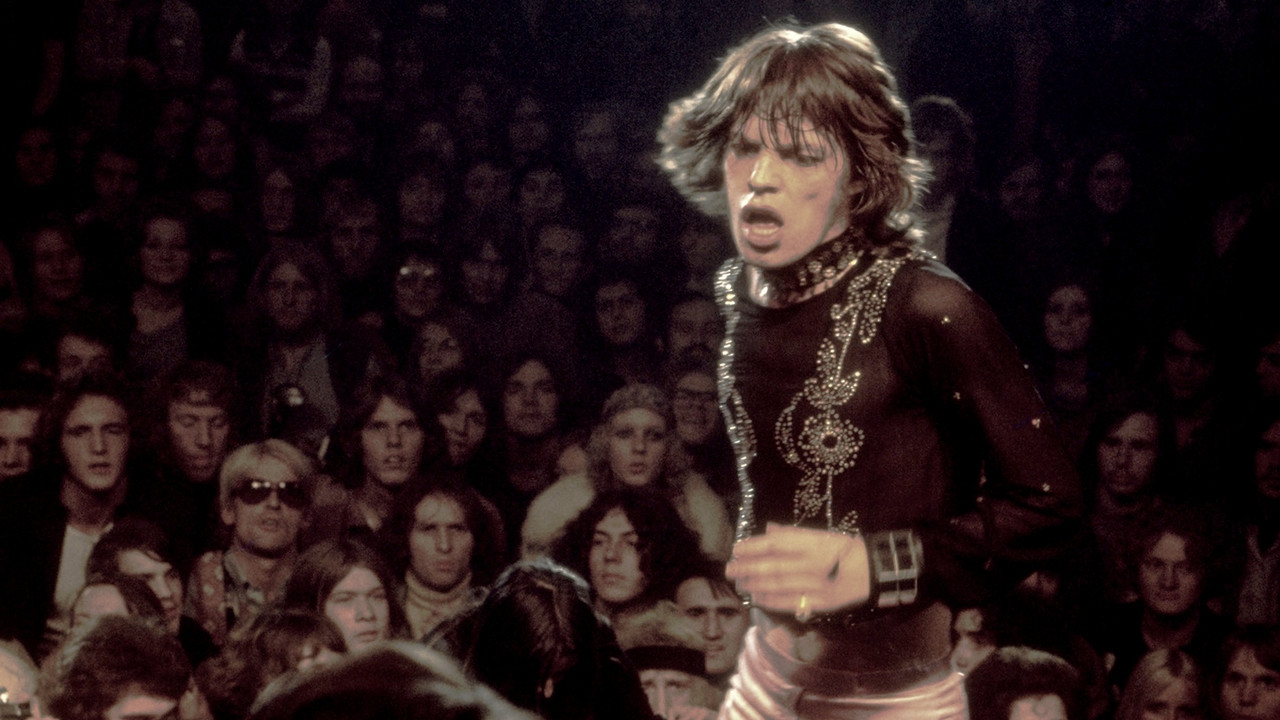
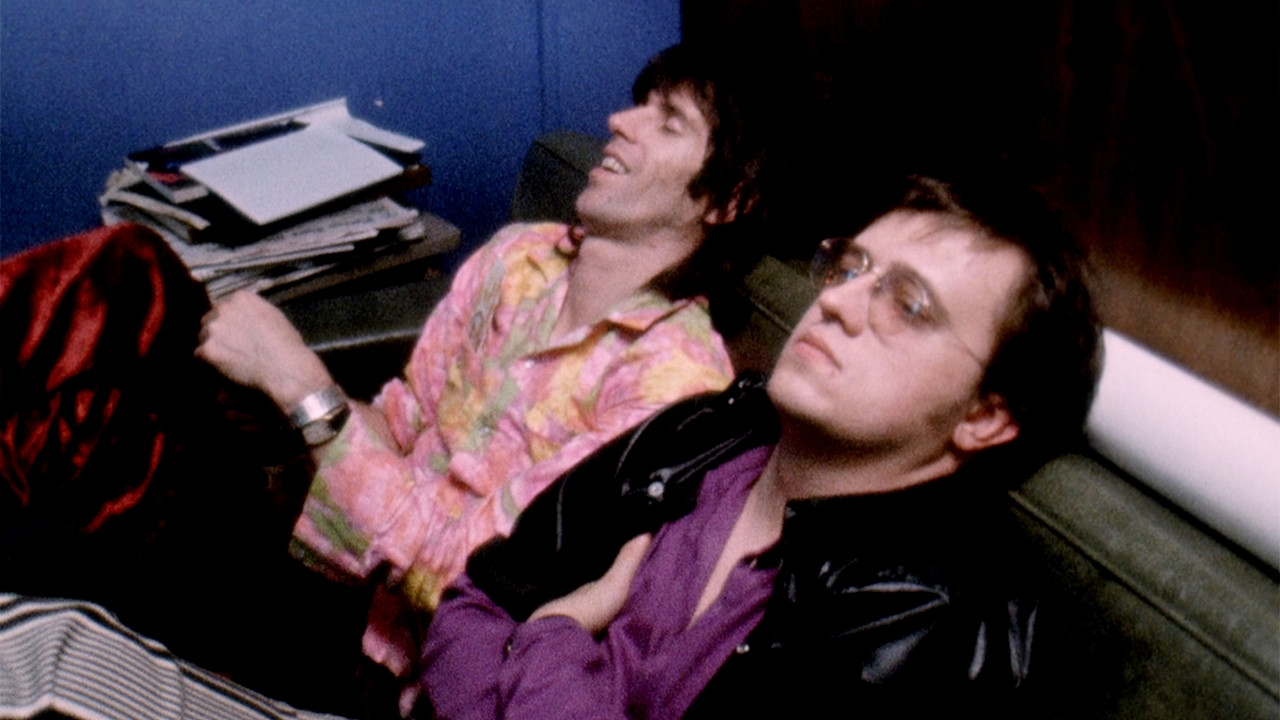
Albert and David Maysles shoot the New York concerts from the stage with handheld cameras, close enough to catch the sweat, and they let the songs run. Robert Farren, Joanne Burke, Ellen Giffard and Kent McKinney do not chop a performance into fragments to prove they were there; “Jumpin’ Jack Flash” plays through and we see how a band this good actually works, which is by watching each other. The best scene has no audience at all. In a studio in Alabama the band listens to a playback of “Wild Horses”, Richards lying back with his boots on the console, and nobody speaks, and the film is content to let a room be quiet.
Then the business. Belli, all cufflinks and telephone, negotiates a venue as if it were a property deal, which it was. Dick Carter offers his speedway a day or two before the show. Cutler tries to hold it together. What the film shows next is a stage barely above head height, a crowd stretching to the horizon, and the Hells Angels, hired to keep order, standing on the stage with pool cues. Marty Balin of Jefferson Airplane is knocked down mid-song. Jagger steps off a helicopter and is punched in the face before he has reached the trailer.
We were frightened, and we were watching a film made fifty-odd years ago about people we knew had gone home. The Maysles cameras are in the crush, and they cannot always see what is happening, and that is what frightened us: a cue comes down, a body goes over, the frame shakes and loses it. Jagger stops the music again and again to ask everybody to cool out, in a cape, in a voice that has never sounded younger, and it does nothing at all.
Here is the complaint, and it is a fair one. The film asks the Stones to judge their own footage and then accepts their silence as a verdict. Nobody asks who hired the Angels, who built the stage that low, who let the crowd wait through a cold day for a band that arrived at dusk. Sonny Barger of the Angels gets to make his case on a radio phone-in; the people who signed the contracts do not have to make theirs. The camera also cannot leave Jagger alone. Richards, Wyman and Taylor pass through the film mostly as hair and hands, and a documentary about a band’s worst night might have wondered what the rest of the band thought.
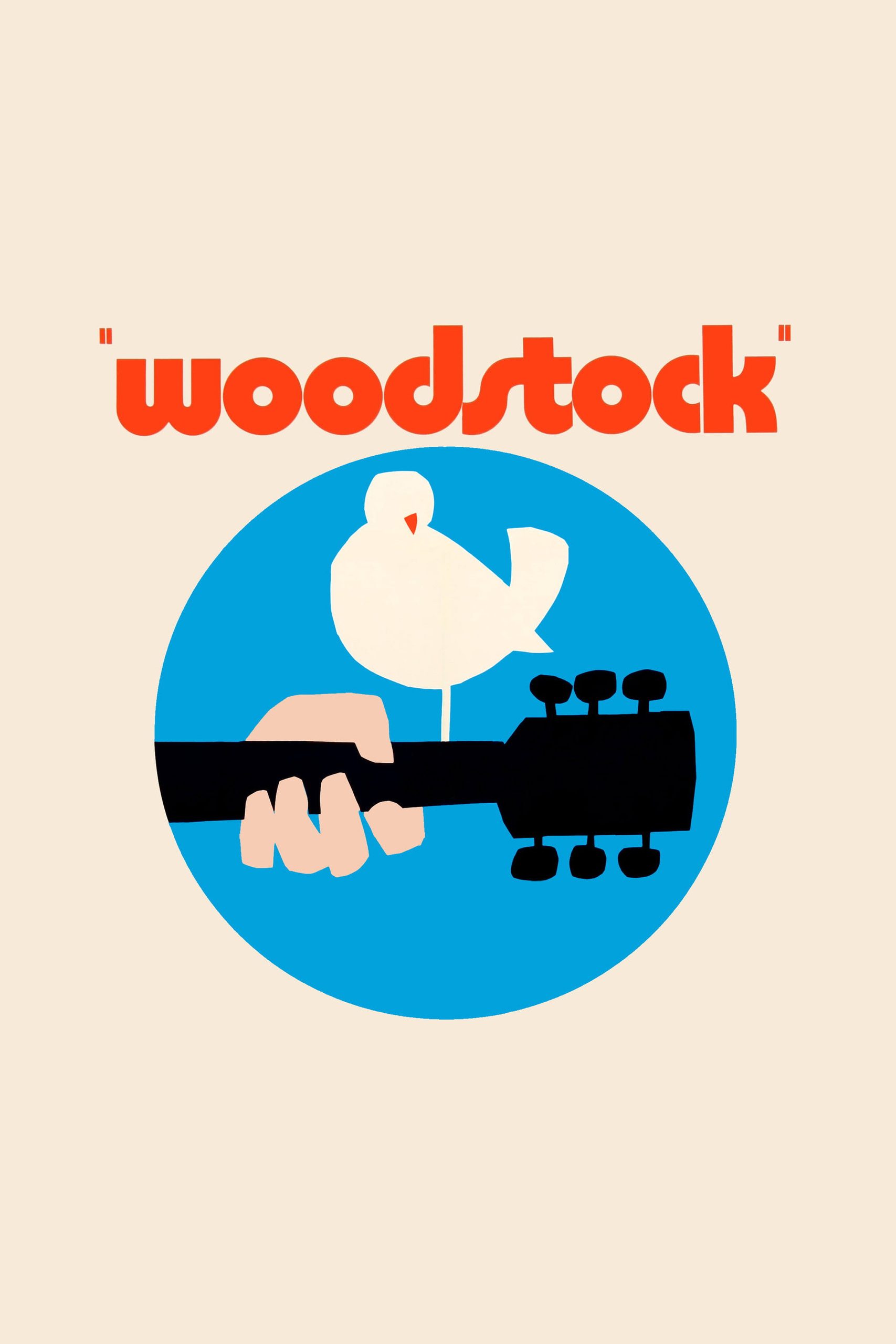
Woodstock, released the same year, is the sunny version of this decade, three days of mud and goodwill. Gimme Shelter is its answer, and the two make a grim double bill. See this one for the Garden shows, for the quiet room in Alabama, and for Watts at the editing machine, looking at the screen as if it might change its mind.