Film review

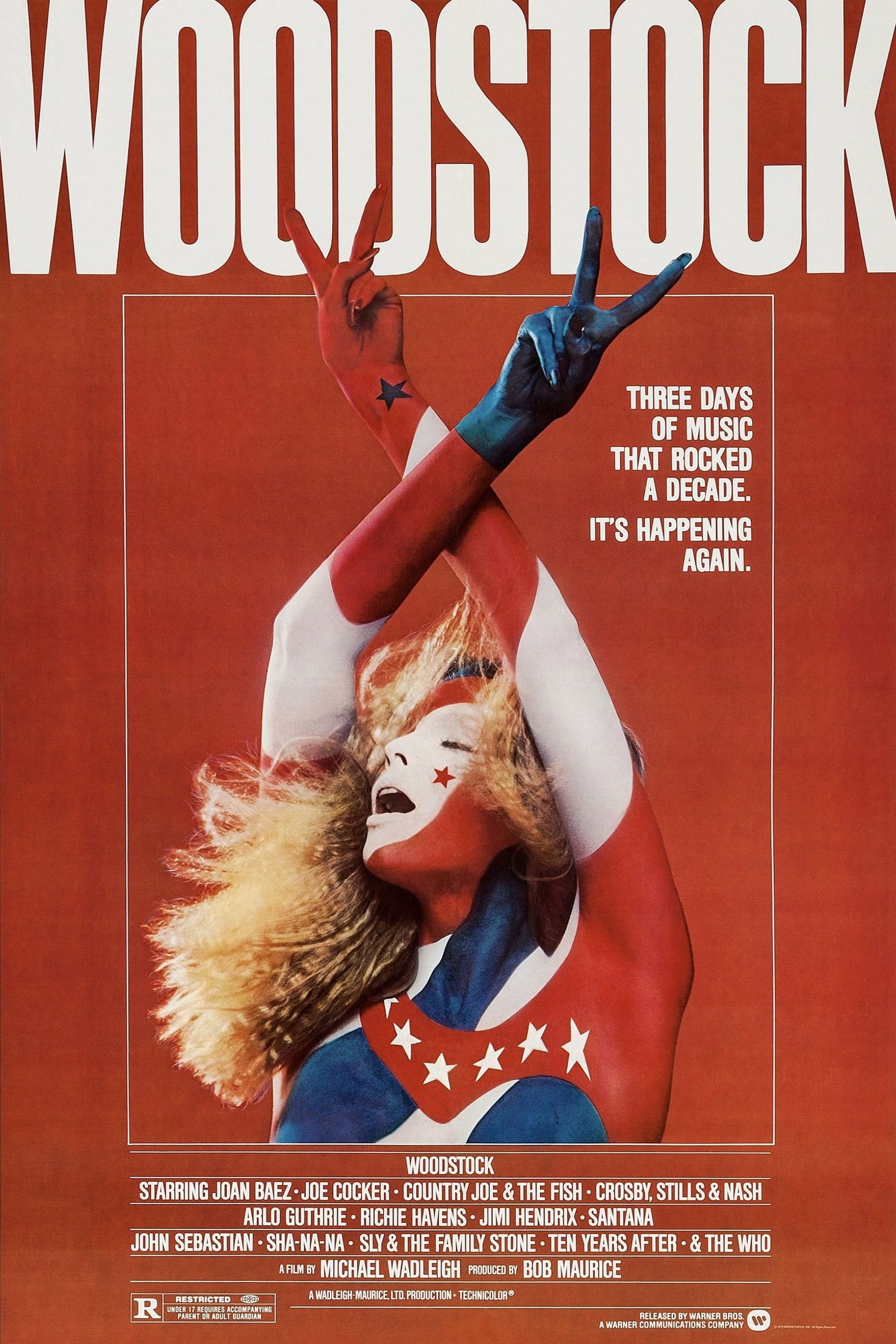
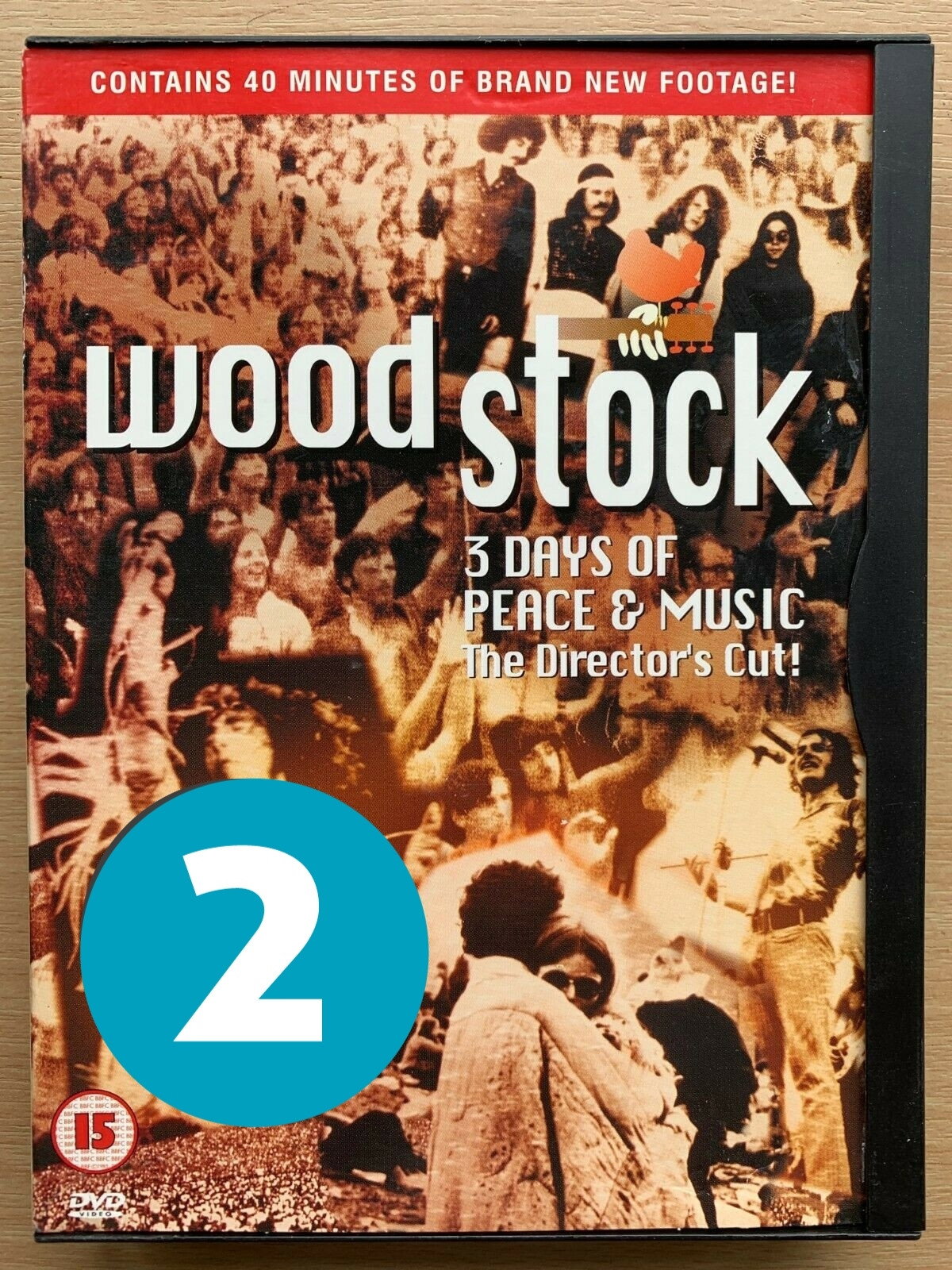
Woodstock

1970 · Directed by Michael Wadleigh · 3h 44m · MPA R

In a sentenceNearly four hours in a wet field with 400,000 strangers, and nobody has a bad word to say about any of it

DocumentaryMusic

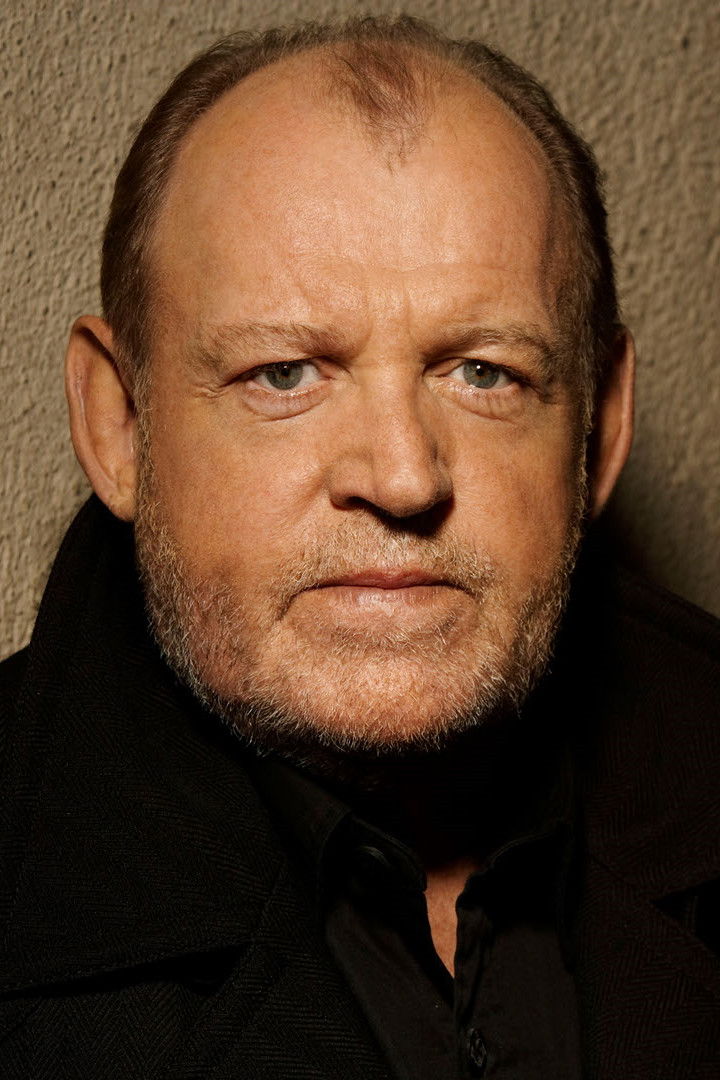
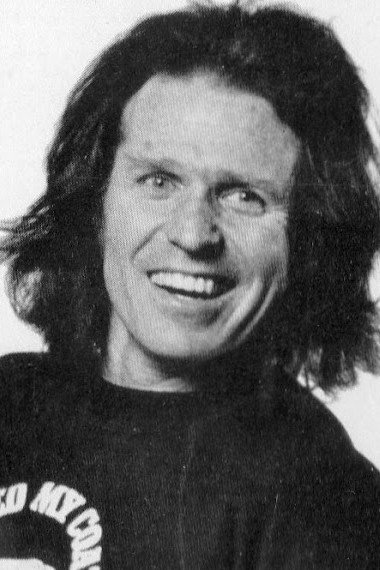
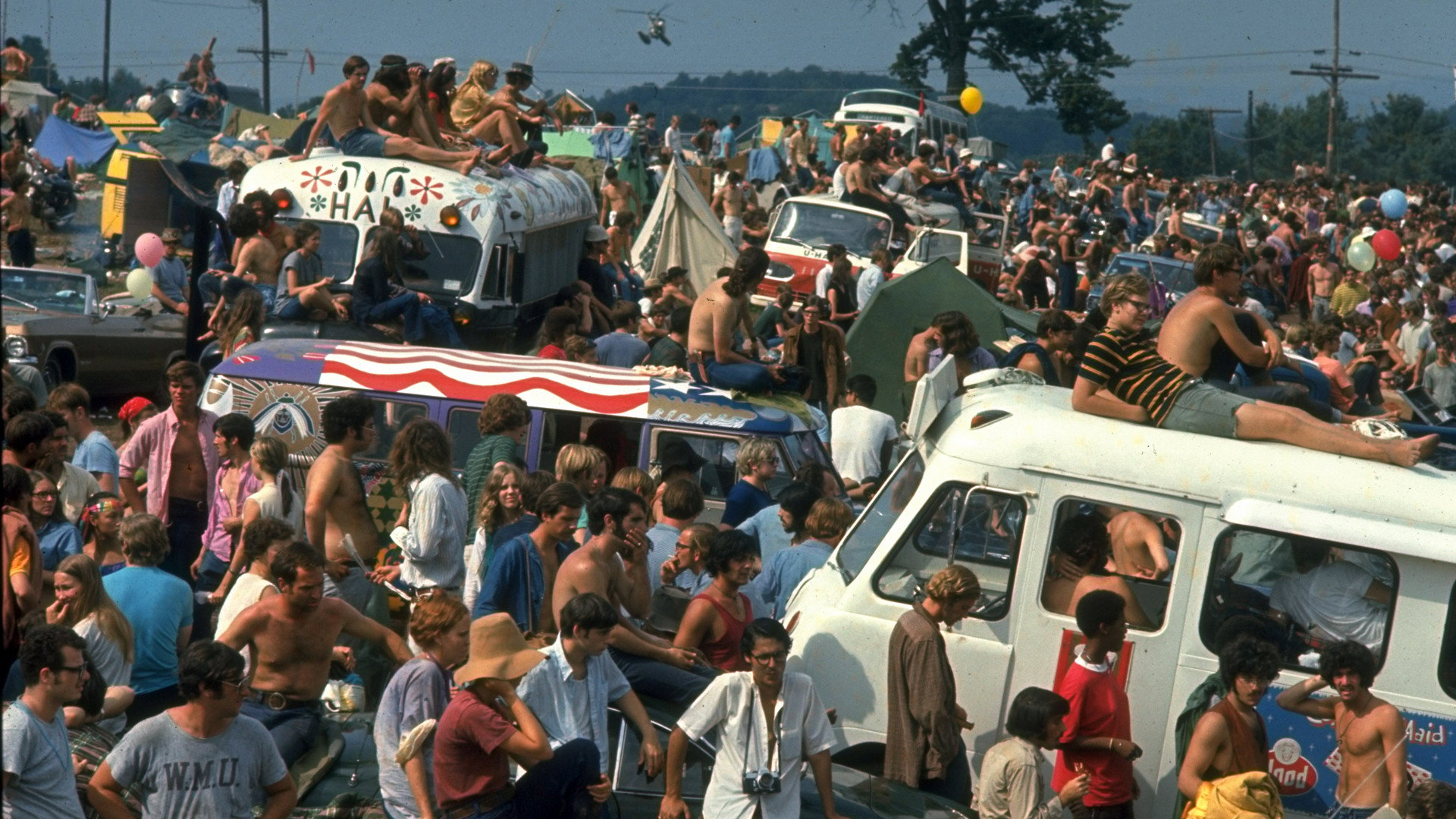
August 1969. A dairy farmer has let a group of promoters use his fields near Bethel, New York, for a three-day music festival. Michael Wadleigh’s cameras arrive before the crowd: carpenters build the stage, shopkeepers give their views, and the roads fill for miles. The fences never go up in time, so the promoters announce from the stage that it is now a free concert. Richie Havens opens on the Friday afternoon and Joan Baez sings to a dark field that night. By the next day there are more than 400,000 people, running short of food and water, with rain on the way. Joe Cocker, Country Joe McDonald and The Who are still to come.

Plays from YouTube when you press play; nothing loads from them until then.

Fi1m review

Wadleigh’s record of the 1969 festival is still the concert film all the others have to answer to, and its split-screen cutting is as sharp as it ever was. It is also 224 minutes long and never once off the festival’s side.

Michael Wadleigh took a film crew to a dairy farm near Bethel, New York, in August 1969, and came back with the concert film every concert film since has had to answer to. It runs 224 minutes, and for long stretches nobody is playing anything. People queue for the telephones, sleep in cars, wash in a pond and explain themselves to the camera with the seriousness of the young. That is deliberate, and it is the best thing in the film.

We recommend it, warmly, with two caveats. It is long, and there are sets in the second half where we started counting. And it is entirely on the festival’s side. Every problem the weekend throws up, the rain, the food, the roads, the drugs, is met with a shrug and a shared blanket, and the film never goes looking for anyone who had a bad time.

The famous thing is the split screen, and it deserves to be. Wadleigh cut the film with Thelma Schoonmaker, Martin Scorsese, Stanley Warnow, Yeu-Bun Yee and Jere Huggins, and between them they turned one wide frame into two or three narrow ones. A guitarist’s hands on the left, his face on the right. The stage in one panel, the hill in the other. Malcolm Hart and Michael Margetts are credited with the photography, and the 16mm grain, the flare when a lens swings into a light and the moments when the operator is plainly being jostled are why it still looks like reporting.

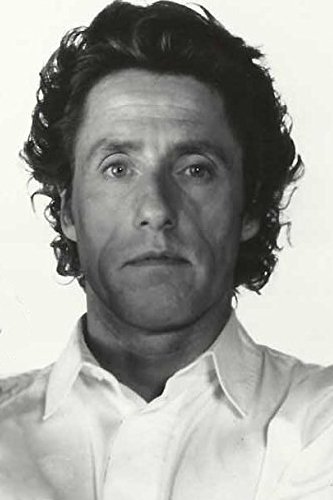
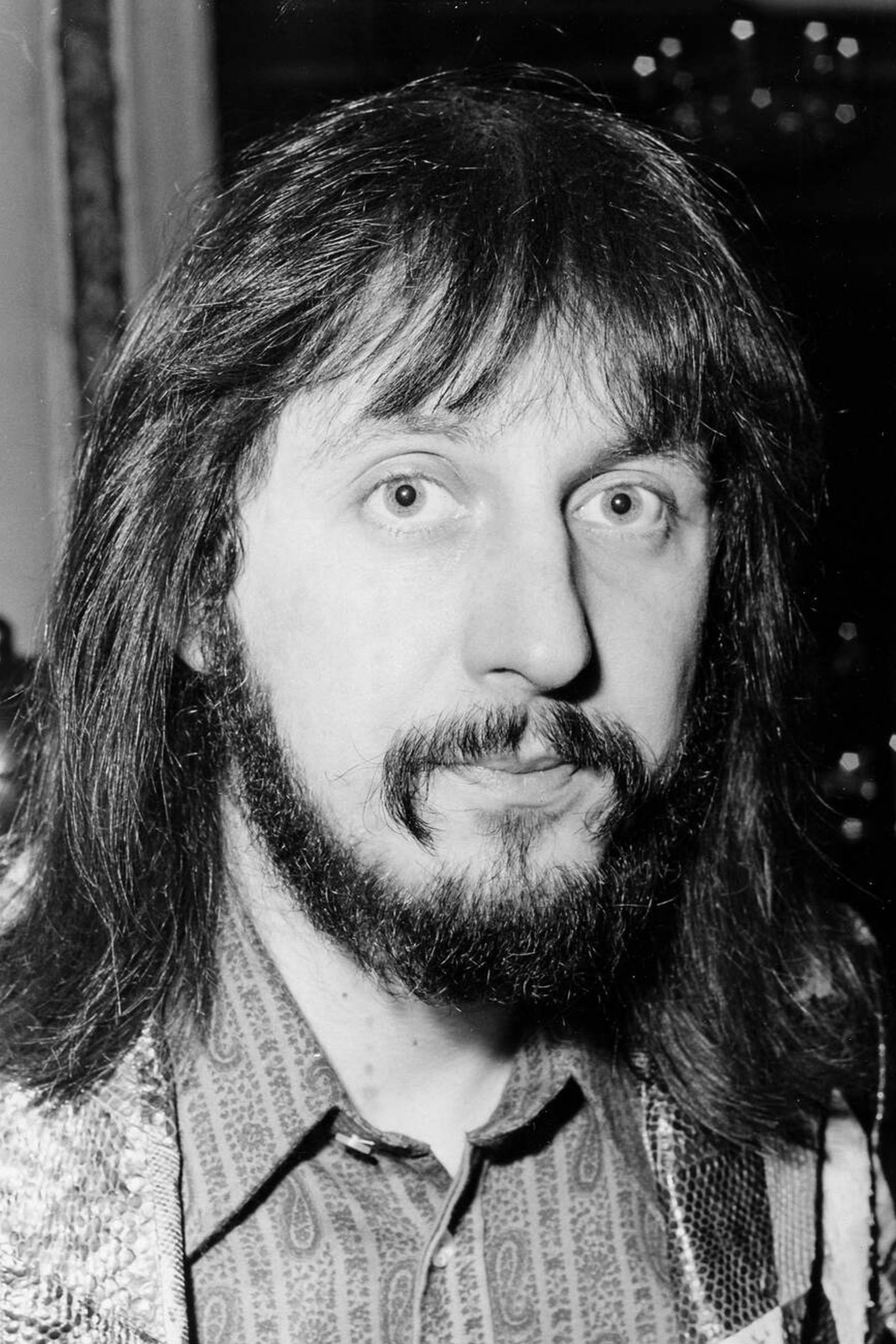
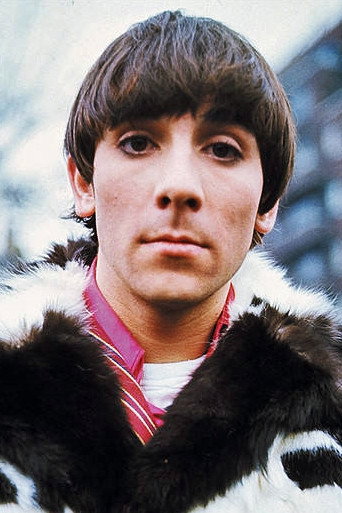
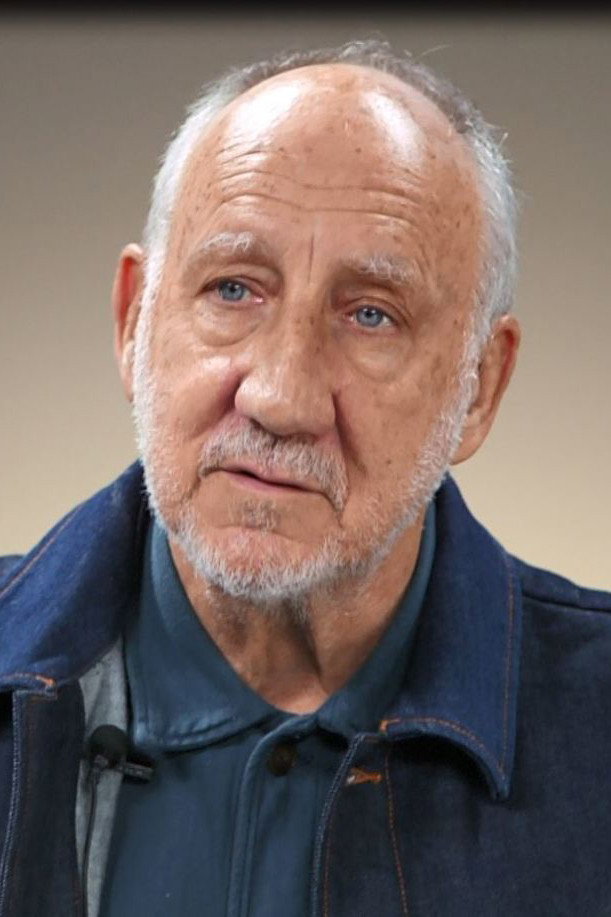
The music is uneven. Richie Havens opens it, soaked in sweat, thrashing at his guitar until he runs out of songs and has to make one up on the spot, and the split screen holds his boot and his face at once. Joan Baez sings to a field so dark the camera can barely find her. Country Joe McDonald leads a sing-along, and Wadleigh prints the words along the bottom of the frame so the cinema can join in, which we found funnier than we expected. Joe Cocker sings With a Little Help from My Friends as if trying to pull something out of the ground, hands clawing at nothing. The Who are the fiercest thing here: Pete Townshend’s arm comes round like a windmill in three panels at once and Keith Moon looks about to fall off his stool. Country Joe and the Fish, without the sing-along, are where we felt the length.

What got to us was not a song. Between sets Wadleigh cuts to the people around the music: farmers, shopkeepers in the town who cannot decide whether they have been charmed or invaded, a couple who met on the road in, the men keeping the place clean and fed. They talk to the camera plainly, without trying to be liked, and we were moved by them more than by anyone on stage, because they are the only people in the film who are not performing. Without them this would be a long album with pictures. There is one stretch, later, which we will not describe, where the film admits that 400,000 people in a field with no shelter is a dangerous thing, and it admits it for about ten minutes.

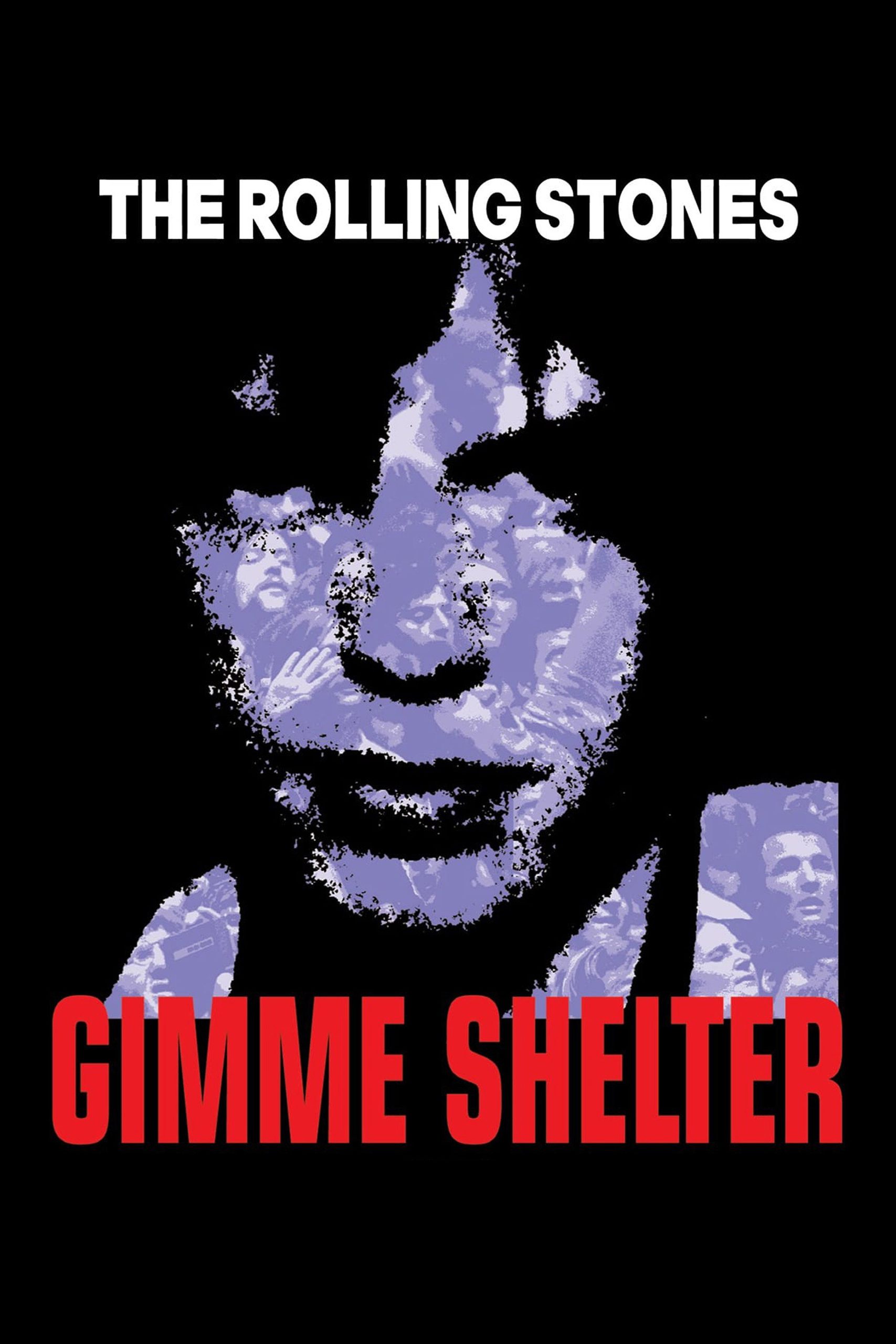
The rosiness is a real fault. Warnings about bad acid come over the PA as a joke; the food runs out and the town bakes; the traffic is a lark. Nobody is frightened, nobody is robbed, nobody is bored, and we do not believe it. Gimme Shelter (1970), made the same year about the festival at Altamont that went wrong, is the film to watch straight after this one, and it is the harder film. It could not exist without this one. Wadleigh and his editors worked out how concerts would be filmed from then on, and Scorsese took the lesson with him to The Last Waltz (1978).

See it in a cinema if one near you ever shows it; the split screens need width, and on a television the third panel shrinks to a postage stamp. At home, allow it an interval. Certificate 18, 224 minutes, and the first half hour is mostly people arriving.
Critical consensus AI synthesised

77
Positive
9
Mixed
1
Negative
1

Most critics like it a good deal, and the praise gathers in one place: the editing. Nearly every review returns to the split-screen montage, several naming Thelma Schoonmaker, and treats it as the reason the film works at all. Beyond that, the reviews agree it is the most complete record of the festival on film, catching the crowd, the locals and the logistics as well as the music, and that Hendrix, Joplin, Havens and Cocker are the sets worth waiting for.

The reservations cluster around length and tone. Vincent Canby in The New York Times finds the film’s rhythm produces its own fatigue, and Penelope Gilliatt in The New Yorker thinks it too eager to show only the sunny side. The Independent calls it form over content, with second-rank bands carried by the cutting. Time Out is the lone outright dissenter, preferring Gimme Shelter. The spread is otherwise narrow.

Los Angeles Times
29 June 1994 · Chris Willman
90*

The 25th-anniversary director's cut remains vital as a utopian corrective and the ultimate rock concert movie, with advances in filming techniques still unmatched after a quarter-century. The added footage enhances the documentary without making it feel unbearably long, and the film's power as a document of a faded dream leaves viewers unexpectedly sad at its close.

Read the full review →
RogerEbert.com
3 May 1970 · Roger Ebert
90*

The film is an archeological study of the Woodstock nation that captures the style and feel of the mass event better than any other American documentary. It succeeds in making viewers feel how it must have been to be there through intimate filming of the music and the crowd's cooperative spirit amid challenges.

Read the full review →
Sight and Sound
1 September 2009
90*

The critic praises the film as one of cinema's great time capsules and one of its most imaginative showcases of editing. They highlight the improved picture and sound in the 40th-anniversary edition along with substantial extras including additional performances.

Read the full review →
The AV Club
10 June 2009 · A- · Noel Murray
90

The critic views the film as somewhat overrated due to decades of myth-making but notes that reissues with extra footage allow fresh appreciation. Wadleigh is praised for the thoughtful structure that contextualizes the event beyond just performances.

Read the full review →
Variety
· Variety Staff
90*

Woodstock is a virtually perfect record of the music festival and a milestone in artistic collation of raw footage into a dazzling multipanel montage. It is an absolute triumph in its marriage of cinematic technology to reality, engaging the senses with barely a let-up thanks to outstanding musical talents.

Read the full review →
Slant Magazine
9 June 2009
75*

The review highlights Wadleigh's success in capturing both the beauty and chaos of the festival, including local reactions and attendee interviews. It focuses positively on the restored presentation of the director's cut while noting limitations in the extras for this edition.

Read the full review →

Cast

Awards

Academy Awards, 1971

Nominated
Best Film Editing
Nominated
Best Sound

If you liked this, try…

Gimme Shelter poster78

Gimme Shelter

1970 · The same year, the other festival, and the one where it all went wrong

Monterey Pop poster

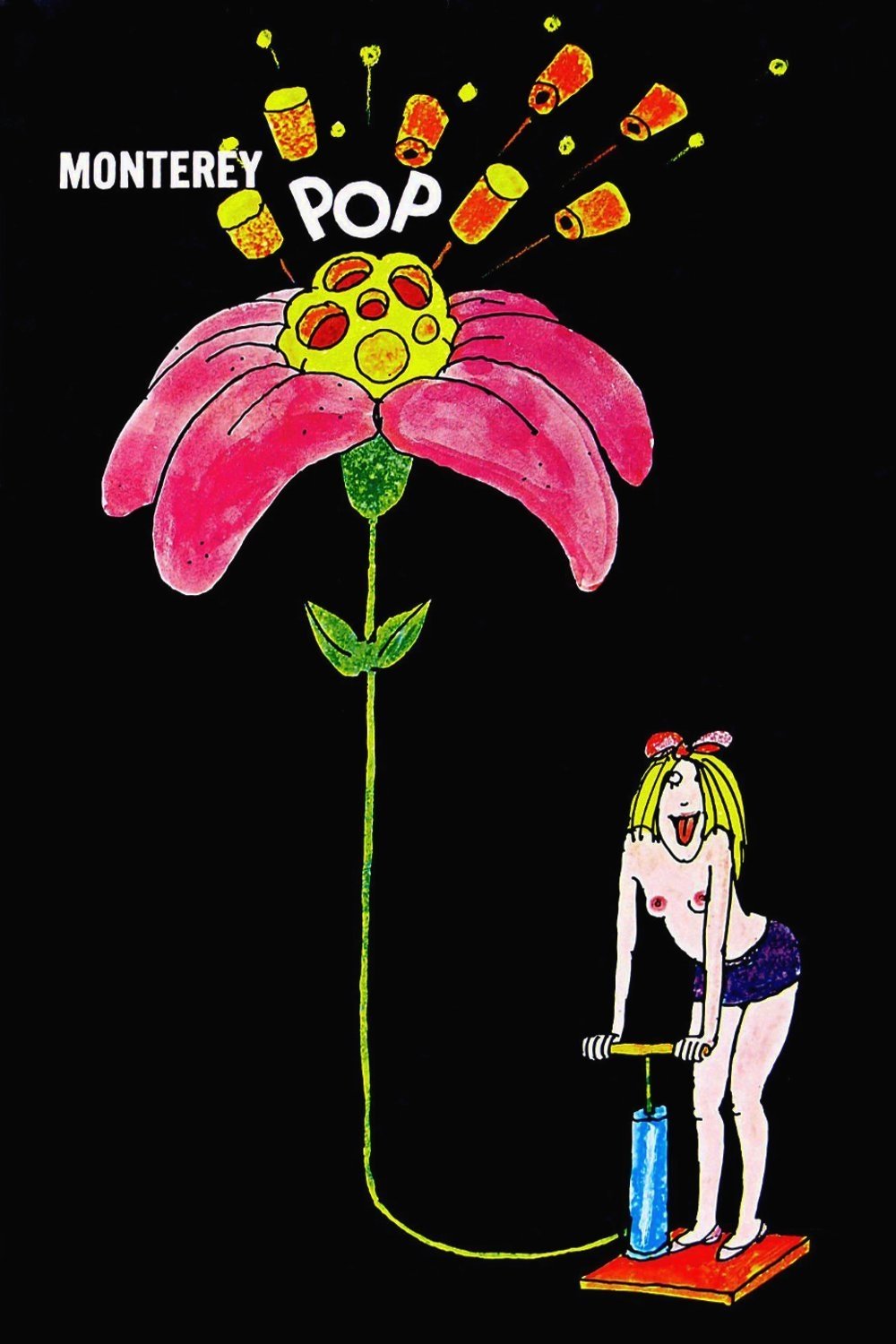
Monterey Pop

1968 · Two years earlier, a tenth of the crowd, and Hendrix setting fire to a guitar

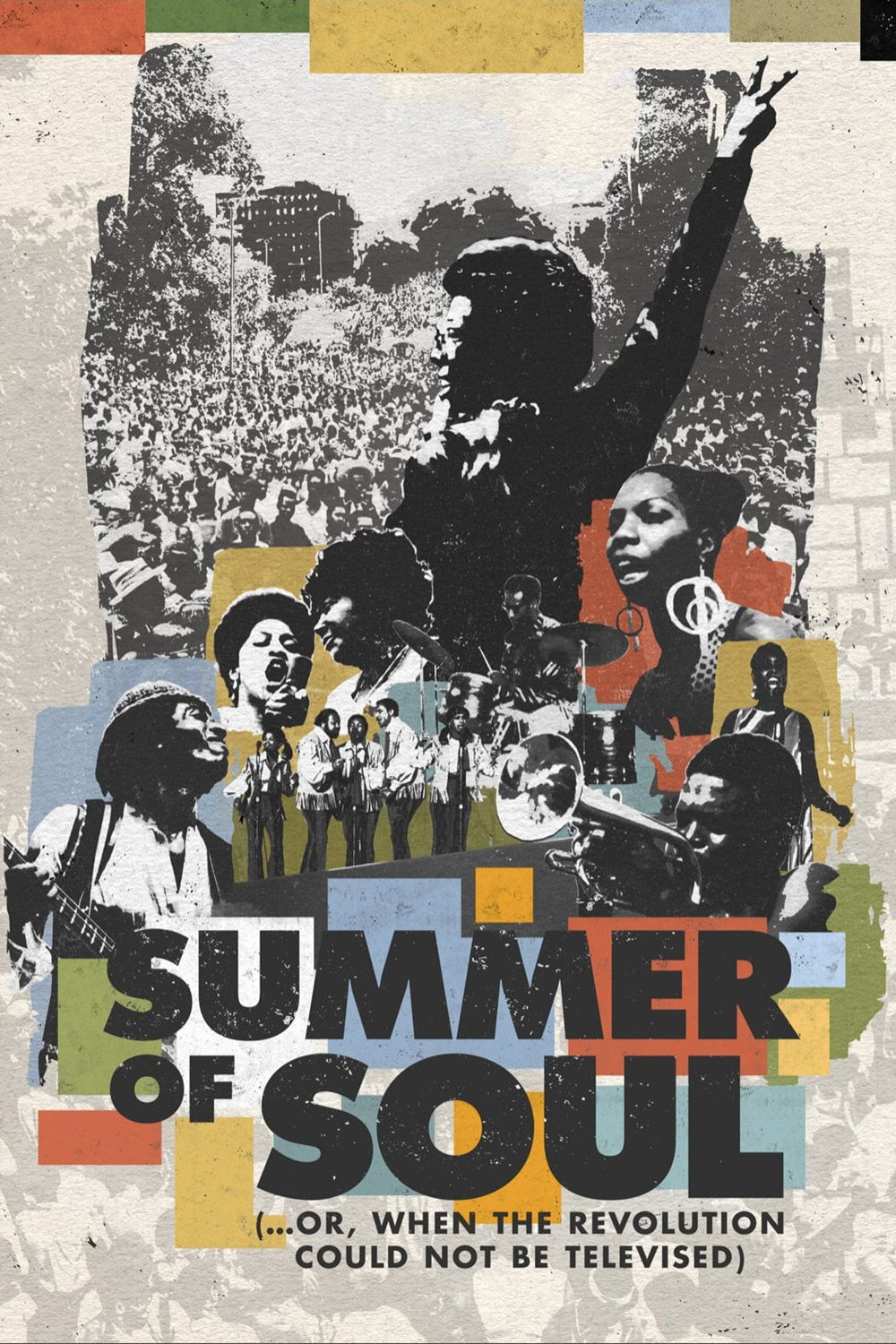
Summer of Soul poster

Summer of Soul

2021 · The Harlem festival of the same summer, filmed then and unseen for fifty years

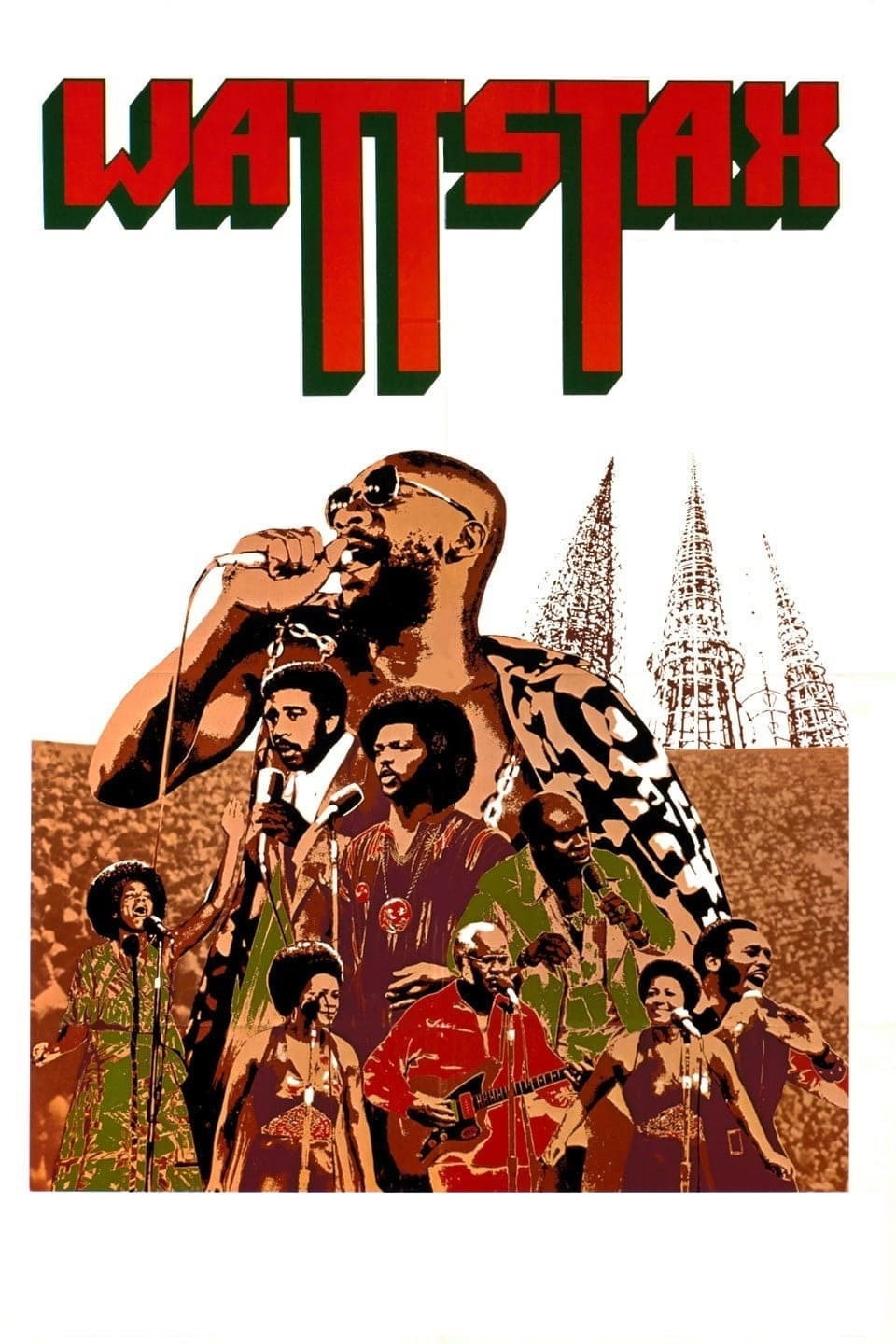
Wattstax poster

Wattstax

1973 · Los Angeles, 1972, Stax soul on stage and Richard Pryor between the sets

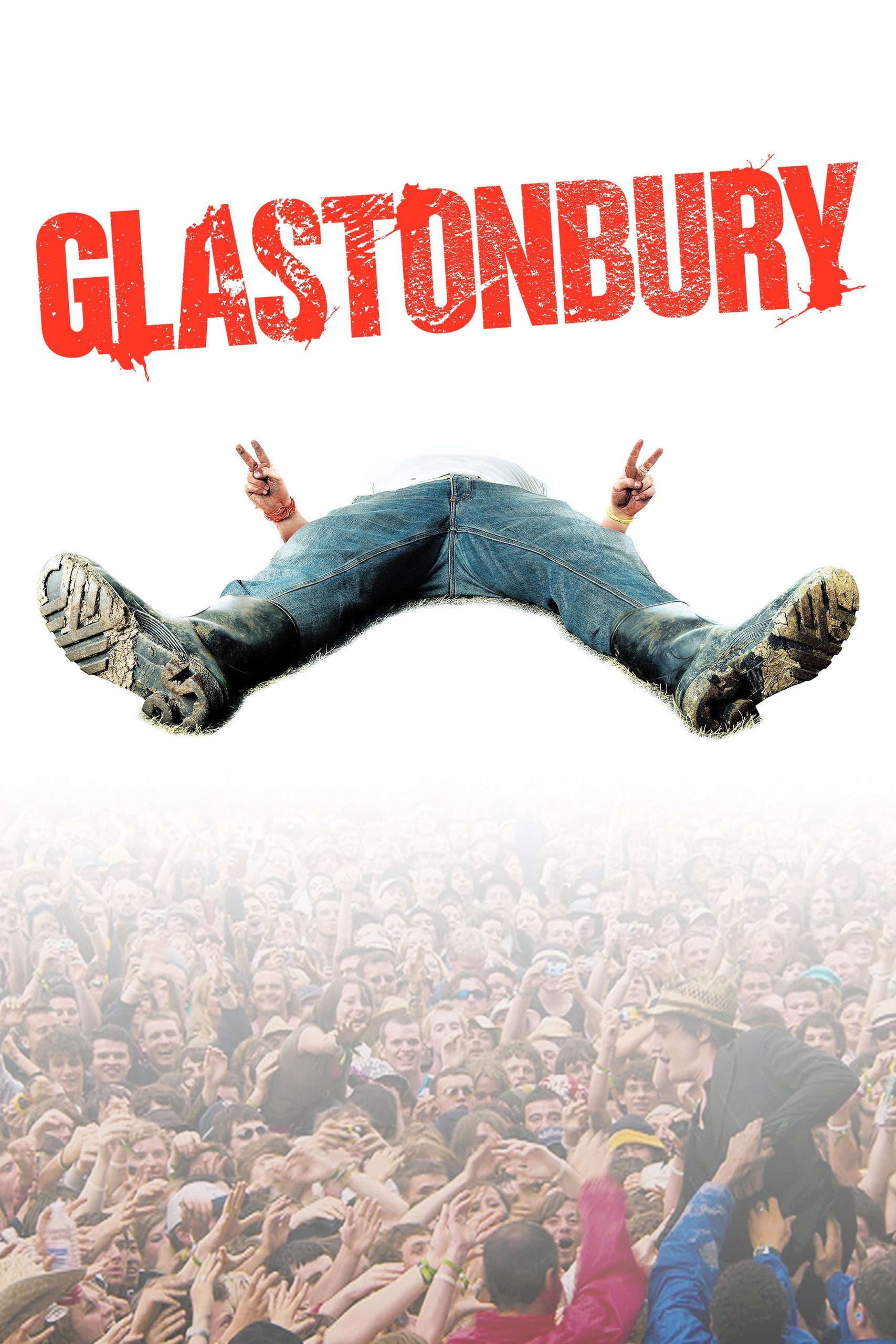
Glastonbury poster

Glastonbury

2006 · Julien Temple’s thirty-five years of British mud, arranged by neither date nor sense