Questlove’s first film as director takes the tapes of the 1969 Harlem Cultural Festival, unseen for fifty years, and puts Stevie Wonder, Nina Simone and Mahalia Jackson back in front of a crowd. The music is extraordinary. We only wish he had let more of it finish.
The Harlem Cultural Festival ran over six Sundays in the summer of 1969, in a park, for free, and a television crew filmed every one. Nobody would buy the footage. It sat in a basement for half a century, and that is where Questlove’s first film as a director begins. He has cut 117 minutes from the tapes, released in British cinemas on 16 July 2021, and we would send almost anyone to see it. Our one complaint is that he does not quite trust the tapes, and keeps cutting away to tell us how good they are.
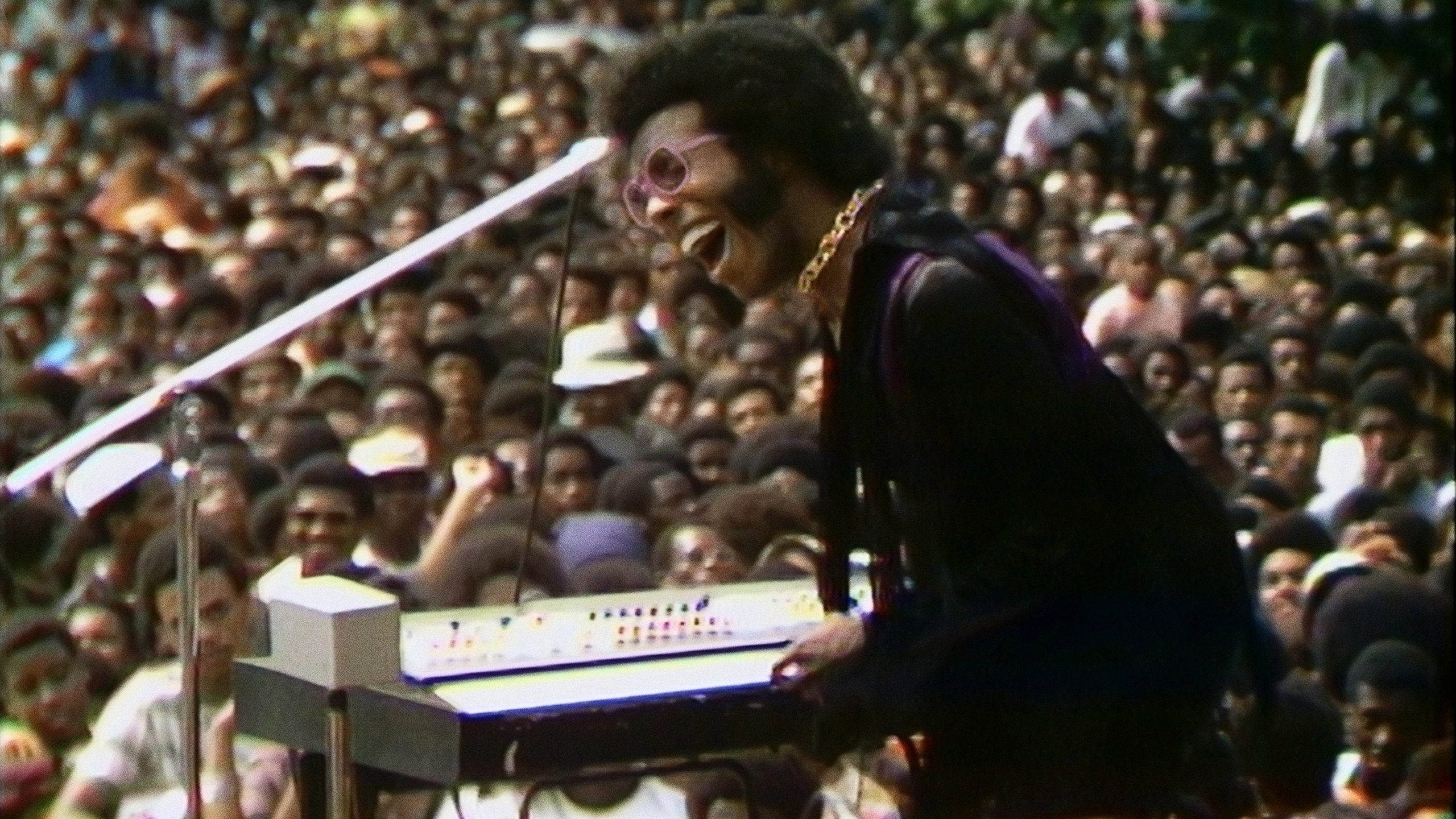
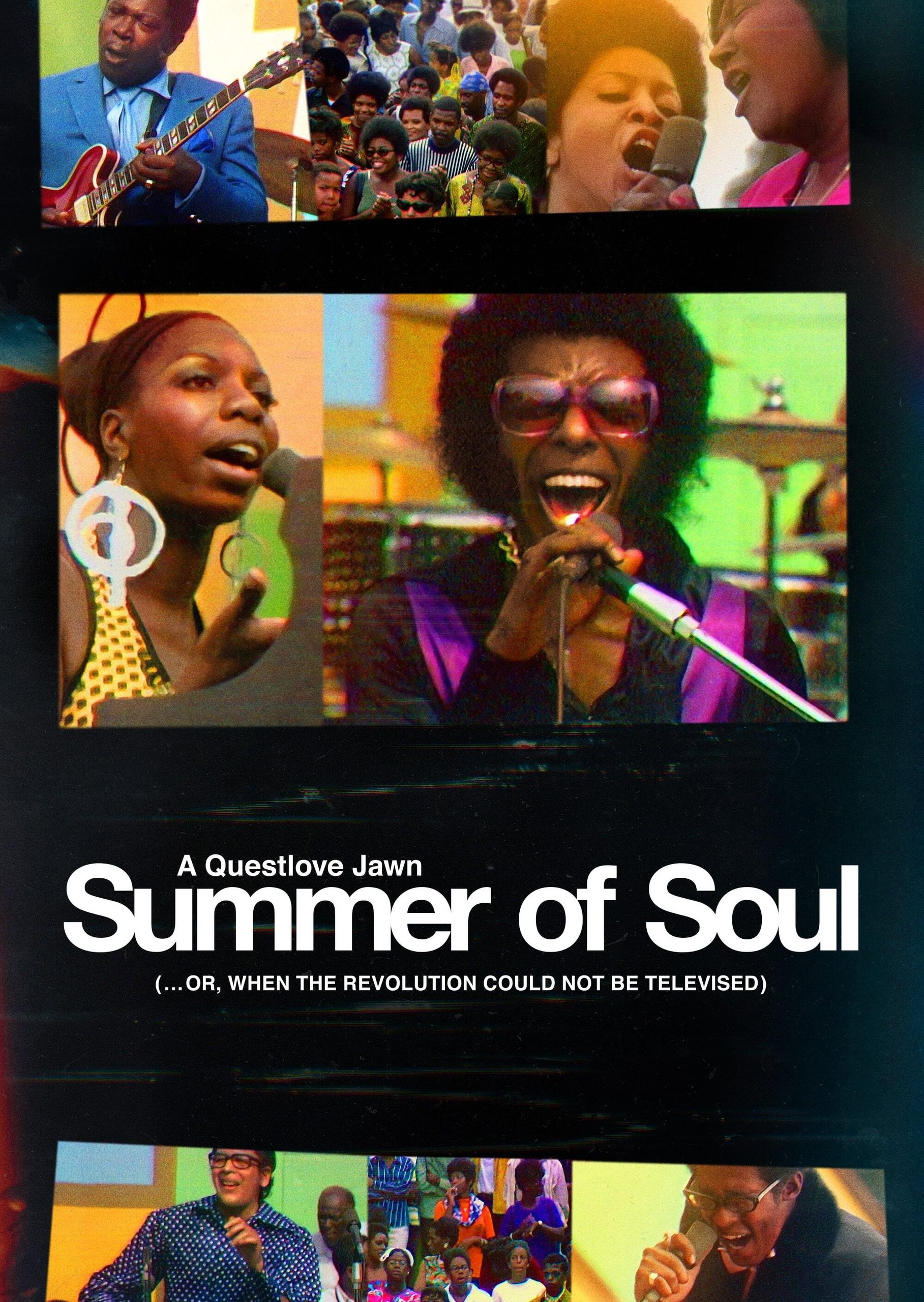
They are good enough to justify the fuss. Stevie Wonder leaves the keyboard for a drum kit and plays a solo that made our screening laugh out loud. B.B. King works a slow blues in the afternoon heat. David Ruffin, out of the Temptations, sings ‘My Girl’ and holds the last note so long the band has to wait for him. Sly Stone arrives in fringes and sunglasses with a white drummer and a woman on trumpet, and you can watch the older people in the crowd decide whether to approve. Hugh Masekela and Abbey Lincoln get a few minutes each before the film moves on.
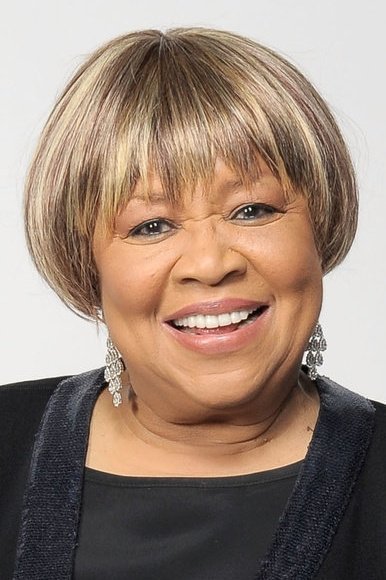
The scene that undid us is a hymn. Mahalia Jackson, unwell that day and unsure of her voice, asks Mavis Staples to start ‘Take My Hand, Precious Lord’, the song Martin Luther King had asked to hear the night before he was killed. Staples sings a verse. Then Jackson takes the microphone back, and the two pass it between them as if it were hot. Staples, interviewed now, watches the footage and needs a moment before she can speak. We have heard that song a hundred times and we were not ready for this one.
Nina Simone comes late in the day, in African dress with her hair piled high, plays ‘Backlash Blues’ with her back straight and her eyes on the crowd, then reads a poem that asks the audience, several times, whether they are ready. It is not a rhetorical question and the film does not treat it as one. Tony Lawrence, the promoter and host, appears between acts in a new outfit each week and talks to the crowd as if he had invited each of them personally, which in a sense he had.
The editor, Joshua L. Pearson, has the hardest job and mostly does it well. He cuts between the 1969 stage and the people who stood in front of it, filmed now by Shawn Peters in plain, close, well-lit interviews; several are shown the footage on a monitor so we see it reach them fifty years late. The best is a man who was a small boy in the crowd and has never had proof, until now, that he did not imagine it. He also cuts to the summer’s other news. Men walk on the moon, a reporter in Harlem asks what people make of it, and one man says the money would have been better spent here. Nobody on screen disagrees.
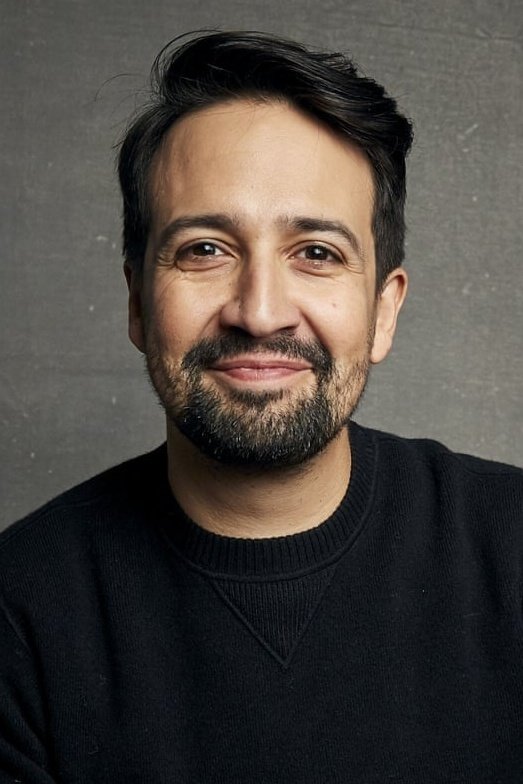
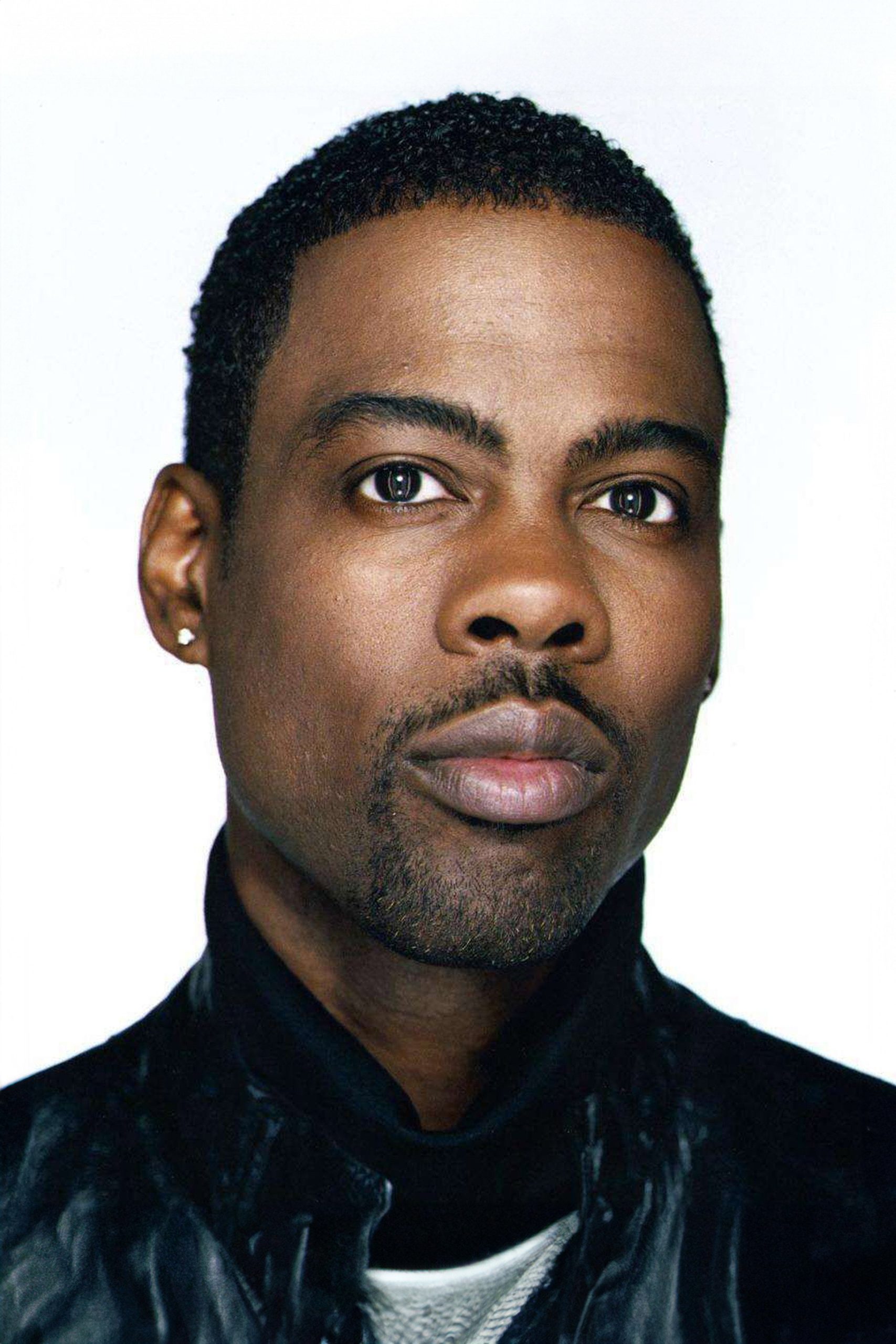
The same instinct is the film’s weakness. Questlove wants the festival understood as well as heard, so nearly every performance is interrupted by a voice explaining what it meant: the year after King’s death, the Panthers on the streets, Afros replacing straightened hair. Much is worth hearing; some the footage says better alone. Chris Rock and Lin-Manuel Miranda are on hand to be impressed, and they are, and we did not need them to be. Songs are faded down mid-verse to make room. By the last half hour the film is hurrying, and the late artists get a chorus each. Most critics have waved this away, but a concert film that will not let a song finish is holding something back from you.
The other festival of that summer, in a field upstate, got Woodstock (1970) the following year and a place in every history of the period. This one got a basement. Watch it with the sound turned up further than is polite. The music was recorded for television and nobody televised it; the least you can do is make the neighbours hear.