Film review

Buena Vista Social Club

1999 · Directed by Wim Wenders · 1h 45m · MPA G

In a sentenceNinety-year-olds in good hats out-swing New York while the camera walks laps round them

DocumentaryMusic

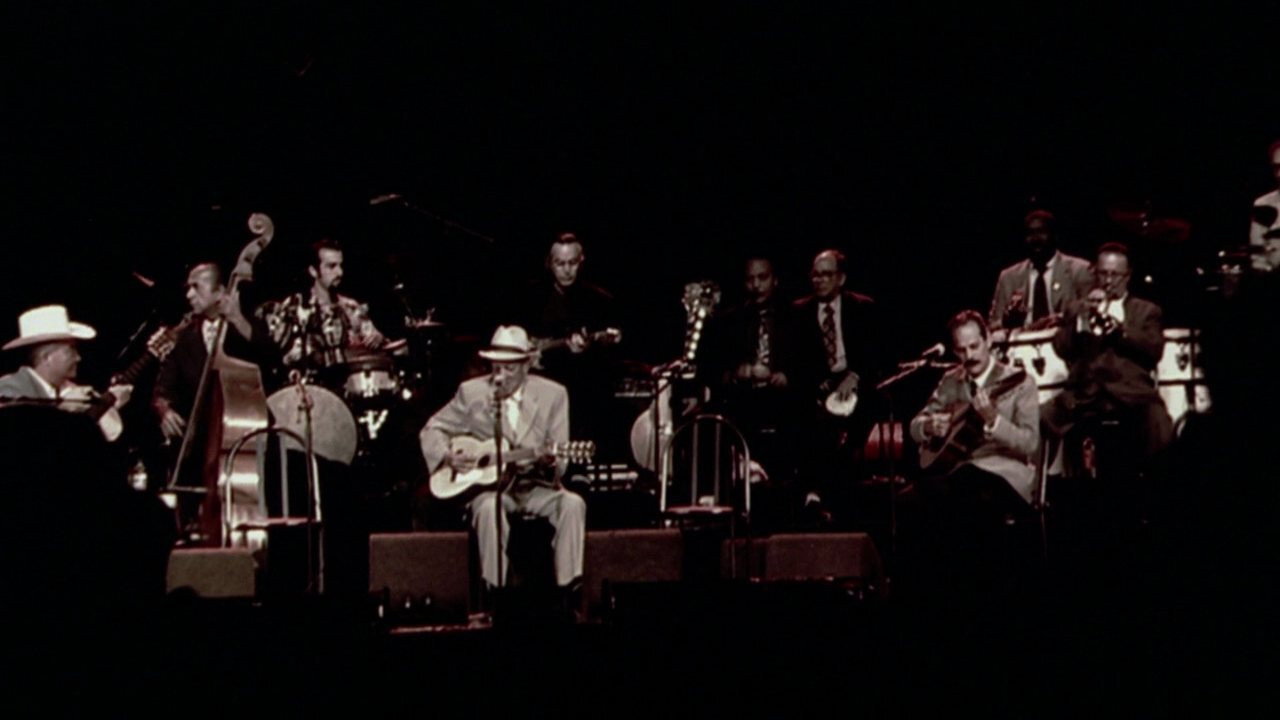
Havana, 1998. The American guitarist Ry Cooder returns to the city where, two years earlier, he recorded an album with a group of elderly Cuban musicians most of the world had forgotten. This time he brings his son Joachim Cooder on drums and a plan to record a solo album for the singer Ibrahim Ferrer, who was shining shoes when Cooder first found him. Wim Wenders follows with a camera. In a Havana studio and on its crumbling streets we meet Compay Segundo, ninety and still smoking cigars; Rubén González, a pianist who went years without a piano; and the singer Omara Portuondo. Between sessions the group prepares for concerts abroad, in Amsterdam and at Carnegie Hall in New York.

Fi1m review

Wim Wenders points his camera at a dozen elderly Cuban musicians and mostly lets them play. The music and the faces are the film; the circling camera and the restless cutting get in the way more than they should.

Wim Wenders went to Havana with a camera and a guitarist. Two years earlier Ry Cooder had recorded an album in the city with a group of Cuban musicians, most of them old and long out of work, and the record had sold in numbers nobody planned for. In 1998 Cooder went back, with his son Joachim Cooder on drums, to record a solo album for the singer Ibrahim Ferrer, and Wenders went with him. The film is what he brought home: sessions in a Havana studio, the musicians at home and in the street, and two concerts, in Amsterdam and at Carnegie Hall in New York. It is a good film about marvellous music, and where it falls short it falls short by fidgeting.

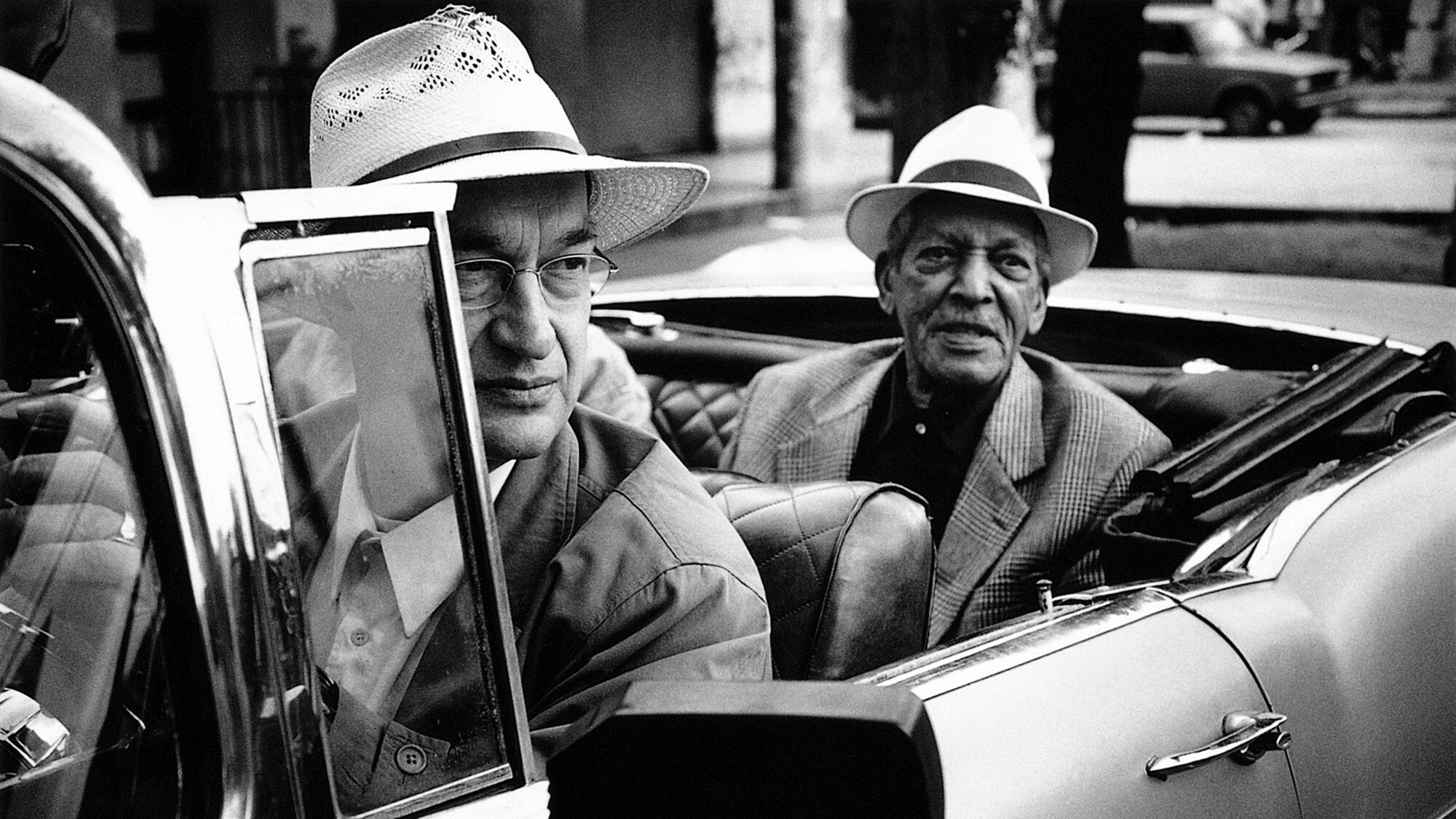
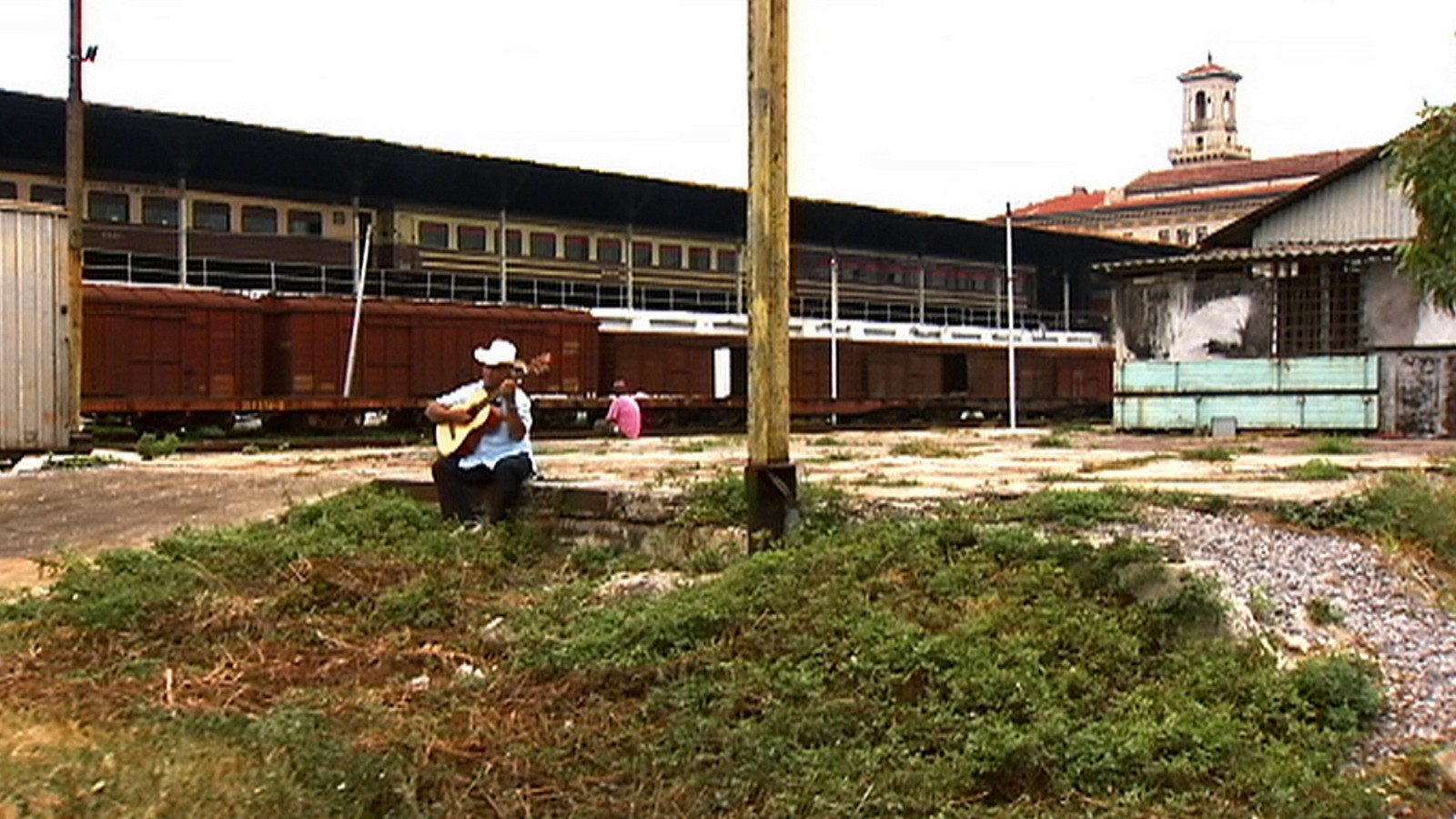
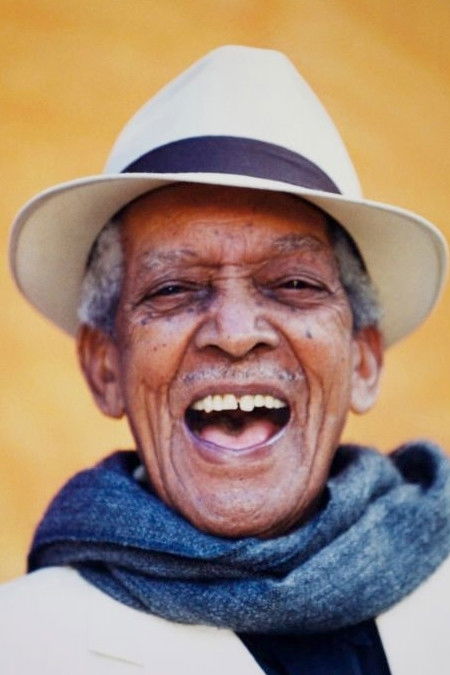
The musicians carry it, and Wenders knows enough to sit them in a chair and let them talk. Compay Segundo is ninety, smokes a cigar the size of a rolling pin and would like a sixth child. Ferrer was shining shoes when Cooder found him and says so without bitterness. Rubén González, the pianist, had not owned a piano for years; Wenders films him playing in a hall where children practise gymnastics around his stool. Omara Portuondo walks a Havana street singing and the women at their doors sing the chorus back at her. Eliades Ochoa wears his cowboy hat indoors.

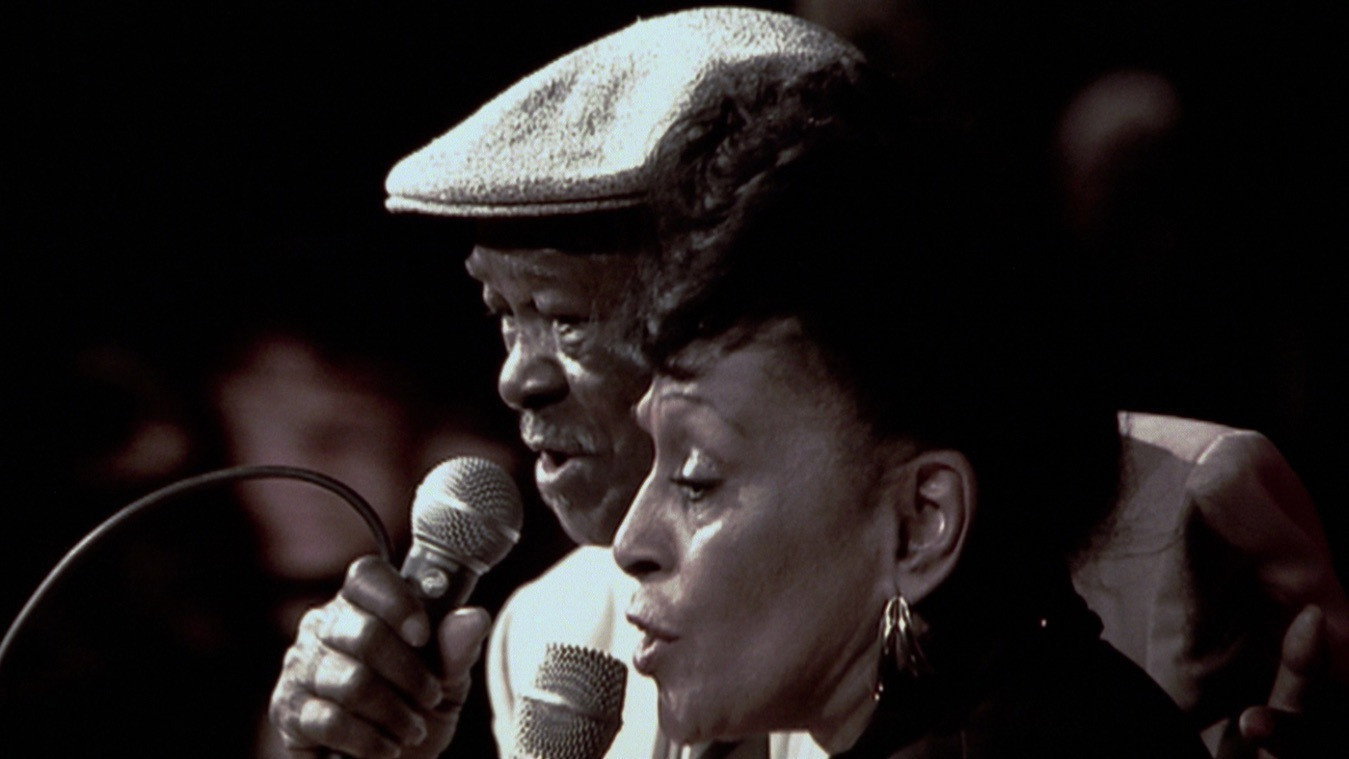
We were moved more than we expected to be, and by a small thing. At Carnegie Hall, Ferrer and Portuondo sing Silencio together, and part way through she begins to cry. He reaches across, wipes her cheek with his fingers, and neither of them drops the line. The camera, for once, stays where it is. Wenders had the sense not to cut away.

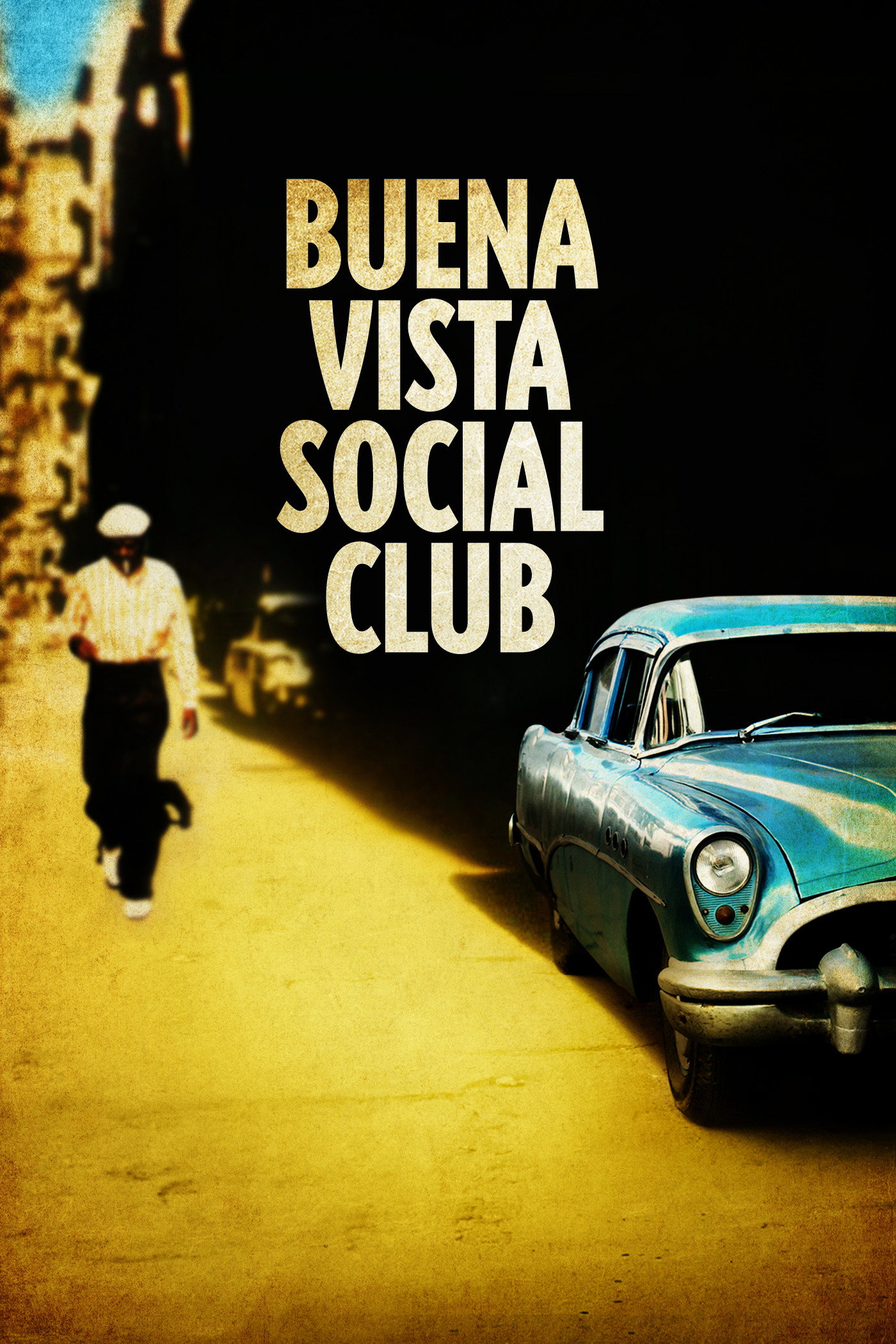
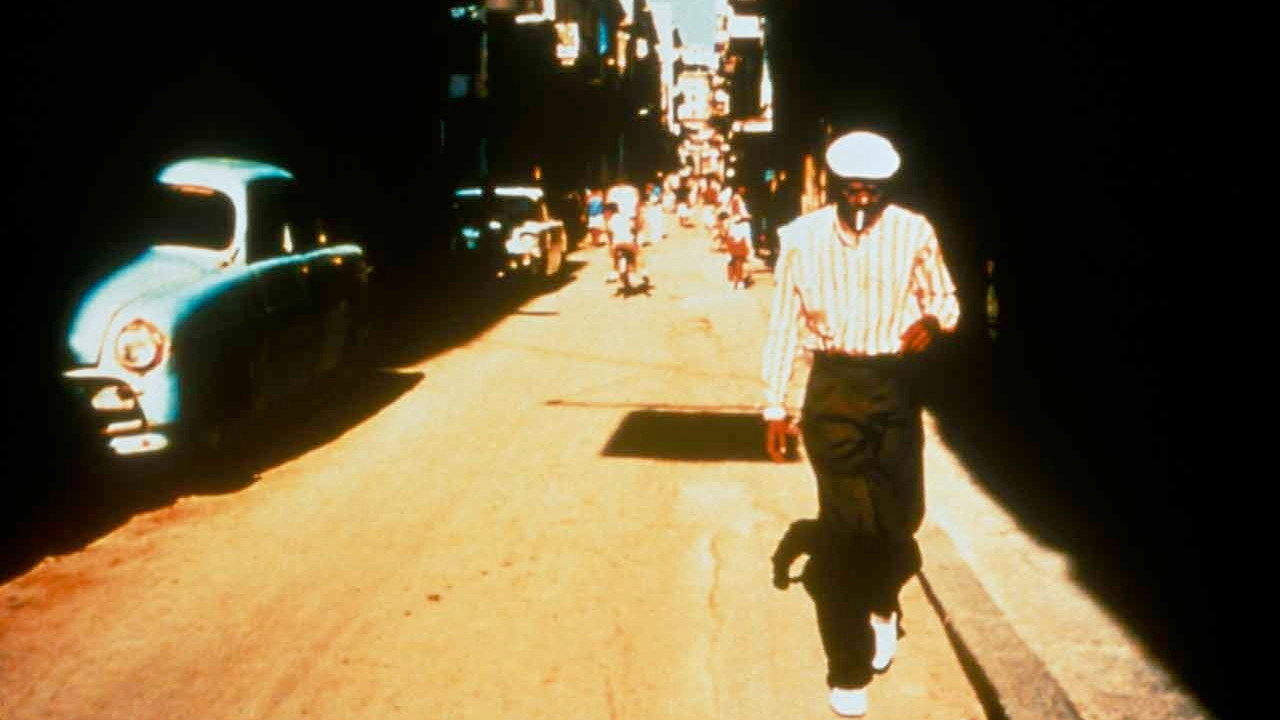
He does not always have that sense. Three cinematographers are credited, Robby Müller, Lisa Rinzler and Jörg Widmer, and the film was shot on video, which in 1998 meant colours that bloom and edges that smear. Havana suits the look: sea-green paint, rust, salt on the seafront wall, an old Chevrolet that has been repainted more often than it has been serviced. In the studio, though, the camera will not keep still. It circles the players on a steadicam, a lap and then another lap, as if afraid that a man of ninety singing might be dull to look at. Standing still would have done.

Brian Johnson’s editing has the same nerves. A song starts, a verse goes by, and we are out on the Malecón or in a taxi or listening to someone explain what we were just hearing. Few numbers play through from start to finish. Jerry Boys is credited with the music, and the sound is the best thing about the production: warm, close and clean, so that you can hear the pick on Ochoa’s strings and González’s pedal work. When Wenders trusts a song to run, as he does with Chan Chan near the start, the film is exactly what it should be.

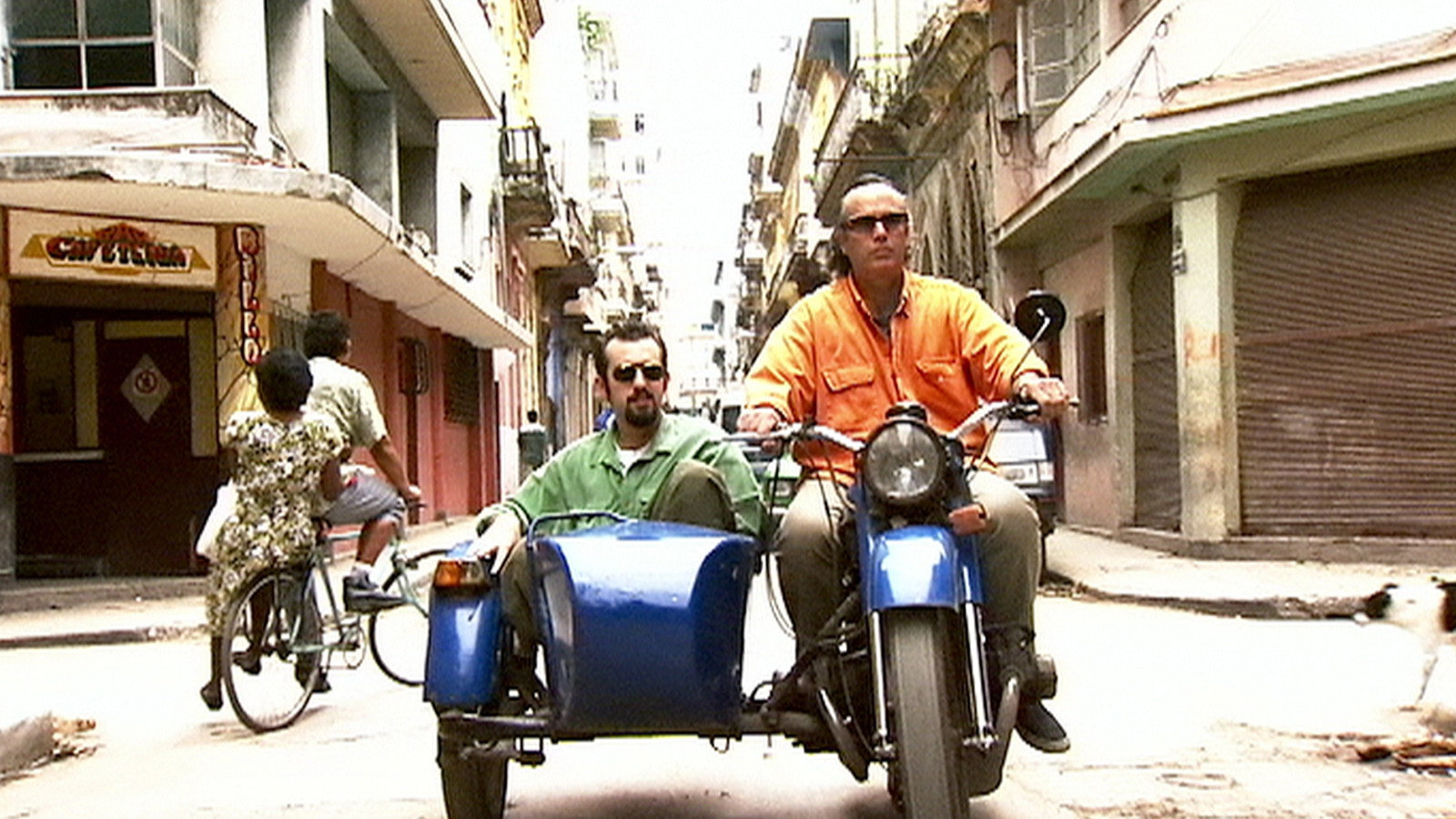
Cooder is on screen more than a man this modest would want. He plays slide, he rides around Havana in a motorcycle sidecar, he tells us what the musicians mean. He is the reason the album exists, but whenever he explains the players we would rather they were speaking. Wenders keeps politics out. The ruin of Havana is in every frame and discussed in none, and some critics have called that a dodge. We think it is a choice, and mostly an honest one: the scene of the old men in New York, peering at a shop window full of Statue of Liberty ornaments, says more about where they have been than any speech would.

Set against Wenders’ own films this is a strange case. The director of Paris, Texas (1984), which Cooder scored and Müller shot, and Wings of Desire (1987) was once the most patient man in European cinema; he could hold on a face until you knew it. Here he cannot leave one alone for a chorus. You will be humming for a week regardless. Watch it with the sound up and forgive the pictures when they wander. It is 105 minutes and there is not a dull song in it.
Critical consensus AI synthesised

78
Positive
11
Mixed
2
Negative
0

Most critics are warm, and the praise goes almost entirely to the musicians rather than to the filmmaker. Review after review dwells on the same things: the veteran players’ ease and skill, their good humour in interview, the pleasure of the songs, and Havana’s crumbling streets as a backdrop. The consensus is that the film works because Wenders stands back and lets the music and the personalities carry it, and that the Carnegie Hall concert arrives as the reward it is meant to be.

The reservations, where they exist, are about Wenders. Roger Ebert likes the music but complains that the camera circles endlessly and the editing cuts songs up before they can finish. Sight and Sound finds the direction clumsy and intrusive. Slant Magazine thinks it little more than concert footage, made by an outsider who keeps clear of politics. The spread is narrow: eleven of thirteen are positive, none negative, and even the mixed notices concede the music is worth hearing.

The Guardian
19 September 1999 · Philip French
90*

The critic calls it a wonderful new movie, exuberant and unpretentious in its focus on popular Cuban music and the 'son de Cuba'. It highlights the musicians' virtuoso performances and resilience amid Havana's decay, while placing them in social context without easy political points.

Read the full review →
The New York Times
4 June 1999 · Stephen Holden
90*

The review hails the film as an exhilarating documentary that captures stirring performances and the unquenchable joy of the Cuban musicians at Carnegie Hall and elsewhere.

Read the full review →
Time Out
· TR
90*

The reviewer calls the project a 'blinder' and praises how it documents the musicians' reactivation and triumphant concerts without the filmmaking getting in the way of their deserved acclaim and performances.

Read the full review →
Empire
1 January 2000 · Neil Jeffries
85*

Wenders' documentary captures the magic of veteran Cuban musicians collaborating with Ry Cooder. The critic praises its human portraits and effortless transfer of musical joy to film, calling it addictive.

Read the full review →
Los Angeles Times
4 June 1999 · Kenneth Turan
85*

The critic celebrates the film’s focus on the rejuvenating power of the music, the charming veteran musicians, and the crumbling beauty of Havana, calling the sounds intoxicating and timeless.

Read the full review →
Variety
18 February 1999 · festival review · Eddie Cockrell
85*

The review calls the film a seductive performance-interview documentary showcasing sexy, spirited music by remarkable elderly musicians and praises Wenders’ warm, orthodox approach.

Read the full review →

Cast

Awards

Academy Awards, 2000

Nominated
Best Documentary Feature Film

Silver nugget for the best foreign film, 2000

Won
Silver nugget for the best foreign film

European Film Award for Best Documentary, 1999

Won
European Film Award for Best Documentary

If you liked this, try…

Calle 54 poster

Calle 54

2000 · Fernando Trueba films Latin jazz players one at a time, in a studio, and stands still.

The Last Waltz poster

The Last Waltz

1978 · Scorsese’s farewell concert film, where the camera knows exactly where the song is.

Latcho Drom poster

Latcho Drom

1993 · Tony Gatlif follows Romani music from India to Spain with no narration at all.

Amazing Grace poster

Amazing Grace

2018 · Aretha Franklin in a Los Angeles church over two nights; nobody cuts away from her.

Searching for Sugar Man poster

Searching for Sugar Man

2012 · Another forgotten musician found late, with a story stranger than any of these.