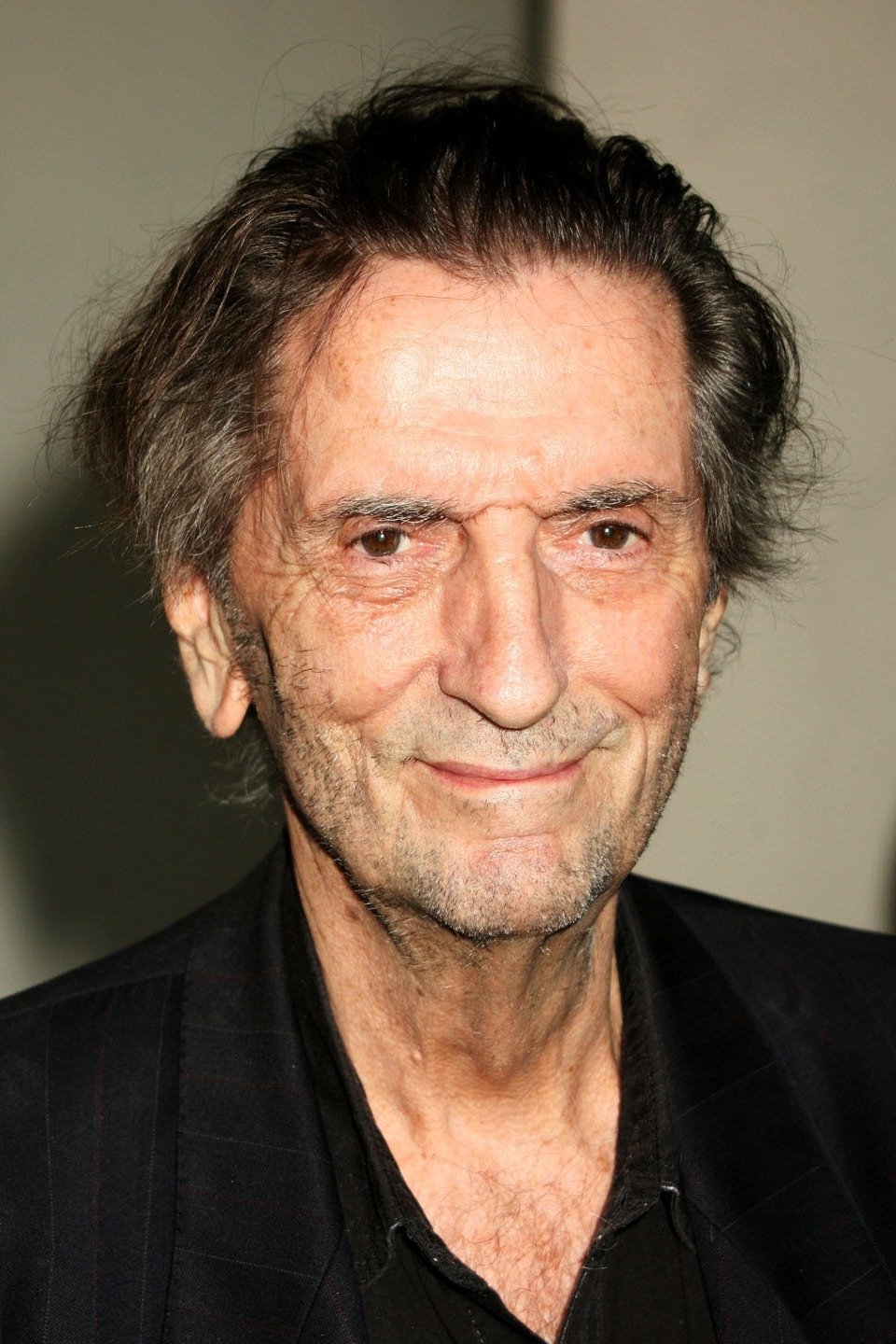
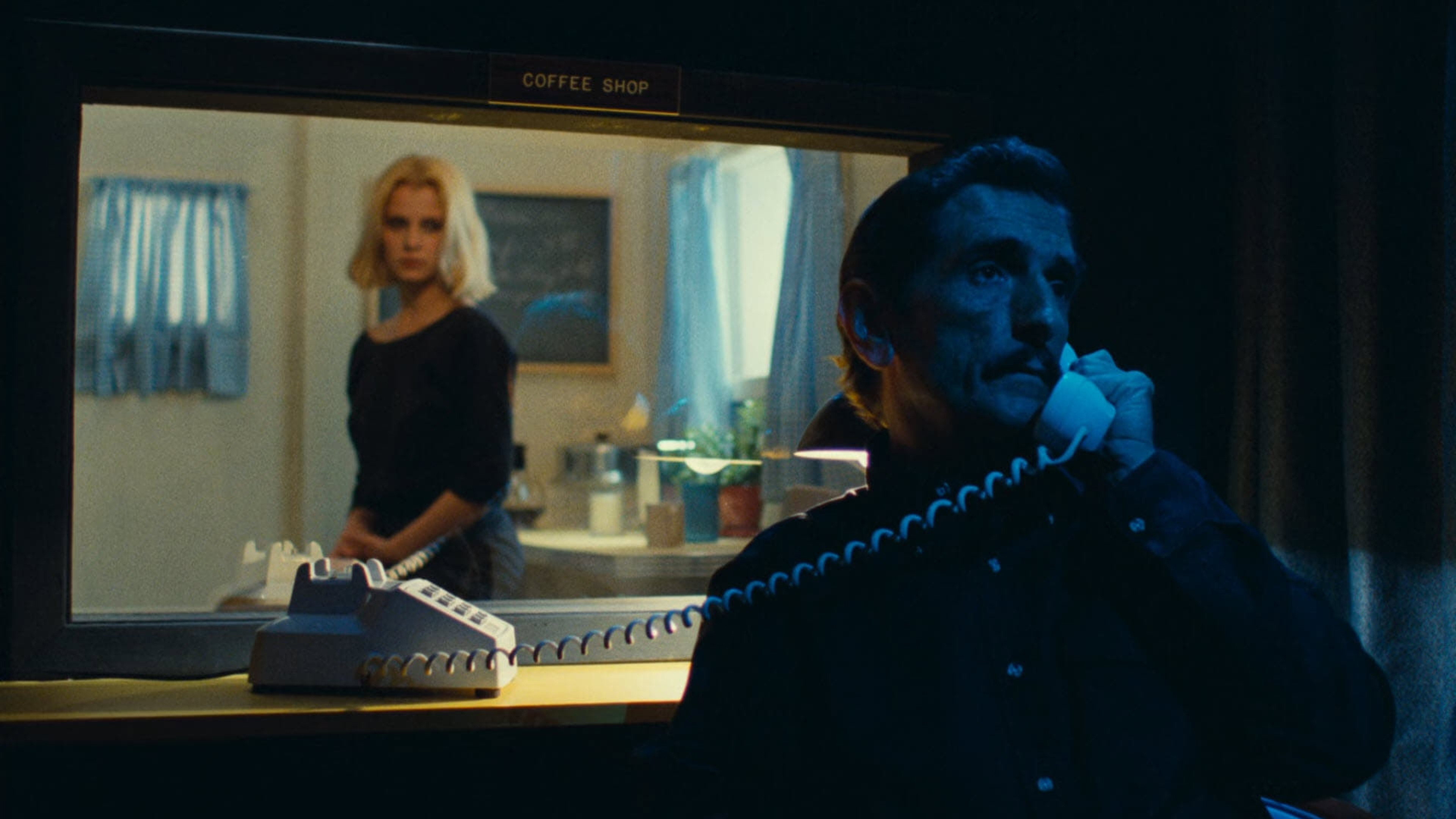
Wim Wenders makes a deeply moving drama from a drifter’s attempt to reunite his family. Harry Dean Stanton gives it an uncomfortable honesty, though the patient pace occasionally asks more than it needs to.
Wim Wenders makes the road seem a plausible place to go when staying with other people has become difficult. Paris, Texas follows a drifter trying to reunite his family, and it is deeply moving without making him easy company. Harry Dean Stanton gives Travis a reserve that makes us want to listen. Wenders is prepared to wait for him. Across 145 minutes, that patience occasionally becomes excessive, but the performances justify the time far more often than the scenery does.
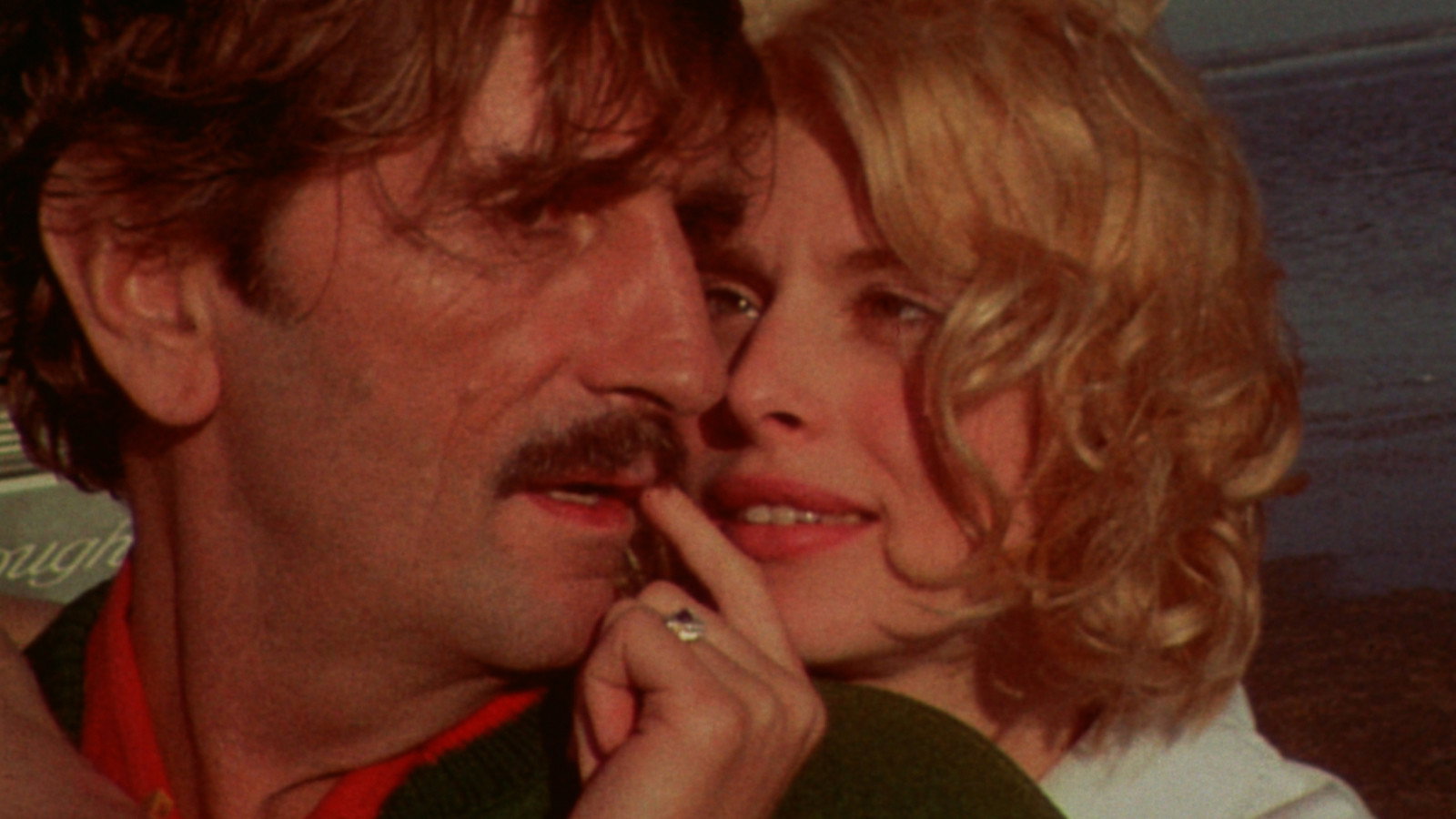
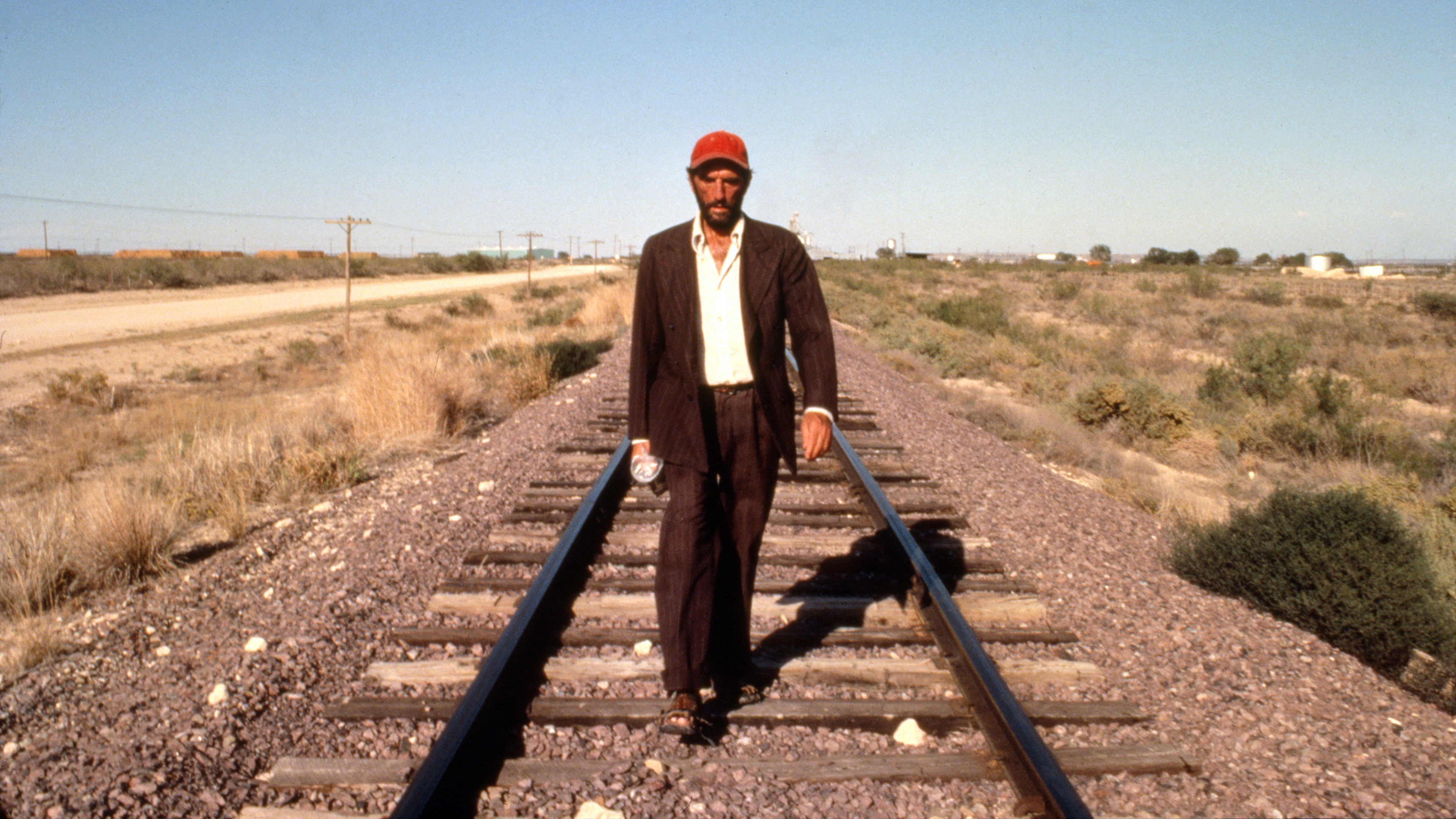
Stanton’s restraint is the chief reason to stay. A performance this quiet can leave the audience doing all the work, but he makes Travis’s difficulty with other people feel particular. We were moved more than we expected by the effort he seems to put into saying little. The hesitations suggest someone for whom conversation has become hard work, even before there is anything painful to discuss. Wenders gives that discomfort room, and Stanton does not make Travis more agreeable simply because he is hurt.
The writing, credited to Sam Shepard and L.M. Kit Carson, is strongest when it lets ordinary language carry unpleasant feelings. The words remain plain enough that we can hear the difficulty underneath them. The spare dialogue makes us attend to what a person can bring themselves to say, and how much they expect someone else to understand. Nastassja Kinski’s Jane is essential here. Her performance makes it harder to settle into the comfortable business of feeling sorry for Travis alone.
Dean Stockwell’s Walt and Aurore Clément’s Anne help keep the film within reach of ordinary life. Their performances discourage us from treating Travis as a romantic mystery whose unhappiness excuses everything. Hunter Carson’s Hunter brings a welcome directness beside the guarded adults. Wenders needs that difference in temperament: sustained attention to one withdrawn man could become oppressive, and the supporting actors give us other people whose feelings deserve consideration.
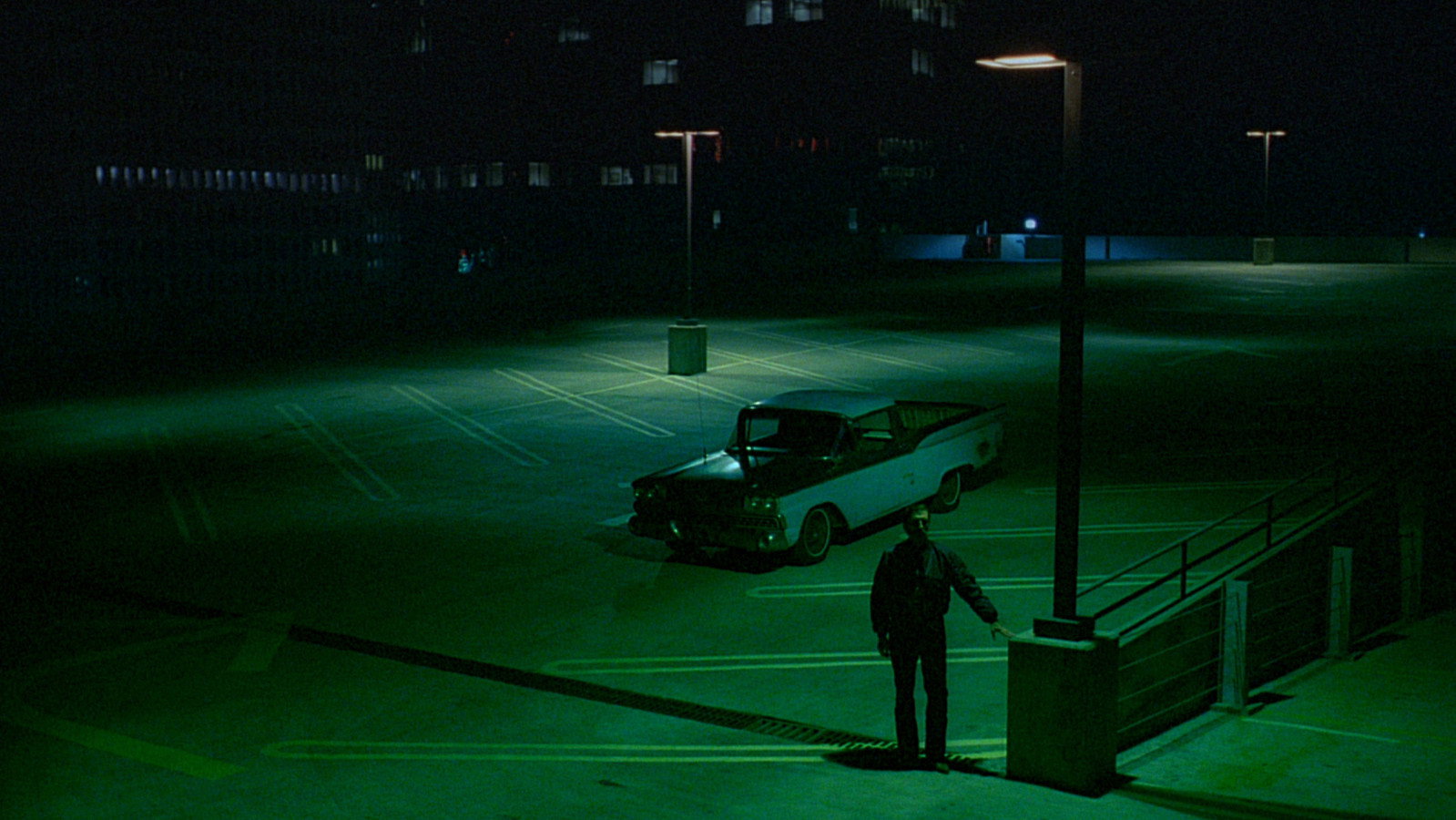
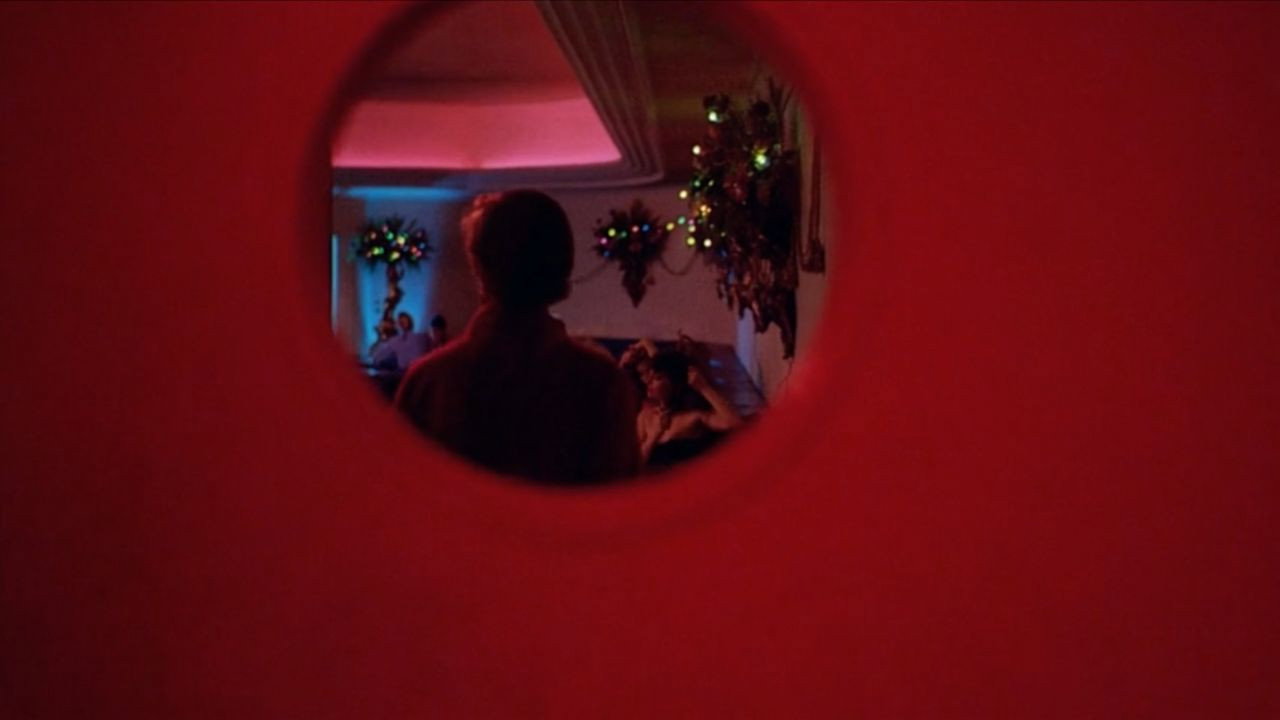
Robby Müller’s cinematography makes the American landscape look unfamiliar without making it seem unreal. The panoramic views invite us to linger, and their scale makes the human loneliness feel harder to escape. So much open country offers little suggestion of company. It is a familiar road-film idea, handled with enough care to make it felt again. We can enjoy looking at this America and still understand why someone might struggle to live in it.
Peter Przygodda’s editing lets the actors take their time, which is usually the right decision. The trouble comes when an unhurried stretch no longer deepens our understanding of them, and a firmer cut would have helped. Ry Cooder’s music sustains our attention even then. Its sadness makes us feel for Travis when he is offering little help, and it gives the quieter passages an emotional force they might otherwise lack. Cooder can make the hurt audible while Stanton keeps the performance restrained.
A road film can become satisfied with finding another view, another reason to keep travelling. Wenders stays interested in the awkward work of approaching another person, which makes the journey matter. Our reservation is the time he sometimes takes to establish feelings we have already understood. Give it an evening without interruptions; these performances deserve better than being caught between conversations.