Walter Salles’s Central Station is a moving road drama carried by Fernanda Montenegro and Vinícius de Oliveira. Their prickly companionship makes a familiar story persuasive, though the film sometimes presses harder for tenderness than it needs to.
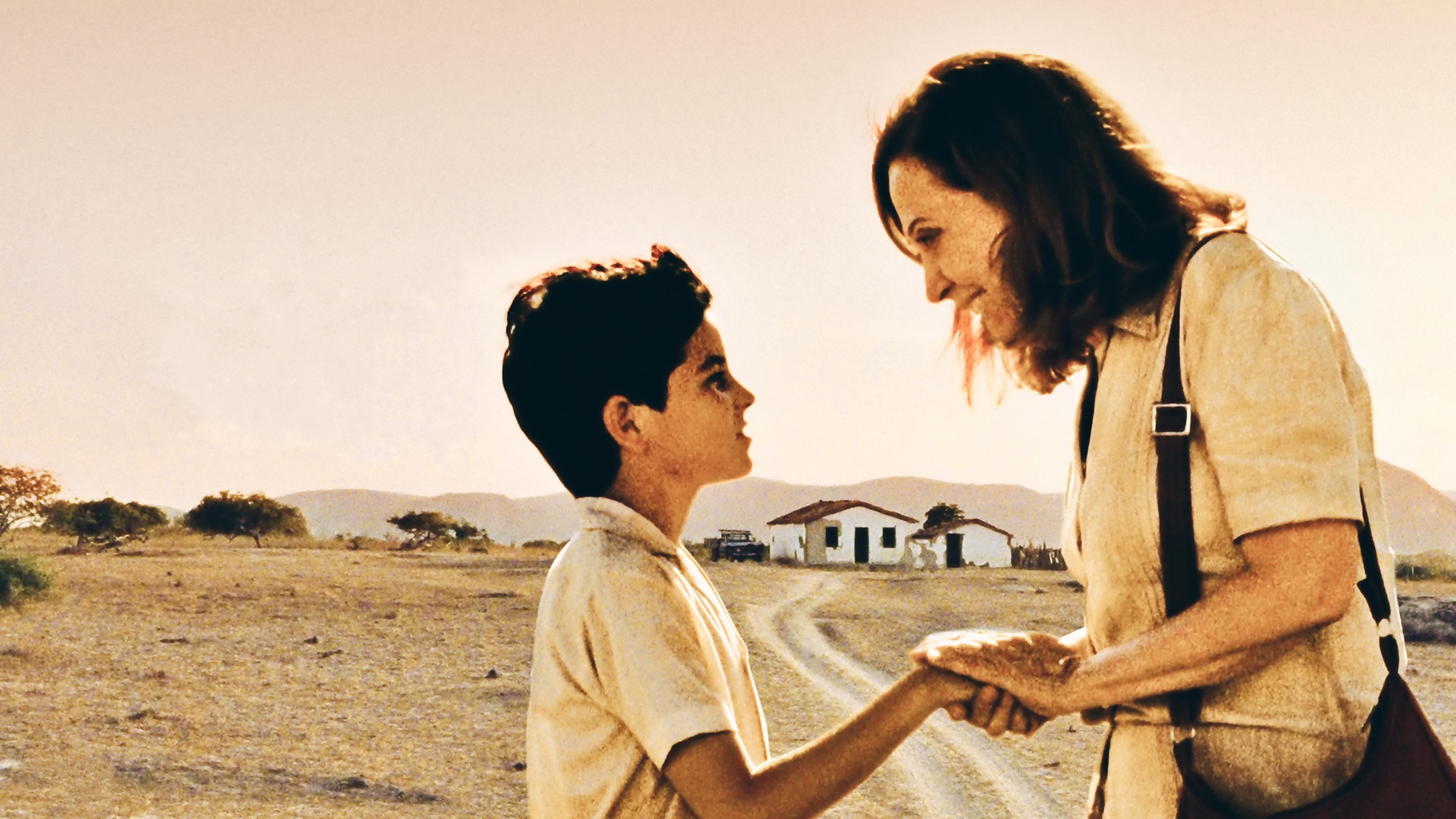
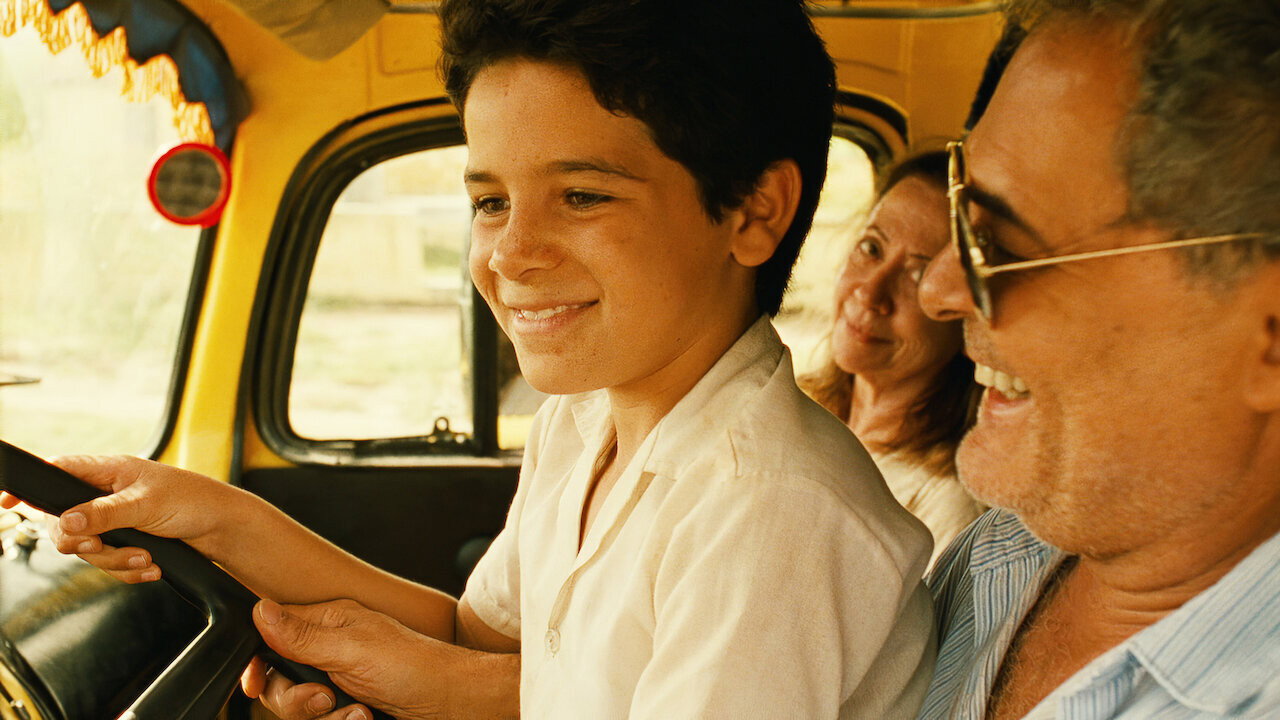
Central Station is a moving film about two people who give each other good reasons to keep their distance. Walter Salles takes the familiar road-drama arrangement of a guarded adult and a child in need, then allows both to be disagreeable. Dora, a former teacher who writes letters for others, joins Josué in the search for his father across Brazil. The pleasure is in how little Fernanda Montenegro and Vinícius de Oliveira do to soften the friction between them, even when the story’s direction seems clear.
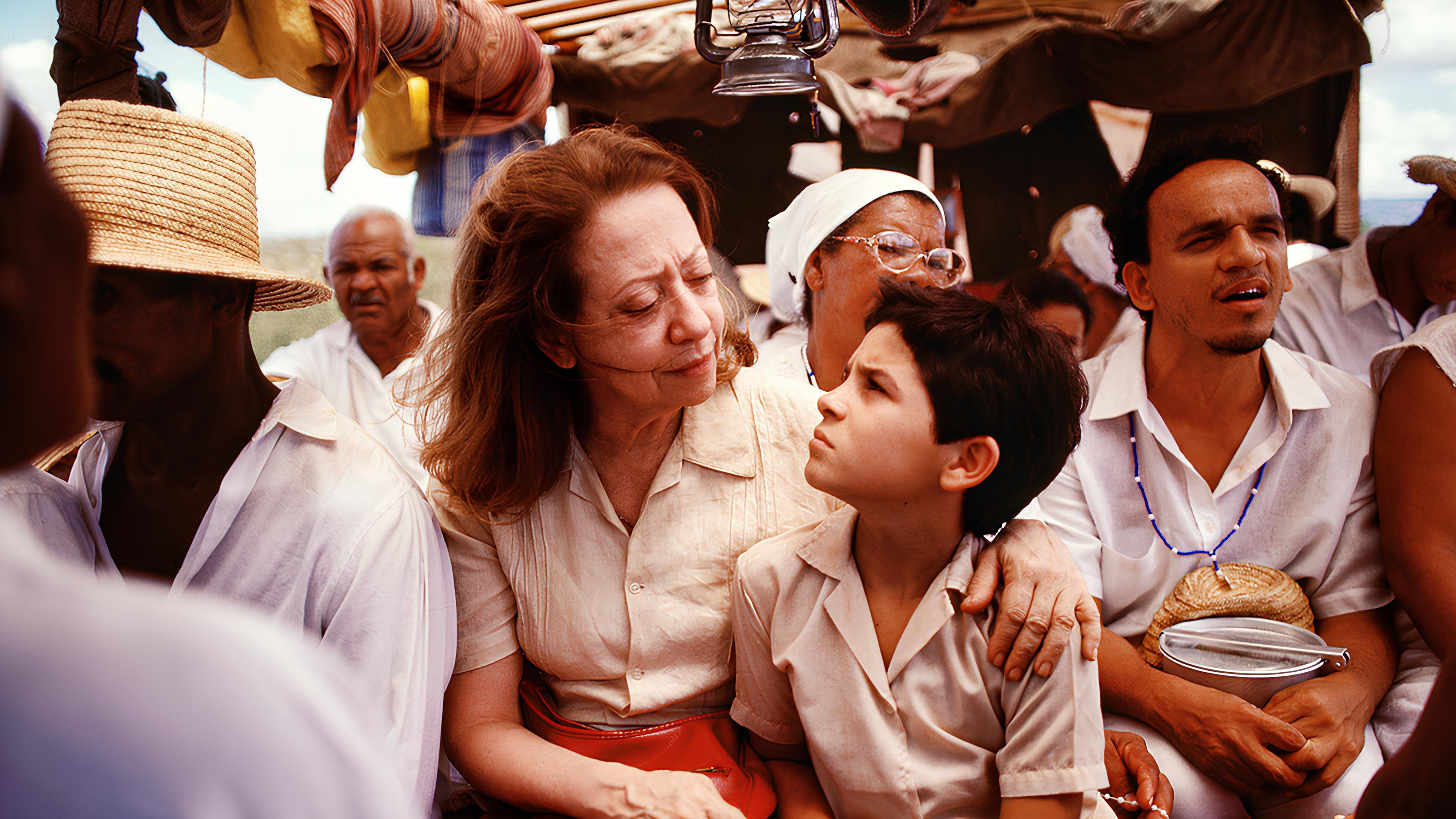
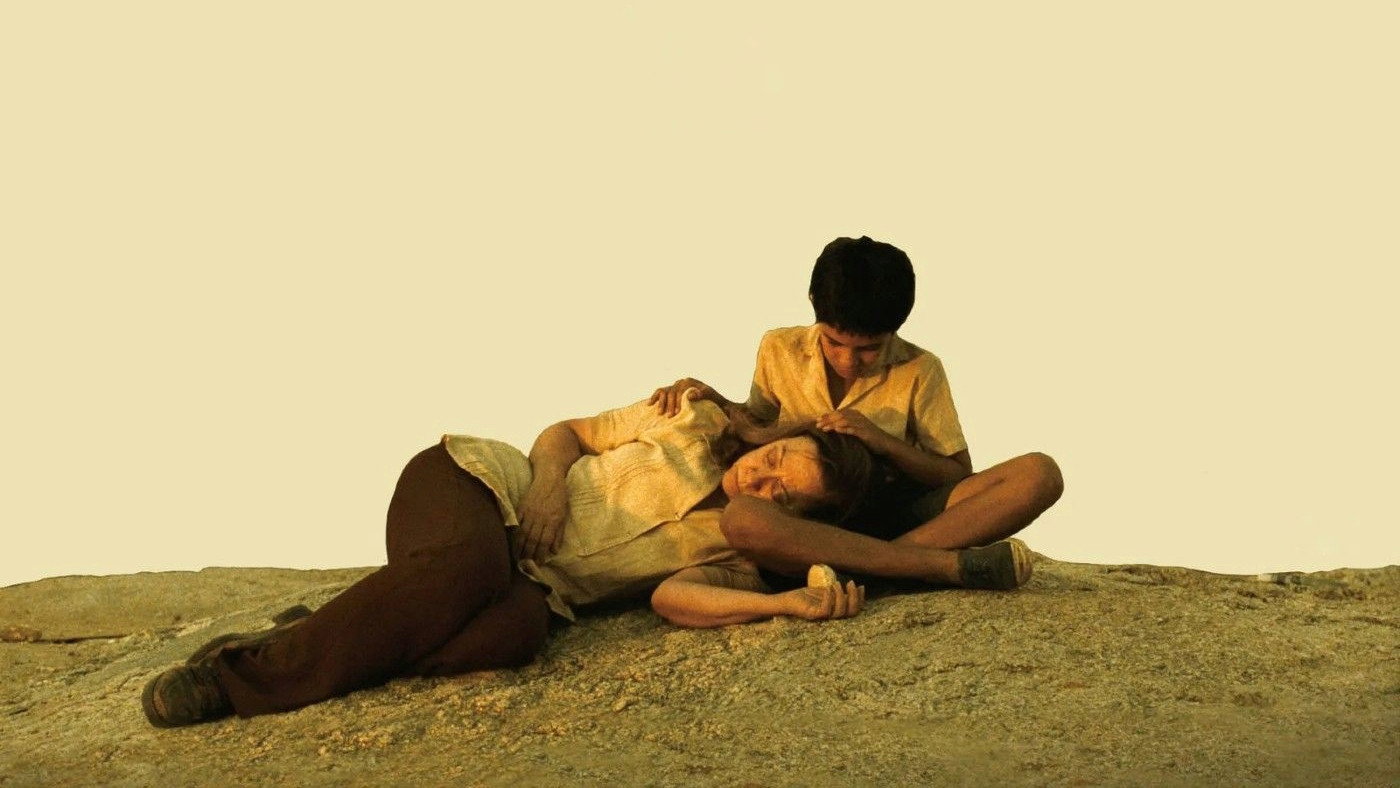
Montenegro makes Dora’s selfishness uncomfortable enough that we cannot simply file her under lovable grump. We laughed at Dora’s sharpness with Josué, then felt uneasy about how readily we had taken her side. Montenegro allows the selfishness to remain visible even when Dora is funny. Oliveira holds his own by letting the boy be stubborn rather than making him a patient lesson in goodness. They are convincing travelling companions because their irritation has as much weight as their need for company.
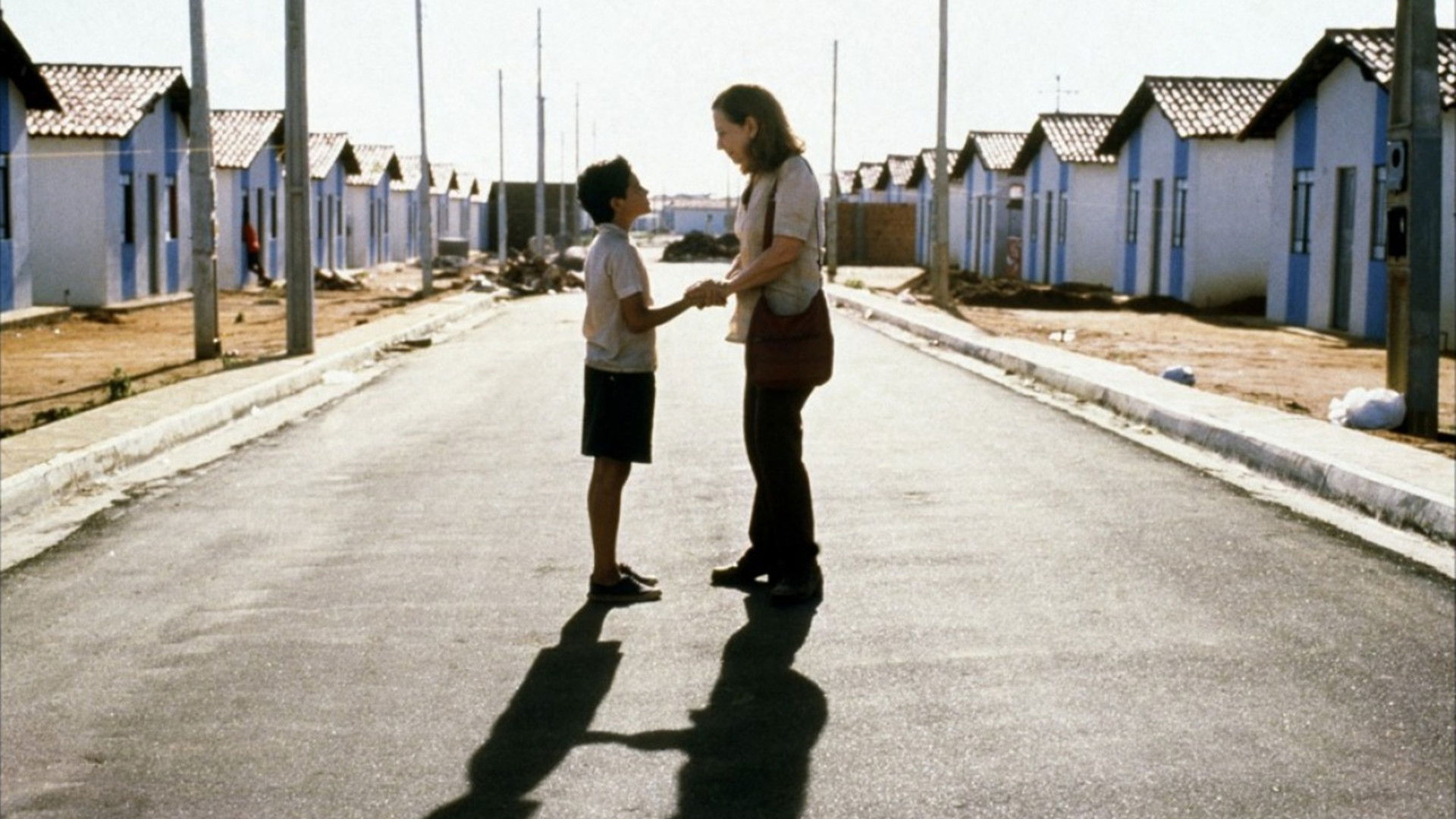
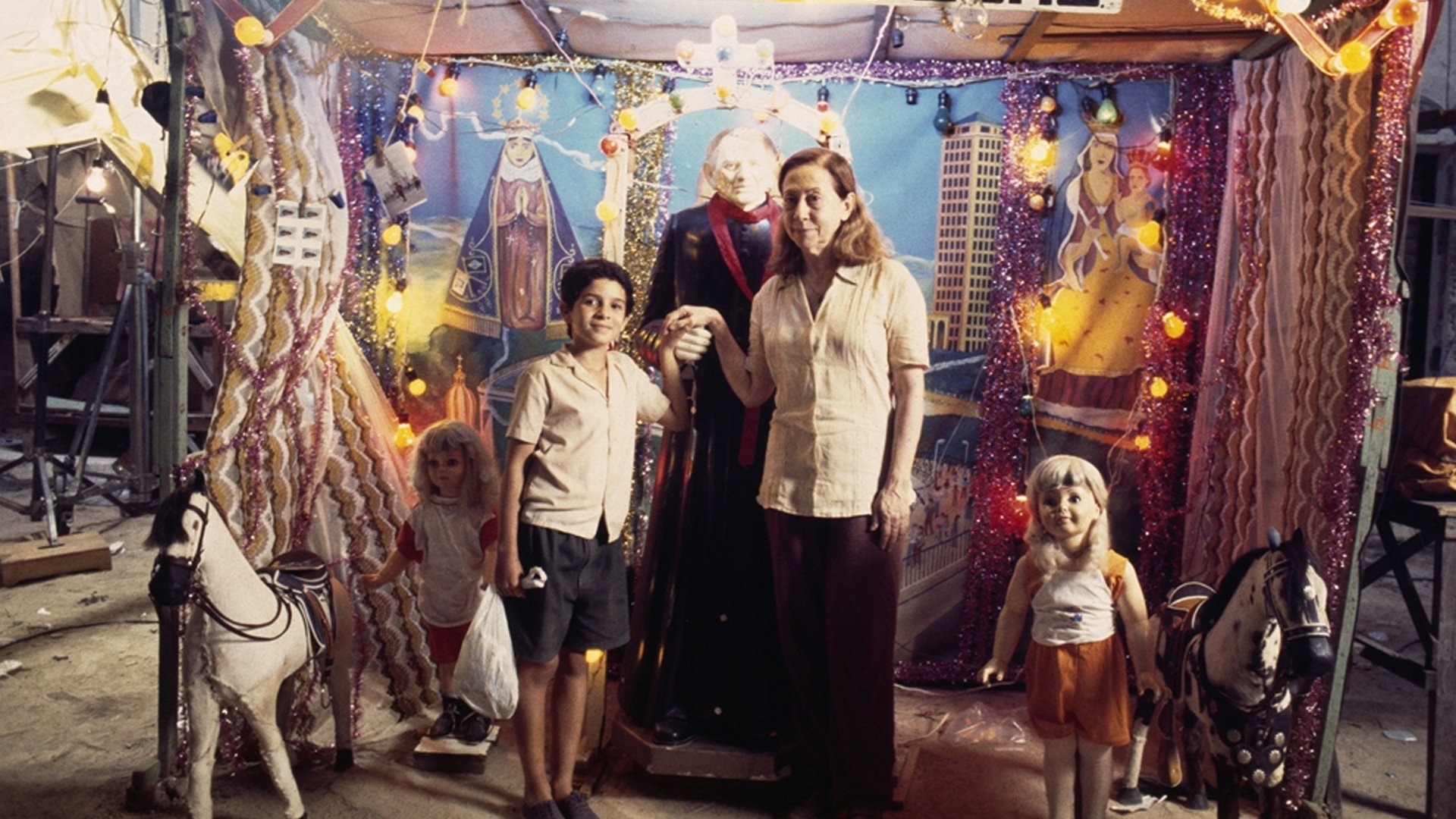
Walter Carvalho’s cinematography is attentive to the unglamorous places along the route, as well as to the Brazilian landscape. The journey has a strong sense of distance, and Salles’s documentary-style approach keeps us interested in the communities along the way. Production designers Cassio Amarante and Carla Caffé help keep those surroundings convincingly ordinary. We believe that people live here when Dora and Josué are not passing through, and that their lives would be worth following too.
Editors Isabelle Rathery and Felipe Lacerda allow the relationship to change gradually, which is more important here than getting briskly to the next stop. At 111 minutes, the film gives the quarrels room without making the journey feel like a catalogue of obstacles. The music by Antonio Pinto and Jaques Morelenbaum is the element we would have liked to feel less insistently. It is effective at encouraging tenderness, but there are moments when Montenegro’s face has already done enough.
The reservations are mostly with the screenplay, credited to Salles, João Emanuel Carneiro and Marcos Bernstein. A search for an absent father gives the journey a clear purpose, but the prospect of a selfish adult learning to care is never difficult to recognise. Occasionally the story seems too determined to reassure us that these two belong together, when the actors have already made us interested in their resistance. The writing is strongest when it permits an unkind remark to remain unkind, without hurrying to explain it away.
As a road film, it offers few surprises in the basic arrangement; its distinction is how closely it watches the people doing the travelling. Its interest in faith, community and divided families extends beyond the question of whether Dora will become nicer. The people they meet are worth our attention, even when we can guess what the journey will do for its two central characters. Choose it for the actors, with a little patience for the script’s efforts to help them.