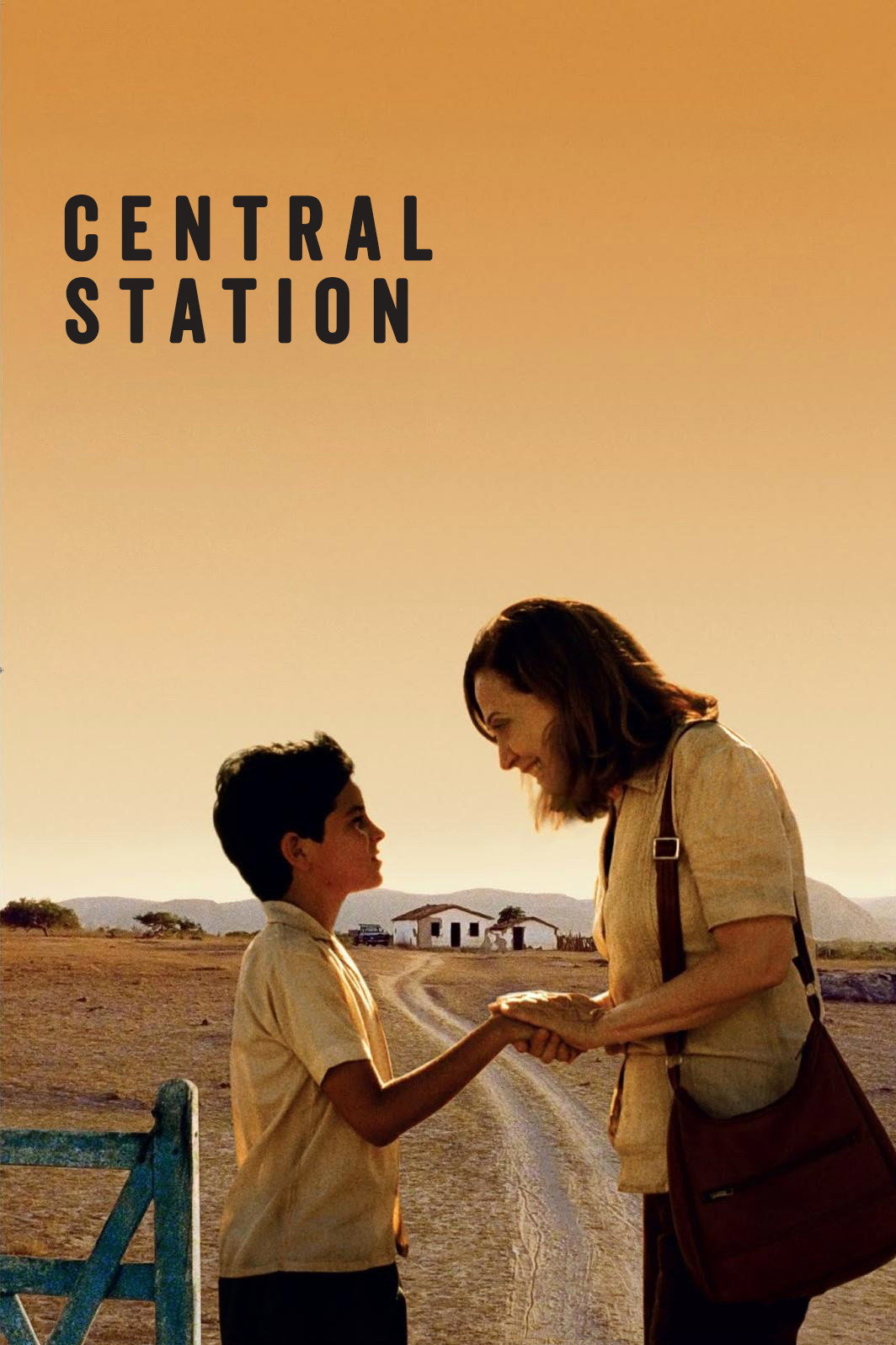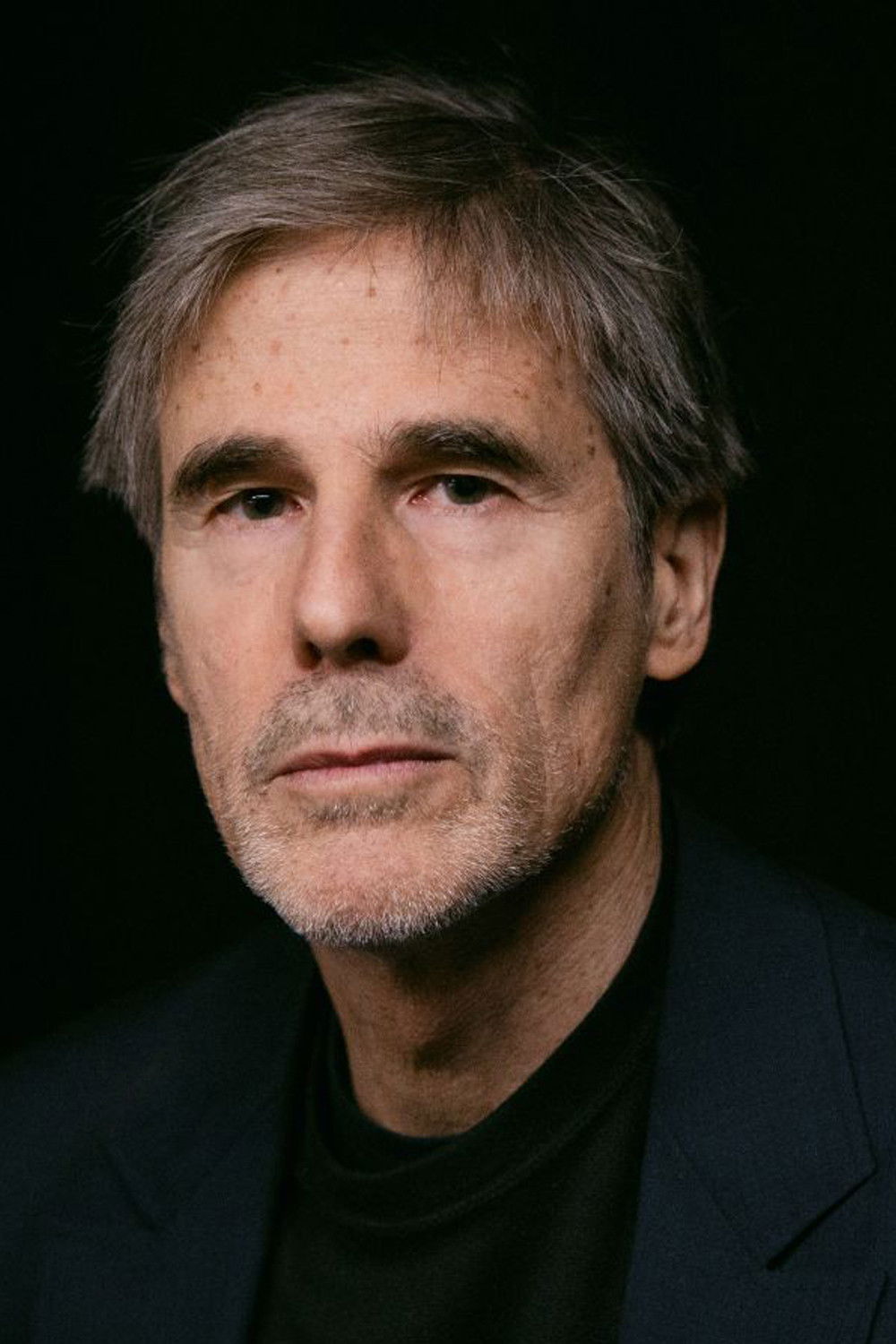
Walter Salles makes journeys matter by noticing the people along the route. We value his patience with difficult characters; Central Station shows how moving that can be, even when the writing presses too hard for tenderness.
Fi1m perspective
Dora and Josué do not make easy travelling companions in Central Station (1998), and Salles allows both to be disagreeable. Fernanda Montenegro and Vinícius de Oliveira resist making the guarded adult and the child immediately lovable. We were moved by their prickly companionship, because neither actor hurries to make the affection easy. We recommend Salles most readily when he gives actors this much room to be difficult.
His years in documentaries help explain that interest in the places around his characters. The move into fiction included Foreign Land (1995), co-directed with Daniela Thomas, before Central Station brought international recognition. Journeys recur in The Motorcycle Diaries (2004) and On the Road (2012), the latter adapted from Kerouac. The road gives him a reason to look beyond his leading characters, which is where much of our interest lies.
In Central Station, Walter Carvalho’s cinematography attends to the unglamorous places along the route as carefully as it does the Brazilian landscape. There is a persuasive sense of distance, with time to notice the communities through which Dora and Josué travel. Production designers Cassio Amarante and Carla Caffé keep the surroundings ordinary enough to suggest lives continuing beyond the pair’s visit. These places stop the search for Josué’s father from becoming a story that could happen anywhere.
The screenplay, credited to Salles, João Emanuel Carneiro and Marcos Bernstein, is less patient. The prospect of a selfish adult learning to care is familiar, and the writing sometimes reassures us too quickly that the pair belong together. That pressure for tenderness is our reservation about a film we otherwise warmly recommend. Montenegro and de Oliveira have already made the friction interesting; the story need not keep explaining why we should care.
His career has also taken him to the English-language Dark Water (2005), though the journey films remain the clearest guide to his interests. After a period focused on documentaries, he returned to fiction with I’m Still Here (2024). For a first encounter, we would choose Central Station. Allow for the script’s occasional nudges towards tenderness; Montenegro and de Oliveira need no such assistance.
Biography
Walter Salles is a Brazilian film director and screenwriter. He was born on 12 April 1956 in Rio de Janeiro.
Salles studied economics at the Pontifícia Universidade Católica in Rio de Janeiro before completing a degree in audiovisual communication at the University of California. He directed documentaries for a decade before making his first feature films. He gained international recognition with Central Station (1998), which he directed and for which he provided the original story; the film won the Golden Bear at the Berlin International Film Festival.
His subsequent credits include Behind the Sun (2001), The Motorcycle Diaries (2004), On the Road (2012) and I'm Still Here (2024). The latter received an Academy Award for Best International Feature Film.