Film review

The Motorcycle Diaries

2004 · Directed by Walter Salles · 2h 06m · MPA R

In a sentenceYoung Che gets good company, fine scenery and the benefit of almost every doubt

Drama

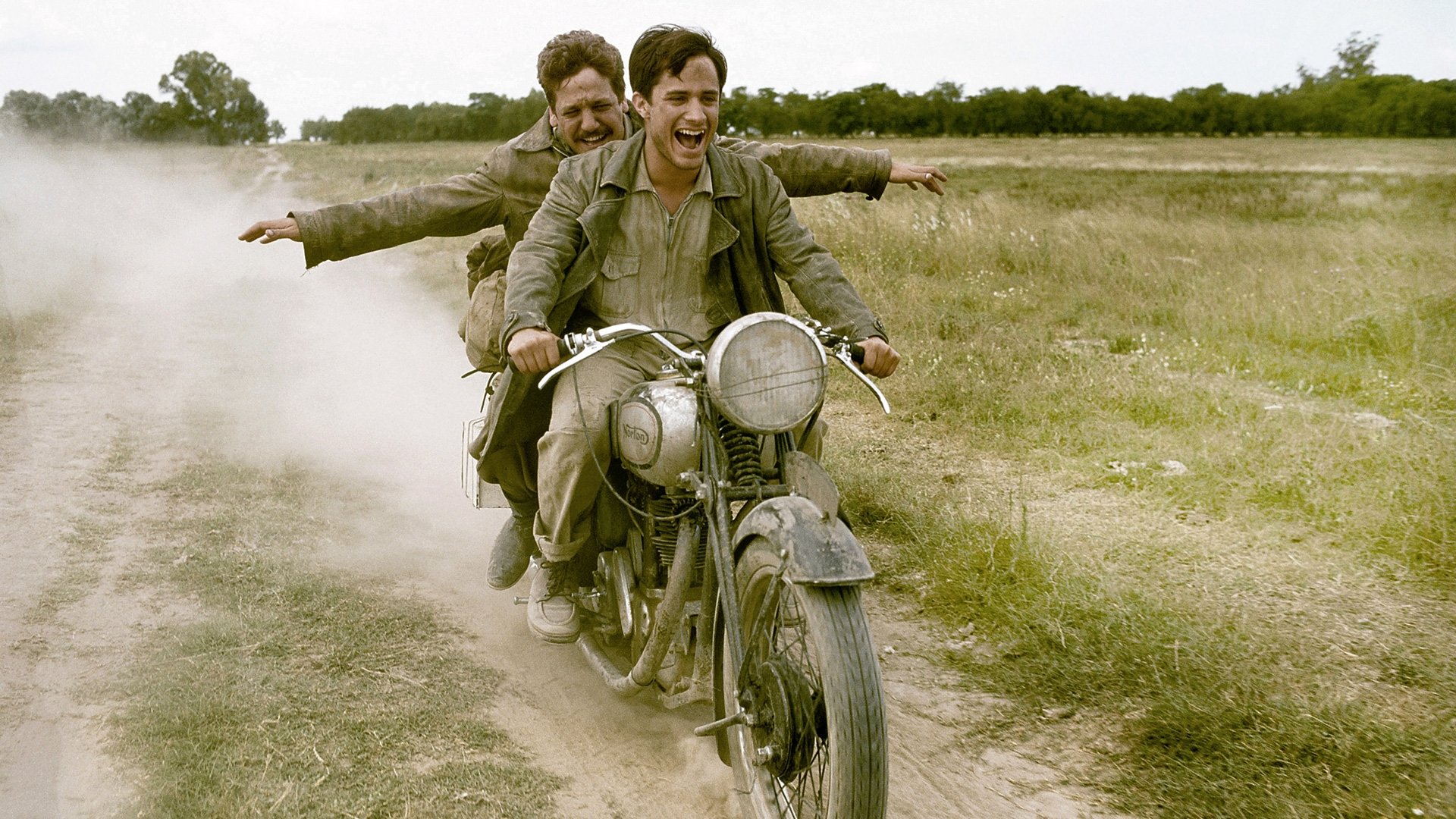
Ernesto Guevara (Gael García Bernal) travels through South America with his friend Alberto Granado (Rodrigo de la Serna). Their journey brings them into contact with people whose circumstances differ from their own. The two companions share the pleasures of travel while encountering poverty and social divisions that begin to change how Ernesto sees the continent. Before the man known as Che becomes a revolutionary, he begins to question what he sees around him. The story follows the friendship alongside the development of his social conscience.

Plays from YouTube when you press play; nothing loads from them until then.

Fi1m review

Walter Salles’s road film is warm and affecting, with Gael García Bernal and Rodrigo de la Serna convincing as travelling companions. Its affection for young Guevara sometimes discourages harder questions.

Walter Salles’s The Motorcycle Diaries is a good, affecting road film that is sometimes too eager to approve of its famous passenger. It follows the young Ernesto Guevara and his friend Alberto Granado through South America, where encounters with poverty begin to change Ernesto’s outlook. Salles gives the pair time to enjoy one another’s company before asking us to consider what the journey means. That patience is welcome, although the film becomes noticeably more cautious when there are difficult questions to ask about its subject.

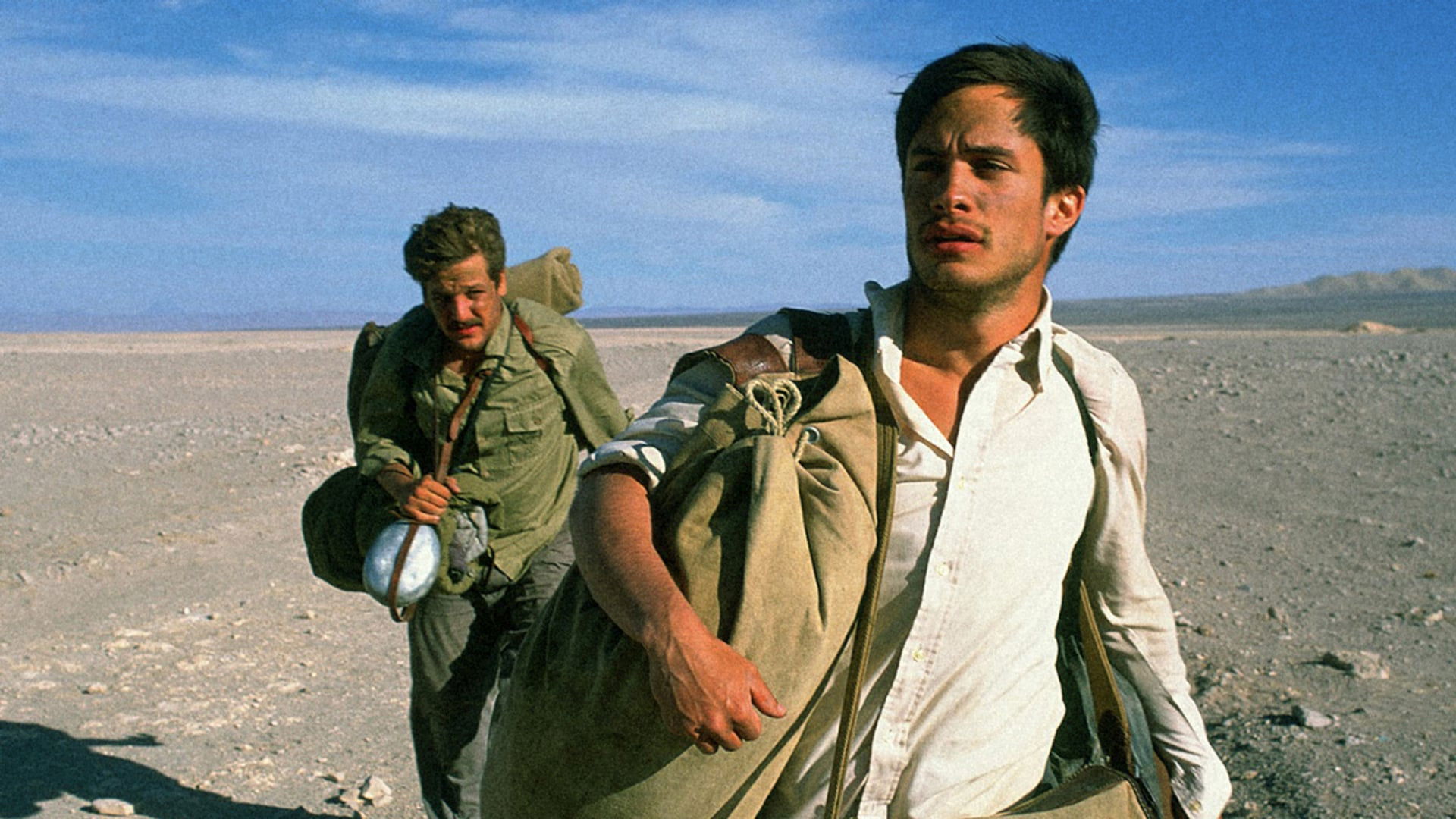
Gael García Bernal makes Ernesto’s seriousness appealing without turning every moment into an announcement about the man he will become. His performance is watchful and unshowy, and it leaves room for Rodrigo de la Serna’s Alberto Granado to matter. De la Serna gives the companionship enough ease that we believe these men would choose to spend so much time together. Neither actor strains to make the friendship important. The pleasure of being in one another’s company is there before the film starts asking them to learn from the people they meet.

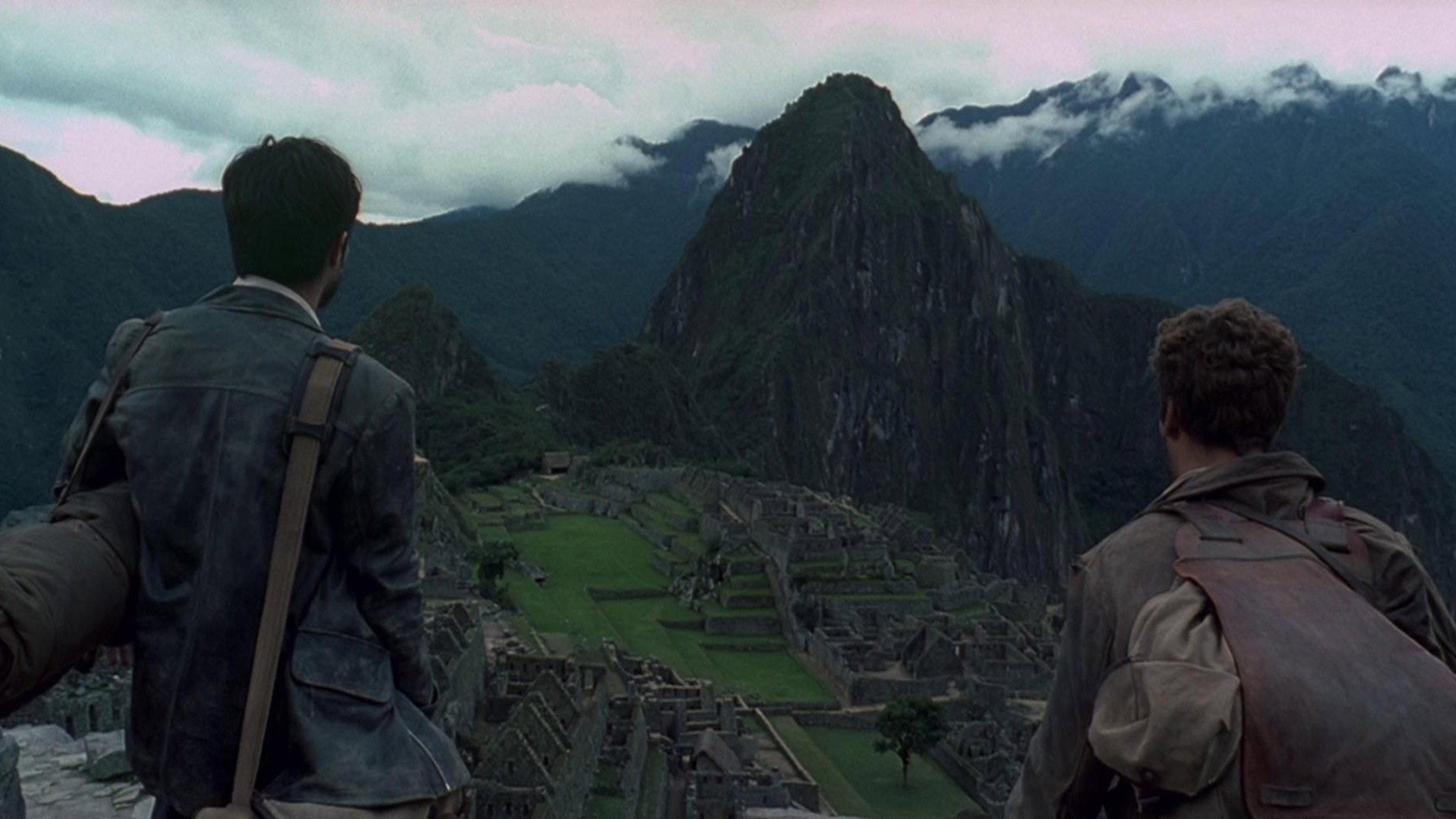
Éric Gautier’s cinematography lets us enjoy the distance covered and the changing surroundings, which helps the travel hold our interest without a constant supply of incidents. Carlos Conti’s production design keeps the places they visit from feeling like exhibits assembled for a biographical lesson. We can look past Ernesto and Alberto and imagine people continuing their lives after the travellers have gone. The handsome images do carry a risk, though: hardship can become something pleasant to contemplate from a comfortable seat.

Daniel Rezende’s editing allows the encounters to settle instead of pushing us straight towards their consequences for Ernesto. At 126 minutes, the film has room for that approach, but some stretches linger after the point has registered. Gustavo Santaolalla’s music is well suited to Salles’s gentleness, giving the reflective passages feeling without making them sound like declarations. It helps sustain interest when the pace slackens, although music cannot make each new stage of the young man’s education equally revealing.

We were moved by Ernesto’s growing attention to the poverty around him. García Bernal makes that concern feel newly discovered, without the self-satisfaction of someone who arrived knowing all the answers. Jose Rivera’s screenplay understands the discomfort of finding that other people’s lives are harder than one’s own, but it is reluctant to examine the conclusions Ernesto draws. The film puts considerable faith in his decency. There are moments when another encounter tells us little more than that he cares, and we have already understood that.

A road film need not provide a political education, and Salles is right to resist turning the journey into a series of lectures. But choosing Guevara gives these experiences a historical importance that the writing does not always earn. The people the companions meet occasionally seem to have been included chiefly to improve Ernesto, when their own lives invite attention. That limits a film whose interest in other people is otherwise so persuasive. Watch it for the friendship; an argument about Guevara will still be waiting afterwards.
Critical consensus AI synthesised

68
Positive
9
Mixed
0
Negative
3

Most critics respond warmly to Walter Salles’s account of the young Ernesto Guevara’s journey, praising its gentle approach to his growing social conscience. The strongest agreement concerns the charismatic performances of García Bernal and de la Serna, whose friendship gives the travelogue much of its feeling. The photography, locations and attention to encounters along the route also draw praise, with favourable reviews finding political awakening conveyed through people and places rather than speeches.

The divide is sharp over how much this sympathetic portrait explains. Even some admirers acknowledge sentimentality and idealisation, while the negative reviews see a more fundamental lack of curiosity about Guevara’s complexity. RogerEbert.com finds the journey tedious and the character development too thin to make his conversion convincing. Slant Magazine goes further, arguing that the glossy treatment of poverty and politics reduces Guevara to an appealing, simplified figure.

Screen Daily
19 January 2004 · festival review
85*

The critic describes the film as a stirringly compassionate road movie that illuminates the young Guevara's personal odyssey and political awakening through vivid human and geographical details rather than myth-making. It singles out the likeable lead performances and the way the story documents the companions' growing awareness of social realities without conventional biopic clichés.

Read the full review →
The New York Times
24 September 2004 · A. O. Scott
85*

Salles's warm-hearted reconstruction captures the quickening of Ernesto's youthful idealism and the turning of his passionate nature toward radical commitment with startling clarity and delicacy. The film risks idealizing its subject but remains faithful to its sources.

Read the full review →
Variety
19 January 2004 · festival review · Todd McCarthy
85*

Salles' best film to date is a beautifully wrought, intelligently made account of the dawning of Guevara's social conscience that is artful but not arty and political without being didactic. Thesping is strong but unflashy, with Garcia Bernal and de la Serna delivering fine performances.

Read the full review →
Empire
· Alan Morrison
80*

The critic praises how the film focuses on the young Ernesto Guevara's awakening sympathies during his Latin American journey rather than mythologizing Che, crediting Salles, the screenwriter and lead actor for this approach. It excels as a travelogue, biography and portrait of friendship fused into an affecting whole, with added authenticity from on-location shooting.

Read the full review →
Los Angeles Times
24 September 2004 · Kenneth Turan
80*

This is the quietest, most meditative motorcycle movie ever made, a soulful and reflective film that movingly presents how Guevara came to believe a true revolutionary is guided by great feelings of love. Walter Salles was the right choice to direct a film that unfolds gently without pushing too hard.

Read the full review →
The Guardian
27 August 2004 · Peter Bradshaw
80*

The critic praises Salles's biopic for its beautiful photography and charismatic performances, highlighting the journey's exploration of poverty and idealism in pre-revolutionary Che. He notes it sentimentalizes Che but captures the youthful testament well.

Read the full review →

Cast

Stills

Awards

Academy Awards, 2005

Nominated
Best Writing, Adapted Screenplay
Won
Best Original Song

British Academy Film Awards, 2005

Won
British Academy Film Awards

Film Independent Spirit Awards, 2005

Won
Film Independent Spirit Awards

Goya Award for Best Adapted Screenplay, 2005

Won
Goya Award for Best Adapted Screenplay

Cannes Film Festival, 2004

Won
Cannes Film Festival

European Film Award for Best Non-European Film, 2004

Nominated
European Film Award for Best Non-European Film

François Chalais Prize, 2004

Won
François Chalais Prize

San Sebastián International Film Festival, 2004

Won
San Sebastián International Film Festival

If you liked this, try…