Alfonso Cuarón’s sexually frank road film is funny, humane and carried by three persuasive performances. The social commentary occasionally feels too carefully inserted, but Maribel Verdú makes its challenge to the boys’ self-importance convincing.
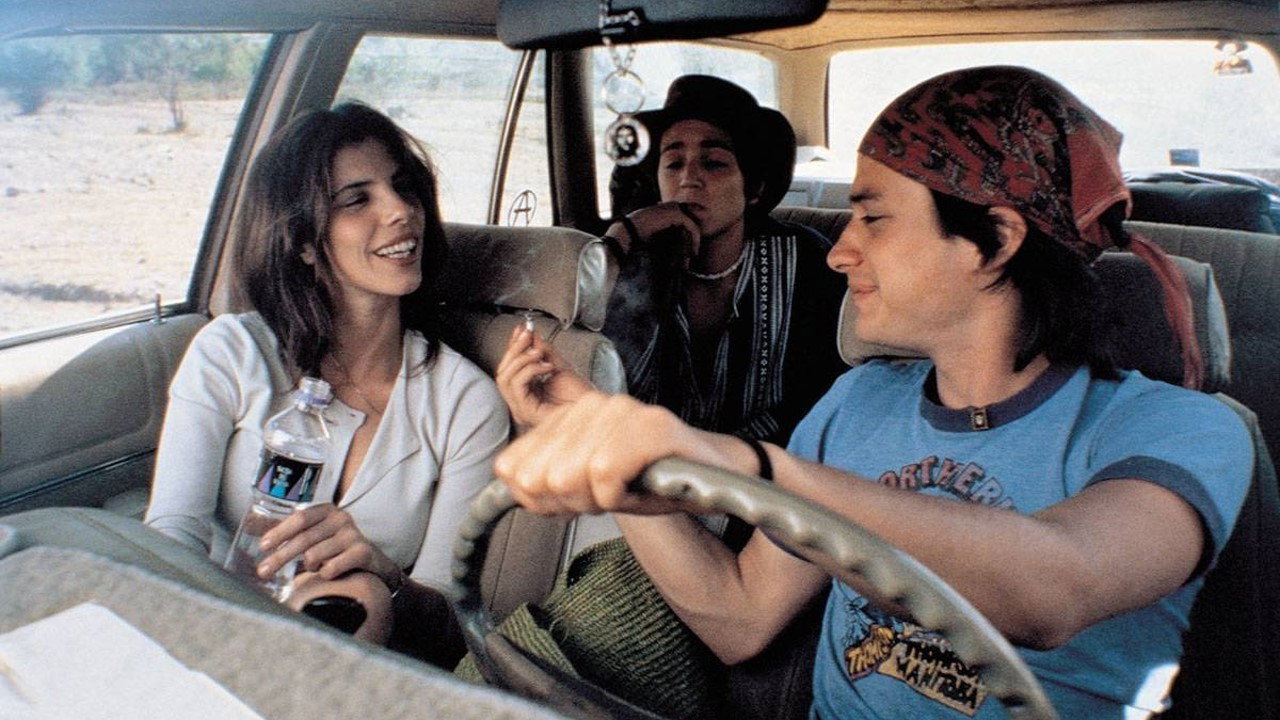
Y Tu Mamá También is frank, funny and unusually attentive to how foolish people can be while taking themselves seriously. We recommend it warmly, though its commentary on inequality occasionally interrupts the journey too insistently. Director Alfonso Cuarón sends two teenage boys and an older woman through Mexico, allowing their sexual preoccupations to take up plenty of space. He also keeps reminding us that other people live here. The boys are not always interested.
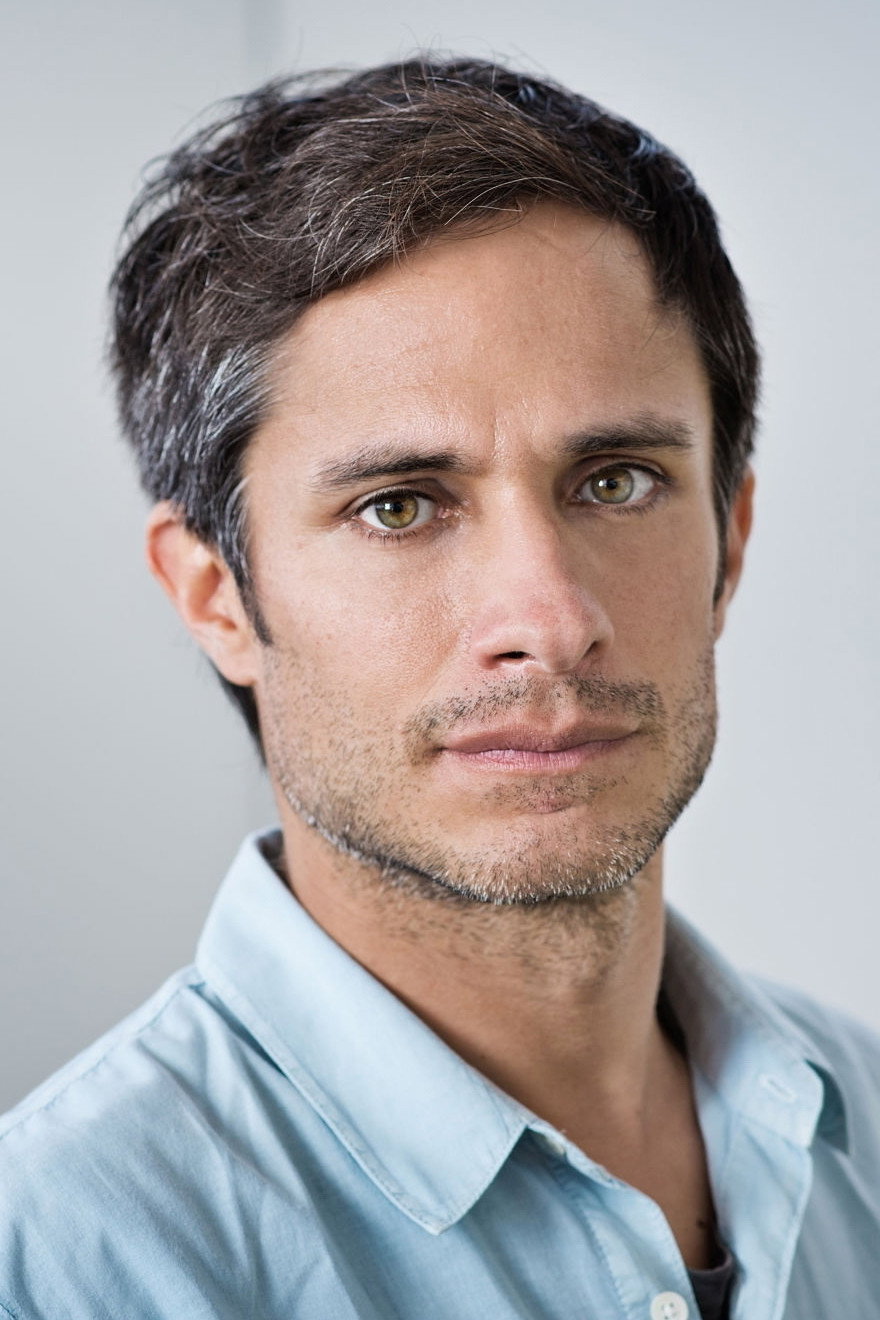
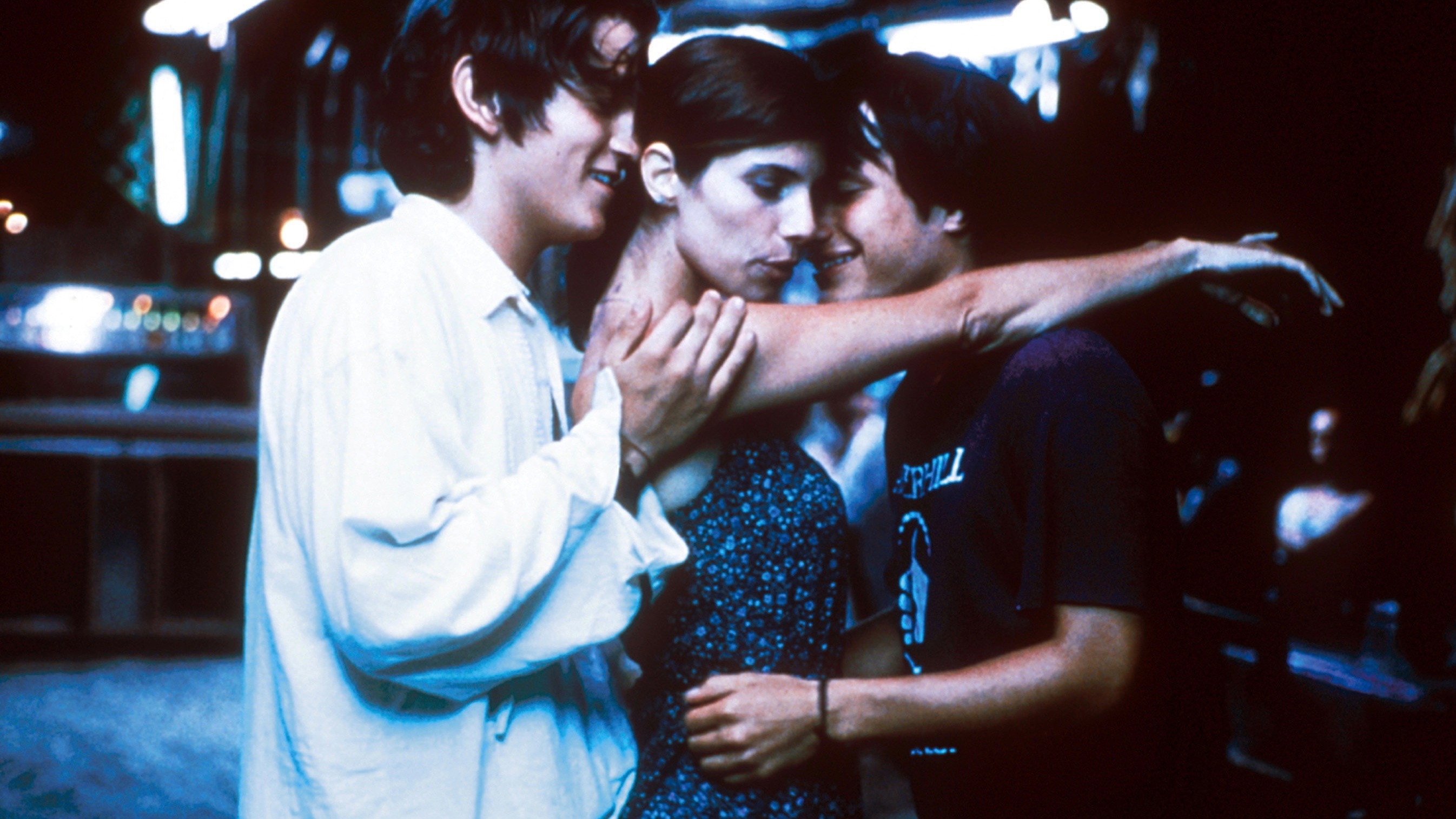
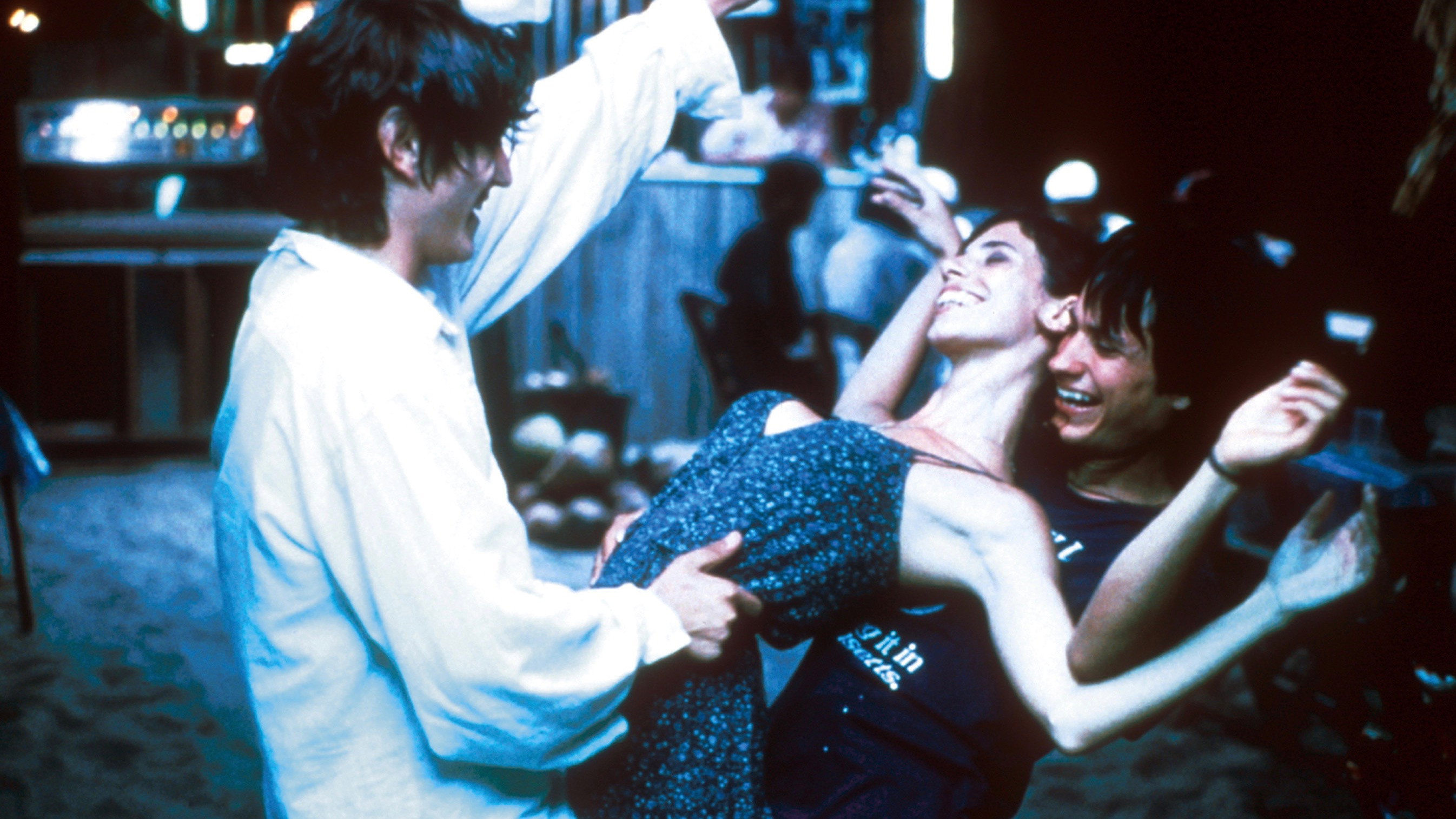
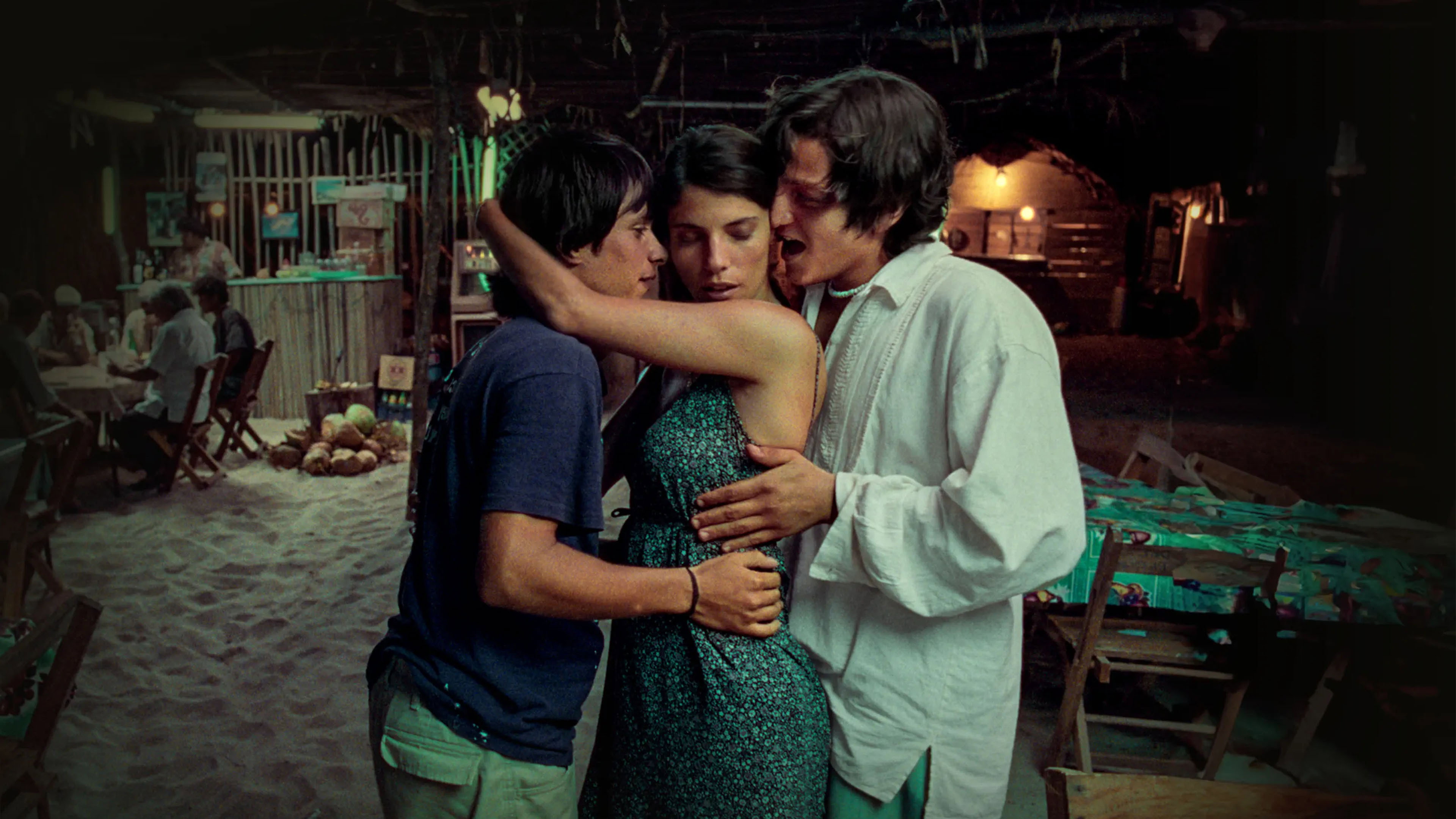
Gael García Bernal’s Julio and Diego Luna’s Tenoch make teenage confidence look exhausting to maintain. They are persuasive because the eagerness and the immaturity belong to the same people; neither actor stands outside the character to signal that he knows better. We laughed at the boys’ frantic approach to sex. Their impatience is funny, and Cuarón allows the embarrassment to register without treating desire itself as a joke. There is a welcome kindness in his willingness to let these young men look ridiculous without inviting us to despise them.
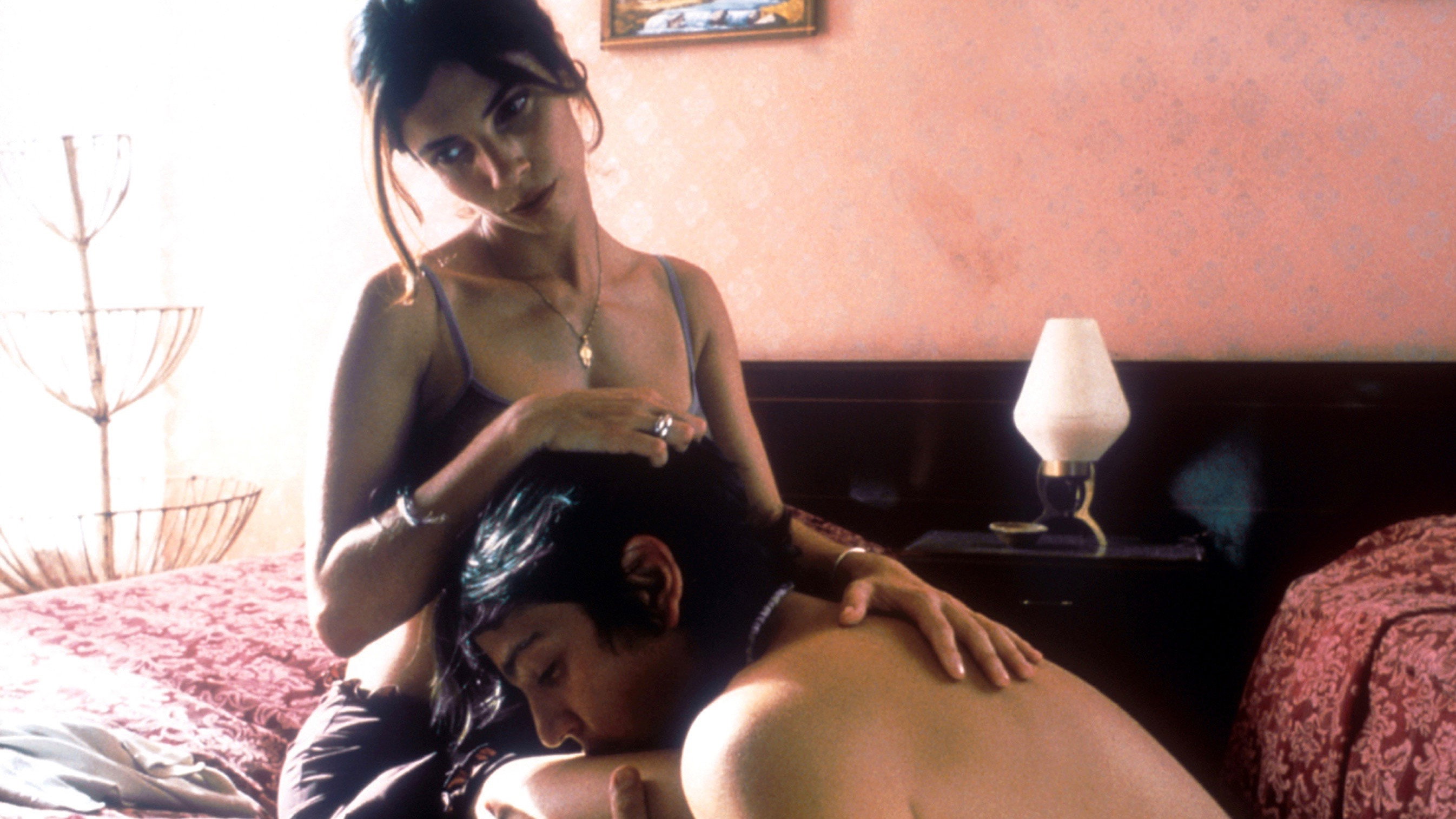
Maribel Verdú makes Luisa the person worth watching even when the boys are demanding our attention. The character could easily become a patient instructor, brought along to improve two young men at the cost of having a life herself. Verdú gives her enough authority to make that reading feel inadequate. She can participate in the sexual frankness without seeming to exist solely for their benefit. The film’s challenge to their masculinity works because she feels entitled to her own pleasure.
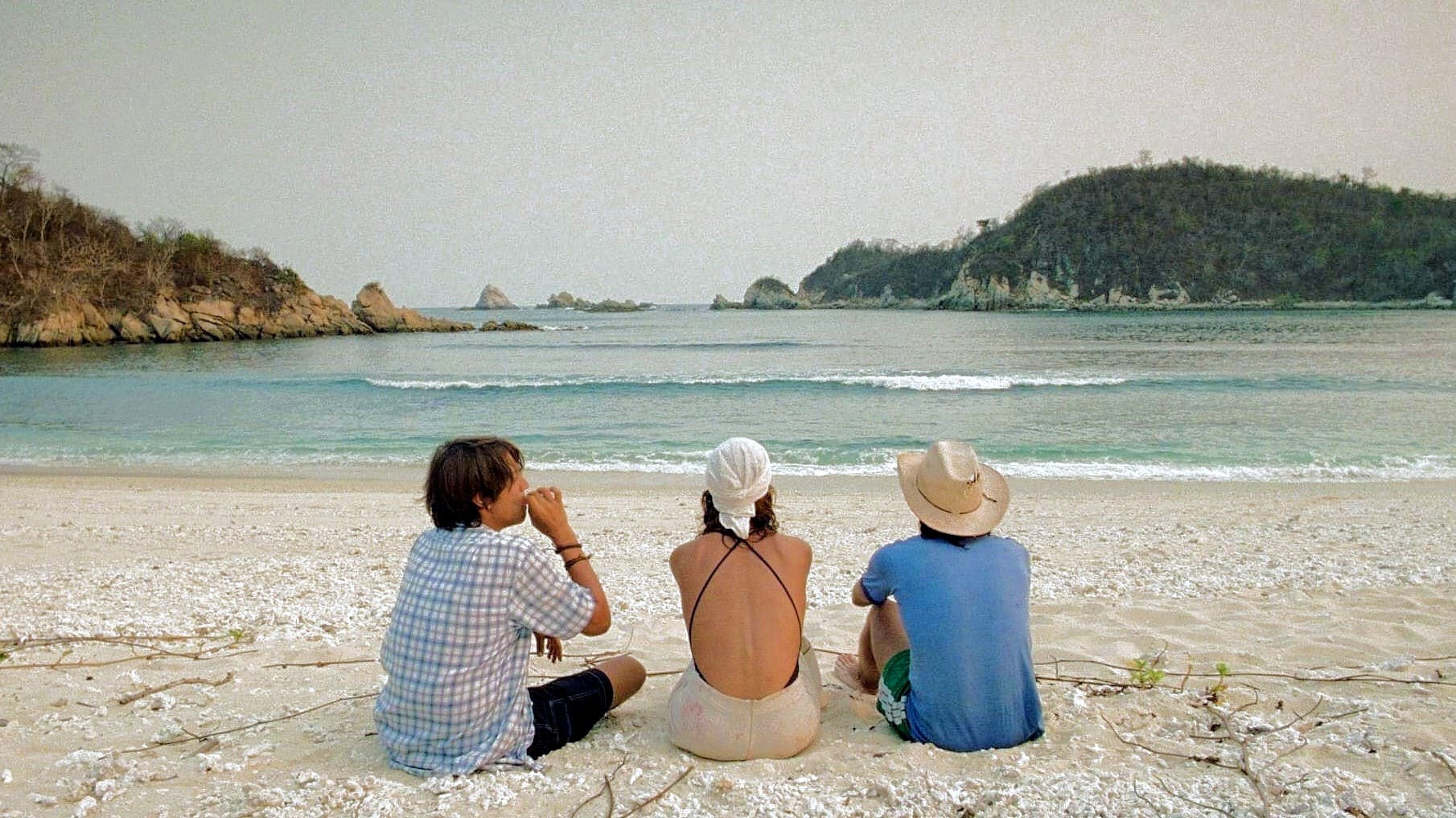
Emmanuel Lubezki’s cinematography gives the travelling a welcome looseness, with room for the country beyond the three central characters. We can enjoy their company without being confined to their concerns. Production designers Miguel Ángel Álvarez and Marc Bèdia help make those surroundings feel inhabited, rather than prepared for a road trip. The sense of unequal lives continuing around the travellers gives the landscape a purpose beyond looking attractive. Cuarón gets considerable pleasure from movement, but the film keeps asking us to notice where we are.
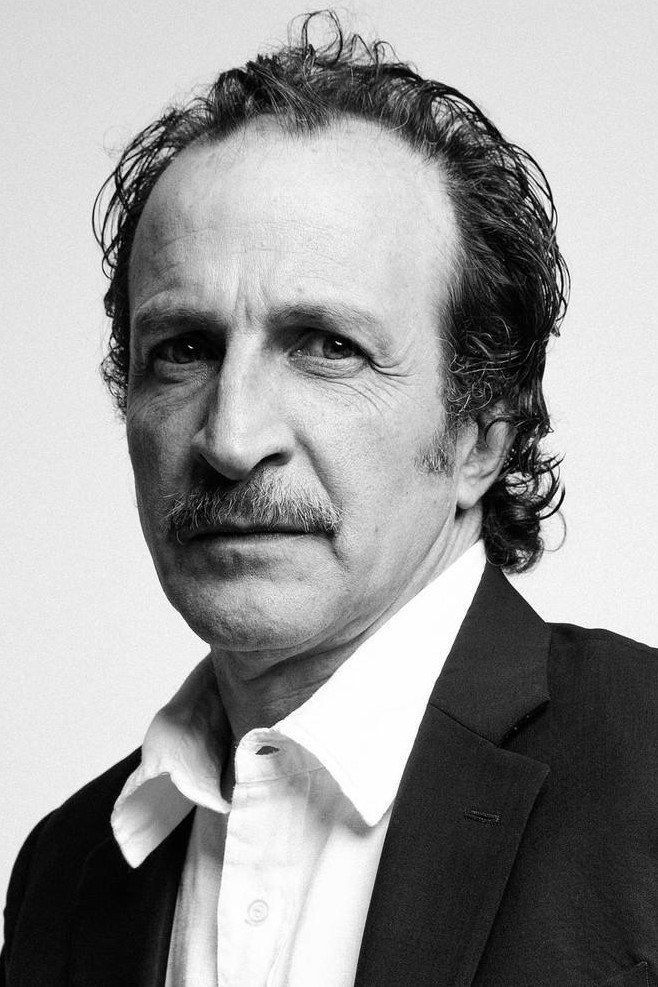
Editors Alfonso Cuarón and Alex Rodríguez have a more awkward task: making the interruptions belong to the same film as the boys’ adventures. Daniel Giménez Cacho’s narrator widens our view to include Mexico’s economic divisions, and the dry delivery usefully checks the travellers’ self-absorption. Sometimes we can feel the correction arriving. The voiceover can sound like a lesson attached to a scene that already has enough going on. These passages are worth having, though a few make the film’s social concerns feel too neatly supplied.
Alfonso and Carlos Cuarón’s screenplay is most convincing when sex and power enter the same conversation. The boys’ assumptions about women give it plenty to work with, and Luisa has enough authority to make their certainty look childish. There is no need to turn either young man into a monster for that to be uncomfortable. Within the coming-of-age comedy, this is a generous way of allowing characters to be wrong. The three performances keep it from becoming a prolonged exercise in correcting them.
The explicit sex is central to the film, so its 18 certificate is worth taking seriously. There is tenderness here, but little interest in making desire look tidy or dignified. We would recommend it even to those who usually avoid teenage sex comedies.