Andrea Arnold’s rambling road drama is worth the time it asks for, chiefly because Sasha Lane makes Star so difficult to leave. The music and roadside encounters carry it through stretches that could use a firmer edit.
Andrea Arnold gives American Honey enough time for a travelling sales crew to become people whose company we enjoy, resent and then seek out again. This is a generous, absorbing drama, with a central performance that holds our attention when the journey begins to repeat itself. Star joins other young people selling magazines across America, and the film follows the work, the partying and the unsettled business of finding somewhere to belong. At 163 minutes, it gives those activities more room than they all need.
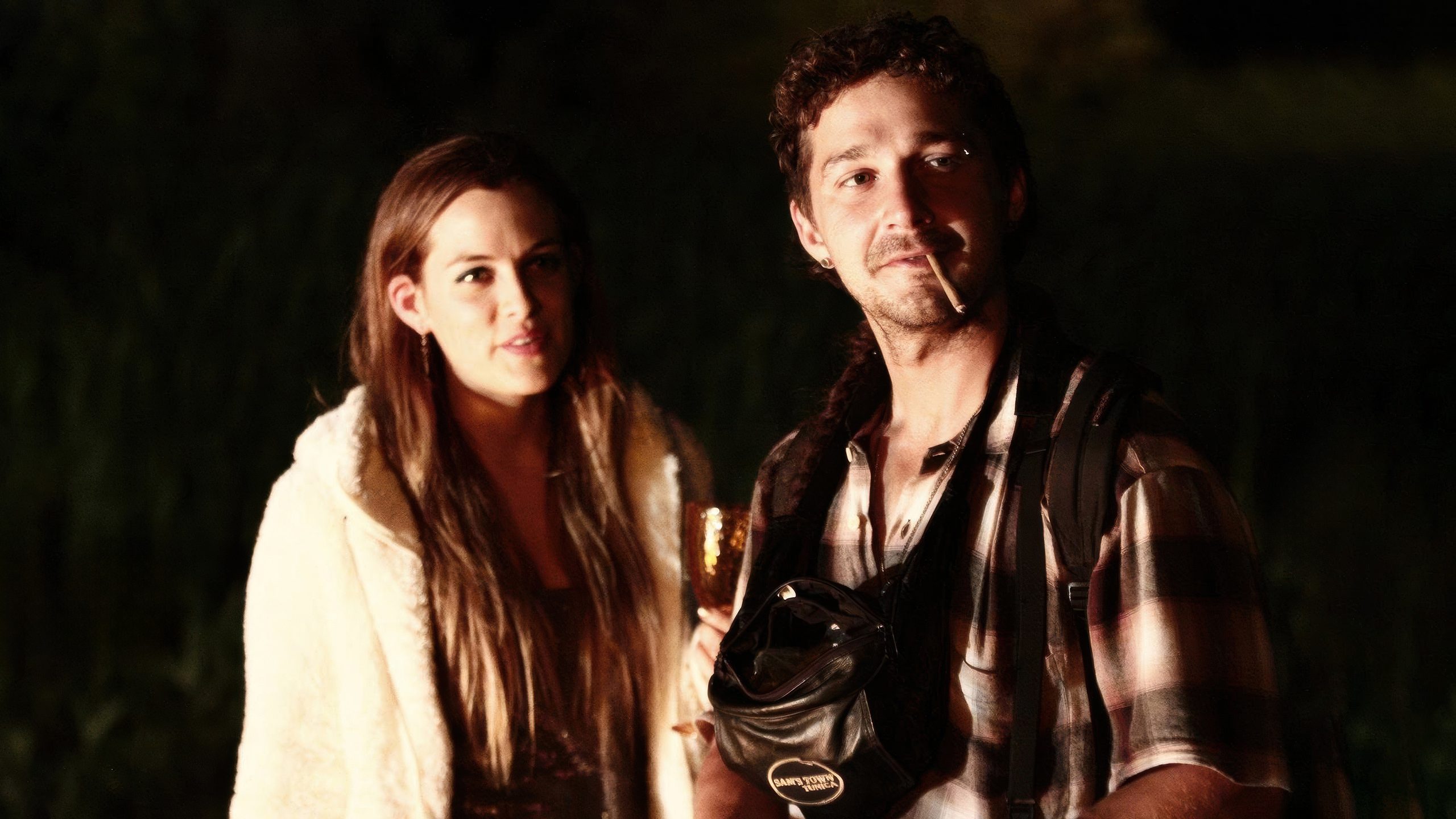
Sasha Lane plays Star with a directness that makes the sales-crew premise feel secondary almost at once. We want to know what this young woman makes of the people around her, especially Jake, played by Shia LaBeouf. Their attraction gives the wandering story something to keep returning to, and his confidence is useful beside her less guarded presence. Star can be impulsive without becoming merely a collection of rash decisions; the performance keeps us interested in the person making them.
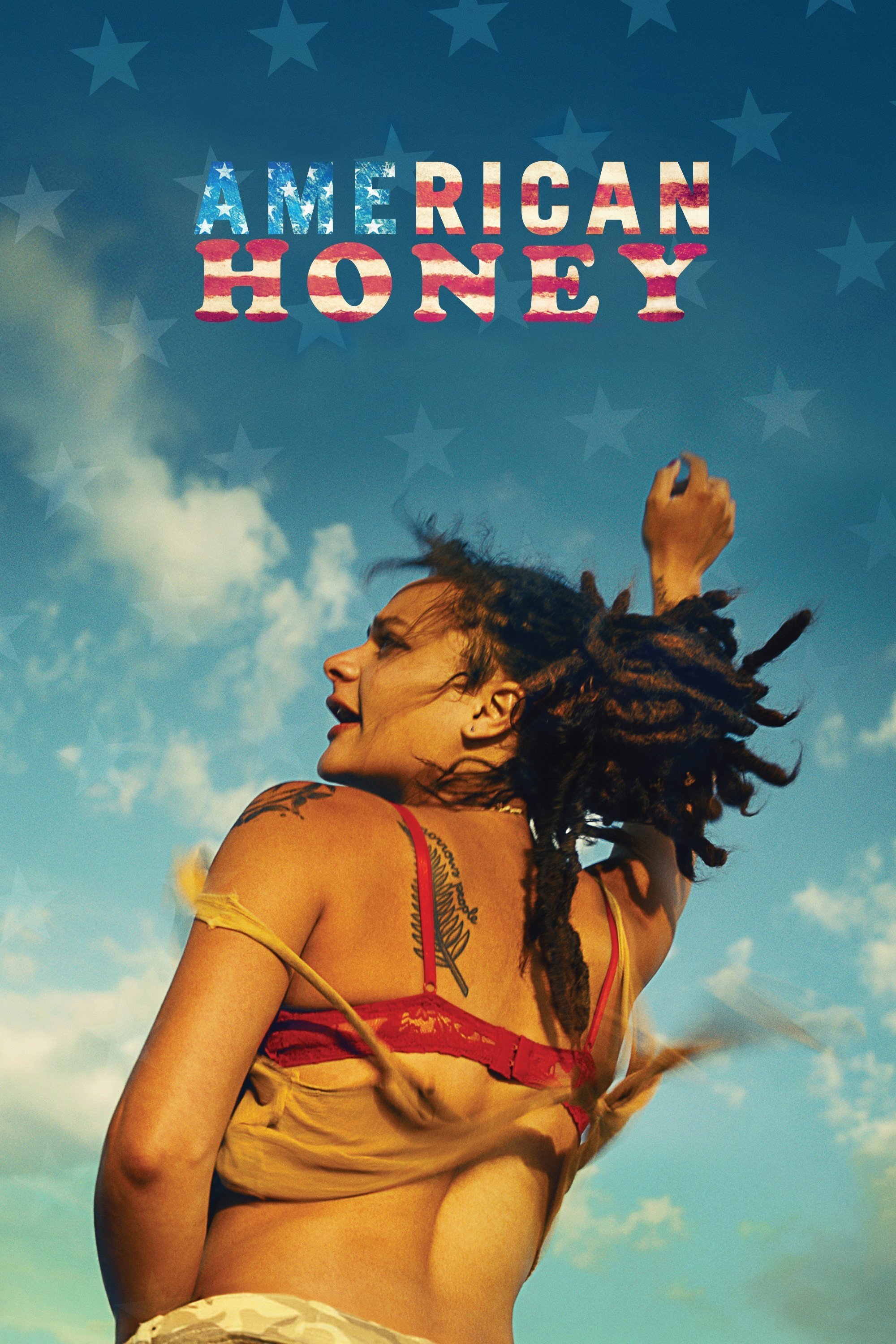
Robbie Ryan’s 4:3 photography keeps the people prominent even when the road seems to offer an unlimited view. Faces and landscapes get the same close attention, and the recurring images of insects make us notice how much small life surrounds this restless human party. The beauty sometimes risks making deprivation too easy to look at. Mostly, though, the attention feels respectful: these young people are allowed to look alive and desirable, rather than being photographed solely as evidence of somebody else’s neglect.
Kelly McGehee’s production design makes the glimpses of domestic life feel inhabited, helping the sales encounters establish differences in how people live. A sales call brings the young crew up against other people’s circumstances, and those encounters give the journey much of its interest beyond Star’s immediate concerns. Andrea Arnold’s writing understands that freedom on the road has practical limits: somebody still has to buy a magazine. Money remains a concern even when the group is enjoying itself.
The music is where the group most readily makes sense. During the partying, a shared song can give these young sellers an ease with one another that their work cannot supply. We were moved by their pleasure in being together; the music makes it possible to understand why Star wants a place among them. Andrea Arnold allows that pleasure time to register, and the film is often most persuasive when nobody is required to explain themselves.
Joe Bini’s editing is patient about letting an encounter develop, and that patience accounts for much of the film’s appeal. It also allows too many stretches of travelling and partying to do much the same job. Once we understand how this group passes its time, another stretch of it needs to tell us something new, and not every one does. The recurring contrast between grime and natural beauty becomes predictable too, making some of those carefully observed images less affecting through repetition.
A road film does not owe us a tidy arrival, but it does have to make the travelling worthwhile. American Honey earns its detours through our interest in Star, even when we wish it would get on with things. Anyone needing a brisk plot should choose something shorter. We would happily spend another evening with her.