Sean Baker’s motel drama is funny, troubling and deeply moving, with Brooklynn Prince and Willem Dafoe especially good. A few episodes repeat what we already know, but the children are worth following.
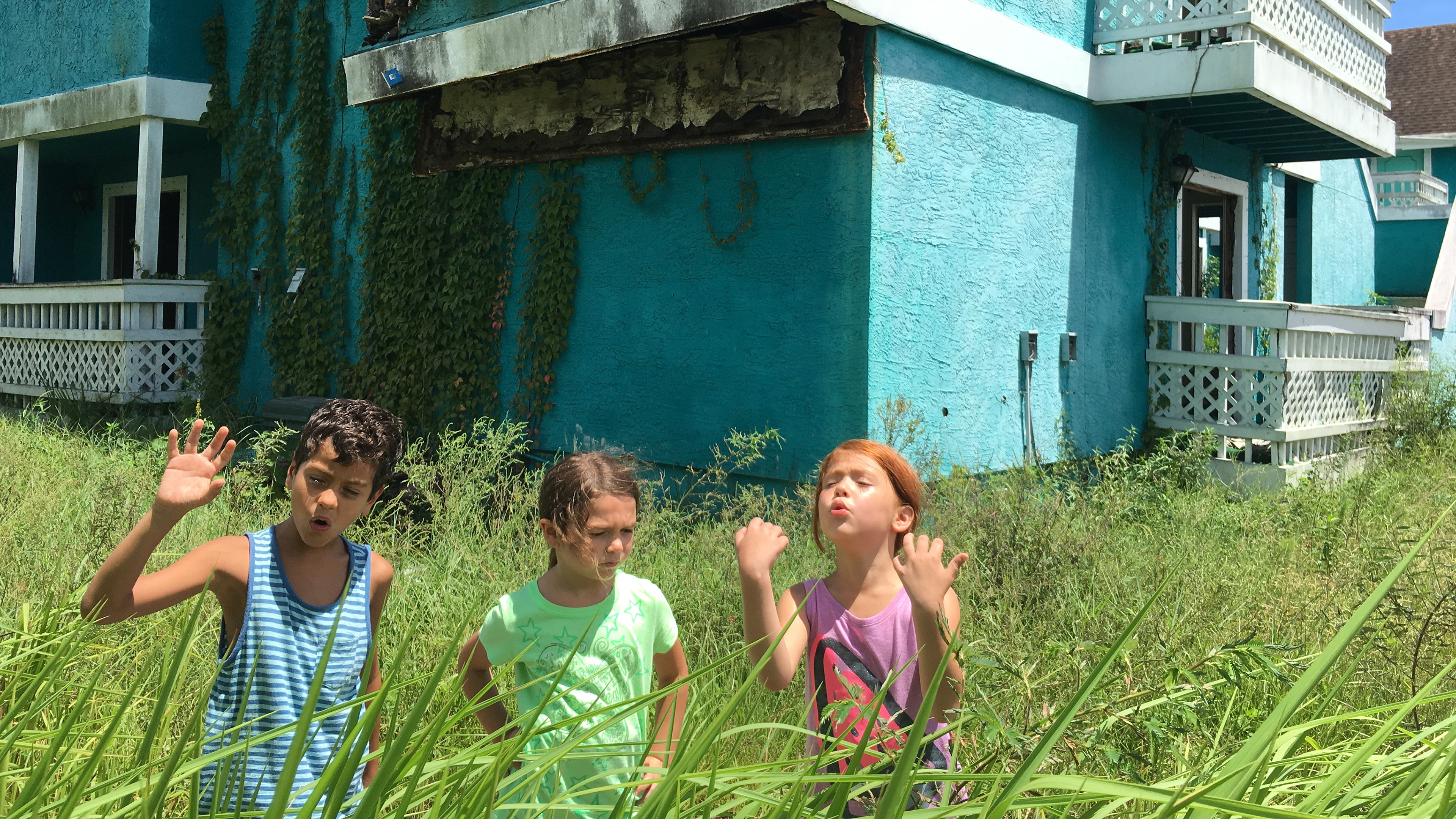
The Florida Project is funny, tender and worth making time for, provided a wandering plot does not put you off. Sean Baker follows children living in a Florida motel near Disney World, allowing their games and misbehaviour to occupy the screen without constantly reminding us what their parents cannot afford. The children are busy; poverty has not made them solemn. We see how much pleasure Moonee finds here, even as her mother, Halley, struggles to keep them housed.
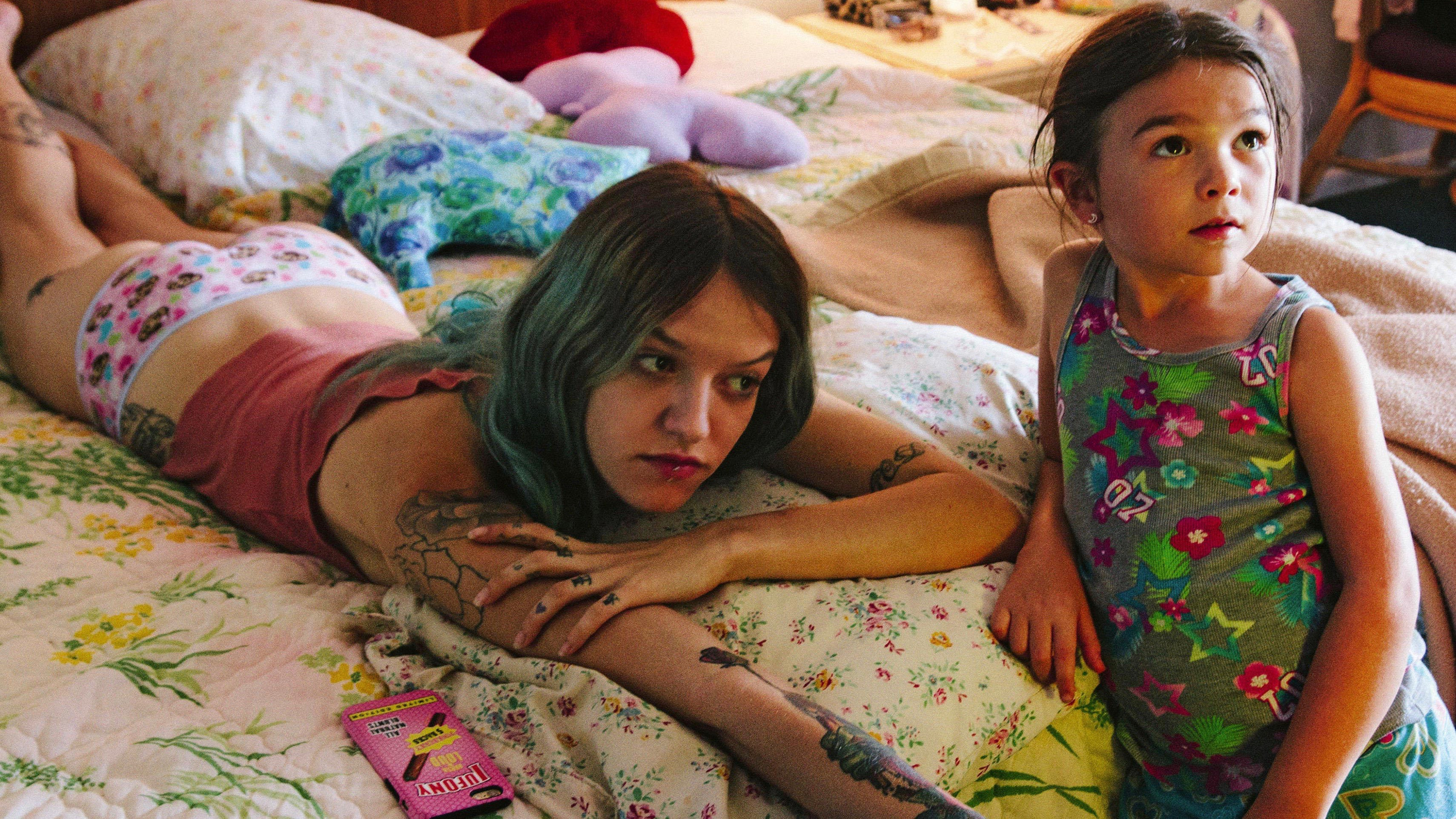
Brooklynn Prince plays Moonee with an appetite for trouble that keeps her clear of the saintly child sometimes required by social drama. Alongside Christopher Rivera as Scooty and Valeria Cotto as Jancey, she makes the mischief feel invented on the spot, with no particular interest in our approval. These children can be aggravating, and the film is right to allow it. Their ability to find something to do is infectious, even when the adults must deal with the consequences.
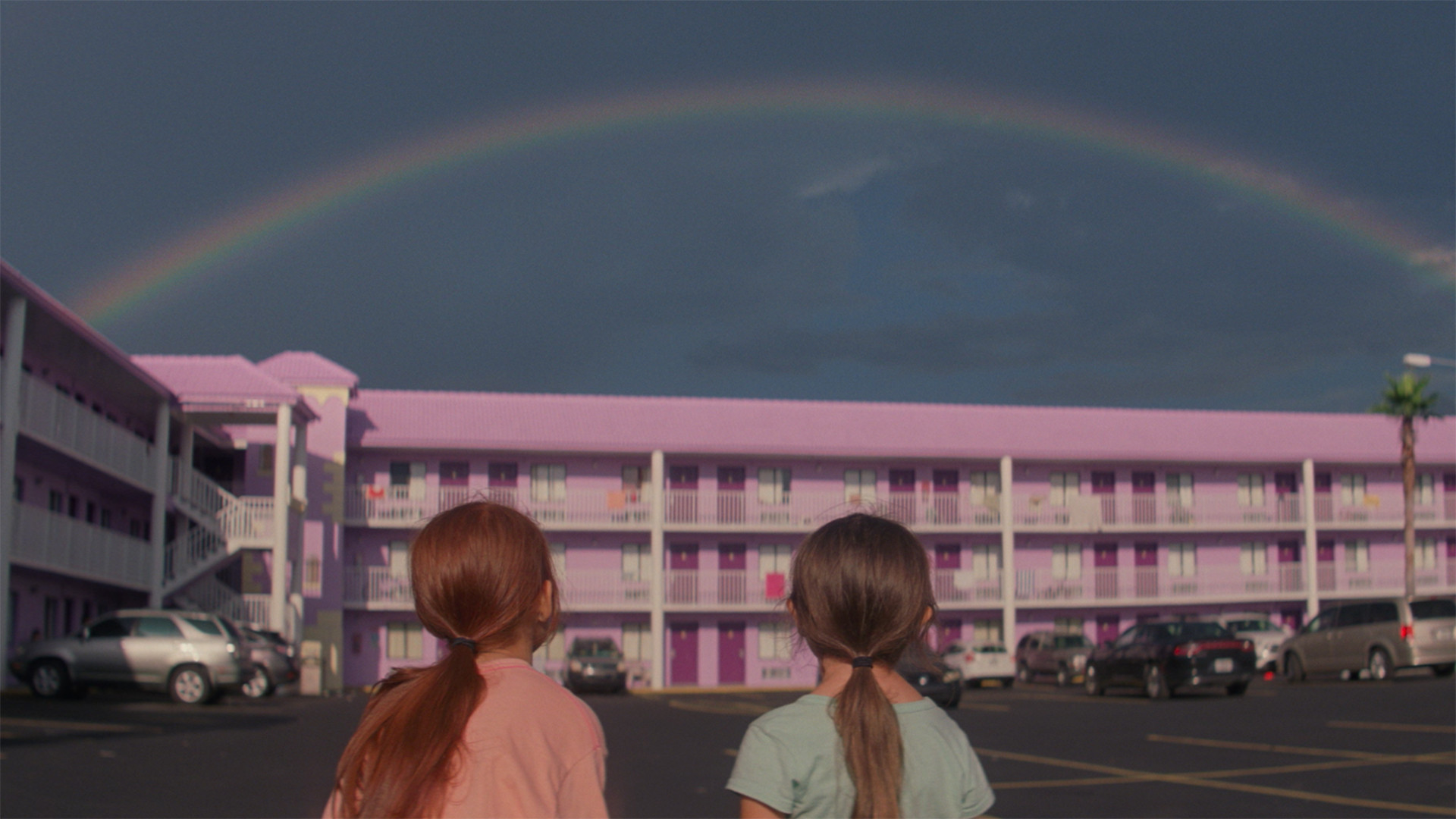
Cinematographer Alexis Zabé gives the motel’s purple colour its full force, so the place can appeal to a child without becoming a reassuring sight for us. The brightness never suggests that the residents’ difficulties are minor. Stephonik Youth’s production design makes the Magic Castle feel capable of accommodating both play and the exhausting business of living there. We understand why Moonee finds things to enjoy without being asked to mistake this motel for a good answer to her family’s problems.
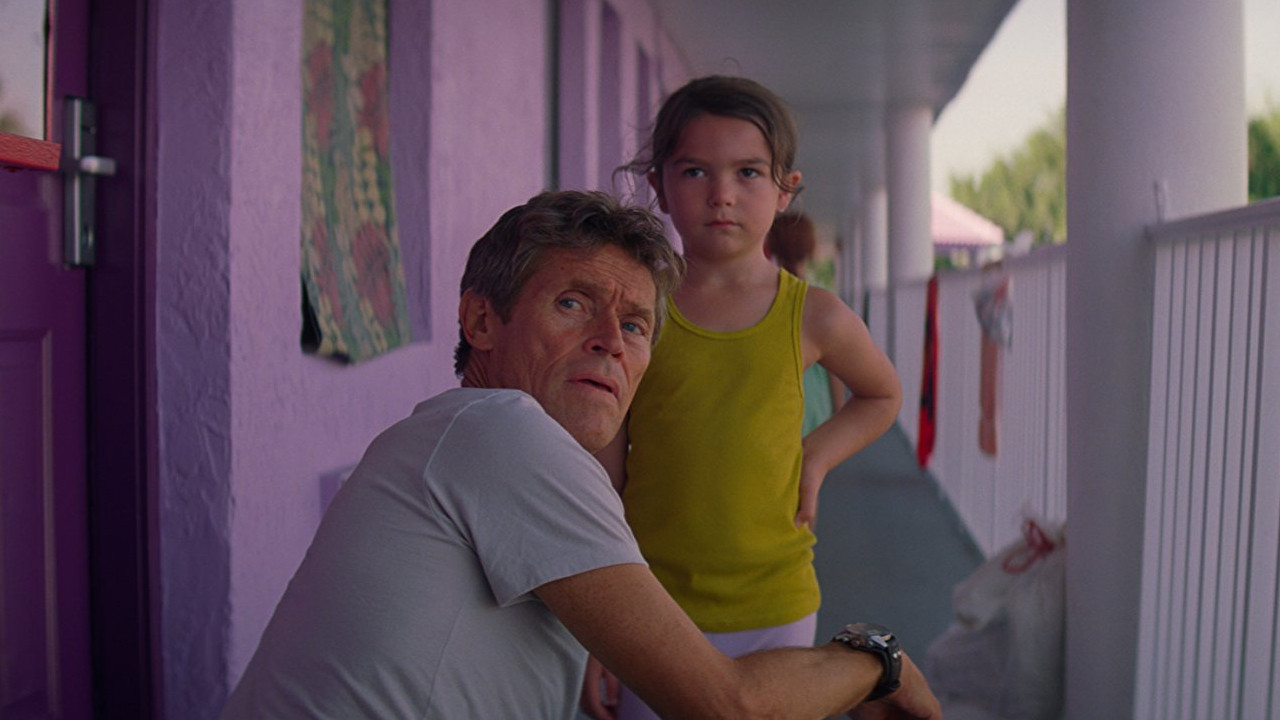
Willem Dafoe, as motel manager Bobby, gives the film its most affecting adult performance. We were moved by his patience with the children, because the irritation is still there and caring for them plainly takes effort. He makes us notice the work involved in keeping the place going, even when the children regard it as their playground. Nothing in the performance asks us to applaud Bobby merely for being a decent adult.
Bria Vinaite makes Halley harder company, and the film gains from that. Her abrasive manner can wear us down, but Sean Baker and Chris Bergoch’s writing does not pretend that financial desperation produces tidy behaviour or conveniently likeable parents. She gives the impression of someone with too little patience left for anybody else’s judgement. There is affection between mother and daughter, yet the performance keeps us worried about what Halley can manage.
The looseness does come at a cost. Editing his own film, Sean Baker lets individual episodes develop at the children’s pace, but some repeat a pleasure or a worry we have already understood. At 112 minutes, there is room for a modest trim. Lorne Balfe’s music scarcely registers with us beside the children’s noisy company, a balance that suits the film and leaves its strongest performers to hold our attention.
The danger with this kind of social drama is that the children become evidence of parental failure, or cheerful proof that hardship does not matter. This film generally avoids both, because Moonee is allowed to take up space as an awkward, funny person with things to do. Be prepared to spend time with children who have no intention of behaving for an audience.