Hirokazu Kore-eda’s drama about a household surviving through theft is tender, funny and quietly troubling. We recommend it warmly, with one reservation: a few stretches linger after their point has landed.
Hirokazu Kore-eda’s Shoplifters is a warm, unsettling family drama that deserves the attention its quiet manner asks for. Its household survives partly through theft, and the film lets us enjoy the company of the people doing it before asking us to judge their care of children. That makes for a more demanding evening than a tidy story about decent people breaking bad laws. A few passages of domestic routine could have been shorter, but the film earns our concern without making its characters easy to defend.
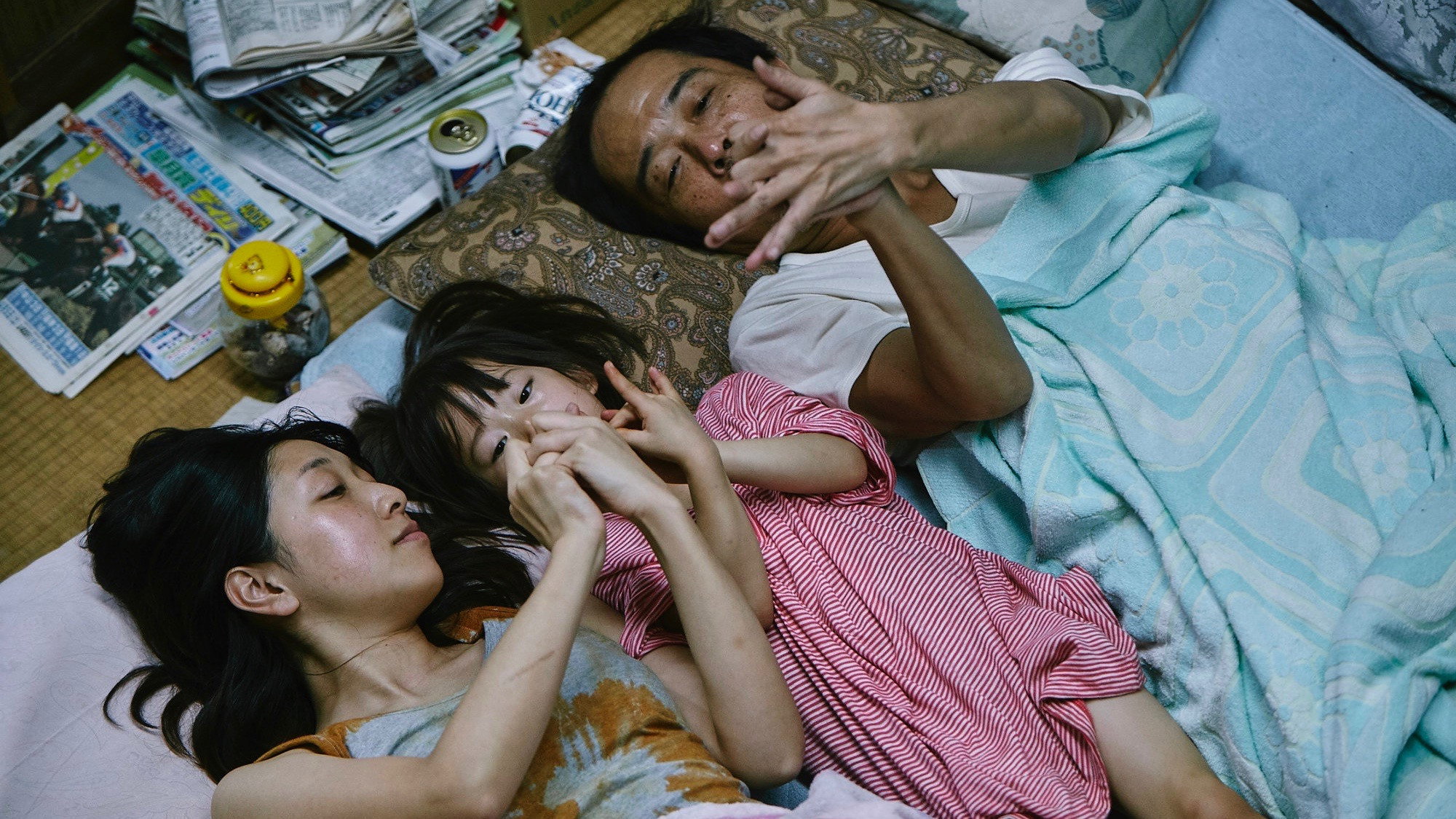
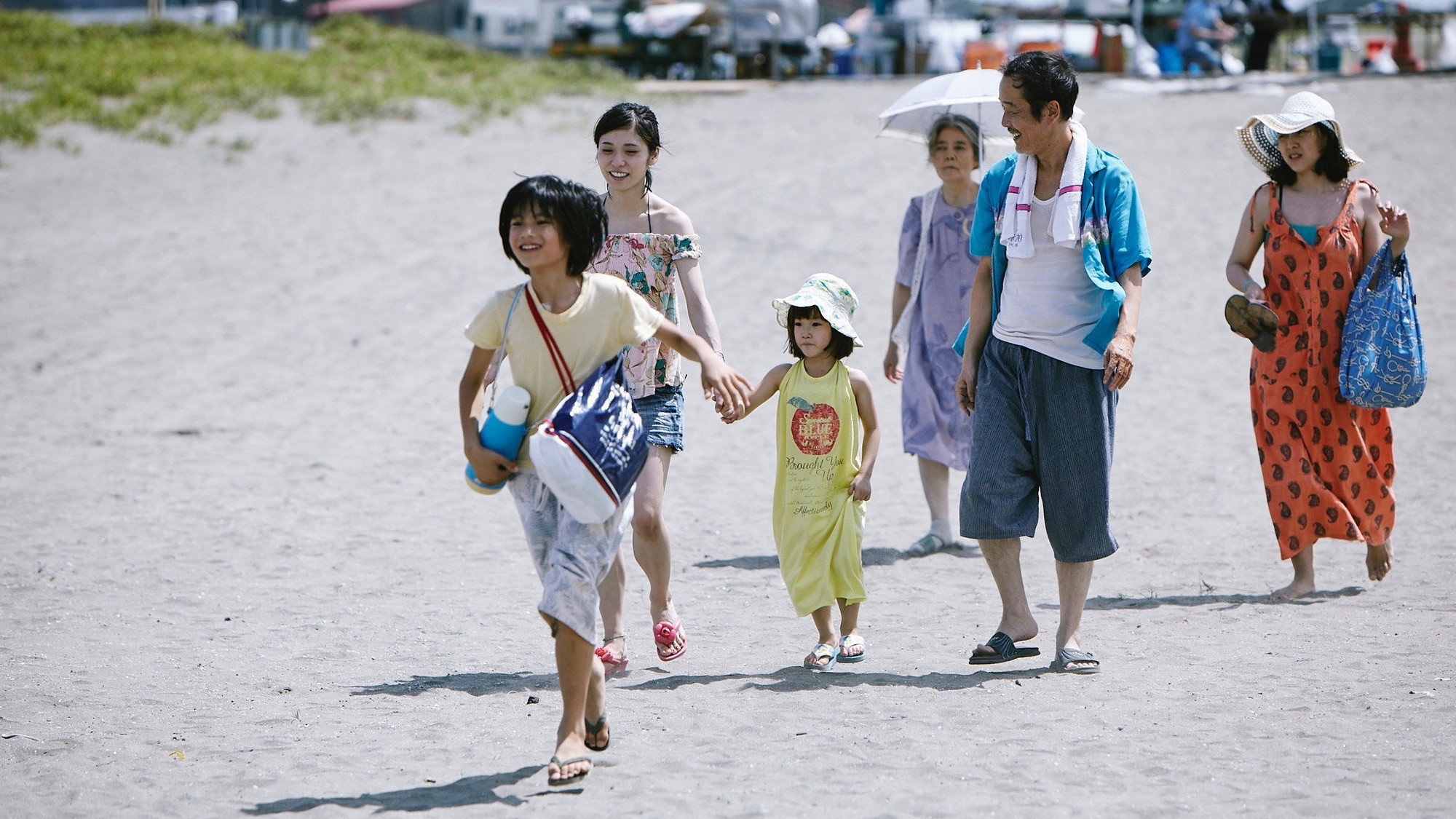
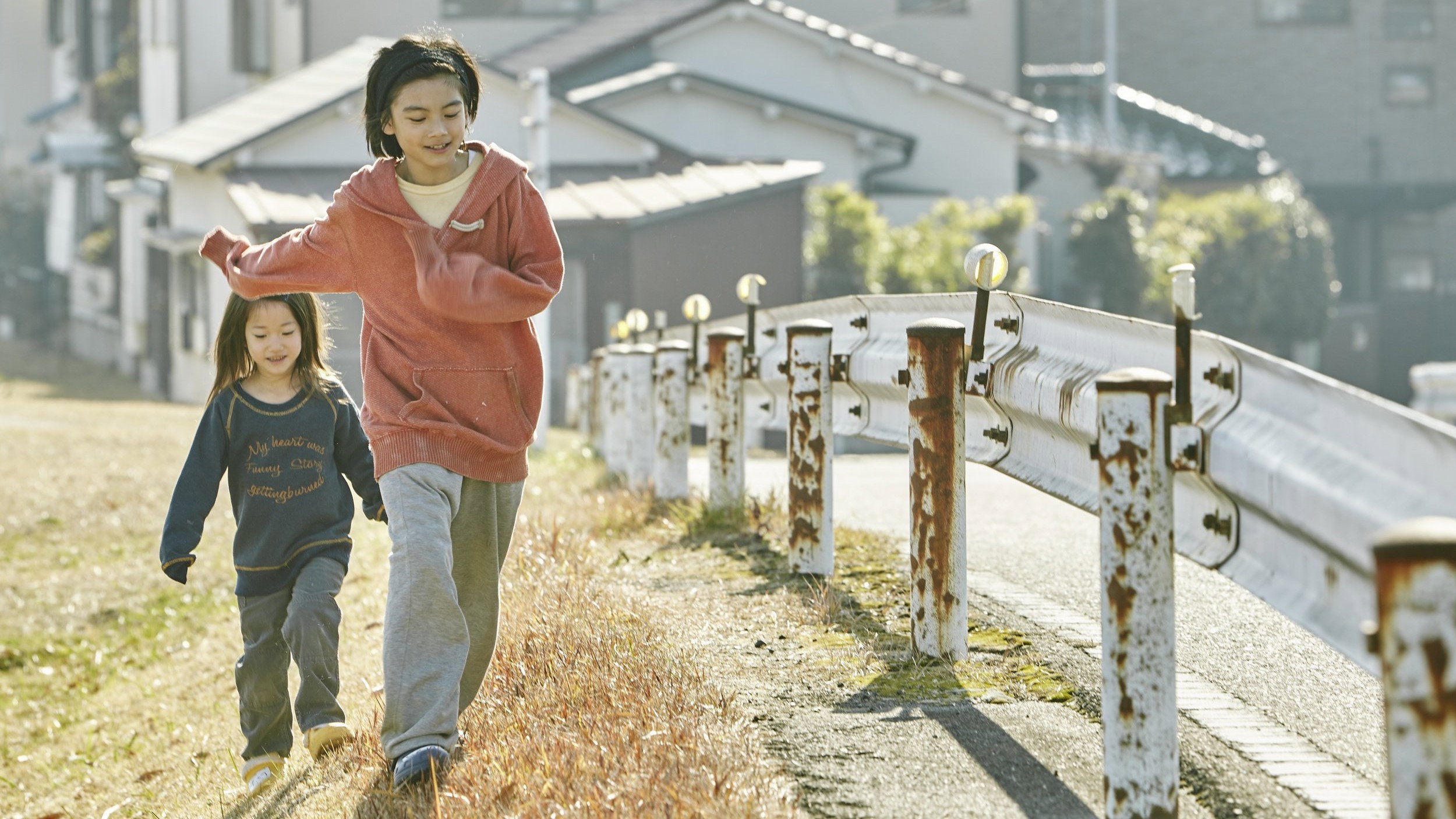
The arrival of Yuri (Miyu Sasaki), an abused girl taken into the household, gives that question a particular urgency. We were moved by the welcome she receives, because people who already struggle to get by still find room to care for her. Hirokazu Kore-eda does not require us to approve of everything else they do before allowing that care to count. He also leaves us uncomfortable about how much authority adults claim simply by deciding that they know what a child needs.
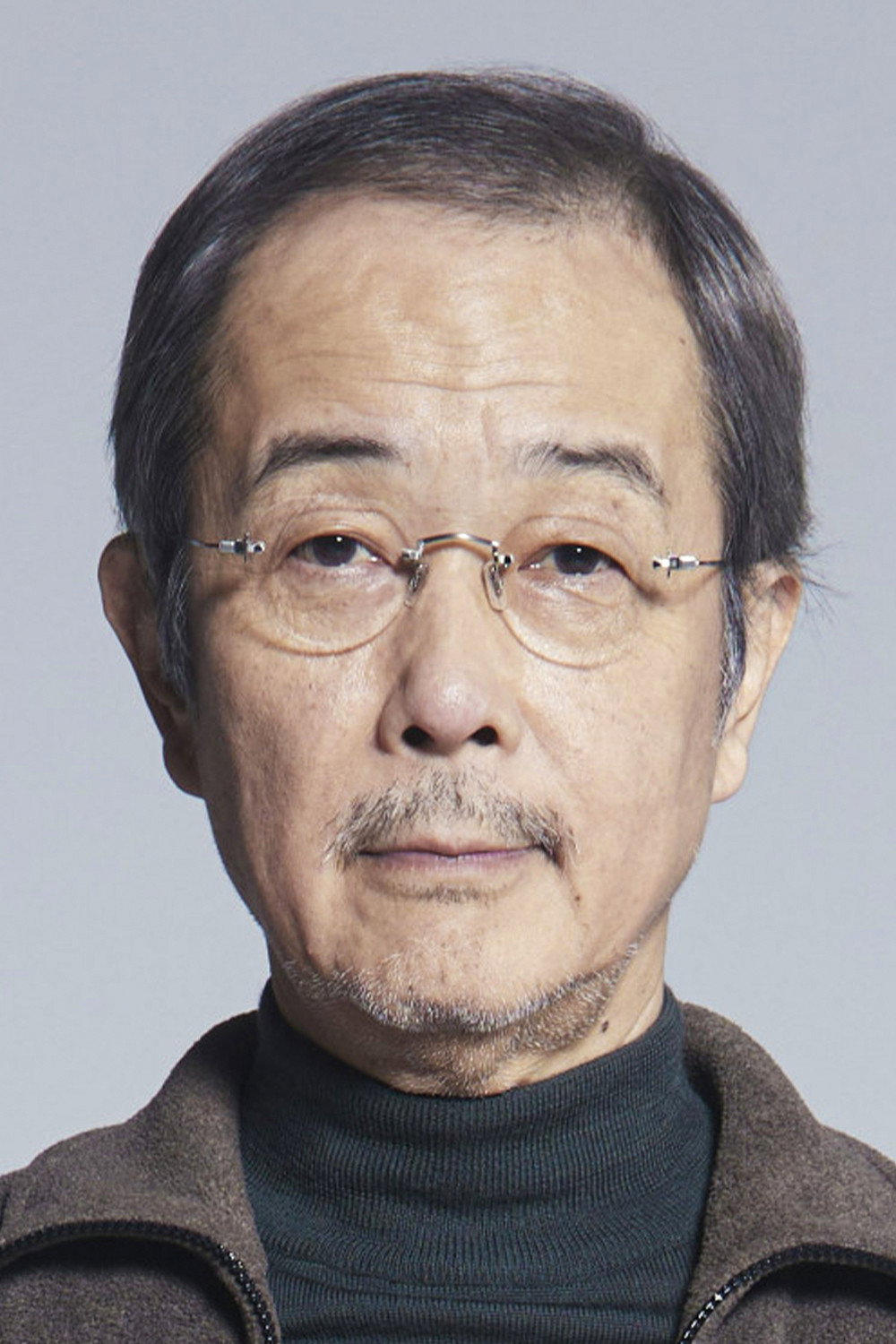
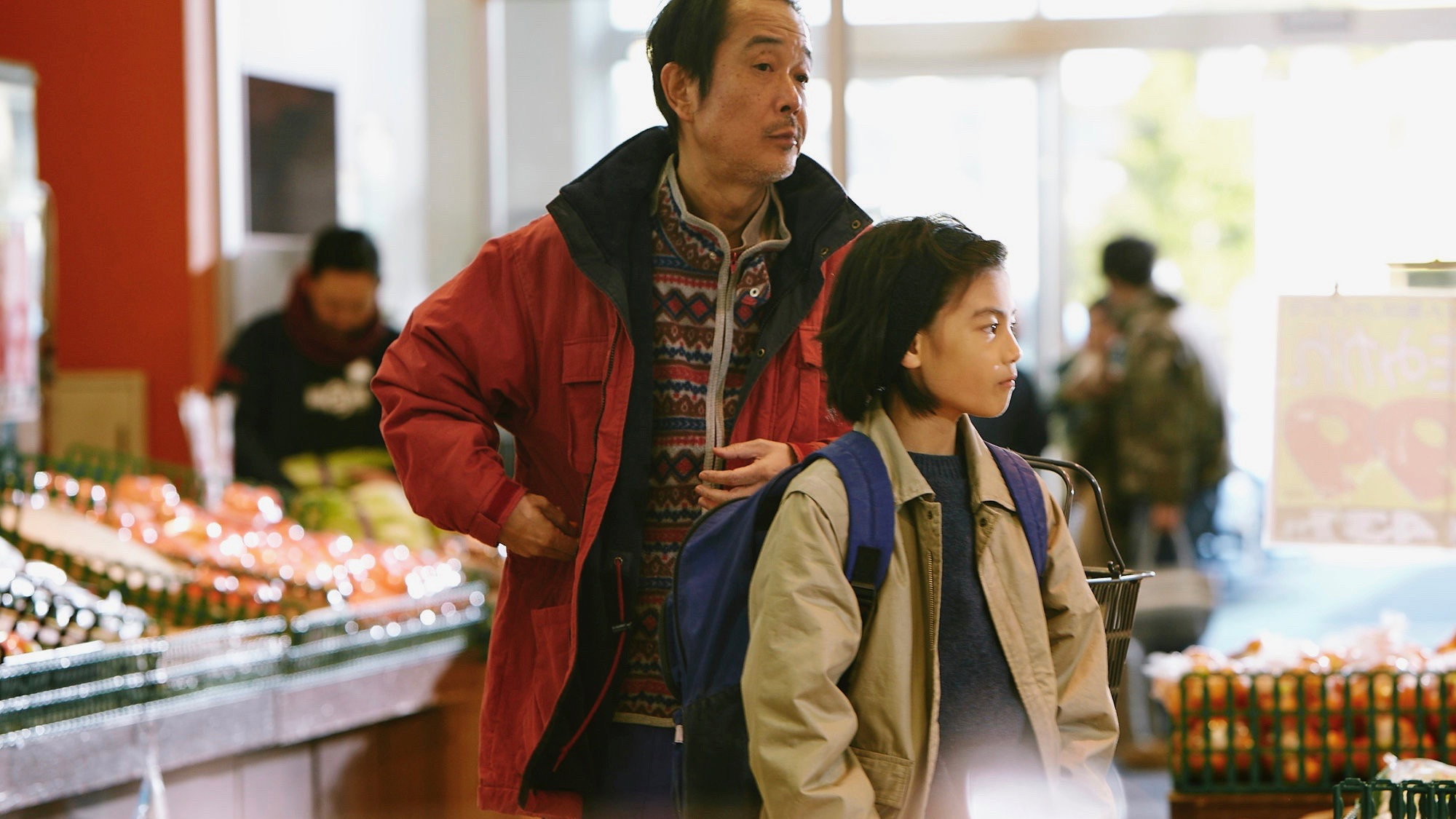
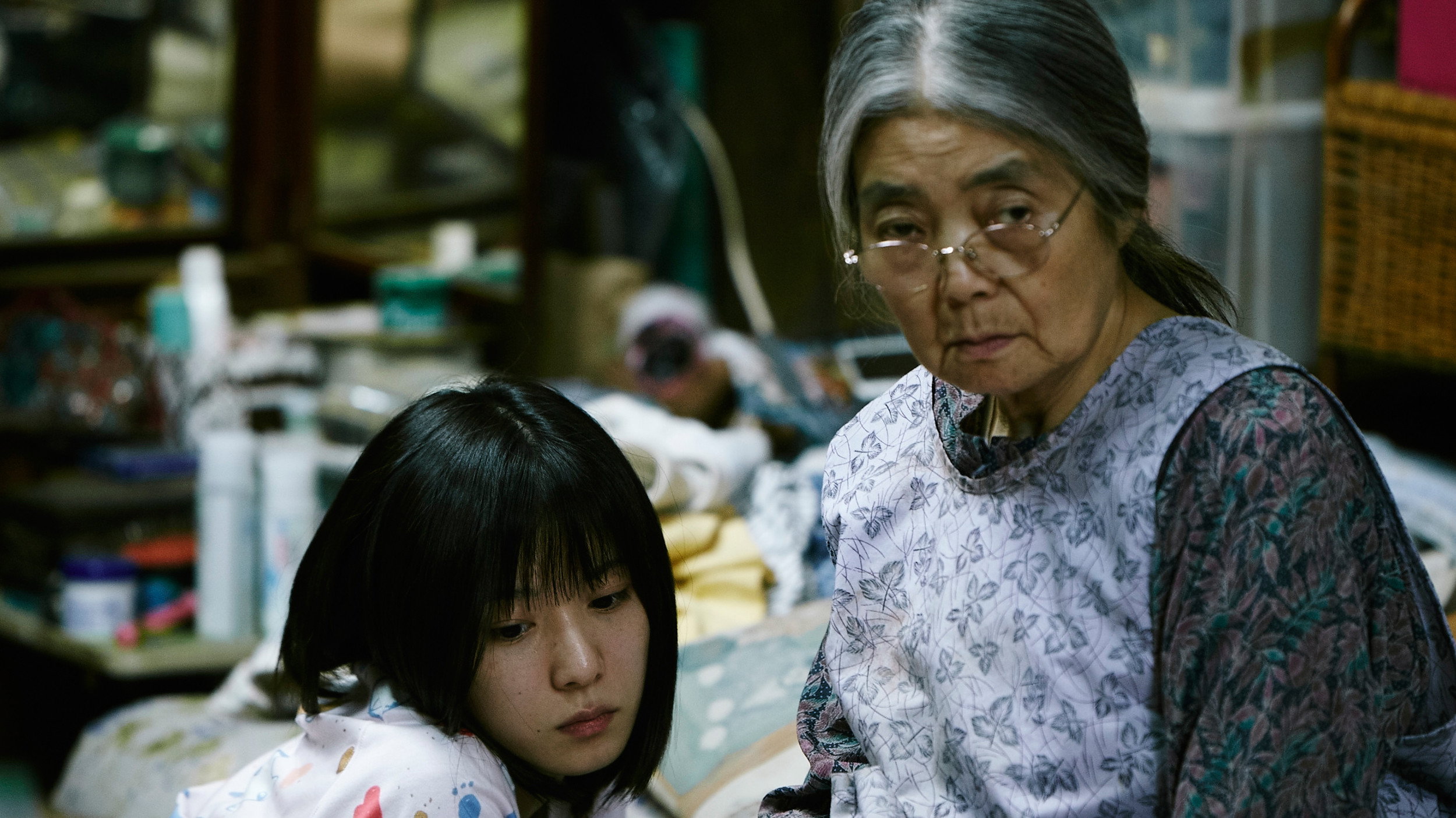
Lily Franky makes Osamu Shibata likeable without making him a reassuring father figure. His affability matters: we understand the appeal of his company even when there are reasons to question his judgement. Sakura Ando is equally good as Nobuyo Shibata, allowing tenderness and self-interest to belong to the same person. Neither actor treats affection as proof that the household’s arrangements are good for everyone in it, and neither makes the moral complications look like an acting exercise.
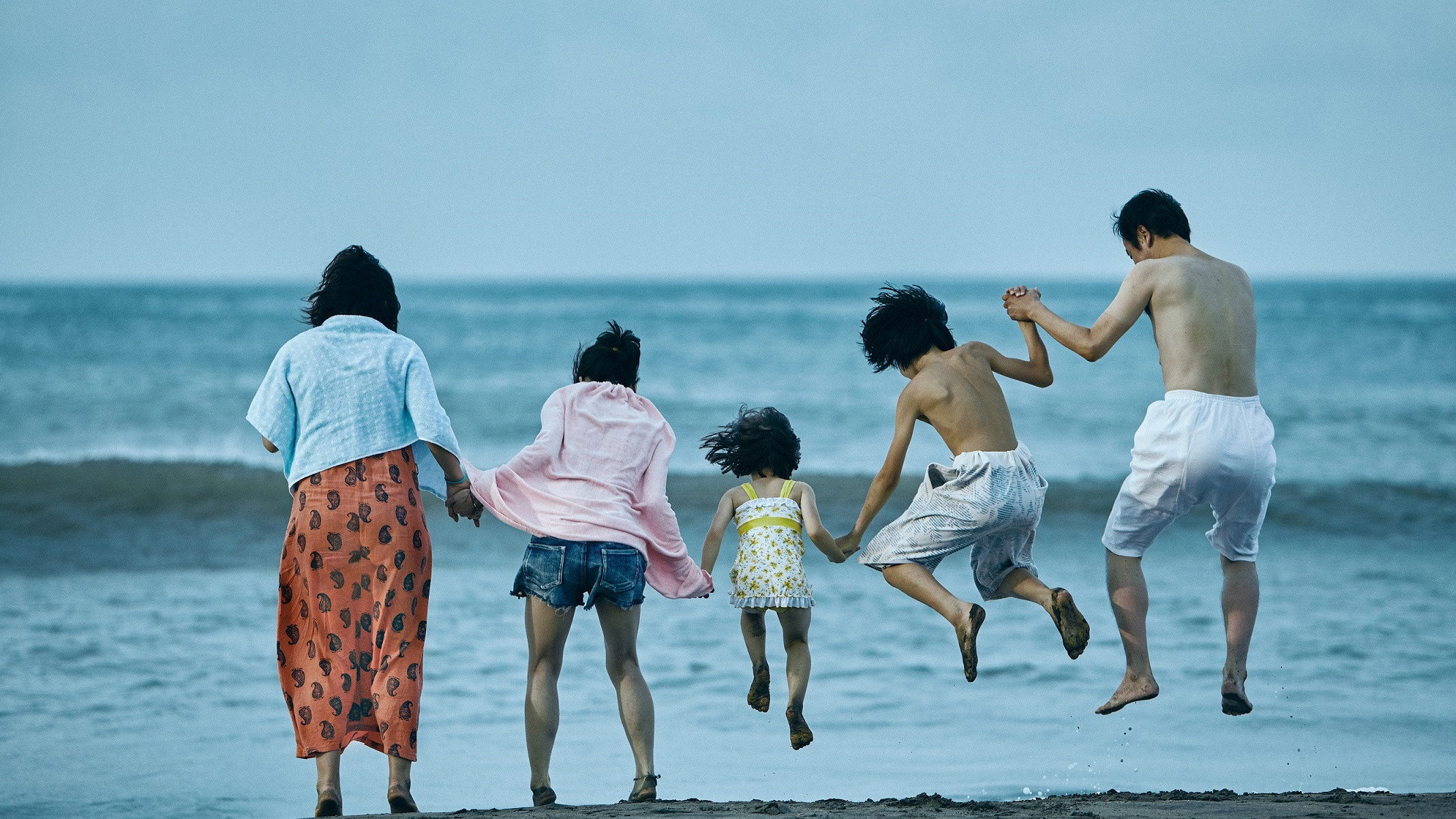
Ryuto Kondo’s carefully composed domestic frames keep our attention on people sharing space. The compositions encourage us to watch the household together, rather than wait for a close-up to identify the person who matters. Keiko Mitsumatsu’s production design keeps the household’s poverty present without making the home feel like an exhibit of deprivation. These domestic scenes allow us to notice how people live alongside one another, and the film’s concern with poverty remains attached to the people experiencing it.
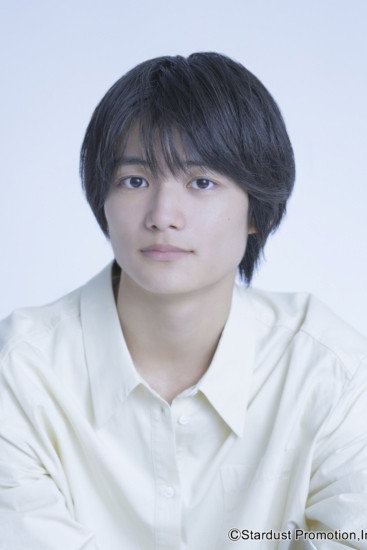
Kairi Jo, as Shota Shibata, and Miyu Sasaki keep the children from becoming handy endorsements of the adults. Their performances make us consider what this household offers a child, rather than simply accept the grown-ups’ affection as sufficient. Haruomi Hosono’s music helps sustain the gentleness without making theft or neglect seem quaint. The actors remain the main reason the film hurts, particularly Sakura Ando, whose warmth never quite removes our doubts about the care being offered.
As editor as well as writer and director, Hirokazu Kore-eda gives everyday routines time to become familiar. Mostly that patience pays off, since concern for these people depends on knowing something of their ordinary company. Occasionally, though, a scene continues after we have understood the relationship it is showing us, and the two-hour running time begins to register. This is a modest reservation, but a film so attentive to small differences could trust us to recognise some of them a little sooner.
As a family drama, Shoplifters asks rather more of us than picking the adults we like and hoping they prevail. We believe in the affection and still have good reason to worry about the children. Its humour allows these people to be enjoyable company without requiring us to treat their choices as harmless. Give it an evening when nobody needs the parents to be exemplary.